

Support this fundraiser
For over a decade, Puroast Coffee has been built around one simple promise: coffee that is genuinely low-acid — not by dilution, not by caffeine removal, but by changing how coffee is roasted.
Millions of people suffer from acid reflux, heartburn, and stomach irritation triggered by coffee. For those people, “low-acid” is not a marketing buzzword — it’s the difference between enjoying coffee and giving it up entirely.
Puroast invested years of research, testing, and sustainable roasting innovation to solve this problem honestly. The result is coffee that measures significantly lower in acidity while retaining flavor, antioxidants, and normal caffeine levels.
But today, that truth is under attack.
What Happened
A major grocery chain, Trader Joe’s, began selling a product labeled “Low Acid Coffee.”
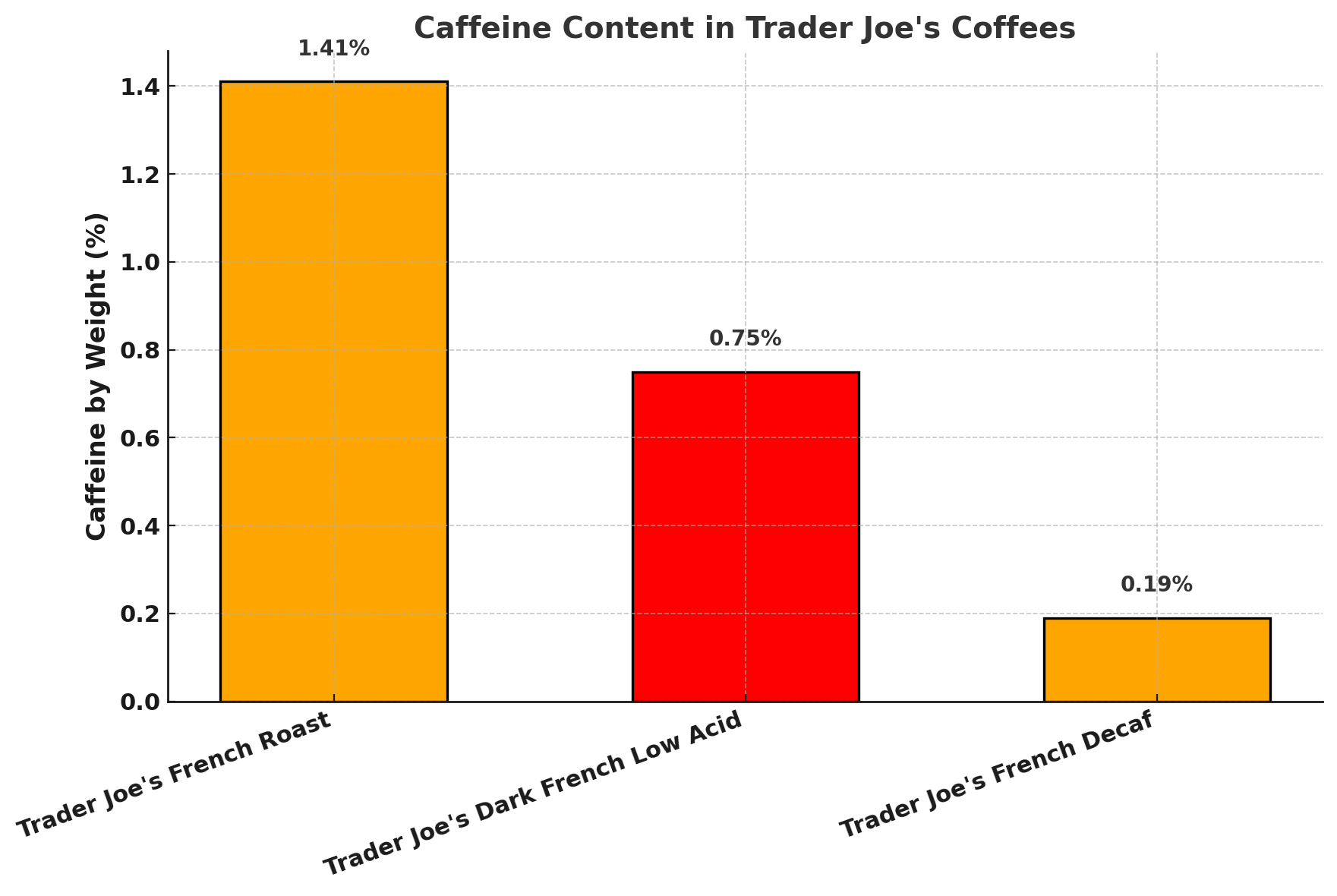
Independent testing revealed something disturbing:
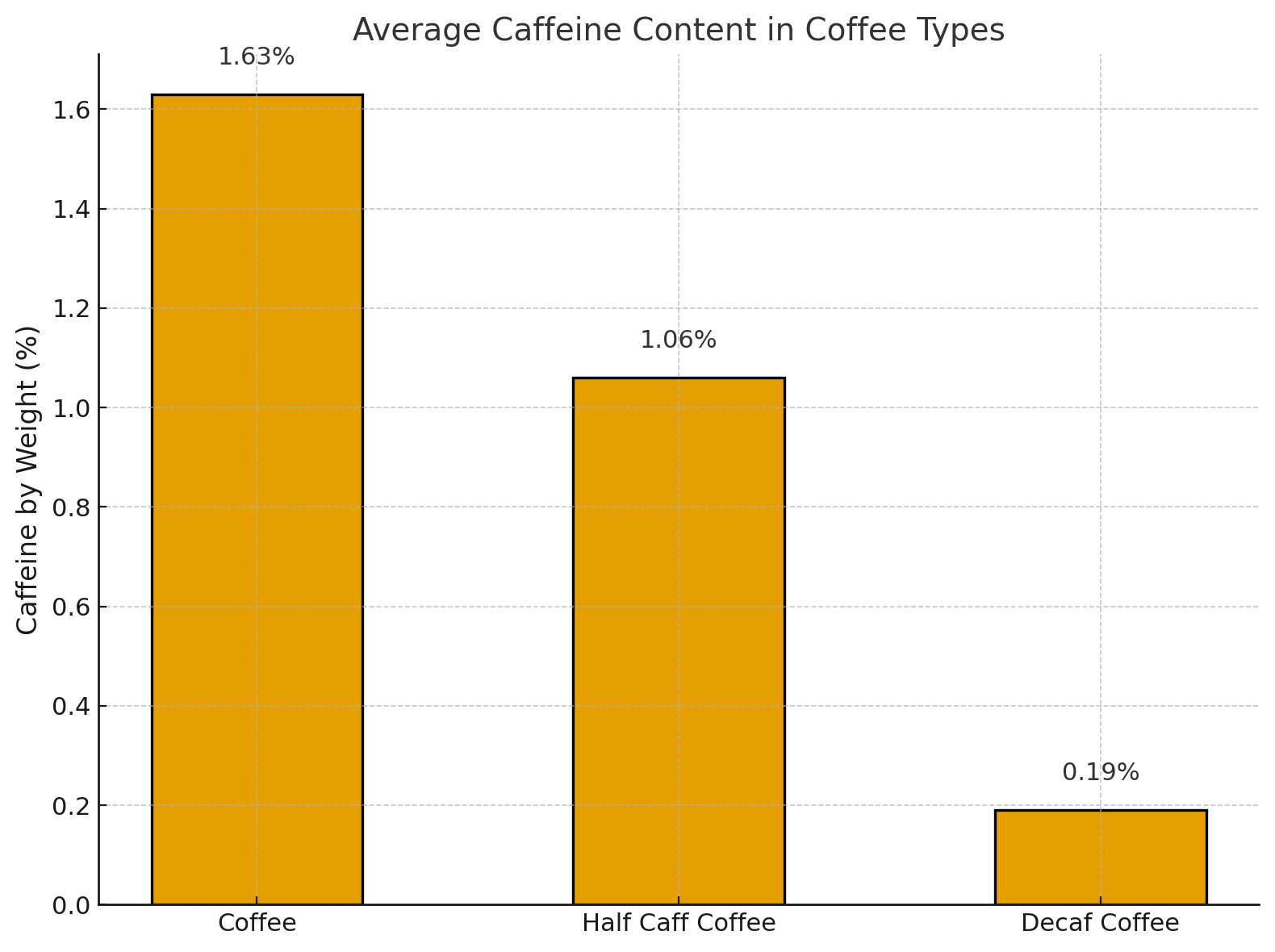
Instead of reducing acidity through roasting science, the product achieves “low acid” primarily by removing caffeine — a method long known to lower acidity by default, regardless of roast quality.
In plain terms: it’s closer to half-caffeinated coffee than truly low-acid coffee.
This distinction matters — because consumers who buy low-acid coffee reasonably expect:
Relief from stomach irritation
Normal caffeine levels
An honest explanation of why acidity is lower
Labeling a product “low acid” without clearly disclosing that it is achieved through caffeine removal misleads consumers, especially those with medical sensitivity to acid.
Why This Became a Lawsuit
This case is not about competition. It is about truth in labeling.
When large corporations redefine specialized health-adjacent terms without disclosure, small innovators are left with two choices:
Stay silent and let consumers be misled
Stand up — even when it’s expensive
We chose to stand up.
Under U.S. law — including the Lanham Act — companies are not allowed to use misleading claims that confuse consumers or distort markets. This lawsuit exists to protect truthful labeling, consumer trust, and fair competition.
What Trader Joe’s Is Actually Doing
Trader Joe’s does not dispute that its “Low Acid Coffee” achieves lower acidity by intentionally removing a substantial portion of the caffeine from the coffee.
They know this. They do this on purpose. And they do not clearly disclose it to consumers.
Their legal defense is not that the caffeine was preserved.
Their defense is that there is no formal FDA standard defining how “low acid coffee” must be made, and therefore consumers have no right to know that caffeine was reduced by roughly 50% to achieve the claim.
In other words, their position is: Because there is no written standard, disclosure doesn’t matter.
That argument should alarm everyone.
Why This Is a Problem (And Why It’s Bigger Than Coffee)
Caffeine is not a trivial attribute of coffee. It is one of the primary reasons people drink coffee at all.
Reducing caffeine by half is a material alteration — not a flavor tweak, not a roast preference, but a fundamental change to the product’s expected function.
Consumers buying “low-acid coffee” reasonably expect:
Lower acidity
Normal caffeine levels
Transparency about how the claim is achieved
What they do not expect is that caffeine was deliberately stripped out to manufacture a health claim — without clear disclosure.
Trader Joe’s position is that this expectation doesn’t matter.
The Dangerous Precedent This Would Set
If this conduct is allowed to stand, it creates a dangerous loophole.
Any company could:
Remove a key functional component from a product
Claim a health benefit created by that removal
Avoid disclosure by arguing “there’s no standard”
Sell the removed component separately for added profit
To make this concrete:
Imagine a company removes 50% of the potassium from bananas, then argues: There is no FDA standard for potassium content in bananas. Consumers therefore have no right to know. The bananas can still be sold as “regular bananas.” The extracted potassium can be sold separately.
Most people would immediately recognize that as deceptive.
This case asks a simple question: Does the absence of a written standard eliminate the consumer’s right to know when a product has been fundamentally altered?
Consumers Already Answered This Question
We didn’t guess. We tested it.
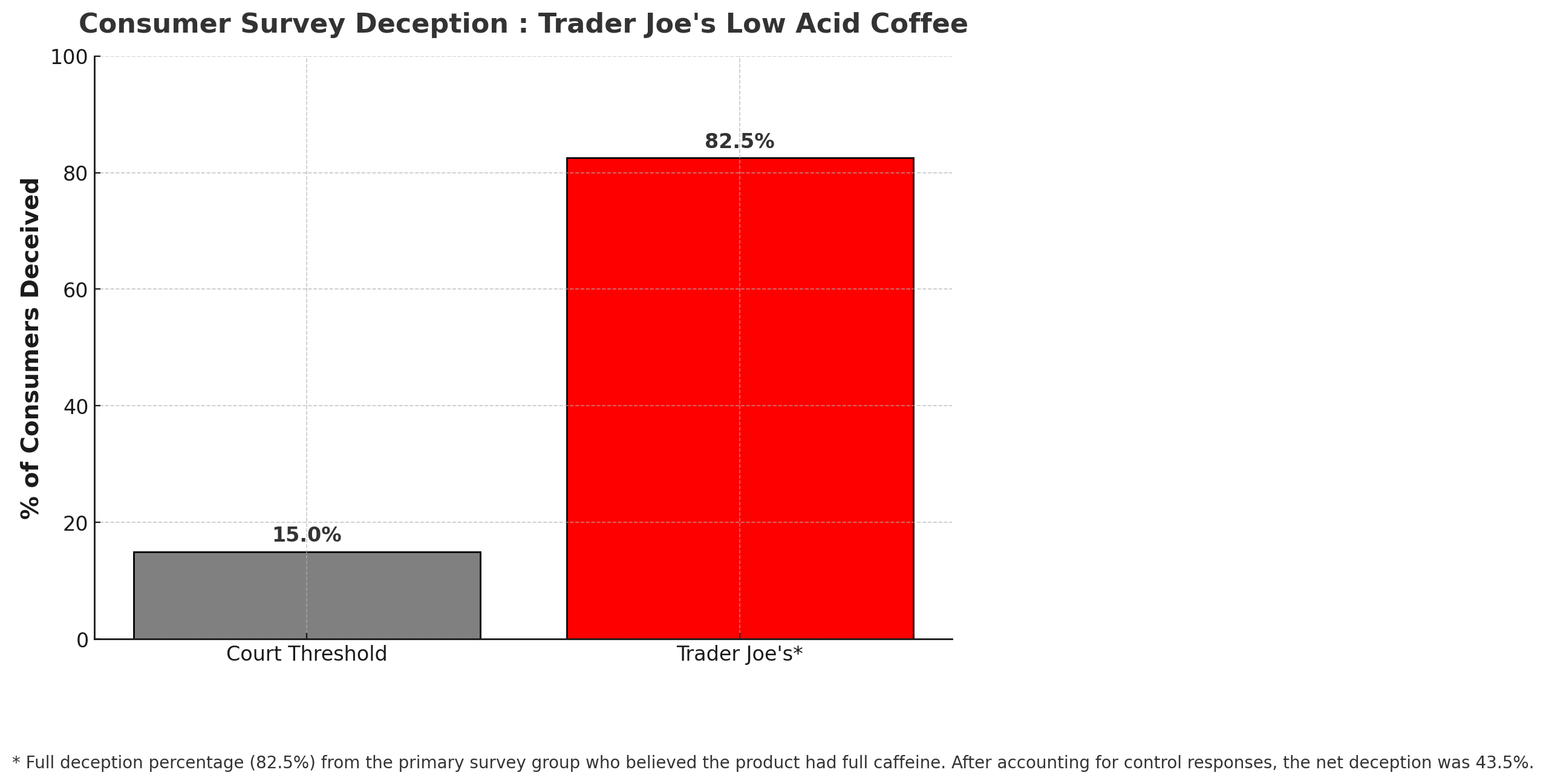
An independent consumer study was conducted to assess how ordinary buyers perceive this product once the caffeine reduction is disclosed.
The results were unambiguous:
Over 70% of consumers said they would not purchase the product. Over 70% felt the labeling was misleading or fraudulent. Most believed “low acid” referred to roasting or bean treatment — not caffeine removal.
This isn’t a technical disagreement. It’s a disconnect between what consumers believe they’re buying and what they’re actually getting.
Why We Had No Choice But to Act
Puroast Coffee did not bring this lawsuit lightly.
But when a large retailer openly argues that: Disclosure doesn’t matter. Consumers don’t have a right to know. Functional alterations can be hidden behind regulatory silence.
Walking away would mean accepting that truthful labeling is optional for anyone big enough to afford lawyers.
That’s not a market — that’s a race to the bottom.
Exactly What These Funds Will Be Used For
All funds raised through this GoFundMe will be used exclusively for litigation expenses related to the Puroast v. Trader Joe’s case, including:
Independent laboratory testing
Consumer perception research
Expert witnesses
Legal filings, discovery, and court costs
This campaign is not about profit. It is about continuing the case instead of being forced to walk away due to cost.
Why This Case Matters Beyond Puroast
This lawsuit is about whether: “Low acid” means something real. Consumers can trust health-adjacent claims. Companies can quietly remove key components without disclosure. Silence in regulation equals permission to mislead.
U.S. law exists precisely to prevent this kind of market distortion. But enforcing it against a billion-dollar company requires resources.
How You Can Help
If you’ve ever: Suffered from acid reflux. Trusted a label to be truthful. Wanted small innovators to have a fair chance.
Then your support — or even sharing this page — makes a real difference.
Thank you for standing with truth, transparency, and consumer trust.