- f
- U
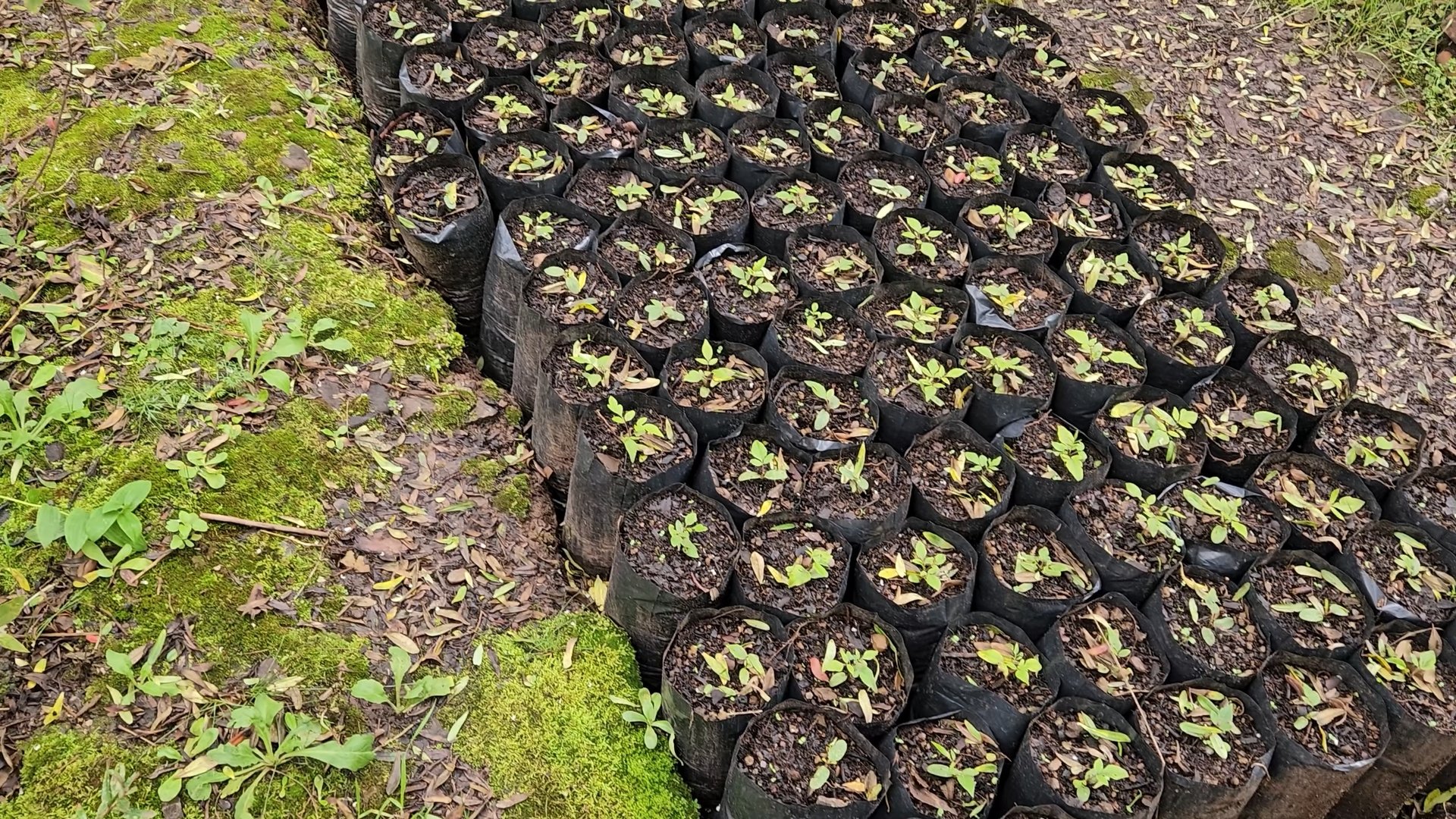
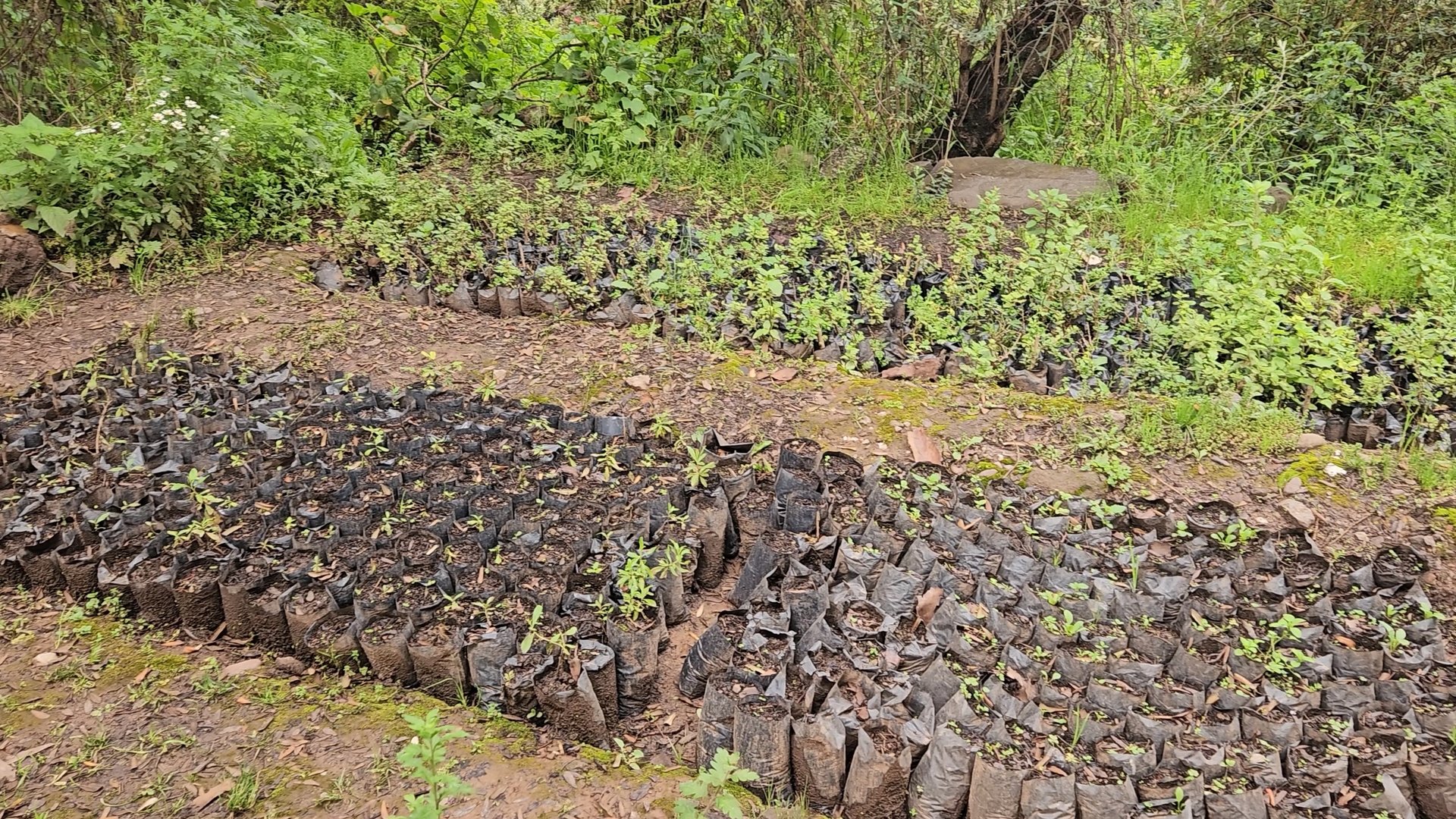
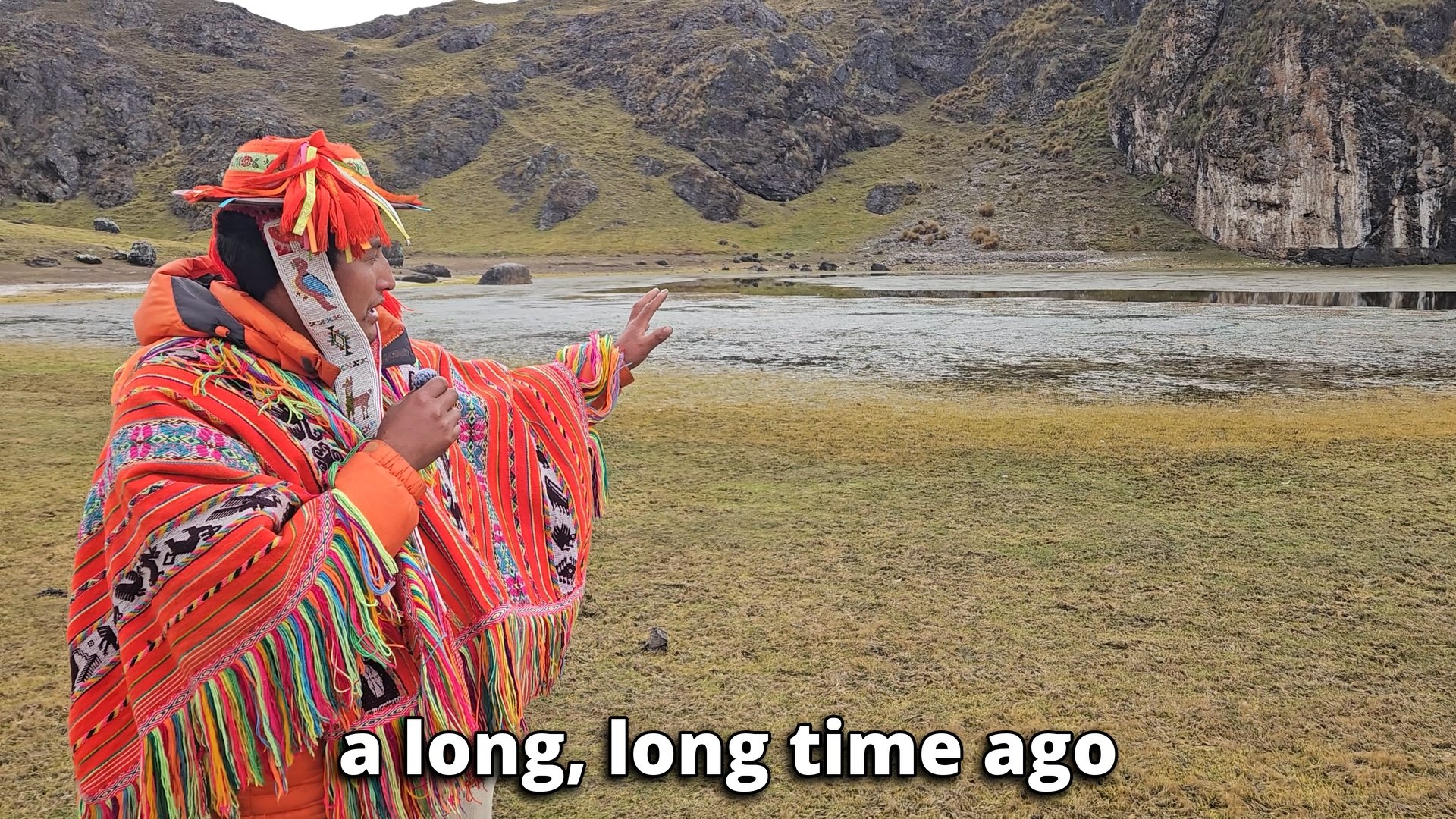
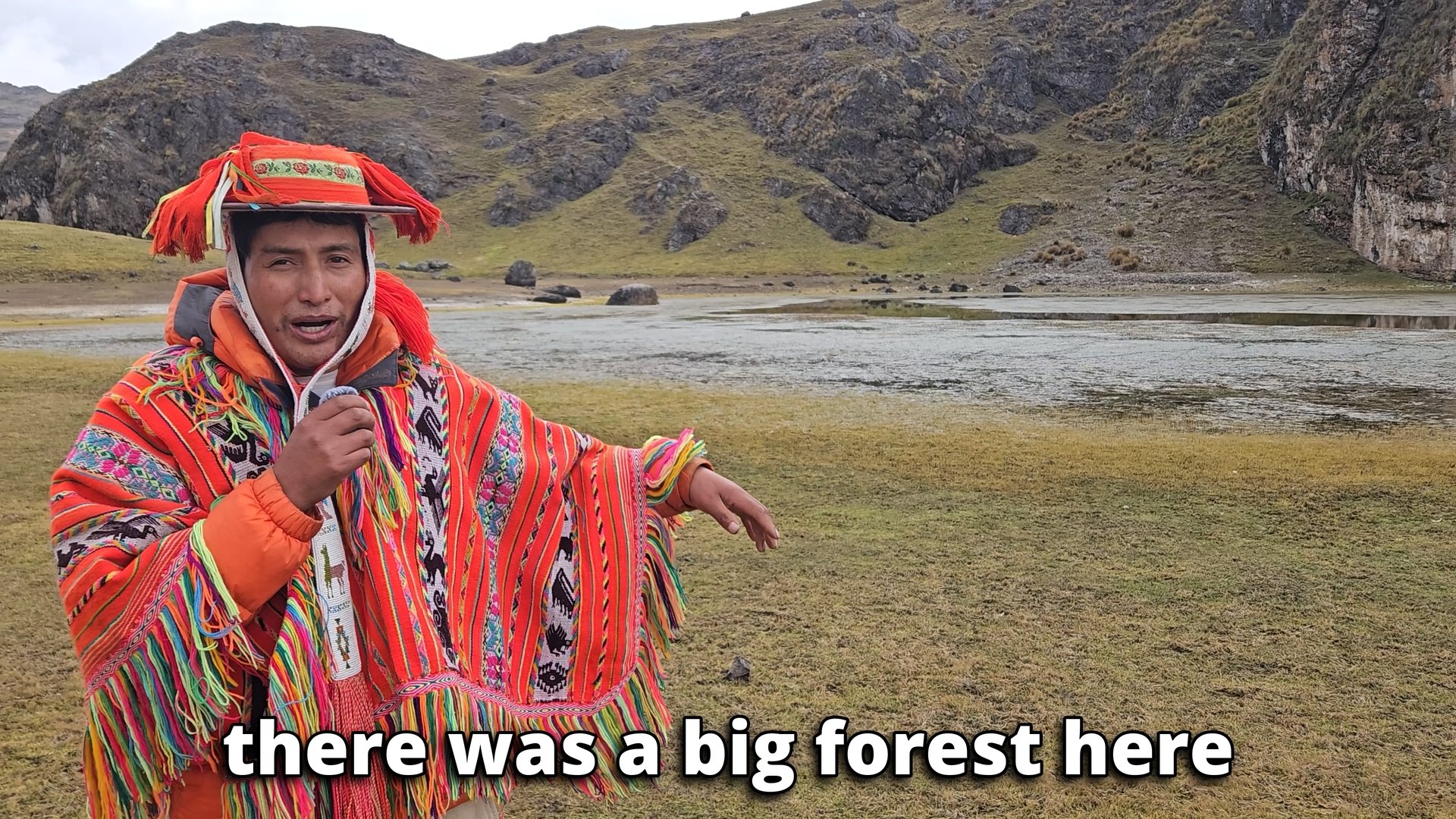
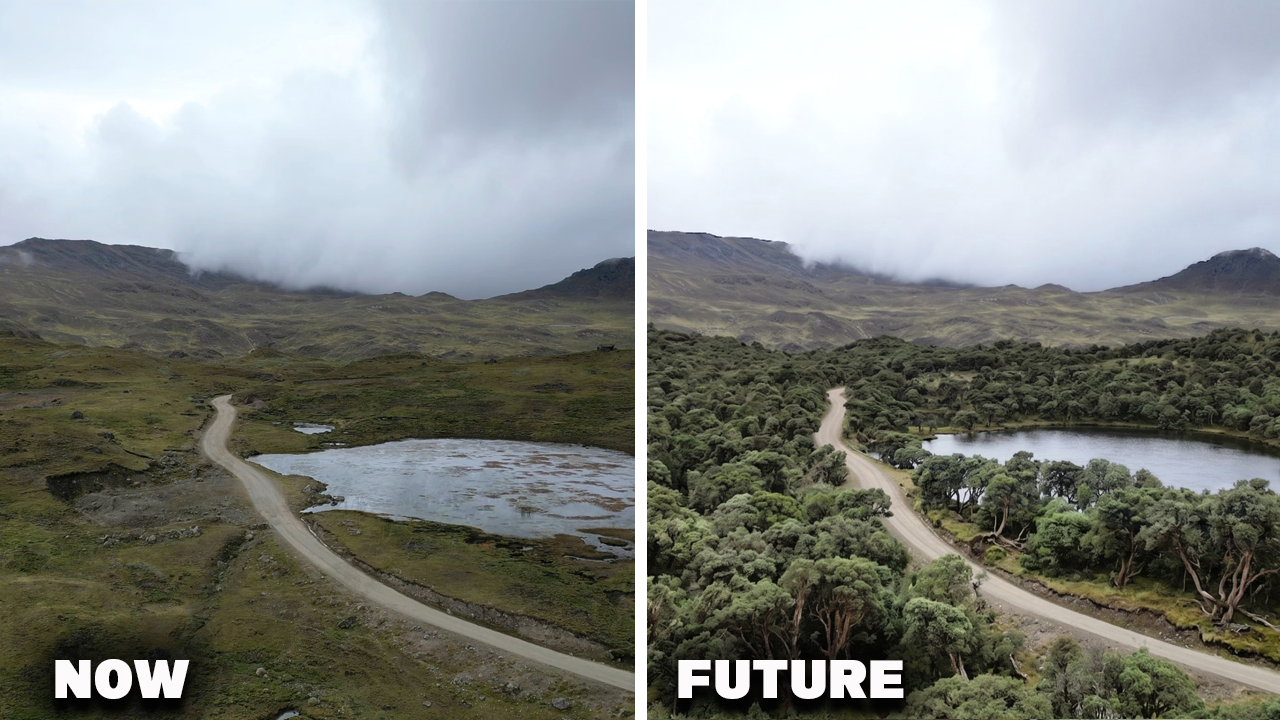
We are partnering directly with Daniel, a local indigenous community leader, to launch a completely community-led reforestation and wetland restoration project.
Our immediate goal is to establish a 500-square-meter native tree and shrub nursery right in the village. This nursery will serve as a permanent conservation hub, merging modern ecological science with ancestral traditions (Ayni and Minka).
Daniel has already secured four dedicated full-time community caretakers to manage the site. Together, they will harvest wild, genetically diverse seeds from remote mountain cliffs and nurture them through infancy. Because Polylepis grows at a snail's pace in the freezing alpine air, these saplings will spend 12 to 18 months in the nursery building resilient root networks before being transplanted onto the mountain slopes.
Once fully operational, this nursery will produce 10,000 native trees and understory plants every single year, slowly rebuilding the living soil sponge and securing the water supply for generations to come.
Where Your Money Goes
We are raising an initial $7,500 to fund the entire setup and the first critical year of operations before major international grants kick in. Because this is a grassroots effort using local materials and community collaboration, every dollar stretches incredibly far:
$400 – Fencing & Protection: Materials to build and repair local stone walls and wire fencing to keep roaming livestock (llamas and cows) from trampling the fragile seedlings.
$600 – Shade Cloth & Timber Supports: UV-resistant agricultural mesh and local wooden poles to shield the infant saplings from the intense high-altitude solar radiation.
$800 – Water Infrastructure: Gravity-fed piping connecting the nursery to a nearby glacial stream, alongside a 1,000-liter storage tank and distribution hoses.
$700 – Tools & Vital Supplies: Wheelbarrows, shovels, soil sieves, organic compost, and 10,000 biodegradable seedling bags.
$200 – Seed Collection Treks: Supporting community elders as they journey to remote, vertical cliffs to safely harvest wild, resilient Polylepis seeds.
$4,800 – Caretaker Stipends ($100/mo per person): Fair, direct compensation for the four local caretakers dedicating their time to weeding, watering, and nurturing these trees daily over the next 12 months.
How You Can Help
This isn't a superficial tree-planting campaign; it is a permanent, community-owned climate intervention. By supporting this nursery, you aren't just putting wood in the ground—you are directly helping an ancient culture safeguard their water, their community, and their future.
Donate: Any amount—whether it buys ten seedling bags or funds a caretaker for a month—goes directly to the mountain.
Share: Help us get this campaign in front of people who care about indigenous sovereignty, climate solutions, and ecological restoration.
Thank you for standing with Daniel and the people of Patacancha to bring back the clouds.
Bring Back the Clouds: Rebuilding the Andes Living Sponge
The Story:
High up at 4,000 meters above sea level, in the rugged alpine plains of Patacancha, Peru, a quiet crisis is unfolding.
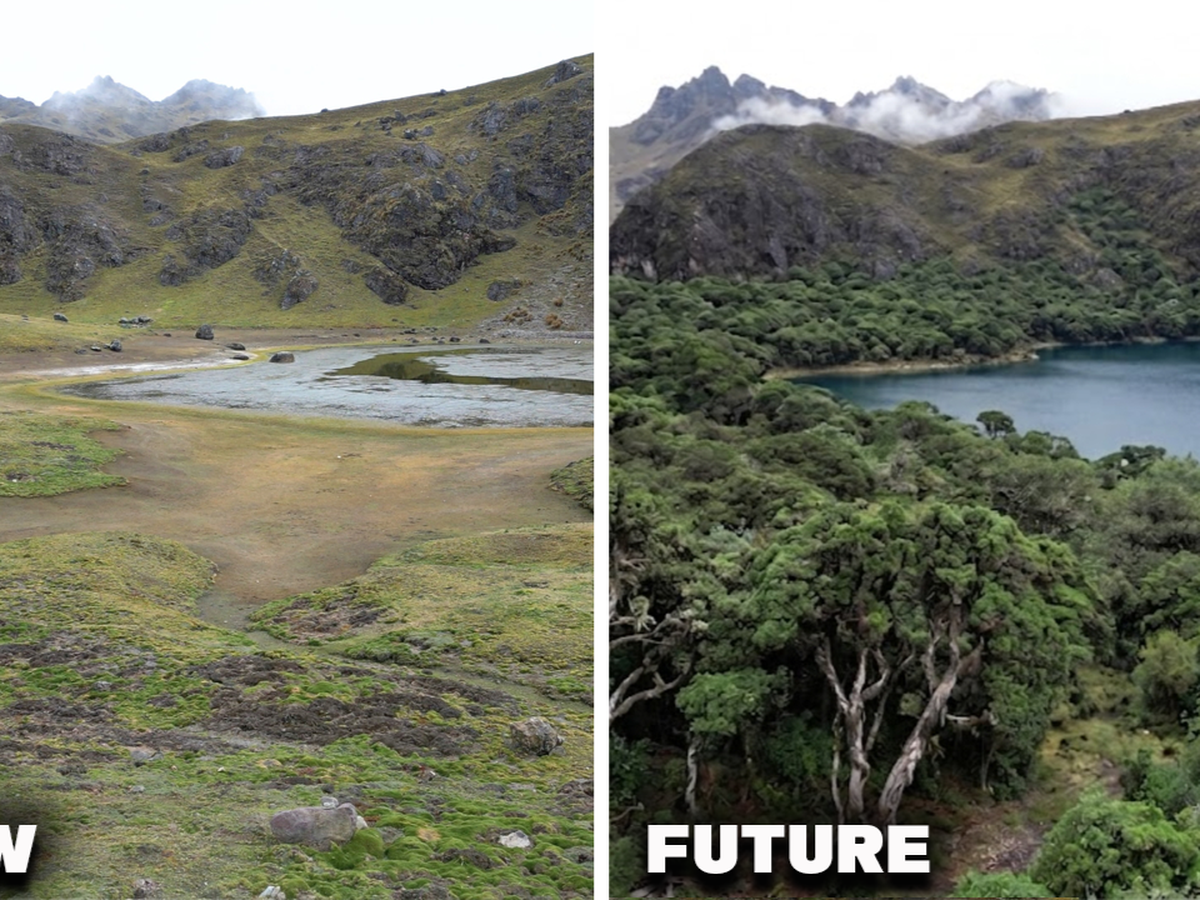
The ancient high-altitude wetlands—the literal lifeblood for indigenous farming families, their livestock, and the entire watershed below—are vanishing. Due to rapidly rising temperatures, the water is drying up, threatening a way of life that has survived in deep harmony with these mountains for thousands of years.
Reversing this climate crisis requires doing something that sounds completely impossible: bringing an ancient, forgotten forest back to the very top of the world.
Before the Spanish arrival, these valleys were blanketed by Polylepis (Queñua) cloud forests. This extraordinary ecosystem possesses a literal superpower: it doesn't wait for rain to stay wet. Instead, its unique canopy strips moisture directly from passing clouds, condensing the mist into heavy droplets that drip down into the earth. Over millennia, this process forged a deep, subterranean "living sponge" up to three feet deep, holding massive reserves of water and permanently locking away carbon.
But centuries ago, these forests were completely cleared for silver mining and construction, leaving behind an ecological shadow. Today, the natural seeds can no longer survive the harsh, exposed alpine sun and degraded topsoil on their own. To break this evolutionary bottleneck, we have to step in.
Organizer
Leaf Of Life
Organizer