- K
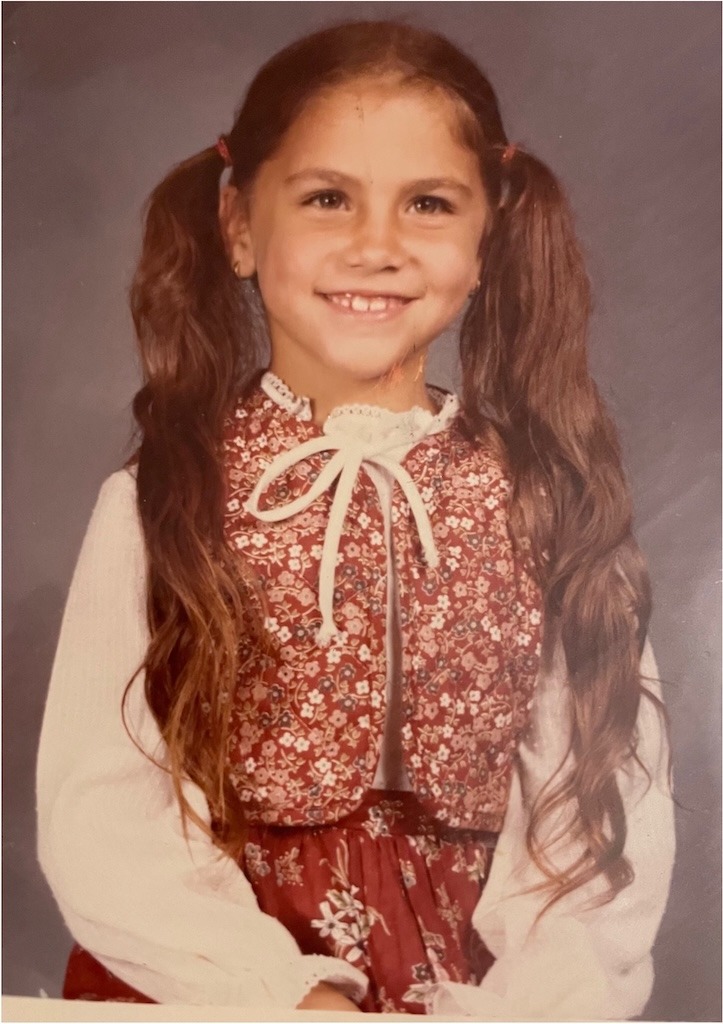
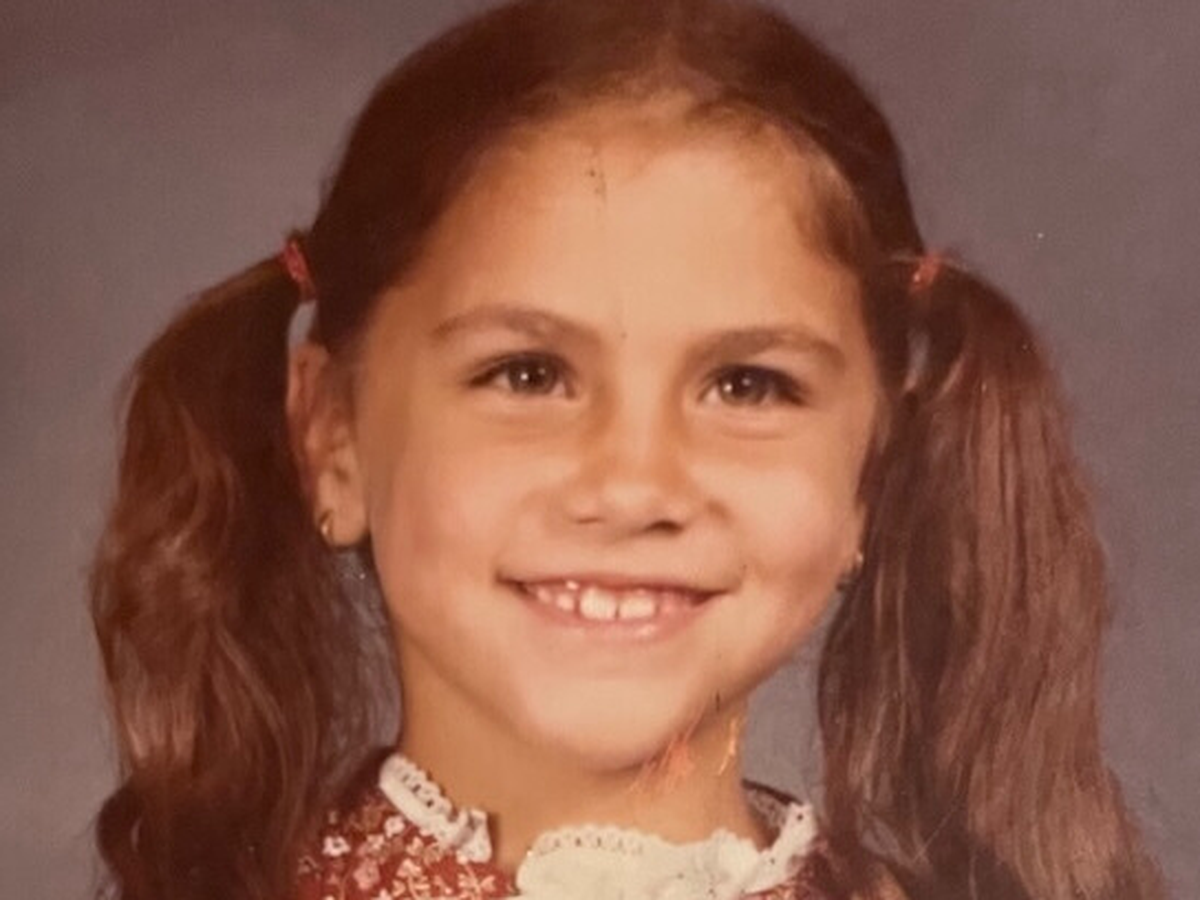
Help Connie Heal from a Lifetime of Trauma
0% complete
$550 raised of
7 donations
My name is Tony Lord and I’m raising funds for my sister, Connie. Our family has carried this painful secret for decades, and sharing it now is an act of hope as we ask for help. As you read this, please imagine this story could have happened to your child or sibling.
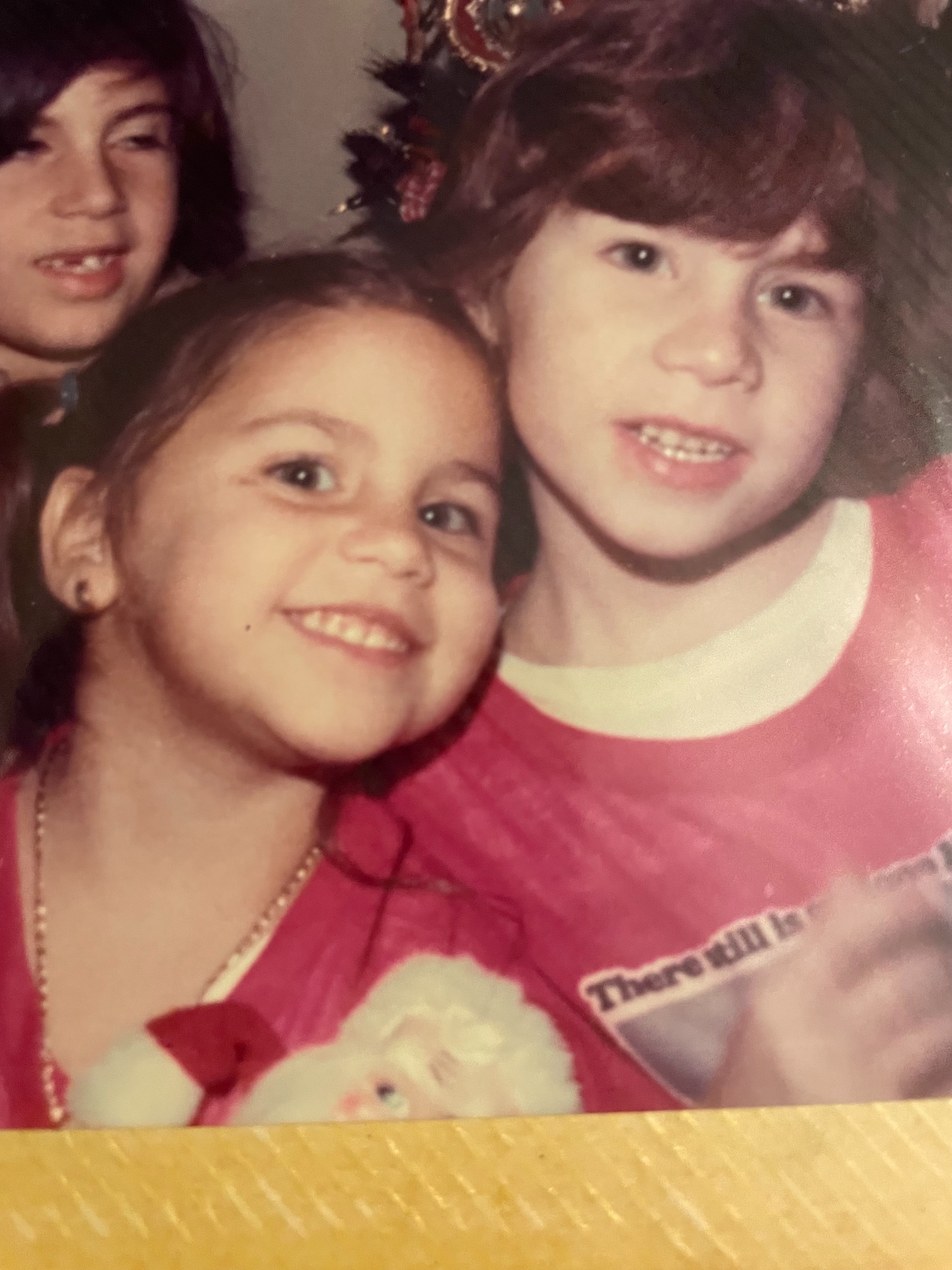
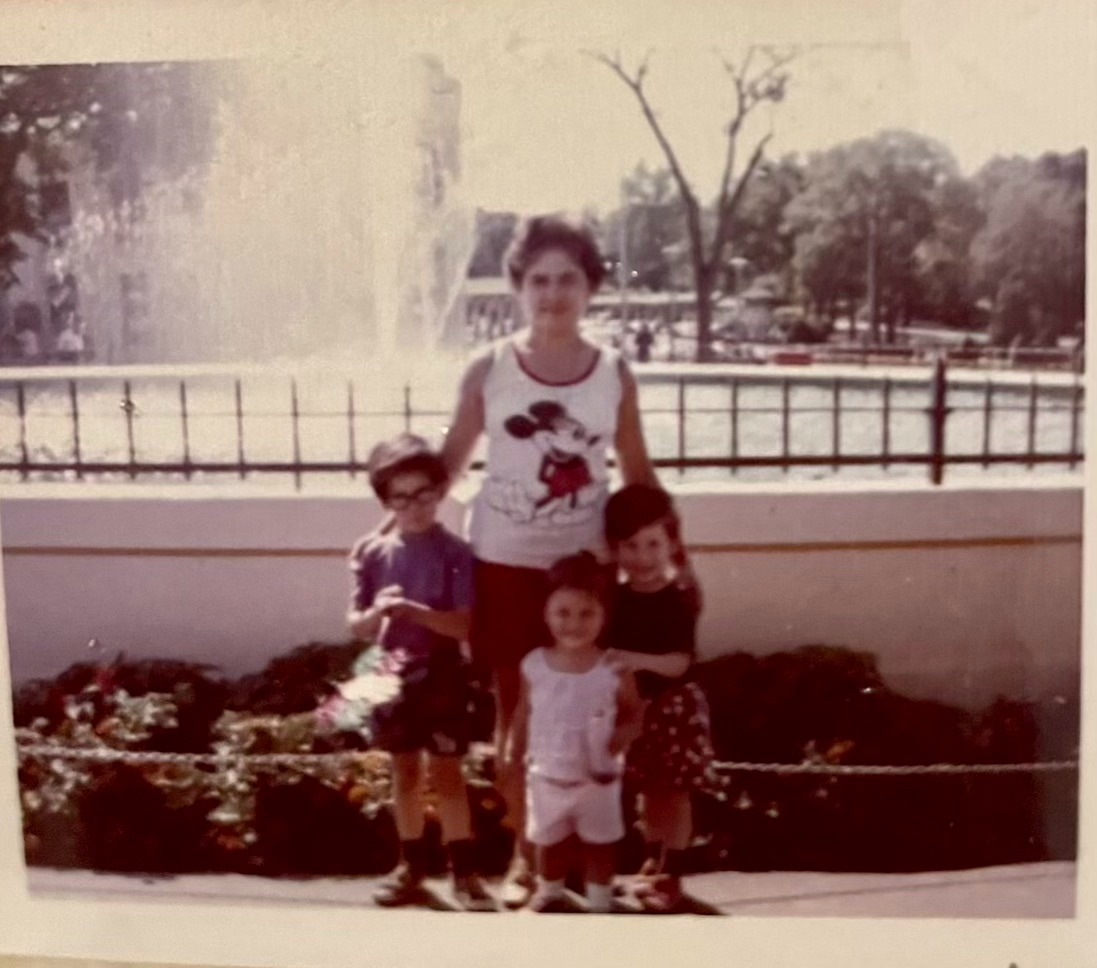
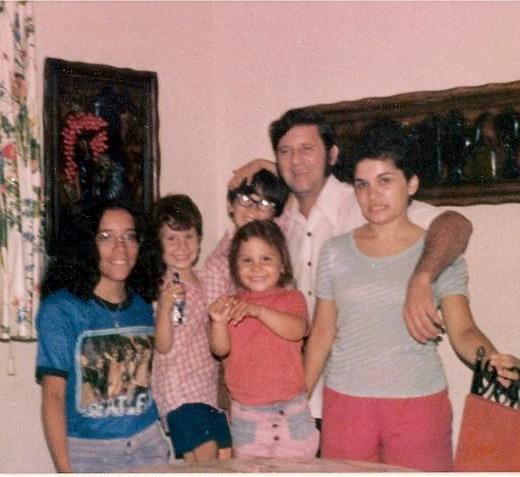
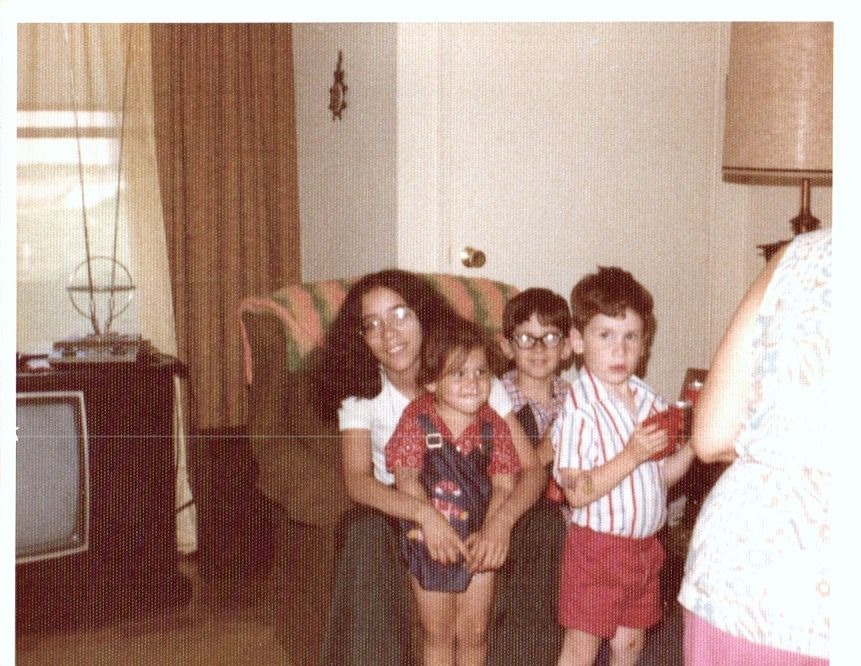
Many of you knew Connie when she was young. Some of you were classmates with Connie at P.S. 128. Some of you played softball with my sister, or heard her play the saxaphone. Others were neighbors, family & friends that may recall her sense of humor and her contagious laughter. What most people never saw was the trauma she hid for decades and the devastating impact it has had on her life and our family. Connie is now 52 years old. She is one of the strongest people I know. She is also someone who was deeply harmed as a child by an adult in a position of authority; an experience that permanently altered her emotional and psychological development.
My sister, at the age of only 15, was exploited by her teacher. He used his power over a child and repeatedly sexullay abused Connie, impregnated her, forced her to terminate the pregnancy and threatened her into keeping this secret from her family and other adults at the school. Connie was told by her abuser that she would be in trouble if anyone found out. Her abuser also told her, that if Connie did come forward and tell the authorities, that he would make sure no one would believe her story. Research shows many survivors of childhood abuse do not disclose the abuse until much later in life (often in their 40s or 50s) because of fear, shame, and trauma, with the average age of first disclosure around 50-plus years old. At the age of 15, she didn't know any better and held onto this secret for years. In 2014, Connie (in her 40s) formally reported this abuse to the Queens District Attorney’s Office and the Department of Education in the hopes that her story could help prevent this from happening to other children.
The severe abuse Connie endured as a child permanently altered her developing brain, and the resulting trauma led to serious mental illness, including ongoing auditory hallucinations that began after the abuse and have persisted ever since. Connie has told me that the auditory hallucinations can sound like many overlapping voices, sometimes making it difficult for her to hear or process when I or someone else is speaking to her.
This has resulted in Connie requiring an extensive amount of daily support just to get through the day. For much of her adult life, Connie lived with our father, who cared for her until his passing. During this time, Connie’s mental illness worsened. Her paranoia intensified, the voices became louder and more frightening, and she increasingly lost her sense of safety. Our father loved her deeply but lacked the resources, training, and support needed to recognize how severe her condition had become or how to intervene effectively.
During a psychiatric crisis, Connie became disoriented and assaulted a neighbor. Instead of receiving treatment, she was incarcerated at Rikers Island, where she spent a significant period in solitary confinement.
The isolation and lack of mental health care profoundly worsened her condition, intensifying her trauma and forcing her to relive her childhood abuse without support. This experience caused lasting psychological harm and represents a devastating failure of the systems meant to protect vulnerable people.
After our father died, Connie moved in with me in Florida. I provide round-the-clock care (preparing her meals, doing her laundry, providing fresh linen, cleaning her room, managing medications, scheduling appointments, transportation, and emotional support) but without professional resources, I cannot meet the severity of her needs. She is surviving.
Connie has been diagnosed with Schizoaffective Disorder, a chronic condition involving both mood disturbance and psychosis symptoms. Post-Traumatic Stress Disorder (PTSD), Major Depressive Disorder with psychotic features and long-term trauma-related mood instability.. These diagnoses do not define Connie, but they explain the lifelong battle she has fought since childhood. For more than 35 years, Connie has lived with severe depression and anxiety, flashbacks and night terrors, paranoia and intrusive thoughts, multiple psychiatric hospitalizations, medication cycles with significant side effects and a deep fear of the outside world.
Connie has survived for decades. But she has never received proper, long-term, trauma-focused treatment to take back her life. What she needs now is not another short hospital stay or medication adjustment. She needs specialized, residential, trauma-informed care, designed specifically for survivors of childhood abuse with complex psychiatric needs. This level of care would be life-changing but it is also expensive. And it is completely out of reach without help. Many of these specialized residential programs either don’t accept insurance or only offer short-term stays, making long-term, trauma-focused care difficult to access without additional support. This specialized, trauma-informed residential care can cost anywhere from $320,000 to $720,000 for a full year which is far beyond what I can manage alone.
Funds raised will be used to place Connie in a trauma-informed residential mental health treatment facility, where she can receive comprehensive, sustained care in a safe and structured environment. Your support will help cover:
Up to 12 months of residential, trauma-informed treatment, followed by a structured step-down plan and sustainable long-term support
Psychiatric oversight and medication stabilization
Individual and group therapy with trauma specialists
Life skills and wellness programming
Daily structure, safety, and supervision
Transportation, caregiving support, and aftercare planning
This ensures Connie has the professional care she needs while providing the necessary support for her day-to-day needs, including the caregivers who help make her healing possible.
This is about stability, dignity, and healing. Connie still has hope and she still wants to heal. She still wants a life not defined by what was done to her as a child. This treatment could finally give her emotional stability, a sense of safety in her own body, relief from constant fear and distress and a chance to rebuild a meaningful life.
If you've made it this far, thank you for taking the time to understand my sister’s story. Connie is not just a victim, she is a fighter. She is a loving person with a gentle heart. She deserves the same chance at healing that any of us would want for someone we love. Your support, whether through a donation or by sharing this page, means more than words can express. From the bottom of my heart, thank you for helping Connie fight for the healing she has waited 35 years for.
Organizer and beneficiary

Angelina Lord
Beneficiary