Help Bring the Biblical Story of Onesimus to Life
0% complete
$1,192 raised of
20 donations
Help Bring No Longer Slaves to Print
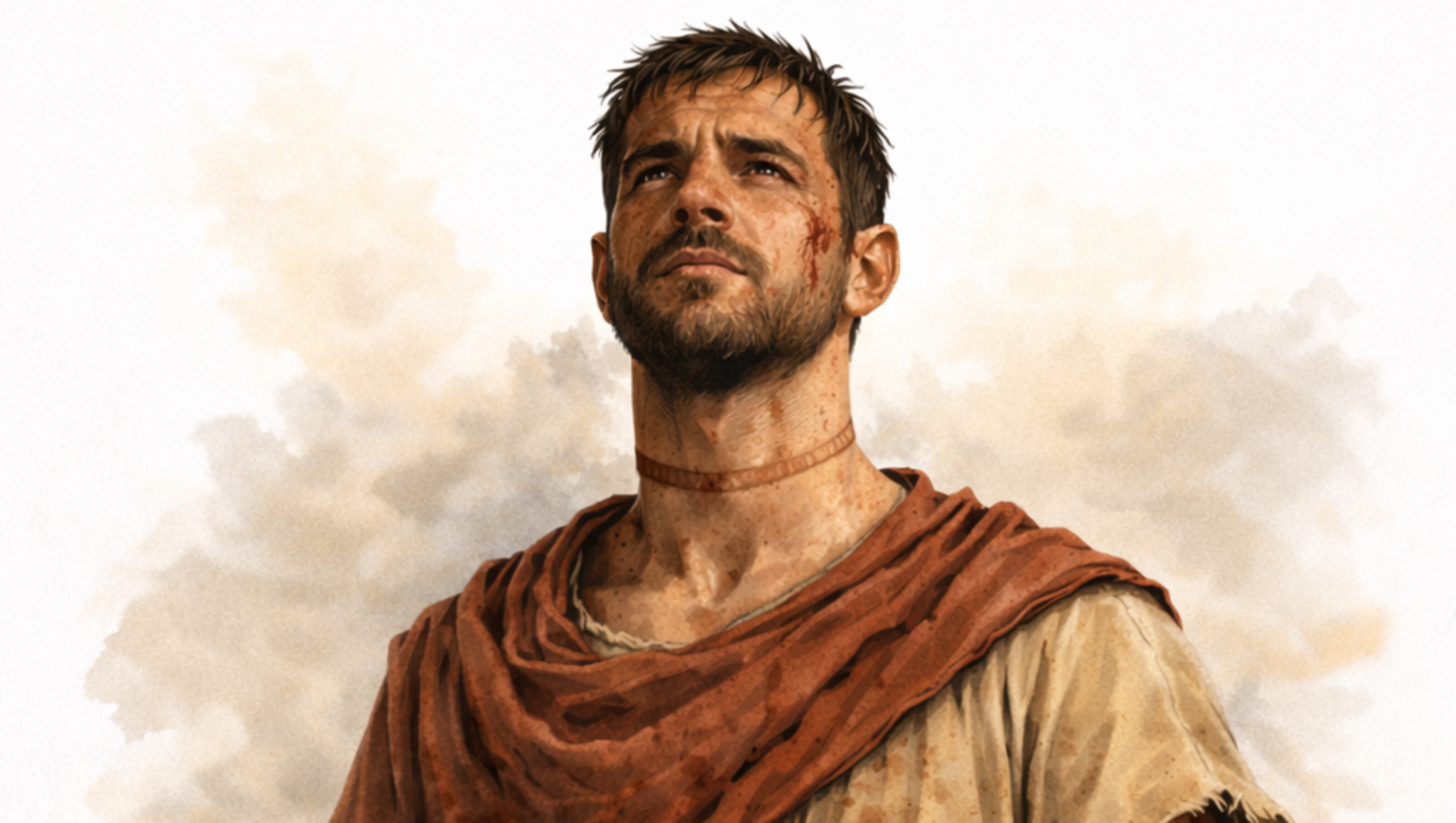
The untold, true‑to‑history adventure of Onesimus—a runaway slave whose life intersected with the Apostle Paul—has never been told in they way I have written it: a full, richly researched novel leveraging Ai to obtain the details of the geography, culture, sights, sounds and smells of the Roman empire in 64AD. I have finished writing it, and with your help I can publish it with the excellence and historical fidelity this story deserves.
Why this story matters
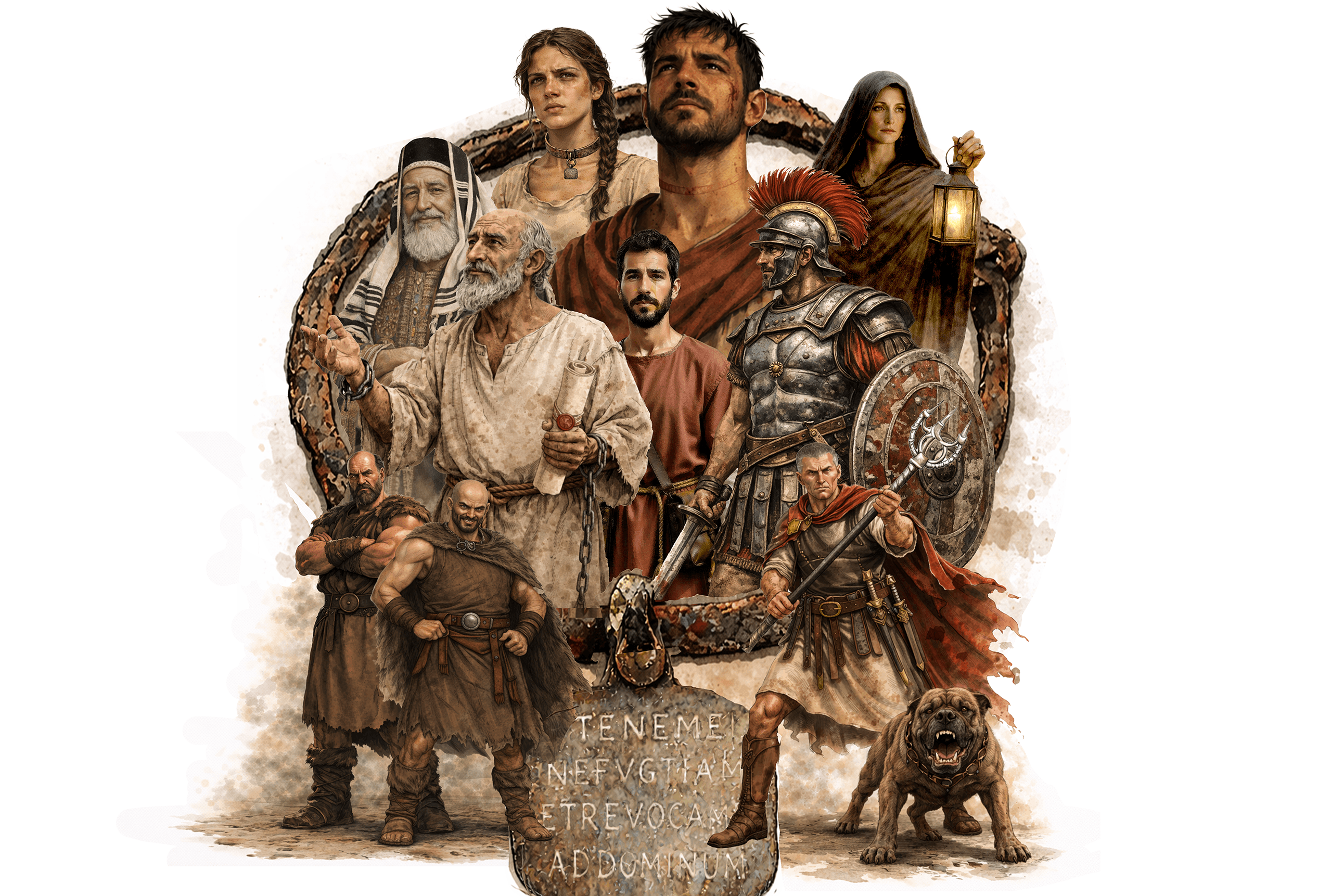
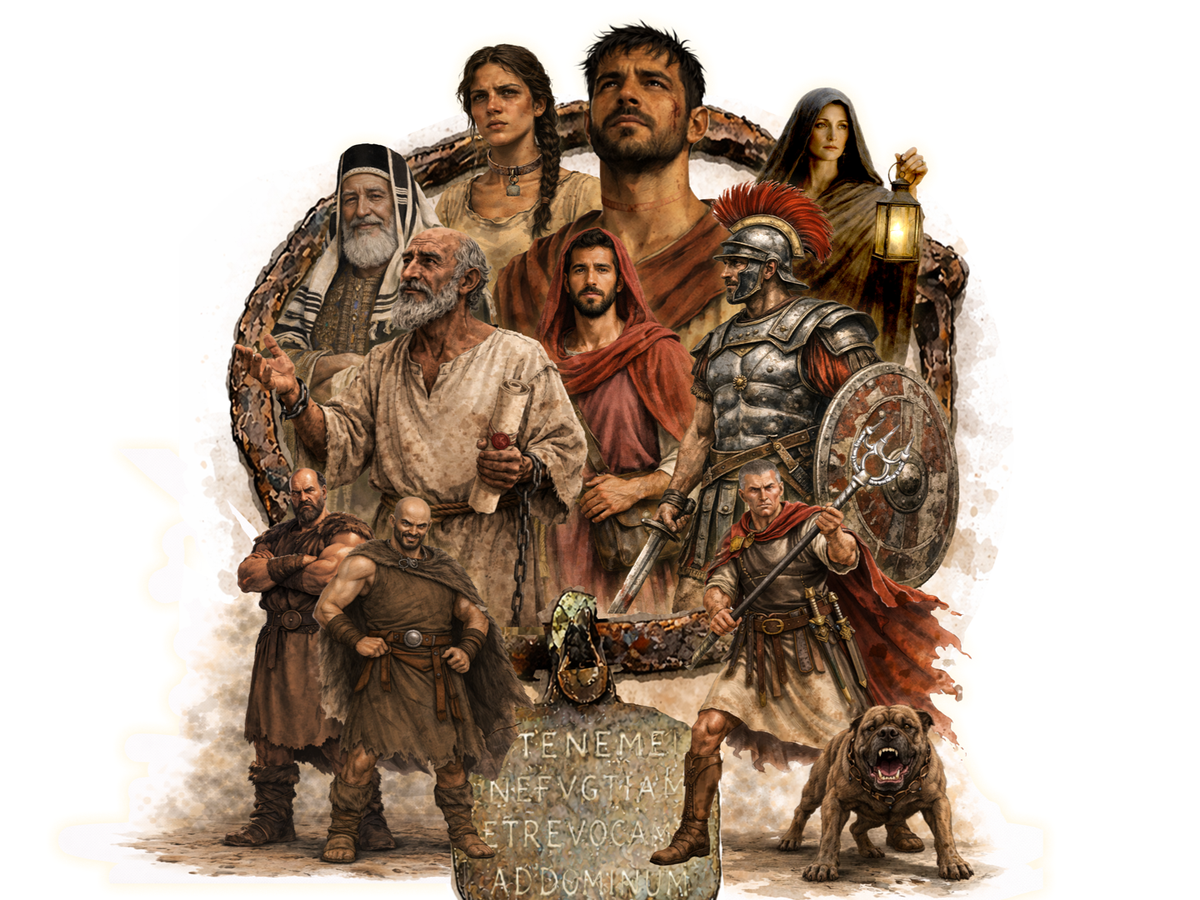
Most Christians know Paul’s short letter to Philemon. Few of us have ever stepped into the sandals of Onesimus, the enslaved man at the heart of that letter. In our cultural memory he is a footnote. In the first‑century world, he was a man with a name that meant useful—a man navigating brutal realities: slave‑catchers, imperial suspicion, ethnic tension between Jew and Gentile, and a brand‑new faith upending Rome’s values from the inside out.
No Longer Slaves tells Onesimus’s journey with plausible historicity and narrative urgency—so that modern readers feel the dust of Phrygia, the press of Ephesian crowds, the sting of the lash, the roll of the wine‑dark sea, and the shock of grace when an apostle calls a slave “brother.”
The adventure you’ll experience in the book
Spanning AD late winter to Early summer AD 62, the novel follows Onesimus from Philemon’s household in Colossae, through a harrowing flight across the Roman empire to find the apostle Paul—under house arrest in Rome—who reasons with a young man torn between slavery and freedom and between fear and faith.
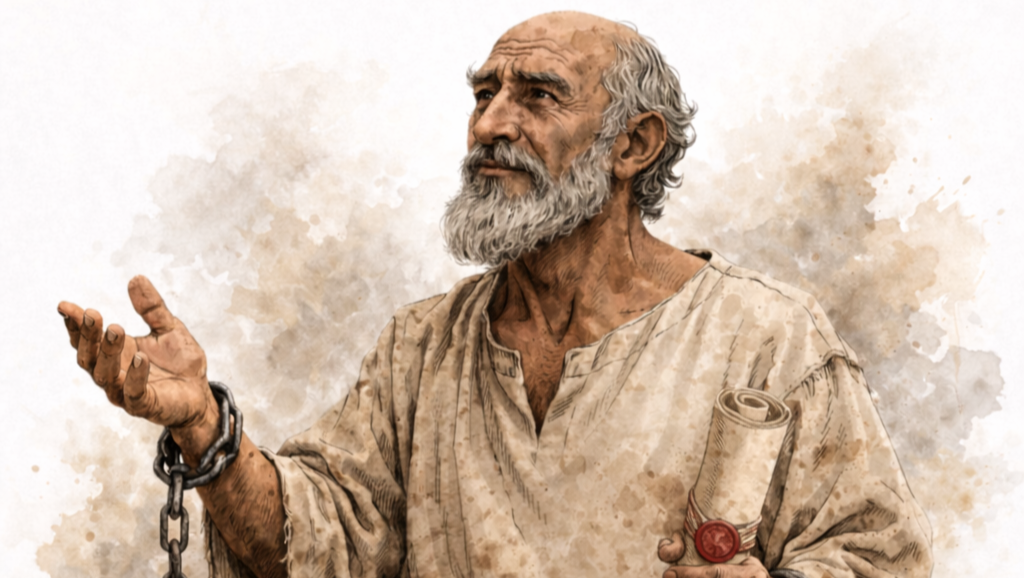
Along the way the story wrestles honestly with:
- Faith under pressure—why believe when obedience seems to cost everything?
- Challenging societal norms—If this new Christian faith claims freedom, what does this mean for slaves of Rome?
- Ethnic hostility—real friction between Jewish and Gentile believers learning to share one table.
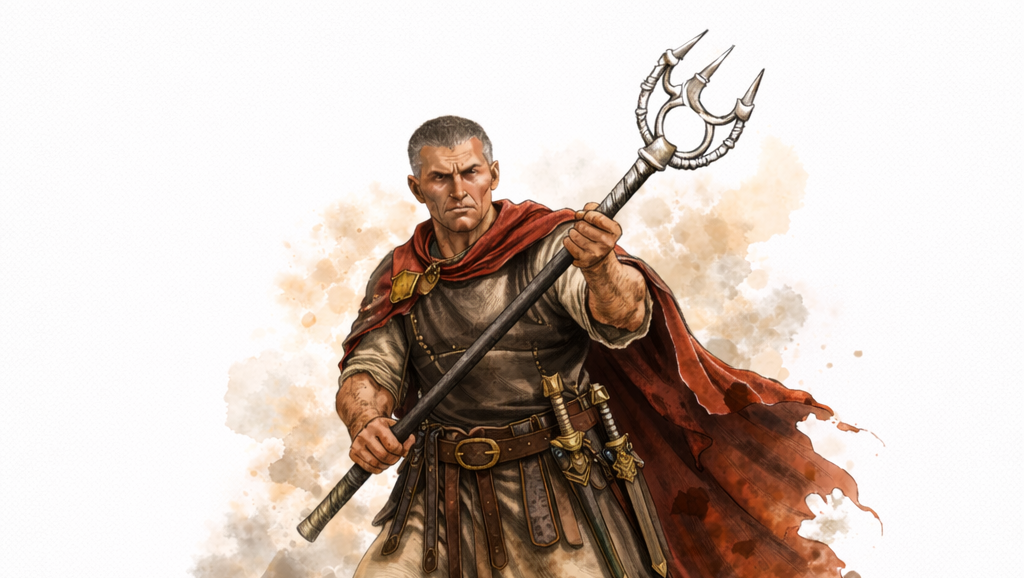
- Power and conscience—masters, stewards, magistrates, and soldiers shaped by Rome’s law colliding with the strange liberty of the gospel.
A quick background on Philemon
Paul’s briefest letter is addressed to Philemon, Apphia, Archippus, and the church in their house. Written during Paul’s Roman imprisonment (most likely AD 60–62), it pleads for Philemon to receive Onesimus—once a runaway and now a believer—“no longer as a slave, but more than a slave, a beloved brother.” The letter doesn’t thunder policy; it embeds a revolution in a relationship, modeling reconciliation, intercession, and costly love in a world that treated human beings as property.
My novel places that letter back inside its living context—social, legal, and geographic—so its stakes and its hope become visible again.
Research you can trust
I’ve built this book on a scholarly backbone:
- Daily life in Asia Minor and the port systems linking various cities in the Roman empire
- Roman slavery law, fugitivarii (slave‑catchers), delatores, benificarii and manumission customs (collars, proclamations, and the pileus)
- The Ephesian Artemis cult and imperial festivals
- First‑century shipping, Alexandrian grain routes, and storm seasons in the central Mediterranean
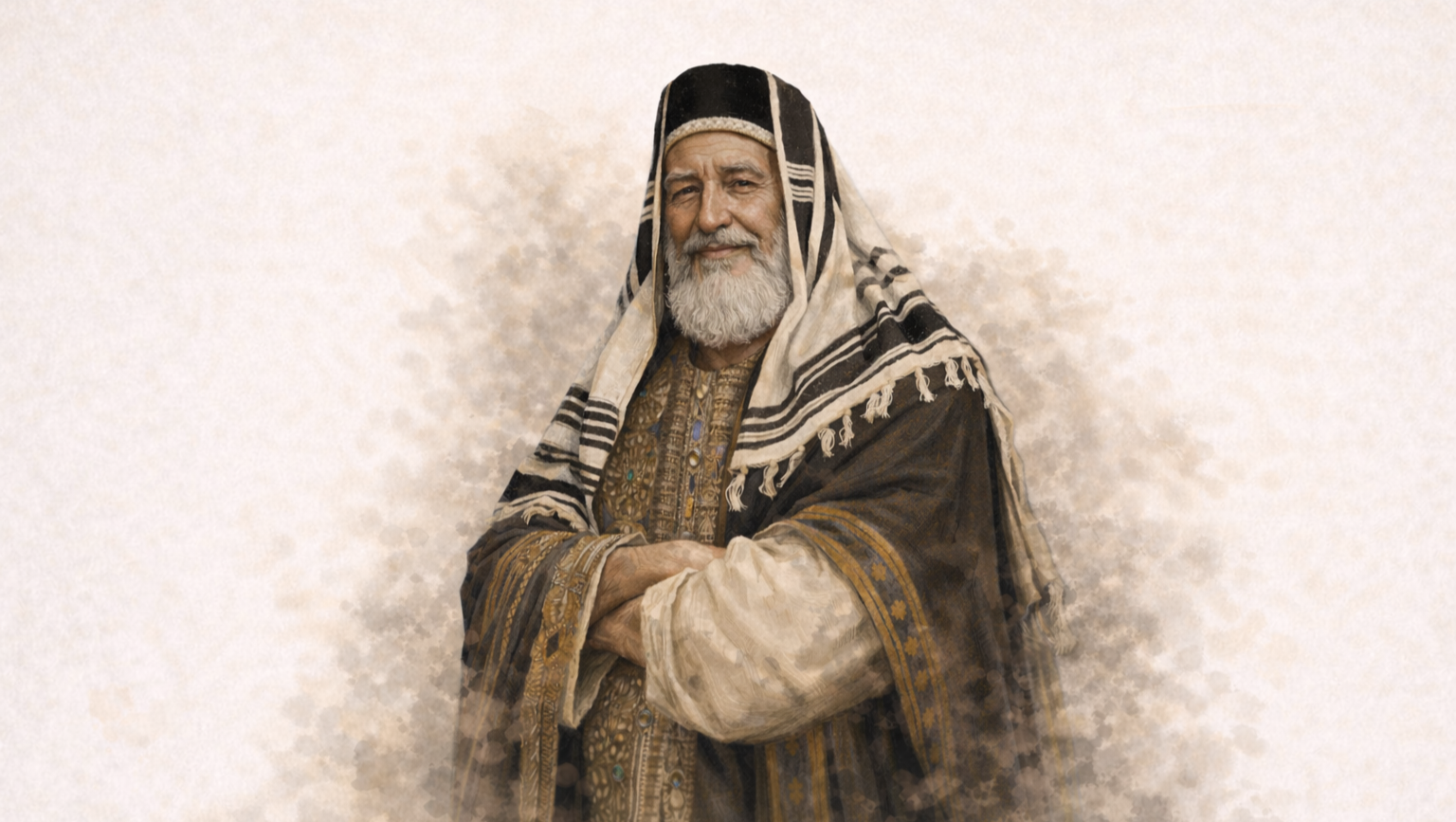
- Christian House‑church practice, Jewish and Gentile social boundaries, and known chronology for Paul, Timothy, and the Roman authorities of the Neronian era
Every scene—names, coins, uniforms, tools, prayers, punishments, street plans, distances—has been checked against the best available evidence so that fiction never fights against historical fact.

Why I’m asking for your help
Publishing this story with integrity means investing in people and processes that match the rigor of the research. Your gift will fund:
- Developmental Editing (structure, pacing, historical clarity)
- Copyediting & Proofreading (line‑by‑line accuracy)
- Historical Review by subject‑matter readers (Roman law, Jewish background, Greco‑Roman religion)
- Cover Design & Interior Typesetting (print + ebook)
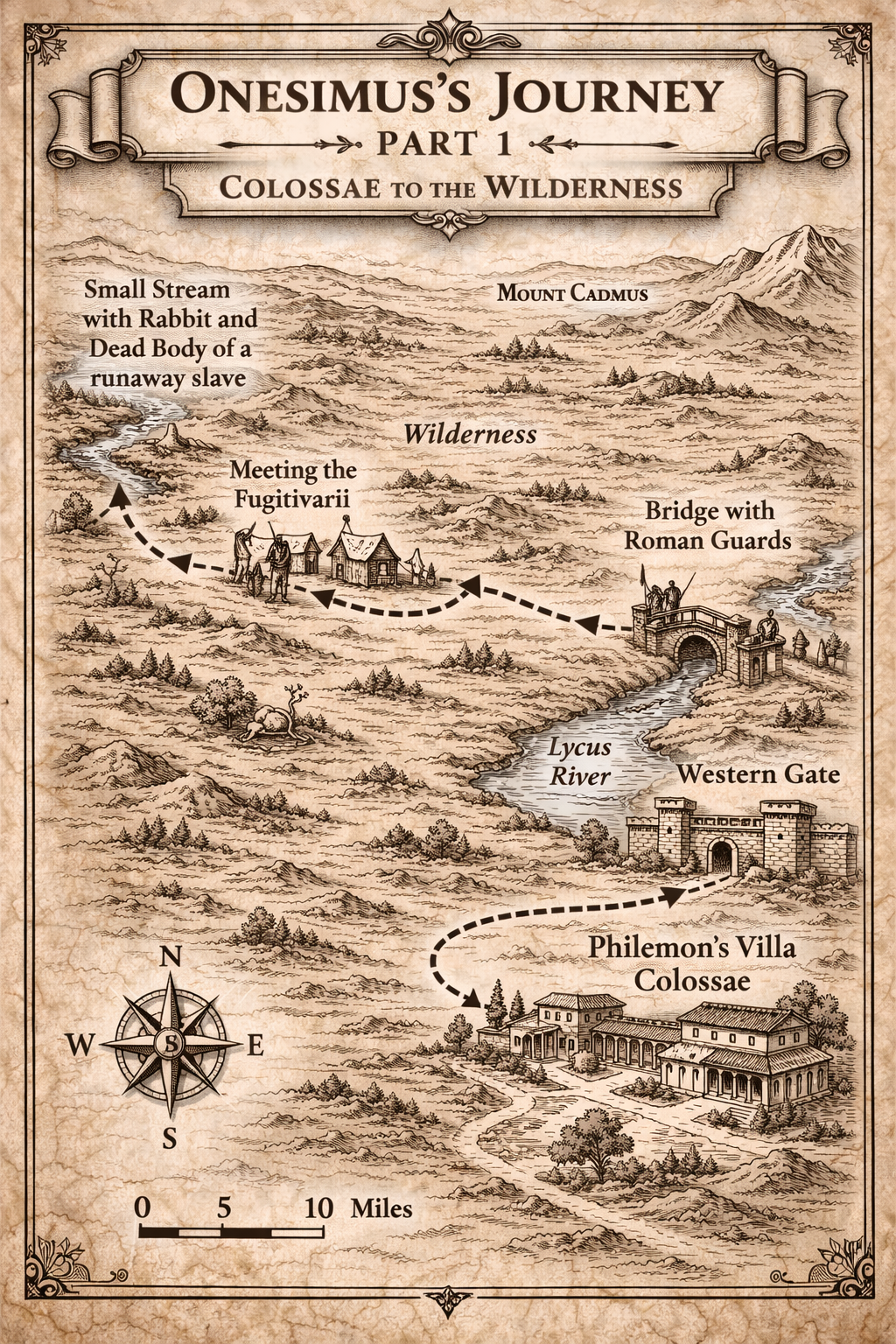
- Maps & Illustrations (routes, city plans, artifacts)
- ISBNs & Publishing Setup (print/ebook distribution)
- Advance Reader Copies for early reviews
- Initial Print Run and launch marketing (assets, ads, email, outreach)
- Audiobook Narration (stretch goal)
I’ll post regular updates, share behind‑the‑scenes research, and keep a transparent ledger so you can see exactly how funds are used on my substack:
Timeline
Upon funding, I’ll move immediately into final editorial, historical review, and design. The production sequence (edit → proof → design → print/audio) will proceed back‑to‑back so the book can launch as soon as it’s publication‑ready. You’ll get milestone updates at each stage.
About me
I’m James Menendez—a husband, writer, certified sexual addiction coach, certified biblical counselor and amateur Bible scholar who loves Scripture and the gritty textures of contextual history. My work lives at the intersection of faith and fact: I write to help modern readers inhabit the world of the early church and bring the bible to life through context.
I’ve spent years assembling a primary‑source backbone for No Longer Slaves: the Theology of Slavery and Christian Identity, Roman law on slavery and manumission, first‑century shipping and storm seasons, Ephesian civic life and the Artemis cult, Jewish–Gentile dynamics in the house‑church, coinage and inscriptions, route maps and plausible travel times. My aim is simple: tell a powerful story that never asks you to suspend historical belief. I care about getting names, uniforms, punishments, prayers, distances, diets, and city plans right—so the gospel’s challenge and comfort can be felt within real streets, real laws, and real risks. This novel was inspired by the book "The Blue Parakeet" by Scot McKnight.
Join me
This is more than a novel. It’s a chance to recover a forgotten voice and to let a first‑century slave teach twenty‑first‑century hearts about dignity, repentance, costly reconciliation, and the kind of hope that outlasts empires.
If the story of Onesimus should be told—and I believe it should—then let’s tell it with beauty, honesty, and historical courage.
Give whatever amount you feel led to contribute.
Share this campaign with a friend who loves Scripture, history, or epic adventure.
Pray that this book would carry truth and healing far beyond my reach.
Thank you for helping bring No Longer Slaves into the world.
With gratitude,
James Menendez
Author, No Longer Slaves
Organizer