
A Heart That Fought, A Brain Still Healing: Help Ashley
0% complete
$1,084 raised of $20K
13 donations
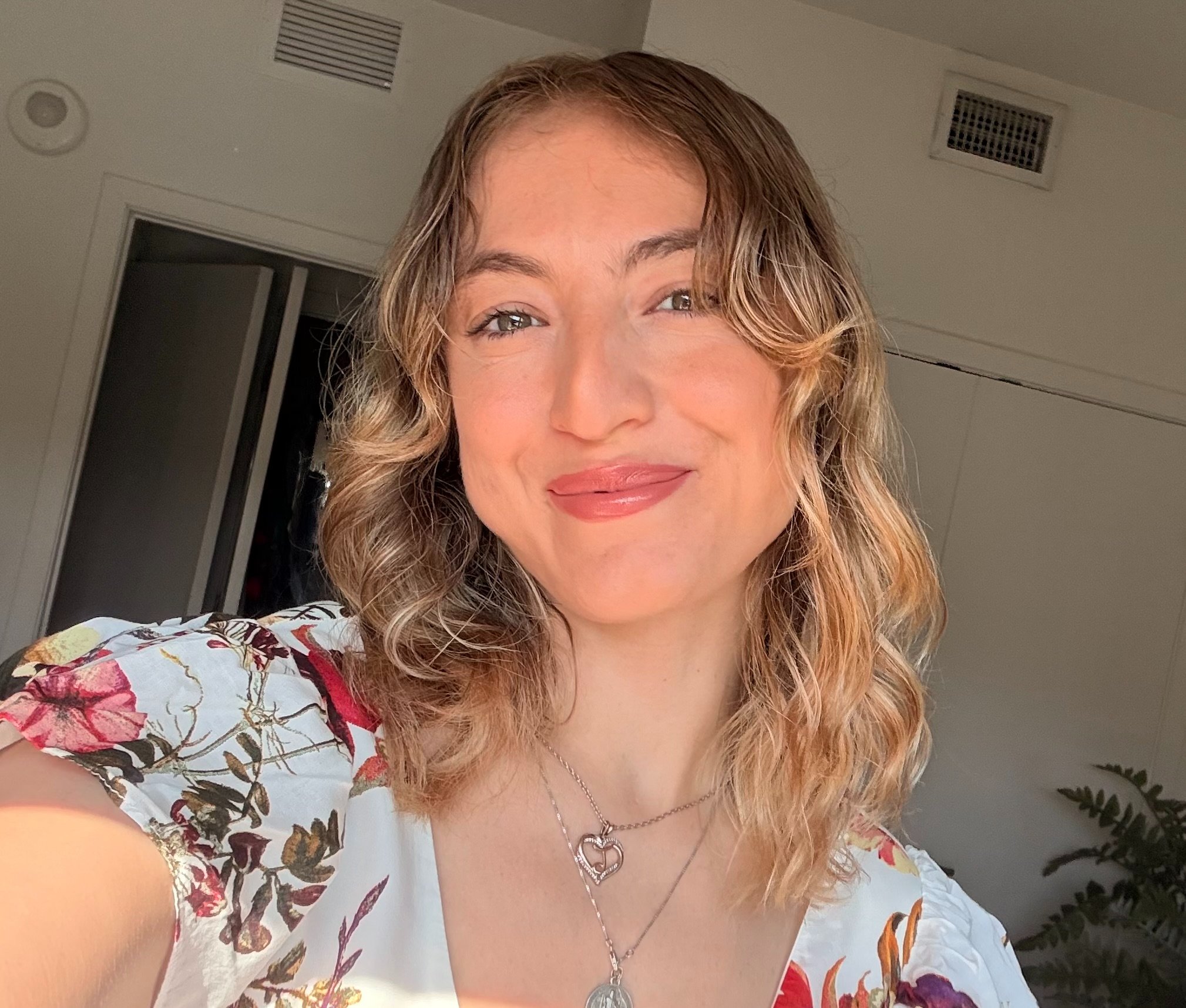
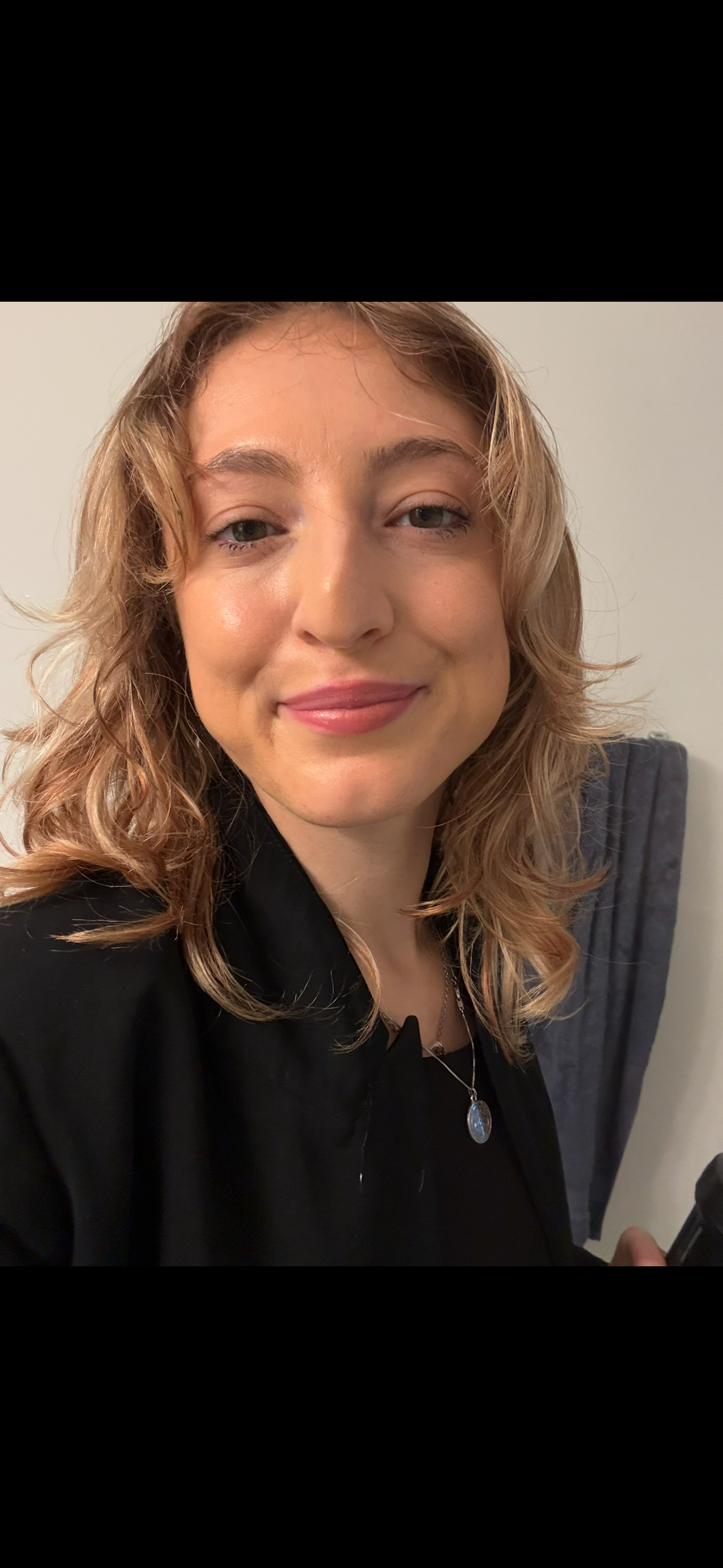
My name is Ashley, and I'm 30 years old. Earlier this year, I was building a career in finance, working in client experience and operations, managing complex client relationships, coordinating projects, and helping businesses run more efficiently. At the same time, I was completing my software engineering education, learning to write code, develop interactive websites, and build fully functioning applications from the ground up. I thrived on solving problems, learning new things, and challenging myself professionally.
Outside of work, I was waking up at 5:45 AM, running, snorkeling on weekends, and genuinely loving life. I loved getting lost in a good book, experimenting in the kitchen by turning traditionally unhealthy meals into healthier versions, taking spontaneous day trips, and spending time at the beach whenever I could, especially because I was fortunate enough to live so close to the ocean. I found happiness in the simplest things, whether that meant exploring somewhere new, creating something delicious, or spending an afternoon with my toes in the sand.
My journey to that point hadn't been easy. I had endured years of physical and emotional abuse at the hands of others, along with experiences that taught me resilience long before I imagined how much I would need it. But I refused to let those experiences determine the kind of person I would become.
Instead, I turned my struggles into determination, working incredibly hard to build a life I was proud of. I blossomed into a vibrant, compassionate person who tried to bring light wherever I went, giving others the kindness and encouragement I had once needed myself.
For the first time in a long time, I felt like everything I had worked toward was finally coming together.
I had no idea how quickly it could all unravel.
The Medical Spiral & Misdiagnosis
My medical struggles began in July 2025, when I started experiencing episodes of an abnormally rapid heartbeat.
I was diagnosed with supraventricular tachycardia (SVT), a heart rhythm disorder that causes sudden episodes of extremely rapid heartbeats. During these episodes, my heart rate could climb above 200 beats per minute.
Around this time, I was also diagnosed with hyperthyroidism and prescribed methimazole, a medication that suppresses thyroid hormone production. Initially, we believed my thyroid condition might be responsible for the episodes of SVT.
After starting the medication, my SVT went dormant for a period of time. I thought we might finally have found the answer.
But the relief didn't last.
One day, while I was driving, my heart suddenly went into SVT again. I nearly crashed my car.
Something as ordinary as driving had become dangerous, and I ended up in the emergency room.
It was there that I received another frightening piece of news: my thyroid had been suppressed to the point that it was essentially shut down.
I was instructed to see an endocrinologist, a physician who specializes in hormone disorders. When I finally met with her, she determined that I had been misdiagnosed with hyperthyroidism and took me off the methimazole.
What followed was one of the most frightening experiences of my medical journey.
My thyroid-stimulating hormone (TSH) levels underwent an extraordinarily rapid shift in approximately one week. Doctors described the changes as the equivalent of months of thyroid fluctuations occurring almost all at once.
I was told that my presentation appeared consistent with a thyroid storm, a potentially life-threatening medical emergency, and that I was incredibly fortunate to have survived what my body had endured.
And yet, even after stopping the thyroid medication, the SVT continued.
What we had initially believed was a heart problem caused by my thyroid was turning out to be a separate cardiac condition requiring its own treatment.
As the episodes became increasingly frequent, my heart rate would climb above 200 beats per minute, sometimes nearly every hour.
Every single day felt like doomsday.
Imagine sitting completely still while your heart suddenly begins racing as though you're sprinting for your life. Now imagine experiencing that repeatedly throughout the day, barely having time to recover before the next episode begins.
Then came March 30, 2026.
I was at work, going about what should have been an ordinary day. I stood up to speak with my boss, and suddenly my heart rate shot to approximately 180 beats per minute.
It felt like I had been in a car accident inside my own body.
One moment, I was simply getting up to have a conversation. The next, my heart was racing uncontrollably, and I was facing another medical emergency.
I ended up in the emergency room.
I loved my job, and I wasn't ready to walk away from everything I had worked so hard to build. My employer allowed me time away from work to pursue treatment and try to get my cardiac condition under control.
My doctors and I tried several medications in an effort to manage the relentless SVT episodes. Unfortunately, the medications caused significant drops in my blood pressure and were difficult for me to tolerate.
With medication proving unsuccessful, we moved forward with a cardiac catheter ablation, a procedure intended to locate and treat the abnormal electrical signals responsible for my arrhythmia.
During my first ablation, my blood pressure dropped to a life-threatening level, forcing the medical team to stop the procedure.
The ablation was unsuccessful.
I had gone into that procedure hoping it would finally bring an end to the cardiac episodes that had consumed my life. Instead, what was supposed to be a step toward recovery became another terrifying medical emergency.
And just as I was trying to recover from everything my heart and body had endured, something else began happening.
Something I couldn't explain.
When My World Tilted: FND, POTS, and PPPD
On April 28, 2026, my neurological symptoms began.
At first, I couldn't understand what was happening. I started experiencing frightening disturbances in my balance, vision, and perception of movement. Things in my field of vision would jump or even double.
I began feeling as though I was constantly moving, even when I was completely still.
Imagine feeling as though you're on a rocking boat, swinging through the air, or trapped in a dropping elevator even when you're completely still.
When I walk, the floor appears to bounce, shift, and move beneath me.
When I sit, I feel myself rolling forward. Even lying in bed, I can experience sensations of spinning, rocking, or being pulled upward.
My balance became so impaired that I began veering to the left when I tried to walk. Instead of walking in a straight line, I would zigzag, stumble, and sometimes fall backward or completely lose my balance.
I could no longer trust my own body to keep me upright.
I also began experiencing something known as "supermarket syndrome," a form of visually induced dizziness. Walking into a grocery store, something I had done countless times without a second thought, became overwhelming. The aisles would appear to ripple and move around me. Rows of products, bright lights, colors, and patterns overwhelmed my visual system, leaving me disoriented.
At the worst of my neurological symptoms, even reading became a disturbing experience. Letters and words on a screen would appear to float, shift, and move in front of my eyes, making something as simple as reading a message feel completely unnatural. It was as though my brain could no longer keep the world around me visually still.
I remember being out in public one day when it suddenly felt as though the entire world had turned to the left. Everything around me appeared tilted and displaced, even though I knew nothing had physically moved.
Objects in my field of vision would double, jump, and shift unexpectedly.
It was almost impossible to explain to someone who had never experienced it. The world I had spent my entire life navigating suddenly looked unfamiliar and unpredictable.
It is extraordinary, and honestly terrifying, what the brain can do when the systems responsible for processing our surroundings aren't working together properly.
My symptoms continued worsening, and I found myself repeatedly returning to the hospital.
During one of those hospital visits, doctors discovered a cyst in my brain.
After everything I had already endured, hearing that something had been found in my brain was terrifying. I didn't know what it meant or whether it could explain the frightening neurological symptoms I was experiencing.
The uncertainty was overwhelming.
Meanwhile, my cardiac problems had not disappeared.
On May 19, 2026, I underwent my second cardiac ablation procedure. During the electrophysiology study, while the medical team was attempting to locate the source of my arrhythmia, I went into atrial fibrillation (AFib), another type of abnormal heart rhythm.
I was now facing frightening neurological symptoms while still undergoing invasive procedures to address my heart.
My life had become a cycle of hospitals, specialists, medical testing, and unanswered questions.
Alongside the motion disturbances, I began experiencing migraines that sometimes temporarily affected my vision, sensitivity to light and sound, difficulty judging where my body was in space, memory lapses, speech difficulties, involuntary movements, fainting episodes, seizure-like events, and overwhelming exhaustion.
I went from building software applications to struggling to remember conversations, find words, or complete the simplest tasks.
My memory, concentration, and ability to process information have been significantly affected. I sometimes lose my train of thought mid-sentence, struggle to understand what someone is telling me, or forget something I've just done. Even reading or looking at a screen for a short period can worsen my symptoms.
At one point, my neurological symptoms became so severe that it felt as though my brain had stopped communicating with my legs. I began losing the ability to walk.
Something I had done effortlessly since childhood was suddenly slipping away from me.
By what felt like an absolute miracle, my neurologist recognized what was happening and didn't miss a beat. He helped me access the treatment I needed, and I began regaining the ability to walk.
Desperate to understand what was happening, I went from specialist to specialist. Over the course of this journey, I sought help through more than 200 doctors and medical encounters, trying to understand why my body was deteriorating and why seemingly every new symptom led to another unanswered question.
There were moments when I genuinely believed I was dying.
At one point, my symptoms became so severe and frightening that I began preparing goodbye messages to my family and friends. I had written words I never imagined I would need to say, ready to send them because I was terrified I wouldn't survive whatever was happening to me.
I wasn't preparing those messages because I had given up on life. I was preparing them because I desperately wanted to live, but I no longer understood what was happening inside my own body.
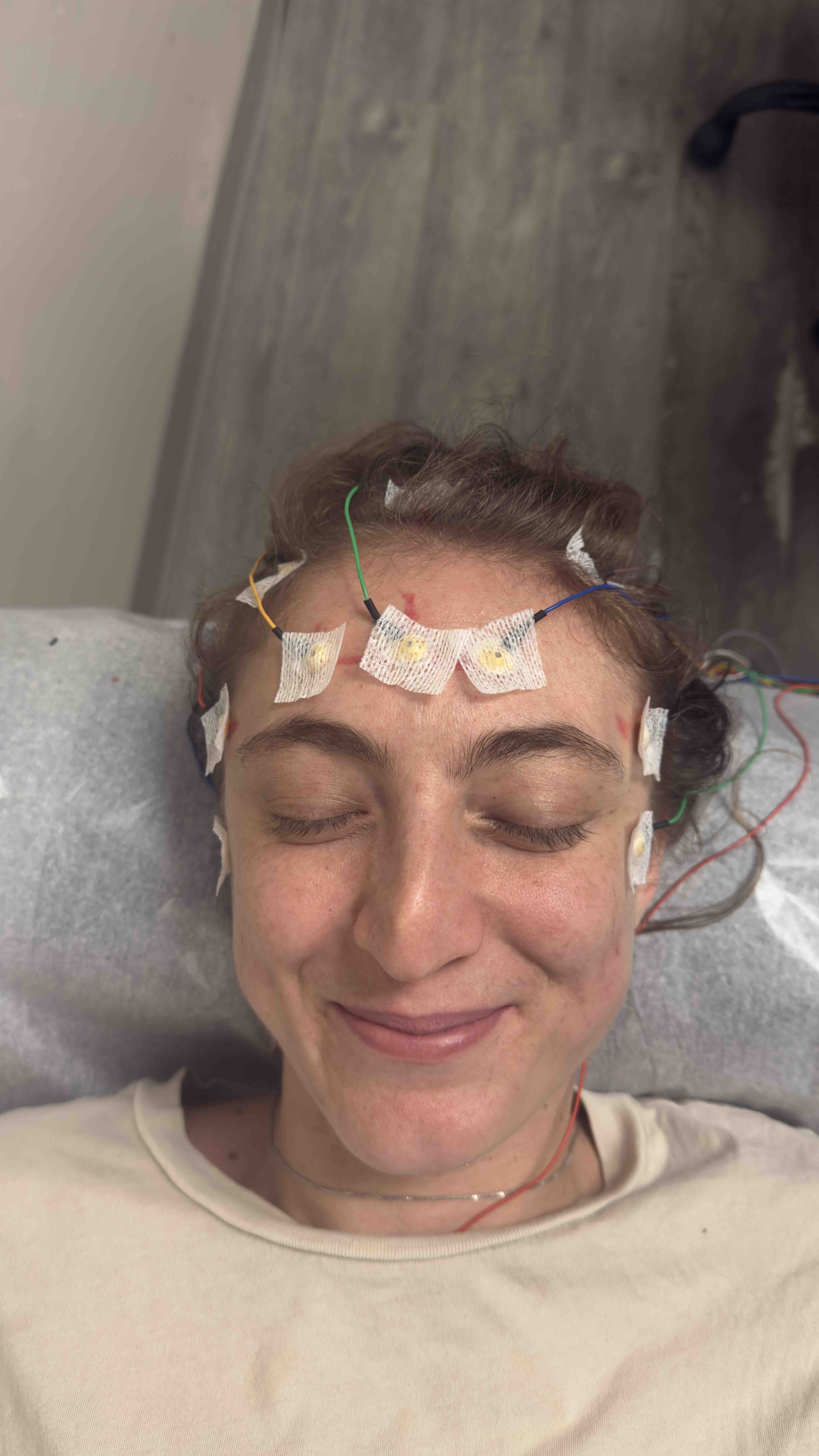
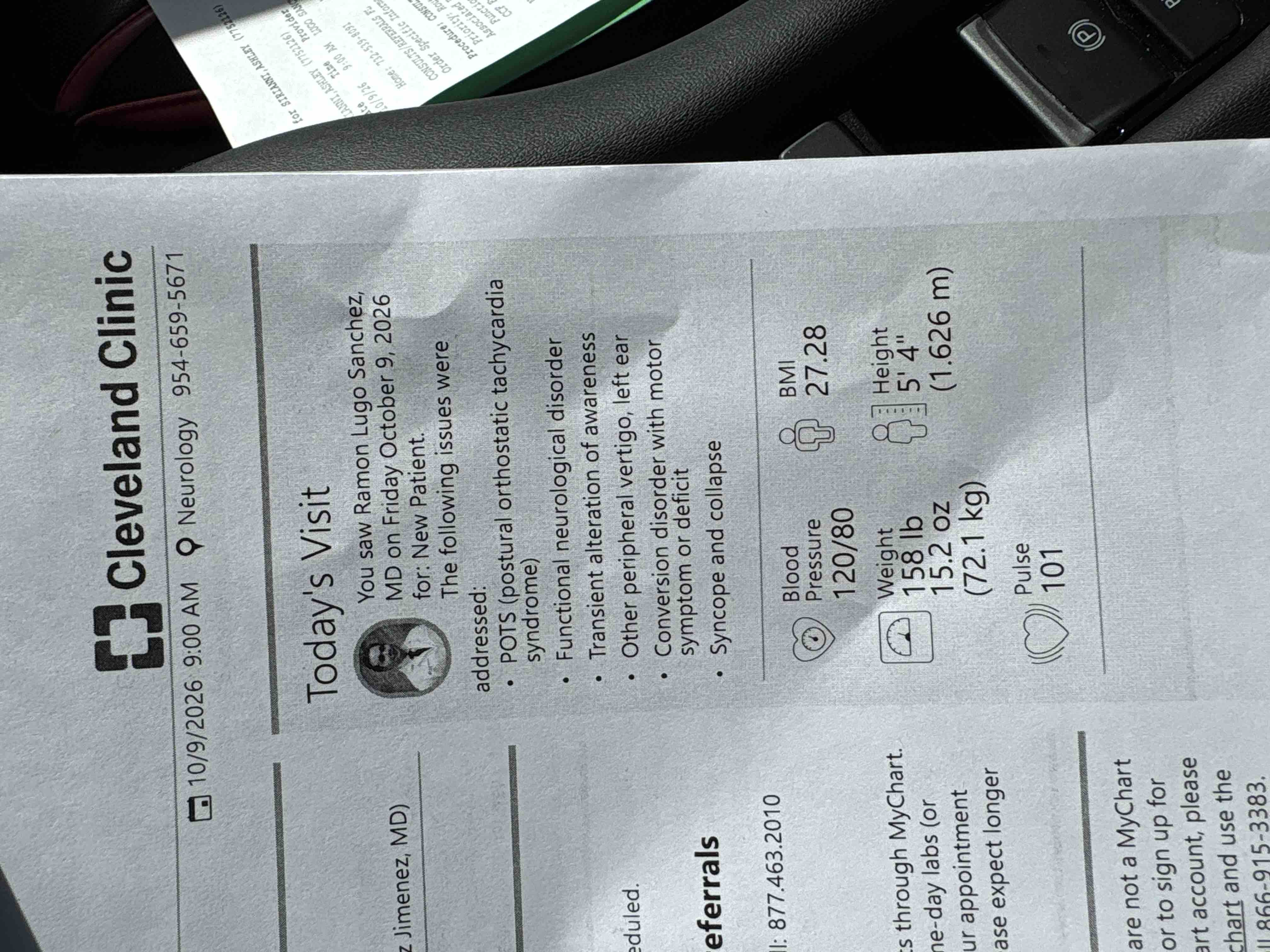
Eventually, I was diagnosed with Functional Neurological Disorder (FND), Persistent Postural-Perceptual Dizziness (PPPD), vestibular dysfunction, Postural Orthostatic Tachycardia Syndrome (POTS), and dysautonomia.
FND affects how the brain sends, receives, and processes signals, disrupting functions such as movement, speech, and memory. PPPD causes persistent disturbances in how the brain processes balance and motion. Dysautonomia involves dysfunction of the autonomic nervous system, which regulates automatic functions like heart rate, blood pressure, and circulation. POTS is a specific form of dysautonomia that can cause my heart rate to rise dramatically when I stand, accompanied by severe lightheadedness, exhaustion, and episodes of fainting.
One of the ways my neurological symptoms were explained to me was that communication between different parts of my brain wasn't functioning properly. The information my brain received wasn't being processed and coordinated the way it should be.
And at times, I could actually feel that something was wrong.
I could see the world around me. I could hear people speaking and recognize sounds. But there were moments when it felt as though my brain couldn't properly interpret or connect the information it was receiving.
Imagine being able to see and hear everything around you, but feeling as though your brain can no longer make sense of it.
The Trauma My Body Had Been Carrying
As I began receiving answers, I also started understanding something I had never fully recognized about myself.
For years, I had endured physical and emotional abuse and lived through experiences that left lasting effects I didn't understand at the time. I had become so accustomed to pushing forward, remaining resilient, and functioning under immense stress that I never recognized how much of my life I had spent in a constant state of survival.
What I didn't understand was that my nervous system had learned to live in fight-or-flight mode, even when the danger was no longer there.
On the outside, I was thriving. I was building a career, pursuing an education, exercising, and creating a life I genuinely loved. But underneath that determination was a nervous system that had spent years responding to trauma and perceived threats, often without my conscious awareness.
I had mistaken my ability to keep going for proof that everything I had endured was behind me.
Then came the cardiac emergencies, the thyroid crisis, invasive procedures, repeated hospitalizations, and the terrifying uncertainty surrounding my health.
It was as though years of unresolved trauma and months of overwhelming physical and emotional stress had collided in a perfect storm.
Through treatment, I began learning how prolonged trauma and chronic stress can affect the brain and nervous system, potentially contributing to conditions such as FND and PPPD.
I cannot say that trauma caused every medical condition I developed, but I have come to understand that it may have played a significant role in how my nervous system responded to everything that followed.
If there's one thing I hope people take away from my experience, it's the importance of protecting your peace, managing chronic stress, and removing yourself from harmful situations whenever it's safe and possible to do so.
The body can carry the effects of trauma long after our minds have tried to move forward. The body keeps score, even when we think we've forgotten.
I also want to bring awareness to FND, a very real neurological condition that is often misunderstood. Trauma isn't the cause of every case, but for some people, it can be one contributing factor. I wish I had understood sooner just how deeply prolonged stress and unresolved trauma can affect our well-being.
For years, I thought being strong meant surviving whatever life threw at me. I never imagined that one day, part of my healing would involve teaching my own nervous system that it was finally safe.
None of this makes my illnesses any less real. My symptoms are physical, debilitating, and life-altering.
Although I regained some of what I had lost through treatment, I continue to experience difficulties affecting the left side of my body, along with significant problems with balance, coordination, and mobility.
Today, standing for short periods can cause my heart to race and my symptoms to intensify. Sometimes I need to rest after walking only two or three feet. I can no longer drive, safely go places alone, or reliably manage many of the responsibilities I once handled effortlessly.
I spend much of my time resting, often in a dark room because of my sensitivity to light and movement. The unpredictability of my symptoms makes planning even ordinary activities difficult.
The independence I spent years building has become one of the very things I'm fighting to regain.
Losing My Independence, Career, and Home
As my health deteriorated, the rest of my life began falling apart around me.
Despite my determination to keep working, repeated medical emergencies and worsening neurological symptoms eventually forced me to remain on medical leave.
On July 1, 2026, my employment ended after my employer was unable to accommodate an additional extension of my leave.
I didn't leave my career because I stopped loving what I did. I lost the ability to do it.
The job I had been so proud to earn, the financial stability I was building, and the future I had envisioned were suddenly gone.
Around this same period, mold problems in our apartment forced us out of our home.
With my health deteriorating and my income gone, I found myself without stable housing.
In a matter of months, I lost my health, career, income, independence, and housing.
There is something incredibly difficult about watching the life you worked so hard to build disappear piece by piece, especially when you're doing everything in your power to hold on to it.
I had spent years overcoming circumstances that could have broken me. I had built a career, pursued an education, and created a life filled with purpose and possibility.
And now, I was fighting just to reclaim pieces of that life.
A Glimmer of Hope & The Fight Ahead
But despite everything, I haven't given up.
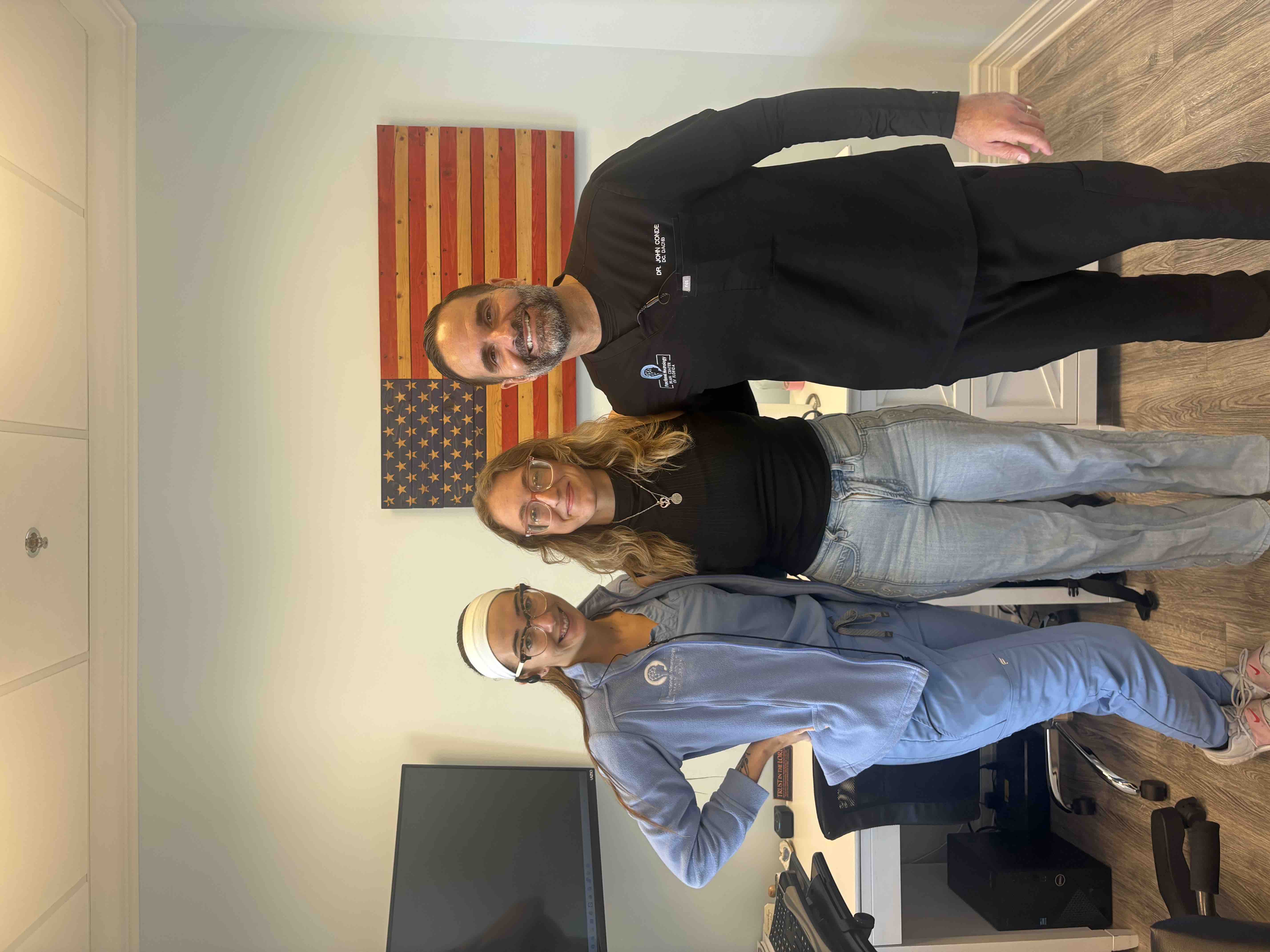
After months of frightening symptoms, unanswered questions, and watching my independence slip away, I finally found a glimmer of hope through a specialized functional neurology brain center.
I underwent my first intensive neurological rehabilitation program, which cost approximately $6,000. This wasn't simply traditional physical therapy. My treatment involved specialized neurological rehabilitation, including vagus nerve stimulation, visual and eye-movement exercises, balance training, and therapies designed to help my brain better coordinate and process information from my body and surroundings.
The vagus nerve plays an important role in the autonomic nervous system, helping regulate functions such as heart rate and digestion. Vagus nerve stimulation is a technique intended to influence nervous system activity. Alongside this, I worked on how my eyes, vestibular system, and brain communicate with one another.
I also underwent specialized motion-based rehabilitation using equipment designed to challenge my brain's ability to interpret movement and spatial orientation.
The goal was to take advantage of something called neuroplasticity—the brain's ability to adapt, learn, and reorganize how it functions.
And after everything I had been through, something incredible happened.
For the first time in months, I began seeing notable improvements.
After spending so long feeling as though my brain and body were no longer working together, I began regaining abilities I feared I had lost. I started making meaningful progress with my mobility and neurological functioning.
I wasn't cured. I still experienced debilitating symptoms, and recovery was far from linear. But after months of feeling as though my world was collapsing around me, I finally had a reason to believe that things could improve.
That first round of treatment was worth every penny. It gave me something I desperately needed: hope, supported by improvements I could actually experience.
Because I'm living with several overlapping neurological, vestibular, and autonomic conditions, my treatment cannot follow a one-size-fits-all approach. My recovery requires highly individualized, layered rehabilitation that carefully addresses how these conditions interact with one another. This makes finding appropriate care especially challenging, and it's why continuing specialized treatment is so important to me.
Unfortunately, my recovery is far from complete.
I've been advised that I need another one or two rounds of intensive neurological rehabilitation, but without an income, I simply cannot afford them.
I'm not asking people to fund a treatment I haven't tried. I'm asking for help continuing rehabilitation that has already made a meaningful difference in my life.
I continue pursuing neurological care, rehabilitation, and treatment while doing everything within my ability to recover. Between medical expenses and basic living costs, the financial burden has become overwhelming.
That's why I'm asking for help.
How Your Support Helps
Your generosity would allow me to continue pursuing the treatment that has already helped me make progress. To be transparent about how donations will be used:
- 6,000–12,000 | Additional Neurological Rehabilitation: Funding one to two more rounds of intensive neurological rehabilitation focused on improving balance, coordination, mobility, and how my brain processes movement and sensory information.
- Remaining Funds | Medical Care and Essential Expenses: Supporting ongoing specialist appointments, physical and vestibular therapy costs, and essential living expenses while I remain unable to work.
Every contribution, regardless of size, will help me continue treatment and work toward rebuilding my independence.
I'm not asking for a luxurious life.
I'm asking for the chance to walk without feeling the ground disappear beneath me. To hold conversations without losing my words. To wake up and feel like my body belongs to me again.
I want to run again. I want to snorkel again. I want to create things, work, explore, and experience the world without feeling trapped inside a body I can no longer predict.
I want to return to the career I worked so hard to build.
But more than anything, I want to take everything I've experienced and turn it into something meaningful.
I refuse to let this chapter of my life be the end of my story.
I've spent much of my life learning how to turn difficult circumstances into opportunities to grow, and although this has been the greatest challenge I've ever faced, I still believe there is purpose to be found in what I've endured.
I may never be the exact same person I was before March 2026, but that doesn't mean I cannot become someone equally vibrant, compassionate, and full of life.
I want to use what I've learned to help others navigating neurological conditions, especially those who feel frightened, misunderstood, or alone. I want to advocate for people whose symptoms are invisible to the outside world and remind them that their lives still hold tremendous value.
If I can someday help even one person feel less alone because of what I've been through, then something meaningful will have come from one of the hardest chapters of my life.
This illness has changed my circumstances, but it has not changed the person I am at my core.
I'm still the woman who woke up at 5:45 in the morning, chased her dreams, and believed she could build a beautiful life. I'm still curious, determined, and eager to make a difference in the world.
And I still have so much light left to give.
I have so much life left to live, so much I want to accomplish, and so much more I want to give to the world.
I don't know exactly what recovery will look like or how long it will take. There may be setbacks, and the road ahead may be longer than I ever imagined. But I refuse to let these illnesses define everything that comes next.
This will not defeat me. With your help, I hope to continue healing, rebuilding, and shining the same light I've always tried to bring into the world.
If you're able to donate, no amount is too small. If you cannot donate, sharing my story would mean just as much.
From the bottom of my heart, thank you for reading, for caring, and for giving me a fighting chance to reclaim my life. ❤️
Organizer