We are sharing this with a bit of hesitation, but also with trust in the generosity and kindness of our community.
If you know us, you know this is not something we do lightly. It is not easy for us to ask for help. We are deeply grateful for what we have and have always tried to carry what is ours to carry. At the same time, we recognize that this is a moment where we could truly use support—whether through prayer, encouragement, or practical help.
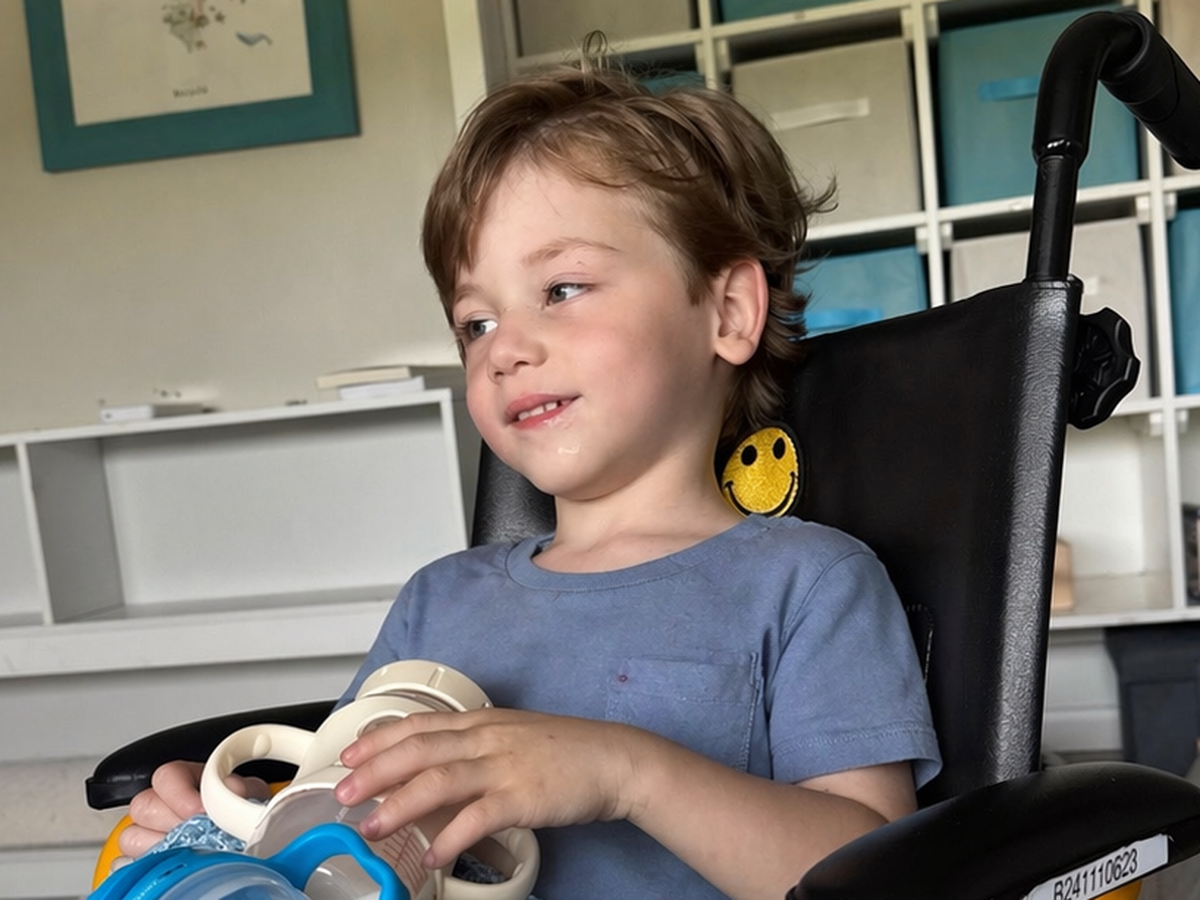
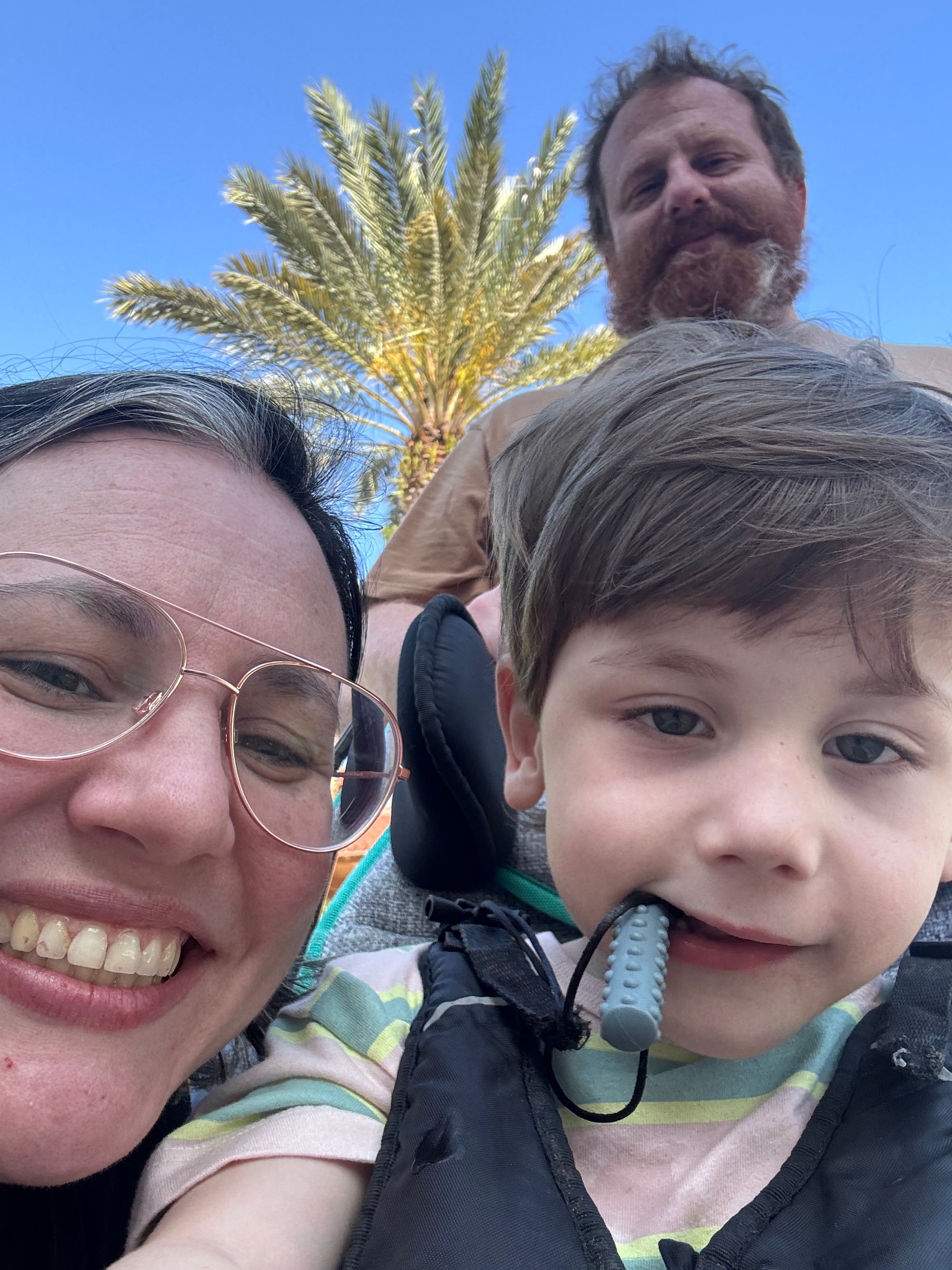
Our son Alexander is a joyful, deeply loved little boy and very much his own person. He is sweet when he wants to be, selective about who he gives his attention and affection to, and very clear about what he does (and does not) want. He has a great sense of humor and can be incredibly silly—especially when he knows he is doing something he shouldn’t be.
He loves rolling around on the floor, playing with his favorite toys, and watching his favorite movies—Encanto, Tangled, Moana, Frozen, and Cars on repeat. He loves music, cuddling, and getting kisses from mom. On any given day, he might happily eat three yogurts in a row—or refuse everything except fries or veggie straws.
Alexander’s story began early. During pregnancy, Mariane's water broke at 28 weeks, and she remained in the hospital on bed rest for about 10 days. During that time, she developed an E. coli infection, which created additional complications.
Alexander was born at 31 weeks following a sudden change in circumstances related to the infection and required care in the NICU. In infancy, he experienced E. coli sepsis and presumed meningitis, which led to a brain injury called periventricular leukomalacia (PVL). This injury affects the white matter of the brain and resulted in his diagnosis of spastic diplegia cerebral palsy.
He is classified as GMFCS Level IV, meaning he has limited independent mobility and requires significant physical support throughout his day.
In addition to cerebral palsy, Alexander has global developmental delay and a language disorder that affects both his understanding and expression of language. He is nonverbal but communicates in his own ways—through gestures, touch, vocalizations, and assistive communication tools.
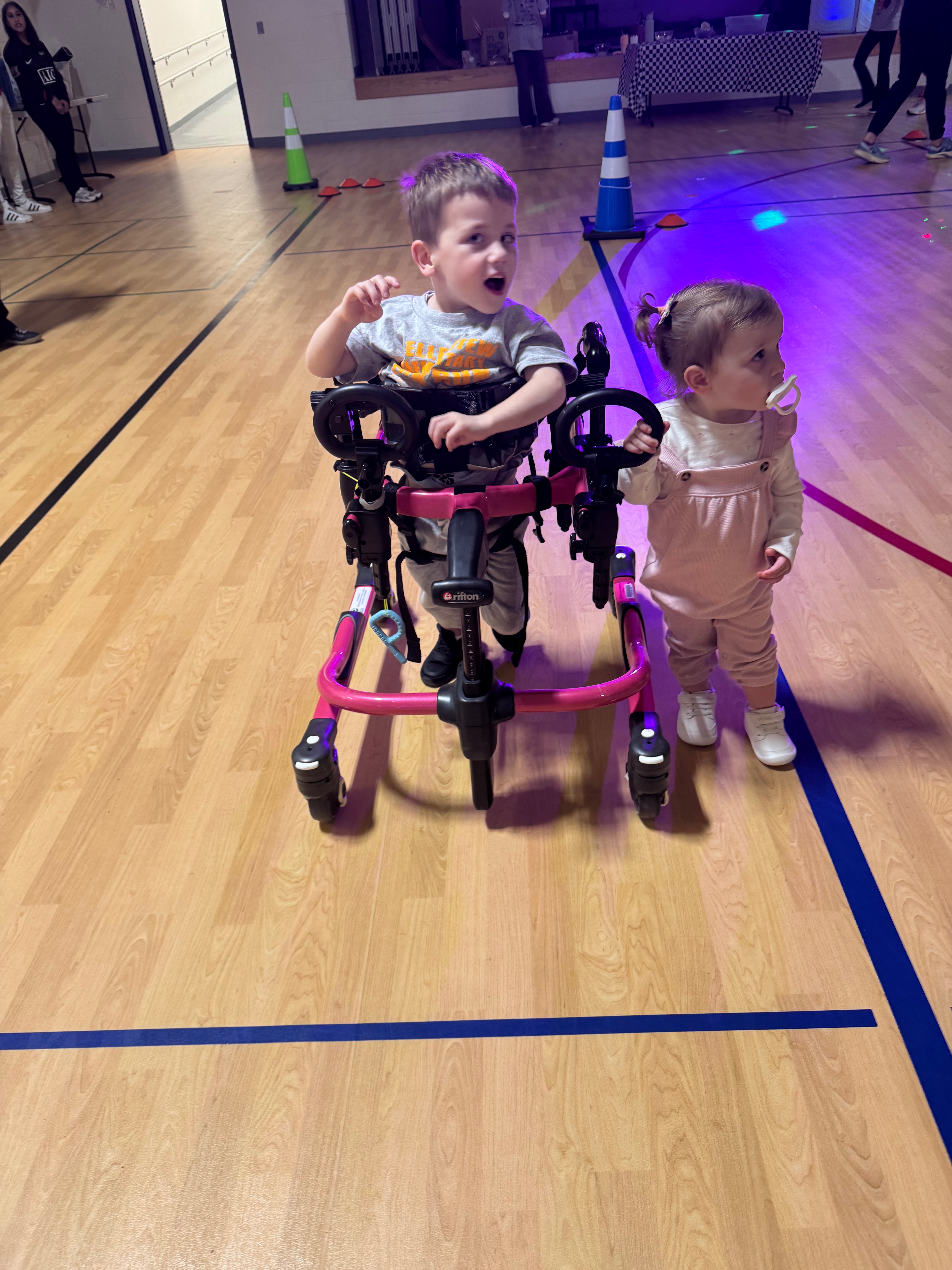
In daily life, Alexander army crawls to move around the house (and will absolutely leave a room when he decides he is done being there). He loves to stand with support and uses a gait trainer at home and at school. He can sit when placed, reaches for toys, finger feeds himself, and engages with the world in ways that are uniquely his.
Alexander receives ongoing care and therapy, including weekly physical therapy, occupational therapy, and speech therapy through both Fairfax County and outpatient services. He uses adaptive equipment including a wheelchair, gait trainer, braces, and communication tools to support his development.
His care is complex and ongoing. He has received Botox injections to help manage muscle tone and has begun a trial of oral baclofen. His medical team continues to evaluate long-term options to support his mobility and comfort.
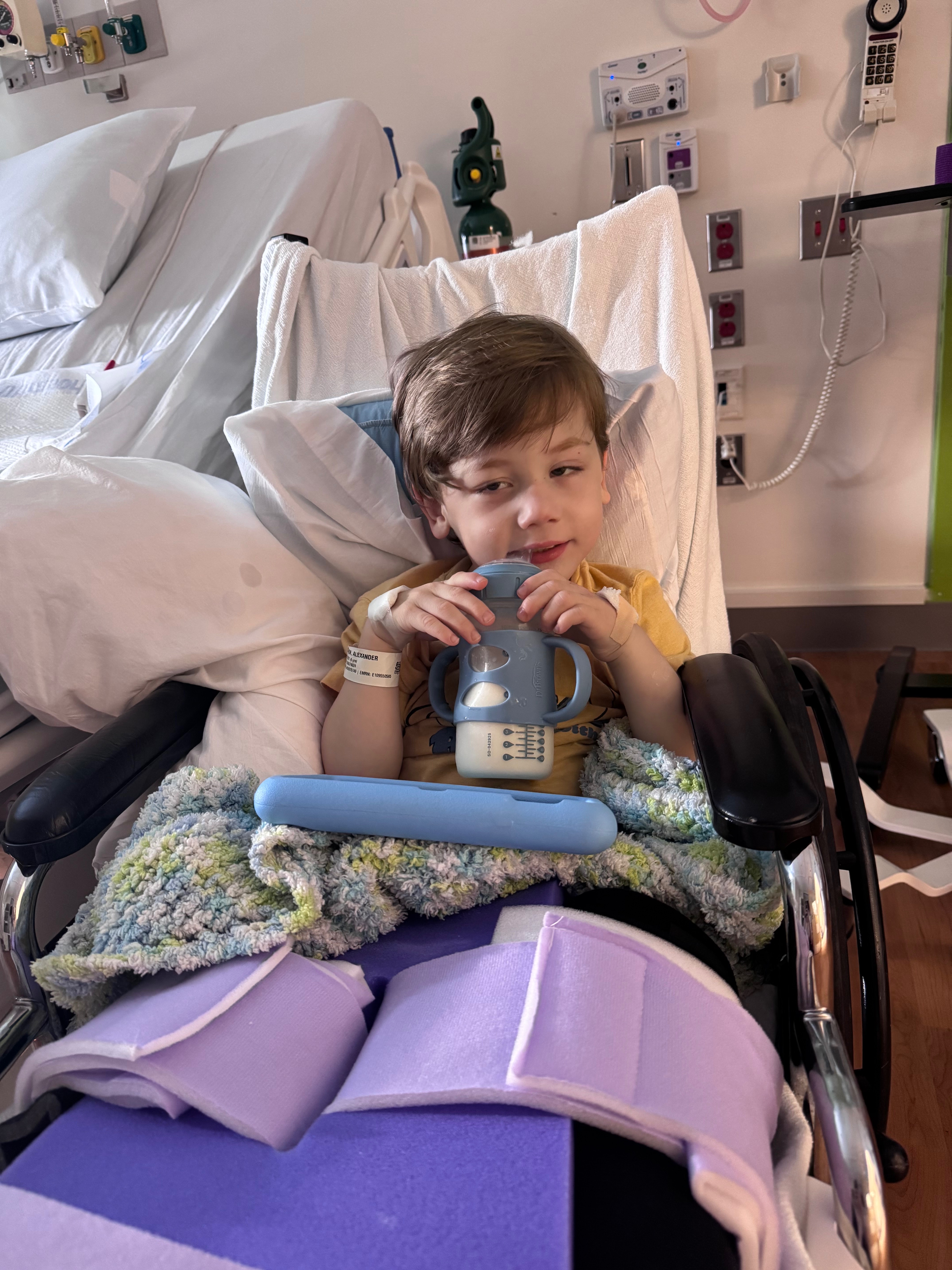
He recently underwent hip surgery on April 14, which went well and was an important step for his long-term mobility and comfort. He is now recovering and will continue with additional appointments, care, and therapy in the weeks ahead.
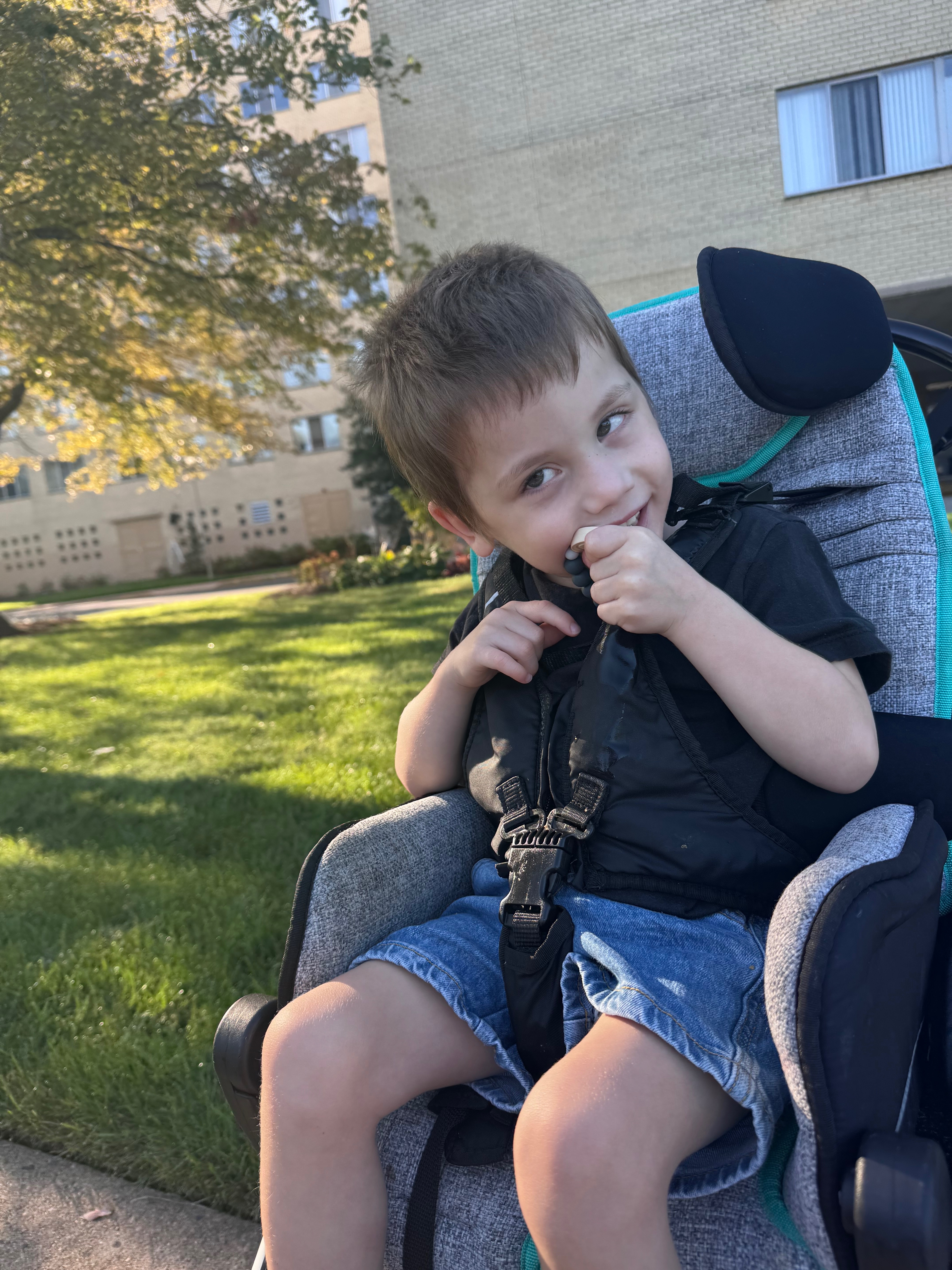
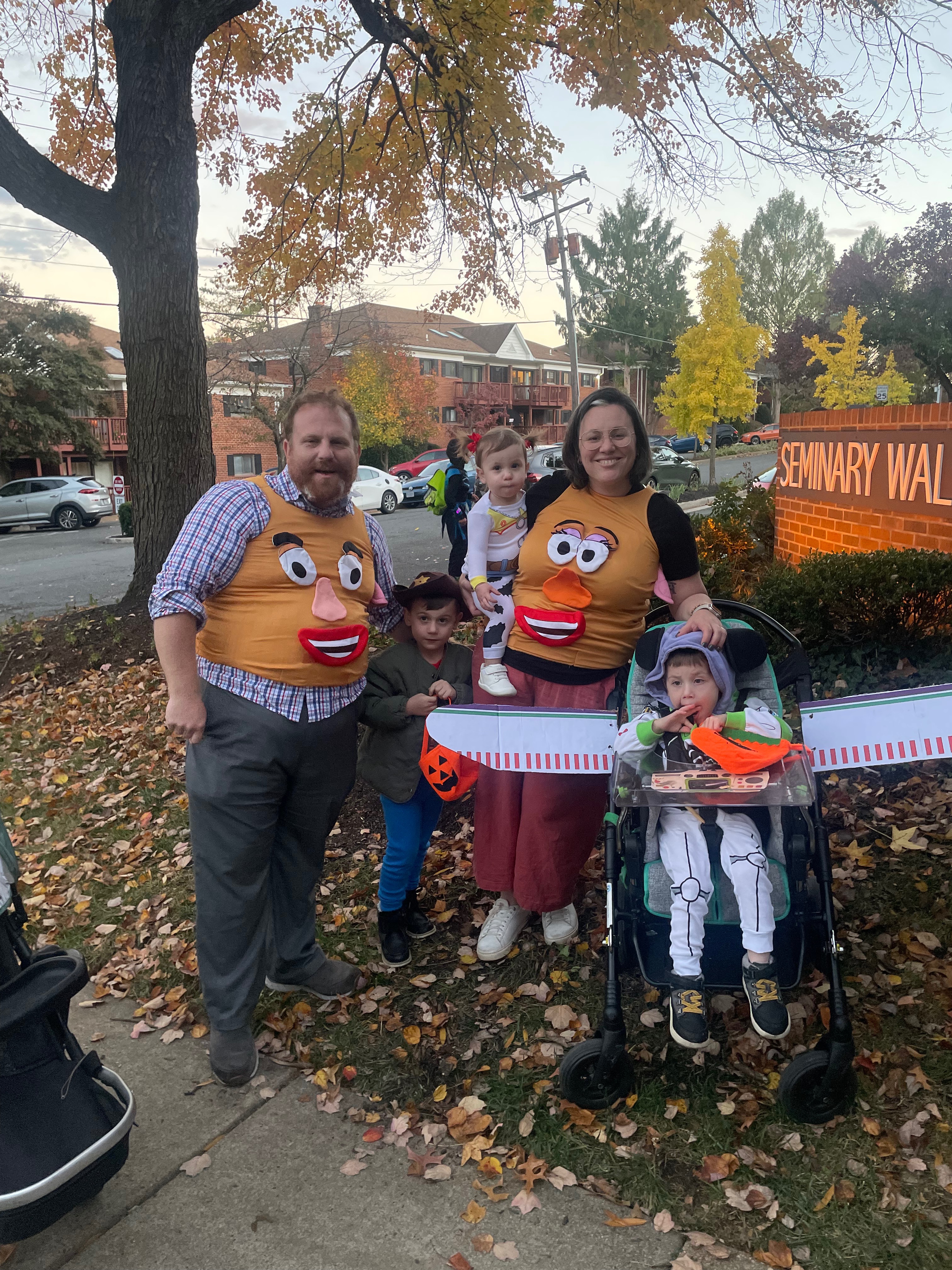
We are a family of five living in Alexandria, Virginia. Michael is a teacher, and Mariane works in church ministry. We have three children—Alexander, his older brother who has level 1 autism, and his younger sister. As Alexander grows, his physical needs are becoming more significant. He relies on an adaptive stroller or wheelchair for mobility outside the home. Transporting him and his equipment has become increasingly difficult and physically demanding, especially as he gets bigger.
We are seeking to purchase an accessible van that would allow Alexander to enter safely using a ramp and remain secured in his mobility equipment during travel. This would not only support Alexander’s safety, comfort, and dignity, but also make a significant difference for our entire family. During the day, Mariane is often driving between therapies, school, and appointments while caring for all three children, and having a vehicle that can more easily accommodate Alexander and his equipment would ease a daily logistical and physical burden.
The cost of a used accessible van (typically less than 5 years old and under 100,000 miles), including the necessary accessibility modifications, is approximately $68,000. When factoring in taxes, fees, and additional equipment, the total cost is closer to $75,000–$80,000.
We are raising funds to help offset the cost of this van. Any additional support will go toward Alexander’s ongoing medical care, including surgery, therapies, and equipment.
We share this with humility and gratitude. We truly mean it when we say that your prayers for Alexander, for his surgery, and for our family are just as meaningful to us as any financial support.
Thank you for taking the time to read this, for loving our son, and for walking with our family in whatever way you are able.
With gratitude,
Michael & Mariane
Organizer