- M
- e
- P
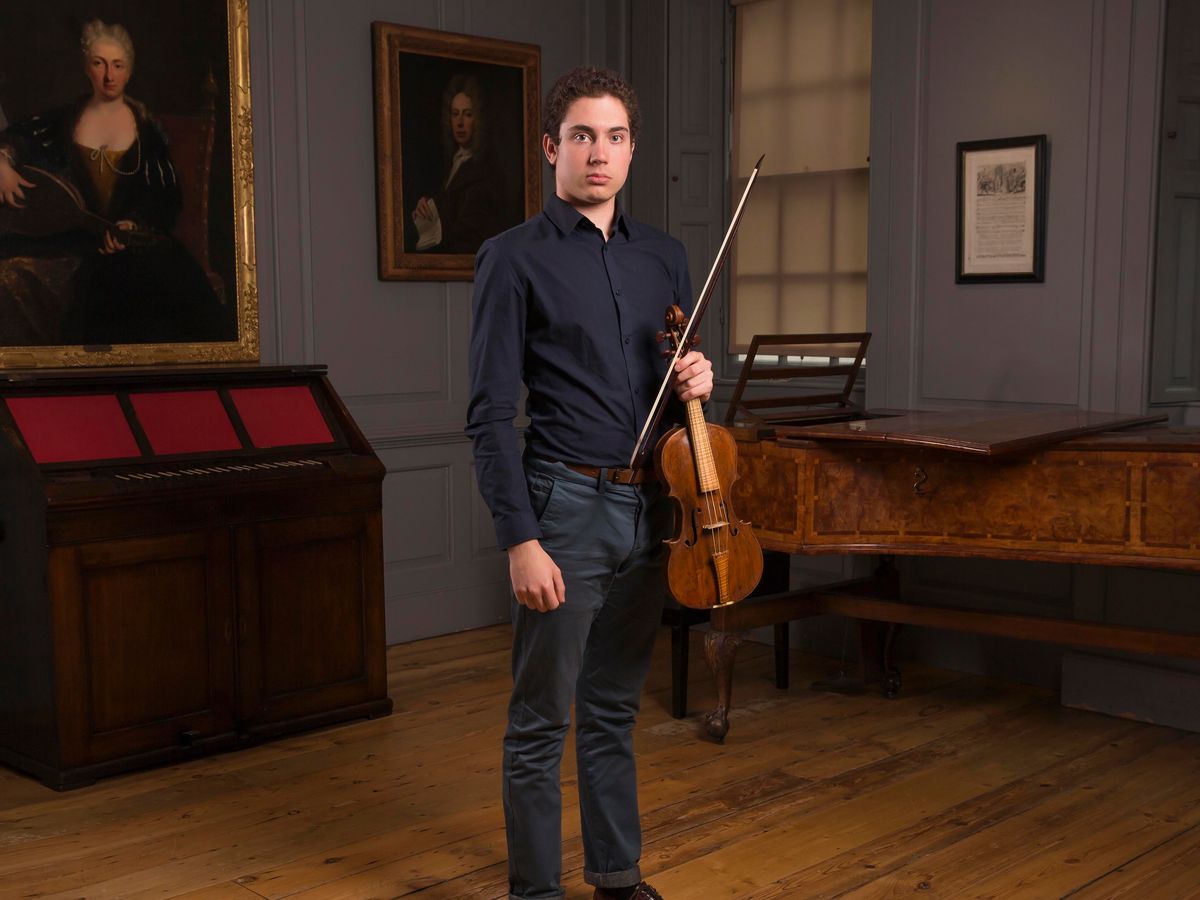
Help Abel acquire a 1738 violin made by George Klotz
0% complete
£1,115 raised of
15 donations
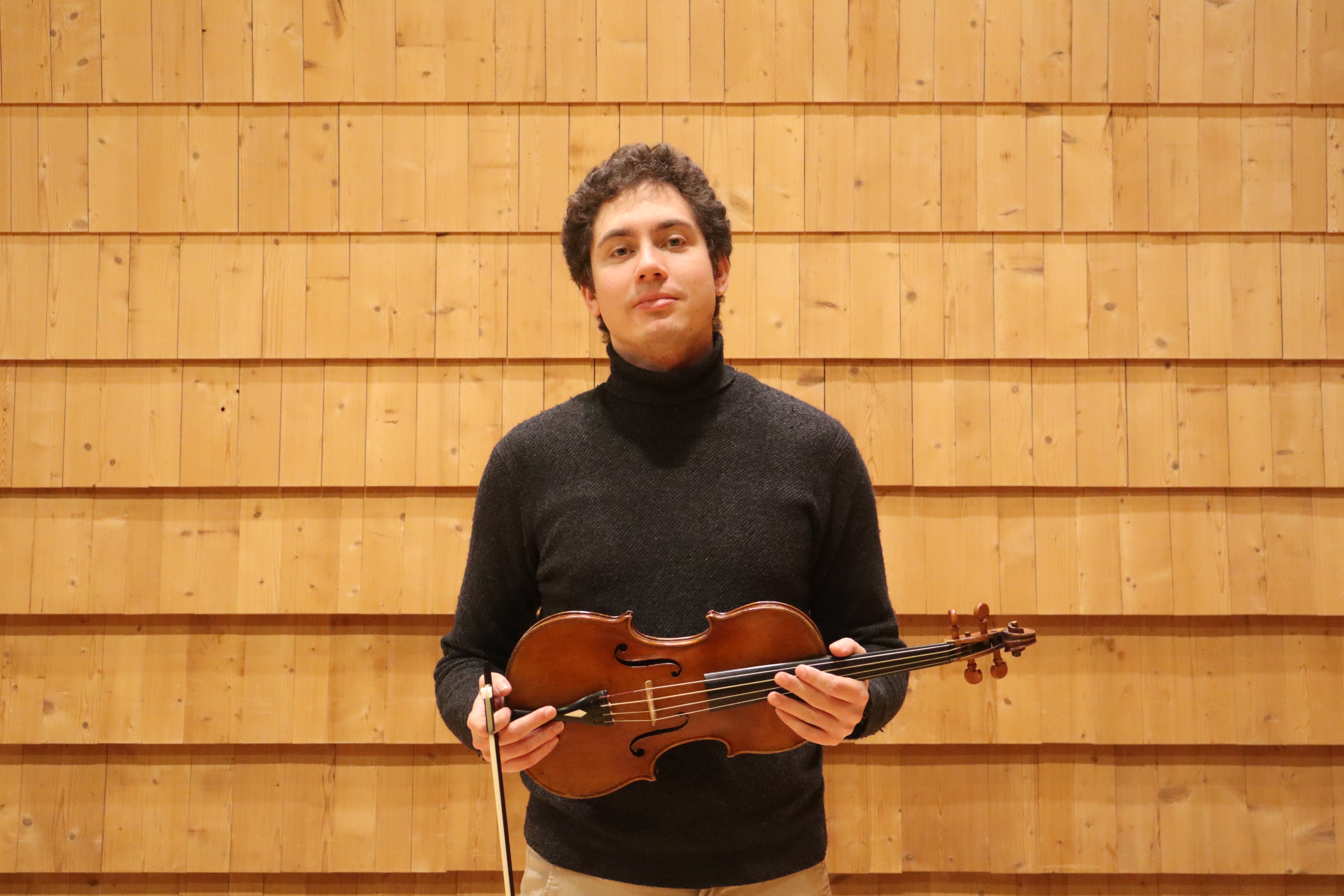
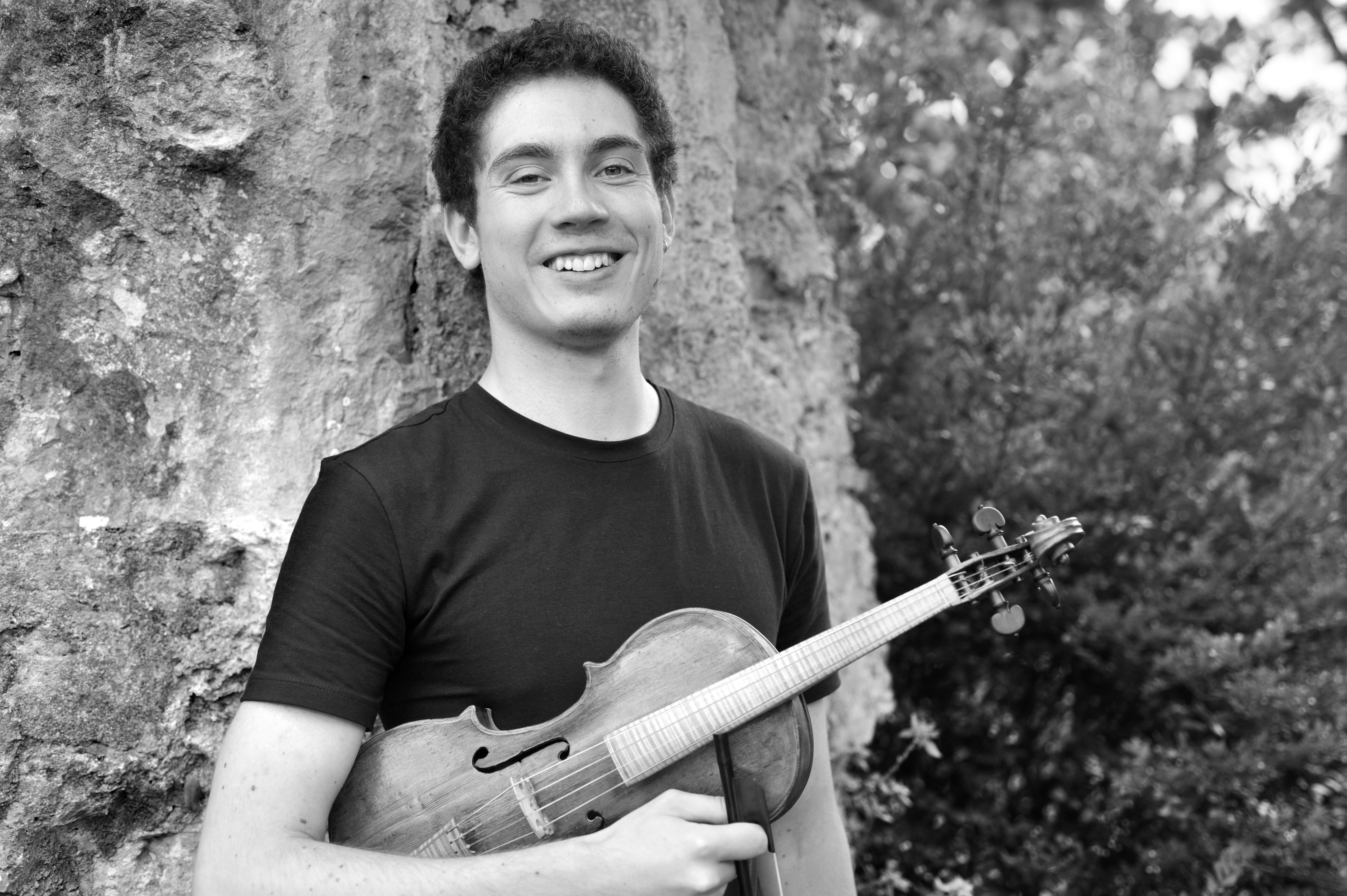
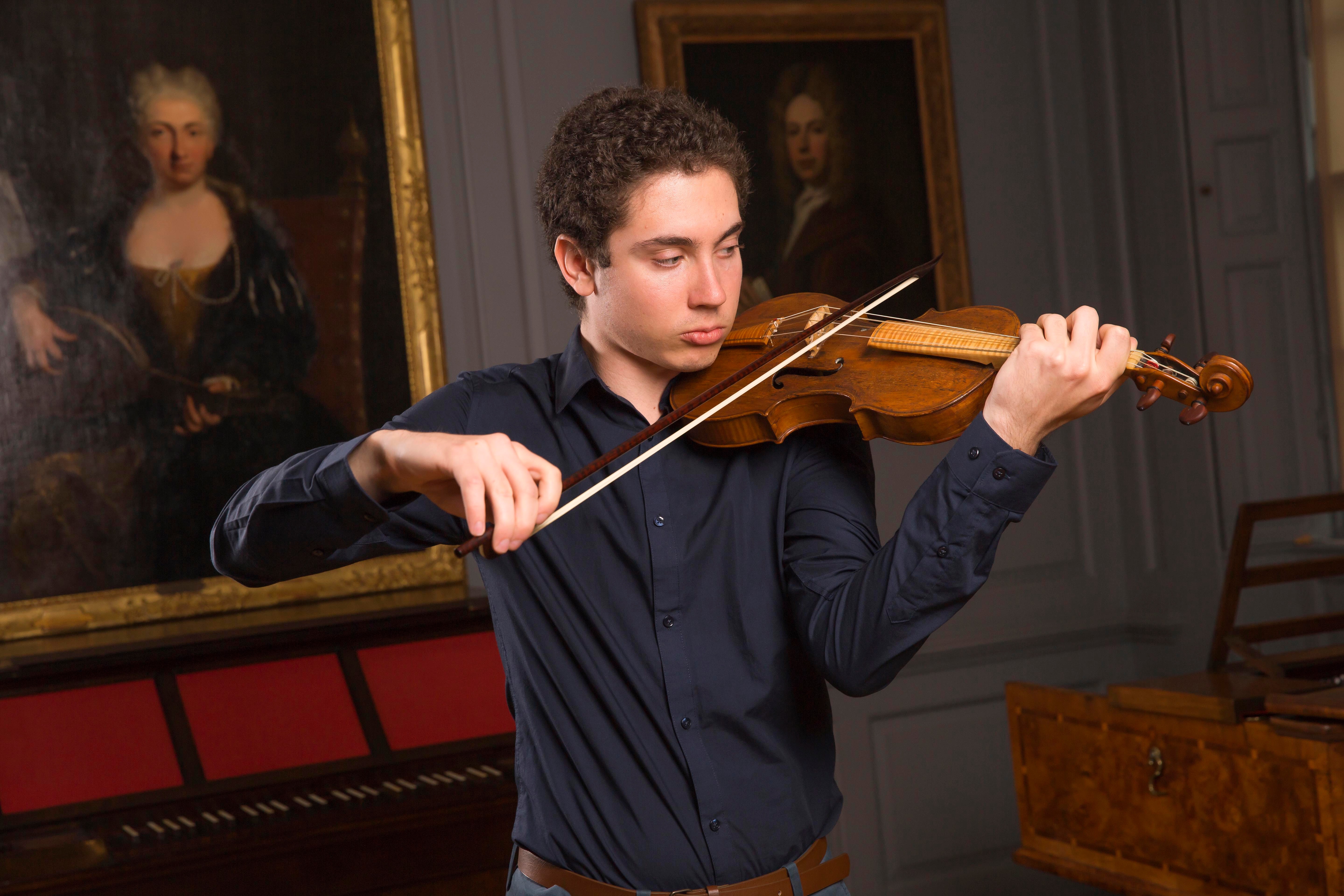
Hello, my name is Abel and I am a violinist specialising in historically informed performance. Since I was a student at the Royal College of Music, I've been fortunate enough to borrow fine instruments, including ones built by Nicolò Gagliano, Giovanni Grancino and more recently for the last few years, a violin by John Betts, generously loaned by The Harrison-Frank Family Foundation.
I genuinely believe that without access to high-quality instruments, I wouldn't have been able to develop my career the way it did. Numerous successful auditions that resulted in long-term engagements with some of the pre-eminent period ensembles in the U.K. and abroad, namely Gabrieli Consort & Players (Paul McCreesh), La Serenissima (Adrian Chandler), The English Concert (Trevor Pinnock, Harry Bicket), Academy of Ancient Music (Richard Egarr, Laurence Cummings), Early Opera Company (Christian Curnyn), Florilegium (Ashley Solomon), Dunedin Consort (John Butt), Theresia Orchestra (Alfredo Bernardini, Giovanni Antonini), Real Câmara (Enrico Onofri) and Orquestra Barroca da Casa da Música (Laurence Cummings), among others.
Some of the venues I've performed in are Carnegie Hall, Wigmore Hall, Royal Festival Hall, Royal Albert Hall, Palau de la Música Barcelona, Palacio de Festivales Santander, Palácio Nacional da Ajuda Lisbon, The Barbican Centre, Garsington Opera, The Grange Festival, Smith Square Hall, Christ Church Cathedral Oxford, Royal Opera House, Teatru Manoel Valetta, ODA Salle de concerts et congrès Sion, St. Martin-in-the-Fields.
With the ensembles above, I've been part of recordings for labels such as Signum Classics, Chandos Records, Pentatone, CPO, Passacaille, Glossa, Onyx and Delphian.
Not limited to orchestral performing, I've kept a close relationship with Istante Collective for solo and chamber music playing, frequently at Baroquestock, recitals at Handel & Hendrix London and with Lilium Convallium (with whom were selected for the Brighton Early Music Festival's BREMF Live! scheme).
A good violin is of course essential for blending well in an orchestra, but the quality of the instrument is equally if not more important in more intimate music making, such as in chamber music.
Sadly, the loan of the Betts violin is finally coming to an end at the end of this year. With not many options left in finding a foundation, institution or programme that would lend a violin, particularly one in baroque/classical setup, I realised it's probably time to try and purchase one that I could call my own.
For the last 6 months, I've tried many instruments; some in viewings in auctions and others on sale privately or in dealers/shops.
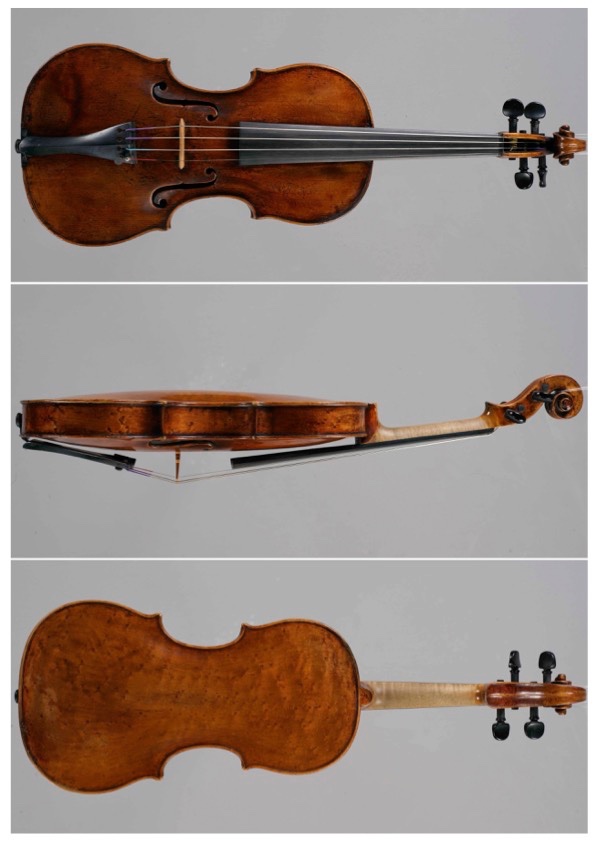
The violin that stood out to me the most was being sold at J&A Beare - one of the world's most respected string instrument dealers and authenticators. The instrument in question: a beautiful, birds-eye maple figured back violin, made by George Klotz (1687-1737), labelled 1738 (probably prepared for sale after George's death, hence the later label).
The Klotz family workshop, spanning 8 generations, based in Mittenwald, Germany, was one of the most well-respected instrument makers in Europe. Their model of violin (based on Stainer), was widely copied by other makers and Mozart himself owned a violin by Aegidius Klotz.
George Klotz was the eldest son of the founder of the Klotz school, and these early Mittenwald violins are particularly sought after and highly regarded.
"Unfortunately" the violin was fully modernised, as was usual for an old instrument that was considered well made and sounded good. It already sounded amazing to me with metal strings, but after re-stringing it to pure gut, I was immediately impressed and knew that this was the one. It has a rich, warm timbre that can also project and cut through when I need it to. I am not surprised that this was the sort of tone from a violin that was desired throughout most of the 18th century.
I've trialled this violin in a few rehearsals and concerts, shown it to friends and colleagues and unanimously the consensus was that this violin was the top choice, even going through "blind" tests comparing with a few other potential options of violins.
The difficult part and the reason why I am seeking help in purchasing this violin: it is being sold for £20,000 and the full conversion costs around £5000 (plus all the other usual expenses that come with getting a new instrument, such as a decent case to protect it, insurance costs, etc.) which is a lot of money for any young professional. While historically informed performance is undoubtedly my main area of focus and has been my passion since my teenage years, it is arguably one of the more expensive specialisations in music; various bows (for different periods/styles of music), strings and other accessories that I require to do my job, the acquisition of this violin is definitely the biggest milestone and the most challenging yet.
I'm trying to raise £10,000 towards this. I can guarantee the violin will be put to very good use; in recording sessions, opera productions and concert venues across the U.K., Europe and further afield. I believe this is an instrument that I can confidently continue to develop my career with and would be an appropriate fit for the high-level ensembles that I work with.
I would of course be very happy to let my supporters and donors know about my upcoming performances, invite them to these occasions, and update them on the violin's Baroque conversion process!
Any support no matter how small (even just sharing this page), would be really appreciated.