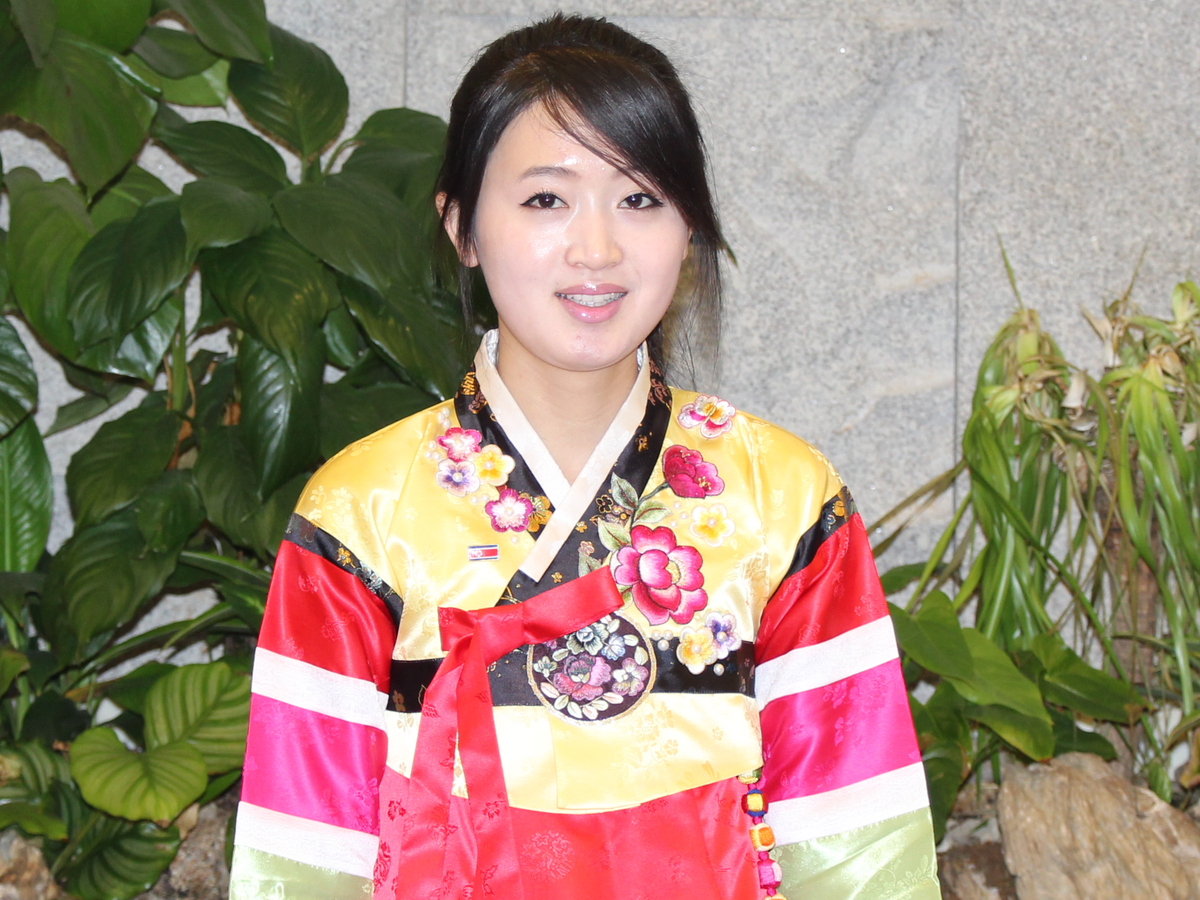
My name is Yu-Jeong “Juri” Song. I am 33 years old, and six years ago, I arrived in the United States from North Korea in search of freedom—and the chance to build a life that had always been denied to me.
I was born and raised in Pyongyang, a place from which very few people ever escape, and even fewer ever make it to the United States. Before I came here, I was a nursing student, living under a system that controlled every part of daily existence. I grew up under three generations of rule—Kim Il Sung, Kim Jong Il, and Kim Jong Un—where even small acts, like listening to the wrong music or being connected to the wrong person, could bring devastating consequences. In North Korea, punishment does not end with the individual. Under the system of “guilt by association,” entire families—across three generations—can be imprisoned, purged, or executed.
My parents understood this reality more than anyone. They knew exactly what would happen if I tried to defect, and yet, in an act of unimaginable parental love and courage, they gave me their blessing to escape, fully knowing that their decision would cost them their lives. After I defected, my parents and multiple generations of my relatives were killed because of me. This is something I carry with me every day—both as a source of pain and as a responsibility to live a life worthy of their sacrifice.
There is no exaggeration in what I am about to describe: to escape North Korea is to risk death at every step. The borders are heavily militarized, with barbed wire, motion sensors, CCTV surveillance, and high-voltage electric fences, guarded by soldiers under strict shoot-to-kill orders. Even approaching the border can lead to arrest, torture, or execution. Many escapees must cross rivers at night, often in freezing water, knowing they could be shot on sight. Those who are captured and returned face brutal punishment—labor camps, torture, or death—and women are especially vulnerable to trafficking along the way. Defection is not a single moment but a prolonged act of survival under constant threat, where one mistake can cost not only your life, but the lives of your family.
My journey to the United States took years—years marked by fear, hardship, and what I can only describe as a series of miracles. Today, there are only about 200 North Korean refugees living in the United States, compared to more than 35,000 who have resettled in South Korea. Even inside North Korea’s totalitarian system that demonizes the United States, I had heard whispers of the American Dream—the idea that somewhere in the world, it was possible to live freely, to pursue opportunity, and to build a life with dignity. I held onto that idea even when everything around me was restricted and dangerous, and coming to America was my chance to finally pursue it.
Starting over was not easy. I settled in Virginia and began rebuilding my life from nothing, learning a new language, adapting to a completely unfamiliar culture, and training myself to become a nail artist. Over time, I built not just a profession, but a community. My clients became friends, and people came to know me not only for my work, but for my personality—for my humor, my warmth, and the joy I try to bring into every interaction. I love making people feel beautiful, and I love making people laugh. I will admit, a little shyly, that I was considered quite pretty back in North Korea too, and I have always tried to carry that sense of confidence and lightness with me, even through difficult circumstances.
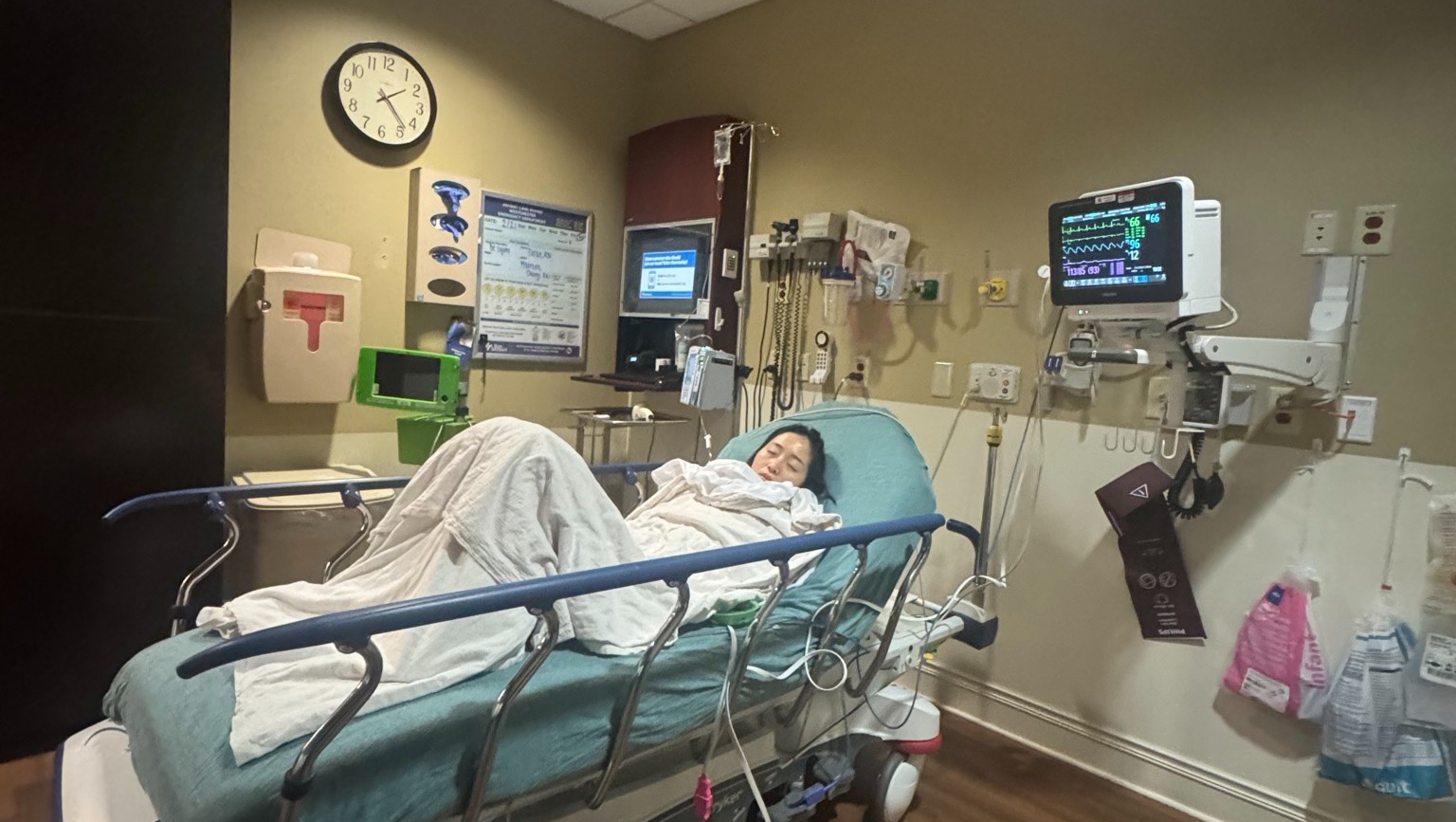
But behind that life, I was constantly pushing myself to survive. For six years, I worked nearly every single day—often seven days a week—exposing myself to strong chemicals like acetone and other fumes without rest. I had no safety net and no family here to rely on, so I kept going because I had no other choice. Until one day, my body could no longer endure it. I collapsed and was taken away by ambulance, and since then, everything has changed.
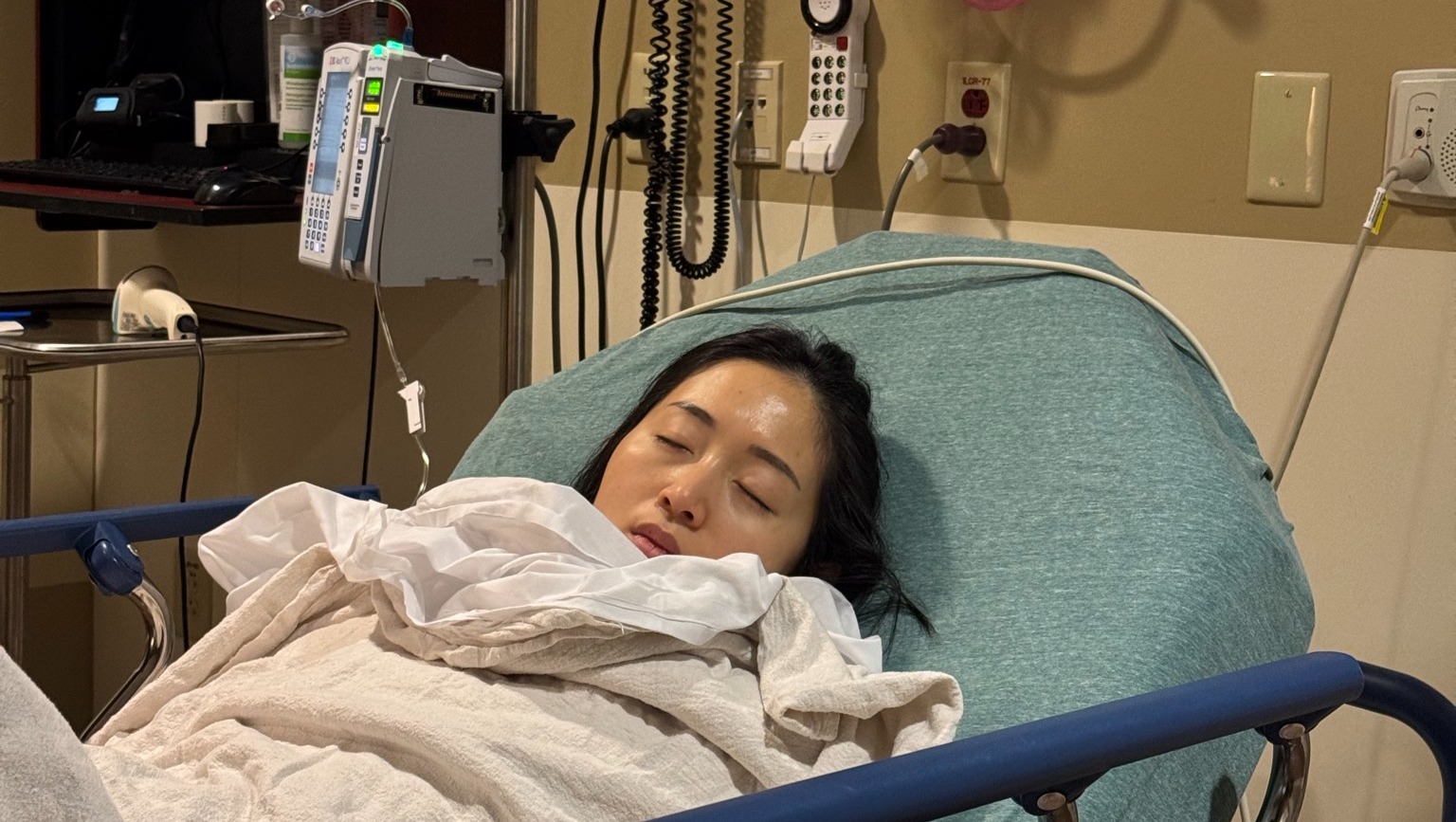
I have now been diagnosed with serious cranial nerve problems that require urgent medical treatment and surgery. Over the past month, I have been in and out of the emergency room, and without health insurance, my medical bills have already reached $30,000 and continue to grow. The surgery I need is not optional—it is urgent, and without it, I will not survive. I am trying to raise $100,000 to cover these medical expenses and necessary operation and give myself the opportunity to live.
What makes this moment so difficult to accept is everything that came before it. I survived the most dangerous regime in the world—a system enforced by electric fences, constant surveillance, and shoot-to-kill orders designed to prevent people like me from ever leaving. I survived what so many cannot. And yet now, I am facing the possibility of losing my life not there, but here in the United States. It is painful to even think that after everything, I could die here—when even Kim Jong Un could not take my life.
My dream is simple, but it means everything to me. The greatest “revenge” I can take against the totalitarian system I escaped is to live well—to live freely, and to live a long, happy, and healthy life here in America. I want to show that the dream I held onto in the darkest moments is real—that America truly is a place of freedom, opportunity, and generosity. And beyond that, I want to show the 25 million people still living under oppression in North Korea that another life is possible.
Today, I am asking for your help and kindness. Your support will not only help me receive the life-saving treatment I urgently need, but it will allow me to continue the life my parents sacrificed everything to give me. Every contribution, no matter how small, brings me closer to healing, to stability, and to the future I have fought so hard to build.
Thank you for seeing me, for standing with me, and for giving me the chance to live.
With deepest gratitude,
Yu-Jeong “Juri” Song
Organizer