- B
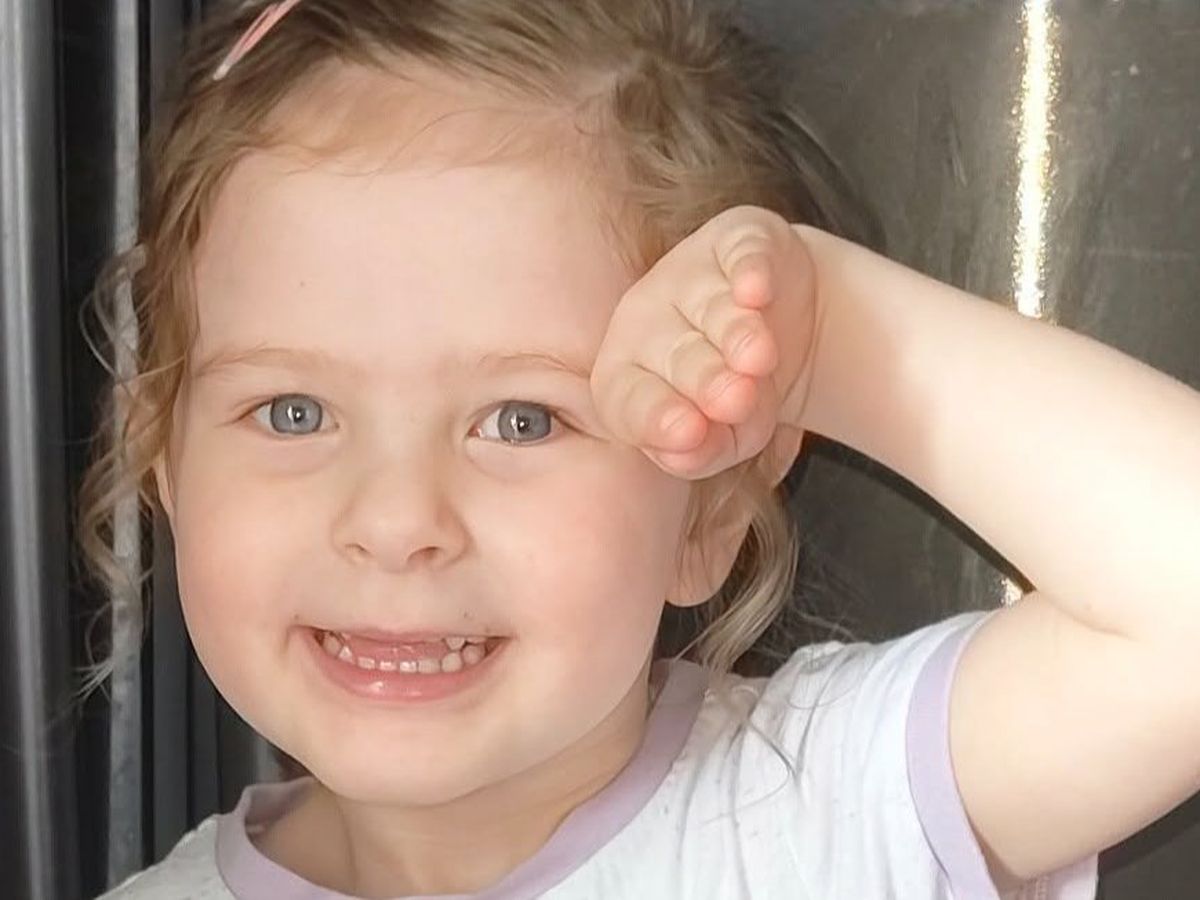
Help 3yo Harper Recover From a Serious Brain Injury
0% complete
$2,530 raised of $6K AUD
47 donations
My name is Yvette, and I've set up this GoFundMe to help my best friend Mel, her husband André and their three-year-old daughter, Harper.
I've known Mel and André for many years, and I love and adore their entire family dearly. We're all members of our local Lions club, and they are two of the kindest people you could meet. They are always helping others, whether that's volunteering, donating to someone else's fundraiser, or driving across Canberra to help search when a child is missing.
Now they're the ones who could use some help. After everything their family has been through, I wanted to do something practical to ease some of the financial pressure so they can focus on Harper's recovery.
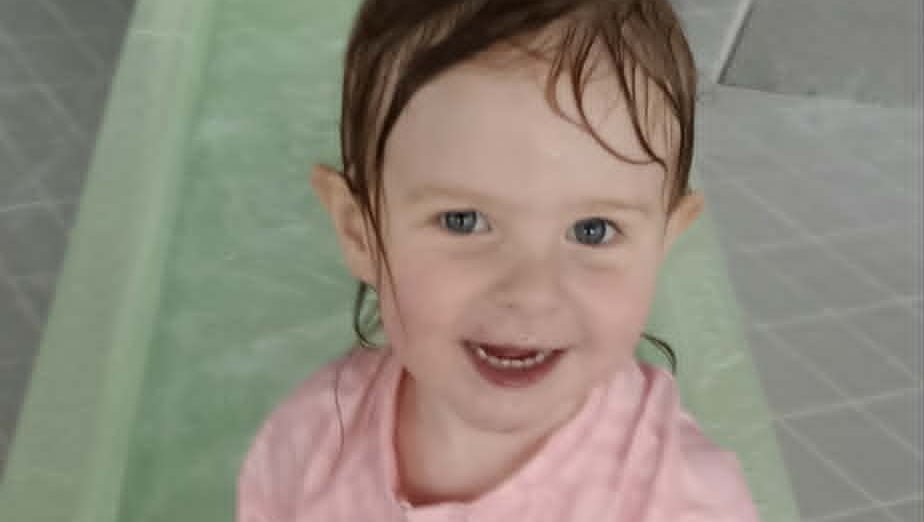
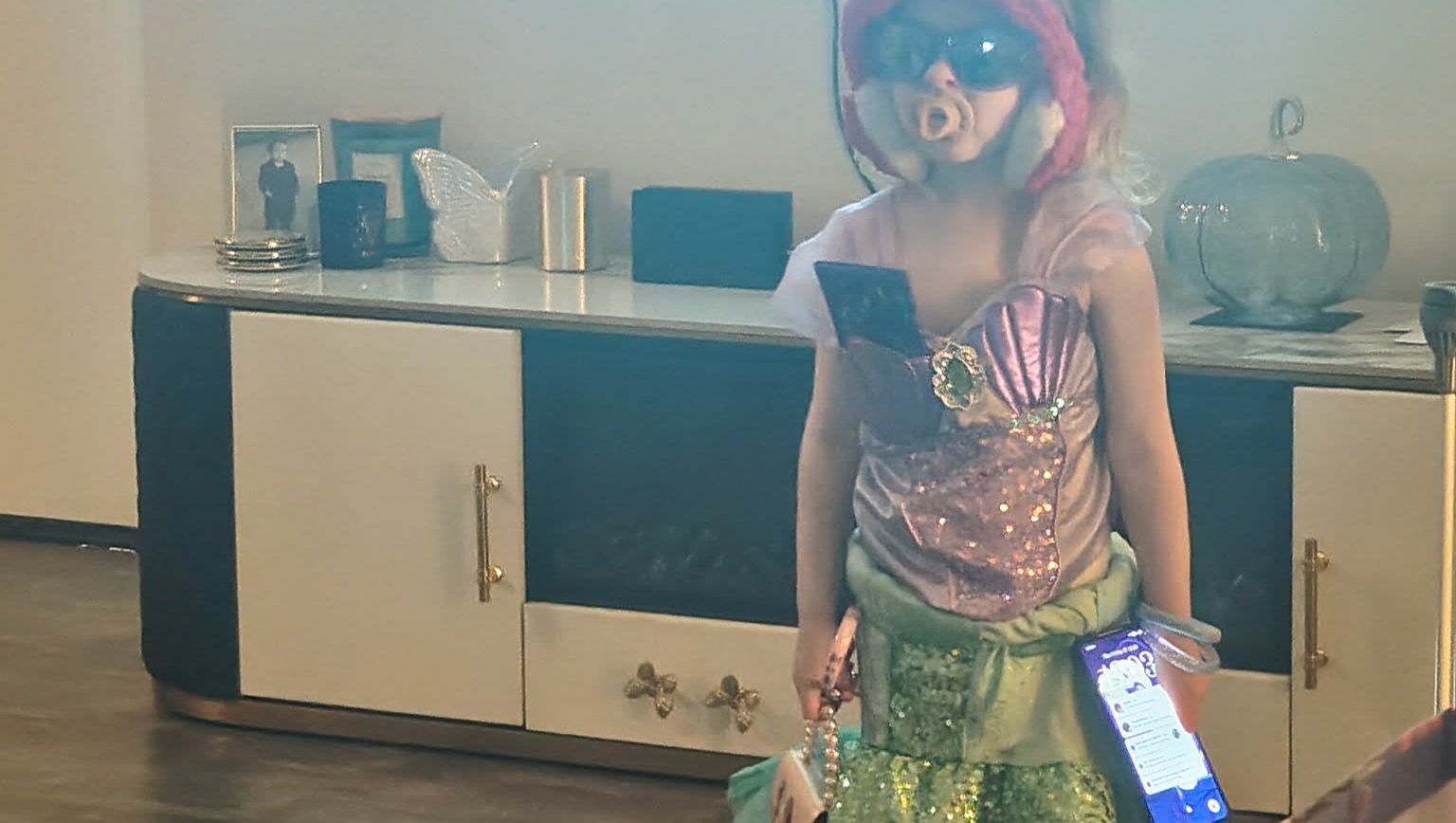
Harper is three years old. She's funny, clever, cheeky and has sass to spare.
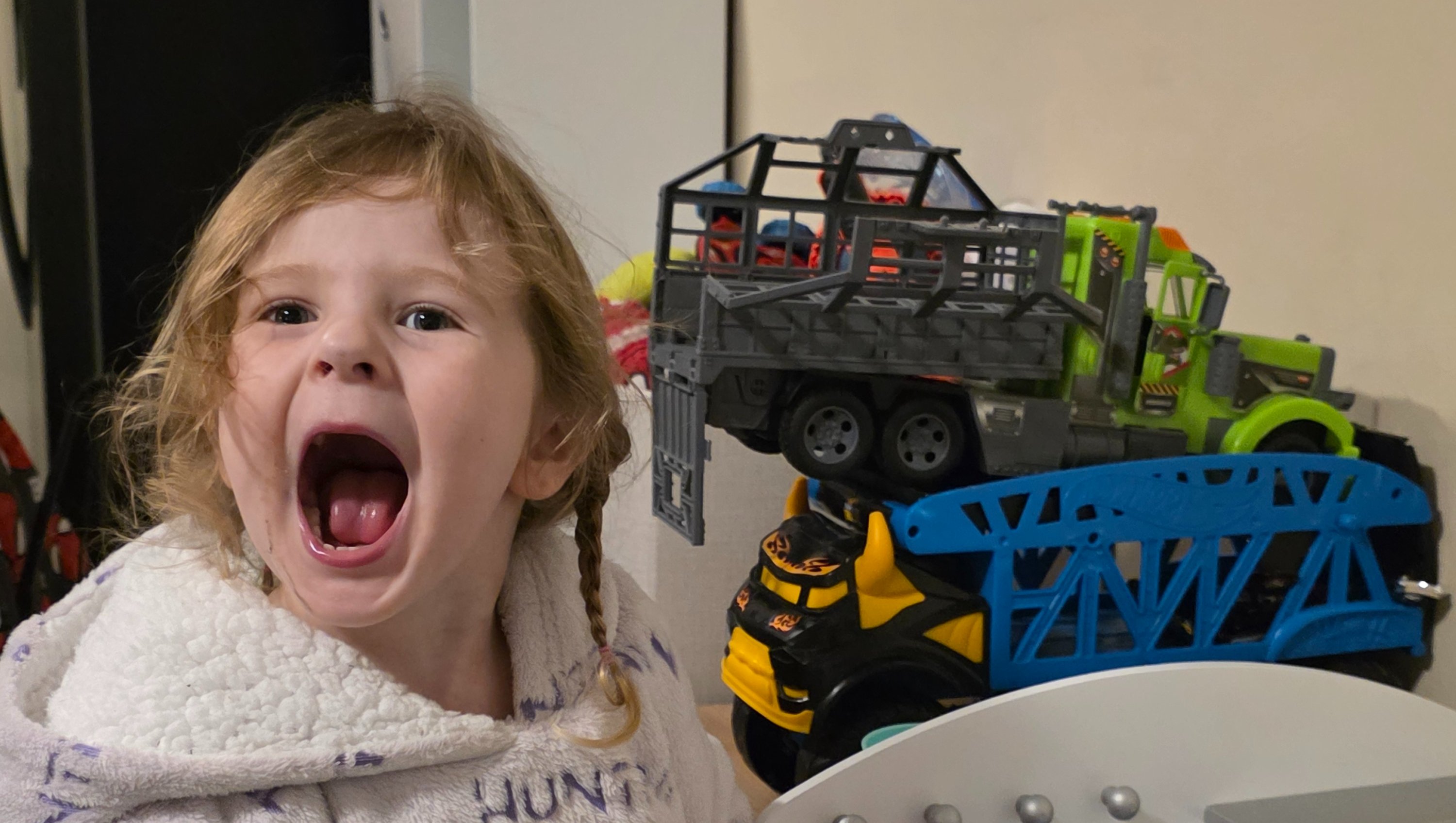
She's often shy when she first meets someone, but once she's decided you're okay, she'll talk your ear off. She loves dressing up and can be beautifully dressed one minute and covered in mud five minutes later. She loves HUNTR/X, Bluey, Peppa Pig, The Cat in the Hat, babies, going to the park, Pringles and McDonald's nuggets and chippies.
In September, Harper suffered a fall that resulted in a very serious head injury.
At first, there was nothing to indicate just how badly she'd been hurt. Later, Harper became increasingly unwell and was taken to Canberra Hospital. As her condition worsened, Mel kept raising concerns about Harper having hit her head. While comforting her and brushing her hair back, Mel noticed bruising behind her ear that hadn't previously been visible.
Things moved very quickly from there. A CT scan showed bleeding on Harper's brain and a fracture. As the bleeding continued, the pressure on her brain was increasing, and Harper needed to be transferred extremely urgently by helicopter to Sydney Children's Hospital at Randwick.
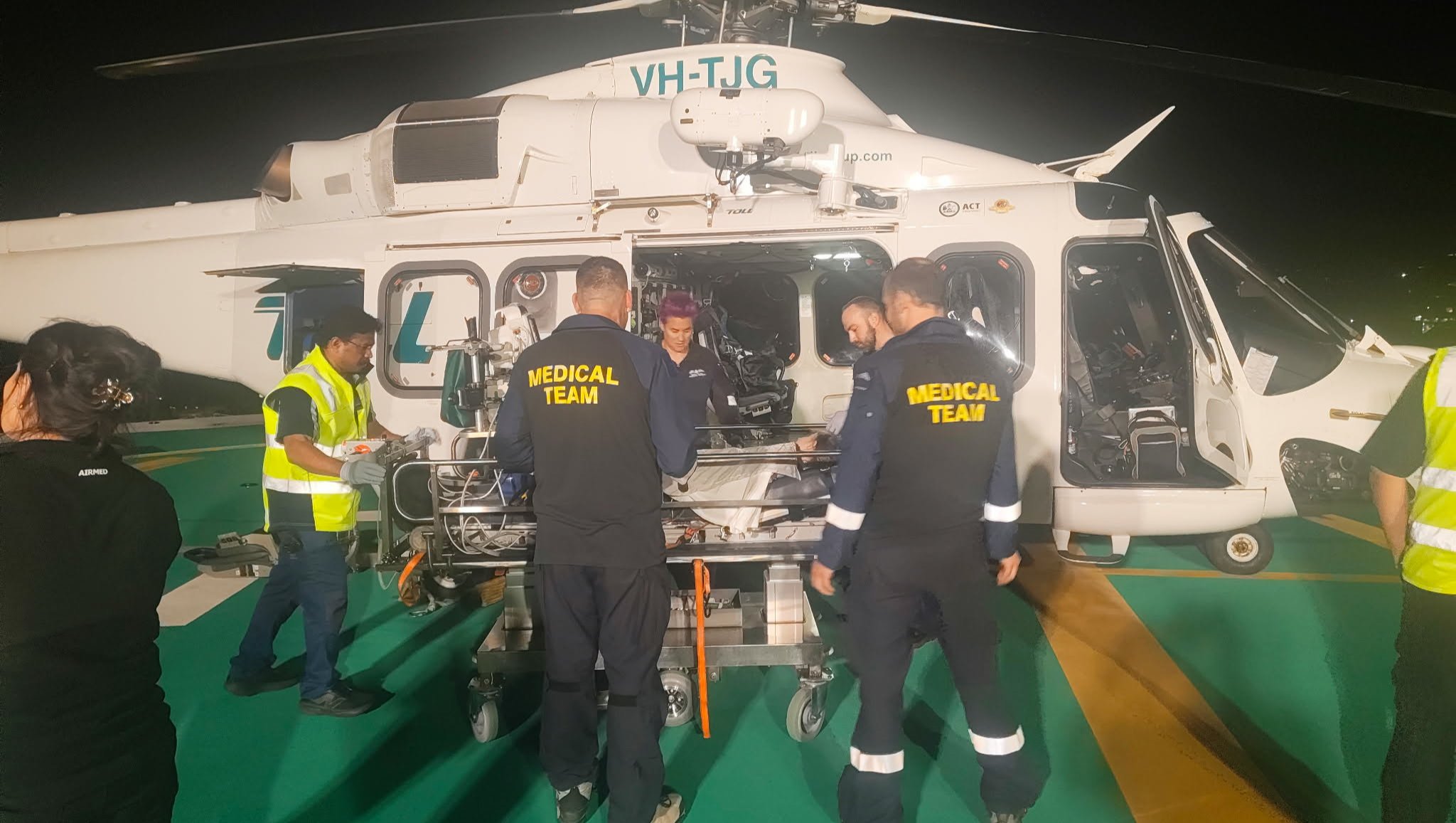
From the moment they were told that Harper needed to be flown to Sydney, Mel and André were terrified that they might lose their daughter. Nobody could tell them that Harper was going to survive, and although Mel is terrified of helicopters, at that point it didn't matter to her. She got in and flew with Harper to Sydney.
Harper had suffered a significant brain injury, including bleeding, a fracture and bruising to her brain. She needed emergency brain surgery to remove the blood that was putting pressure on her brain and to relieve the pressure caused by swelling. She now permanently has a metal plate in her skull.
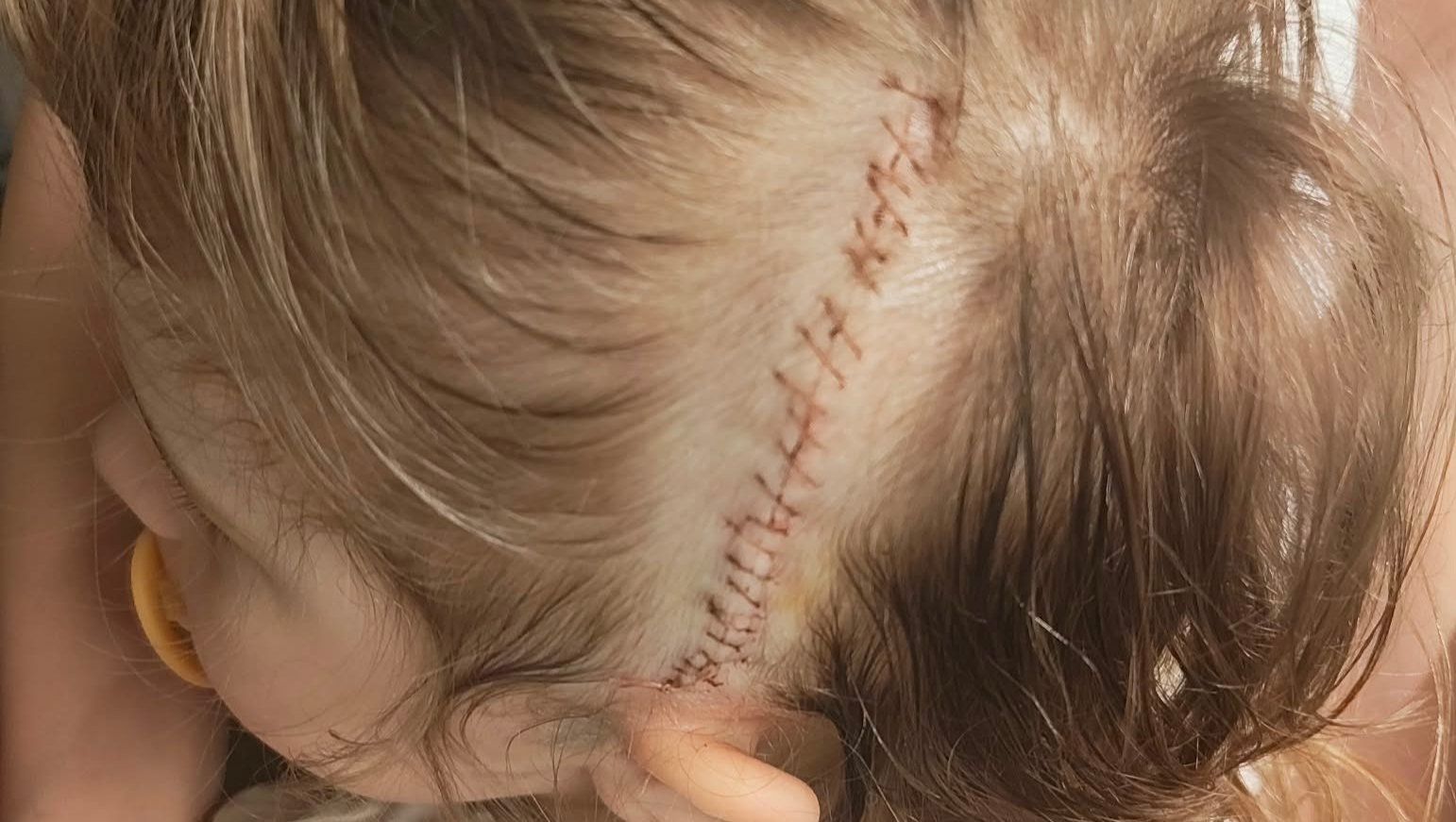
After surgery, Harper spent the next few days in ICU on a ventilator and in an induced coma. Mel and André still had no certainty about whether their daughter would survive.
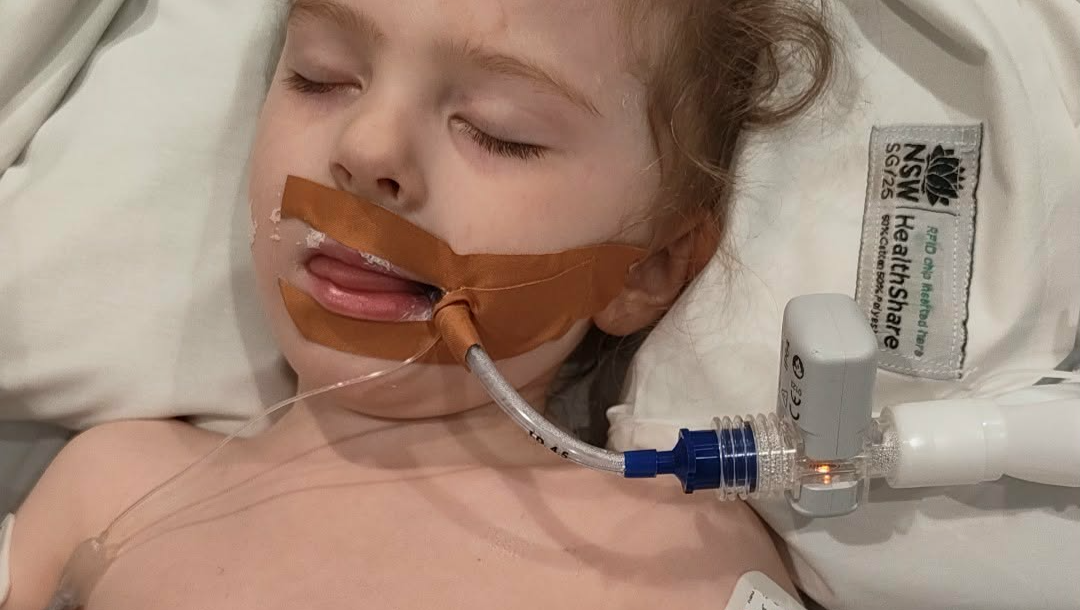
Doctors then began slowly bringing Harper out of the induced coma. They didn't know how she would respond when she woke, but it worked. The ventilator was removed, something Mel and André weren't allowed to be present for, and Harper remained in ICU for monitoring before eventually being well enough to move to a ward.
It wasn't until then that Mel and André finally felt they could believe their daughter was going to survive. There were soon little glimpses of Harper coming back, too. She wanted her dummy, and later announced that she would be taking her own bandage off. Her familiar sass was still very much there.
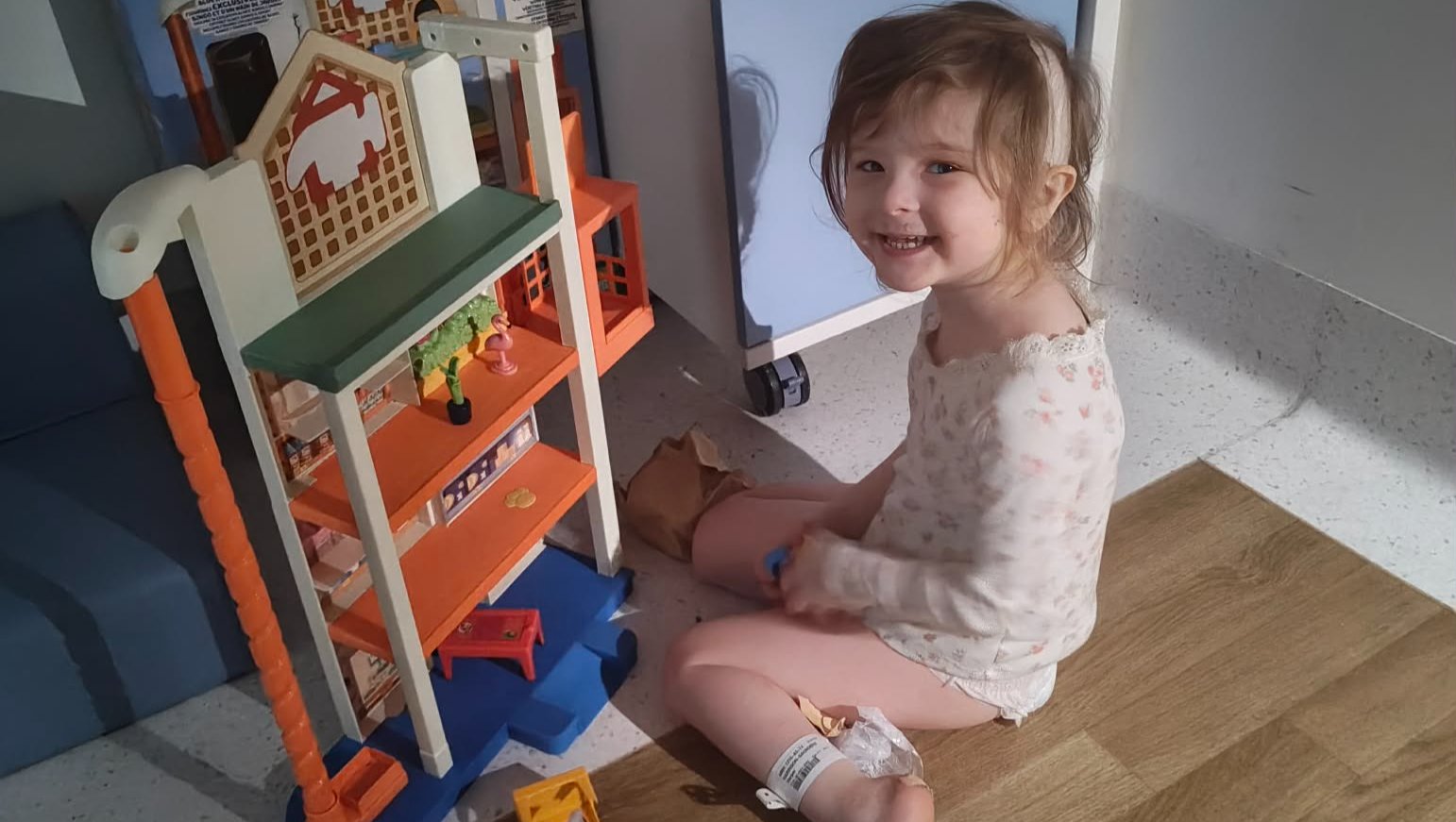
Harper has made good progress since those first frightening days, but recovering from a brain injury doesn't end when a child leaves hospital.
She's getting around much better at home. When she goes out, however, she's often pushed in a pram because she still tires very quickly, even when she isn't doing the walking herself. Her family expects she will need a wheelchair for longer outings as her recovery continues.
She can still be quite unsteady and continues to experience pain and sensitivity to light, sometimes squeezing her eyes tightly shut. Her appetite still isn't back to normal, although she is eating and, like plenty of three-year-olds, is becoming quite good at negotiating for nuggets and chippies, especially as she knows that everyone is relieved to see her eat.
There are concerns about her hearing, and there have also been changes in the way she processes things. Before her injury, Harper could say words such as "purple" without thinking about them. Now there are times when she has to stop and work to get the word out: "p-p-p-purple". She has also sometimes complained that there is something in her eye when nothing can be seen there. These are among the things Mel and André are keeping watch for as her recovery continues.
Earlier in her recovery, Harper needed strong pain relief, including medications such as morphine and Endone, as well as anti-seizure and anti-nausea medication. She has now been able to stop those medications and is down to basic pain relief such as Panadol, while continuing to be monitored.
Nobody can tell Mel and André exactly what Harper's recovery is going to look like or what the long-term effects of her injury may be. They have been told recovery from an injury like Harper's can take a year, possibly longer. She will need ongoing follow-up with neurosurgery and rehabilitation, much of it in Sydney, and at this stage the family doesn't know how many Canberra-Sydney trips will be needed, what therapies she may require or what other needs may emerge along the way.
The home environment and some of Harper's activities also need to change while her brain heals because another fall or knock to the head during the next six to twelve months could have serious consequences. The trampoline and some of the more physical play equipment she loved before her injury aren't safe for her at the moment, so those activities need to be replaced with things she can safely use for play, learning and recovery.
The family is also changing the beds throughout the house. Harper loves climbing into other people's beds for a cuddle or a snooze, so changing only her own bed wouldn't solve the problem. The children's beds will need to be lower and softer, with soft raised sides to reduce the risk of rolling or falling out, and Mel and André will also need a low bed so Harper can safely climb in with them.
Other practical changes may include safety rails around the home to help with her mobility, a shower chair, a potty rather than the regular toilet, and softer mats in play areas to provide some protection if she falls. They don't yet know whether an occupational therapist will need to assess the home or recommend other equipment as Harper's recovery progresses.
The costs started almost immediately. When Harper was transferred to Sydney, nobody knew how long they would be gone. Things were thrown into bags as quickly as possible while everyone's attention was on Harper. Once they were in Sydney, they discovered many of the ordinary things that hadn't made it into those bags, including enough clothes, underwear, toiletries and other everyday necessities. They bought what they needed as cheaply as they could, including inexpensive and second-hand items, but it all still added to the unexpected expense.
There were limited cooking facilities where they were staying, but more importantly, somebody constantly needed to be with Harper. There wasn't much time or opportunity to shop and cook, so takeaway and easy-to-prepare food became another expense. Even washing clothes became an unexpected cost. Keeping up with laundry for a family of ten while away from home adds up very quickly. Then there were medications, fuel and repeated travel between Canberra and Sydney.
The family is extremely grateful that their accommodation in Sydney was provided through Scape, and for meals and other support they received through Ronald McDonald House.
Mel and André had savings set aside for emergencies, but with an emergency of this scale those savings disappeared far faster than they ever imagined. The expenses haven't ended now that Harper is home. There are more Sydney appointments ahead, changes needed at home and needs that won't become clear until they know more about Harper's recovery.
Mel and André's household includes eight children and two adults. While Harper was in hospital, family and friends rallied around them to care for her siblings. Once Harper was out of ICU and it was appropriate for the children to be there, they also helped bring the family together in Sydney.
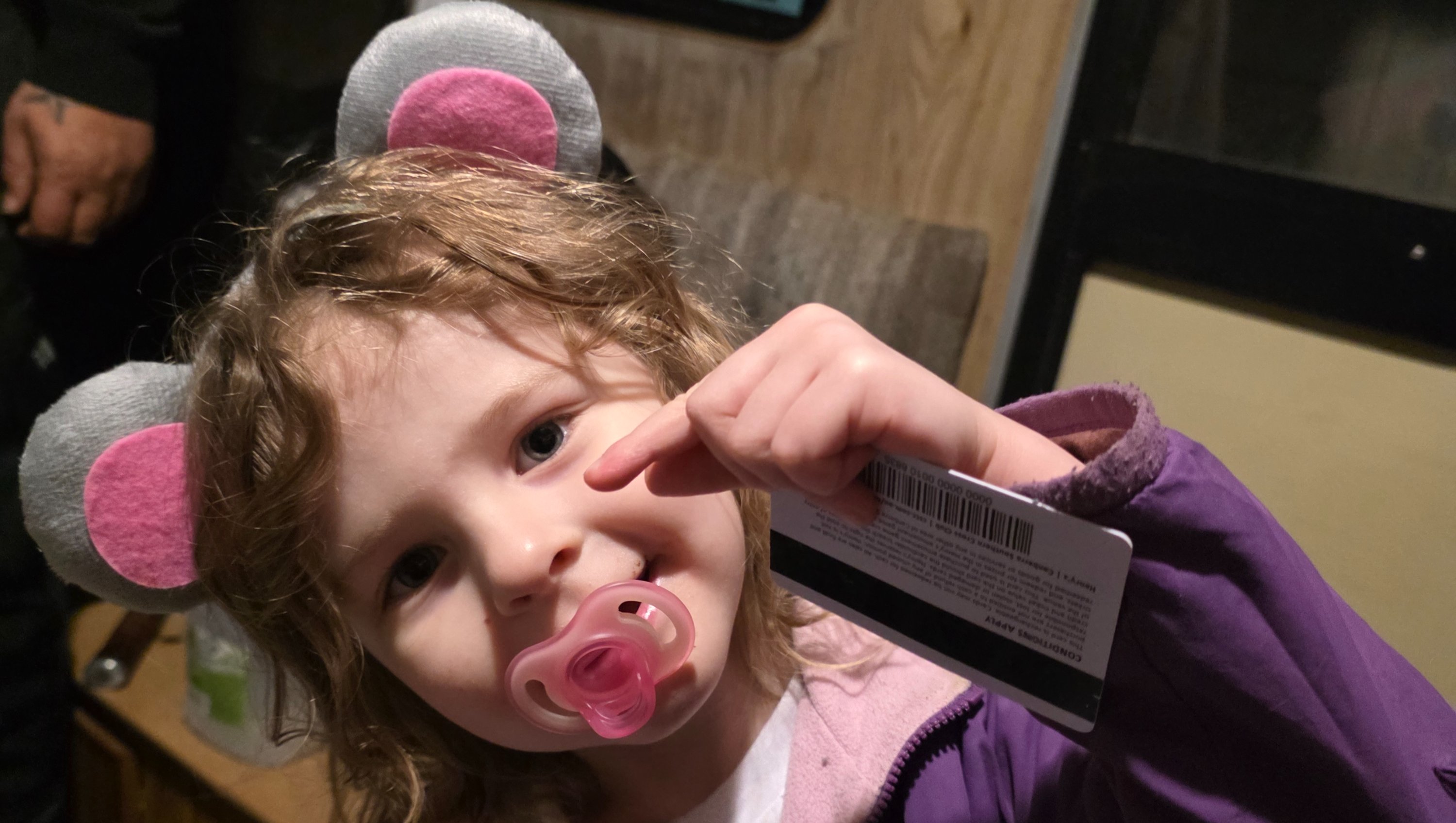
Harper is a rainbow baby after the loss of her older twin brothers as infants, Carter Shane and Andre Robert. Losing their boys is something Mel and André have already had to live through as parents. When Harper was so badly injured and nobody could tell them whether she would survive, they were faced again with the possibility of losing a child. Harper was very much wanted and loved in her own right, and the fear of losing her brought with it emotions this family knows all too well.
Mel and André know that many families are facing incredibly difficult circumstances, and they would never want anyone to feel pressured or obligated to donate. Harper is three. She was playing and mucking around when an accident changed things in ways nobody could have anticipated. What matters now is giving her access to whatever she needs as she recovers, without every decision about her care also having to come down to what her family can afford.
Money raised will help with travel between Canberra and Sydney, medications and medical expenses, specialist appointments and rehabilitation, making Harper's environment suitable while she recovers, replacing activities and equipment she can't safely use at the moment, and other costs that emerge as more becomes known about what her recovery will involve.
There is no expectation for anyone to give what they can't afford. For anyone who does choose to help Harper, every donation, no matter the amount, will be genuinely and deeply appreciated. Simply sharing Harper's fundraiser is another way to help and means just as much.
Every bit of support gives Mel and André more room to put their time, energy and attention where they want it to be: helping their daughter recover and giving Harper every opportunity to get back to enjoying life as a three-year-old child.
Organizer and beneficiary

Saunders Family
Beneficiary