- D
- T
PLEASE HELP HANNAH!
Neurological Lyme Disease Recovery Fund for Hannah
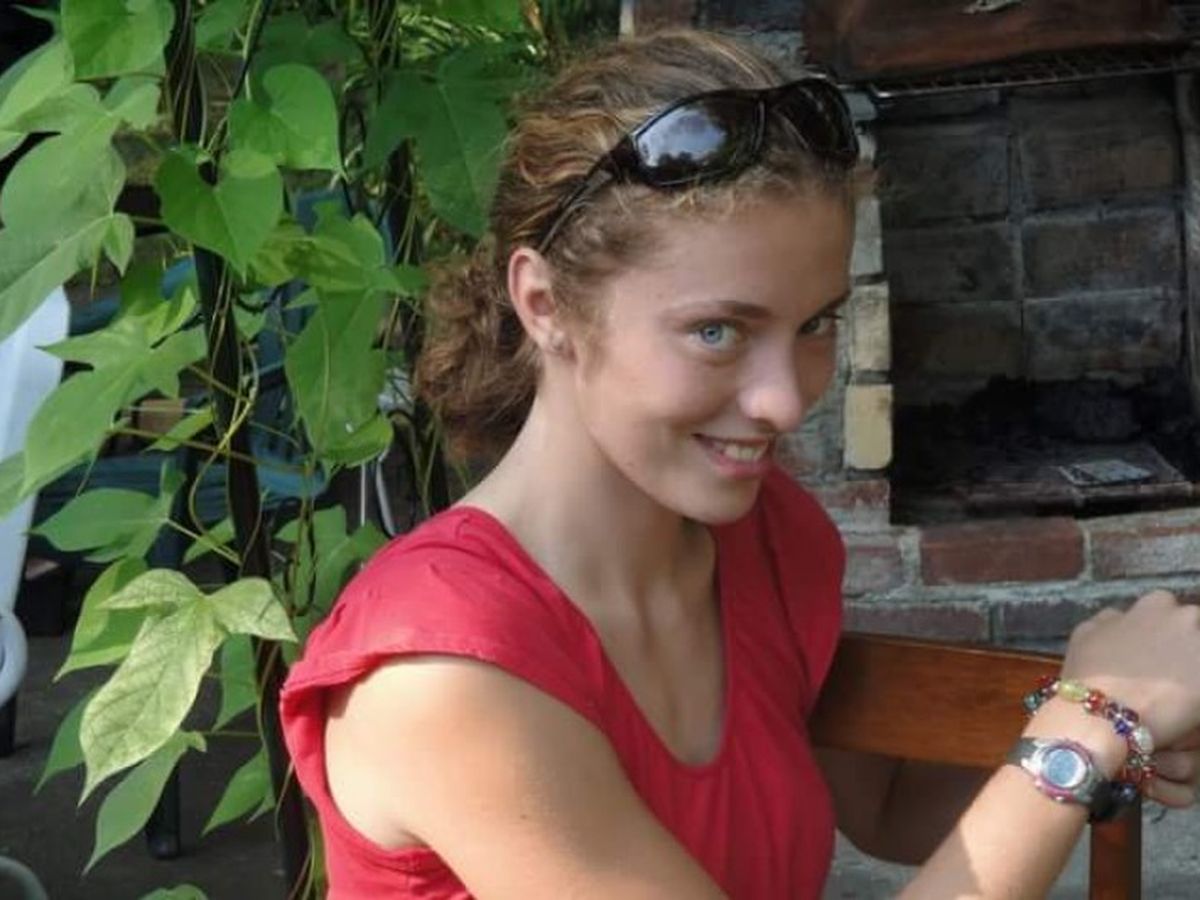
My cousin Hannah needs our help!!
My cousin Hannah has late-stage Neuroborreliosis, or neurological Lyme disease, that was diagnosed in July 2013, the summer after her second year of graduate school in Kinesiology at the University of Massachusetts-Amherst. Lyme disease is a multi-systemic infectious bacterial disease, caused by the spirochetal or “screw-shaped” bacterium, Borrelia burgdorferi. In other words, the Borrelia burgdorferi bacterium can bore into and infect any cell or organ and therefore cause a myriad of symptoms all throughout the body. Late-stage neurological Lyme disease typically occurs over of period of months and years, where the bacteria spreads throughout the body and makes its way into the brain and spinal cord, causing neurological symptoms. Lyme disease is treatable if caught early, but, depending on severity, coinfections, secondary conditions, etc., recovery may take many years. Hannah’s primary doctor who diagnosed her encouraged her, “You need to start thinking in terms of months and years instead of days and weeks.”
Hannah’s story:
Although she did not know it then, Hannah contracted Lyme disease in June 2008, while on a hiking trip in New Hampshire. She found a deer tick two days later in the shower. She called her doctor and was prescribed a 5-day Z-pack to prophylactically treat for Lyme disease. She followed the protocol as prescribed, but did not recover. In hindsight, Hannah should have been treated with Doxycycline, but the doctor prescribed the wrong medicine!
Hannah started the following fall Division I University of Vermont cross-country season with a host of debilitating symptoms. After fruitless testing for a cause in the sudden decline of her health, she remembers at the end of the fall 2008 semester praying, “God, You and I both know something is wrong with my body even though the doctors could not find anything.” It was the first time in Hannah’s life that she remembers feeling depressed. Year after year following the fall of 2008, Hannah’s health continued to decline. She was always sick, and was treated regularly with many Z-packs for consecutive, severe sinus infections. Hannah felt like so much of her life consisted of recovering from “doing too much” and preventing more sickness from occurring rather than living. She visited the doctor’s office regularly complaining about fatigue and non-specific, vague symptoms. Doctors would say the same thing, “Eat better, sleep better!” After hearing it so much, year after year Hannah began to believe that she was just different than everyone else.
In 2011, Hannah quit the indoor track team after not making the official team roster. The same year Hannah started graduate school in September. She was always sick with sinus infections and was even screened for breast cancer. After another “sinus infection” in October 2012, Hannah knew there was something undeniably wrong with her health. She began to experience chronic low-grade fevers, intense back/neck/jaw pain, migraines, exercise intolerance and malaise/flu-like symptoms after activity, nausea, inappetite, weight loss, and a host of neurological symptoms. Because of the swelling and pressure of her brain and new great difficulty speaking, conversing, reading, and memory impairment, Hannah was convinced that she had West Nile Virus or Triple E.
As Lyme disease is often an invisible illness and is difficult to diagnose due to poor diagnostic testing protocols, since 2008, Hannah has seen nearly 30 doctors and health care professionals at various practices in New England, has had dozens of medical tests and blood tests, and experienced numerous misdiagnoses and diagnoses in effort to get answers and feel better. The answer was always the same: negative… there is nothing wrong with you! She was told, “You’re in grad school!” “You’re a woman!” “You’re getting older (at 22 mind you)!” “We’ll give you a psych eval!” It was an incredibly challenging time for Hannah, as medical professionals, family and friends didn’t understand what she was going through.
In July 2013, she tested CDC positive on a Western Blot for Lyme disease. The general practitioner who found it did so by going against the CDC’s 2-tiered testing standard of care. Her test indicated she has had the infection longer, due to the presence of IgG antibodies. Practically every health care professional she has since seen for Lyme said that being treated early with the Z-pack was the worst thing that could have happened. Early, short-dose antibiotic therapy makes Lyme disease impossible to be diagnosed until it is in a progressed, difficult to treat, chronic state. It shuts off the antibody response, which standard Lyme diagnostic testing looks for, as it did in Hannah’s case. Furthermore, it is not nearly sufficient to eradicate early Lyme disease.
In addition to Lyme disease, Hannah’s learned since her diagnosis of Lyme that she has additional coinfections and conditions, including Mycoplasma Pneumoniae, Bartonella, mold toxicity, heavy metal toxicity, a cavitation, and vitamin/mineral deficiencies. She’s been battling Lyme disease and these conditions for up to 8 years. Since diagnosis in 2013, Hannah has undergone months of IV antibiotics, years of various oral antibiotics/anti-infectious agents, and countless medications for symptoms including high blood pressure medicine, anti-anxiety medicine, sleep medicines, Ritalin, strong pain medicine, anti-nausea medicine, and more.
Hannah was forced to take time off in order to heal and recover.
As warned by many of her doctors, undergoing antibiotic treatment makes patients who have Lyme disease much worse on top of already present symptoms of their condition(s). When the spirochete bacteria in Lyme disease is killed, this causes a “Herxeimer” reaction, which is the intensifying of all symptoms by the release of neurotoxins. While in school, Hannah was unable to consistently take anti-infectious medications as prescribed by her doctors because of the severity of Herxeimer reactions. Hannah wanted to push through and try to finish her degree, but the severity of Hannah’s daily symptoms and Herxeimer reactions from treatment left her incredibly debilitated to the point that she couldn't focus on her recovery nor her studies.
In September of last year, at the insistence of her advisor and in complete agreement, Hannah quit graduate school and her work as a teaching assistant, because she was not making any progress in her degree, and, more importantly, in her health. Hannah tried to get better while a graduate student and stubbornly persisted in order to earn her degree, but realized that by pushing and drudging for four years through what should be a 2-year graduate program, she desperately needed to focus on healing physically, emotionally and spiritually.
What daily life for Hannah looks like:
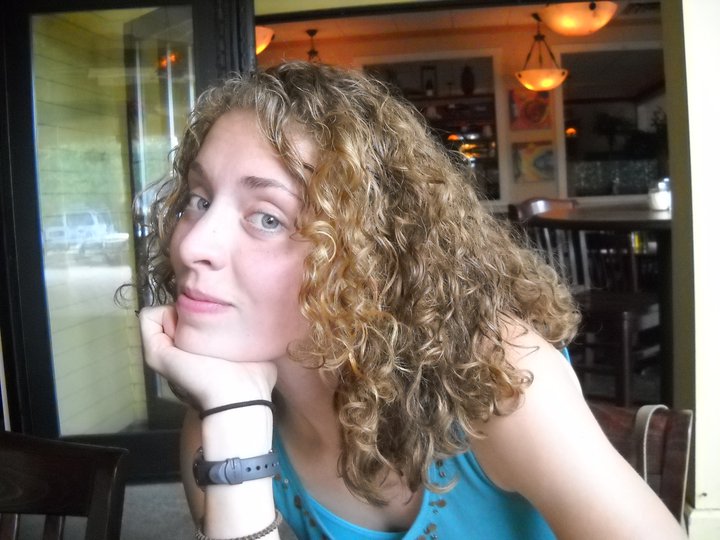
Hannah used to be a very active person, competing in sports and enjoying time playing in the great outdoors, however, she is now severely limited in what she is able to do and is often incapacitated by pain, fatigue and a host of other symptoms including low-grade fevers, brain fog, head pressure/headaches/migraines, nausea, back/neck/jaw pain, global pain and joint aches and light and sound sensitivity. Although better than the worst, Hannah continues daily in survival mode. Consequently, she has to pick and choose what she can do; she survives rather than lives. Energy she does have often goes to taking care of her basic needs rather than making progress in her recovery, and oftentimes she has to put even “essential” needs like eating and showering on the backburner due to her pain and fatigue. Mornings are the toughest for Hannah, as the severity of her symptoms is peak after waking; she has difficulty waking and getting out of bed. She sits in the shower due to fatigue and much of her days are spent lying down or sitting. Regularly, she spends days bed-ridden. Often, she cannot really function or eat a decent meal until the afternoon or evening, and many days she has battles nausea and inappetite and to force herself to eat. She eats whatever is available; she eats to live and survive, not to recover. She takes strong pain medicine and anti-nausea medicine regularly.
Hannah enjoys spending time with friends and family and tries to go on short walks 1-3 times a week. However, whenever she tries to do more –is more active or social, it is typically followed by malaise and time spent in bed. She often has to change, cancel, and/or avoid making commitments, due to the variable nature of pain in chronic illness. She spends most of her time indoors due to heat intolerance and light sensitivity. Although not as bad as her worst experiences, she continues to experience neurological symptoms including headaches, “buzzing” and “tingling” sensations throughout her body, muscle twitches, tinnitus, light/sound/skin hypersensitivity, depersonalization/derealization, brain fog, and difficulty reading and focusing. She tries to read and learn more about the pathophysiology of chronic disease and treatments, but is limited by how well she is doing that day. Although hopeful, Hannah has been unable to think about the future due to the pressing needs of the present.
Next steps for recovery:
Hannah has become passionate about studying the pathophysiology of chronic disease, as well as nutritional and functional medicine to address its facets, especially after first coming upon Brian Rosner’s book, Top 10 Treatments for Lyme Disease from Conventional and Alternative Medicine. After seeing many doctors, and following Lyme experts and research, Hannah has realized it is important not to solely focus on eliminating the infectious agents of diseases present, but to address the secondary effects that come with having a chronic illness, such nutrient and mineral deficiencies, coinfections (parasites, mold), heavy metal toxicity, and chronic immune dysfunction.
Recently she was a diagnosed with a cavitation, an active infection in the jaw bone that typically results from a tooth extraction site that hasn’t healed. Cavitations are known to cause pain and contain heavy metals and active infections thereby contributing to immune dysfunction. She needs to have cavitation surgery and supportive therapies to address it; health outcomes are known to significantly improve after this process. Hannah’s health care practitioner stated she is not healthy enough to undergo the surgery and has recommended that she first begin an anti-inflammatory diet and protocol, followed by an anti-parasitic protocol. She would like to begin these protocols and start making dietary changes. She wants to be able to prepare meals that will aide in her recovery, make daily smoothies and continue to investigate and use food as medicine.
Hannah has also tested high for many toxic heavy metals and has not been able to start chelation therapy to remove them from her body. In addition to chelation therapy, Hannah would like to focus on detoxification of metals and toxins known to cause immune system depression and dysfunction through the use of infrared sauna, Epsom salt and magnetic clay baths, diet changes and supplements.
The two doctors Hannah were seeing have left their practices. Hannah would like to find a new physician that could help her on her journey to recovery. Recently she had bloods tests indicating she is still fighting Lyme and also had a very high mold count; she would like to begin antimicrobials to combat these infections.
Additionally, there is medical testing not covered by insurance Hannah would like to get done like for common co-conditions of Chronic Lyme that bloodwork and symptomatology indicate could be things she is dealing with such as methylation (MFHTR) mutations, kryptopyrroluria (KPU) and food allergy testing. She would also like to purchase recommended supplements and supportive therapies for these conditions to aide in overall recovery.
Lastly, Hannah would like to prioritize spiritual and emotional recovery by regularly attending Celebrate Recovery meetings, counselling and good fellowship.
Lessons Hannah’s learned and future dreams:
 Though Hannah would not willingly choose this path she’s been on, she’s thankful for it. She would not change what has happened to her, and prays that God will use her and this experience by His grace for His glory. He already has. Through it she’s learned so much about herself, others and God. Lyme has been a unique lens for strengths and weaknesses. By losing many of her abilities, she’s seen that so much of her identity has been attached and centered to what she can do –running, academics, achievement, pride, recognition and human approval. She’s seen that she’s incredibly, overly self-reliant and sufficient. If she didn’t get Lyme, Hannah might have spent and built her whole life chasing after these pursuits.
God has also brought many people into Hannah’s life as hopeless as she was, and allowed her to encourage and educate them on lessons learned, things to focus on and effective treatments. Getting Lyme has also greatly helped her to understand the plights of people that are invisible or misunderstood.
God-willing, she would like to one day complete her Master’s degree in physiology. And although she doesn’t yet know what the future will look like (the needs of the present make it difficult to think about the future), Hannah’s begun to see how Lyme disease is a redirection in her life from her own self-focused pursuits to the things that are really important. She wants God to direct her steps. She does know in some capacity she wants to bring awareness to Lyme disease and help others battling it find hope, resources and healing.
What can we do to help?
Hannah would like to make it her job to get better physically, emotionally and spiritually. However, Hannah cannot do this without financial help. While in graduate school, she took out loans to afford medical and living expenses. Many of Hannah’s medical bills are in collection, and Hannah is not able to afford monthly payments to begin paying back her loans. Since quitting school, she has not been able to afford bills, food, doctors’ appointments, medications, treatments, supplements, and has had to leave her housing situation due to not being able to pay rent and utilities. Instead of spending the time trying to get better, she has spent much time stressing and worrying how she will pay her bills in order to get by. Thankfully, her local church, community and family have helped her get by with rent, bills and food since leaving school in September, but this support is not sustainable.
Hannah has been unable to schedule regular appointments with health practitioners, afford medical testing, start doctor-recommended medications, treatments and dietary protocols, and purchase recommended supplements due to lack of finances. Unfortunately, due to the current medical standard of care for chronic Lyme disease, insurance does not cover many doctor-recommended and prescribed treatment protocols/medications. Hannah is unable to make progress in her recovery due to lack of financial means. Therefore, in order for Hannah to even see the doctor again and embark on treatment, she needs financial support to be able to make this happen! Let us support Hannah for her journey of recovery!!
Regular Medical and Living Expenses:
Below are summaries and estimations for each category of expenses. The bold numbers below reflect the estimated expenses for one year for each category.
Regular doctor and health practitioner visits: ($6,500)
Regular doctor’s appointments –many Lyme doctors do not accept insurance to be seen ($3,000); insurance co-pays at doctor’s visits that do accept insurance ($200); regular chiropractic/acupuncture care (regular visits as needed) ($3,250); eye appointment ($50)
Medications and treatments that insurance does not cover: ($15,000)
Monthly low-dose Naltrexone prescription ($30 monthly x 12 = $360/year); anti-infectious prescriptions ($50 x 12 = $600/year); heavy metal chelation therapy ($300); cavitation surgery and support ($2,000); ozone therapy ($800 monthly; $5,000/year); chronic Illness IV support ($150 per visit; $5,000/year); infrared sauna ($300/year), anti-infectious protocol –rife machine rental, MedSonix ($1,000/year); reduction of mold toxicity of home?
Regular supplements and dietary support: ($10,000)
Vitamins and minerals ($3,000/year); anti-inflammatory protocol –liposomal turmeric, anti-inflammatory tinctures, etc. ($1,000/year); anti-parasitic protocol ($500/year); probiotics ($50 monthly x 12 = $600/year); dietary support –protein powder, fish oil, etc. ($1,000/year); natural/over the counter pain relief ($200/year); detoxification support –gut binders and system chelators ($1,000/year), Epsom salt ($40 monthly x 12 = $480), magnetic clay ($250/year); anti-infectious natural remedies –Mangosteen, Cowden protocol, etc. ($1,000); raw milk ($14.00/gallon x 8 monthly x 12 =$1344)
Dietary needs: ($600 monthly x 12 = $7,200)
Anti-inflammatory, auto-immune diet: gluten-free, refined-sugar free, ketotic (paleo) diet focusing on raw/whole foods, high fat, protein, vegetables, fruit)
Medical Testing not covered by insurance: ($3,000)
Regular EAV testing ($150 per visit, multiple visits as needed); MFTHR (23andme) testing ($199); KPU testing ($150); food allergy testing ($200); heavy metal re-testing after chelation therapy ($175)
Educational resources: ($500)
Access to online Chronic Lyme Disease Summit talks ($200), webinars, books, etc.
Bills: ($5,500)
Cell phone bill ($80 monthly x 12 = $960); auto insurance bill ($86 monthly x 12 = $1,032); past medical bills ($1,500); student loans used for medical and living expenses ($100 monthly x 12 = $1,200), miscellaneous – excise tax, auto registration renewal, etc. ($1,000)
Living expenses: ($4,800)
Hygiene and body care products ($100 monthly x 12 = $1,200); transportation costs –gasoline ($2,000/yearly), auto maintenance/repair ($500), misc. expenses ($800)
Goal total: $52,000
Please consider donating so that Hannah can embark on treatment and please share on social media! Even if you do not have money, please share this link with others! Hannah also greatly covets your prayers!
Thank you for your generosity and support!
Take care and God bless you!
Timo Nivala
Neurological Lyme Disease Recovery Fund for Hannah
My cousin Hannah needs our help!!
My cousin Hannah has late-stage Neuroborreliosis, or neurological Lyme disease, that was diagnosed in July 2013, the summer after her second year of graduate school in Kinesiology at the University of Massachusetts-Amherst. Lyme disease is a multi-systemic infectious bacterial disease, caused by the spirochetal or “screw-shaped” bacterium, Borrelia burgdorferi. In other words, the Borrelia burgdorferi bacterium can bore into and infect any cell or organ and therefore cause a myriad of symptoms all throughout the body. Late-stage neurological Lyme disease typically occurs over of period of months and years, where the bacteria spreads throughout the body and makes its way into the brain and spinal cord, causing neurological symptoms. Lyme disease is treatable if caught early, but, depending on severity, coinfections, secondary conditions, etc., recovery may take many years. Hannah’s primary doctor who diagnosed her encouraged her, “You need to start thinking in terms of months and years instead of days and weeks.”
Hannah’s story:
Although she did not know it then, Hannah contracted Lyme disease in June 2008, while on a hiking trip in New Hampshire. She found a deer tick two days later in the shower. She called her doctor and was prescribed a 5-day Z-pack to prophylactically treat for Lyme disease. She followed the protocol as prescribed, but did not recover. In hindsight, Hannah should have been treated with Doxycycline, but the doctor prescribed the wrong medicine!
Hannah started the following fall Division I University of Vermont cross-country season with a host of debilitating symptoms. After fruitless testing for a cause in the sudden decline of her health, she remembers at the end of the fall 2008 semester praying, “God, You and I both know something is wrong with my body even though the doctors could not find anything.” It was the first time in Hannah’s life that she remembers feeling depressed. Year after year following the fall of 2008, Hannah’s health continued to decline. She was always sick, and was treated regularly with many Z-packs for consecutive, severe sinus infections. Hannah felt like so much of her life consisted of recovering from “doing too much” and preventing more sickness from occurring rather than living. She visited the doctor’s office regularly complaining about fatigue and non-specific, vague symptoms. Doctors would say the same thing, “Eat better, sleep better!” After hearing it so much, year after year Hannah began to believe that she was just different than everyone else.
In 2011, Hannah quit the indoor track team after not making the official team roster. The same year Hannah started graduate school in September. She was always sick with sinus infections and was even screened for breast cancer. After another “sinus infection” in October 2012, Hannah knew there was something undeniably wrong with her health. She began to experience chronic low-grade fevers, intense back/neck/jaw pain, migraines, exercise intolerance and malaise/flu-like symptoms after activity, nausea, inappetite, weight loss, and a host of neurological symptoms. Because of the swelling and pressure of her brain and new great difficulty speaking, conversing, reading, and memory impairment, Hannah was convinced that she had West Nile Virus or Triple E.
As Lyme disease is often an invisible illness and is difficult to diagnose due to poor diagnostic testing protocols, since 2008, Hannah has seen nearly 30 doctors and health care professionals at various practices in New England, has had dozens of medical tests and blood tests, and experienced numerous misdiagnoses and diagnoses in effort to get answers and feel better. The answer was always the same: negative… there is nothing wrong with you! She was told, “You’re in grad school!” “You’re a woman!” “You’re getting older (at 22 mind you)!” “We’ll give you a psych eval!” It was an incredibly challenging time for Hannah, as medical professionals, family and friends didn’t understand what she was going through.
In July 2013, she tested CDC positive on a Western Blot for Lyme disease. The general practitioner who found it did so by going against the CDC’s 2-tiered testing standard of care. Her test indicated she has had the infection longer, due to the presence of IgG antibodies. Practically every health care professional she has since seen for Lyme said that being treated early with the Z-pack was the worst thing that could have happened. Early, short-dose antibiotic therapy makes Lyme disease impossible to be diagnosed until it is in a progressed, difficult to treat, chronic state. It shuts off the antibody response, which standard Lyme diagnostic testing looks for, as it did in Hannah’s case. Furthermore, it is not nearly sufficient to eradicate early Lyme disease.
In addition to Lyme disease, Hannah’s learned since her diagnosis of Lyme that she has additional coinfections and conditions, including Mycoplasma Pneumoniae, Bartonella, mold toxicity, heavy metal toxicity, a cavitation, and vitamin/mineral deficiencies. She’s been battling Lyme disease and these conditions for up to 8 years. Since diagnosis in 2013, Hannah has undergone months of IV antibiotics, years of various oral antibiotics/anti-infectious agents, and countless medications for symptoms including high blood pressure medicine, anti-anxiety medicine, sleep medicines, Ritalin, strong pain medicine, anti-nausea medicine, and more.
Hannah was forced to take time off in order to heal and recover.
As warned by many of her doctors, undergoing antibiotic treatment makes patients who have Lyme disease much worse on top of already present symptoms of their condition(s). When the spirochete bacteria in Lyme disease is killed, this causes a “Herxeimer” reaction, which is the intensifying of all symptoms by the release of neurotoxins. While in school, Hannah was unable to consistently take anti-infectious medications as prescribed by her doctors because of the severity of Herxeimer reactions. Hannah wanted to push through and try to finish her degree, but the severity of Hannah’s daily symptoms and Herxeimer reactions from treatment left her incredibly debilitated to the point that she couldn't focus on her recovery nor her studies.
In September of last year, at the insistence of her advisor and in complete agreement, Hannah quit graduate school and her work as a teaching assistant, because she was not making any progress in her degree, and, more importantly, in her health. Hannah tried to get better while a graduate student and stubbornly persisted in order to earn her degree, but realized that by pushing and drudging for four years through what should be a 2-year graduate program, she desperately needed to focus on healing physically, emotionally and spiritually.
What daily life for Hannah looks like:
Hannah used to be a very active person, competing in sports and enjoying time playing in the great outdoors, however, she is now severely limited in what she is able to do and is often incapacitated by pain, fatigue and a host of other symptoms including low-grade fevers, brain fog, head pressure/headaches/migraines, nausea, back/neck/jaw pain, global pain and joint aches and light and sound sensitivity. Although better than the worst, Hannah continues daily in survival mode. Consequently, she has to pick and choose what she can do; she survives rather than lives. Energy she does have often goes to taking care of her basic needs rather than making progress in her recovery, and oftentimes she has to put even “essential” needs like eating and showering on the backburner due to her pain and fatigue. Mornings are the toughest for Hannah, as the severity of her symptoms is peak after waking; she has difficulty waking and getting out of bed. She sits in the shower due to fatigue and much of her days are spent lying down or sitting. Regularly, she spends days bed-ridden. Often, she cannot really function or eat a decent meal until the afternoon or evening, and many days she has battles nausea and inappetite and to force herself to eat. She eats whatever is available; she eats to live and survive, not to recover. She takes strong pain medicine and anti-nausea medicine regularly.
Hannah enjoys spending time with friends and family and tries to go on short walks 1-3 times a week. However, whenever she tries to do more –is more active or social, it is typically followed by malaise and time spent in bed. She often has to change, cancel, and/or avoid making commitments, due to the variable nature of pain in chronic illness. She spends most of her time indoors due to heat intolerance and light sensitivity. Although not as bad as her worst experiences, she continues to experience neurological symptoms including headaches, “buzzing” and “tingling” sensations throughout her body, muscle twitches, tinnitus, light/sound/skin hypersensitivity, depersonalization/derealization, brain fog, and difficulty reading and focusing. She tries to read and learn more about the pathophysiology of chronic disease and treatments, but is limited by how well she is doing that day. Although hopeful, Hannah has been unable to think about the future due to the pressing needs of the present.
Next steps for recovery:
Hannah has become passionate about studying the pathophysiology of chronic disease, as well as nutritional and functional medicine to address its facets, especially after first coming upon Brian Rosner’s book, Top 10 Treatments for Lyme Disease from Conventional and Alternative Medicine. After seeing many doctors, and following Lyme experts and research, Hannah has realized it is important not to solely focus on eliminating the infectious agents of diseases present, but to address the secondary effects that come with having a chronic illness, such nutrient and mineral deficiencies, coinfections (parasites, mold), heavy metal toxicity, and chronic immune dysfunction.
Recently she was a diagnosed with a cavitation, an active infection in the jaw bone that typically results from a tooth extraction site that hasn’t healed. Cavitations are known to cause pain and contain heavy metals and active infections thereby contributing to immune dysfunction. She needs to have cavitation surgery and supportive therapies to address it; health outcomes are known to significantly improve after this process. Hannah’s health care practitioner stated she is not healthy enough to undergo the surgery and has recommended that she first begin an anti-inflammatory diet and protocol, followed by an anti-parasitic protocol. She would like to begin these protocols and start making dietary changes. She wants to be able to prepare meals that will aide in her recovery, make daily smoothies and continue to investigate and use food as medicine.
Hannah has also tested high for many toxic heavy metals and has not been able to start chelation therapy to remove them from her body. In addition to chelation therapy, Hannah would like to focus on detoxification of metals and toxins known to cause immune system depression and dysfunction through the use of infrared sauna, Epsom salt and magnetic clay baths, diet changes and supplements.
The two doctors Hannah were seeing have left their practices. Hannah would like to find a new physician that could help her on her journey to recovery. Recently she had bloods tests indicating she is still fighting Lyme and also had a very high mold count; she would like to begin antimicrobials to combat these infections.
Additionally, there is medical testing not covered by insurance Hannah would like to get done like for common co-conditions of Chronic Lyme that bloodwork and symptomatology indicate could be things she is dealing with such as methylation (MFHTR) mutations, kryptopyrroluria (KPU) and food allergy testing. She would also like to purchase recommended supplements and supportive therapies for these conditions to aide in overall recovery.
Lastly, Hannah would like to prioritize spiritual and emotional recovery by regularly attending Celebrate Recovery meetings, counselling and good fellowship.
Lessons Hannah’s learned and future dreams:
Though Hannah would not willingly choose this path she’s been on, she’s thankful for it. She would not change what has happened to her, and prays that God will use her and this experience by His grace for His glory. He already has. Through it she’s learned so much about herself, others and God. Lyme has been a unique lens for strengths and weaknesses. By losing many of her abilities, she’s seen that so much of her identity has been attached and centered to what she can do –running, academics, achievement, pride, recognition and human approval. She’s seen that she’s incredibly, overly self-reliant and sufficient. If she didn’t get Lyme, Hannah might have spent and built her whole life chasing after these pursuits.God has also brought many people into Hannah’s life as hopeless as she was, and allowed her to encourage and educate them on lessons learned, things to focus on and effective treatments. Getting Lyme has also greatly helped her to understand the plights of people that are invisible or misunderstood.
God-willing, she would like to one day complete her Master’s degree in physiology. And although she doesn’t yet know what the future will look like (the needs of the present make it difficult to think about the future), Hannah’s begun to see how Lyme disease is a redirection in her life from her own self-focused pursuits to the things that are really important. She wants God to direct her steps. She does know in some capacity she wants to bring awareness to Lyme disease and help others battling it find hope, resources and healing.
What can we do to help?
Hannah would like to make it her job to get better physically, emotionally and spiritually. However, Hannah cannot do this without financial help. While in graduate school, she took out loans to afford medical and living expenses. Many of Hannah’s medical bills are in collection, and Hannah is not able to afford monthly payments to begin paying back her loans. Since quitting school, she has not been able to afford bills, food, doctors’ appointments, medications, treatments, supplements, and has had to leave her housing situation due to not being able to pay rent and utilities. Instead of spending the time trying to get better, she has spent much time stressing and worrying how she will pay her bills in order to get by. Thankfully, her local church, community and family have helped her get by with rent, bills and food since leaving school in September, but this support is not sustainable.
Hannah has been unable to schedule regular appointments with health practitioners, afford medical testing, start doctor-recommended medications, treatments and dietary protocols, and purchase recommended supplements due to lack of finances. Unfortunately, due to the current medical standard of care for chronic Lyme disease, insurance does not cover many doctor-recommended and prescribed treatment protocols/medications. Hannah is unable to make progress in her recovery due to lack of financial means. Therefore, in order for Hannah to even see the doctor again and embark on treatment, she needs financial support to be able to make this happen! Let us support Hannah for her journey of recovery!!
Regular Medical and Living Expenses:
Below are summaries and estimations for each category of expenses. The bold numbers below reflect the estimated expenses for one year for each category.
Regular doctor and health practitioner visits: ($6,500)
Regular doctor’s appointments –many Lyme doctors do not accept insurance to be seen ($3,000); insurance co-pays at doctor’s visits that do accept insurance ($200); regular chiropractic/acupuncture care (regular visits as needed) ($3,250); eye appointment ($50)
Medications and treatments that insurance does not cover: ($15,000)
Monthly low-dose Naltrexone prescription ($30 monthly x 12 = $360/year); anti-infectious prescriptions ($50 x 12 = $600/year); heavy metal chelation therapy ($300); cavitation surgery and support ($2,000); ozone therapy ($800 monthly; $5,000/year); chronic Illness IV support ($150 per visit; $5,000/year); infrared sauna ($300/year), anti-infectious protocol –rife machine rental, MedSonix ($1,000/year); reduction of mold toxicity of home?
Regular supplements and dietary support: ($10,000)
Vitamins and minerals ($3,000/year); anti-inflammatory protocol –liposomal turmeric, anti-inflammatory tinctures, etc. ($1,000/year); anti-parasitic protocol ($500/year); probiotics ($50 monthly x 12 = $600/year); dietary support –protein powder, fish oil, etc. ($1,000/year); natural/over the counter pain relief ($200/year); detoxification support –gut binders and system chelators ($1,000/year), Epsom salt ($40 monthly x 12 = $480), magnetic clay ($250/year); anti-infectious natural remedies –Mangosteen, Cowden protocol, etc. ($1,000); raw milk ($14.00/gallon x 8 monthly x 12 =$1344)
Dietary needs: ($600 monthly x 12 = $7,200)
Anti-inflammatory, auto-immune diet: gluten-free, refined-sugar free, ketotic (paleo) diet focusing on raw/whole foods, high fat, protein, vegetables, fruit)
Medical Testing not covered by insurance: ($3,000)
Regular EAV testing ($150 per visit, multiple visits as needed); MFTHR (23andme) testing ($199); KPU testing ($150); food allergy testing ($200); heavy metal re-testing after chelation therapy ($175)
Educational resources: ($500)
Access to online Chronic Lyme Disease Summit talks ($200), webinars, books, etc.
Bills: ($5,500)
Cell phone bill ($80 monthly x 12 = $960); auto insurance bill ($86 monthly x 12 = $1,032); past medical bills ($1,500); student loans used for medical and living expenses ($100 monthly x 12 = $1,200), miscellaneous – excise tax, auto registration renewal, etc. ($1,000)
Living expenses: ($4,800)
Hygiene and body care products ($100 monthly x 12 = $1,200); transportation costs –gasoline ($2,000/yearly), auto maintenance/repair ($500), misc. expenses ($800)
Goal total: $52,000
Please consider donating so that Hannah can embark on treatment and please share on social media! Even if you do not have money, please share this link with others! Hannah also greatly covets your prayers!
Thank you for your generosity and support!
Take care and God bless you!
Timo Nivala
Organizer and beneficiary
Hannah Masse
Beneficiary