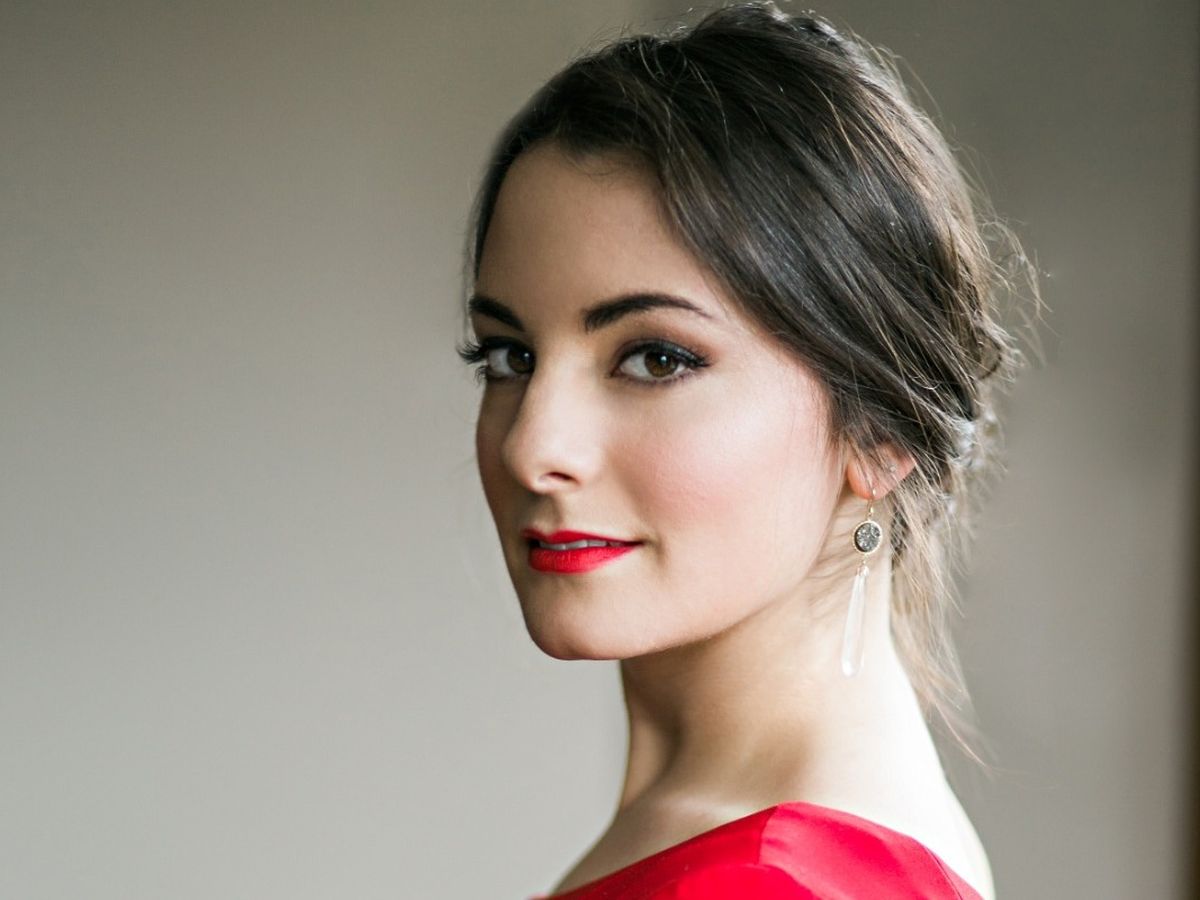
- D
- T
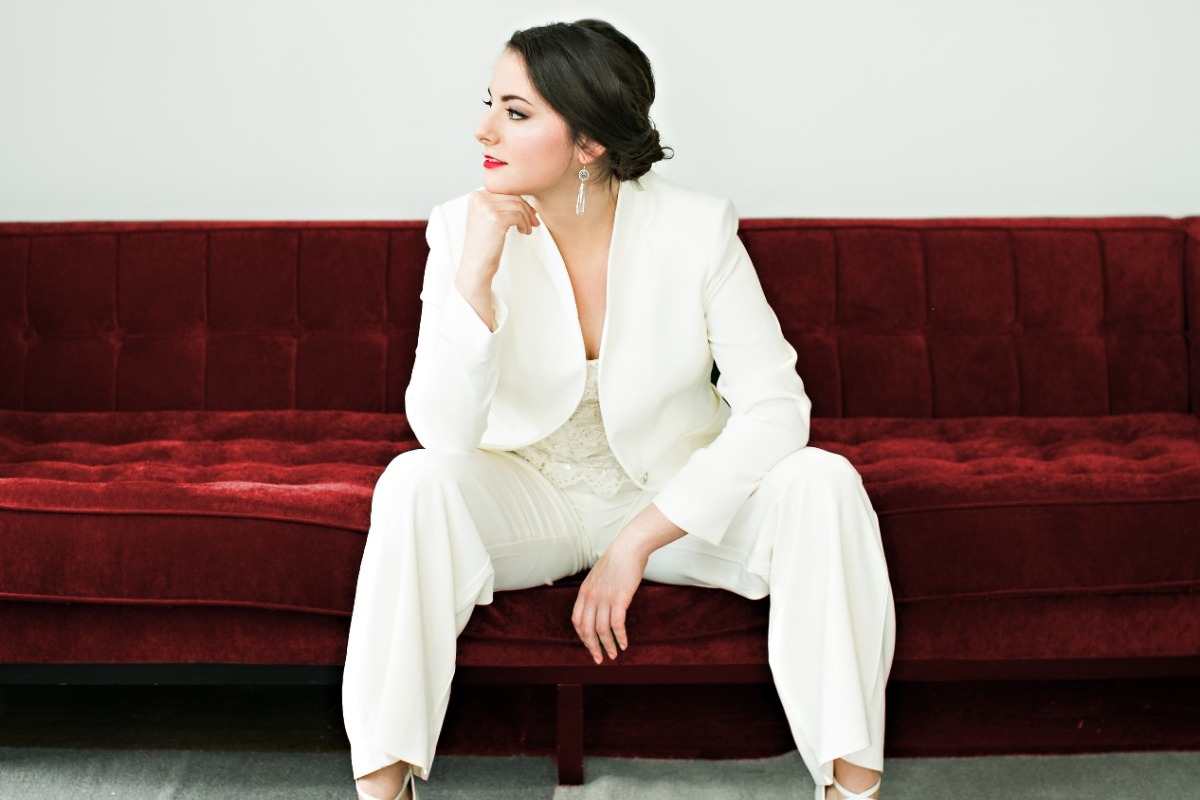 (Scroll to the bottom for video and performance photos.)
MY STORY (ABRIDGED)
My life has been guiding me to opera since I was born.
Back in Delaware where I grew up, I have been singing since I can remember. I used to put on performances for my parents and neighbors in our living room or outside on our front steps almost weekly.
Things got more serious for me when I auditioned (and was accepted) to a local arts middle school. I auditioned as a vocal major, dance minor. Note: I had never taken a dance class in my life. I look back on that audition and I really believe if you want something bad enough, something guides you. I wish that something would erase that audition tape…
At that school a true passion was ignited! There, I learned the basics of how to read music—a skill I draw on and use everyday. I was exposed to all types of music (classical, jazz, pop) and in different languages! I began performing in front of large audiences on a regular basis.
One evening when I was in high school, I sang Andrea Bocelli’s Time to Say Goodbye for a family friend on my small karaoke machine in our living room (yes, the same “concert hall” living room from my childhood!). He said that I had a lot of talent, but if I wanted to be serious about a career, I needed to seek professional, classical training.
Note to self: I still didn’t know what opera was.
The next day, he emailed the nearest classical conservatory, which happened to be Peabody Preparatory in Baltimore, MD. A woman named Elysabeth responded saying, “if she has that much potential, bring her to class. We start Monday.” Little did I know, this woman on the other side of the computer screen was a seasoned opera singer who would be my voice teacher for the next three years and indoctrinate me into the incredible world of opera. My parents have always been supportive in any way they were capable. Though we grew up humbly, their belief in me never faltered and they drove me to Baltimore every Wednesday evening after high school to have a one hour voice lesson with Elysabeth (I hit the parental lottery).
Fast forward years later and I graduate from Manhattan School of Music in the heart of New York City with my Bachelors and Masters degrees under the tutelage of legendary mezzo soprano Mignon Dunn.
Right out of school I began working professionally at Minnesota Opera, Opera Theatre of Saint Louis, The Atlanta Opera, Central City Opera, and Santa Fe Opera. I couldn’t walk at my college graduation because I was across the country singing professionally.
I signed with management in 2018 and since then have been singing roles with Santa Fe Opera for the past two summers and am making a few opera company debuts this coming year.
Why Europe?
Everyone has an incredibly unique path in this art form, differing based on their education, musical connections, financial support, etc, but most singers’ paths have some overlapping similarities, and the main one is Europe.
Since I began studying with my voice teacher in college (Mignon Dunn), I have been hearing about the importance of going to Europe. Even she spent a good part of her career in Europe in the 70s and 80s, cultivating enough experience that she was able to return to the States and eventually perform at the Metropolitan Opera over 360 times in her lifetime.
1. EXPERIENCE: In Europe, you are usually hired to be part of a “Fest” ensemble. This means that a singer is usually hired for a two year period and are considered the “house mezzo.” In this case, they are given all of the mezzo soprano roles in that particular season. This means that in a span of two years, one will learn about 10 operas and perform any given role between 6-10 times, if not more (that’s almost double the average amount of performances a singer gets in any given house in the USA).
2. SECURITY: Arts need funding. In the USA, the arts are usually funded by private donors. In Europe, the opera houses are funded by the state government. This funding allows for more houses to be in existence, and therefore more singers have more opportunity. Employed singers are also provided with health insurance.
3. OPPORTUNITY: In the USA, there is an influx of opera singers and now with the installment of programs called Young Artist Programs or Studios, companies are now hiring less experienced singers for half the price of a professional under the blanket that they will receive training. This is generally great for training purposes and for younger, inexperienced singers, but it doesn’t bode well for managed professionals who normally would’ve been hired for that particular job.
4. VISIBILITY: In Europe, opera is comparable to the NFL here in the States. Everyone knows about it, follows it, and generally loves it (and if they don’t, they usually feel like they should to be able to make conversation about it with someone who does!). To give you a fun example, I have a friend who performs a lot at the Met, Chicago Lyric, and the Santa Fe Opera, and she lives a very normal life here in the States. In Europe, she sings with the Frankfurt Opera and is stopped in the street in Germany by people who have heard of her.
5. CONNECTIONS: I intend to utilize the connections my manager and I have, and there is already interest brewing from bigger houses who want to hear me. Aix-en-Provence, Glyndbourne, and the Vienna State Opera are a few examples.
Europe is most successful singers’ pilgrimage, and opera is one of the most expensive pursuits. I thank you for your consideration to invest!
Gina singing Vot do chego ya dozhila "Lyubasha's Aria" (Tsar's Bride) by Rimsky-Korsakov:
Gina as the Marquise de Merteuil in Dangerous Liaisons:
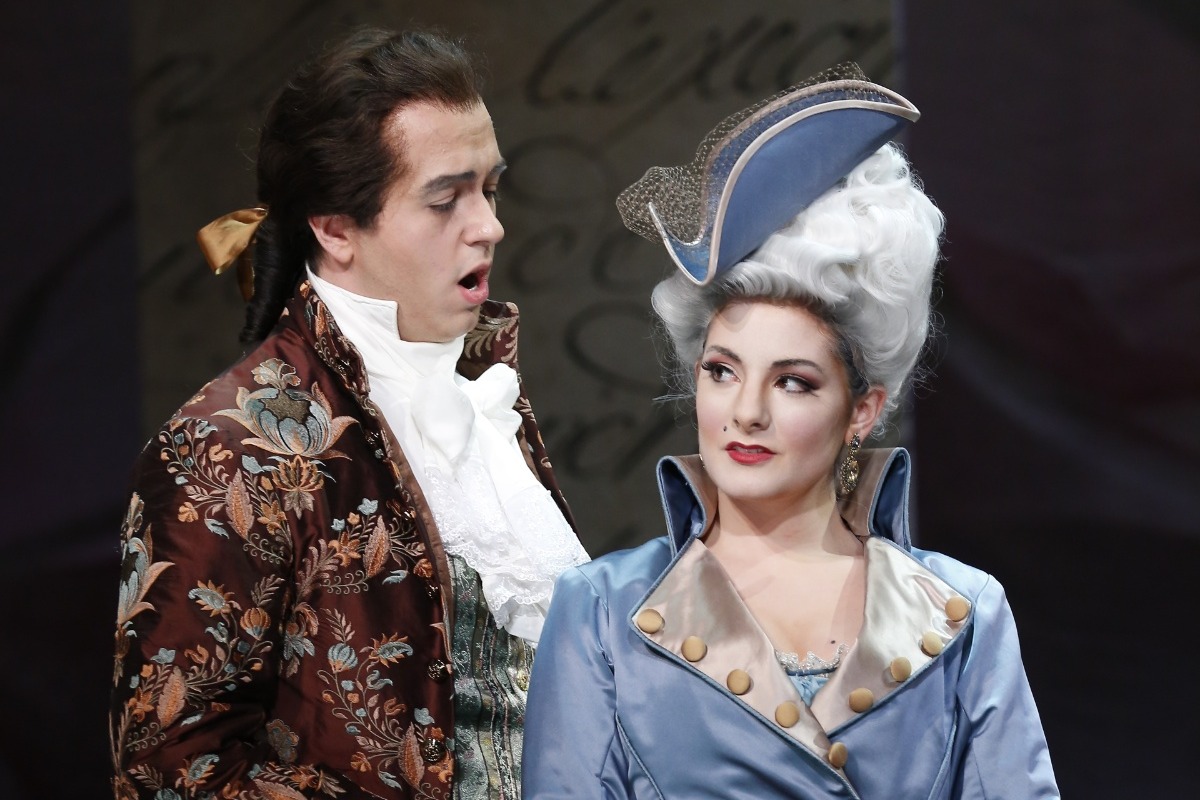
Gina as the title role in Carmen at Central City Opera:
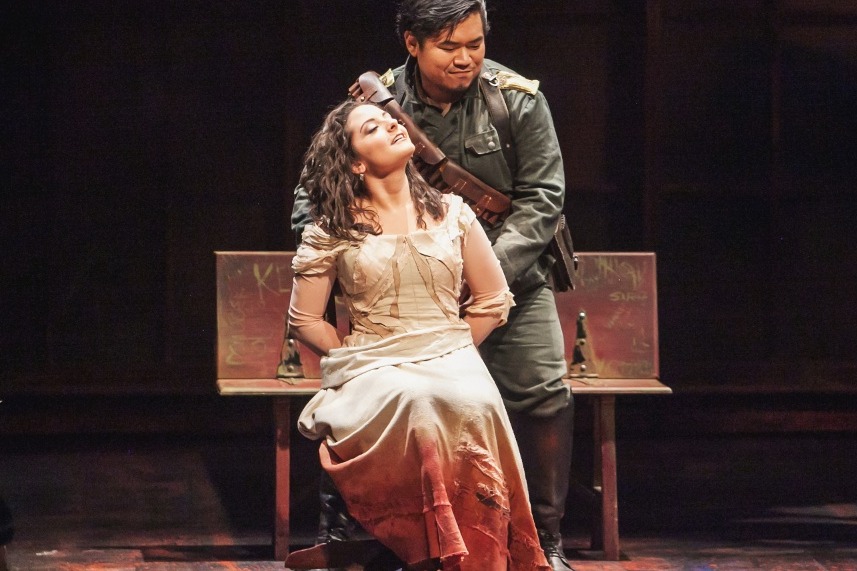
Gina as Stephano in Romeo et Juliette at Minnesota Opera:
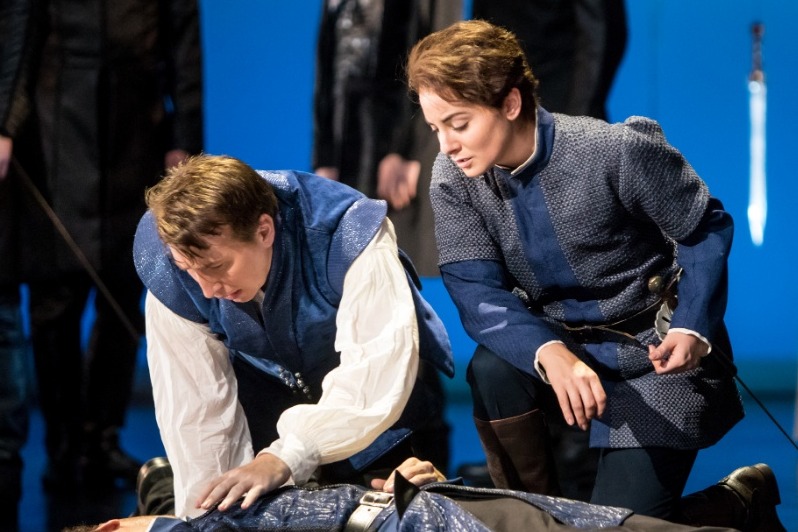
Gina as Nica the "Jazz Baroness" in Charlie Parker's Yardbird at The Atlanta Opera:
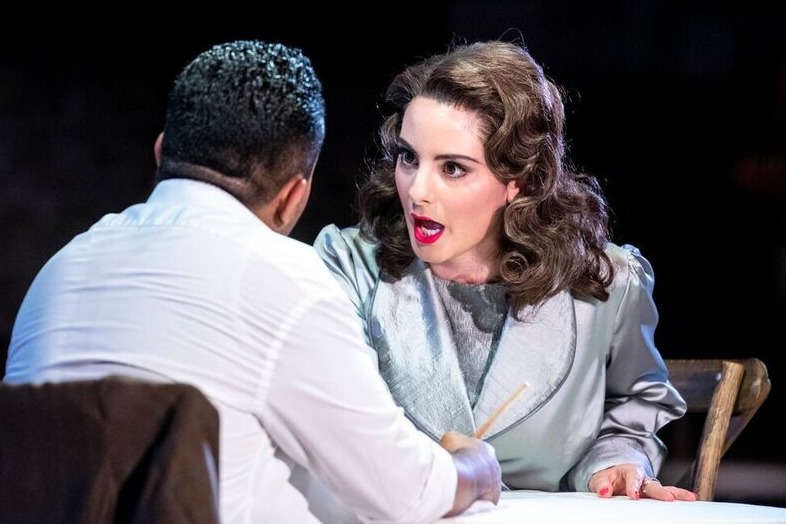
Gina as Anna I in Seven Deadly Sins at The Atlanta Opera:
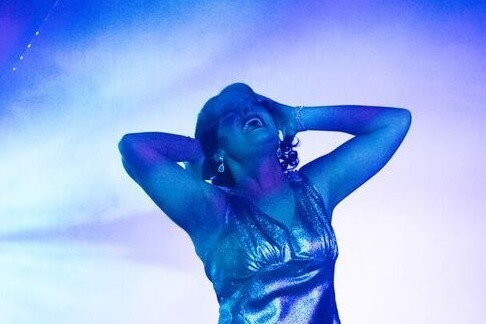
Gina as Maddalena in Rigoletto at Santa Fe Opera:
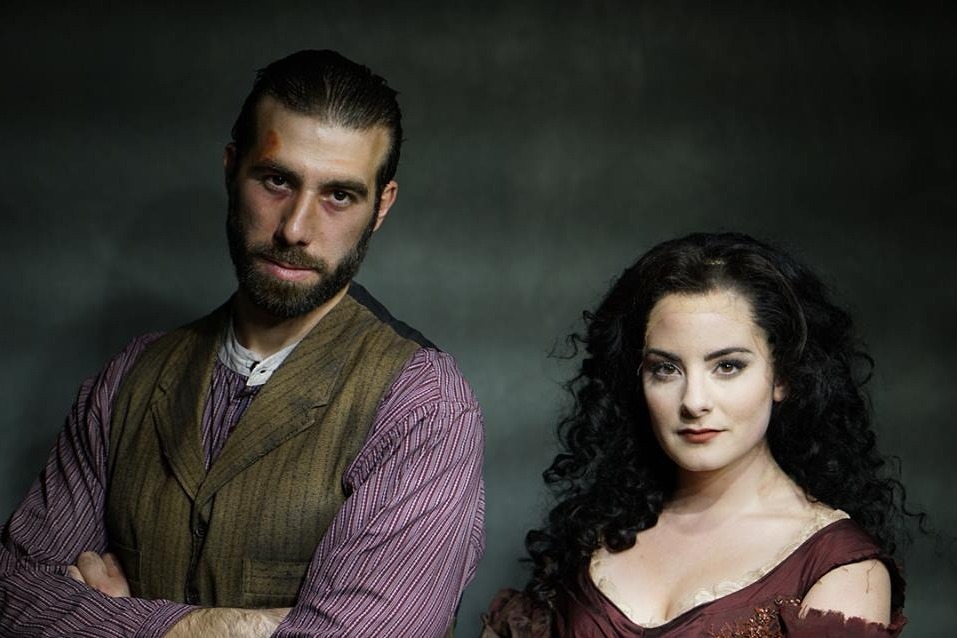
WWW.GINAPERREGRINO.COM (for more information on the artist and for additional performance photos)