
- F
- P
- A


Help Jacey Begin Her Healing Journey
BiPolar Disorder I: Treatment and Recovery Fund
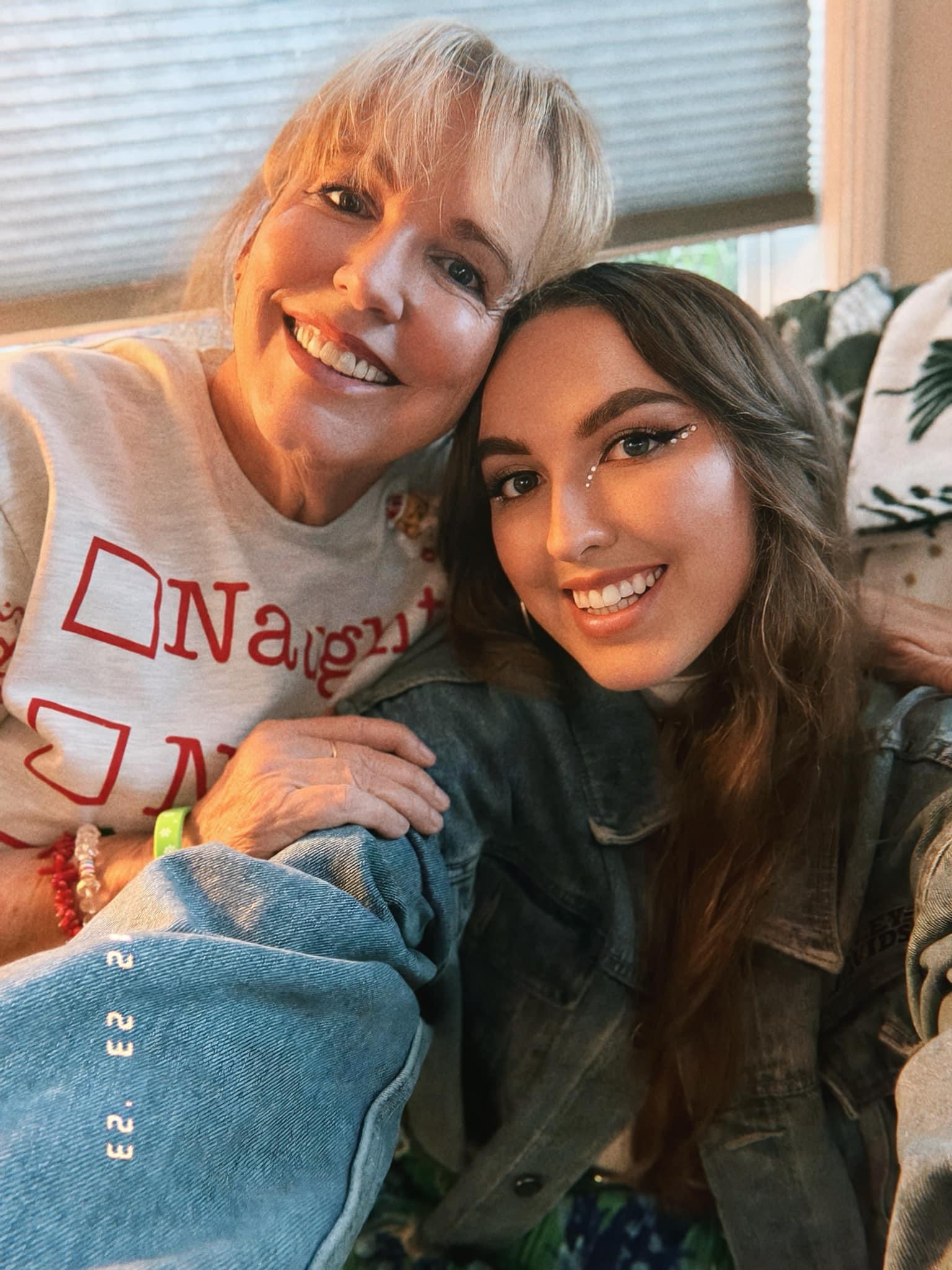
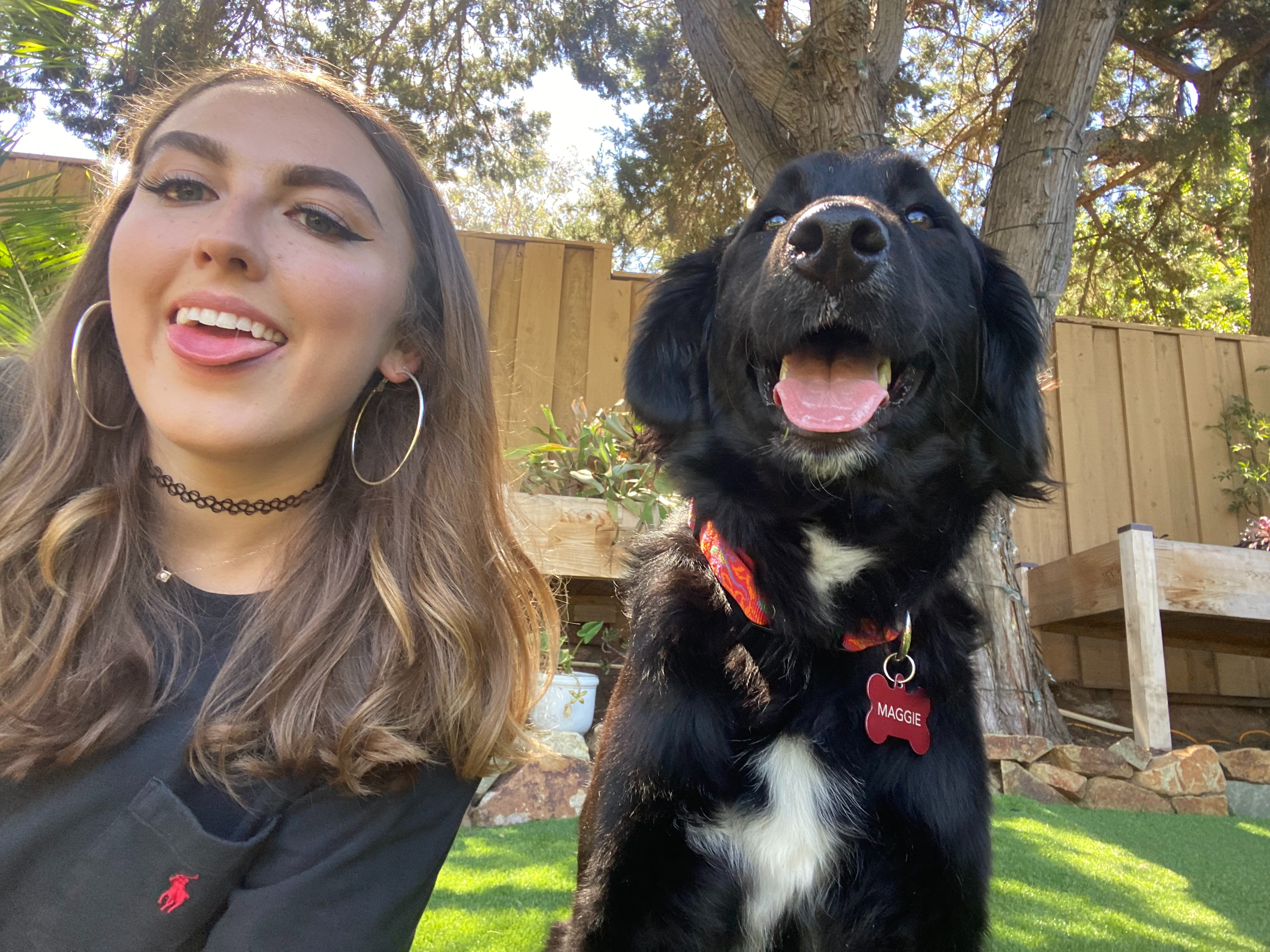
My daughter Jacey is 31, a gifted poet and performer, and one of the bravest people I know. After a devastating crisis and a new diagnosis of Bipolar I Disorder, she now needs urgent dual diagnosis treatment to heal and rebuild her life. Insurance covers only a fraction of the cost, and I cannot do this alone. Please help us bridge the gap and give Jacey the chance at stability, recovery, and hope.
For more information, read on:
Jacey is bright, creative, and deeply loved. She is a gifted theater graduate, a writer, and a powerful performer of Spoken Word Poetry — where she shares, with raw honesty and courage, what it means to live with mental illness. Through her words, she has touched and inspired many, shining a light on struggles
often kept in the dark.
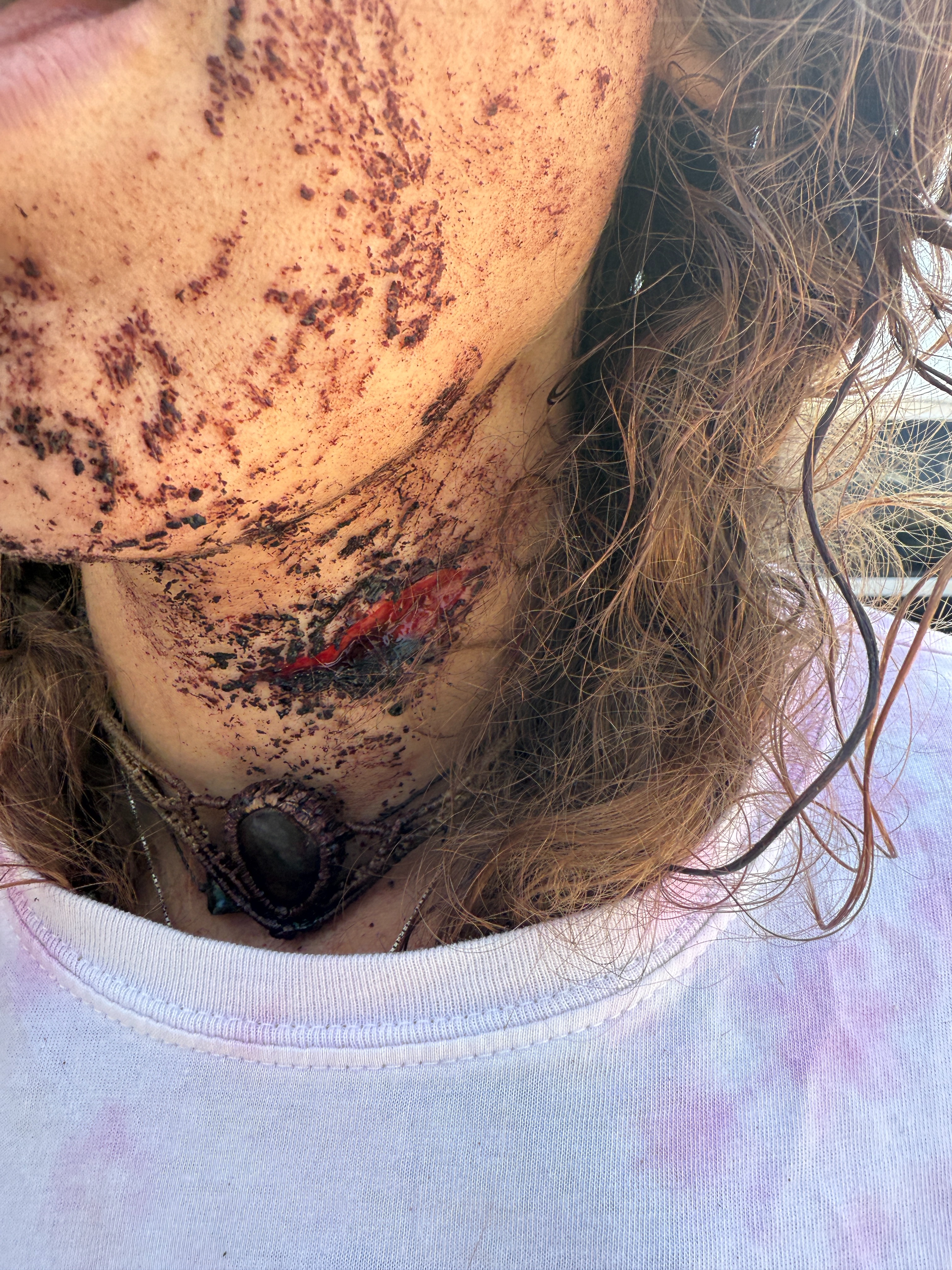
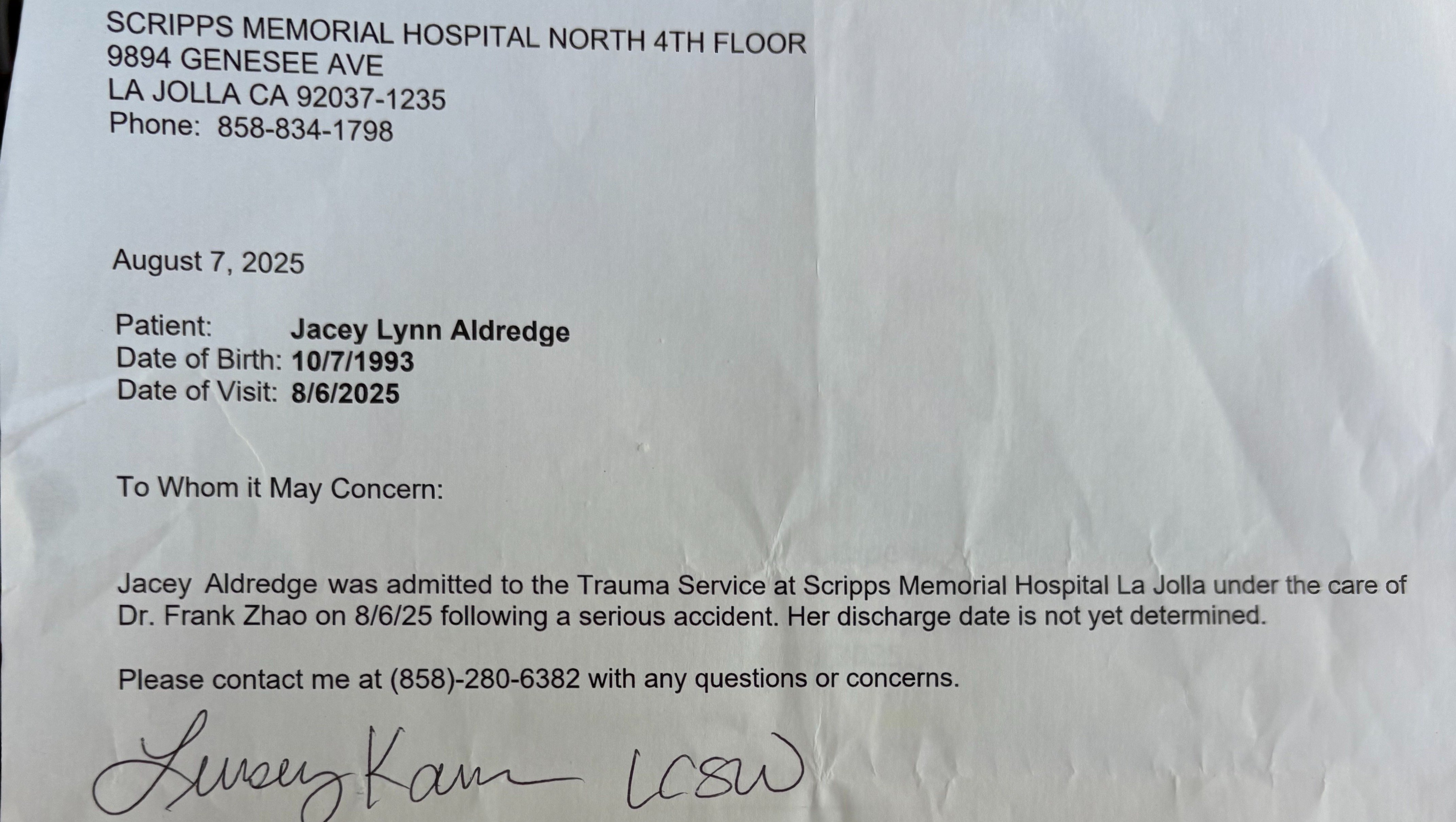
This past year, however, Jacey’s life took a devastating turn. This month, she experienced a severe mental health crisis that resulted in an extreme life-threatening accident and two weeks in a major hospital trauma unit. The letter from the hospital is attached.
We later learned that Jacey lives with Bipolar I Disorder, a serious mental health condition that had been disguised for years as chronic depression and ADHD. Suddenly, so much of her struggles made sense.
About Bipolar I Disorder
Bipolar I Disorder is a serious brain-based illness that causes cycles of intense manic episodes and deep depressive episodes. These are not ordinary mood swings — they are disruptive, dangerous medical episodes that can profoundly affect judgment, energy, and behavior. In Jacey’s case, they contributed both to a life-threatening accident and to her dependence on Adderall as she tried to cope.
Bipolar I disorder is a leading cause of disability. Research shows that about half of people with bipolar I or II experience some level of work-related disability. This is more common in those with prolonged depressive episodes and who have co-occurring mental health conditions like anxiety, PTSD, or avoidant personality disorder.
Without proper treatment, Bipolar I can be devastating. But with comprehensive dual diagnosis care, stability and recovery are possible.
The Path Ahead – and the Cost
Jacey is awaiting acceptance into a residential dual diagnosis recovery program that treats both her mental health and addiction together. This is her best chance for healing and rebuilding her life.
Unfortunately, the costs are staggering. Residential dual diagnosis programs cost approximately $27,000 per month, not including the essential step-down care that follows. Her insurance costs, if approved, will be $560 per month and cover only about 50% of some services. We have also explored the possibility of enrolling her in Medicaid (Medi-Cal); however, most recovery centers do not accept Medi-Cal or government insurance at all, leaving families like ours with overwhelming expenses. This is something that she and I would like to advocate for when we emerge from this crisis mode.
As her mother, I have always supported Jacey — raising her as a single parent, watching her work her way through college, and cheering her creative passions. However, now that I am retired and on a fixed income, I am unable to cover these medical costs alone.
Fundraising Milestones
1st Milestone – Immediate Transition Needs ($5,000–$7,000)
Covers moving Jacey’s belongings into storage, cleaning her apartment, paying bills from her trauma hospitalization, and basic essentials.
2nd Milestone – 30-Day Residential Dual Diagnosis Program (~$27,000 before insurance)
The most critical step: one month of 24/7 medical, psychiatric, and therapeutic care. Insurance may cover up to 50%, but out-of-pocket costs will still be significant.
3rd Milestone – Partial Hospitalization & Intensive Outpatient (~$15,000–$20,000 for 2–3 months before insurance) Step-down care several days a week with intensive therapy, medication management, and relapse prevention. Actual out-of-pocket costs will depend on what insurance will cover.
4th Milestone – Dual Diagnosis Group Living (~$3,000–$5,000/month before insurance)
Supportive group housing with continued therapy and recovery support. Some costs may be partially offset, but most of these living programs require direct self-pay.
How You Can Help
We are humbly asking for your support. Every dollar raised will go directly to Jacey’s treatment expenses and recovery care.
Here’s how your gift can make a difference (based on SAMHSA data and national treatment cost averages):
• $25 → Helps cover a medication co-pay or therapy materials like a workbook or journal.
• $50 → Helps with a portion of a lab test or daily prescription refill.
• $100 → Helps cover 1–2 days of medication management or contributes to a therapy session.
• $150 → Covers one individual counseling session (national average ~$150/hr).
• $250 → Helps cover a week of group therapy sessions (average $30–50 each, multiple sessions per week).
• $500 → Helps cover about a week of sober living housing costs (dual diagnosis homes average $2–3k/month).
• $1,000 → Helps cover several days of residential dual diagnosis care (averaging ~$900/day).
• $5,000+ → Makes a major contribution toward a 30-day residential program (~$27,000 total).
Every donation, no matter the size, moves Jacey one step closer to healing — and even if you cannot give, simply sharing this page helps more than you know.
Why This Matters
Her illness or her struggles do not define Jacey. She is a daughter, a friend, and an artist with immense potential. Her poetry gives voice to the realities of living with mental illness — with honesty, vulnerability, and strength. She dreams of continuing her work, helping others through performance, writing, and teaching.
With your support, Jacey can have the chance to heal, rebuild her life, and continue turning her pain into poetry, hope, and light.
Every dollar raised will go directly toward Jacey’s recovery care. If, by grace and generosity, we are blessed to raise more than what is needed, any remaining funds will be donated to organizations that support individuals and families living with Bipolar Disorder. If you would like to know more about Bipolar Disorder I: https://www.webmd.com/bipolar-disorder/bipolar-1-disorder
Thank You
From the bottom of my heart, thank you for reading, caring, and supporting. Jacey has shown incredible courage and resilience. With your help, she can step into her future with strength, dignity, and hope.
With gratitude,
Laurel Fuqua, RN, MSN (Mom)
Organizer and beneficiary
Laurel Fuqua
Beneficiary