Introduction
In 2016, an earthquake severely damaged my home in Umbria. What I thought would be a temporary disruption turned into nine years of waiting, displacement and exhausting bureaucracy.
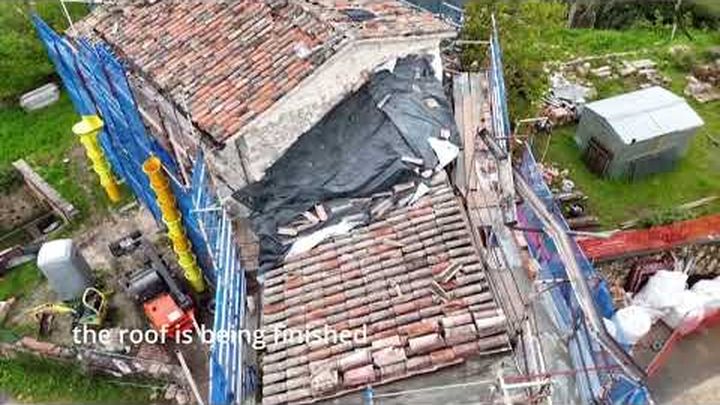
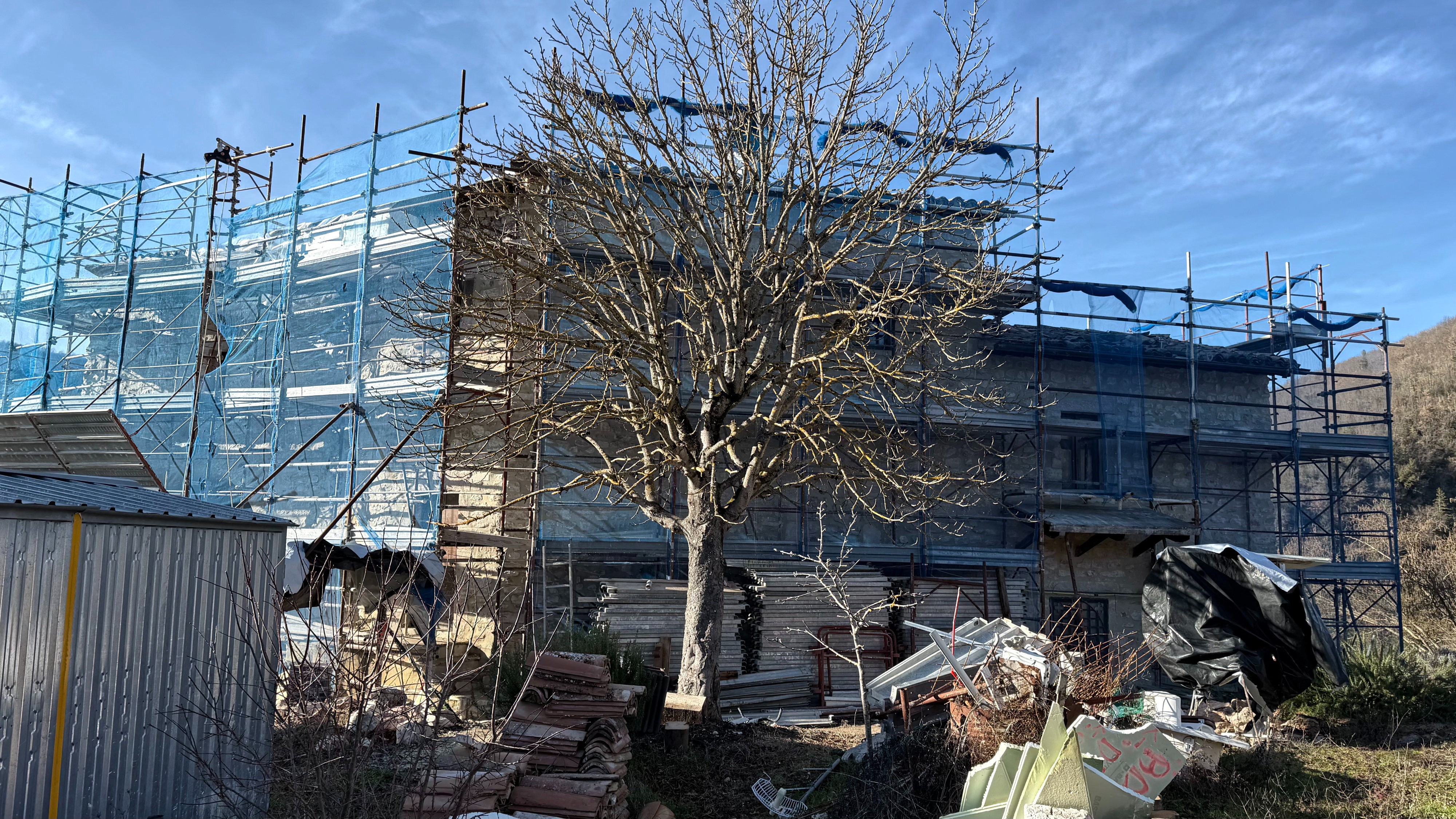
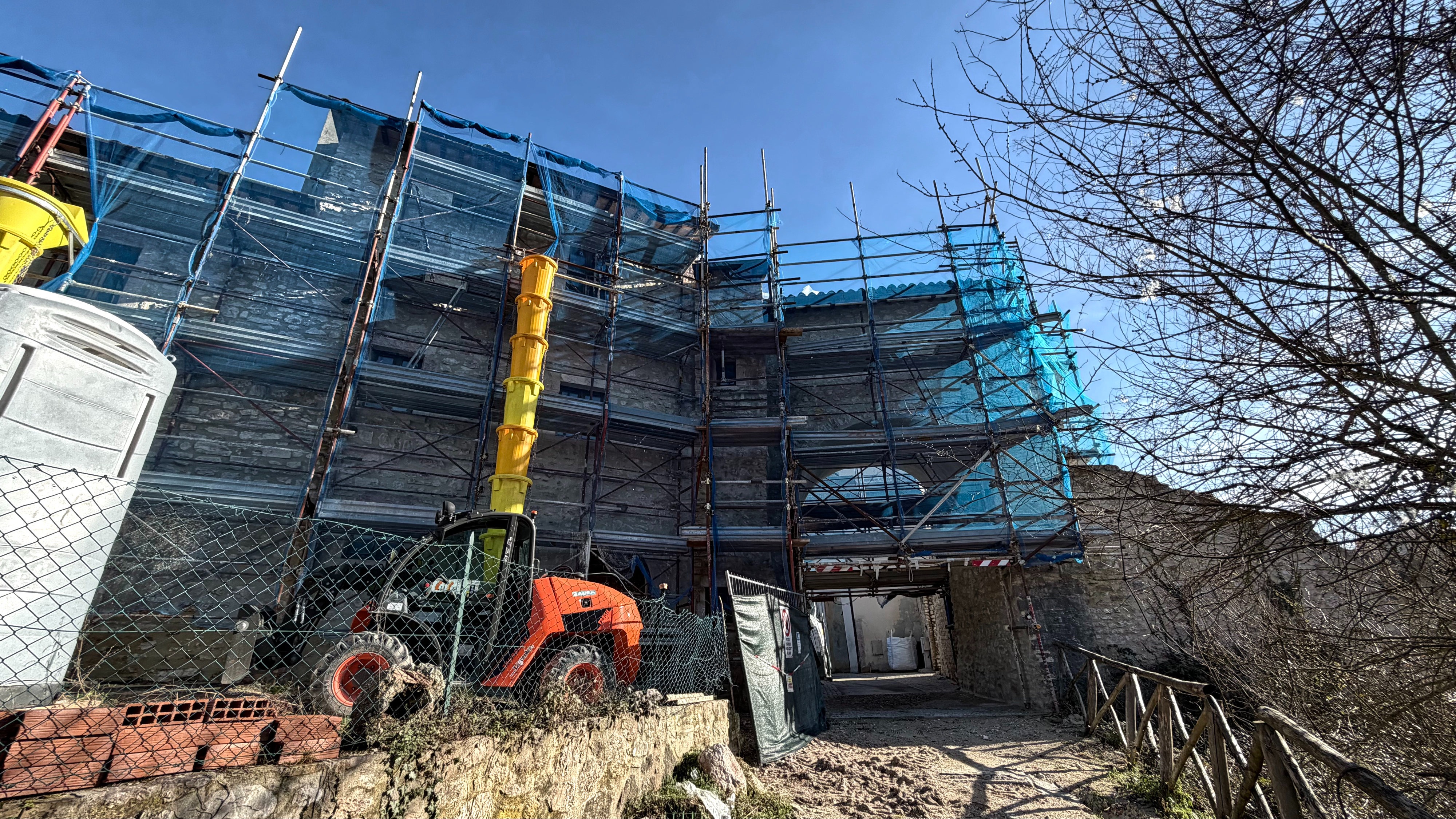
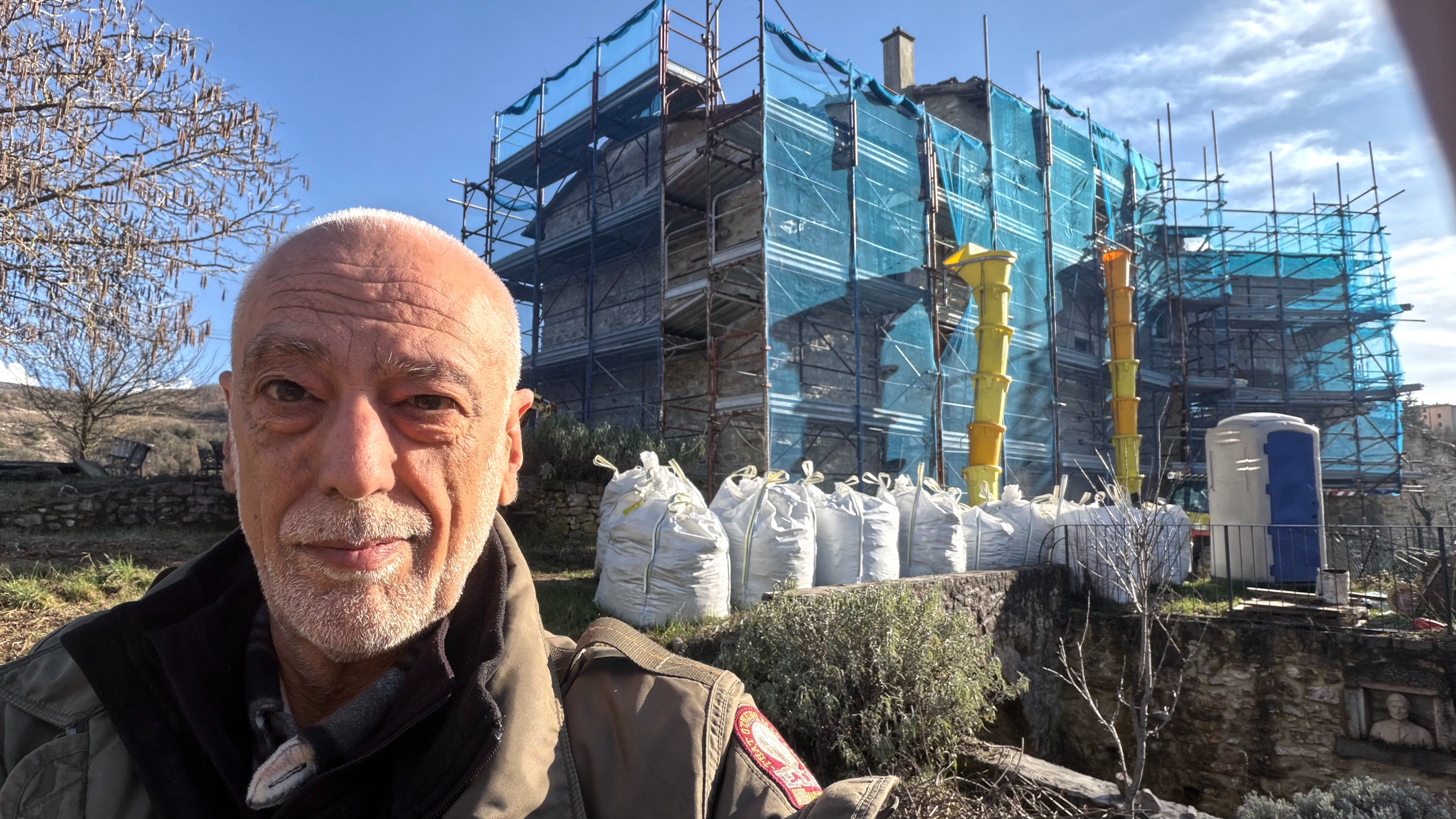
Since then, I have lived in five different emergency homes while navigating a long and complex reconstruction process. Over the past year, the house has finally been undergoing careful restoration, and I am now very close to returning home at last.
This house is more than just a building. It is a place where I hope to rebuild a normal life - to welcome friends again, to reopen the music rehearsal room, and to regain a sense of stability after years of uncertainty.
Unfortunately, the cost of the restoration has risen dramatically and is now close to 500,000 €. I am currently around 25,000 € short of being able to complete the work. Reaching this final stage has been emotionally and financially overwhelming, and asking for help is not something I do lightly.
I am therefore turning to crowdfunding and asking for your support. Any contribution, no matter the amount, will help bring this long journey to an end and allow me to finally return home. If you are able to donate or share this campaign, I would be deeply grateful and happy to have you as my guest in the future.
Thank you for taking the time to read my story and for any support you can offer.
You can follow the reconstruction unfold in Series 2 and 3 of Channel 4’s Help! We Bought a Village, with the final chapter arriving in Series 5.
YouTube playlist with videos documenting the reconstruction:
https://www.youtube.com/playlist?list=PLyF_RoyYqdZOmCQbmP6n4N8FfeUV-4JB0
The full story
After spending most of my life in London, I decided in 2013 that it was time for a change. I was on the verge of buying a home in the South of France when an unexpected problem between my UK and French banks brought everything to a halt. I took a few weeks to rethink my plans, visited friends in Italy, and returned to Turin - my birthplace. There, I was advised that staying in Italy would be more practical than constantly travelling between London and France.
I moved in with a friend in the hills overlooking Turin, sold my London home, and resumed my search. While property algorithms kept suggesting homes in the area I had chosen in France, they also offered a tempting “you may also like…” selection in Italy. These led me to Umbria, the so-called “green heart of Italy”. Curious, I explored the region and immediately recognised its similarities to the South of France. That’s when I fell in love with a medieval convent on the outskirts of Sellano, a small village in the Valnerina valley.
The convent, built around 1100 A.D., had once been three times its current size. The remains of the missing sections, which I had begun to uncover and restore, lay hidden in the surrounding garden. I bought the property knowing it needed extensive refurbishment, with the dream of making it my home and a creative retreat for musician friends from around the world. I even built a fully equipped rehearsal room to make that vision real.
On my birthday, 23 December 2014, I moved in - an auspicious beginning, or so it seemed. I spent the next 15 months working tirelessly on the renovation, which was finally completed on 14 August 2016. Just ten days later, on 24 August, a magnitude 6 earthquake struck central Italy, severely damaging my home.
For weeks I lived in a tent in the garden as aftershocks continued. Eventually, along with around 500 other displaced residents, I was moved to a temporary encampment of wooden cabins set up by the emergency services. With the help of the Fire Brigade, I managed to retrieve and store what I could from the house.
Schools were closed, parents were overwhelmed, and many children wandered the encampment - bored, frightened and traumatised. Together with a couple of friends, I decided we had to do something. We secured a safe building from the local authorities and began organising activities for the children.
Thanks to crowdfunding and the generosity of friends and strangers alike, we quickly received toys, books, food, blankets and supplies. We opened a small community centre and ran activities every single day. Volunteers from all over Italy came to run workshops, concerts, theatre performances, classes and creative projects. What began as an emergency response became a lifeline for the children.
That winter was unusually harsh, and tremors continued daily until April the following year. The strongest quakes came on 30 October and 18 January. Despite everything, we persevered. We built deep bonds with around 45 children aged between five and fifteen, and that group continued to grow. Over the years we developed summer camps, workshops and courses that are now a permanent and vital part of the local community.
Meanwhile, the Italian government promised to fund the reconstruction of damaged homes. In reality, nothing happened for four years. The national emergency law was amended nearly 200 times over a decade, trapping architects and engineers in endless bureaucracy. COVID and wars affecting cost of materials further delayed progress, driving up material costs and forcing repeated recalculations. Finally, in 2023, reconstruction work began across the four affected regions: Abruzzo, Lazio, Marche and Umbria.
In the meantime, I moved repeatedly - from a temporary cabin, to several rented apartments, each more precarious than the last - until I eventually had to move into my partner’s home, an hour and a half away from Sellano.
In 2019, unexpectedly, I was asked to join the local administration as a councillor, and later as Deputy Mayor. This role allowed me to actively support Sellano and its 44 hamlets: promoting repopulation, raising funds for public projects, and helping drive sustainable development in the area.
At last, in December 2024, all the paperwork was approved and the government released funding for the most complex part of my home’s reconstruction - €440,000. Work began and has now been underway for 14 months. This funding covers the structural consolidation of the building, but not the internal finishes or external works such as rebuilding collapsed retaining walls. The total cost is approaching €500,000, and I am still €25,000 short of being able to complete the project and finally return home - ten years after this journey began.
What is the money going to be used for
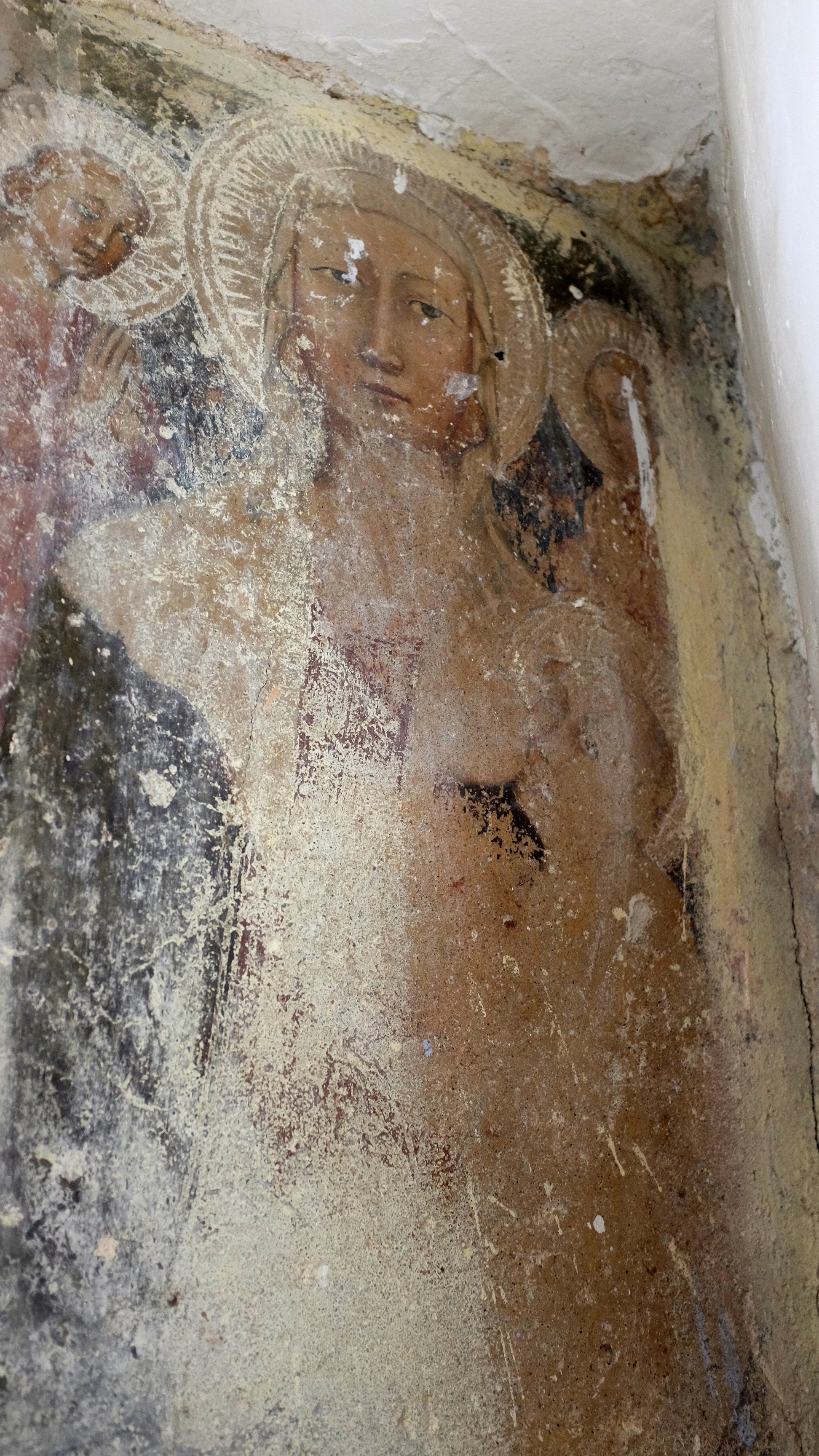
The additional funds are specifically needed to repair damage caused by the quake that aren’t covered by the government’s funding, such as the reconstruction of the kitchen’s structure, of two retaining stone walls preventing part of the garden from sliding down the hill, the outdoor wood oven, to rebuild the 16th century fireplace that had been removed and buried in the garden, the restoration of a 14th century fresco depicting the madonna and child with two angels, finishing a stone floor around a corner of the house to prevent rain water to sip into the ground floor.
Since the end of 2022, Channel 4 has been documenting both the slow reconstruction of my home and my work to revitalise the area, including the construction of one of the most impressive suspension bridges in Europe, designed to bring new life through low-impact, outdoor tourism. My story appears in series two and three of Help! We Bought a Village, with the final chapter currently being filmed for the upcoming fifth series.
This campaign is about more than finishing a house. It’s about closing a ten-year chapter marked by resilience, community, and belief in a place that deserves a future - and finally being able to come home.
Thank you!
Roberto
Organizer