Help ons gezin aan een rolstoelbus voor onze zoon Clasie
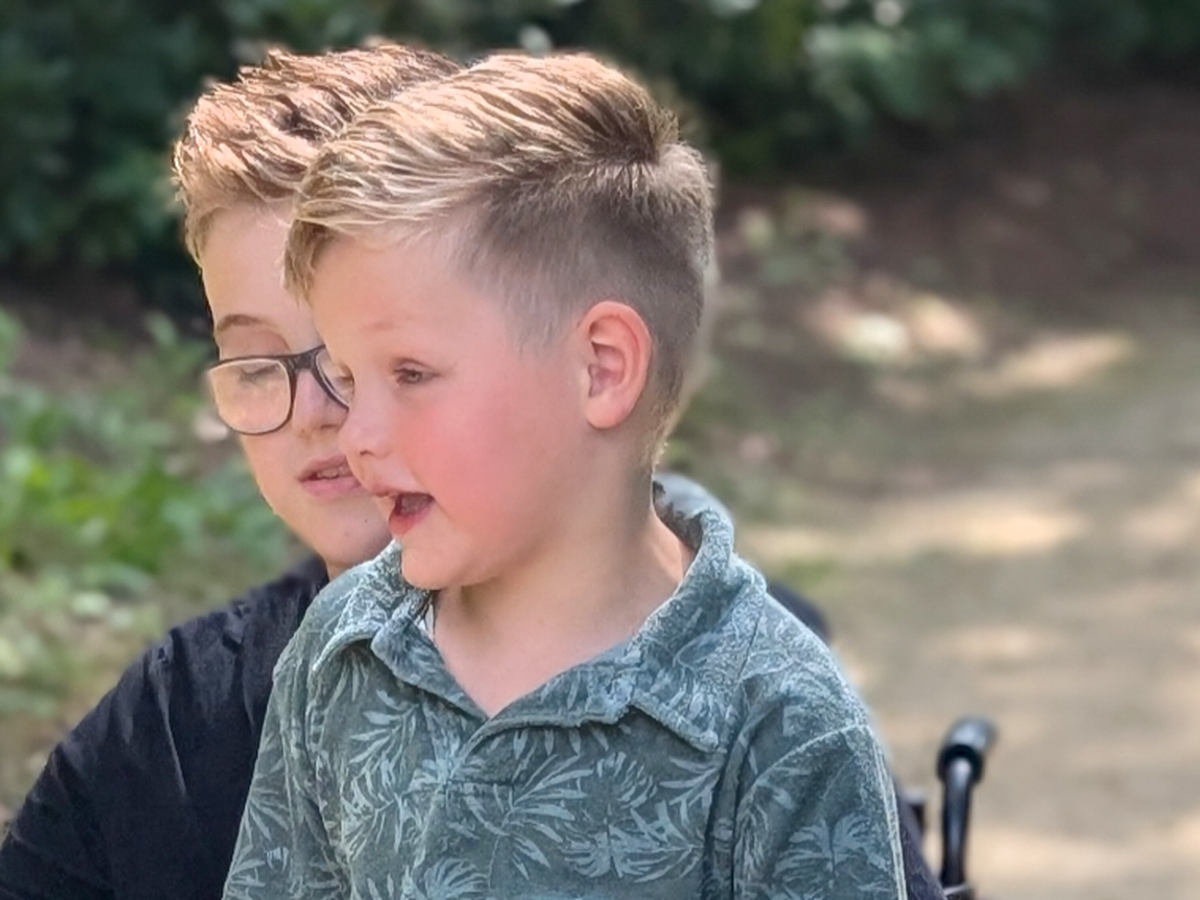
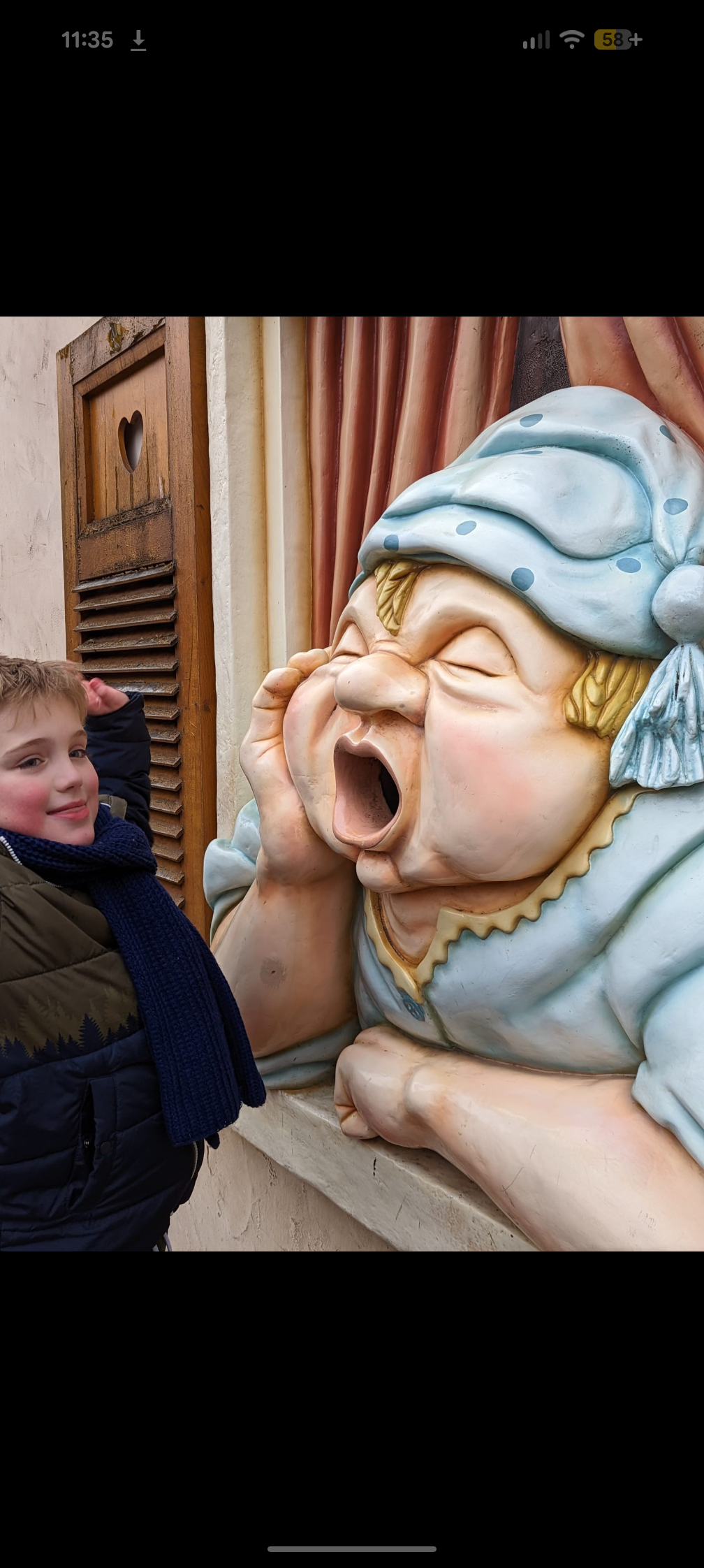
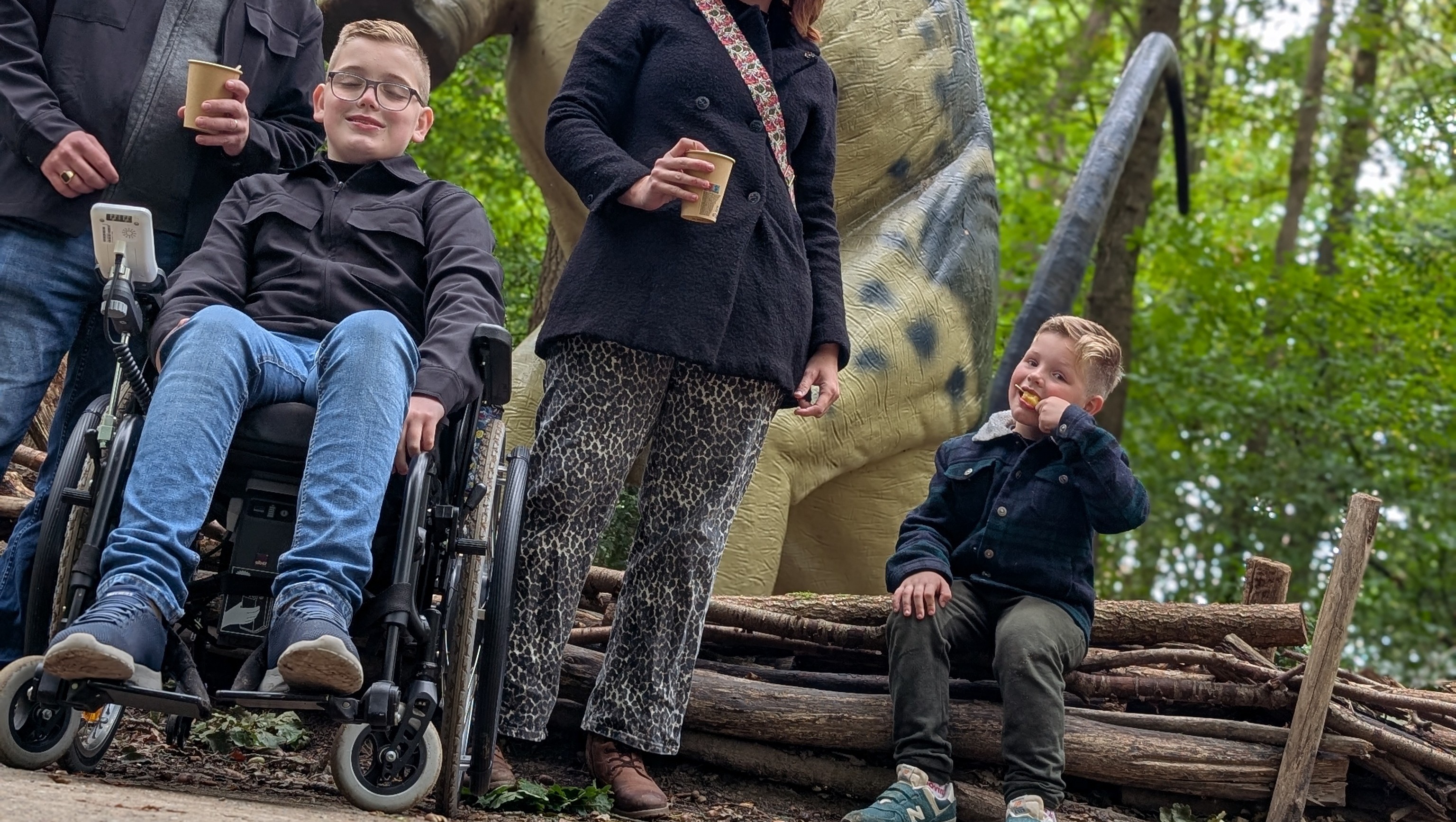
Wij zijn het gezin van Clasie van Meer (11), een vrolijke, leergierige jongen uit Bergen op Zoom.
Hij speelt graag buiten, is dol op tekenen en verdiept zich met passie in alles wat met geschiedenis, oorlog en militaire voertuigen te maken heeft.
Maar stel je eens voor...
Je bent een kind vol energie en nieuwsgierigheid, en opeens merk je dat dingen die eerst vanzelf gingen, steeds moeilijker worden.
Lezen wordt lastiger omdat je de letters niet goed meer kunt onthouden. Buiten spelen lukt niet meer, omdat je spieren je in de steek laten. Tekenen gaat niet meer zoals vroeger, omdat je je potlood niet goed vast kunt houden.
Je wilt op pad om je kennis te vergroten maar je benen geven steeds sneller op.
Na 11 lange jaren van onzekerheid kregen we eindelijk duidelijkheid:
Clasie heeft een zeldzame, progressieve mitochondriële ziekte.
In slechts één jaar tijd ging hij van ‘af en toe’ een rolstoel gebruiken naar volledig afhankelijk zijn van een elektrische rolstoel.
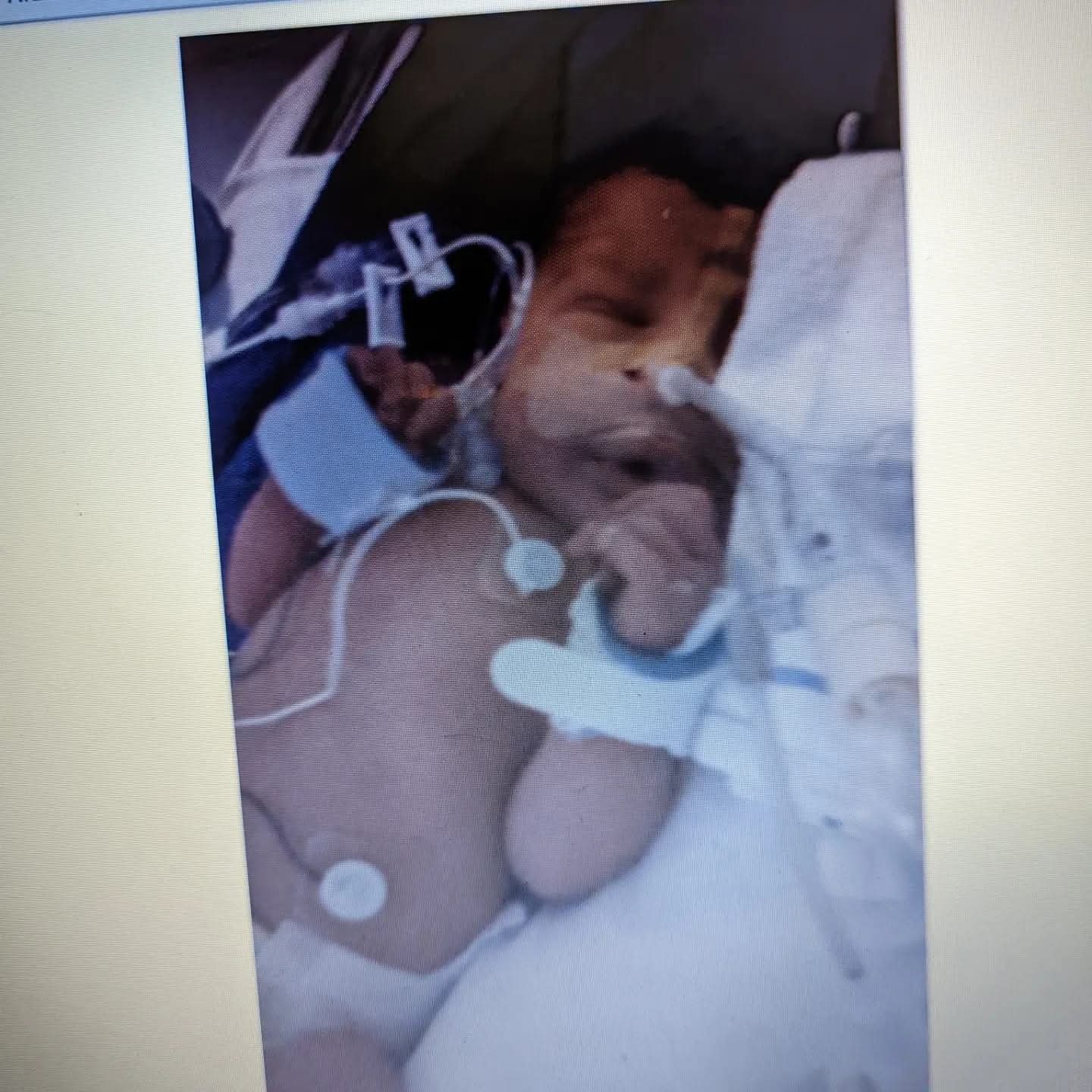
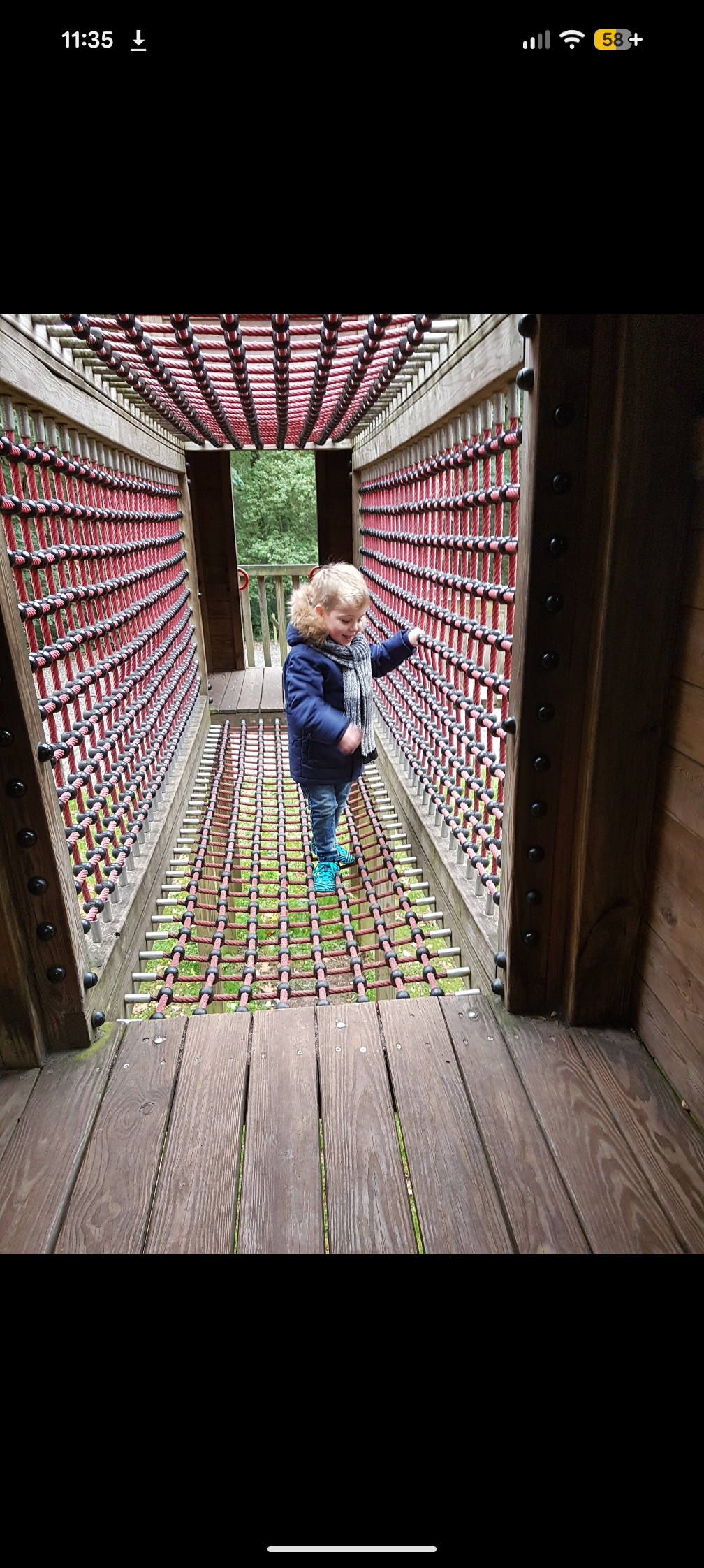
En of het dan nog niet erger kan, word zijn broertje Lex (5) ook verdacht van deze slopende ziekte.
En dat is waar onze oproep begint.
Zijn elektrische rolstoel is loeizwaar en onze huidige auto kan dat simpelweg niet meer aan.
Daarom zijn we dringend op zoek naar hulp om een rolstoelbus mogelijk te maken.
Een rolstoelbus betekent voor ons:
Samen veilig naar ziekenhuis afspraken kunnen gaan
Er met elkaar op uit kunnen, als gezin
✨ Herinneringen maken, zolang het nog kan
We hebben een inzamelingsactie gestart, maar zonder groot netwerk blijft het bereik beperkt.
Daarom vragen we met heel ons hart:
➡️ Wil jij ons helpen door onze actie te delen?
Of, als het kan, met een donatie? Hoe klein ook elke bijdrage telt.
Samen kunnen we ervoor zorgen dat Clasie mobiel blijft, en dat we als gezin blijven genieten van het leven en de kostbare tijd die we samen hebben.
Dank je wel voor je steun, het delen, en je betrokkenheid.
I was asked if I could share it in English as well for all international connections.
What exactly is a mitochondrial disorder?
We often get questions about what it is that Clasie and probably also Lex actually has. We completely understand that. So I’ll try to explain it a bit more clearly.
Earlier this year, Clasie had a single fiber EMG and a muscle biopsy done. Because he kept deteriorating, and we wanted to know what was really going on, these were the only two tests that could still give us clarity.
From these tests, they were able to give us some immediate results: Clasie’s single fiber EMG was abnormal and so was the muscle biopsy. At first, they thought it might be a congenital myasthenic syndrome in combination with dystrophy.
However, they also mentioned that it could secondarily, or “as a result of,” a mitochondrial disease.
Clasie was prescribed quite a few medications, but unfortunately, without any clear results.
After months of waiting, we were first told that an mtDNA depletion had been found but that this might have been due to the biopsy sample itself. Further tests were started.
With mtDNA depletion, there are not enough mtDNA “energy factories” in the muscle. As a result, not enough energy is produced for the body to function properly.
Then, this summer, I suddenly got a call from the neurologist. The results from the muscle biopsy were in and it turned out that Clasie also had combined OXPHOS deficiency. She had consulted with the Radboud hospital to check whether it could be due to the quality of the biopsy, but that turned out not to be the case.
To confirm the diagnosis, they still want to perform another muscle biopsy later this month, because it is such a severe condition.
That same summer, we also received the news that everything indicates Lex has it as well.
Here’s a short explanation of what combined OXPHOS deficiency is:
---
With OXPHOS deficiency (often together with mtDNA depletion), the body’s “energy factories” the mitochondria don’t work properly. They produce too little energy, which mainly affects the muscles, brain, liver, and heart. This leads to muscle weakness, fatigue, developmental delays, and sometimes severe illness.
The severity varies greatly between individuals: some people live for years with certain limitations, while in severe cases especially in children the condition can be life-shortening.
There is currently no cure, but doctors can help relieve symptoms and make life as comfortable as possible.
---
People often ask what this means for the future.
The truth is, the future is simply unknown. So we live in the present, and we enjoy life one day at a time.
Organizer

Manuela van Meer
Organizer