- H
- m
- M
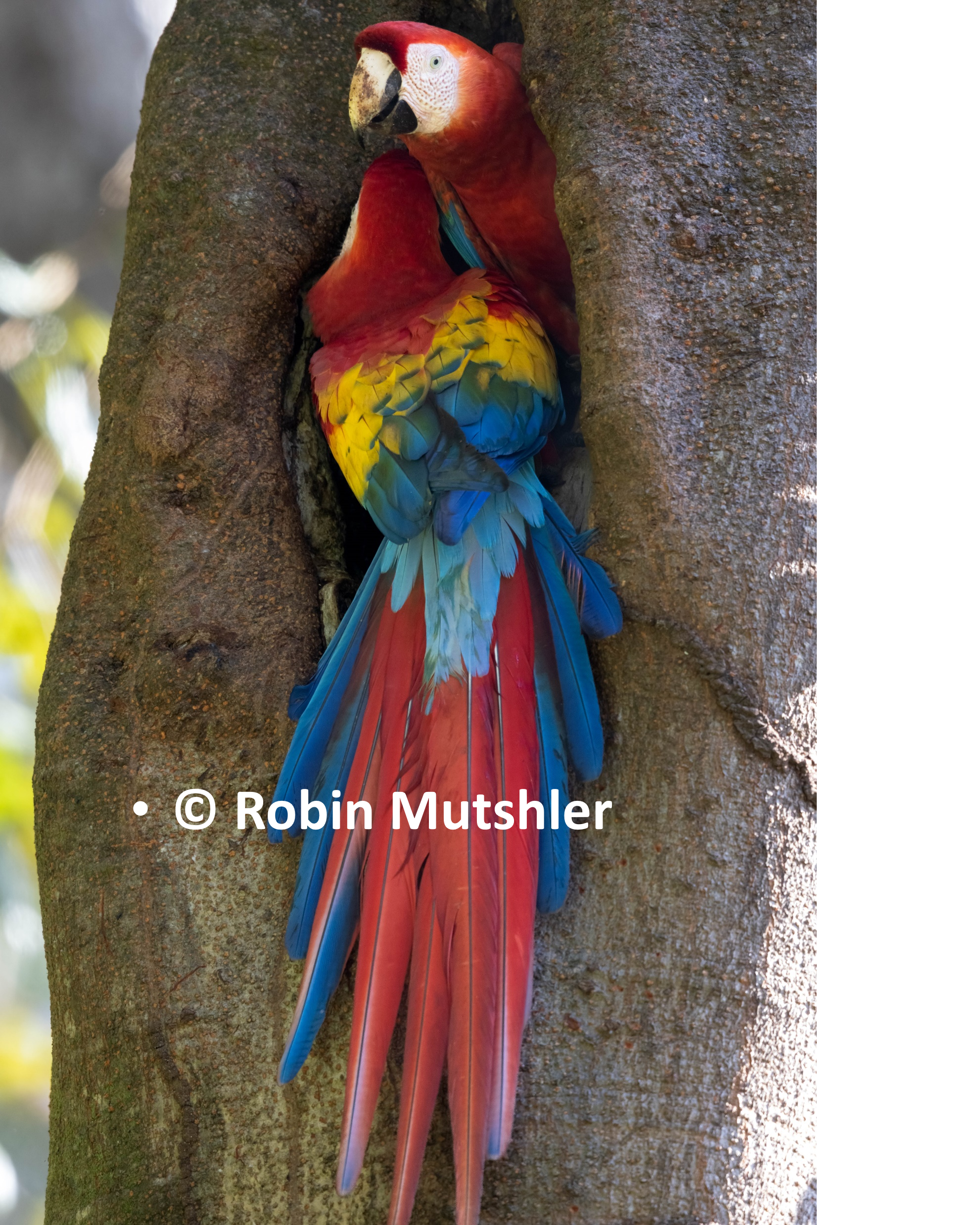
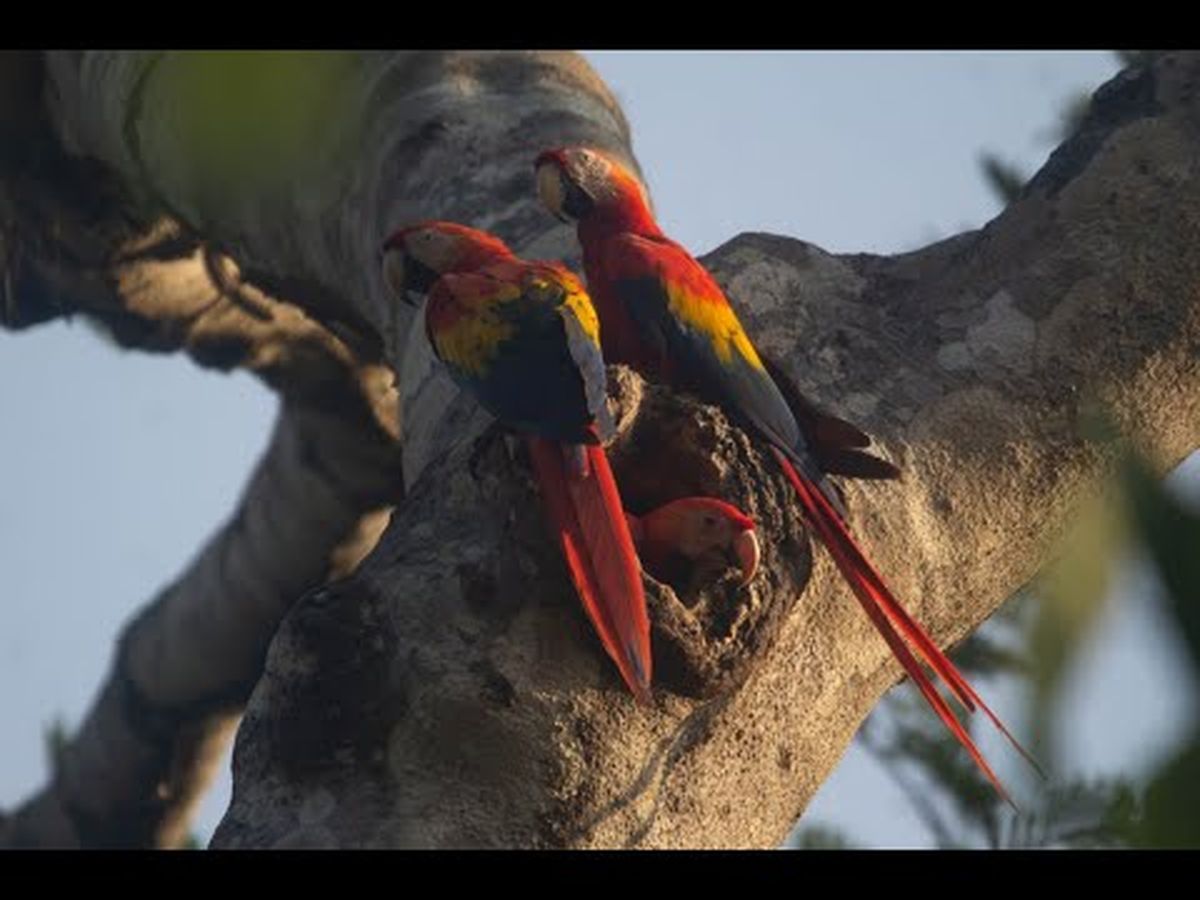
Uncovering Macaw Secrets: Are They Truly Faithful?
0% complete
$3,780 raised of
22 donations



The Macaw Society has been studying macaw conservation in the Peruvian Amazon for over 25 years. Now we are taking on a new challenge, using genomic analysis to determine if macaw pairs are really as faithful as everyone says they are!
The Macaw Parenting Project: Discovering the Secrets of Scarlet Macaw Families
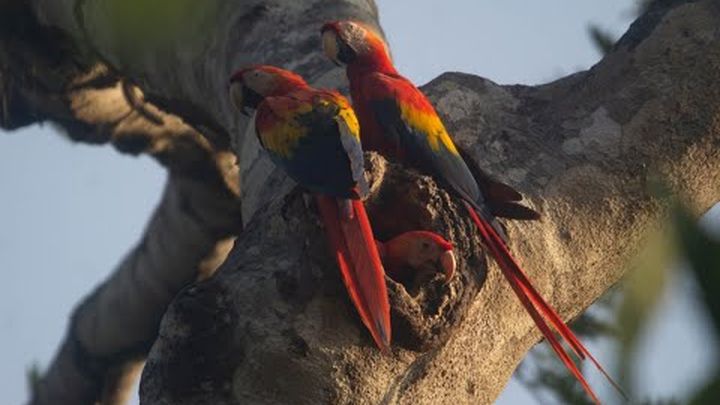
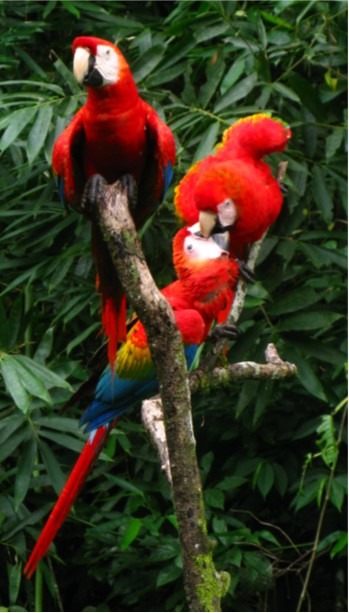
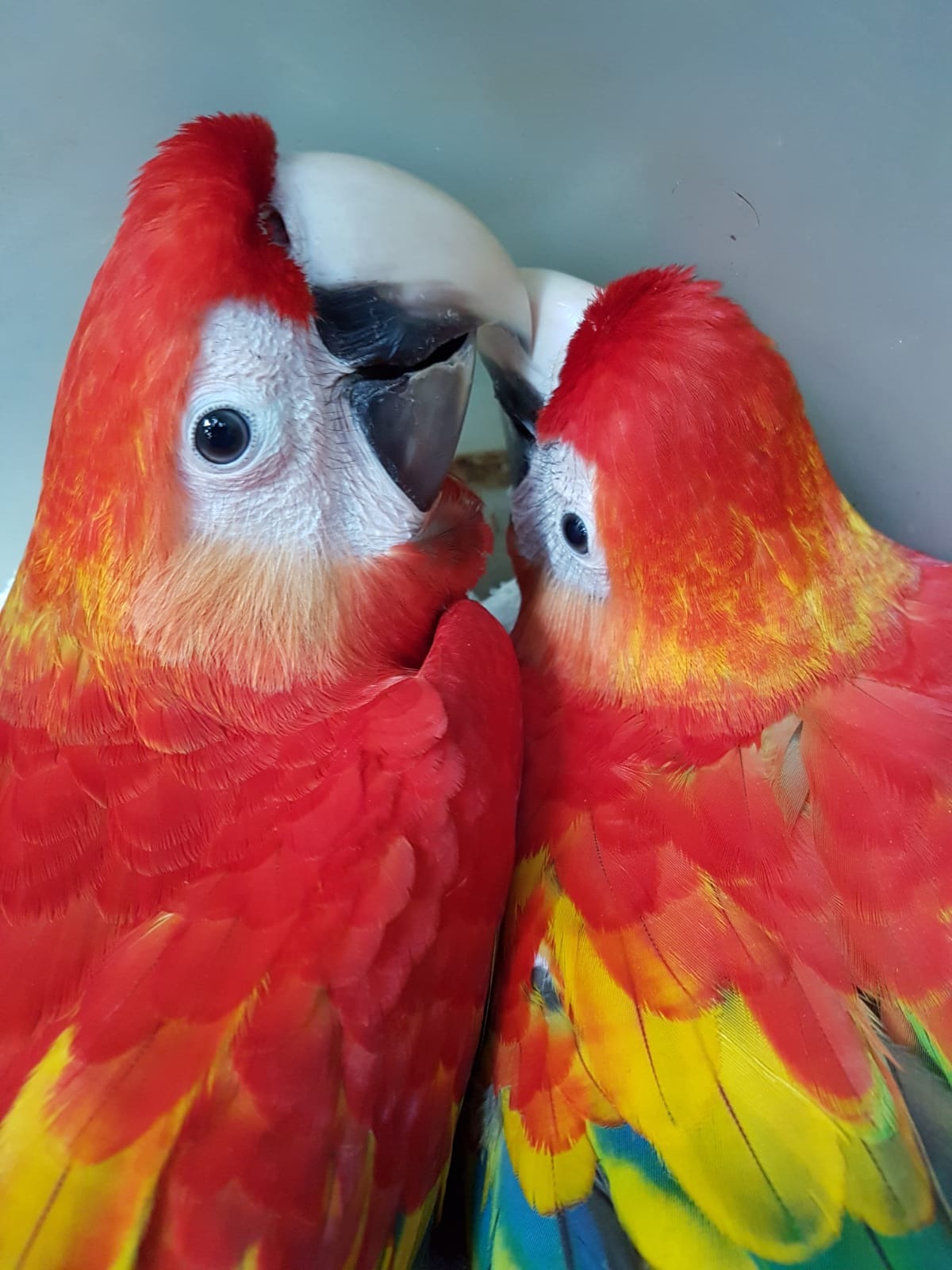
In the heart of the Peruvian rainforest, scarlet macaw pairs are known for their loyalty and teamwork — defending their nests, sharing food, and caring for their chicks side by side. But are these devoted parents truly faithful to one another?
Why this research matters
In many bird species, even pairs that seem inseparable sometimes mate outside their partnership. This behavior, called extra-pair mating, can shape genetic diversity and reproductive success — both critical for species survival.
For macaws, we simply don’t know how often this happens. Field observations alone can’t tell us whether the chicks in a nest belong to both social parents. By uncovering these hidden relationships, we’ll gain powerful insights into how macaws reproduce and how best to protect them.
Our goal
We’re launching the Macaw Parenting Project to reveal the genetic story behind macaw family life. Using cutting-edge whole genome sequencing (WGS), we’ll analyze DNA from adult macaws and their chicks to determine:
- Whether all chicks in a nest share the same parents
- How common extra-pair fertilization is among wild macaws
- What ecological or behavioral factors influence these patterns
This information will help improve conservation strategies for macaws and other threatened parrots across the tropics.
How your support helps
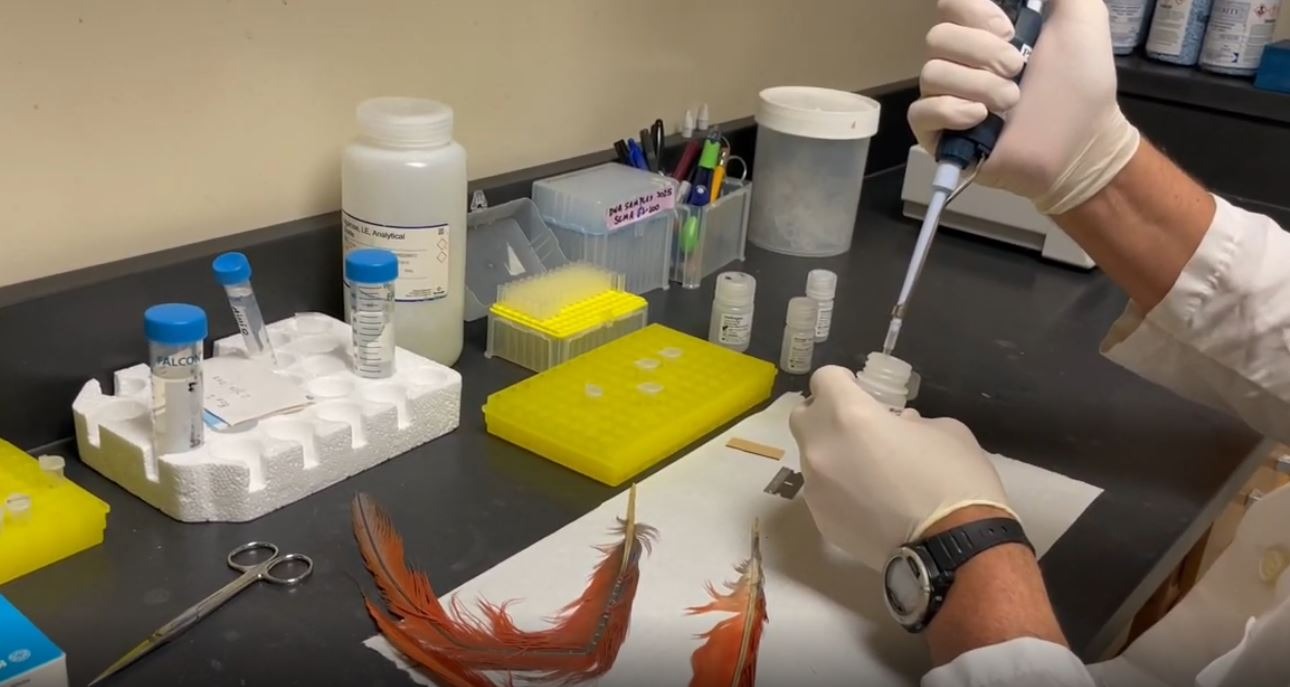
Your donation will fund the lab work and sequencing needed to bring this project to life:
- $25 Lab supplies for processing samples
- $50 Reagents for DNA extraction
- $100 Sequencing the genome of one macaw
- $ 6000 (Goal) Full sequencing & analysis of 60 individuals
- $8000 (SUPER Goal) Full sequencing and analysis of 80 individuals (ALL individuals) + public outreach results
All samples come from our long-term monitoring sites in Tambopata, Peru, one of the most studied populations of wild Scarlet Macaws in the world.
Timeline
- November 2025: DNA extraction
- December 2025: Sequencing at Texas A&M University
- January –April 2026: Data analysis and results preparation
Join us
Every macaw pair has a story — and with your help, we can finally uncover it.
Your contribution, no matter the size, brings us closer to understanding how these magnificent birds build their families and how we can better protect them in the wild.
Donate today and help us reveal the secret lives of Scarlet Macaws.