- T
- F
English (Português em baixo):
There are many types of poverty in the world. However, I dare say that in India, they all come together, challenging the very concept of human dignity.
With this text, I do not intend to do what I have done so far. I won’t romanticize it or make it reader-friendly, like a postcard introducing all the wonders India has to offer. Quite the opposite.
A few days ago, I met a man named Ashok. He was of average height, with large eyes and a timid smile. His English was poor, but good enough to explain that he worked in construction and had a wife. Though she wasn’t beautiful, she was the mother of his three children, making her the most important person in his life. I smiled at his description and agreed.
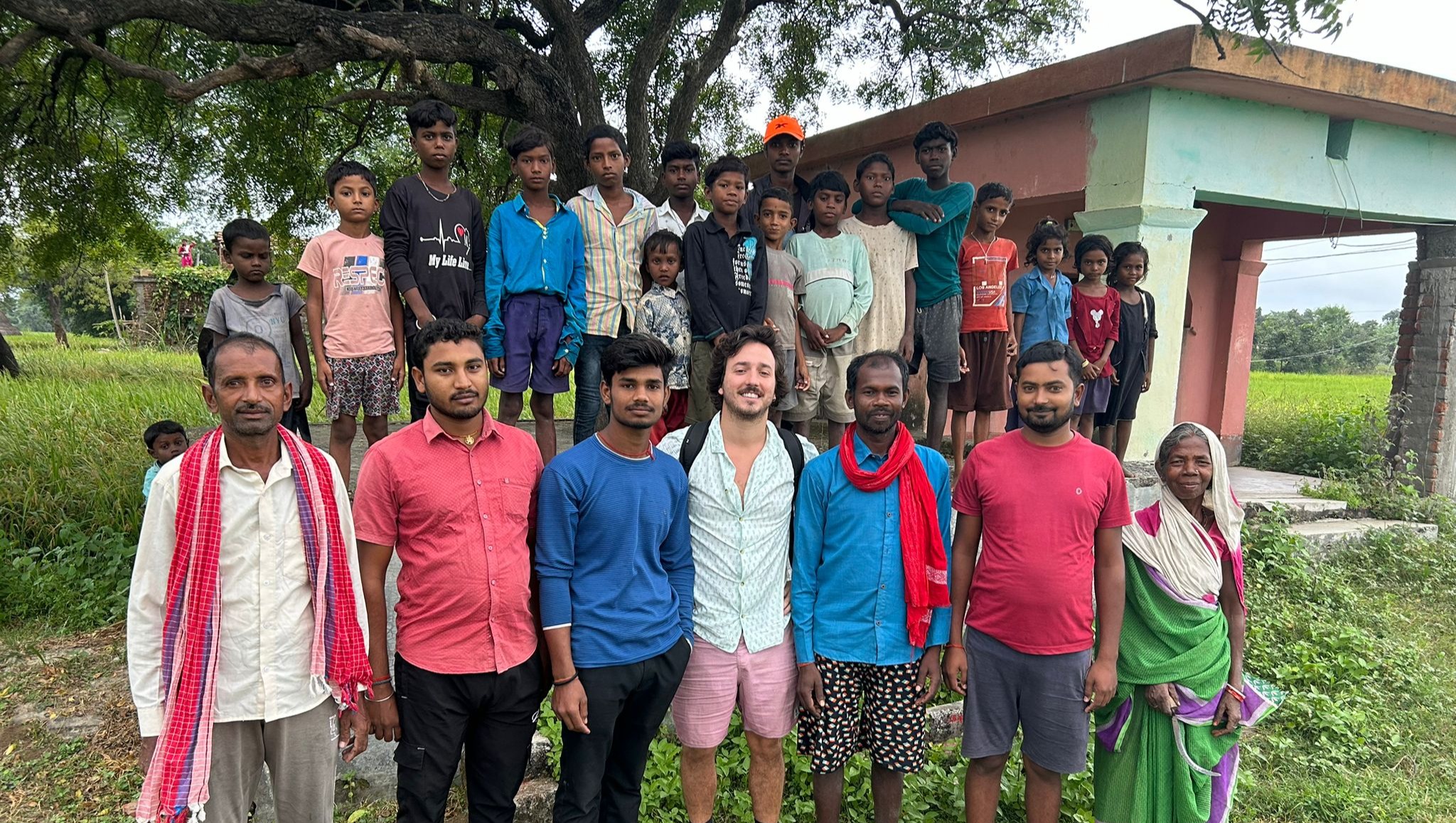
After exchanging a few words, he confessed he had another job. Although it was unpaid, it was too important to skip, even for a day. When I asked about it, he told me that he helped villages in northern India, mainly those in his home state of Bihar. I asked him to take me there; I was curious to see rural India, and there was no better place than Gaya to start.
He was open to the idea, though reluctant. He didn’t enjoy doing it, and the trip would take an hour by motorbike, which would cost some money. On top of that, he had forgotten to fill the tank that morning. After some insistence, Ashok agreed to take me.
The journey, though a bit frightening and not exactly advisable, went smoothly and took no more than an hour and a half.
Before describing what happened, it is essential to explain the following: poverty takes many forms. In large cities, where masses of people gather and where tourists usually roam, thousands of organizations are available to help those in need. The Sisters of Charity, in Kolkata, feed more than three thousand people daily. That’s just one example. In contrast, in rural areas, things are different. People there are neglected by both the government and charitable organizations. If tourists don’t go there, why spend money on them?
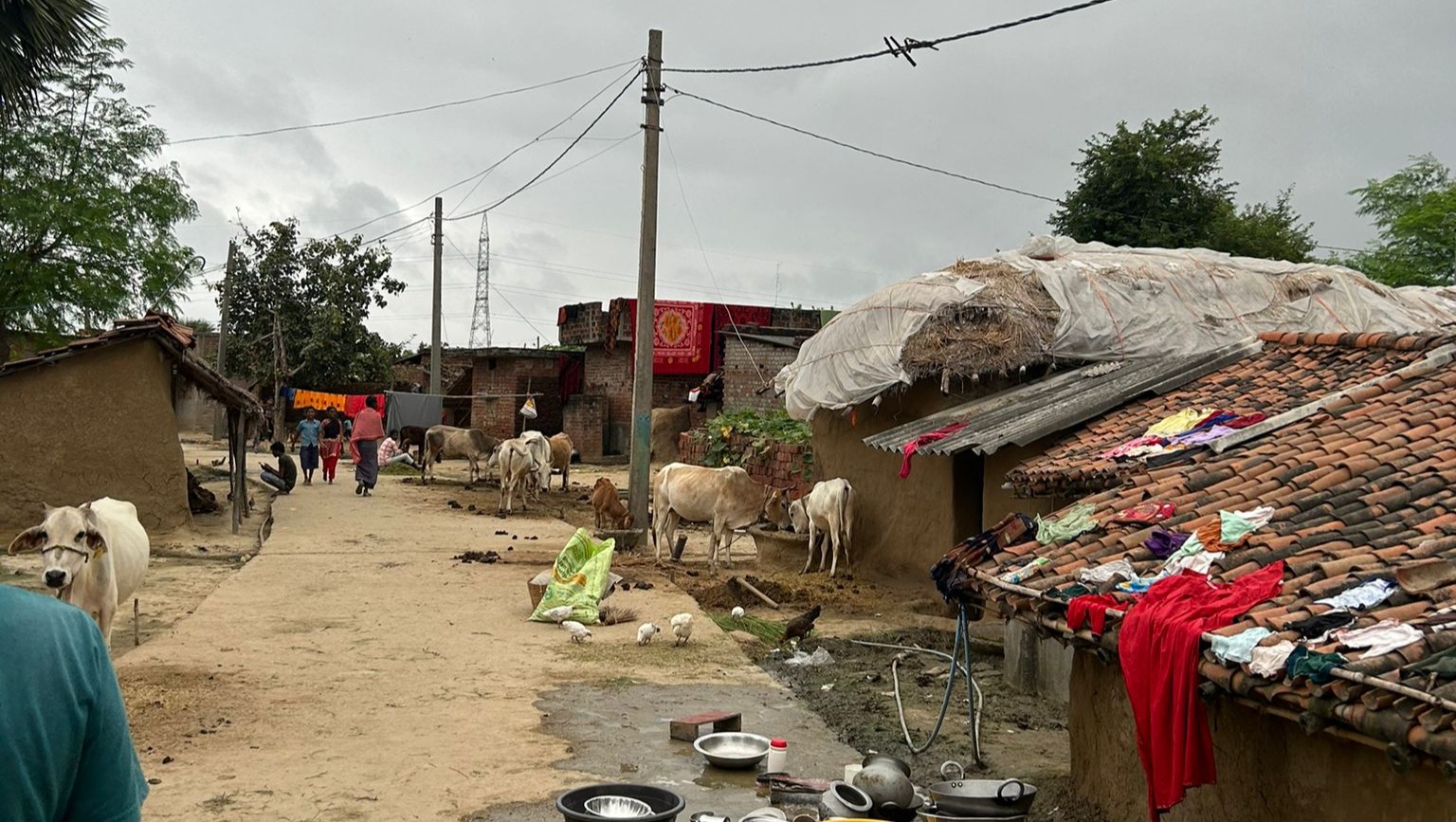
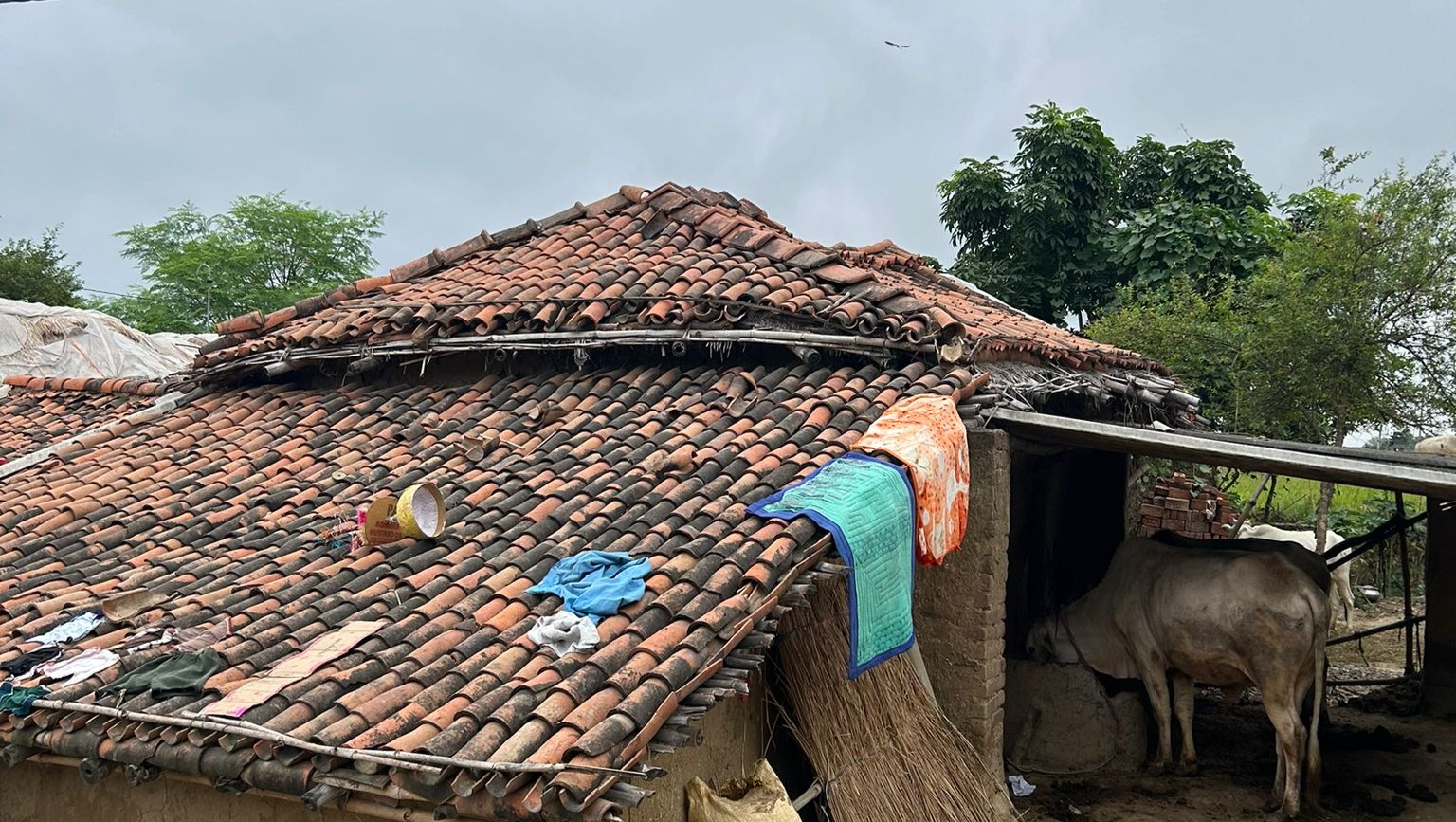
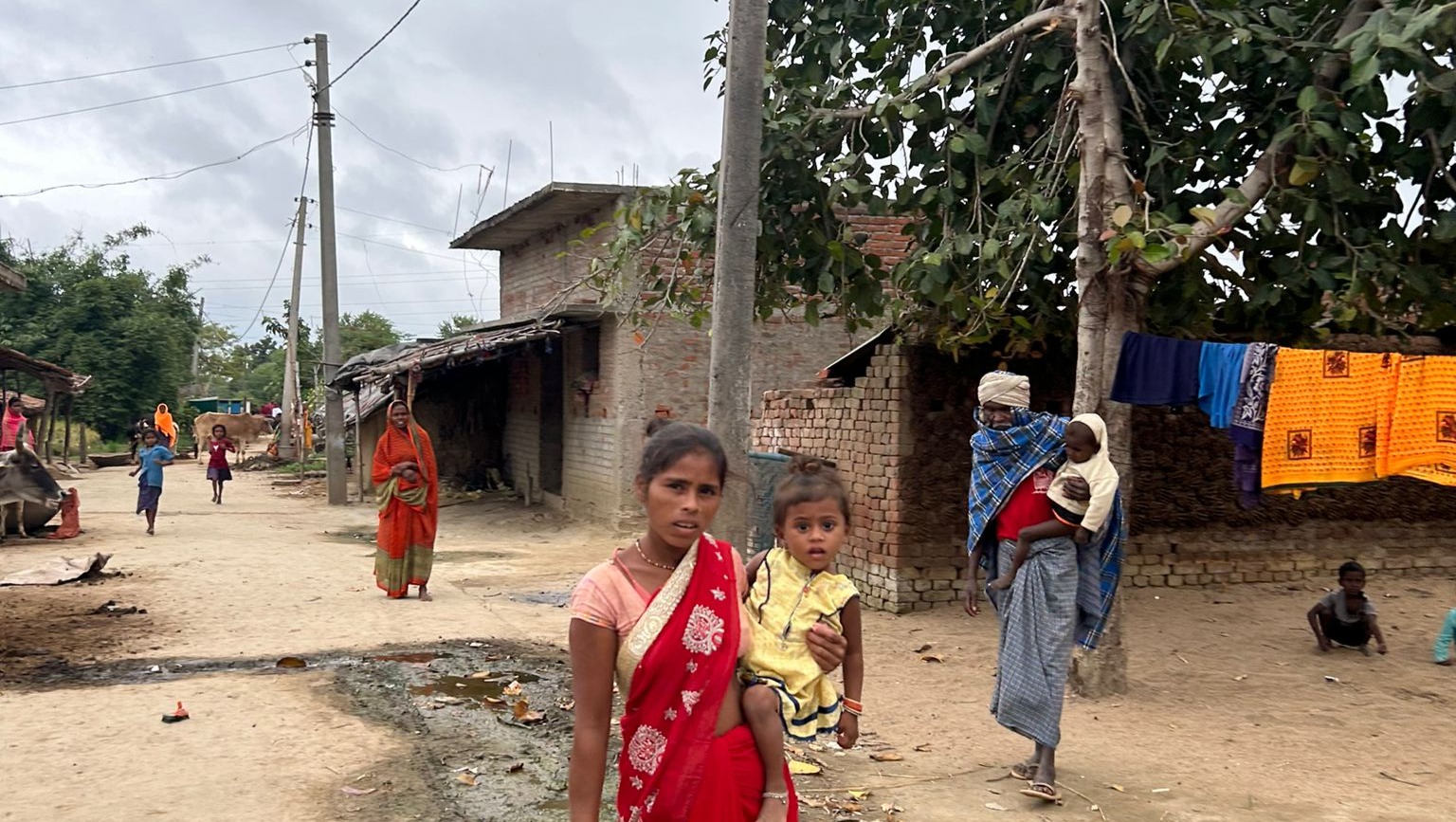
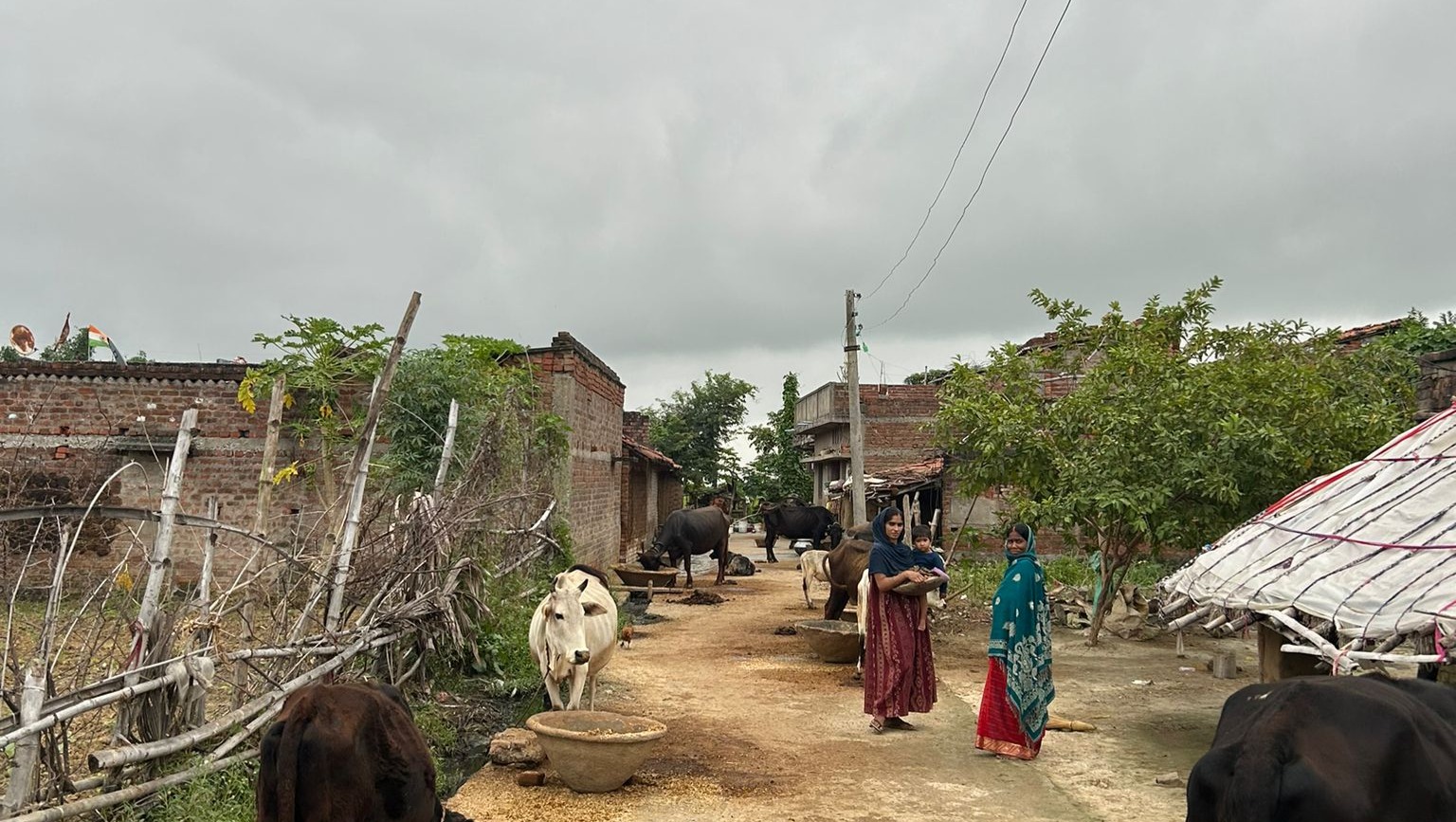
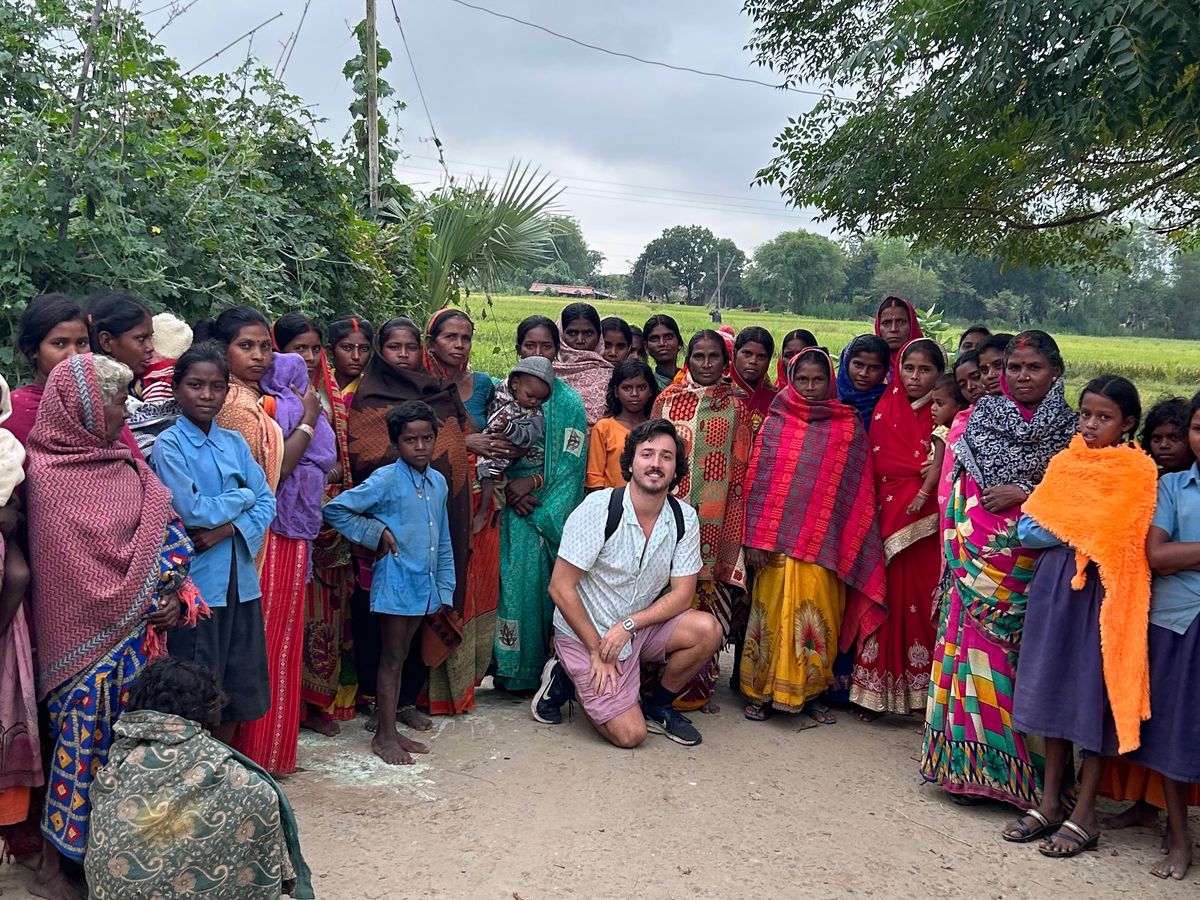
The entrance to the village of Gamahari is daunting. Surrounded by dense trees and endless horizons, the village is home to more than a thousand people. The houses, with no roofs, walls, or floors, are a harsh reminder of how merciless the world can be. The goats and cows are thin and malnourished, just like the children who play with them. The men are shorter than average. The women keep their heads down, avoiding eye contact; the fear of holding onto a hopeful gaze is a burden they prefer not to bear.
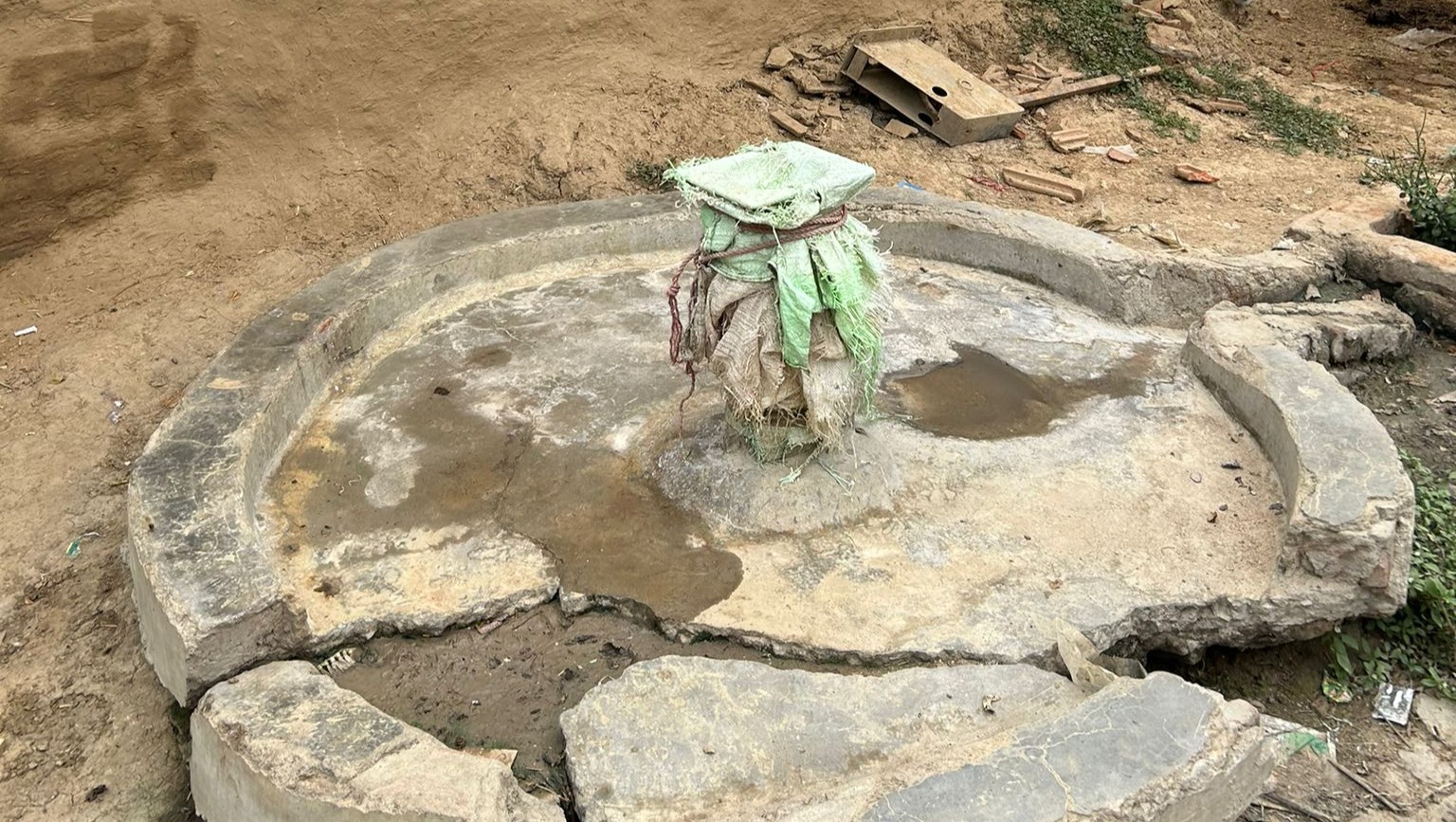
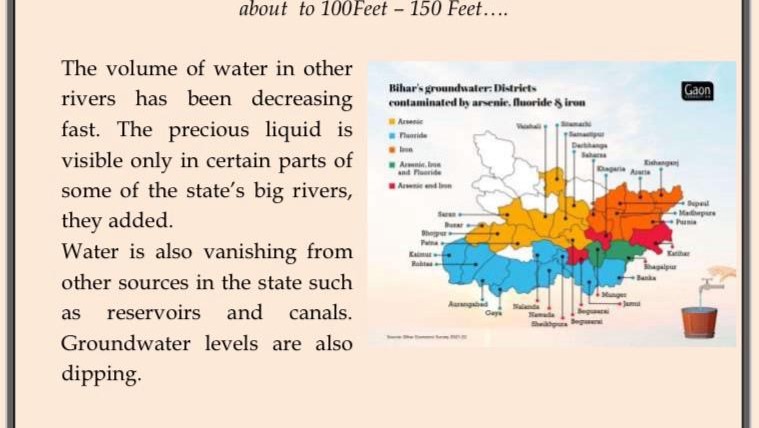
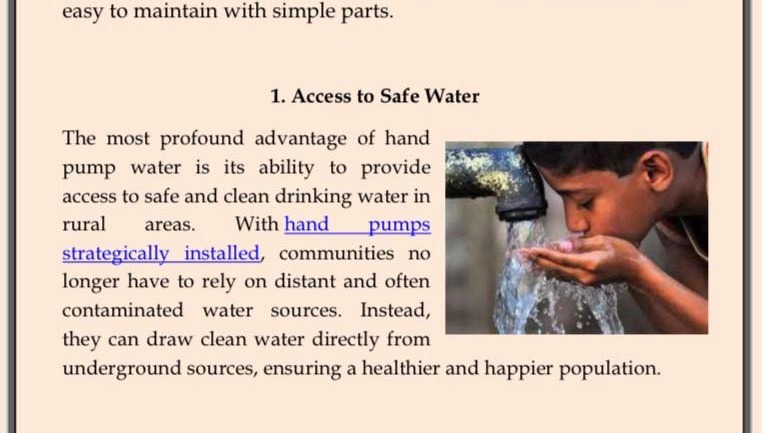
When I asked Ashok what he did to help, he told me he did whatever he could. He had no money, so he mainly collected warm clothes for the winter and ensured that essential medicines were delivered. He explained that the biggest problem was the lack of access to clean water. Every day, a dozen men had to walk ten kilometers to fetch it.
“The nearest water tanks are owned by large private landowners who buy up vast plots of land to control and sell the water,” he explained. The remaining money goes toward feeding livestock, the villagers’ only source of income.
There’s no point in describing my reaction. I’d rather hear yours.
When I began this journey, I decided to volunteer in Kolkata, hoping to witness suffering firsthand and help ease it for those without the means to defend themselves. After Kolkata, I thought I could travel freely, as if spending a month in a support house could redeem me and save the world.
But in my first stop, in Gaya, I realized that no amount of volunteering would ever be enough to save the world. However, let me say this: I can’t do it alone. But with some support, effort, and contribution, perhaps—just perhaps—we can do it together.
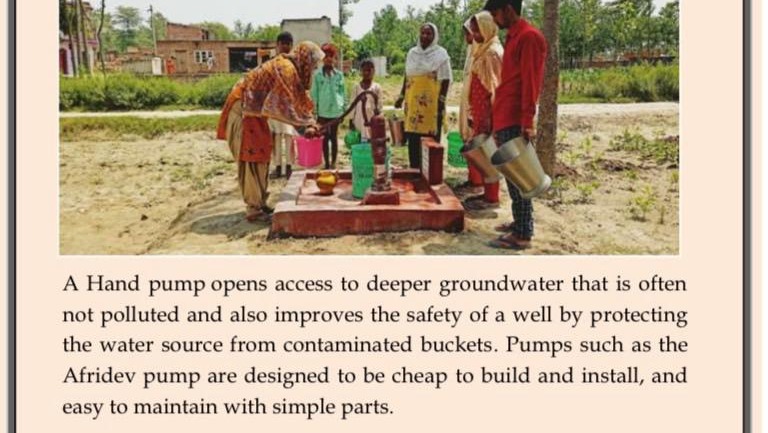
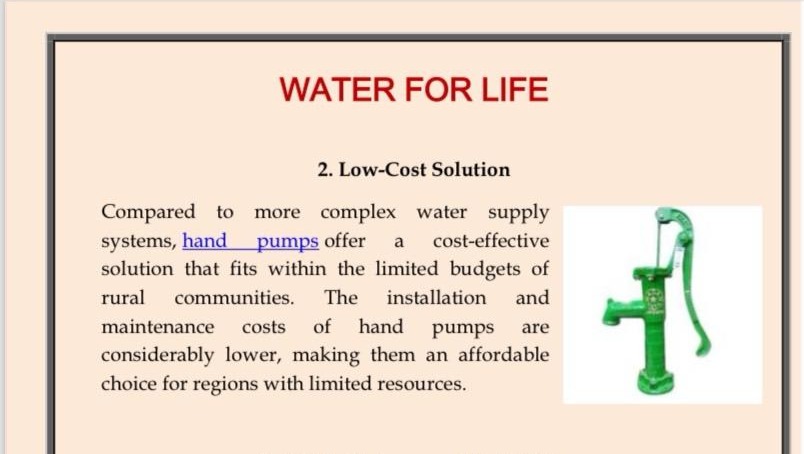
After leaving Gamahari, I joined Ashok and his family for dinner. He explained that each water pump costs 450 euros and that they needed at least four, which would be enough to double the water each person receives—currently only 250 milliliters per day. Read that number again.
He asked if I could help. Any contribution would be welcome, he said, and even five euros could make a difference. I laughed. I explained that I had family, friends, and acquaintances who wouldn’t mind helping. I promised him I would do my best.
I don’t know if it’s the “India effect.” I had never volunteered until a few days ago. I’m not sure if, at the border, they’ll ask me if I fulfilled the unspoken criteria of the foreigner who comes to India thinking they have to help. I have no idea. But I do know that, in that village, someone was thirsty, had no basic hygiene, and died of dehydration.
I also know that I can make life easier. And I will—with your help.
The best way to help is by contributing whatever you can and sharing this page with as many people as possible. Together, we can make a difference!
- Each year, 200,000 people in India die due to the lack of clean drinking water.
- Initially, the money will go into my account and will then be transferred to the person in charge of building the hand pump.
- I have visited other villages, some of which are already equipped with hand pumps.
- Each hand pump lasts, on average, five years.
- Once the money is handed over, it takes ten days to build a hand pump.
- This fundraiser aims to raise 2,700 euros, enough to build six hand pumps. More will be needed in the future.
- The goal is to raise the funds within two months, by the time I leave India.
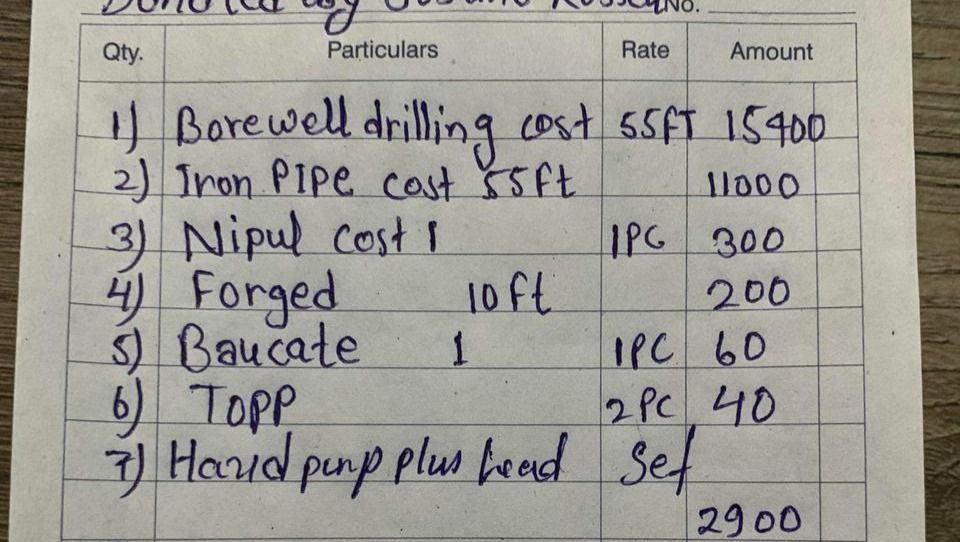
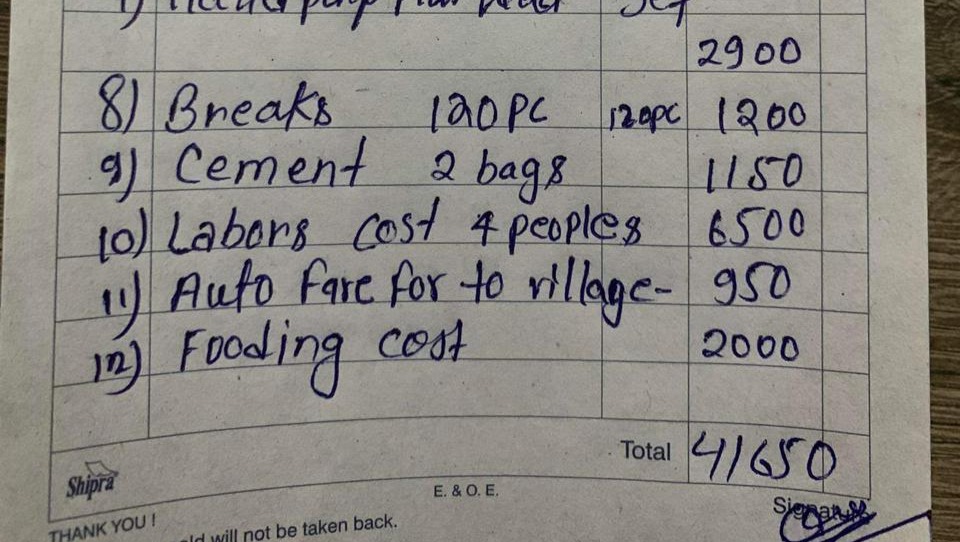
- In the photos, you can find a receipt showing all the details of each hand pump’s cost.
- If you have any further questions, don’t hesitate to ask.
There is no minimum or maximum amount required for donations.
Português:
Existem vários tipos de pobreza no mundo. No entanto, atrevo-me a dizer que é na Índia onde todas se manifestam, desafiando o conceito de dignidade humana.
Não pretendo, com este texto, fazer o que tenho feito até agora. Não o farei de forma romantizada, satisfatória ao leitor, como um postal de introdução a todas as maravilhas que a Índia tem para oferecer. Pelo contrário.
Há uns dias conheci um homem, chamava-se Ashok. Era um homem de estatura média, olhos grandes e um sorriso tímido. Falava mal inglês, mas o suficiente para me explicar que trabalhava nas obras e que tinha uma mulher; embora não fosse bonita, era a mãe dos seus três filhos, o que a tornava o ser mais importante da sua vida. Sorri com a descrição e concordei. Após meia-dúzia de palavras confessou-me que tinha outro trabalho, e apesar de não ser remunerado, custava-lhe horrores deixar um dia sem o fazer. Quando questionado, explicou-me que ajudava algumas aldeias no norte da Índia, principalmente as que estavam no seu estado, Bihar. Pedi-lhe que me levasse lá, tinha curiosidade em conhecer a Índia rural e nada melhor que um local de Gaya para o fazer. Mostrou-se recetivo; não gostava de o fazer, e, além disso, a viagem demorava uma hora de mota, o que custava algum dinheiro, tendo-se ele esquecido de meter gasolina naquela manhã. Após alguma insistência, o Ashok acabou por concordar em levar-me.
O caminho, apesar de assustador e pouco recomendável, fez-se de forma tranquila, não ultrapassando a hora e meia.
Antes de descrever o que se passou, é importante explicar o seguinte: há vários tipos de pobreza. As grandes cidades, onde um enorme número de pessoas se reúne, onde normalmente os turistas passeiam, é, apesar de tudo, um sítio com milhares de associações capazes de ajudar os mais necessitados. As irmãs da caridade, em Calcutá, alimentam mais de três mil pessoas por dia. É só um exemplo. Em contrapartida, no campo, as coisas são diferentes. As pessoas são negligenciadas pelo governo e pelas associações. Se os turistas não vão lá, porque é que se haveria de gastar dinheiro?
A entrada na aldeia de Gamahari é assustadora. Naquele sítio, circundado por arvoredo robusto e um horizonte sem fim, habitam mais de mil pessoas. As casas sem telhado, paredes ou chão, são a primeira amostra de como o mundo pode ser impiedoso. As cabras e as vacas são magras, desnutridas, tal qual as crianças que brincam com elas. Os homens são mais baixos que o normal. As mulheres mantêm a cabeça baixa, não se atrevem a olhar nos olhos de ninguém, o medo de provar um olhar com esperança é uma angústia que preferem não enfrentar.
Quando perguntei ao Ashok o que é que ele fazia, respondeu-me que fazia o que podia, não tinha dinheiro disponível, limitando-se a recolher roupa quente para os invernos e em garantir que os medicamentos essenciais à sobrevivência chegavam. Explicou-me que o maior problema era não terem acesso a água potável, que todos os dias uma dúzia de homens caminhava dez quilómetros para a ir buscar. “Os tanques de água mais próximos pertencem a grandes proprietários privados que compram enormes terrenos para conseguirem usar a água e vendê-la”, explicou-me. O dinheiro que resta é para alimentar o gado, o seu único sustento.
Não faz sentido descrever a minha reação. Prefiro saber a vossa.
Quando iniciei esta viagem decidi fazer voluntariado em Calcutá, uma forma de presenciar o sofrimento e ajudar a que este fosse mais benevolente com os que não têm armas para se defender. Depois de Calcutá, como se estivesse redimido dos meus pecados, poderia viajar livremente, como se um mês numa casa de apoio fosse suficiente para salvar o mundo. Na primeira paragem, em Gaya, apercebi-me que mesmo que faça todos os voluntariados possíveis nunca será possível salvar o mundo. Mas, permitam-me que vos diga o seguinte: eu não consigo, mas com algum apoio, empenho e contribuição, talvez — e só talvez — o consigamos fazer todos.
Após sair da aldeia Gamahari, juntei-me ao Ashok e à sua família para jantar. Explicou-me que cada puxador de água custava 450euros, que precisavam de um mínimo de quatro, o suficiente para duplicar a quantidade de água a que cada pessoa tem direito, 250 mililitros atualmente. Leiam outra vez este número. Perguntou-me se queria ajudar. Qualquer contribuição era bem-vinda, disse, e cinco euros fariam a diferença. Eu ri-me.
Não sei se é o fator Índia. Nunca tinha feito voluntariado até há poucos dias. Não sei se na fronteira me perguntarão se cumpri os requisitos do estrangeiro que vem à Índia e acha que tem de ajudar. Não faço ideia. Sei, por outro lado, que naquela aldeia durante a noite alguém teve sede, que não teve os mínimos cuidados de higiene, que morreu desidratado.
Também sei que posso fazer com que a vida seja mais fácil. E vou fazê-lo, com a vossa ajuda.
A melhor forma de ajudar é contribuir com o que puder e partilhar esta página com o máximo de pessoas possível. Juntos, podemos fazer a diferença!
• Todos os anos, 200.000 pessoas morrem na Índia por falta de acesso a água potável.
• O dinheiro arrecadado será, inicialmente, depositado na minha conta e depois entregue diretamente à pessoa responsável pela construção dos hand pumps.
• Durante a minha jornada, visitei outras aldeias, algumas já equipadas com hand pumps, o que tem feito uma grande diferença na vida da comunidade.
• Cada hand pump tem uma durabilidade média de cinco anos, garantindo água potável por um período considerável.
• A partir do momento em que o valor é entregue, a construção de um hand pump demora apenas dez dias.
• Esta campanha tem como meta reunir 2.700 euros, valor suficiente para construir seis hand pumps. Mas, no futuro, serão necessários mais.
• O objetivo é arrecadar o montante nos próximos dois meses, antes da minha partida da Índia.
• Nas fotografias anexas, podem encontrar o recibo com todos os detalhes dos custos de cada hand pump.
• Se tiverem alguma questão ou dúvida, sintam-se à vontade para perguntar.
• Não há limite nem valor mínimo para doações. Toda a ajuda é bem-vinda e fará a diferença!