- J

Support My Independent Native & Float Copper mineral ore specimens Exploration Project in Michigan’s Upper Peninsula
Help fund my independent search, collection, and documentation of native copper discoveries throughout Michigan’s Upper Peninsula
My name is Robert Polgar, and I’m an independent prospector and field collector dedicated to discovering and documenting native copper and geological mineral formations in Michigan’s Upper Peninsula.
I live and reside in Michigan born and raised!
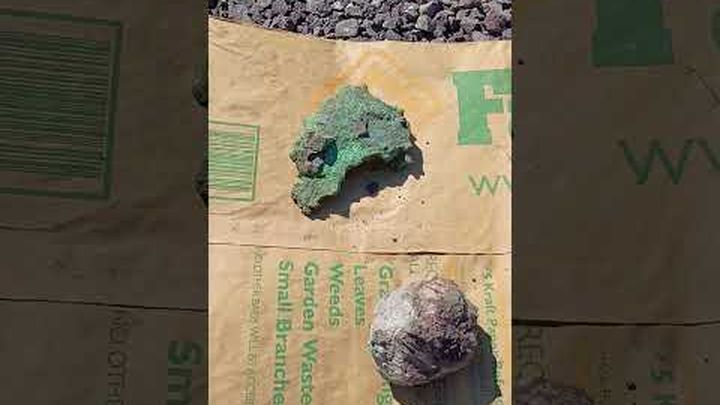
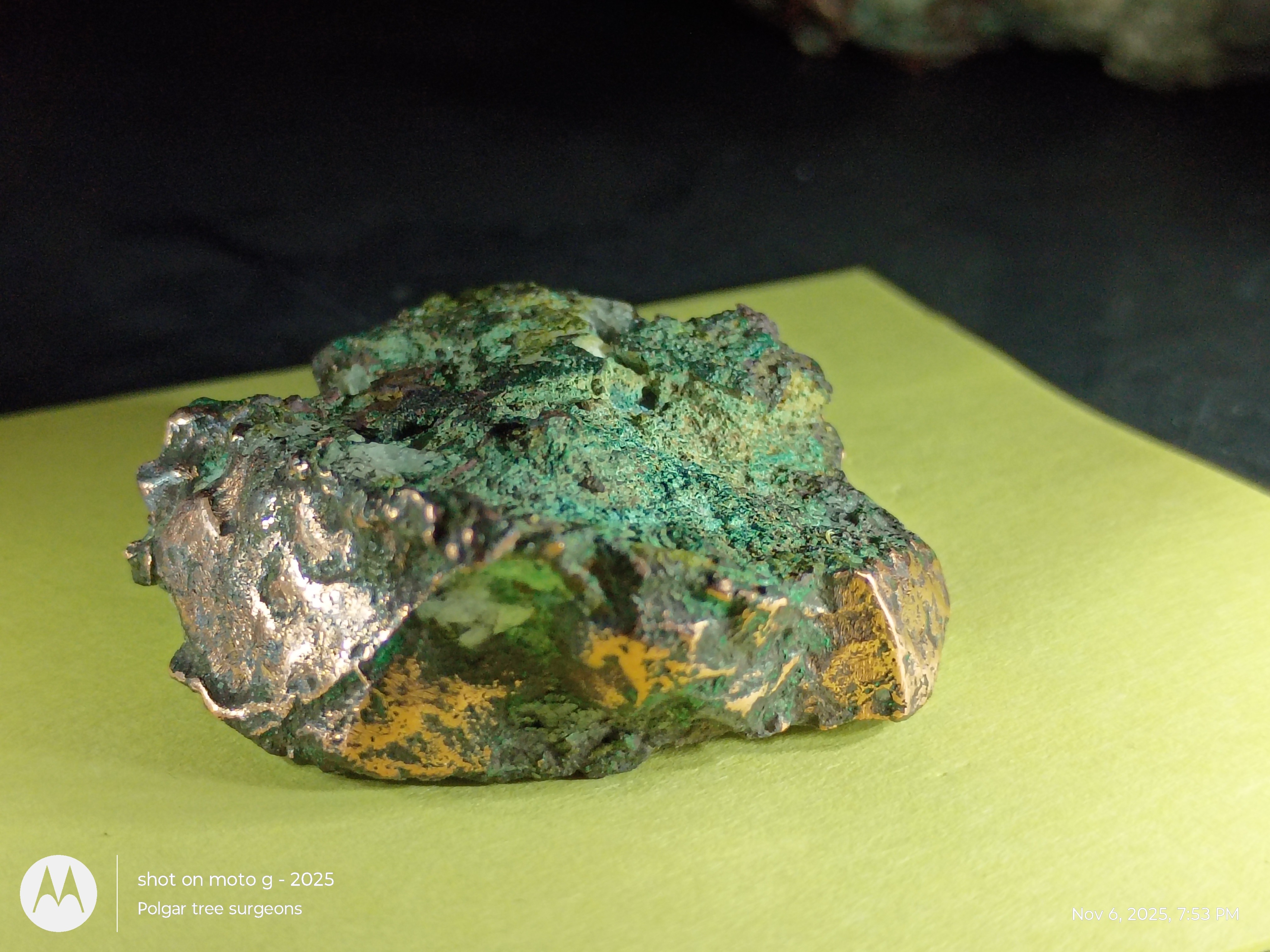
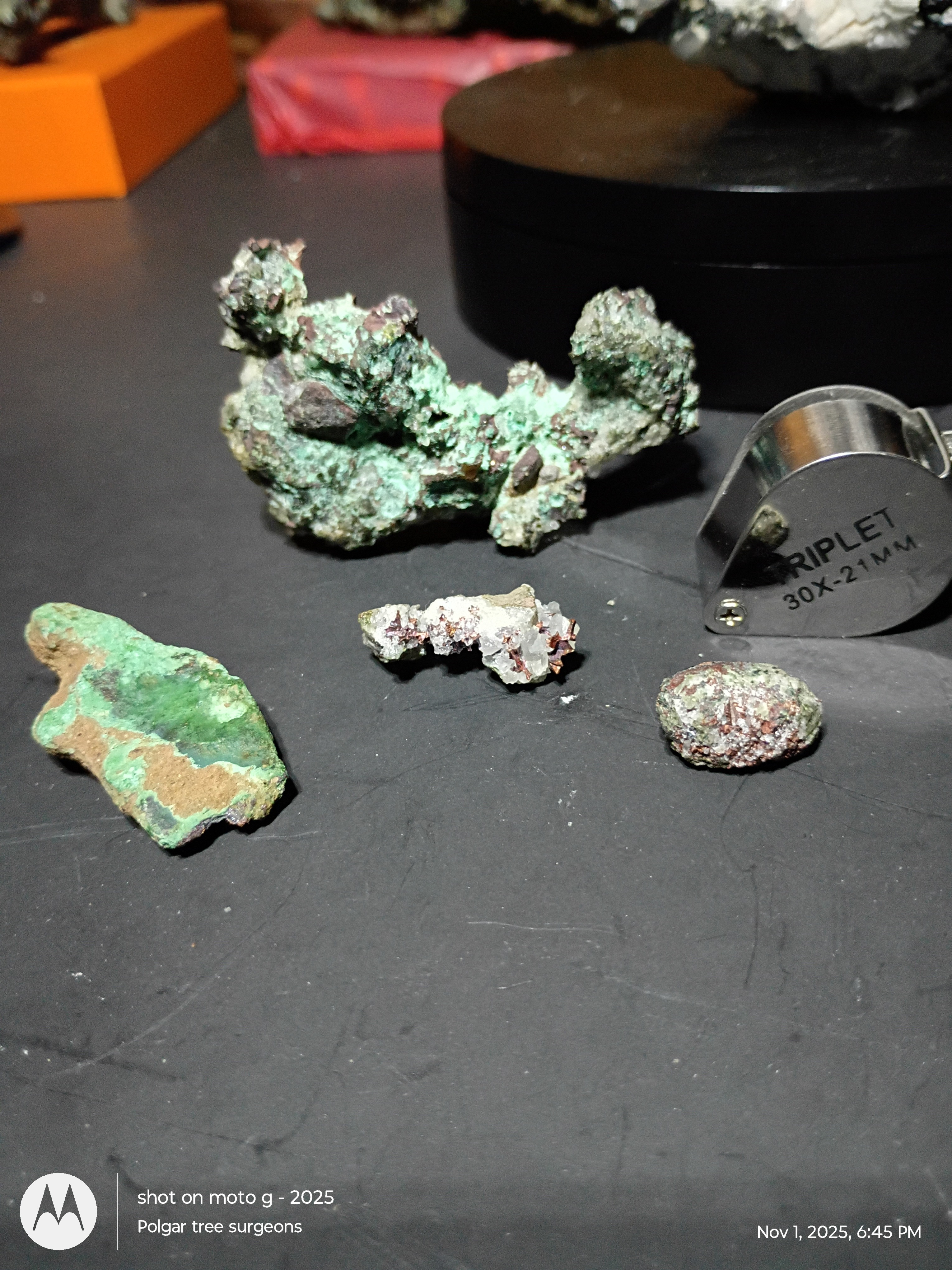
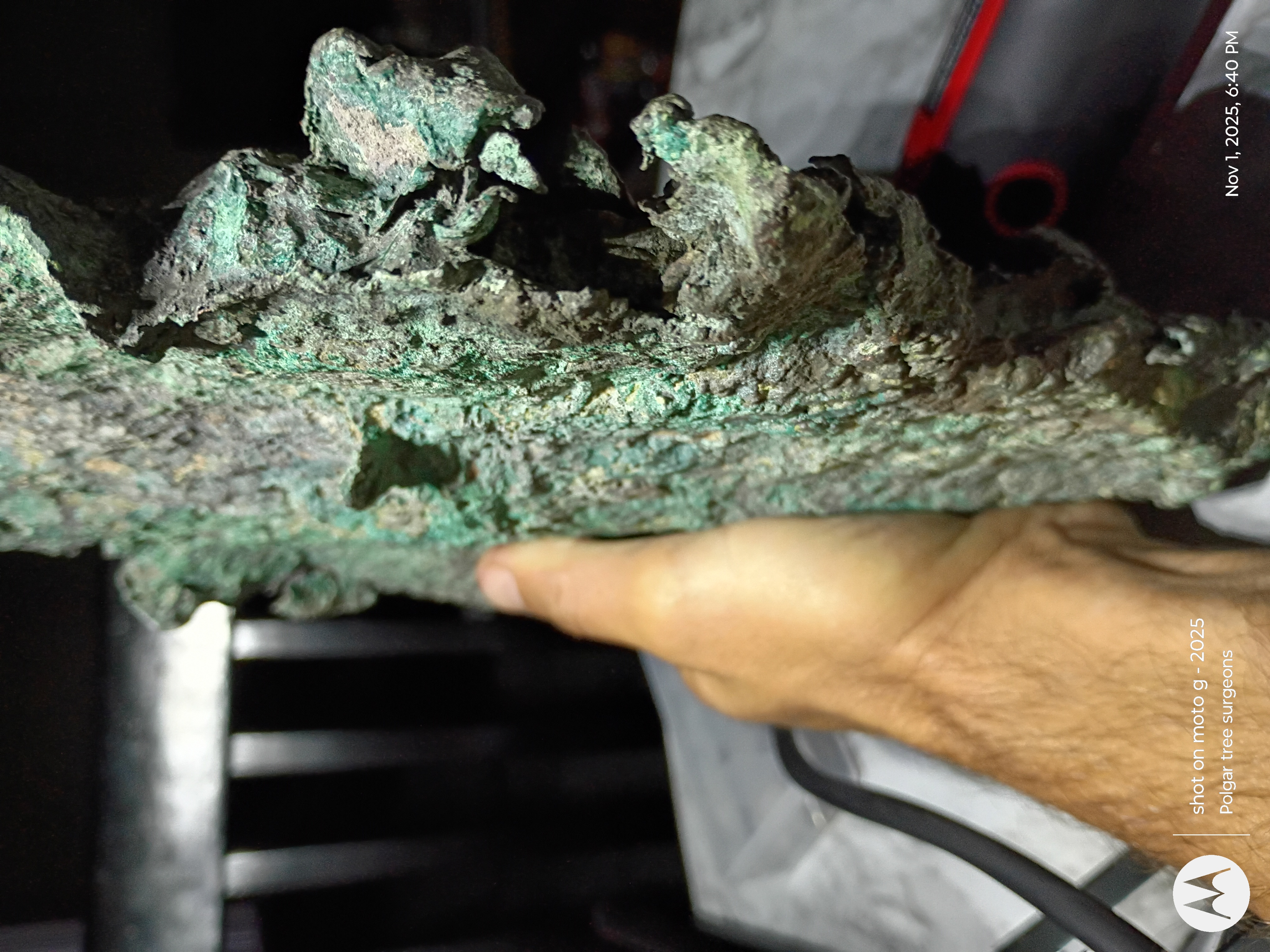
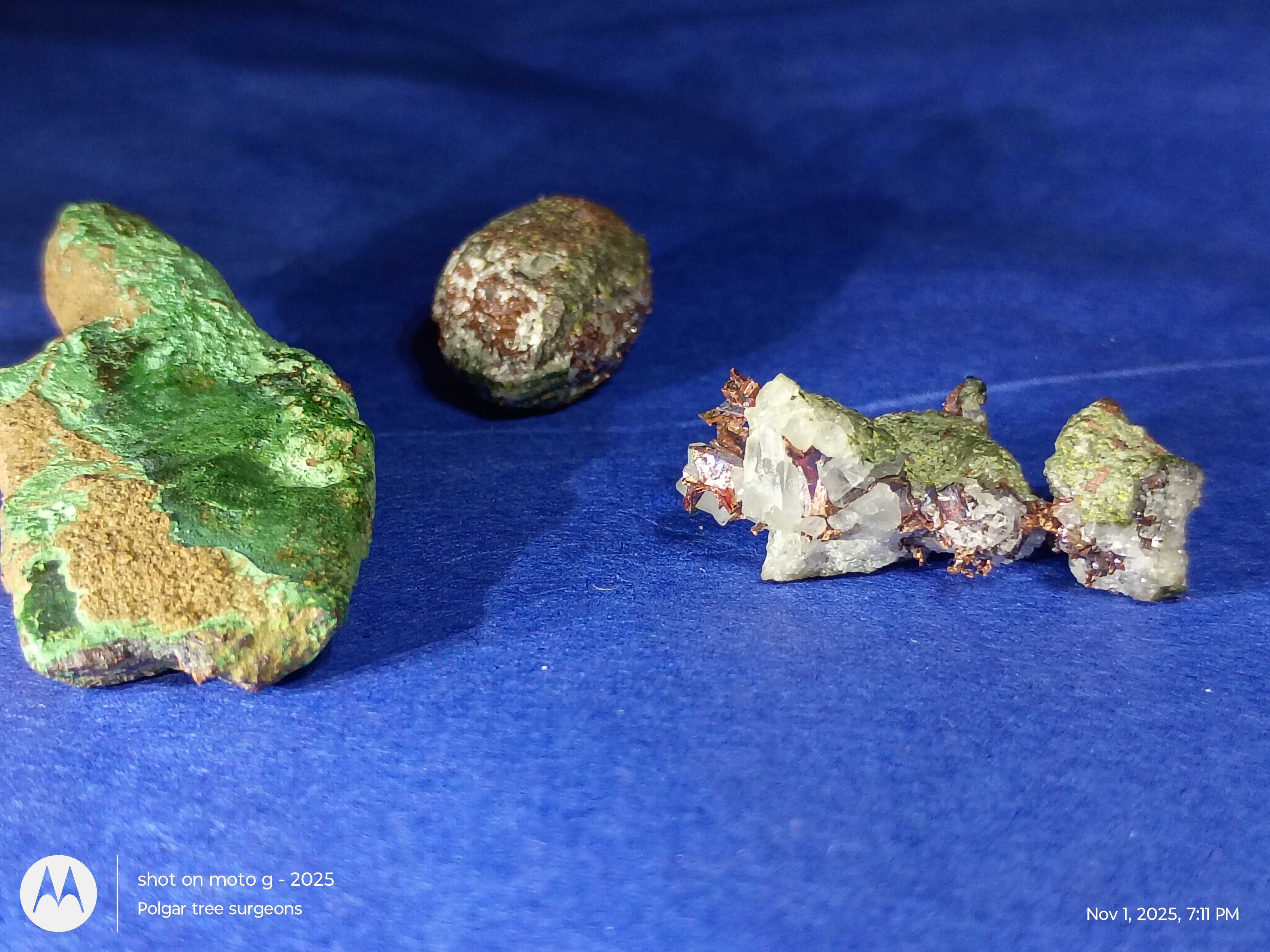
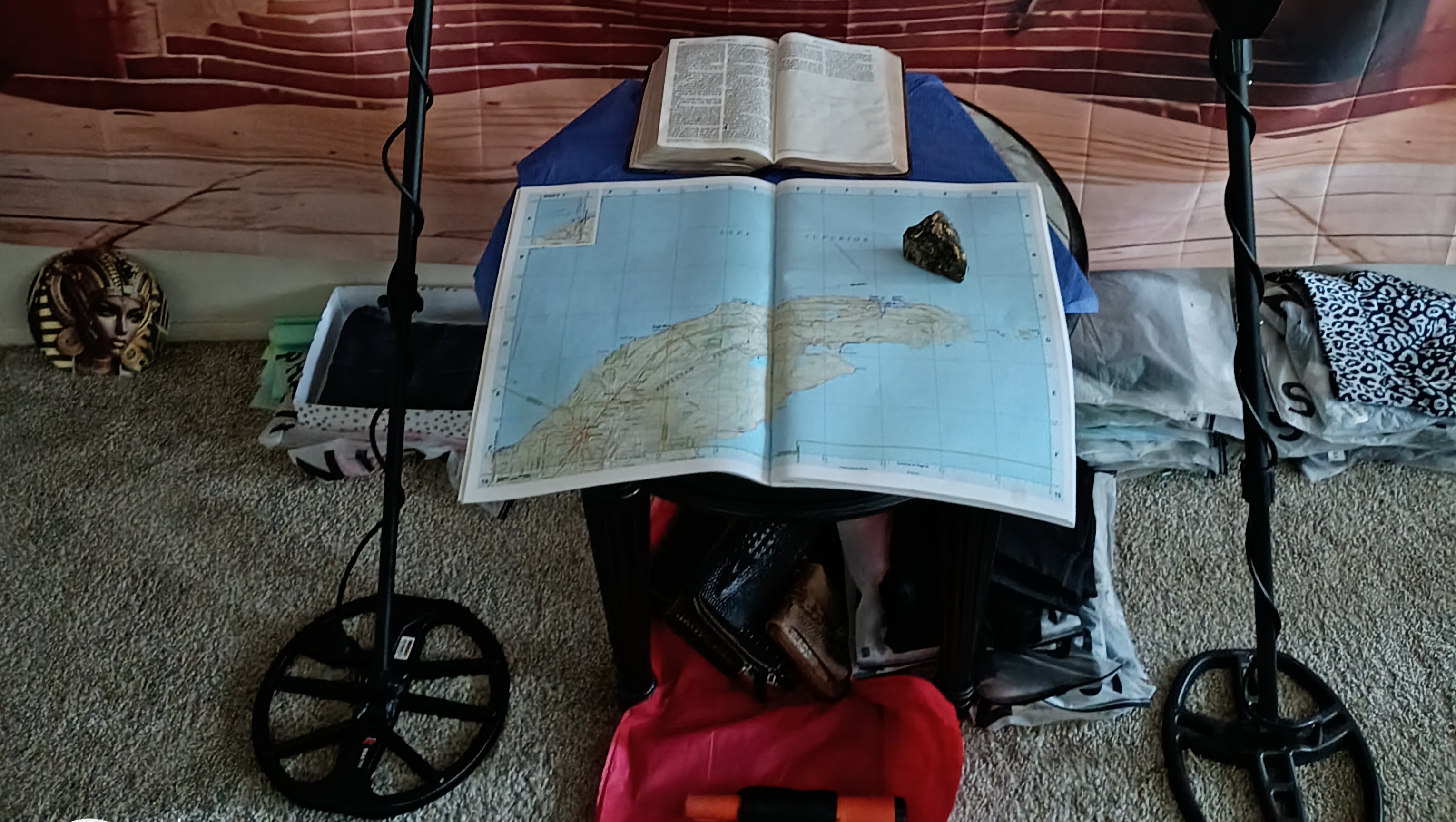
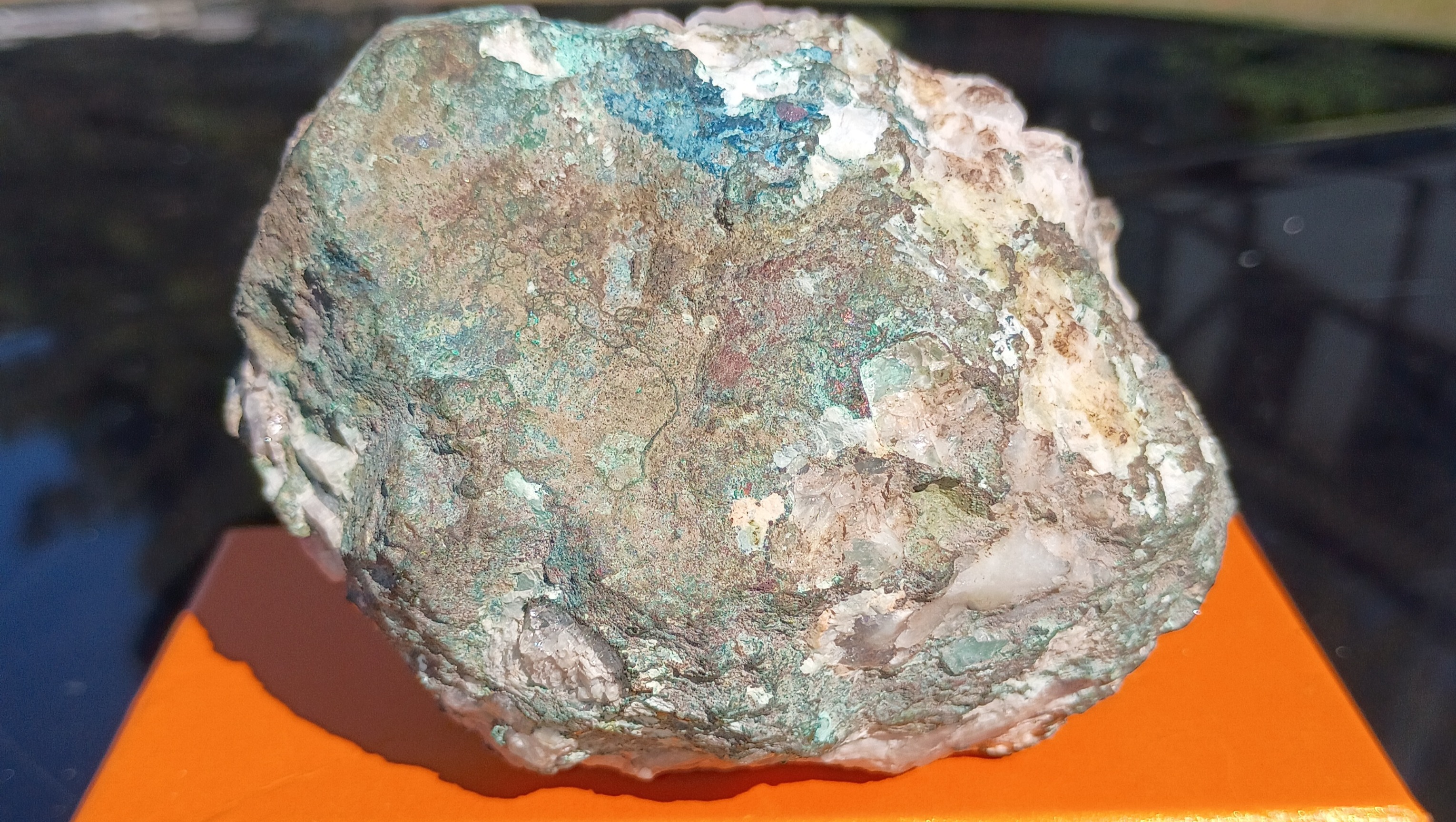
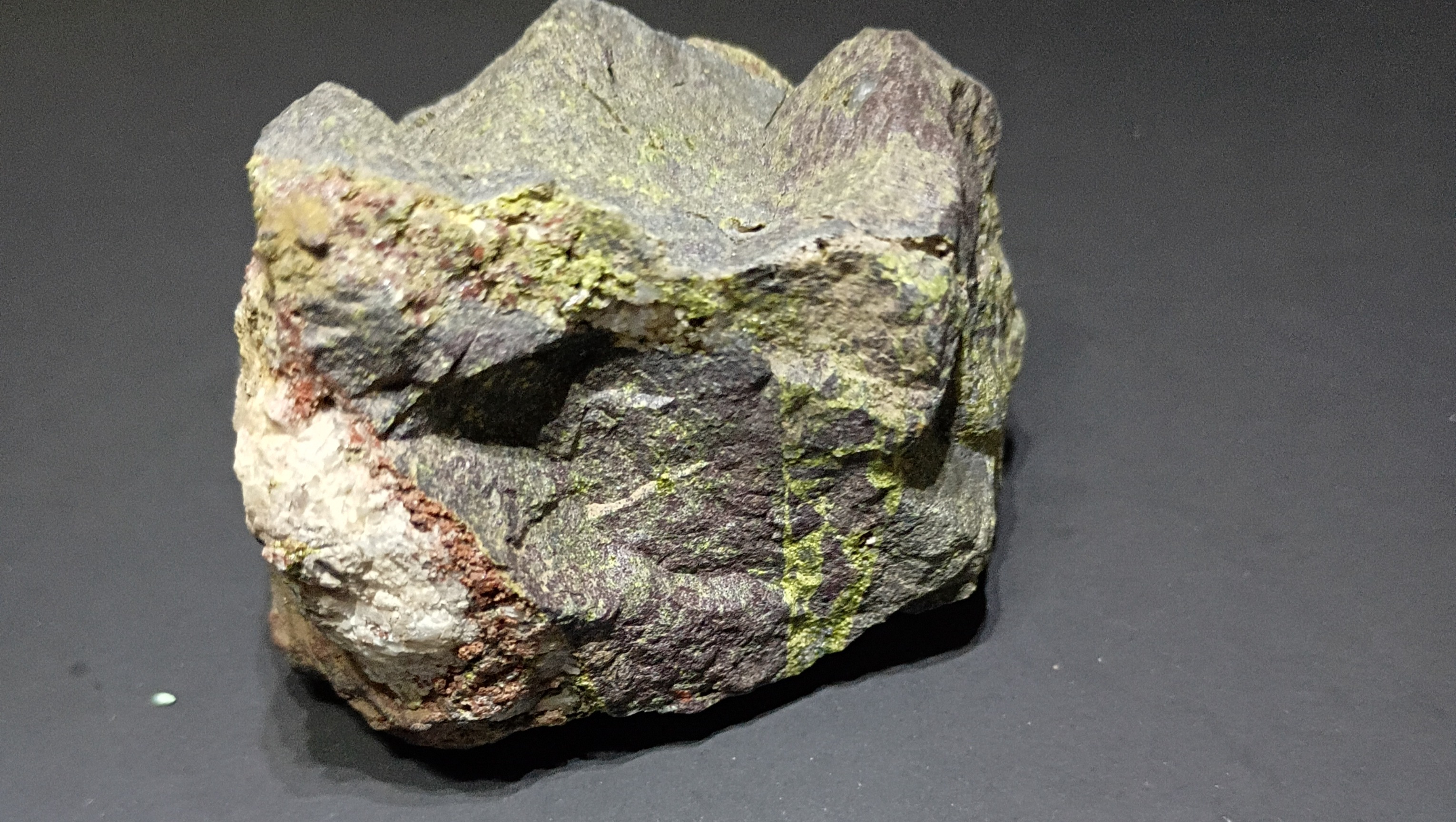
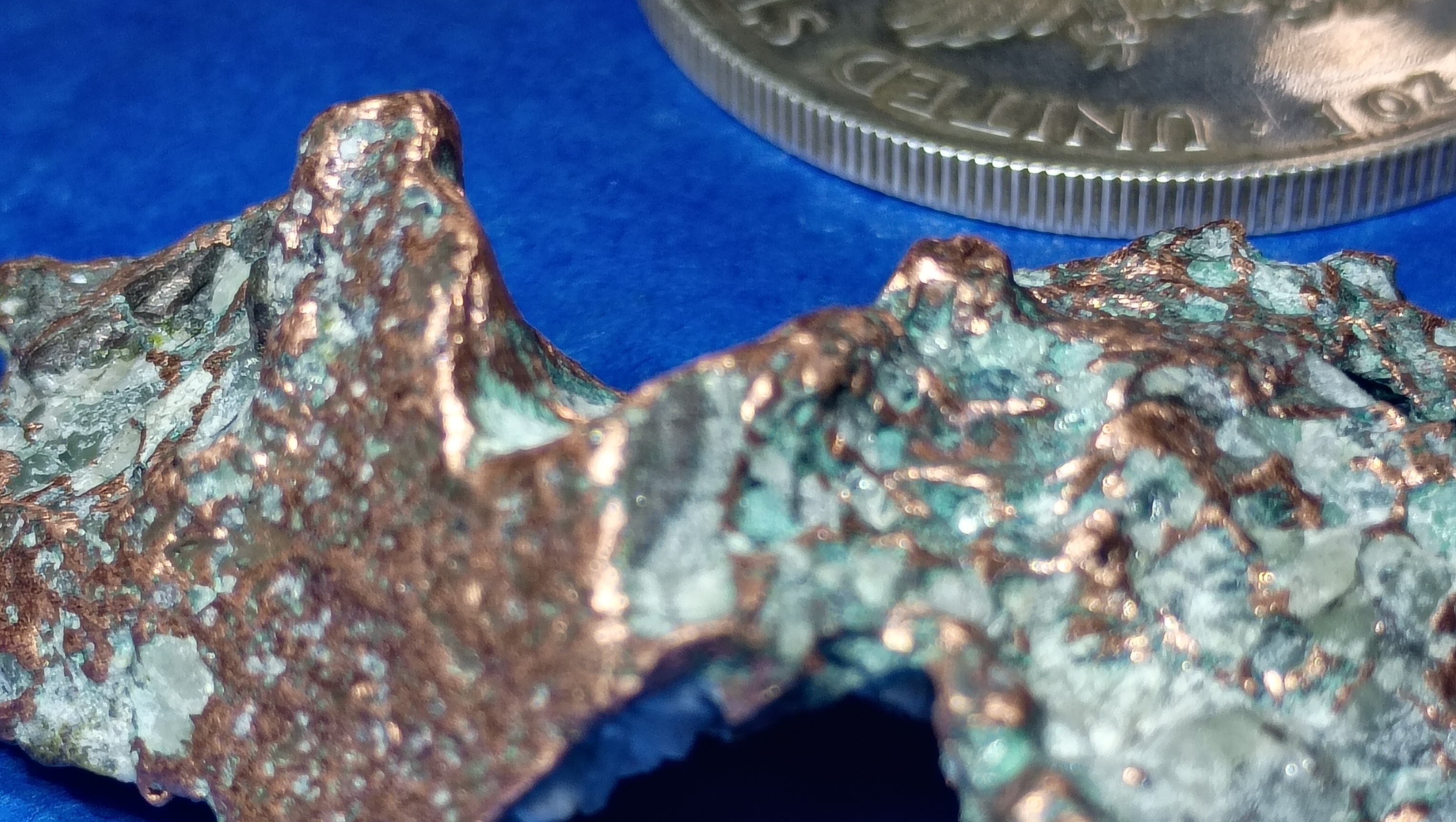
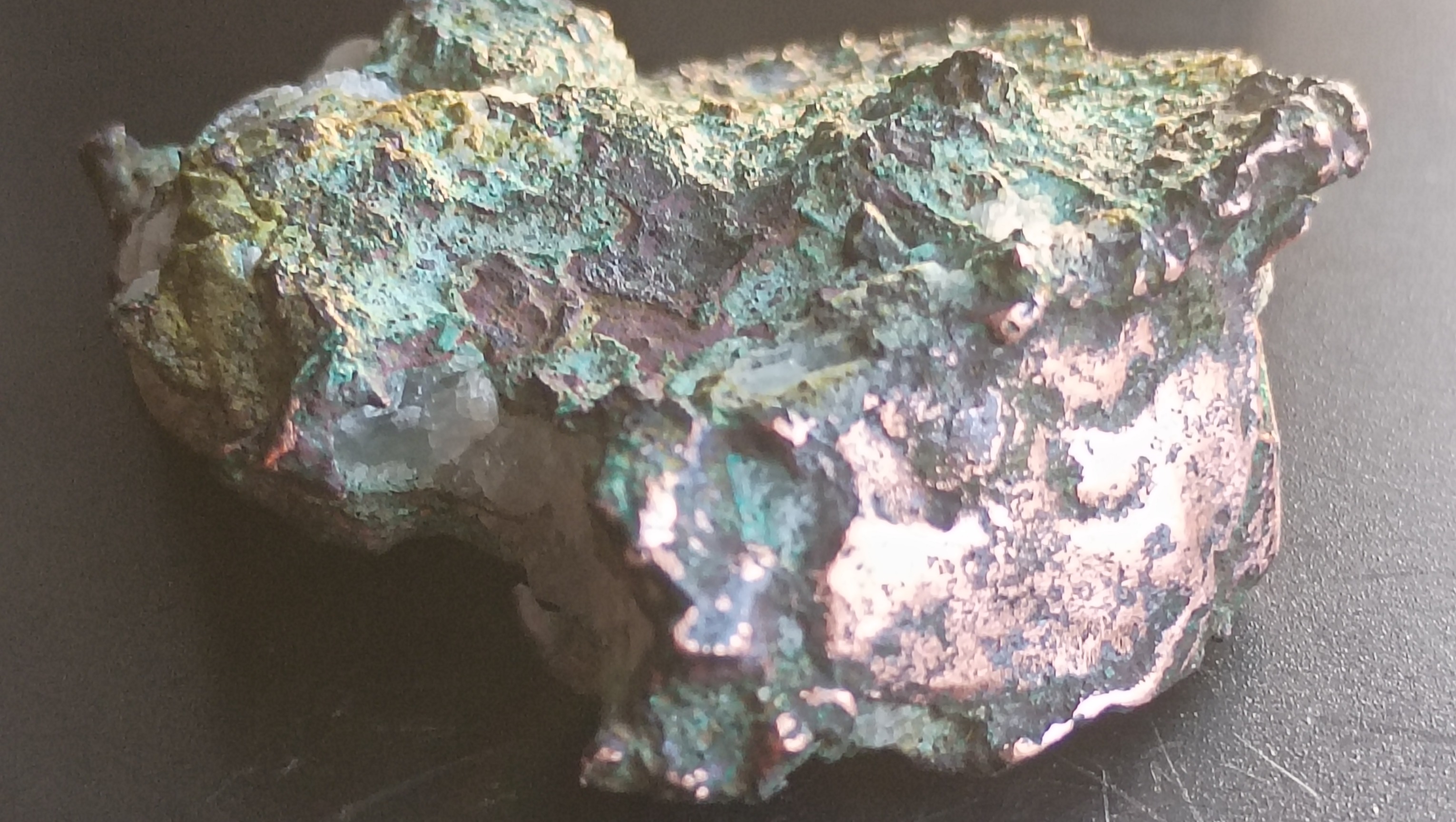
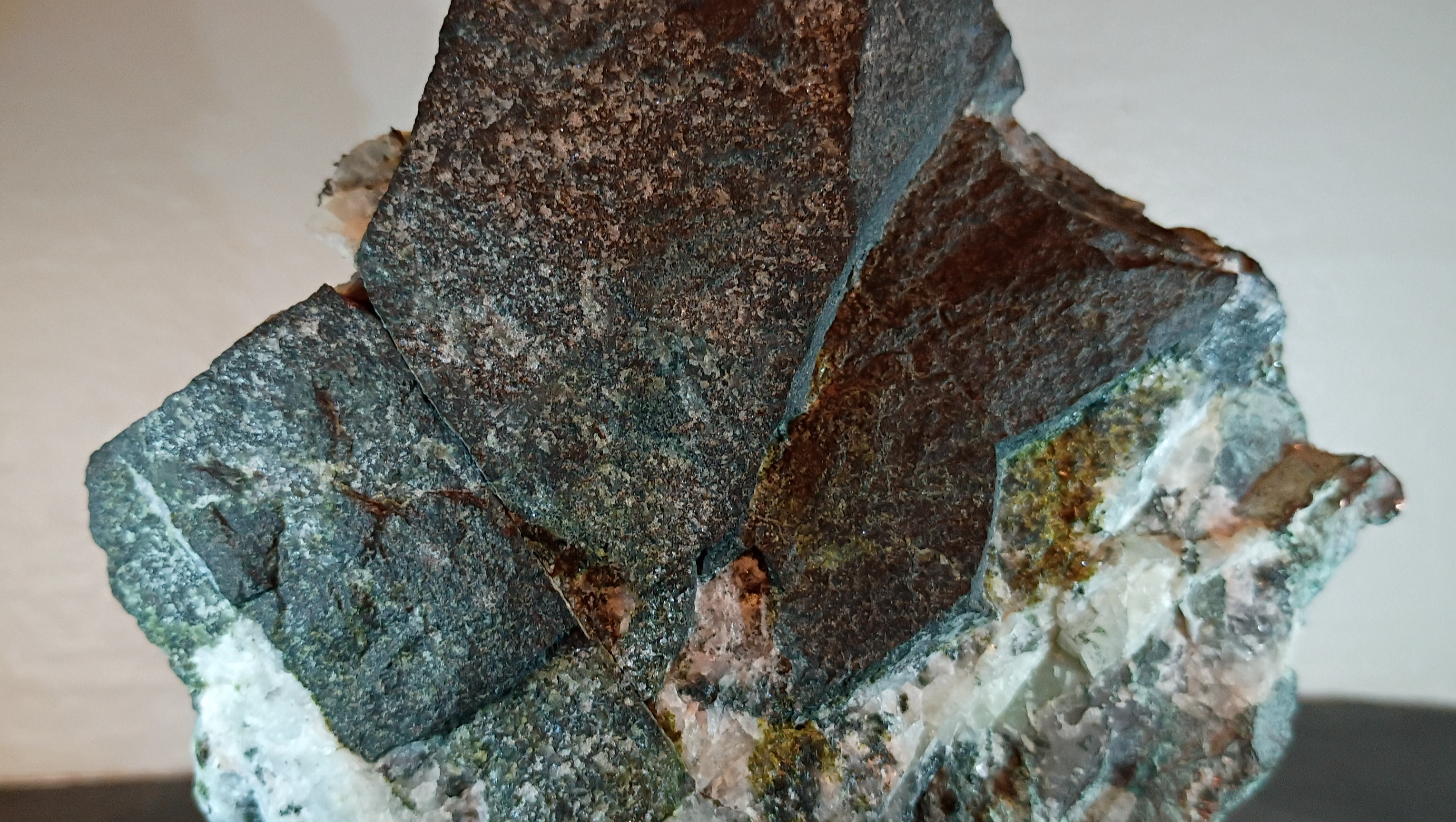
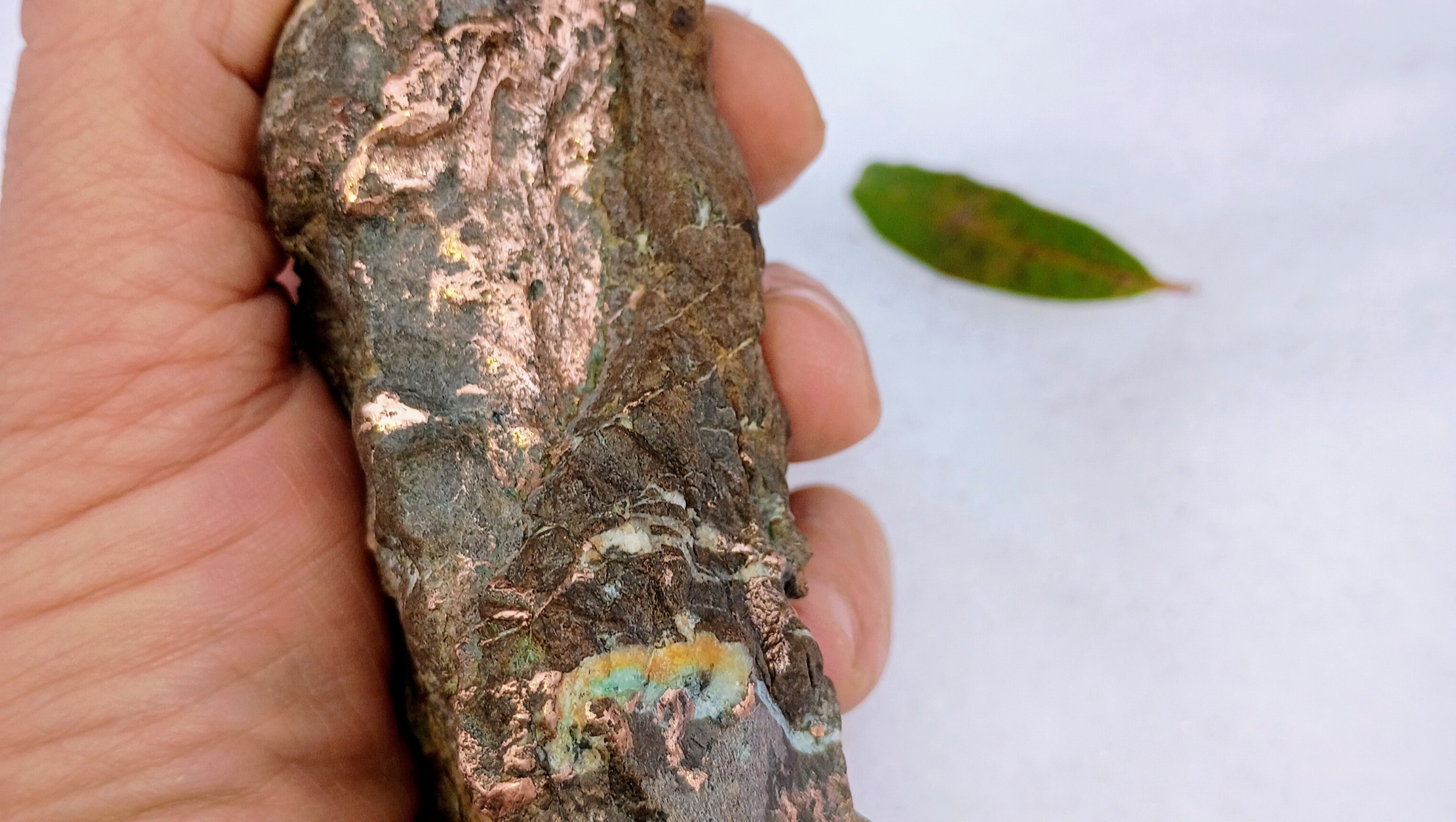
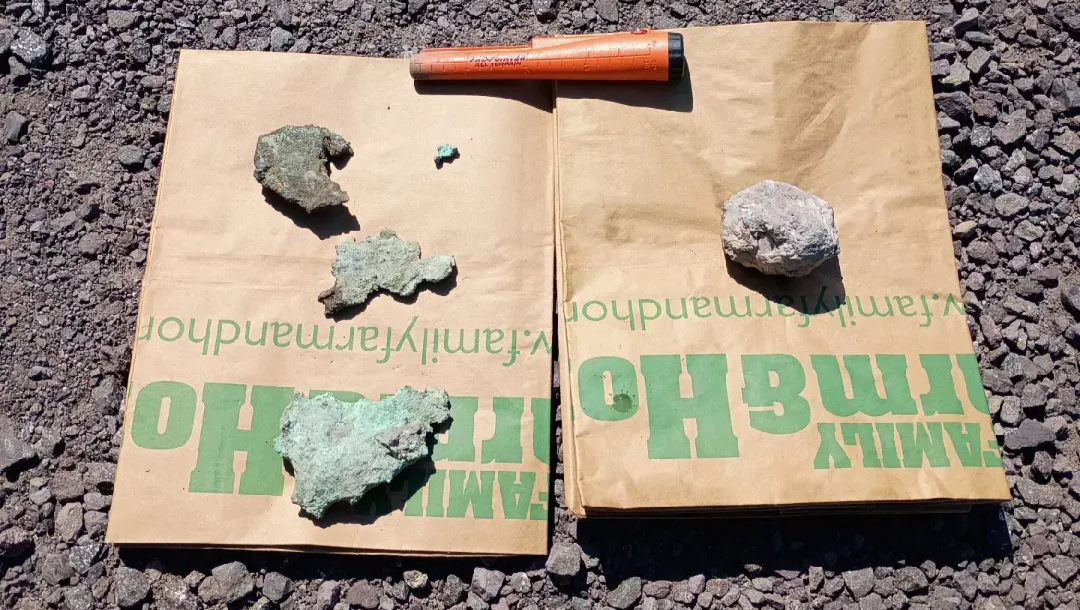
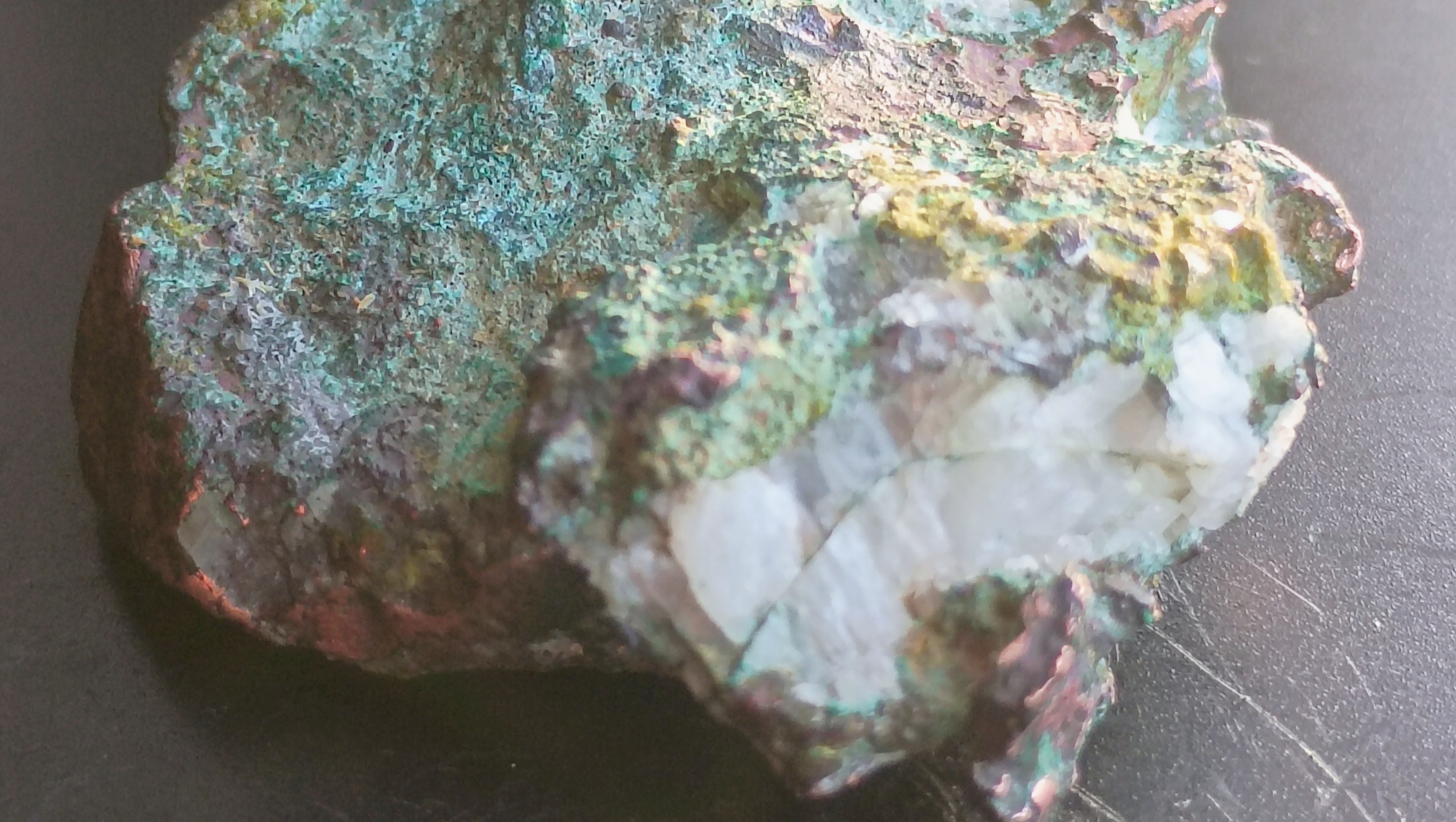
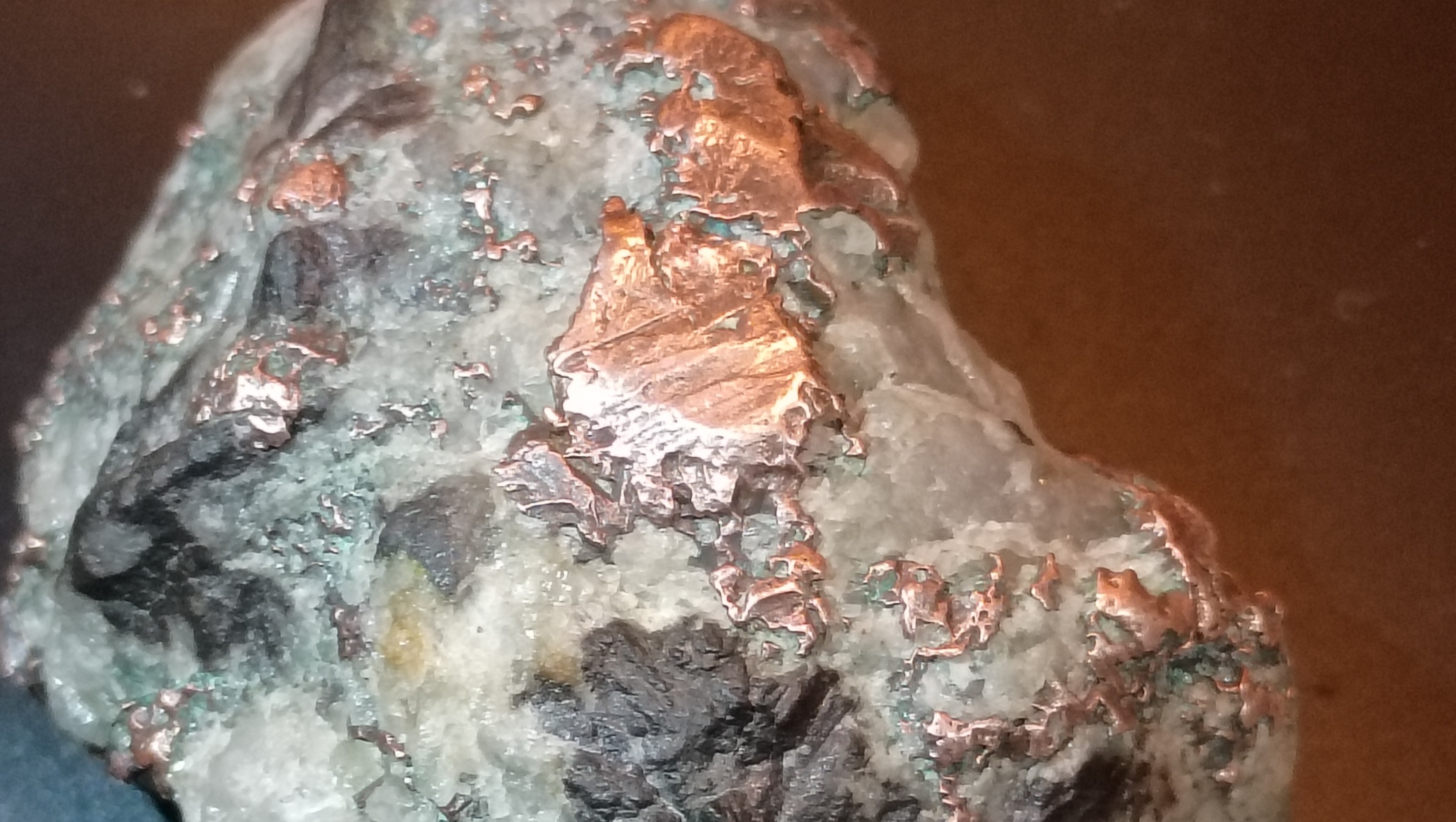
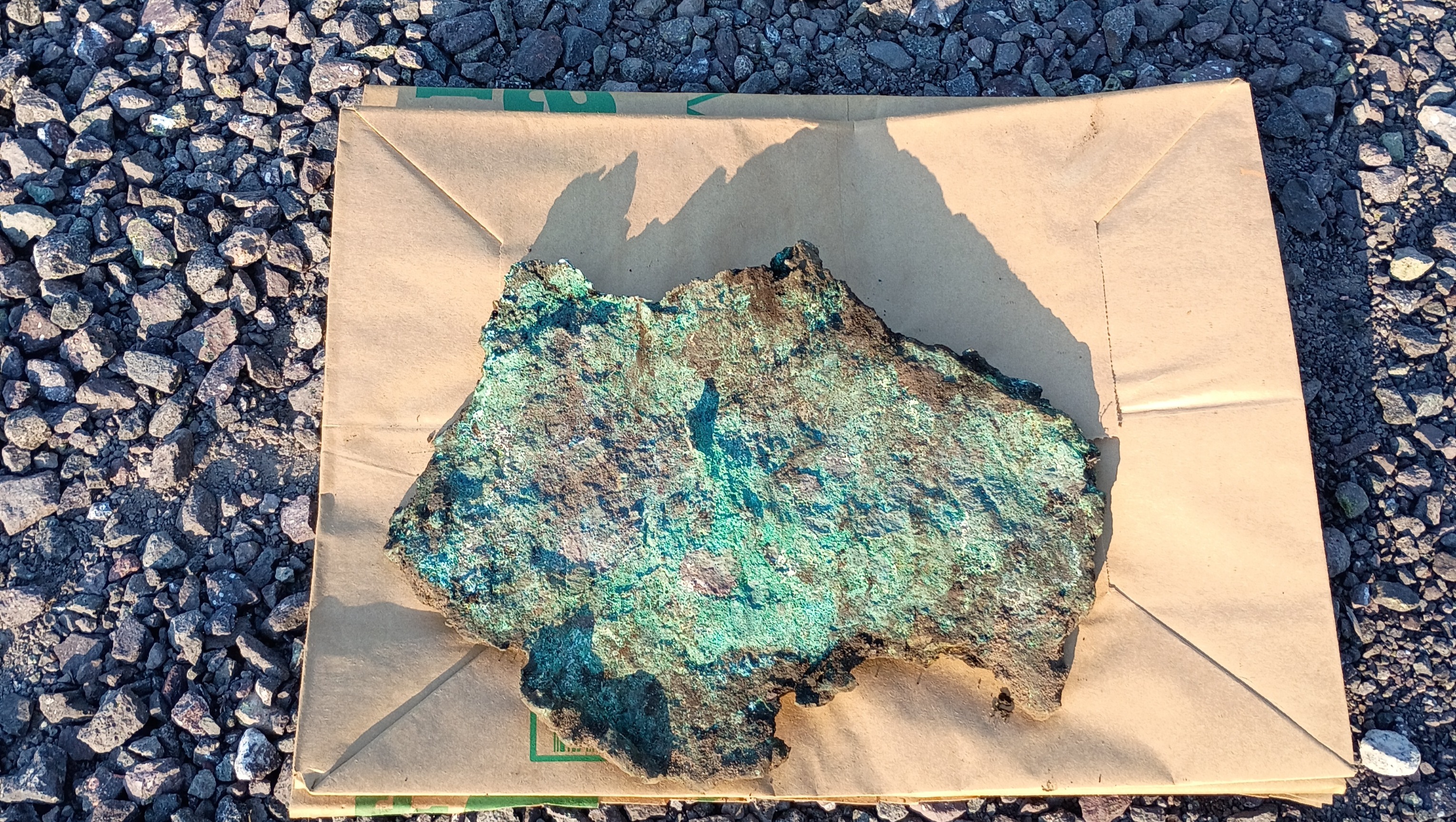
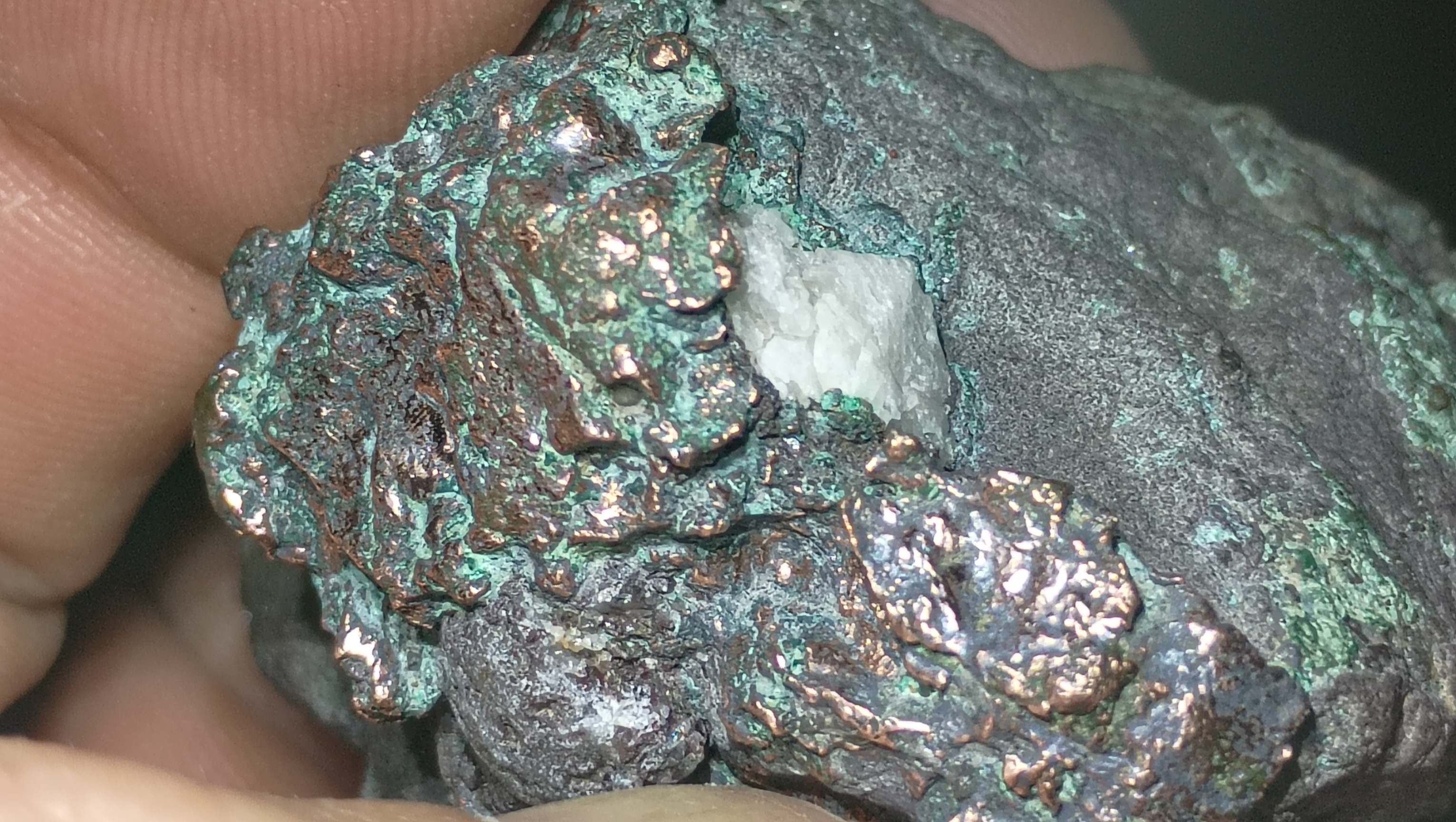
On August 30th, 2025, after 5 years of extensive research and field exploration, I located and collected over 100 copper specimens within a two-day period using a combination of tools — the Equinox 900, Garrett AT Pro, metal detecting for copper including pickaxes, and shovels.
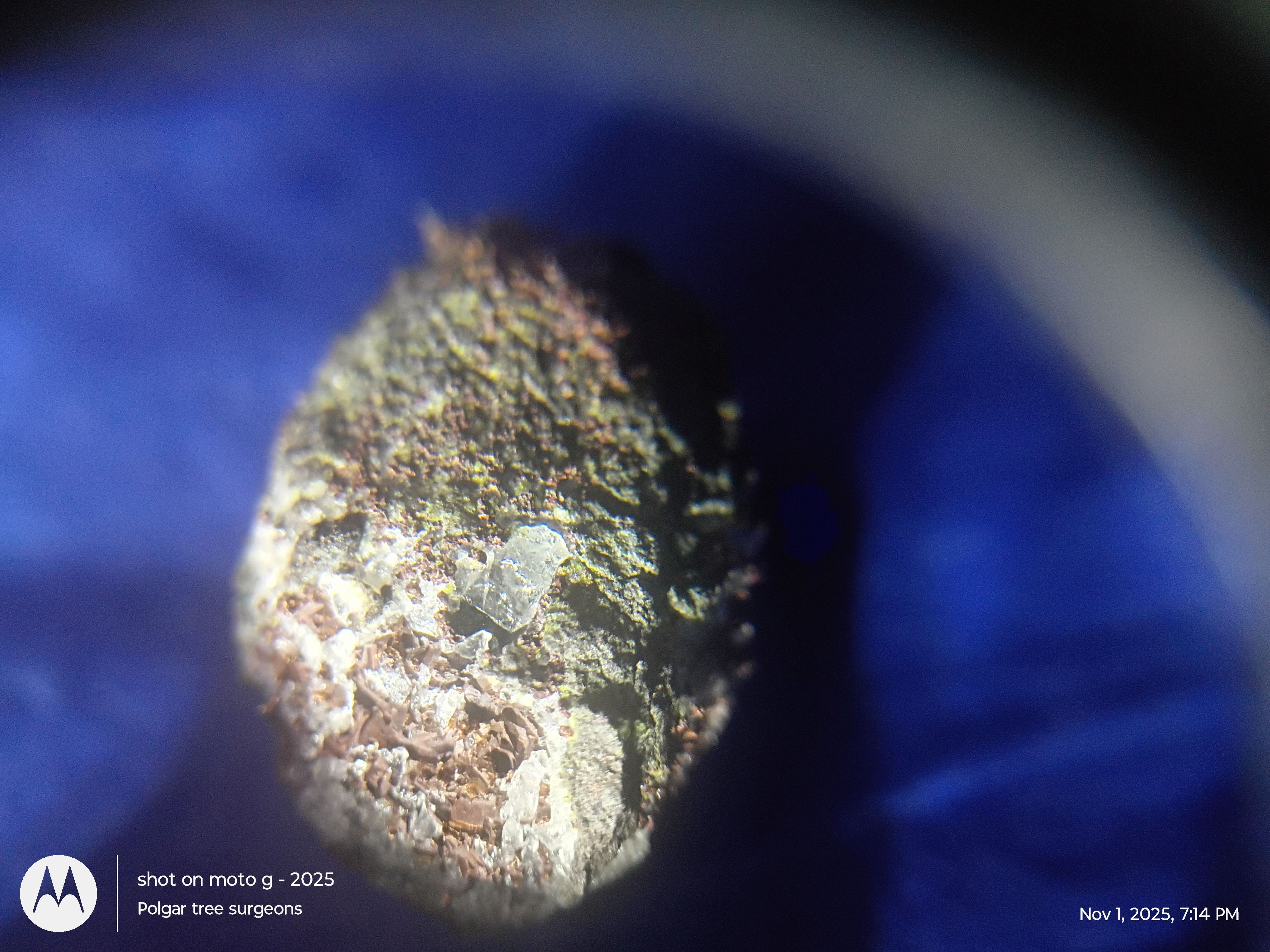
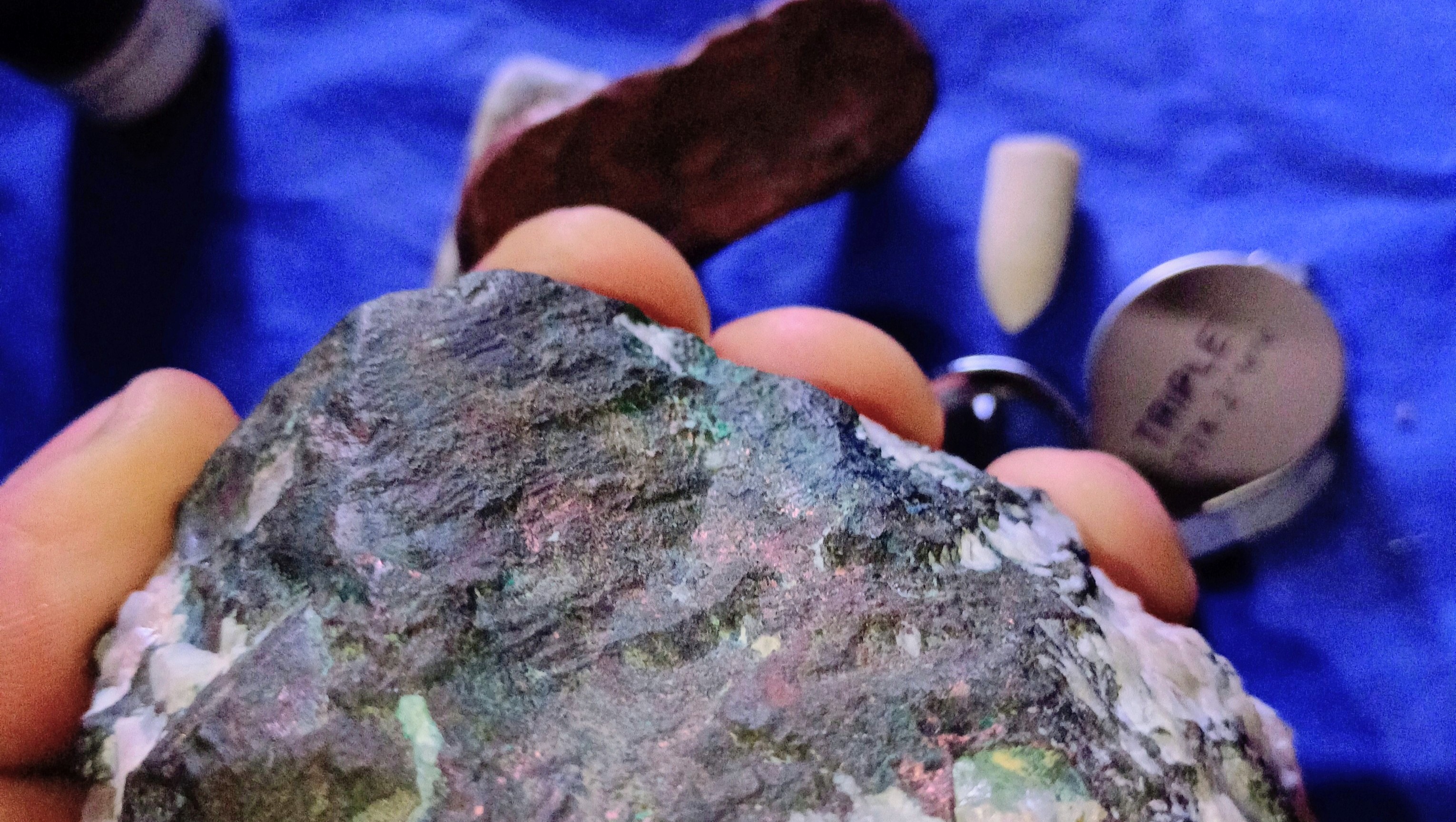
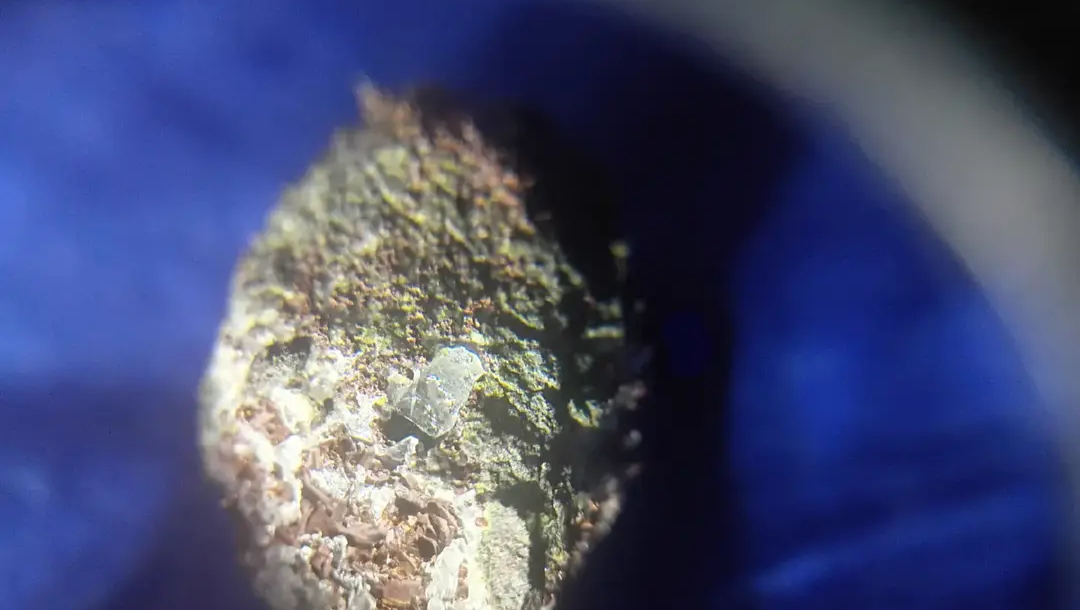
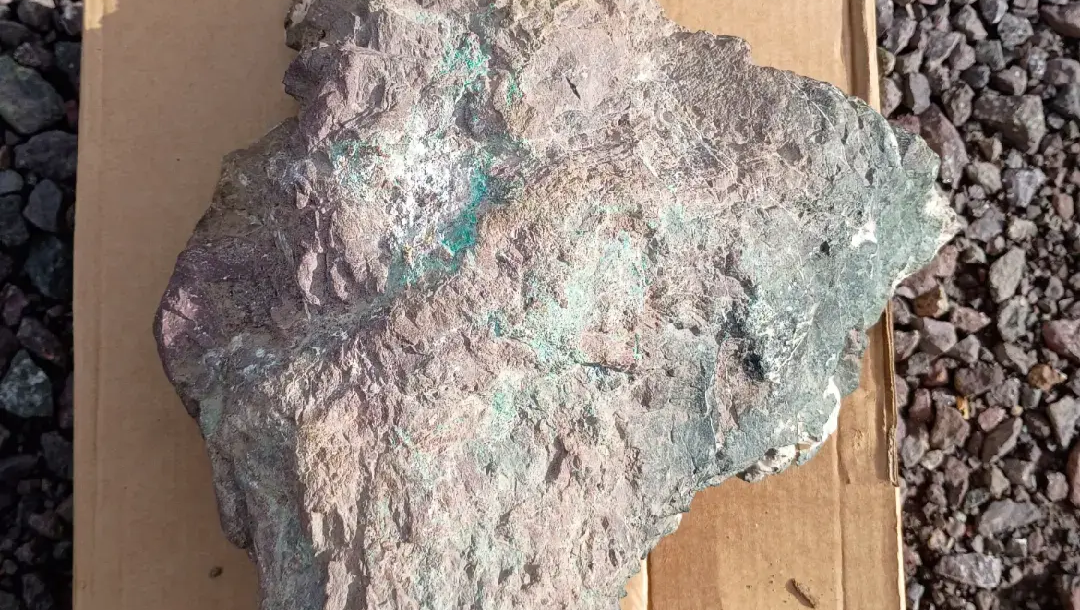
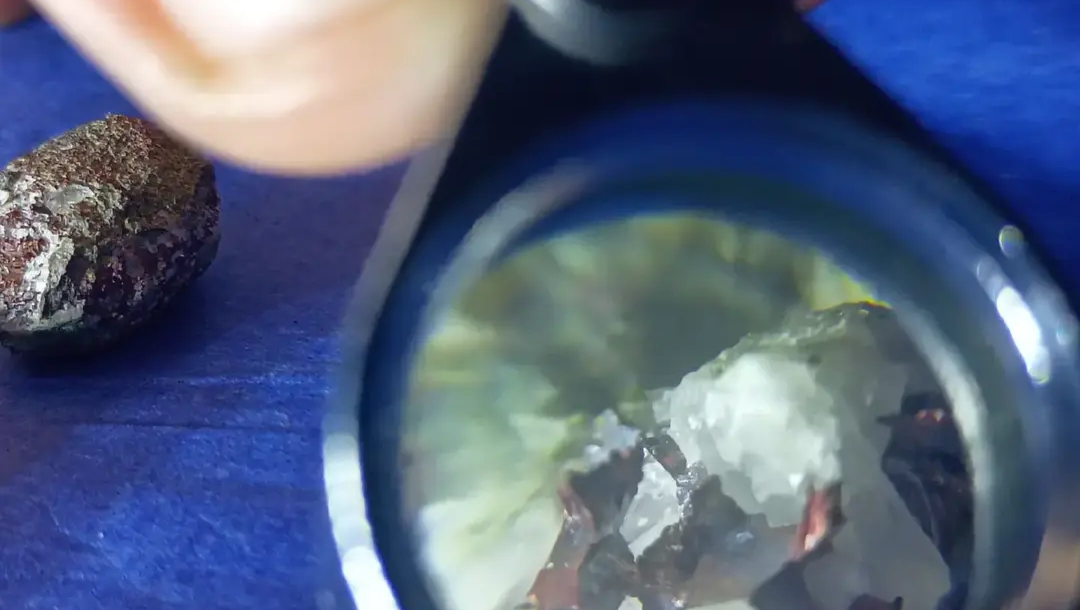
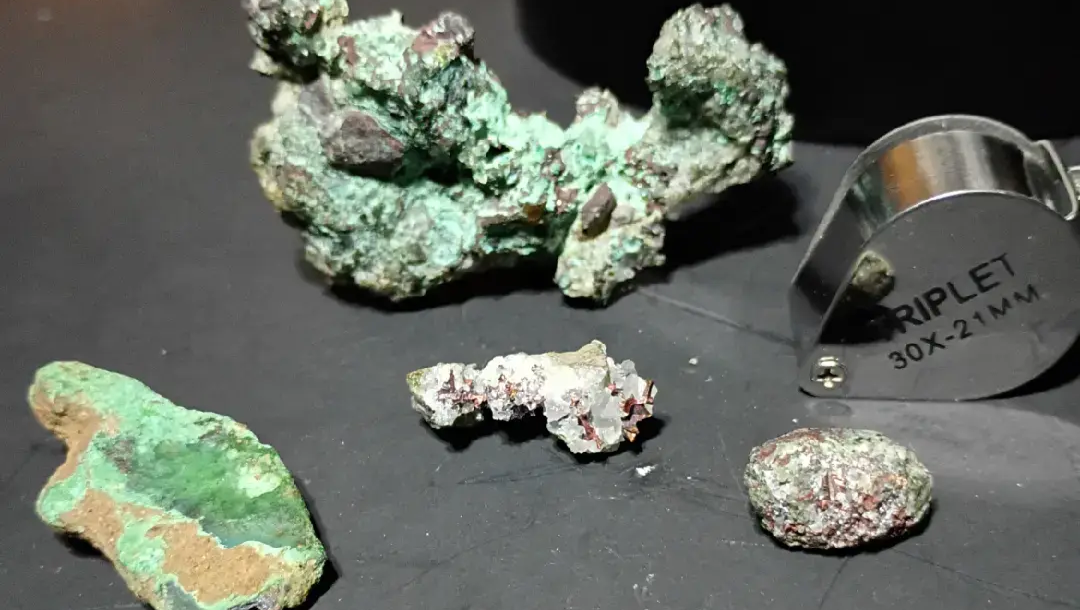
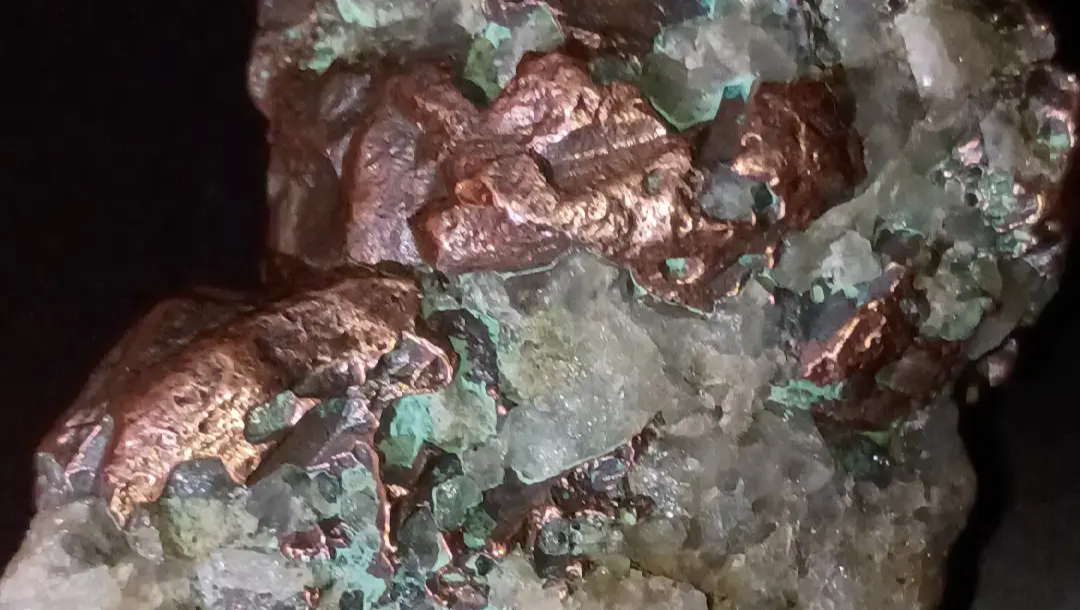
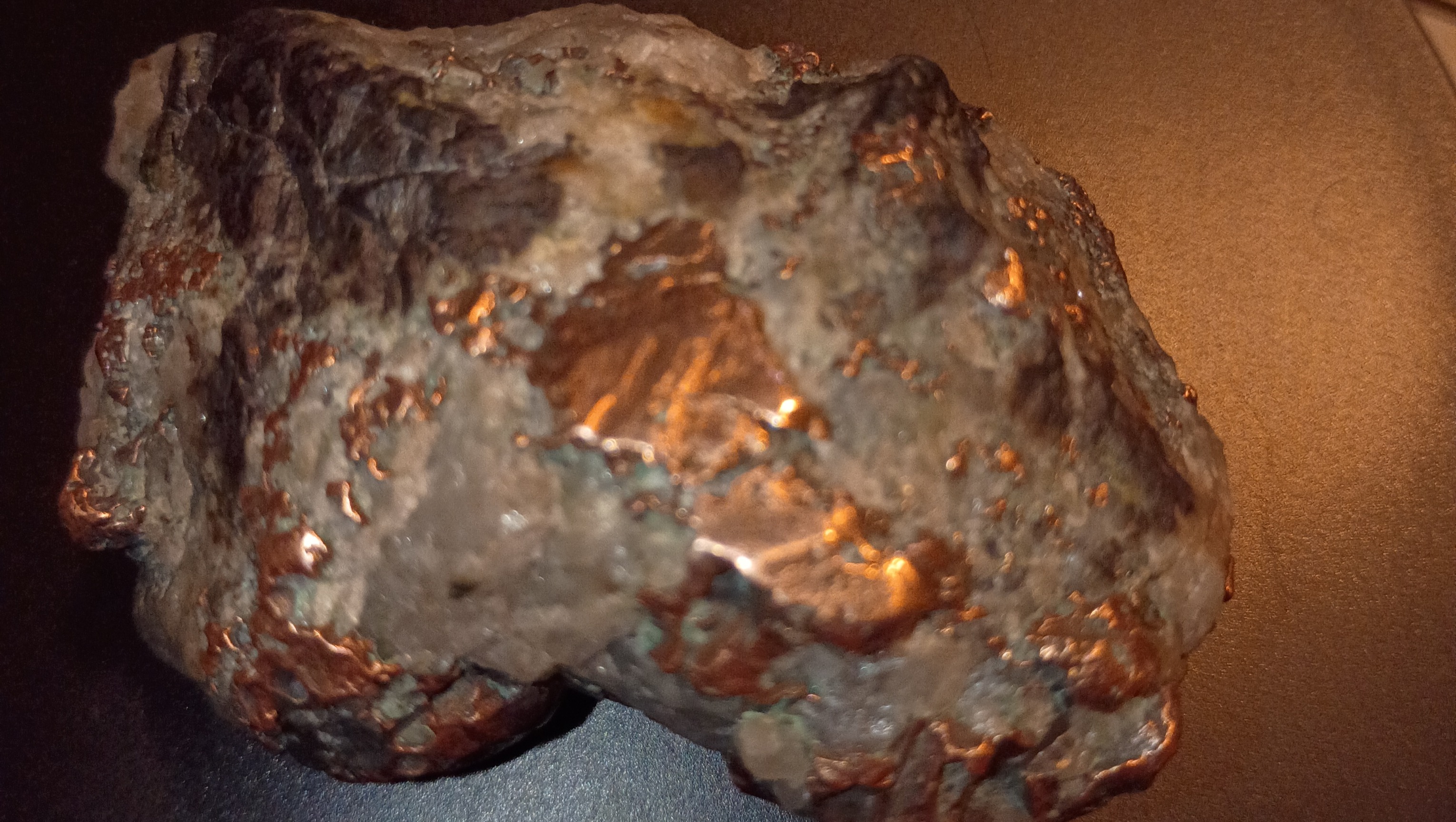
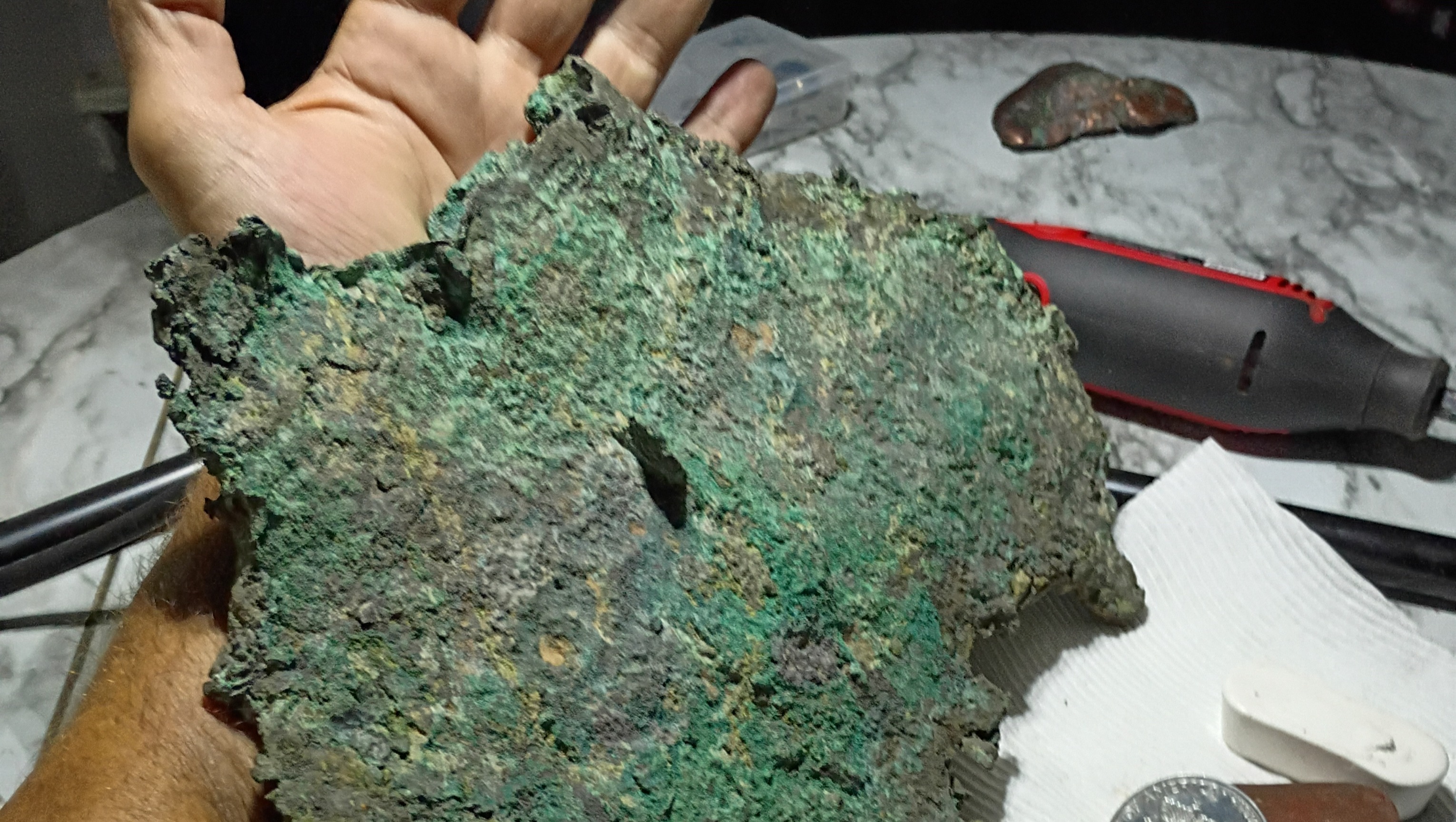
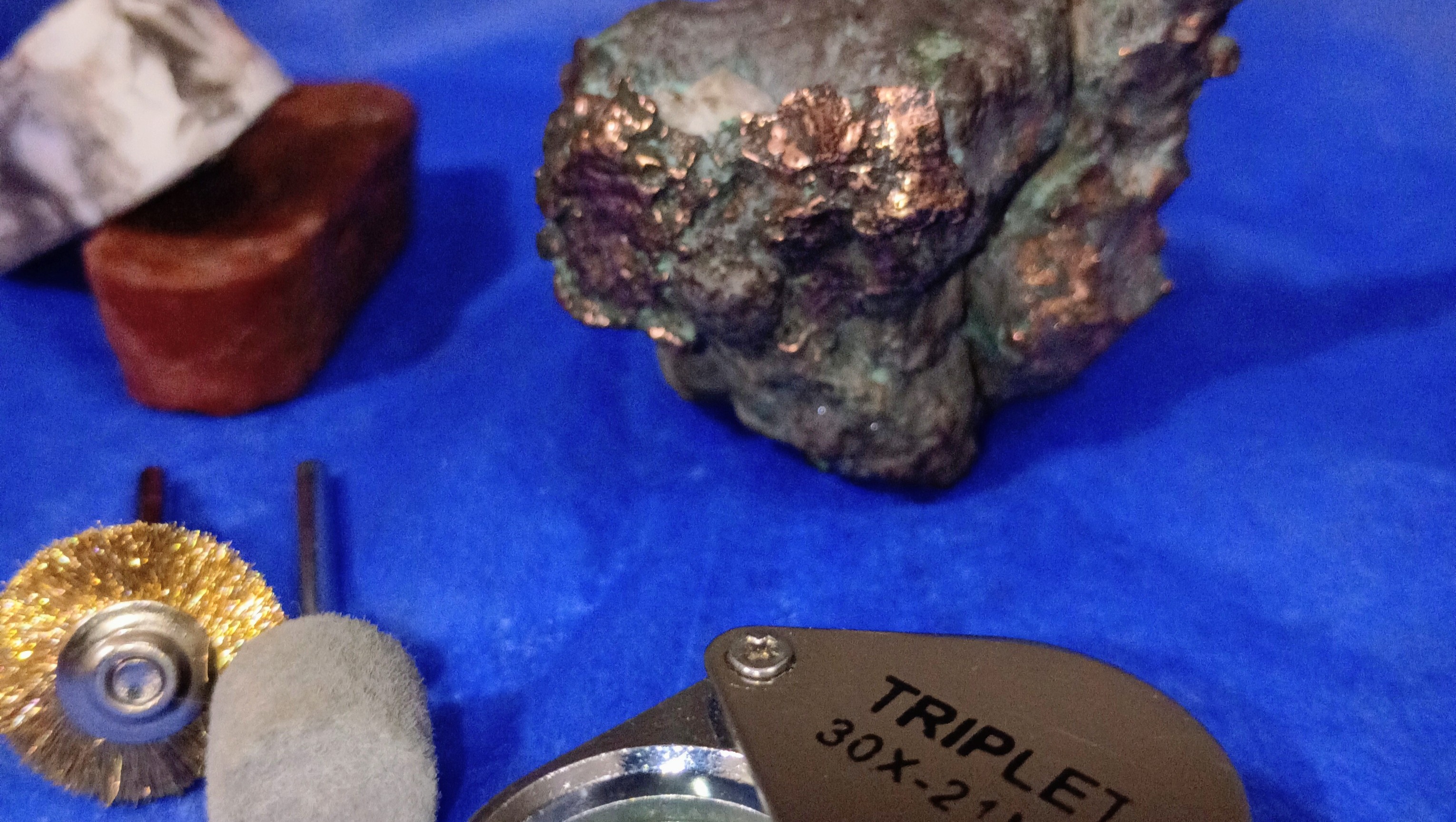
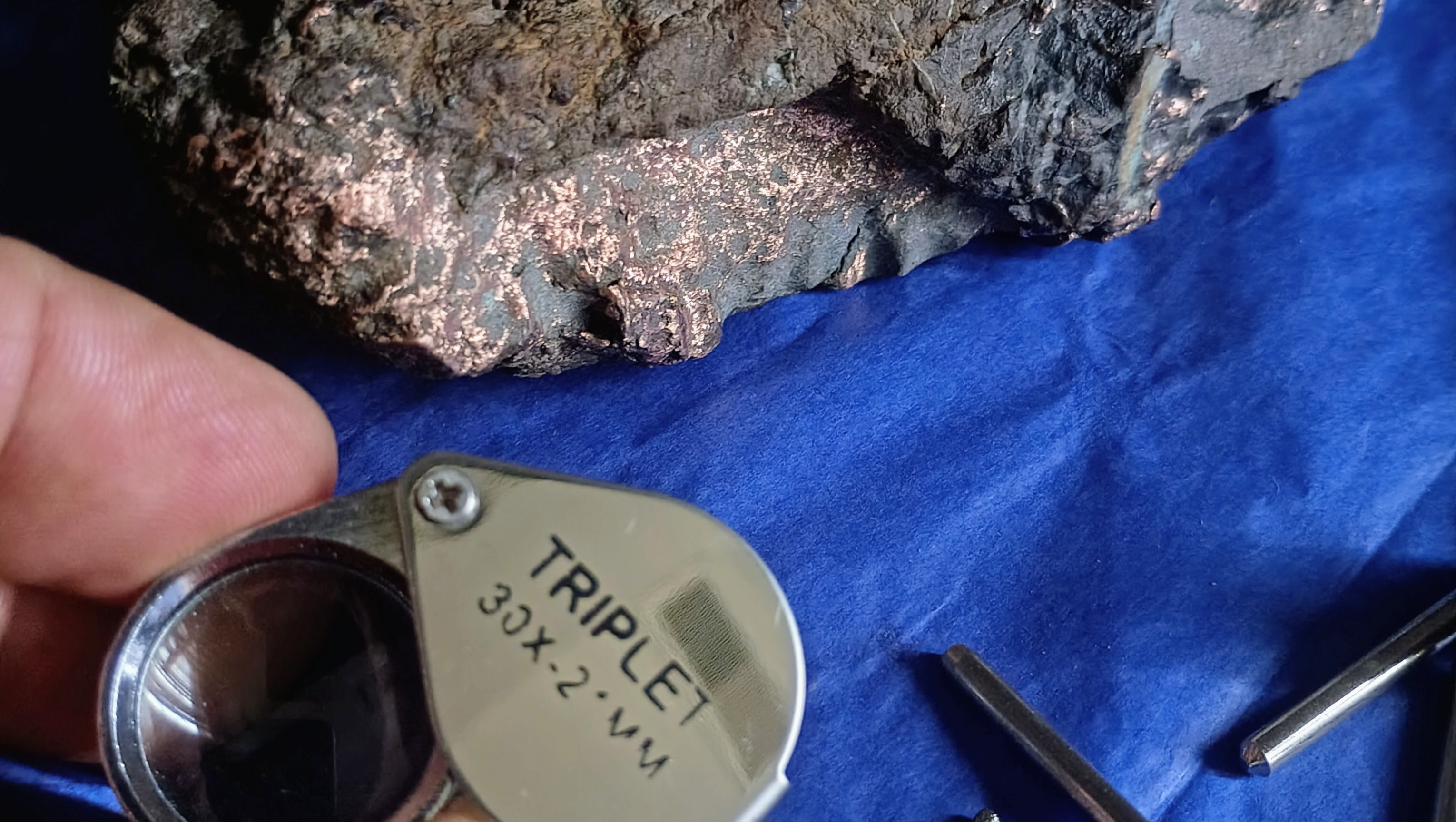
Many of these samples show visible crystal growth, quartz inclusions, and oxidized azarite malachite surfaces a secondary mineral that reveal nature’s natural process of copper ore formation. My goal is to continue the collection and exploration process itself, not through universities or museums, but through independent fieldwork and documentation
This is a personal project based entirely in Michigan’s Upper Peninsula, an area historically rich in copper ore deposits. I want to keep traveling within this region, exploring new locations, and presenting specimens at mineral and rock shows — where people can see these natural formations firsthand
Provenance Statement (Field Documentation)
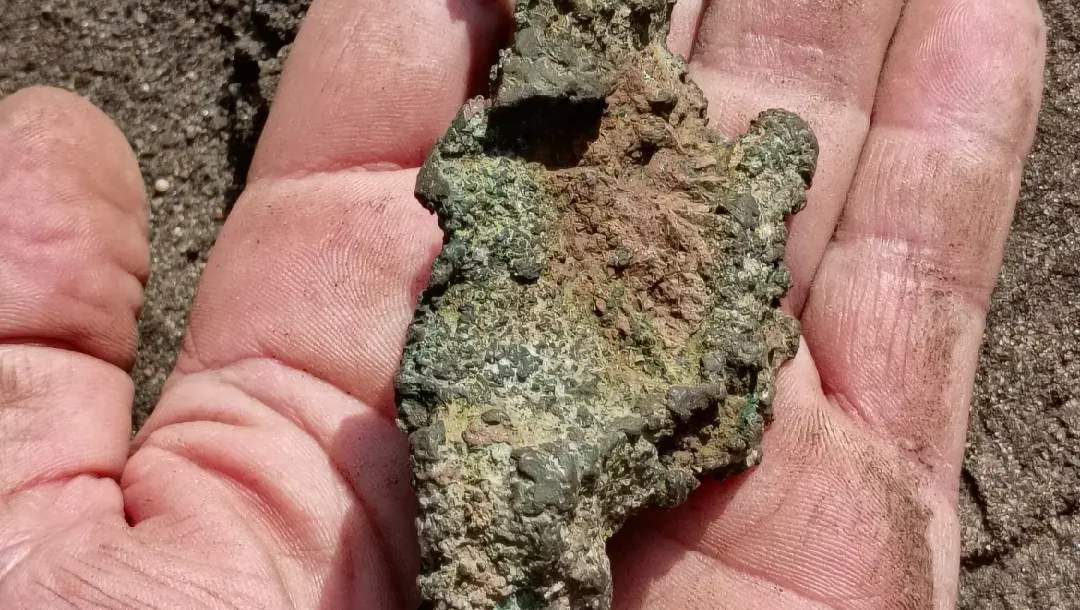
These uniquely rare copper ore specimen was meticulously unearthed by hand following several hours of systematic ground scanning using professional-grade metal detection equipment in Michigan’s Upper Peninsula. Once a distinct signal was identified, several additional hours of careful manual excavation—using only picks, shovels, and handheld tools—were required to recover the specimen intact from a depth of approximately one to four feet below the surface. The recovery process was conducted with exceptional care to preserve the specimen’s natural matrix, geological context, and structural integrity, ensuring that its authenticity and historical provenance remain fully documented and unimpaired.
"The field site lies within the rugged wilderness of Michigan’s Upper Peninsula—an area inhabited by wolves, black bears, bobcats, moose, and elk—providing a backdrop of wild isolation and raw natural beauty to the discovery of this remarkable specimen."
Every contribution helps keep this exploration alive — allowing me to continue documenting and preserving these natural copper formations for others to see.
Also to anyone reading my GoFundMe page this is my first inaugural campaign it's not fully concluded or completed I will constantly update this I don't know how long it's going to take me this is my first rodeo pertaining to the GoFundMe page and explaining what is happening it may take several weeks or several months to complete it but at least it's live and you can see glimpses of the major points! Please like please share please donate and at the minimum at least share it on Facebook tiktok Google Instagram YouTube LinkedIn
The native copper geology of Michigan's Upper Peninsula is defined by its association with the 1.1-billion-year-old Midcontinent Rift System. Native copper is concentrated in the porous tops of volcanic basalt flows, called "flow tops," and in interflow conglomerate sedimentary layers, formed by hot, mineral-rich fluids that rose from deep within the rift. These deposits are the largest accumulation of native copper in the world, primarily located on the Keweenaw Peninsula.
The Midcontinent Rift
The copper deposits are part of a massive, failed continental rift that stretched across North America.
As the rift spread, enormous volumes of basaltic lava erupted, creating a thick sequence of volcanic rocks.
These lava flows, which are now tilted at an angle due to later compression, are the primary host rocks for the copper.
Copper mineralization process
Hot, mineral-rich fluids circulated through the porous and fractured rocks of the rift.
These fluids carried copper and silver in solution.
As the fluids cooled and pressure changed, the copper precipitated out of the solution and deposited in fissures and gas cavities (amygdules) within the lava flow tops.
Copper was also deposited in the permeable conglomerate layers found between individual lava flows, which became some of the most productive ore bodies.
Host rocks and deposit types
Flow tops: The most common type of deposit consists of native copper filling gas vesicles and fractures in the vesicular tops of basaltic lava flows.
Conglomerates: Sedimentary layers of pebbles and sand that were deposited between lava flows also contain significant deposits of native copper, often yielding high-grade ore.
Fissure veins: Less economically important than lode deposits, early mining also exploited narrow, high-angle veins that cut through the rock.
Shale and siltstone: In other districts, like the Porcupine Mountains, copper deposits are found in sediment-hosted shales and siltstones, but these deposits are typically dominated by copper sulfides rather than native copper.
Thank you to everyone who supports small-scale, independent discovery and the spirit of exploration
What the funds will support:
Travel, fuel, and lodging during Upper Peninsula expeditions
Food and rent while conducting research and collection work
Maintenance and upgrades for field equipment
Display materials and booth setup for mineral and rock shows
$1,232,460
(Covers about 5 to 7 years of full-time exploration, travel, living expenses, and show presentations.)
Keywords:
Native copper, Upper Peninsula of Michigan, Michigan copper country, Michigan float copper, mineral discovery, copper exploration, geology, rockhounding, metal detecting, independent prospector, geological survey, mineral finds, American minerals, copper specimens, crystal formations, nature exploration, Earth science, natural copper, fieldwork in Michigan, Upper Peninsula field research, Lake Superior copper, Keweenaw Peninsula, natural crystal copper, independent research project, exploration funding, travel discovery, viral project, support independent explorers, rare minerals USA, geology lovers, adventure travel, copper hunters, Michigan exploration, viral GoFundMe, trending discovery, unique copper find, U.S. prospector, rock and mineral shows, science and exploration, adventure field research, Michigan wilderness, float copper, hand-dug specimens, provenance documentation, authentic copper find.
States – Michigan float copper rocks and minerals Shows
Alabama, Alaska, Arizona, Arkansas, California, Colorado, Connecticut, Delaware, Florida, Georgia, Hawaii, Idaho, Illinois, Indiana, Iowa, Kansas, Louisiana, Maine, Maryland, Massachusetts, Michigan, Minnesota, Mississippi, Missouri, Montana, Nebraska, Nevada, New Hampshire, New Jersey, New Mexico, New York, North Carolina, North Dakota, Ohio, Oklahoma, Oregon, Pennsylvania, Rhode Island, South Carolina, South Dakota, Tennessee, Texas, Utah, Vermont, Virginia, Washington, West Virginia, Wisconsin, Wyoming –
Michigan float copper rocks and minerals.
Michigan float copper ranking Google News #1
Transparency Statement:
While all fieldwork, exploration, and specimen recovery take place in Michigan’s Upper Peninsula, this fundraiser is managed and promoted from Manhattan, New York to connect with a broader national audience of collectors, researchers, and supporters interested in native copper and geological exploration. This ensures full transparency regarding location and purpose while allowing outreach to individuals and organizations that appreciate and support independent discovery projects.
Media & Public Awareness:
My ongoing copper discoveries in Michigan’s Upper Peninsula are shared through verified platforms including Google Maps, LinkedIn, YouTube, and Facebook. I welcome collaboration and coverage from educational, geological, or local news outlets to help document and preserve this work for public knowledge. If any verified media stories include this project, those articles may also appear in Google News, helping more people discover and support the preservation of Michigan’s native copper heritage.
Google News uses computer algorithms to select and rank content.
Here are seven key ranking factors for Google News:
Relevance of content: The degree to which an article aligns with the user's search query or interests
Prominence: The significance of an event based on whether it’s being heavily covered by news outlets
Authoritativeness: The credibility of the source
Freshness: The recency of the content, with newer articles generally prioritized to provide up-to-date information for timely topics
Usability: The overall user experience on the site (page load times, mobile compatibility, etc.)
Location: The geographical relevance of the content to the user
Language: The language the content is written in and whether it matches users’ preferences
Also hoping I get discovered and seen on Google search engines or Google News to enhance my visibility possibly to ranking Google News #1
While float copper is common and documented in Michigan, the discovery of float silver is rare, and significant documentation focuses on native silver found within copper deposits rather than large, freestanding glacial "float" specimens. "Float" in this context refers to minerals that were moved from their original bedrock by glaciers and deposited elsewhere.
Findings and documentation of Michigan float silver
Presence of native silver: Native silver has been found in Michigan's Keweenaw Peninsula, particularly within the native copper deposits and some hydrothermal veins in Marquette County. Some early mines, like the Lake Superior Mine, were initially thought of as silver mines due to the high concentration of the metal near the surface before it diminished at deeper levels.
"Half-breeds": Documentation frequently discusses "half-breed" specimens, which are an intergrowth of native silver and native copper found in the Keweenaw. This is different from a pure, standalone float silver nugget.
Glacial transport evidence: While large float silver nuggets are not commonly documented, the Wisconsin Geological and Natural History Survey notes that native silver is found sporadically in glacial drift alongside copper that was transported from the Michigan deposits.
Anecdotal and minor discoveries:
2016 collector's note: A journal article in Rocks & Minerals describes an unusual, rare find of a glacial float silver piece in Michigan. The specimen measured 4.2 x 6.8 cm and weighed 0.74 pounds.
However, it is not common, and reports are not as widespread or numerous as for float copper.
Distinction between "float" and vein silver: It's important to differentiate between "float" silver, which is glacially transported, and silver recovered from underground mining of rock veins and lodes. The Ontonagon Silver Mining Company, for example, mined a vein of silver in the 1870s, but this was a fixed, bedrock deposit, not a glacial erratic.
Museum specimens: The A. E. Seaman Mineral Museum at Michigan Technological University has excellent collections and publishes papers on native Michigan silver finds, though its documentation of float silver is limited compared to the extensive literature on float copper.
Why float silver is so rare
The geological conditions that created vast deposits of native copper in the Keweenaw Peninsula were not conducive to forming similarly large masses of native silver. While silver was present, it was typically less concentrated and often intermingled with the copper. As a result, the number of standalone, pure silver pieces available for glaciers to pick up and transport was far smaller than the amount of copper.
Michigan's Upper Peninsula (UP) has a geology rich in ancient volcanic activity, where silver was deposited alongside native copper in a massive rift valley. Formed over a billion years ago, these deposits occur primarily in Keweenaw Peninsula's Portage Lake Volcanic Series and are found in amygdaloid and conglomerate ore deposits.
The silver often appears as native masses or intricate, native-amalgamated "half-breed" specimens
Mineralogy is the scientific study of minerals, focusing on their chemistry, crystal structure, physical properties, and formation. It's a branch of geology that examines the natural building blocks of rocks, providing essential information about the Earth and other planets. Mineralogists use specialized instrumentation to analyze minerals, which helps in understanding geological processes, locating mineral resources, and exploring topics from planetary origins to high-tech materials.
What it Studies
Chemistry: Mineralogy investigates the chemical formulas and compositions of minerals.
Crystallography: This subfield looks at the forms and internal atomic structures of minerals.
Physical Properties: Mineralogists study physical characteristics like hardness, density, optical (including color and clarity), thermal, and magnetic properties.
Mineral Formation: The discipline also explores how and where minerals form.
Geographic Distribution: The location and distribution of minerals are also studied.
Why it Matters
Understanding Earth Systems:
By studying minerals, scientists can decipher the physical and chemical conditions that shaped the Earth's crust and other planetary bodies.
Economic Applications:
Knowledge of minerals is vital for locating and processing mineral resources and understanding the formation of valuable ore deposits.
Applications in High-Tech Fields:
Modern mineralogy is involved in developing new materials and technologies.
Interdisciplinary Nature:
Mineralogy integrates with other branches of earth science, such as petrology, geochemistry, and structural geology.
Amygdaloid and conglomerate are distinct geological terms that describe different types of rocks and formations, though they can sometimes appear together.
Amygdaloid
Definition: An amygdaloid is a volcanic rock, such as basalt, that contains almond-shaped or rounded cavities, called amygdules.
Here’s a list of gemstones that can be found in Michigan:
1. **Agate**
2. **Amethyst**
3. **Apatite**
4. **Aragonite**
5. **Chalcedony**
6. **Fluorite**
7. **Garnet**
8. **Labradorite**
9. **Lapis Lazuli**
10. **Magnesite**
11. **Marble**
12. **Moonstone**
13. **Peridot**
14. **Quartz (Clear, Rose, Smoky)**
15. **Ruby (Rare)**
16. **Sapphire (Rare)**
17. **Spinel**
18. **Topaz**
19. **Tourmaline**
20. **Zircon**
Michigan is known for its diverse mineral collection, especially from areas like the Upper Peninsula, which is rich in agates, and the various lakeshores, where you can find a variety of stones.
Let me know if you want any more info on any specific gem!
Michigan float copper ranking Google News #1
Last but not least here's the list of global
Supported countries: The ability to donate depends on international banking and GoFundMe's payment processing capabilities. GoFundMe lists Australia, Austria, Belgium, Denmark, Finland, France, Ireland, Italy, Luxembourg, Netherlands, Norway, Portugal, Sweden, Switzerland, and the United Kingdom as countries supported for either creating a fundraiser or for donations
Please share like donate if inspired by this GoFundMe page so it can truly find locate activate a unique powerhouse collaborations of:
Google's approach to data analyst and engineering algorithms encompasses a broad range of tools, methodologies, and recently, AI-driven agents within its Google Cloud ecosystem, particularly in BigQuery. There isn't a single "Google's data analyst engineering algorithm," but rather a collection of techniques and services designed to facilitate data analysis, engineering, and the development of machine learning models.
Key aspects include:
Google Cloud Platform (GCP) Services: Google provides a suite of services for data analytics and engineering, including BigQuery for data warehousing, Dataflow for stream and batch processing, Cloud Storage for data storage, and Dataplex for data governance. These services integrate to form comprehensive data pipelines
Data Analysis Methodology: Google promotes a structured approach to data analysis, often articulated in phases like "Ask, Prepare, Process, Analyze, Share, Act." This methodology emphasizes understanding the business problem, preparing and cleaning data, performing exploratory data analysis (EDA), building and evaluating models, and finally, communicating insights and acting upon them.
Machine Learning (ML) Models: For advanced analytics, Google leverages various machine learning algorithms. These can range from traditional regression models to more complex deep learning models. The selection of the appropriate model depends on the nature of the data and the problem to be solved (e.g., classification, prediction).
Data Engineering Agents: A significant recent development is the introduction of specialized AI agents, like the Data Engineering Agent in BigQuery. These agents use natural language processing to automate and simplify complex data engineering tasks, such as pipeline creation, data ingestion, transformation, and quality maintenance, by generating and orchestrating the necessary workflows.
Data Preparation and Cleaning: Tools like Data Prep (within Google Cloud) are designed to assist in visually inspecting, cleaning, and transforming data, making it ready for analysis or machine learning model training without extensive coding.
Feature Engineering and Selection: Algorithms and techniques are employed to select relevant features from datasets and to engineer new features that can improve the performance of machine learning models.
In essence, Google's "data analyst engineering algorithm" is a holistic framework combining powerful cloud infrastructure, structured methodologies, a variety of analytical and machine learning algorithms, and increasingly, AI-powered automation to enable efficient and effective data-driven decision-making.
Robert Polgar
Michigan float copper ranking Google News #1
geology of the Upper Peninsula of Michigan includes kimberlite, an igneous rock that can contain diamonds. The Lake Ellen kimberlite, located near Crystal Falls, is a known example and is a potential source for diamonds found in the region's glacial deposits. Research has also identified other potential kimberlite or cryptovolcanic structures in the area, though the Lake Ellen kimberlite itself has been found to be nondiamondiferous.
Key aspects of Upper Peninsula kimberlite geology
Lake Ellen Kimberlite: This is the most well-studied kimberlite in Michigan, located northeast of Crystal Falls. Despite testing, it has not yielded significant diamonds.
Diamond potential: While the Lake Ellen kimberlite is nondiamondiferous, it and other kimberlites found in the area between Crystal Falls and Escanaba could be the source of diamonds found in glacial deposits elsewhere.
Other structures: Other potential sites for kimberlite intrusions, referred to as cryptovolcanic structures, have been identified in counties like Houghton, Baraga, and Marquette, including Limestone Mountain and Sherman Hill.
Rock characteristics: Kimberlite is a dark-colored, heavy, intrusive igneous rock that is often brecciated and contains large crystals in a fine-grained matrix. It sometimes contains minerals like olivine, garnet, and ilmenite.
Geological context: The kimberlites in the Upper Peninsula are Jurassic in age and cut through older Precambrian volcanic and sedimentary rocks
By contributing, you are empowering a research initiative built on precision, intellectual integrity, and scientific curiosity. You help ensure that the Upper Peninsula’s mineral legacy—its native copper, its complex volcanic history, and its unique place in North American geology—is recorded, interpreted, and shared with the level of scholarship it warrants. Your support becomes part of a broader effort to advance public understanding, challenge outdated assumptions, and underscore that the frontier of discovery is far from closed
Your support strengthens a field program committed to high-fidelity documentation, systematic specimen analysis, and the preservation of verifiable geologic evidence in an era where much of the region’s mineral heritage risks being overlooked or lost. This work extends beyond simple collection; it is an ongoing attempt to illuminate the structural, lithologic, and geochemical signatures that define Michigan’s natural copper provinces, while demonstrating that meaningful geologic discovery is still possible through disciplined independent inquiry
As this independent research effort continues to evolve, every contribution directly advances a rigorous, data-driven investigation into one of North America’s most geologically consequential yet chronically underestimated mineral provinces. The Upper Peninsula’s native copper systems—formed through Precambrian magmatic, hydrothermal, and volcanic processes—remain scientifically significant not only for their metallogenic history, but for their capacity to refine contemporary models of crustal evolution, fluid migration, and mineral deposition
And let's see if this hits viral trending Google indexing to all these platforms
Top 10 search engines
Google: The most popular search engine worldwide, known for its extensive search results and services.
Bing: Microsoft's search engine, a strong competitor with advanced AI-powered tools.
Baidu: The leading search engine in China, with results tailored to the Chinese language and culture.
Yahoo!: A long-standing search engine that also offers a wide range of media and financial content.
Yandex: The largest search engine in Russia, with features optimized for Russian users.
DuckDuckGo: A privacy-focused search engine that does not track user searches.
Ecosia: A search engine that uses its ad revenue to plant trees.
Ask.com: A search engine that is question-and-answer-based.
AOL: AOL's search service, often included in lists of popular search engines.
YouTube: While primarily a video-sharing platform, it is also a powerful search engine for video content and ranks highly for overall search volume.
The greatest geological discoveries in Michigan are the identification of the state's oldest rocks, the Watersmeet Gneiss, dating back over 3.6 billion years, and the discovery of the massive "Lake Copper," a 19-ton piece of native copper found in Lake Superior. These discoveries represent both the ancient history of the North American continent and immense mineral wealth from Michigan's geological past.
Ancient rock discovery
What: The Watersmeet Gneiss, located in Gogebic County, is now considered the oldest rock in the United States, with an estimated age of at least 3.6 billion years.
Significance: This discovery pushes back the known history of Michigan and provides evidence that the region was part of an ancient landmass.
Evidence: The discovery is based on the analysis of zircon crystals within the gneiss, some of which date back to approximately 3.8 billion years ago.
Lake Copper" discovery
What: A 19-ton tabular mass of native copper recovered from Lake Superior in 1991.
Significance: It is the largest piece of native copper on record and a testament to the rich copper deposits found in Michigan's Upper Peninsula, particularly along the Midcontinent Rift system.
Discovery: It was found by local divers and is now on display at the A. E. Seaman Mineral Museum at Michigan Tech.
March-April 2025 recent discovery date
The Oldest Rock in the U.S., Dating Billions of Years Has Been Discovered in Michigan
The discovery was so big that it’s changing the way that Geologists are now looking at these new discoveries, and pondering if we can find older ones. They have recently discovered the oldest rock in the United States in Michigan.
The rock is called Watersmeet Gneiss and was taken as a sample in the Upper Peninsula, and it contains zircons dating back to 3.82 billion years ago. That is a monumental discovery, considering this is the first time intact rocks dating back this far have been discovered.
With this evolution, you can go to certain spots, even here in Michigan, and see the impact that those chaotic times caused in our rocks and cliff sides. Geologists are doing constant work to try to identify the history of our Earth in stones, and recently, there was an incredible discovery made in Michigan
Wyoming actually has Zircon fragments that date back 4 billion years, but they haven’t found intact rocks containing that as of this date. But how did the geologist make this discovery and determine the age?
How were geologists even able to date these ancient rock formations?
The key lies in something smaller than a grain of sand, but tougher than your inherited cast-iron skillet: zircon crystals. When magma cools and forms rocks, zircon crystals lock in tiny amounts of uranium. Over billions of years, that uranium turns into lead at a predictable pace. By measuring the ratio of uranium to lead, scientists can tell how old the zircon is.
Geological importance: As one of the oldest intact rock units in the U.S., it provides valuable insight into Earth's early history.
Location: It is found in the Watersmeet Dome, a geological feature in Gogebic County, Michigan.
Michigan Upper peninsula geology native copper from the ground unearthed to The auction block:
Astro Gallery of Gems
Located in the heart of New York City, the largest gem and mineral gallery in the world, suitable for both the novice as well as the advanced collector
Heritage Auctions New York - America's Auction House
Our New York Office, located in Manhattan at 445 Park Ave, offers auctions and appraisals for a wide range of collectibles including Fine Art, Coins & Currency
To the auction block: From mine tailings to collector's item
Modern collection: With the closure of the large mines, individuals and collectors have since explored the old mine sites and glacial deposits to find copper specimens, often using metal detectors.
"Float copper" and raw specimens: Raw specimens, including both large float copper chunks smoothed by glacial action and pieces still attached to their host rock, are sold by collectors.
Polished art and decorative pieces: Modern artists and artisans melt down, cast, and shape copper, then polish and apply patinas to create art pieces, which are sold in galleries and online.
Auction sales: These collected and crafted pieces can be found on online auctions, like the ones mentioned, where raw and polished copper are bid on by enthusiasts.
Also I want to give a thanks to the almighty father!
Second I want to thank the FrontRunner the pioneer The godfather the 4Runner at least what's documented as
Michigan's first state geologist, Douglass Houghton, reported on the deposits in 1841. The unique geology of the Keweenaw Peninsula is characterized by volcanic flows that are rich in copper-bearing veins and porous rock, which allowed native copper to form.
thanks to the invisible ones that were not recorded!
When you share a GoFundMe page, you make it visible to your network through various channels like social media, email, or text, which can increase visibility and donations. Sharing a unique share link allows both the organizer and supporters to track their specific impact, while the general public can see the campaign's progress.
How sharing increases visibility and donations
Increases exposure: Social media, email, and text messages allow you to reach a wider audience beyond your immediate circle, and fundraisers shared on social media can raise three times more than those that aren't.
Creates a record of impact: Each user who shares the link can generate a unique share link. When people donate through that link, the donation is tracked on the sharer's impact dashboard, helping them see how they've contributed to the fundraising effort.
Facilitates direct action: Sharing provides a direct link for people to click, donate, and even share the fundraiser with their own networks, creating a viral effect.
How to share your GoFundMe page
Social media: Use the "Share fundraiser" button to post directly to platforms like Facebook, Instagram, or X (formerly Twitter). You can include a personal message, a compelling photo, or even create a thread on X to provide more detail.
Email and text: Send the fundraiser link directly to individuals via email or text message from the GoFundMe app.
QR code: Generate a unique QR code that people can scan with their phone cameras to be taken directly to your fundraiser page.
Platform features: You can also add the link to your social media bio or, for some nonprofit campaigns, share a poster with a clickable donate button directly to your Instagram or Facebook Story.
Important considerations
Privacy: When sharing on public platforms, your fundraiser can be viewed by many people, so be sure to review your privacy settings before posting.
Authenticity: When sharing, include a brief, personal explanation of your need and what the funds will be used for to build trust with potential donors.
When a page or content goes viral, a data analyst immediately focuses on real-time monitoring, metric analysis, and translating the sudden surge of data into actionable business insights. The main goal is to understand why it went viral and how to leverage that momentum or manage a potential crisis.
Real-Time Monitoring and Analysis
Metric Tracking: The analyst closely tracks key performance indicators (KPIs) in real time using analytics tools (like Google Analytics or platform-specific dashboards). Key metrics include:
Reach/Impressions: How many unique users are seeing the content?
Engagement Rate: Are people liking, commenting, sharing, and saving the post? A high share rate is a strong indicator of virality.
Click-Through Rate (CTR): If links are included, are people clicking on them, and how effectively?
Traffic Sources: Where is the traffic coming from (e.g., specific social media platforms, direct links, search engines)?
Audience Demographics: They analyze the demographics (location, age, interests) of the new audience to understand who is engaging with the content.
Audience Demographics: They analyze the demographics (location, age, interests) of the new audience to understand who is engaging with the content.
Sentiment Analysis: Using natural language processing and other tools, they evaluate the tone of comments and reactions to understand if the buzz is positive, negative, or neutral. This is crucial for managing brand perception during a viral event, especially if the virality is due to controversy.
Pattern Identification: The analyst looks for specific patterns related to the content itself: the timing, the message, the emotional appeal, or the specific words used, to determine the underlying factors that caused it to spread so rapidly.
Strategic Actions and Reporting
Inform Stakeholders: The analyst prepares immediate reports and dashboards to communicate the trends and patterns to marketing, sales, and executive leadership, enabling informed decision-making.
Provide Actionable Insights: They translate the complex data into clear, actionable recommendations. This might involve:
Content Strategy Refinement: Recommending the creation of follow-up content that mirrors the successful themes to capitalize on the momentum.
Content Strategy Refinement: Recommending the creation of follow-up content that mirrors the successful themes to capitalize on the momentum.
Resource Allocation: Advising on where to focus marketing budget or customer service resources to manage the increased interest.
Crisis Management: In cases of negative virality, the analyst helps the team understand the data behind the backlash, which guides an appropriate, human response.
Predictive Analytics: They may use machine learning models to assess the current data and forecast the potential trajectory of the virality, including potential reach and engagement, to help plan future actions.
Ultimately, the data analyst's role is to ensure the organization can learn from the organic viral event and apply those data-driven insights to future content strategies.
Yes, research indicates that the majority of people who donate on GoFundMe are from middle-class households. A 2018 report from CrowdRise by GoFundMe found that over four out of five (84%) of donor households earned between $40,000 and $120,000 per year.
However, the user statement refers to who shares the campaigns, which is intrinsically linked to who creates them and who donates, and research suggests success often depends on pre-existing social networks.
The Role of Social Networks
Crowdfunding success heavily relies on an individual's social circle, which often mirrors existing socioeconomic structures.
Wealthier networks: Campaigns for people with more affluent networks tend to raise significantly more money because their friends and family have greater financial capacity to donate.
Lower-income challenges: Individuals from lower-income communities or those with less education often struggle to market their campaigns effectively or lack the extensive social networks needed to generate significant funds, even when their needs are greater.
Perpetuating inequality: The reliance on personal networks means GoFundMe often perpetuates, rather than closes, socioeconomic disparities, as those who need help the most are fundraising from others with similarly scarce resources.
Why It Matters
The dynamics of GoFundMe highlight how digital platforms can mirror real-world inequalities. While the platform provides a vital function for many facing crises, the outcomes are not an equitable safety net. The data suggests that existing wealth and social capital are major predictors of a campaign's success, challenging the perception of crowdfunding as a purely democratic form of aid.
Yes, the majority of people who donate on GoFundMe are considered middle-class. A report by CrowdRise, owned by GoFundMe, found that greater than four out of five (84%) of donor households earned incomes between $40,000 and $120,000 per year, which falls within the typical definition of middle-class income.
Profile of the Middle-Class GoFundMe Donor
This demographic tends to donate to personal causes rather than traditional charities and their contributions are often relatively small.
Income Bracket: The majority of donors fall into the $40,000 to $120,000 annual income range.
Donation Size: The average donation amount is around $77, with 68% of individual contributions being $50 or less.
Donor Demographics: GoFundMe donors skew younger and are more engaged with social media, which helps campaigns spread.
Motivation: Donors on the platform are often motivated by personal stories and direct connections to the cause, which is a key feature of the platform's social sharing model.
Why It Matters
The prevalence of middle-class donors is significant because it highlights how personal crowdfunding has become a form of social safety net, especially in times of crisis. However, research indicates that this system can perpetuate existing socioeconomic disparities; campaigns launched by individuals with wealthier, more extensive social networks tend to raise significantly more money, even if the donors themselves are middle-class. This means access to a wealthy network is more crucial for a campaign's success than the actual need of the recipient.
There is no exact number for the total number of rock and mineral collectors in the United States, but their community is active, with over 900 rock and mineral clubs nationwide that welcome new members. While some, like those at the Smithsonian, are professional or academic, many are amateur enthusiasts or "rockhounds". The size of this group is likely in the tens or hundreds of thousands, considering the number of active clubs and the various levels of collecting from casual to serious.
Club Membership: There are over 900 rock and mineral clubs across the United States, indicating a large and organized community of collectors.
Enthusiast Definitions: The term "rockhound" can include casual collectors who pick up interesting specimens as well as serious enthusiasts who attend shows and trade.
Professional and Academic Collectors: There are also many professional and academic collectors, such as those affiliated with the Smithsonian Institution's National Museum of Natural History, which houses one of the world's largest collections.
Other Indicators: A 2016 biographical archive for the magazine Mineralogical Record contained sketches of approximately 1,800 mineral collectors and dealers, showing the depth of the serious collecting community.
The Mineralogical and Geological Museum at Harvard University (MGMH) holds a vast collection of geological specimens that have been assembled since the late eighteenth century. It is the oldest university mineral collection in the United States. They are a legacy of vigorous research and teaching in various fields of geology including mineralogy, petrology, and mining geology. There are more than 300,000 specimens of minerals, rocks, meteorites, gems, and jewelry curated by the MGMH following the principles laid out in our Collections Management Policy
The Mineral Collection consists of more than 100,000 specimens and ranks as one of the world’s finest due to its broad representation, wealth in rare species, large number of specimens described in scientific literature, and the quality of its specimens. The Earth Archive Collection holds more than 200,000 specimens as a result of active faculty and student research; this collection is rare and unique because some of the ore bodies have been mined out and many of the mines are now closed. The Meteorite Collection contains a largely comprehensive group of meteorites, with nearly 600 distinct meteorites, and about 1,674 specimens. Included within this collection is a small ancillary assemblage of impactites and tektites. Finally, the Gem and Jewelry Collection, mainly used for research and display, consists of more than 1,000 specimens with special focus on New England gems. The MGMH also has an archival collection of media that is related to the specimen collections and the history of the museum. Select documents from the archival collection are digitized and available on the Harvard Libraries Image Viewer. Additionally, the Harvard Earth and Planetary Science Teaching Collection is curated by the MGMH, but separate from the four primary specimen collections.
Samples range from display to reference quality and represent a broad range of species and localities from around the globe. Particular strengths of the collection encompass material from the New England region and over two hundred type mineral specimens.
Although fossils are critically important geological specimens, at Harvard University they are housed with the biological collections. Fossil plants are held by the Harvard Herbaria and fossil animals are held by the Museum of Comparative Zoology.
United States' rarest mineral auction sale is likely referring to a specific specimen that achieved a record price, such as the "La Madona Rosa" rose quartz, which sold for $662,500, or the leadhillite specimen from the Mammoth-St. Anthony Mine in Arizona, which sold for $75,000 after an auction with many rare American minerals. The term "rarest" can be subjective, so a mineral's rarity depends on its location, formation, and specimen quality.
Notable auction results for rare minerals from the United States
Leadhillite: A leadhillite specimen from the Mammoth-St. Anthony Mine in Tiger, Arizona, sold for $75,000, which was nearly ten times its high pre-auction estimate.
Native Silver: A native silver specimen from Michigan's Keweenaw Peninsula sold for $57,500.
Native Copper: A specimen of native copper from the Keweenaw Peninsula was sold at auction and is considered a noteworthy piece due to its provenance
Azurite: An azurite specimen from Arizona sold for $60,000.
Linarite: A linarite specimen from the Blanchard Mine in Idaho was part of an auction in 2013, with a potential sale price of $100,000.
Factors influencing rare mineral prices
Location: A mineral's provenance can increase its value. Minerals from famous or historic locations, especially if they are no longer producing, often fetch higher prices.
Specimen Quality: Factors like crystal formation, color, and condition play a big role in determining a specimen's value.
Collection History: A mineral's history, such as being part of a famous collection, can significantly increase its value.
Conclusion
The highest-priced U.S. mineral specimens sold at auction are often large and rare examples of common minerals, like the leadhillite from Arizona, or specimens from historic locations like the Keweenaw Peninsula. There is also a growing market for rare minerals, such as those found in the George Loud Collection, which emphasizes American locations and is a significant addition to the field of rare minerals.
Recent and ongoing discoveries
Copper and Nickel: A major copper and nickel sulfide ore discovery was made by Talon Metals Corp. in the Baraga Basin, following geophysical surveys and drilling. The company is continuing its exploration at other targets, such as the Roland Target.
Rare Earth Minerals: Cleveland-Cliffs Inc. is exploring its UP mines for rare earth minerals, which could align with national goals for critical material independence.
Geologic Hydrogen: A U.S. Geological Survey study identified the UP as a promising area for containing significant deposits of geologic hydrogen, a clean energy source.
Potash: Michigan has a high-grade potash deposit, confirmed by research from the Michigan Geological Repository for Research and Education.
Ancient Rocks: A 3.62-billion-year-old gneiss was recently identified in the UP, making it the oldest known rock in the United States and highlighting the region's ancient geological history.
Why new discoveries are likely
Advancements in technology: Modern geophysical tools, such as those used by Talon Metals, allow for more targeted and precise exploration of mineralized areas that were previously difficult to locate.
Focus on critical minerals: There is a national and global push to find and develop new sources of critical minerals like nickel, copper, and rare earths, which are essential for the energy transition to electric vehicles, wind turbines, and other technologies.
New exploration efforts: Companies like Talon Metals are undertaking extensive drilling and exploration programs, complementing past work in the region.
Expanded geological data: Geological data, including samples from rock libraries, is being more widely shared between state and federal agencies for research purposes, which can help identify new areas of potential.
Michigan float copper ranking Google News #1
What’s more valuable? Mineral specimens or cut gemstones?
Trichillo: Semi-precious minerals (garnet, tourmaline, amethyst, aquamarine) and precious ones (diamond, emerald, ruby, sapphire) are all highly sought after based on their cutting value, which is measured by their size, clarity and color. But when that mineral crystal exhibits the same properties in its natural state, the value can rise ten- or 20-fold–or more–over its cutting value.
MICHIGAN NATIVE & FLOAT COPPER - VIRAL MINERAL CONTENT STRATEGY!
As a data-driven content creator in America's 900+ rock and mineral clubs community, I analyze viral patterns just like data analysts track KPIs during content surges. Here's my latest geological discovery!
FEATURING: "Specimens | Mineralogical & Geological collectors #unitedstates #minerals #gemstone #trending"
VIRAL CONTENT ANALYTICS APPLIED TO GEOLOGY:
Just like analysts track reach, impressions, engagement rates, and CTR during viral events, I monitor geological content performance across demographics. My mineral content reaches tens of thousands of rockhounds—from casual collectors to Smithsonian professionals—spanning all 50 states!
COMMUNITY METRICS & AUDIENCE DEMOGRAPHICS:
• 900+ active rock/mineral clubs nationwide
• Tens/hundreds of thousands of collectors
• 1,800+ serious collectors/dealers (Mineralogical Record archive)
• Professional collectors (Smithsonian Institution)
• Demographics: Alaska to Florida rockhounds
PROFESSIONAL FIELD DOCUMENTATION:
This specimen was recovered using systematic methodology—metal detection, ground scanning, careful excavation from 1-4 feet depth in Michigan's Upper Peninsula wilderness (wolves, bears, bobcats, moose, elk habitat). Pattern identification and geological context documentation ensure authenticity.
50-STATE GEOLOGICAL AUTHORITY:
While every state offers treasures, Michigan's Upper Peninsula hosts world-class native copper from the Midcontinent Rift—some of Earth's purest specimens! Data analysis shows Michigan leads nationally in copper specimen quality.
MICHIGAN'S GEOLOGICAL METRICS:
• Native Copper (unmatched global purity)
• Chlorastrolite (Michigan state gem)
• Lake Superior Agates (Great Lakes specialty)
• Yooperlites (UV-reactive discoveries)
• Kona Dolomite (2.1-2.2 billion years old)
• Iron Ore deposits (industrial significance)
CONTENT STRATEGY FOR ROCKHOUNDS:
Like viral content analysts, I track engagement patterns, audience demographics, and sentiment analysis across the mineral collecting community. This data-driven approach helps create content that resonates with both casual enthusiasts and serious collectors.
PREDICTIVE ANALYTICS FOR GEOLOGY:
Using pattern identification and historical data, I forecast geological formations, predict specimen locations, and analyze traffic sources to optimal collecting sites.
See viral-worthy geological content: high-end native copper ore
How do you apply data analytics to your collecting? Share your metric tracking experiences!
How do you apply data analytics to your collecting? Share your metric tracking experiences!
#DataAnalytics #ViralContent #MichiganMinerals #FloatCopper #RealTimeMonitoring #KPIs #EngagementRate #MineralCollecting #GeologyDiscovery #ContentStrategy #AudienceDemographics #SentimentAnalysis #PatternIdentification #PredictiveAnalytics #MachineLearning #NativeCopper #KeweenawPeninsula #900RockClubs #SmithsonianCollectors #MineralogicalRecord #RockHounding #GeologyLife #MineralSpecimens #GeologicalFormations #EarthScienc
High-end mineral collectors worldwide rely on several prominent English and non-English language magazines and journals for in-depth information, quality photography, and global locality reports.
English-Language Publications
The Mineralogical Record: Considered a premier, peer-reviewed journal for serious collectors, this bimonthly magazine features detailed articles on mineral localities, collections, and shows, with high-quality photographs.
Subscribe: Print and digital subscriptions for international residents are available on the Mineralogical Record website.
Rocks & Minerals: One of the oldest and most renowned magazines, it offers a wide range of topics and is a valuable resource for both historical information and current news.
Subscribe: Subscription management and back issues can be accessed through the Taylor & Francis publisher page.Gems & Gemology: The scholarly journal of the Gemological Institute of America (GIA), it provides in-depth articles on gemstones, gem localities, and field collecting for enthusiasts and professionals.
Access: Much of the content is available for free online at GIA's website, and print subscriptions are available from the GIA Store.
Mineralica: A modern, digital-first magazine with an exclusive quarterly print edition, known for its fresh design and articles published in both English and German, reaching a global audience.
Subscribe: Subscriptions that include worldwide shipping are available via the Mineralica website.
Mineralogical Almanac: This English-language magazine offers scientific insights and news from the mineral world in three issues a year, aiming at collectors, scientists, and mineral lovers.
**MICHIGAN NATIVE & FLOAT COPPER: EXQUISITE DATA-DRIVEN STRATEGY FOR LUXURY MINERAL COLLECTORS ACROSS ALL 50 STATES **
As a meticulously analytical curator within America's elite 900+ rock and mineral syndicates, this paradigm emulates sophisticated KPI orchestration in high-stakes analytics, precision-calibrating for *luxury mineral collectors*—discriminating connoisseurs, institutional custodians, and investment-grade aficionados nationwide—from bespoke huntsmen to Smithsonian virtuosi—harnessing *Google indexing* of opulent lexemes to escalate visibility in *high-end mineral magazines* such as The Mineralogical Record and Rocks & Minerals.
**FEATURING:** Museum-caliber exemplars in *native copper ore, copper nuggets, copper minerals, copper crystals, copper-silver alloys,* and *copper-gemstone masterpieces* indigenous to Michigan's *Upper Peninsula*—the preeminent epicenter of patrician prospecting, immortalized in *luxury mineral collector* portfolios and *high-end mineral magazines*.
### DEMOGRAPHIC INTELLIGENCE FOR LUXURY COLLECTORS:
This coterie delineates an exalted stratification:
- *Luxury mineral collectors* commanding premium aesthetics and heritage-grade rarities, navigating clandestine salons, Sotheby's auctions, and *high-end mineral magazines* like The Mineralogical Record.
- Discerning aesthetes pursuing scientifically pedigreed treasures amid refined fiscal discernment.
- Ascendant patricians enthralled by experiential, algorithmically refined acquisition narratives in elite periodicals.
### PROVENANCE RIGOR & GEOLOGICAL EPISTEMOLOGY:
Employing geospatial telemetry and forensic excavation protocols—encompassing electromagnetic prospecting and stratigraphic interrogation—the ontogeny of *Midcontinent Rift native copper* is authenticated with unimpeachable fidelity, primed for *luxury mineral collector* scrutiny and *high-end mineral magazine* consecration.
### SEMANTIC ARCHITECTURE FOR ALGORITHMIC ASCENDANCY:
Content semiotics embed searchable signifiers optimizing serpentine dominance and viral propagation: *"luxury mineral collectors," "high-end mineral magazines," "viral copper ore for elite collectors," "copper nuggets Upper Peninsula luxury," "copper-silver specimens investment grade," "prospecting Michigan native copper connoisseurs,"* and *"2025 luxury mineral content strategy in The Mineralogical Record."*
### ENGAGEMENT ORCHESTRATION & VIRAL KINETICS:
Virality is engineered via imperious CTAs inciting dissemination across quinquagenarian networks: *"Disseminate to luxury mineral collectors and Mineralogical Record cognoscenti,"* *"Propagate through your patrician provenance,"* *"Tag virtuosi of copper-gemstone oeuvres from high-end mineral magazines."*
### PROGNOSTIC MODELS & CURATORIAL FORETHOUGHT:
Harnessing archival trajectories and sentiment econometrics, this forecasts apex loci for desiderata, curating motifs to mesmerize *luxury mineral collectors*, enthroning the paradigm in vanguard digital mineralogy as chronicled in *high-end mineral magazines*.
**#LuxuryMineralCollectors #HighEndMineralMagazines #ViralLuxuryMinerals #CopperOreElite #CopperNuggetsConnoisseur #CopperMineralsInvestment #CopperCrystalsPatrician #CopperSilverMasterworks #CopperGemstoneLuxury #UpperPeninsulaProspectingElite #MichiganMineralsHighEnd #GoogleIndexedLuxury #ViralMineralElite #MineralogicalRecord #RocksAndMineralsLuxury #LuxuryRockhounds #EliteMineralCollecting #GeologyConnoisseur**
This GoFundMe supports an independent prospector uncovering collector-grade copper specimens from Michigan’s Upper Peninsula, including rare native copper ore, silver veins, and Lake Superior gemstones. High-end collectors and mineralogists affiliated with prestigious institutions such as Harvard, Yale, and Princeton seek these investment-grade, field-collected specimens for elite academic and private collections. Your support helps preserve and share museum-quality Michigan minerals, while promoting hands-on exploration and advancing education in geology and mineralogy.
Mindat.org® is an outreach project of the Hudson Institute of Mineralogy, a 501(c)(3) not-for-profit organization. Mindat® and mindat.org® are registered trademarks of the Hudson Institute of Mineralogy.
Copyright © mindat.org and the Hudson Institute of Mineralogy 1993-2025, except where stated. Most political location boundaries are © OpenStreetMap contributors. Mindat.org relies on the contributions of thousands of members and supporters. Founded in 2000 by Jolyon Ralph.
To cite: Ralph, J., Von Bargen, D., Martynov, P., Zhang, J., Que, X., Prabhu, A., Morrison, S. M., Li, W., Chen, W., & Ma, X. (2025). Mindat.org: The open access mineralogy database to accelerate data-intensive geoscience research. American Mineralogist, 110(6), 833–844. doi:10.2138/am-2024-9486.
This is a link for Forbes magazine collectors
This is a high-end mineral auction link christies
This is another auction link that's reputable through Google search for high-end mineral collectors to purchase copper native silver gemstones
Heritage Auctions:
2801 W Airport Fwy Northwest corner of West Airport Freeway [HWY, 183] and Valley View Ln, Dallas, TX 75261
Please share
This is my GoFundMe link that you can copy paste and post or share to any website link app
<div itemscope itemtype="https://schema.org/Project">
<span itemprop="name">Michigan Float Copper Exploration: 100+ Native Specimens Discovered August 2025</span>
<span itemprop="description">Independent fieldwork by Polgar documenting Keweenaw Peninsula native copper, crystal growth, quartz inclusions, malachite oxidation. Provenance: hand-dug 1-4ft depth, Upper Peninsula wilderness. Target: high-end collectors, Mineralogical Record subscribers, 900+ US rock clubs.</span>
<span itemprop="startDate">2025-08-30</span>
<span itemprop="spatialCoverage" itemscope itemtype="https://schema.org/Place">
<span itemprop="name">Michigan Upper Peninsula, Keweenaw Peninsula</span>
</span>
</div>
Organizer