Support Conservation Research in the Quad Cities
0% complete
$1,141 raised of $7.5K
33 donations
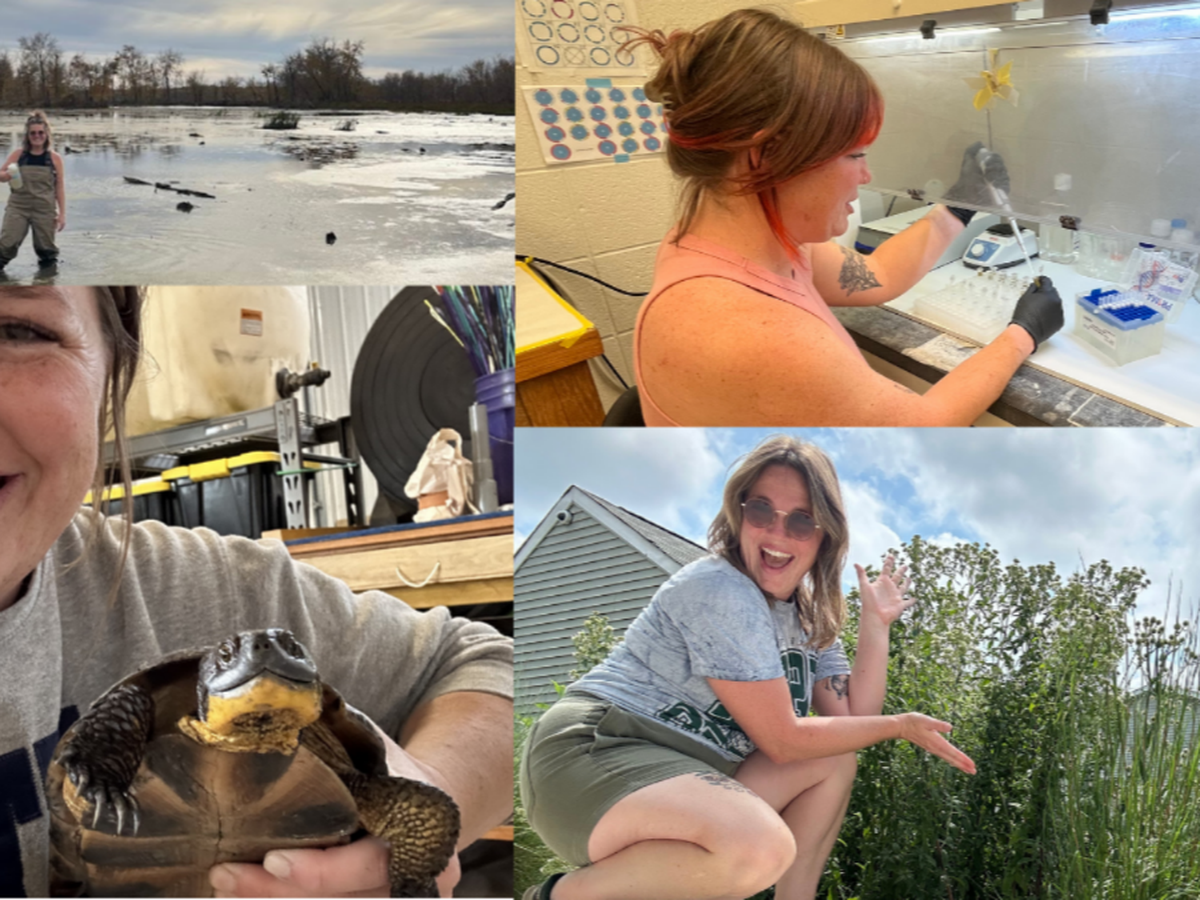
Hi, I'm Elizabeth! I'm a conservation researcher who loves animals, and I'm raising funds to support my research with Blanding's turtles in the Milan Bottoms and native bumblebee species in Quad Cities' agricultural and roadside prairie strips. Both Blanding's and native bumblebees are threatened with extinction because of human activity (habitat destruction, road mortality, etc). Essentially, the turtles and bees are in danger, girl!
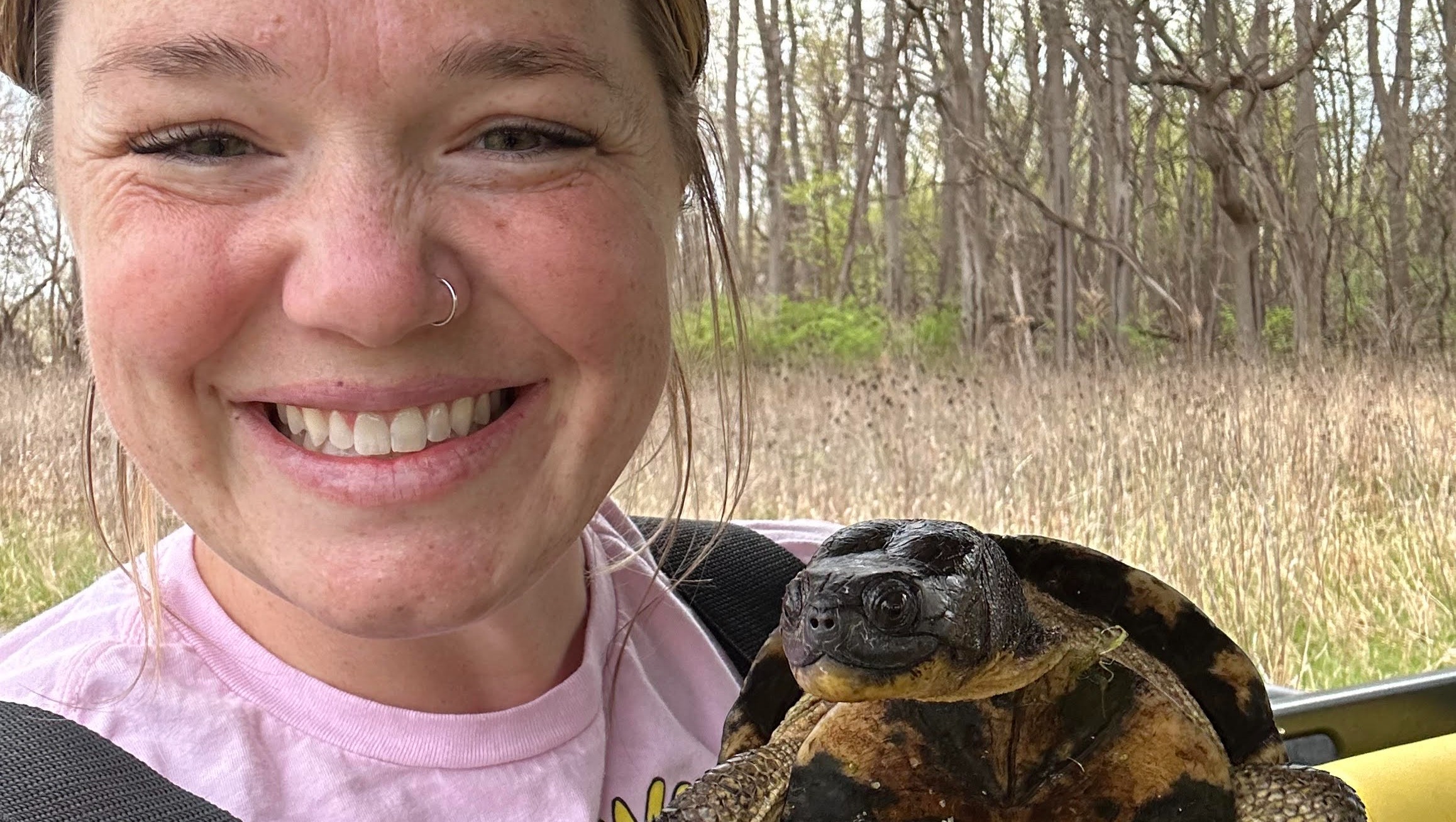
Me and a Blanding's turtle I was tracking and monitoring at Nahant Marsh in Davenport, IA.
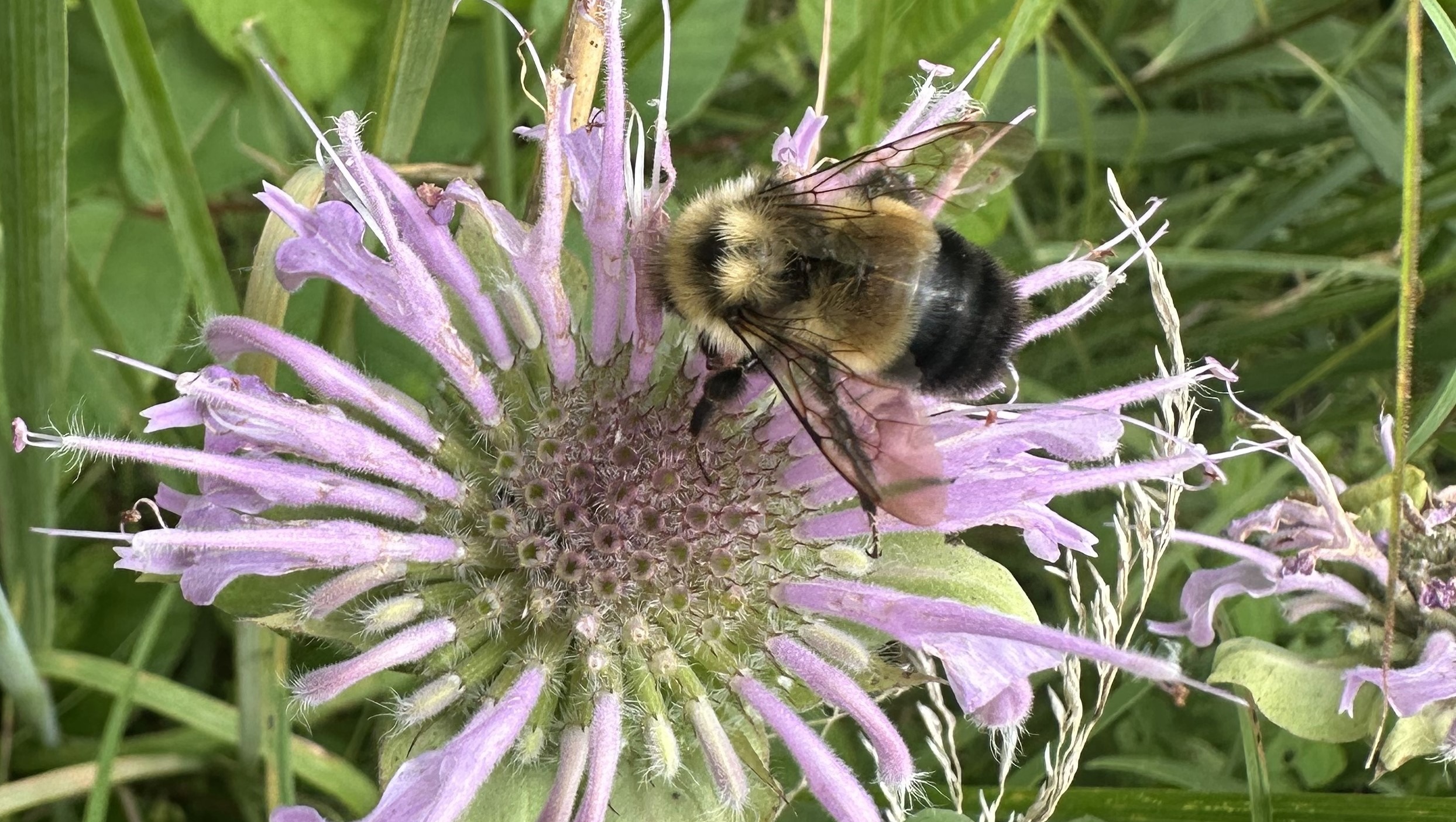
A Rusty Patched Bumblebee (federally endangered bee) found at Ozark Wildlife Area in Monmouth, IA. I lost my mind when I saw it!
I'm working with a researcher at the University of Illinois Urbana-Champaign to conduct environmental DNA (eDNA) testing in a wetland called the Milan Bottoms (MB) in Rock Island, IL and in agricultural and roadside prairie strips. The purpose of both projects are:
Blanding's: All turtle species are facing extinction to varying degrees, many from habitat fragmentation and destruction (which make their habitat's inhabitable). We know from biologists' surveys that Blanding's call the Milan Bottoms home so protecting this wetland is vital for their conservation. A company is in the process of putting a gas station and dispensary in this wetland complex, a process which would negatively impact the Blanding's population there, but we can't stop this development and/or get help from the authorities until we have definitive proof of that population. This is where eDNA comes in! I collect water samples from the wetland and then pull any DNA. If we identify Blanding's DNA in any sample, it means they're in the wetland. This is the kind of proof we need to validate what biologists have seen with their own eyes: Blanding's are in the Milan Bottoms and they need our help!
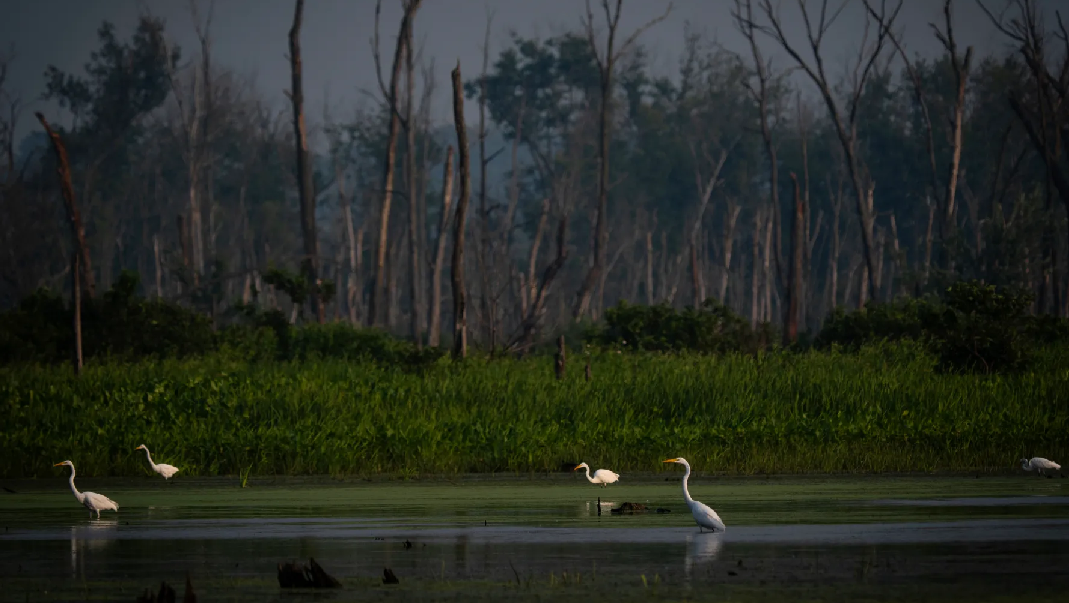
This research won't just protect the turtles; it will also show how vital this wetland complex is for wildlife. What we already know: Bald Eagle experts have documented the Milan Bottoms as being the largest eagle nighttime winter roosting area in the lower 48 states. A recent survey by said experts found around 300 eagles emerging from the Bottoms! Plus, over 150 other animal species have been documented there, including at least 10 threatened or endangered species. Being relatively untouched by human activity is a big part of why the Bottoms is an ideal habitat and successful flood plain, but that's being threatened by this commercial development.
Native bumblebees: Prairies used to cover most of Iowa and Illinois but now only account for 0.01% of the land in both states. Bumblebees, some of the most important pollinators for crops and other plants, depend on prairies for survival, but with so few larger and more established prairies left, they need help. Prairie strips (mini prairies planted along farm fields and roadways) are important tools that help bridge the gap, providing food and shelter for bees between the few prairies we have left. I will be using eDNA to identify how effective these prairie strips are at helping conserve native bumblebee species, especially those who need the most help from us (Rusty Patched, Southern Plains, and American bumblebees). My findings will show which species are in different types of prairie strips and whether these strips support threatened/endangered species. My findings will also inform experts on how to improve prairie strip management to make them more effective conservation tools, as well as shed light on how our local bumblebee populations are faring.
I'm an independent researcher, which means I'm not affiliated with any specific organization or non-profit, although I do collaborate with the University of Illinois Urbana-Champaign and work through their lab. This also means I have no financial backing for my research, despite how important it is. Can you help?
Cost Breakdown (Blanding's):
Sample processing and eDNA testing total: $589.10/plate (29 samples)
$589.10 x 3 (fall, spring, summer samples) = $1,767.30
Already raised: $589.10
Still need to raise: $1,178.20
Cost Breakdown (Bees):
Filtration and eDNA extraction: $417.08/plate (30 samples)
eDNA metabarcoding: $578/plate
Sequencing: $2224 (can run up to 13 plates)
Total that still needs to be raised (4 plates): $6,204.32
Why should you help? Supporting my research gives you a stake in conserving bumblebees (which are truly like adorable, flying teddy bears and so, so important to every living thing on Earth) and protecting Blanding's turtles (and Bald Eagles and so many other species) that rely on the Milan Bottoms being left undisturbed. Some bumblebee populations have decreased by up to 90% in recent years and Illinois has already lost almost 90% of their original wetlands...let's work together to protect our pollinators and one of the last remaining untouched wetlands in Illinois!
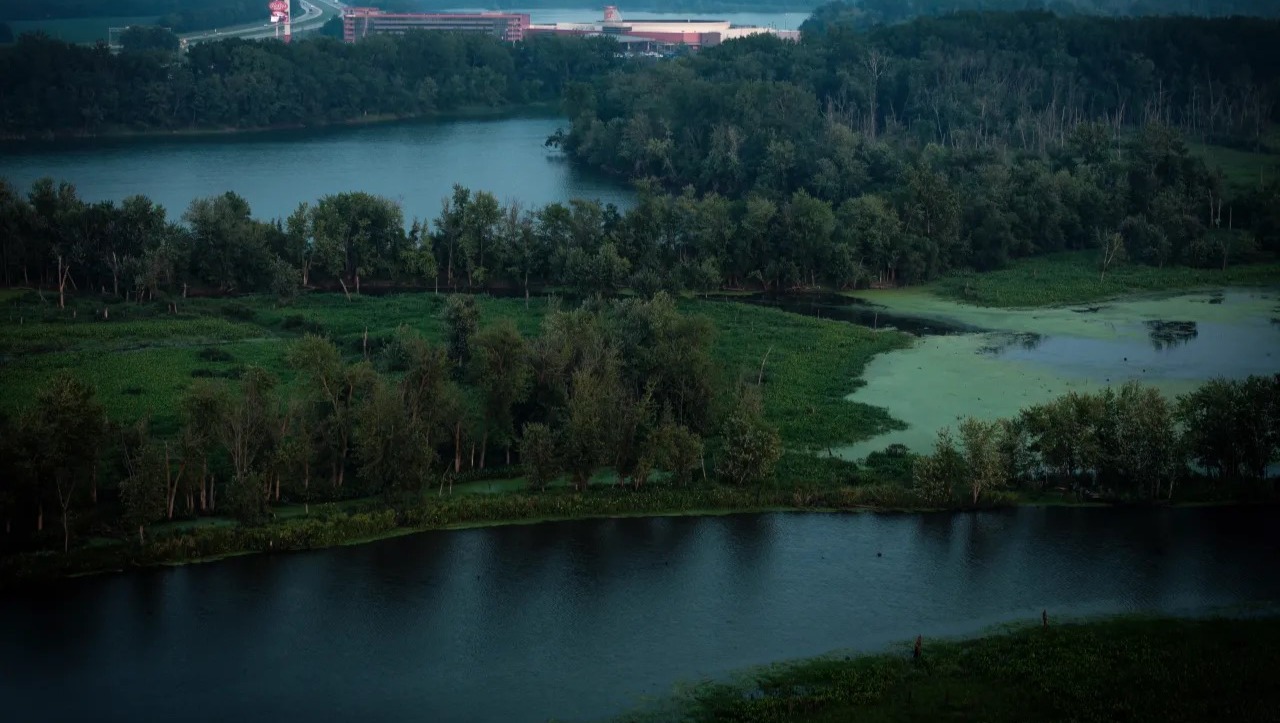
(Above) aerial picture of the Milan Bottoms
(Bottom) picture from inside the Milan Bottoms featuring beautiful egrets
Organizer