- G
- R

Kimberly's and Leon’s battle against Frontotemporal Dementia
0% complete
$24,435 raised of $58K
77 donations
The diagnosis of Frontotemporal Dementia (FTD) Stage 2 for my wife, Kimberly A Frechette, in October 2022, and with her condition upgraded to Behavioral Variant Frontotemporal Dementia (BvFTD) Stage 2 on December 27, 2023, marked a profound turning point. This condition has dramatically altered the essence of our lives, erasing the vibrant connection between soul mates, lovers, and friends, and with it, our shared dreams, humor, and the meaningful existence we once knew. Most heartbreakingly, it has stolen the future we envisioned for our retirement.
Kimberly, as I knew her, is no longer present. What remains is a semblance of the person she once was, now with the innocence of a child, trapped within a body that can no longer harbor her spirit. Despite her cheerful insistence that “I’m doing great,” the stark reality is that the disorder ravaging her brain has stripped her of the ability to function as the adult she once was. Simple tasks that come naturally to us are insurmountable obstacles for her.
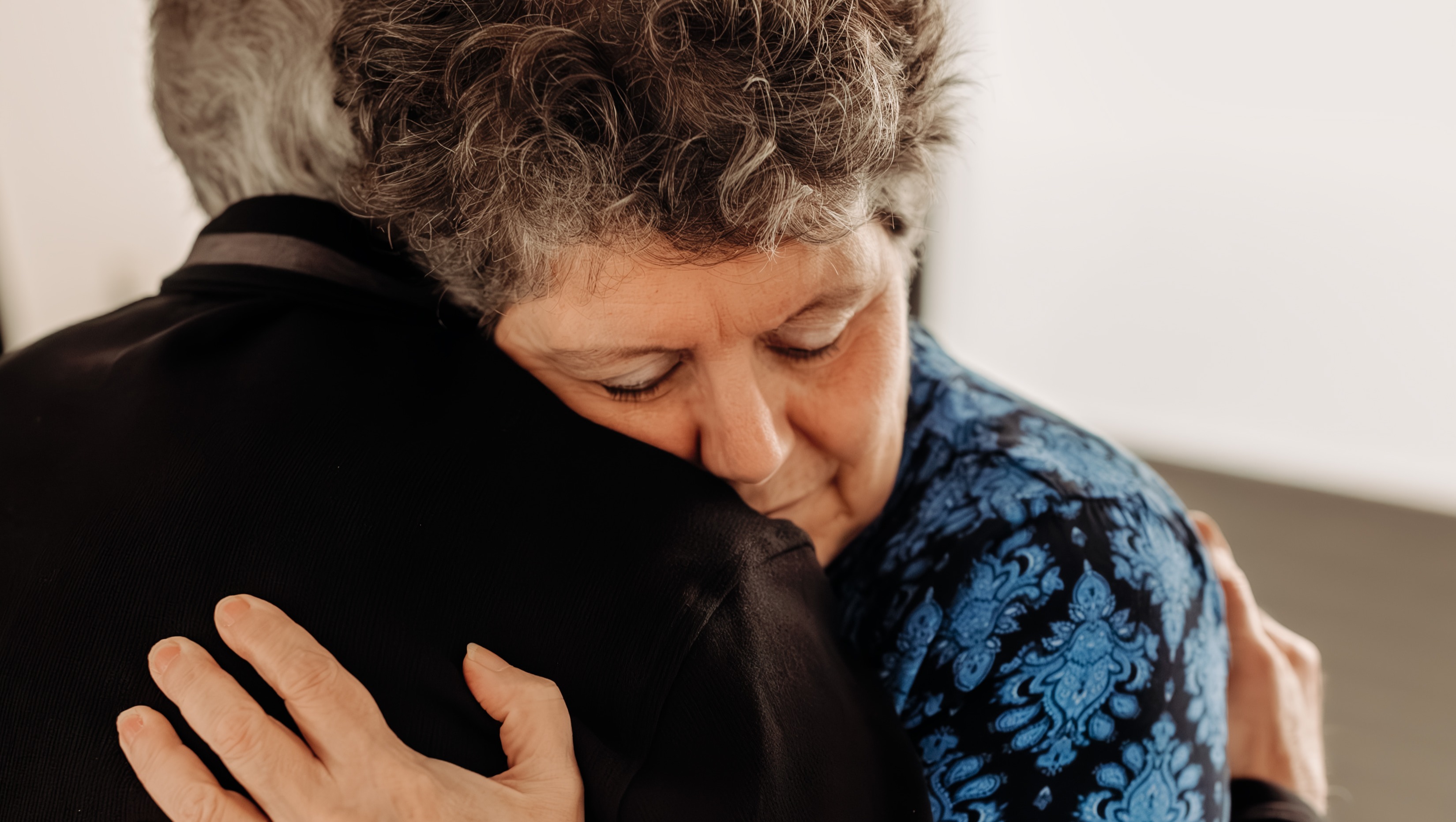
The most poignant expression of her struggle is when she says, “My head hurts and I don’t know why,” a distressing testament to the internal changes and the physical shrinkage of her brain. Crucially, BvFTD is not confined to the narratives of old age. It strikes with indiscriminate precision, affecting individuals in the prime of their lives and challenging the misconception that dementia is solely a disease of the elderly. This revelation underscores the urgency and the broad spectrum of impact, emphasizing the need for awareness and support across all ages.
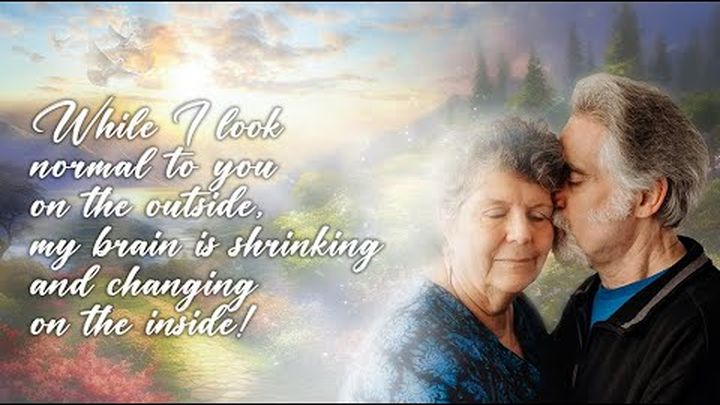
This journey is made even more challenging by the widespread misunderstanding of BvFTD. To the outside world, Kimberly appears healthy and normal, leading to skepticism and a lack of empathy from friends, family, and even potential supporters. This invisible illness faces undue scrutiny because its symptoms aren’t as apparent as those of more recognizable diseases.
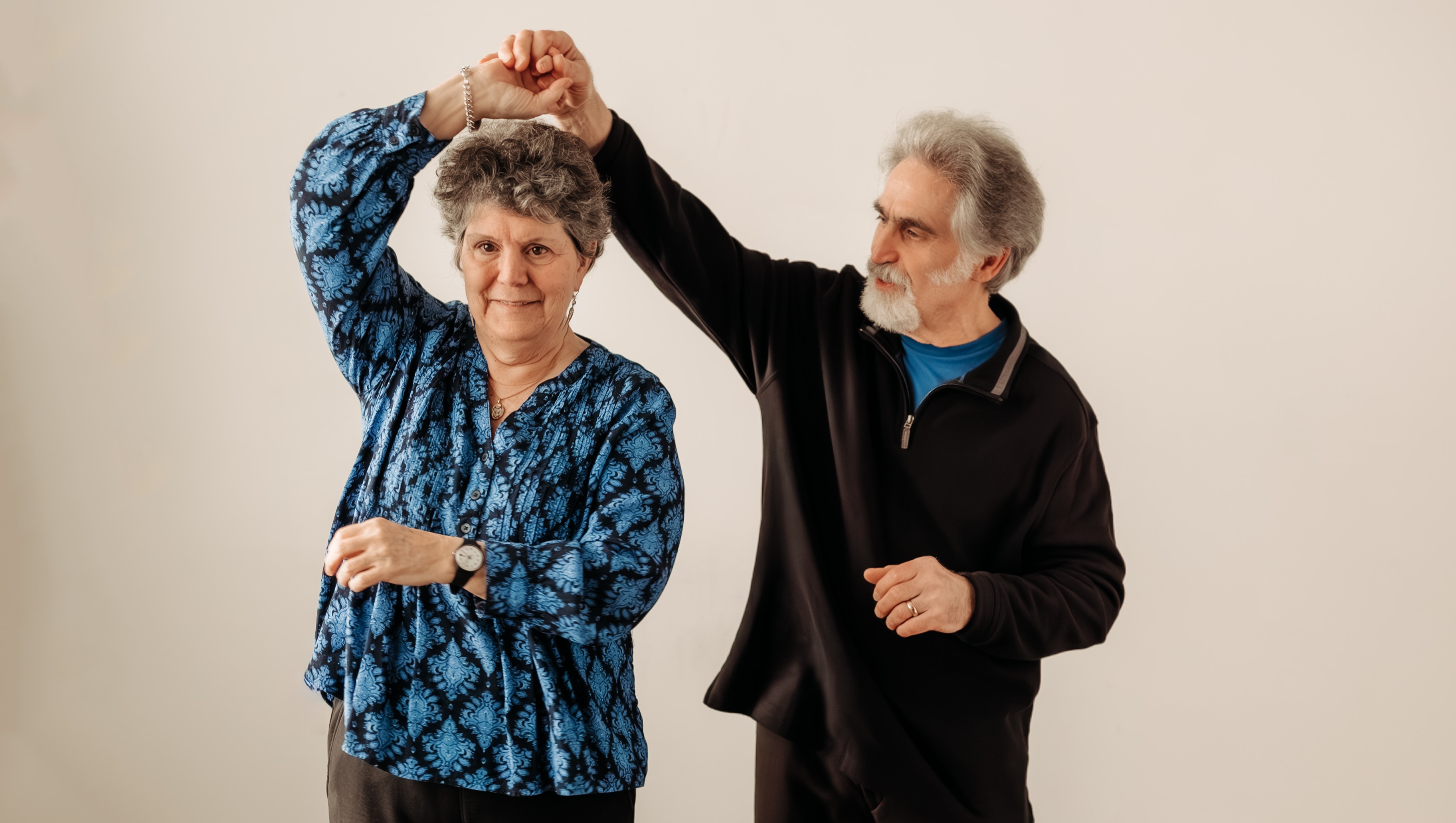
The societal expectations placed on those who “look normal” are unrelenting. If Kimberly’s illness had visible signs, she would likely receive the compassion and understanding she deserves. Instead, we face a constant battle against misconceptions and the expectation that she should behave in socially accepted ways, despite her inability to do so.
Frontotemporal Dementia is a cruel thief of dignity, slowly eroding the essence of the person affected. Unique among diseases, it incurs out-of-pocket care costs until the final six months of life, with no insurance coverage until that dire threshold is reached. With no cure in sight, the hope lies in the support and resilience of caregivers, who themselves face the daunting prospect of enduring this journey.
Engaging with an Adult Day Services program Monday through Friday has provided Kimberly with a semblance of normalcy and helped prevent the restless pacing that often accompanies her condition. This not only aids her but also allows me the crucial time needed to recharge and continue navigating this uncertain path with her. However, finding care support for the weekend is another story, as most are unwilling to work weekends. This is not a disease that works on a banker's schedule—"Sorry, honey, but can you put your disease on hold for the weekend?”
From an unpaid spouse caregiver's point of view, with experience with this disease, BvFTD is sucking the living life out of me. It is almost impossible to prevent it from happening, and for this reason, I have become an advocate for this disease!
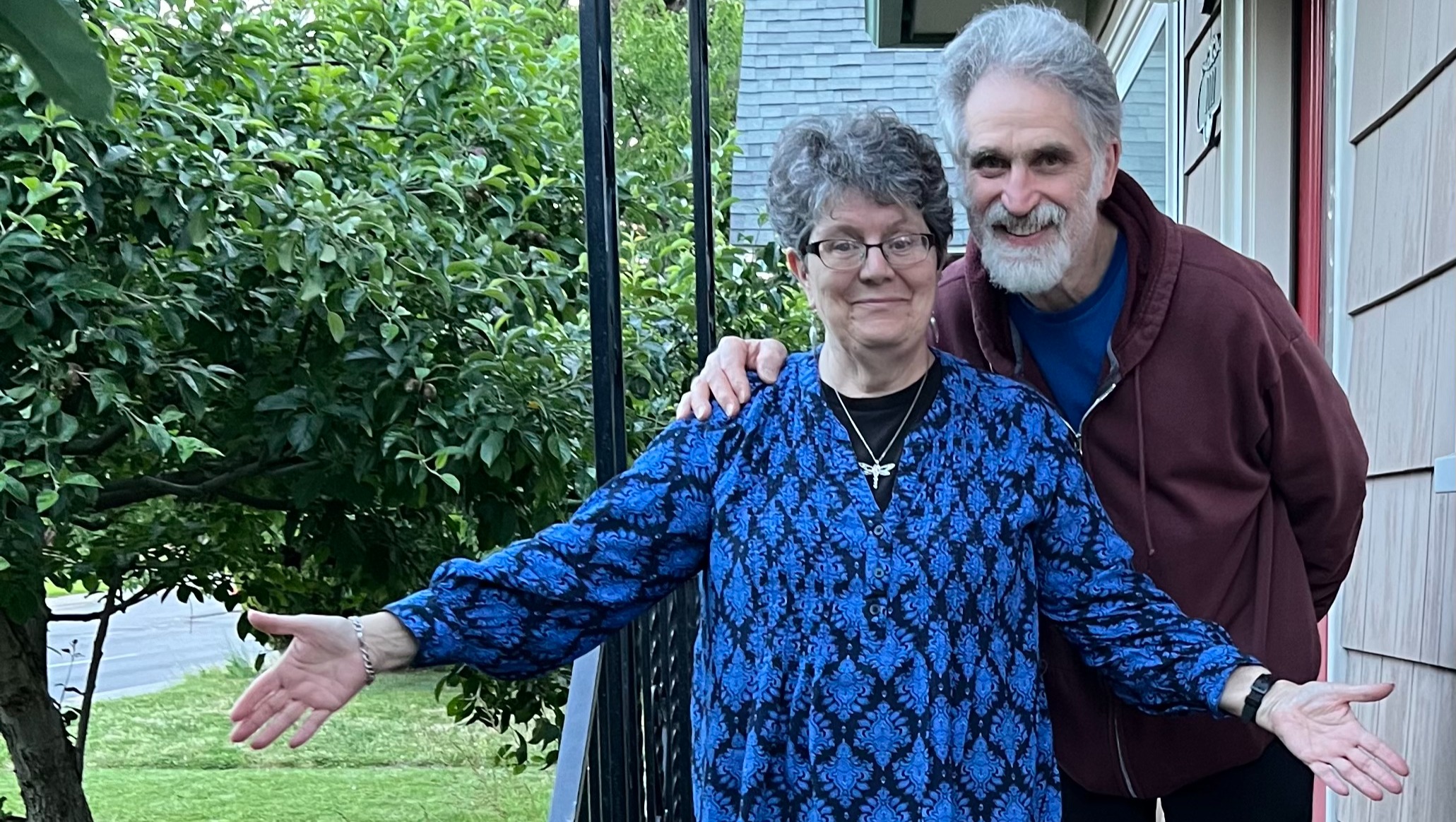
Yes, it's been quite the journey. I try not to get caught up in Kimberly’s world so I can conserve my energy to help her, but I also strive to understand her world so I can provide her with a more stable and comfortable life before she transitions to the spiritual realm. What I am is an extension of her well-being, meaning that I am her brain, her eyes, and her mind. I help her navigate through life, much like a service dog is trained to do, but I’m the service spouse. I allow her to make the choices, but I help with the final decision. I bathe her, I feed her, I dress her, and oh yes, I wipe her butt daily. I put her to bed, and wake her up in the morning, and we go through the routine again. I try to make her feel like a woman even though she is in a child-like setting. I have a duty and a commitment to take care of her, as outlined in our wedding vows 40 years ago, to have and to hold from this day forward, for better, for worse, for richer, for poorer, in sickness and in health, to love and to cherish, until death do us part.
I have checked into the Long-Term Care Services so I would be prepared for the time when Kimberly will need and require long-term care. The bad news is this—Kimberly’s social security is above the income threshold. In reality, you have to be poor to get help from the state through any Medicaid program. I have a couple of choices: I could sign over the house to them, which will not happen, or I could win the PCH Sweepstakes and continue to pay out of pocket as I have done for the last 3 years.
What I have found interesting about paid caregivers so far is that they tend not to work on weekends. I will reiterate what I have been saying: we have a broken caregiving system, and what we need is a national community caregivers networking system in place. By bringing the YMCA, Community Centers, and churches together, and taking retirees out of retirement to help provide unpaid spouses caregivers with respite relief. This would make a significant difference in recharging a caregiver’s batteries. It will be a matter of time before you have burned-out caregivers and they become part of the statistics, where over 50% of them will die before the person with the disease they are caring for does!
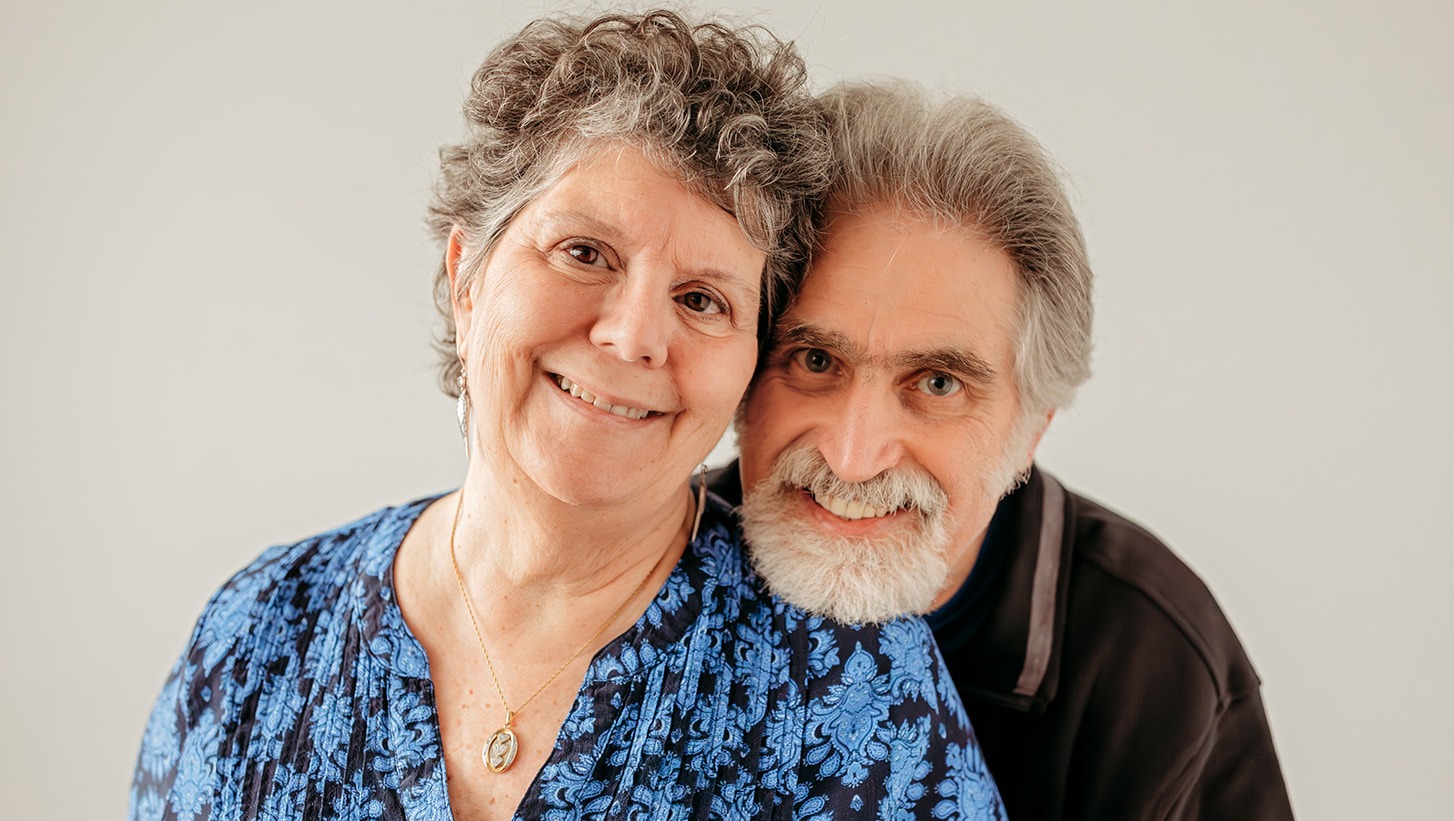
That is why it is so essential to make changes to the broken caregiver system now, not later.
I urgently appeal for your support to provide Kimberly with essential home care and to support my advocate role. Your generosity will not only benefit her directly but will also help me, enabling us to face this challenging journey together with dignity and hope.
Please consider donating and helping us maintain our fight against this devastating disease. You can do so by clicking on the Donate Now Button. Every dollar will help ensure she continues to have support, allowing me to be an advocate for BvFTD and offer her the time she has left at home, surrounded by familiarity and love. ❤️
How You Can Make a Difference:
1. Donating: Every dollar brings us closer to our goal of providing Kimberly with essential home care and supports me in my advocate role with BvFTD.
2. Praying: Your prayers offer strength and hope in our journey.
3. Sharing: Spread our story. Awareness and voices can bring unimaginable support and changes to the broken caregiver system.
Thank you for visiting, Leon A. Frechette, Advocator for BvFTD.
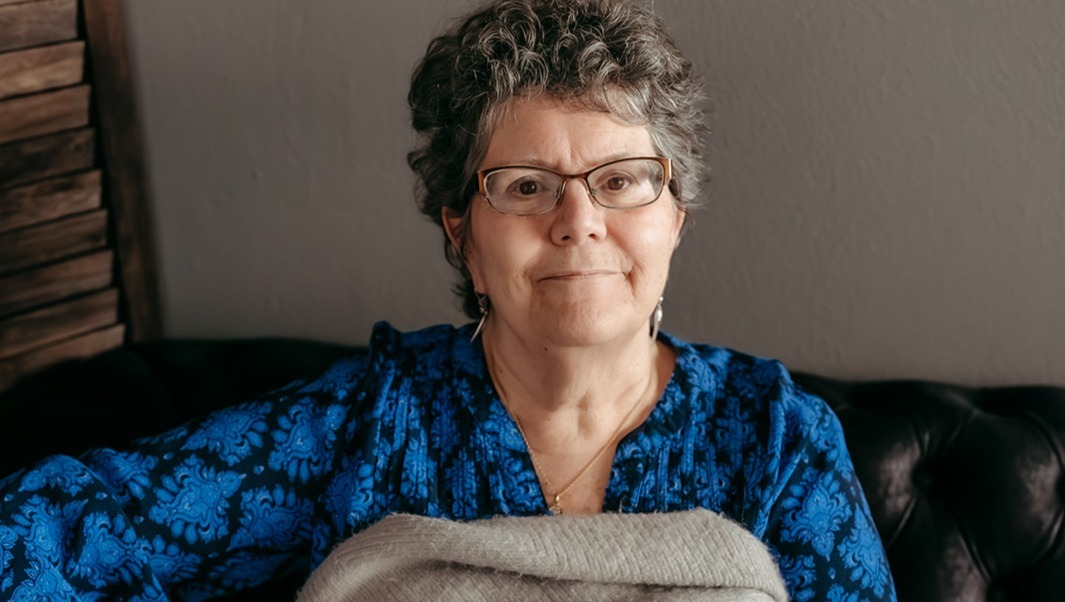
Credit Note: Shay Carey Photography took all photos except the one of us on the front porch for a feature article about our journey in the South Hill Neighbors magazine, March 2024, titled "Kimberly & Leon Frechette Battle Against Frontotemporal Dementia."
This campaign was revised and updated on July 27, 2025.