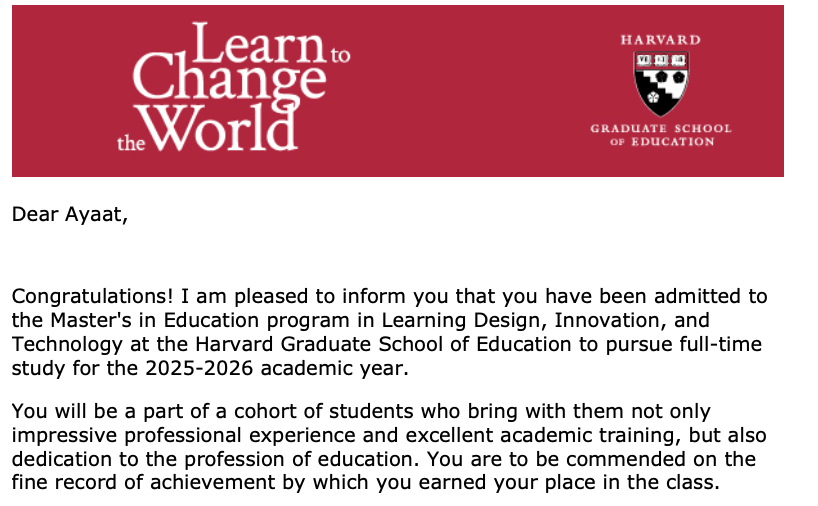
I screamed, I jumped, I cried tears of joy. Then I stared at the tuition cost and cried for a very different reason…
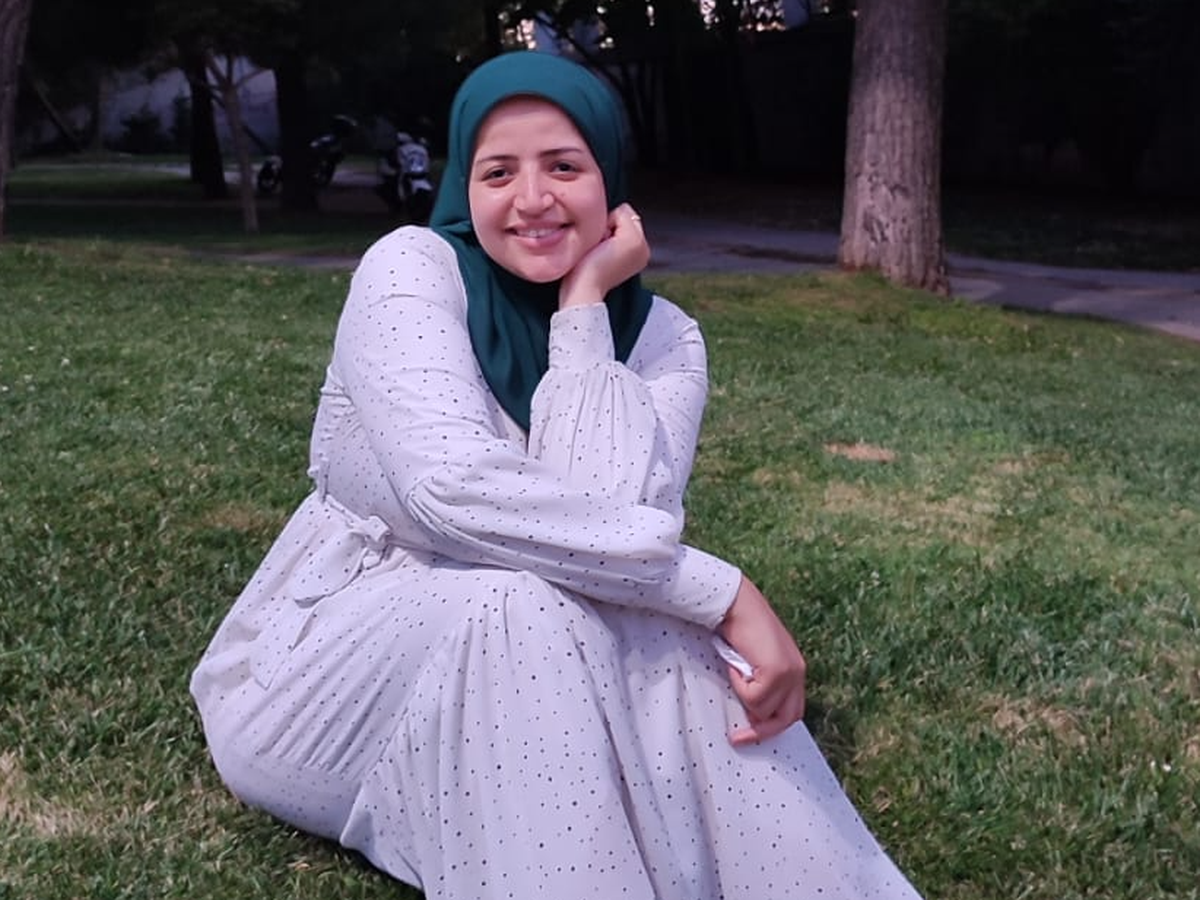
My name is Ayaat Abdelraheem, and I have always been known as the weird countryside girl. I have been honored with admission to the Harvard Graduate School of Education’s Learning Design, Innovation, and Technology master’s program. This acceptance is the result of years of struggle, resilience, and a deep belief in the power of education to transform lives, especially for girls and women like me.
I come from a small village in Fayoum’s countryside in Egypt, where opportunities for women are limited and the prevailing belief is that a woman belongs in the home. From a young age, I rebelled against this reality. Education was my way of saying I deserved more. Despite immense pressure to leave school and get married, I remained determined. I graduated top of my class in college amongst 110 peers with an “excellent with honors” distinction and became the first college graduate in my family—even when my mother tried by all means to stop me. During my time in college, I volunteered with ENACTUS (ENtrepreneurial ACTion US) to introduce solar energy to rural areas and convert sugar cane waste into fertilizer. I also mentored students, one of whom became the head of project management in ENACTUS. I also helped raise funds for my city’s cancer institute for women.
Behind my academic success is a quiet challenge I’ve carried for many years: a genetic retinal disease that causes significant visual impairment. There is no cure, and neither glasses nor surgery can improve it. This condition has affected many aspects of my life, including my learning. Even when sitting in the first row of class, I often couldn’t see the board clearly. It took me much longer to read and process written materials, and I was sometimes misunderstood by teachers and peers. In a community that heavily stigmatized disabilities, my family didn’t allow me to speak about my condition with my teachers. I had to silently struggle without accommodations, leading to even more isolation and, at times, unfair accusations. But over time, I found ways to adapt. I relied more on memorization, worked harder to keep up, and learned how to overcome the additional obstacles my vision created. It hasn’t been easy, but this challenge has shaped my resilience and determination. Every step forward has required extra effort, and I’m proud of how far I’ve come.
Harvard has always been my dream—a place to grow and champion women’s empowerment through education. My long-term goal is to create a social enterprise that uses profits from a private-sector arm to invest in underserved communities like mine. My plan is to train teachers in underprivileged communities in Egypt to use advanced educational technology. This will enhance classroom engagement, improve behavior management, and save teachers time and effort—ultimately transforming students’ learning experiences.
As an English teacher, I have supported many students in achieving scores that opened doors to scholarships and careers—and I’ve proudly watched them succeed. Now, I need your help to achieve my dream. Harvard’s tuition is nearly $63,000. I’ve been awarded a grant, but I still have a $24,000 gap that I must cover by August 20.
With sincere hope, I ask for your support—whether through funding, scholarships, financial advice, or other guidance. Your help wouldn’t just fund a degree; it would enable me to uplift countless others. This journey is about more than me. It’s about proving to the girls in my village that their futures are theirs to shape.