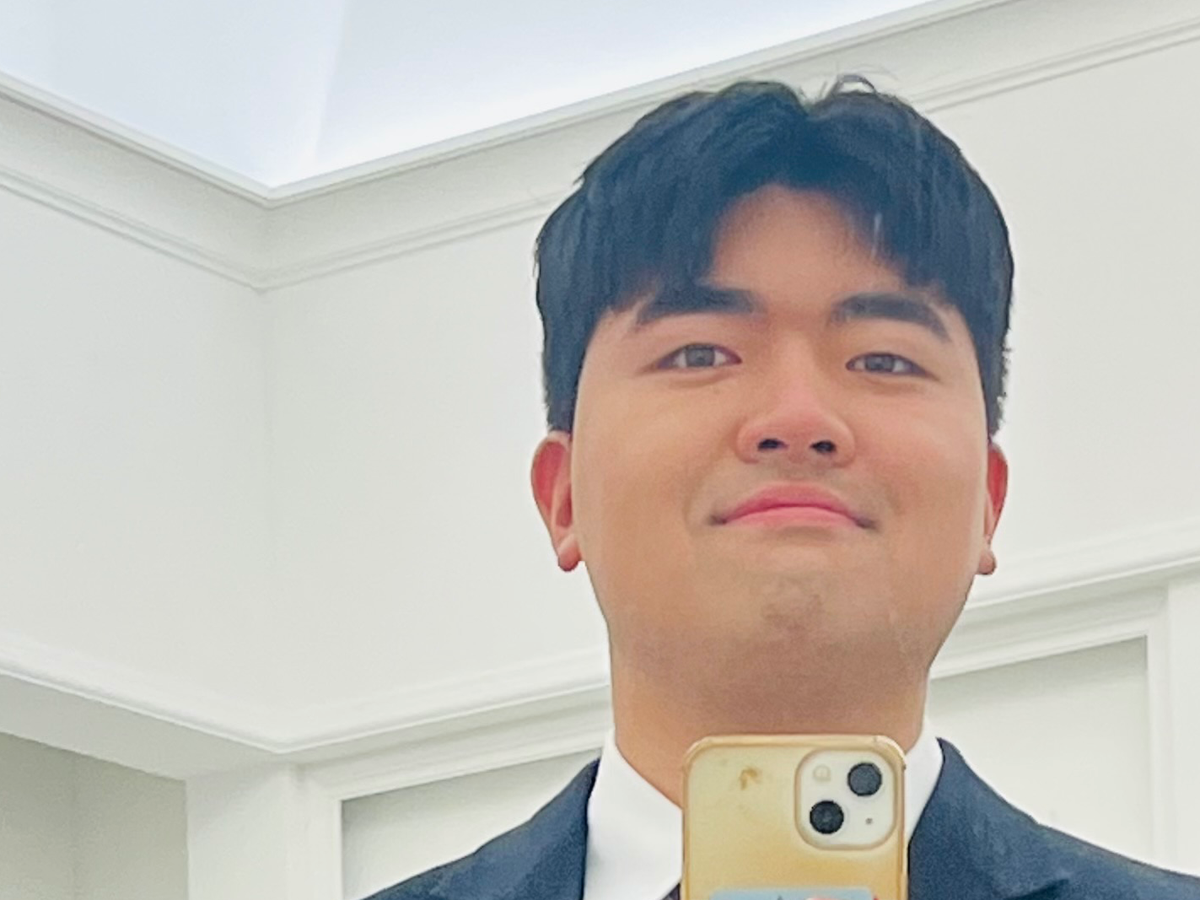
I describe Tourette Syndrome as the “best obstacle” in my life because, although it has brought many hardships, it has helped me develop confidence, patience, and a positive mindset. Diagnosed at age seven, my symptoms became more severe during adolescence, leading to bullying, isolation, and a fear of public spaces. An English teacher’s encouragement in high school helped me realize that I was limiting myself, and I began to change my attitude. After moving to Seoul, I found a supportive Christian school where faith, music, and performance helped me rebuild confidence. Even after undergoing deep brain stimulation surgery, Tourette Syndrome still affects my daily life, but with my family’s support and my faith in God, I live with gratitude and purpose.
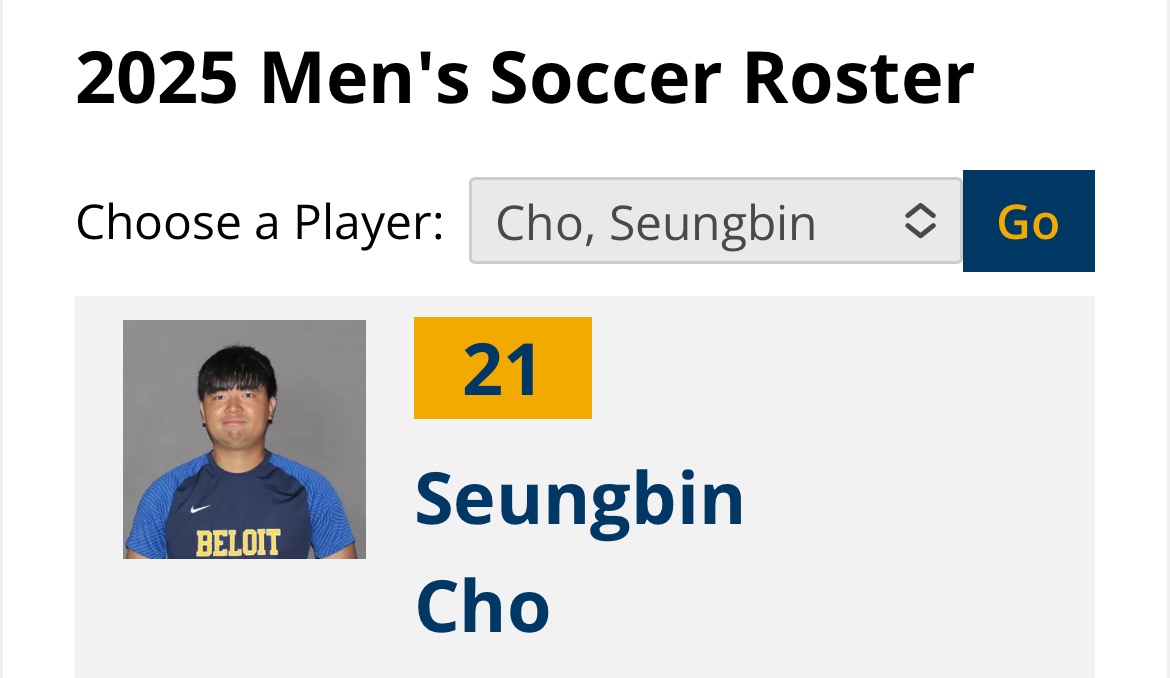
I am now a student-athlete at Beloit College, and I have faced many mental challenges through both life and sports. I realized that these struggles are not unique to me—many student-athletes experience similar mental difficulties. Through my experiences, I found a way I want to help others. My dream is to start my own business, an Athletic Mental Care Service, to support athletes’ mental health. I believe athletes must develop three key areas: skill, fitness, and mental strength. Among these, mental strength is the most important, because athletes with unstable mental health fail far more often than those with strong minds. When athletes have strong mental resilience, they do not fear failure; instead, they learn from it and move closer to success.
At the same time, I face financial challenges in continuing my education. I need to pay my tuition, but my family has been going through a difficult time financially. Despite these hardships, I remain committed to my education, athletics, and my goal of using my experiences to support and uplift others who face similar struggles.
Organizer