- k
- P
For Nepal, Together - When Pain Becomes Purpose
0% complete
£4,010 raised of
57 donations
This Was My Home. Now I Want to Help Save Theirs.
I am Ashish Shrestha, I am on a purposeful mission
Turning our loss into something that might lessen someone else's.
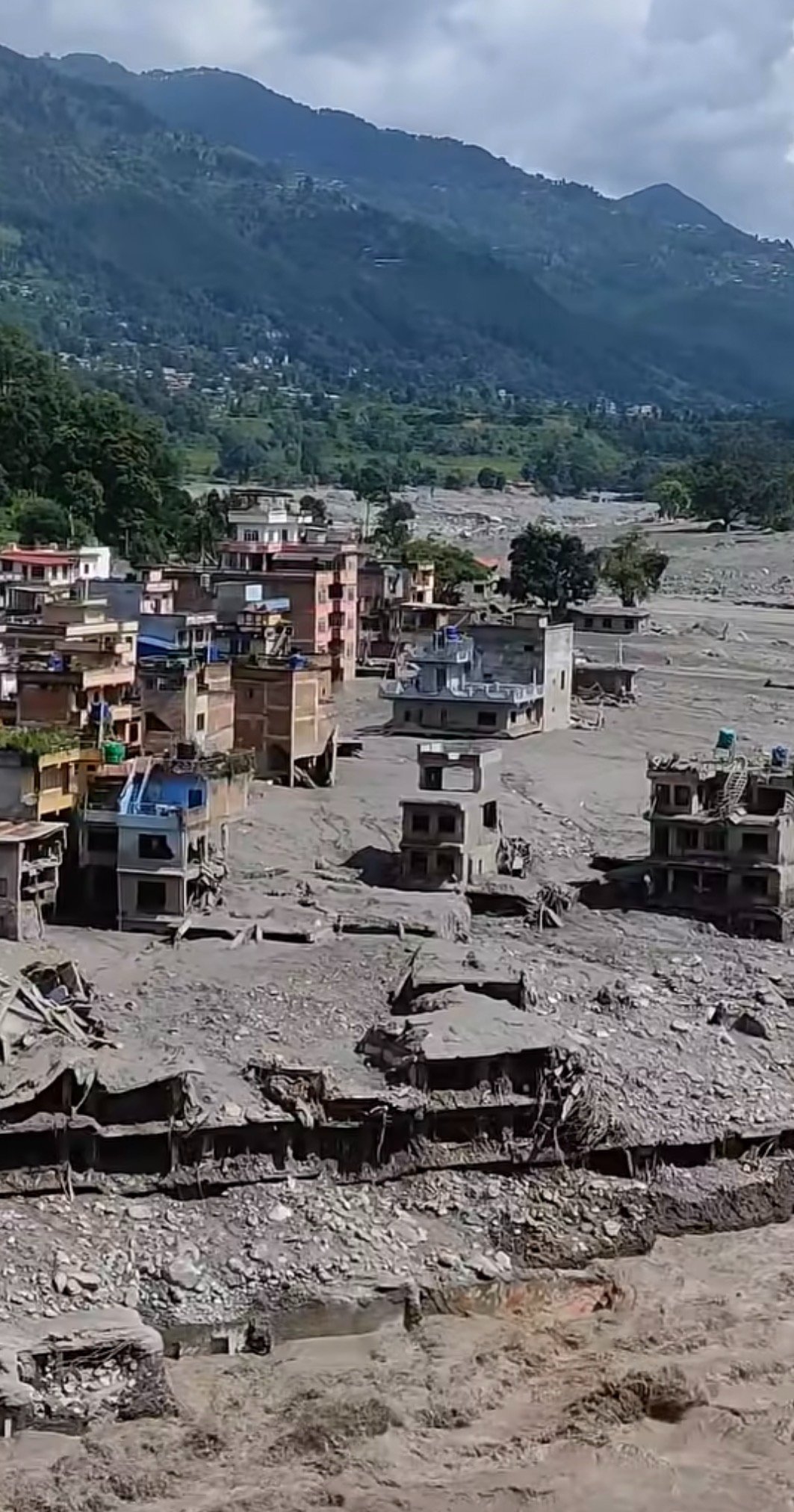
This was my home. Not just a house. Home.
I was born here. I grew up here.
This was part of the physical landscape of my life.
These walls witnessed the little boy I once was. They held my childhood, my family, my beginnings and some of the most beautiful memories I have of my mother.
When Mum passed away four years ago, something changed in my relationship with this place.
For a long time, I couldn't find the courage to walk through those doors again.
Last December, I finally did.
I walked through the rooms. I sat with the memories. I allowed myself to reconnect with a place where so much of Mum still lived for me.
Today, I am incredibly grateful that I did.
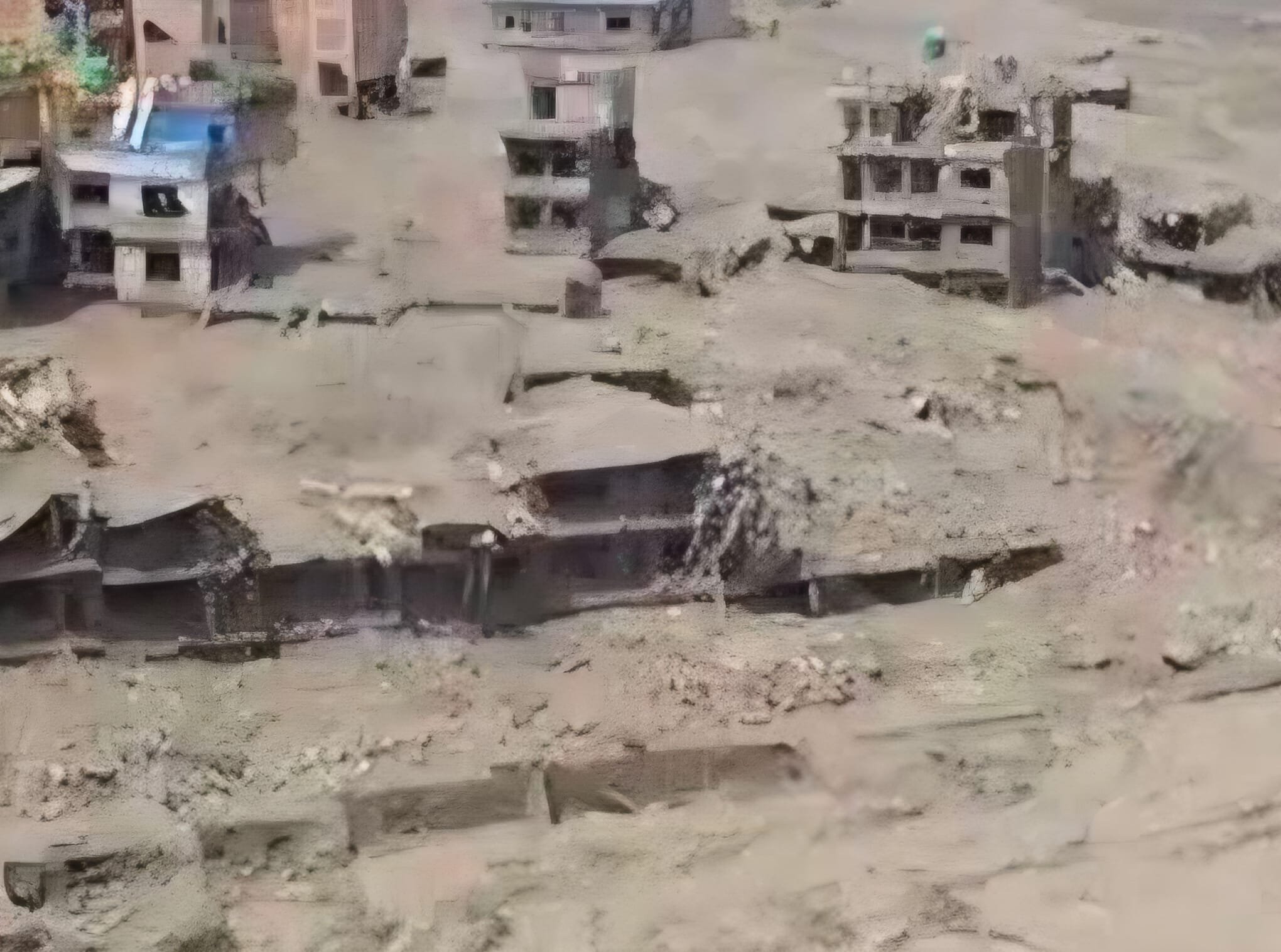
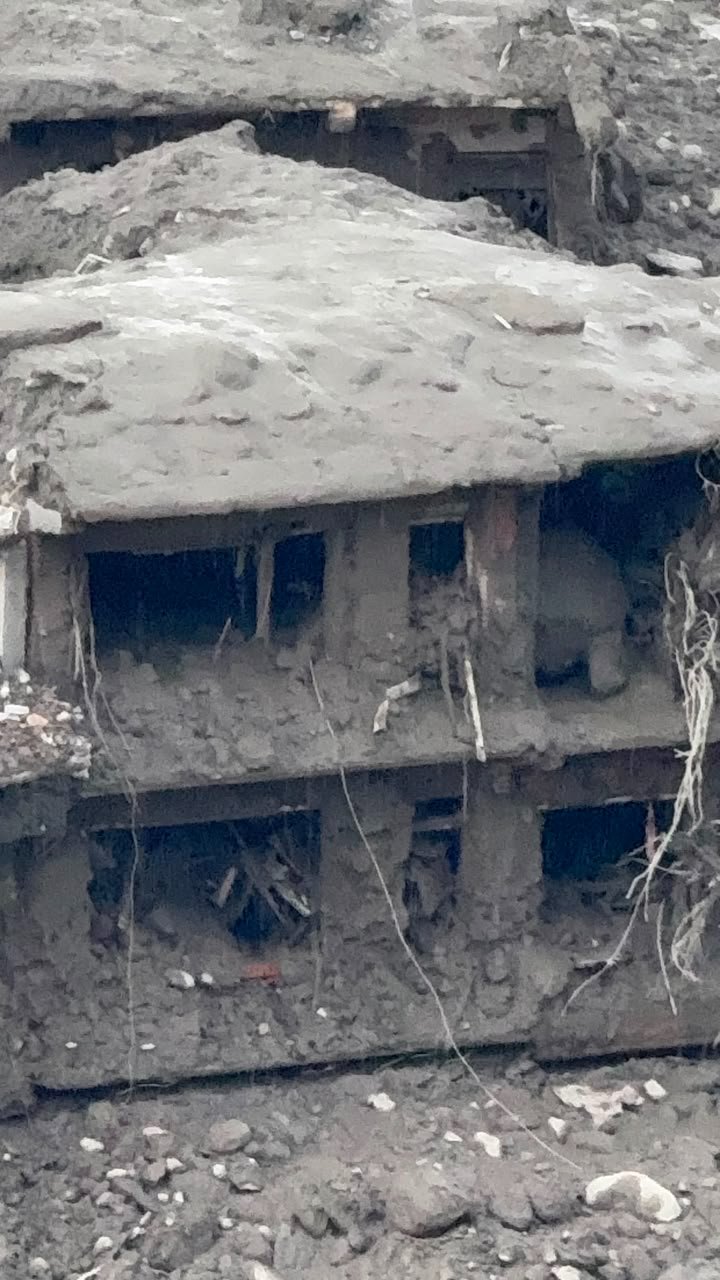
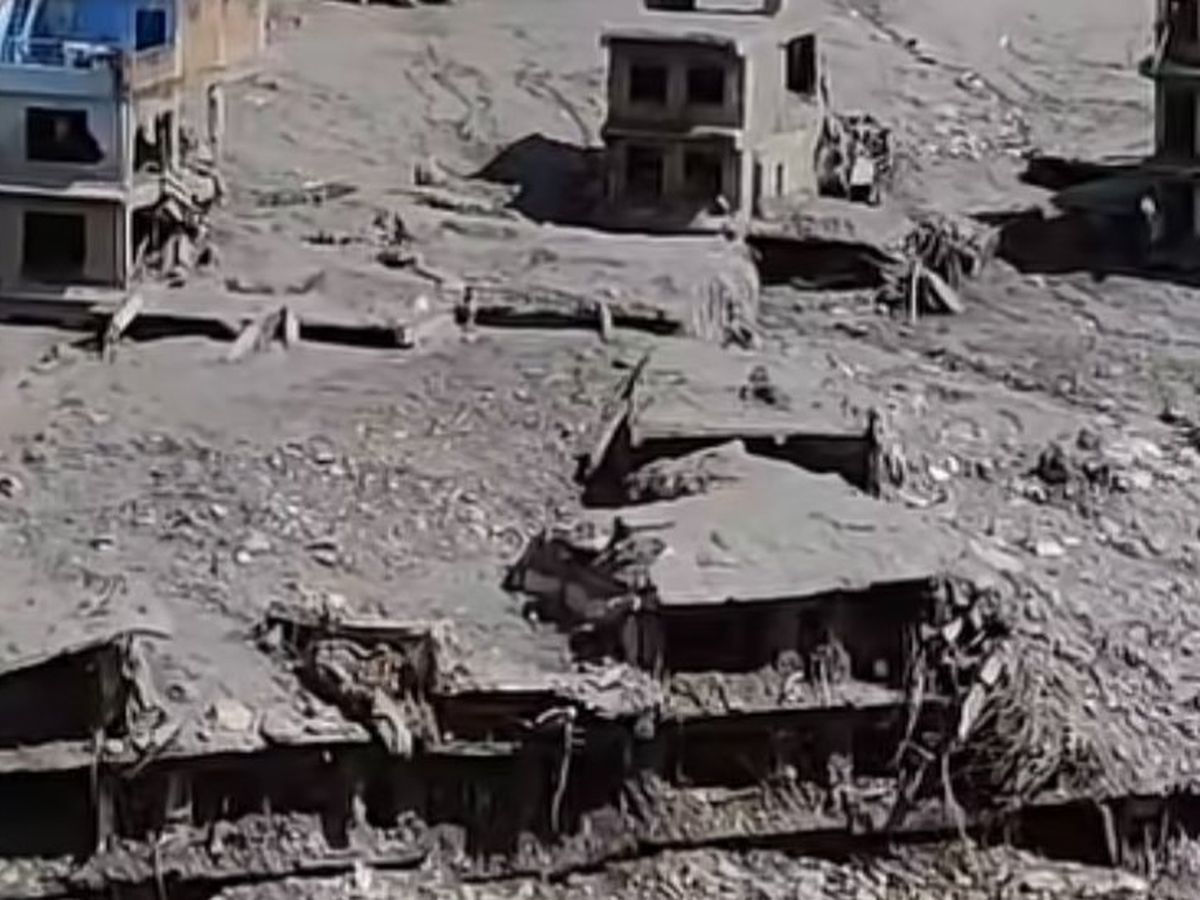
Because the home I knew is no longer there.
The devastating floods that swept through Nepal's Trishuli river corridor took our family home with them.
And I am grieving.
Not its monetary value.
That was never what made this place valuable to me.
I am grieving a pillar of my physical landscape. A place connecting me to my childhood, to Mum, to my roots and to where my story began.
Home will never quite look or feel the same for me again.
But I am also beginning to understand something.
The flood doesn't get to take everything.
It can take walls.
It can take possessions.
It can change the landscape.
But it cannot take the boy who grew up there.
It cannot take the life my mother created within those walls.
It cannot take the December day when I finally returned.
And it certainly cannot take the love that made an ordinary house worth infinitely more to me than its monetary value.
Perhaps this is another difficult chapter in my own learn, unlearn and relearn journey.
We learn to associate memories with places.
Life sometimes painfully asks us to unlearn the idea that those places will always physically exist.
And eventually, perhaps, we relearn that the real home was never only the building. It was the people, the love and the life that happened inside it.
Amongst the sadness, there is enormous gratitude.
My father is safe.
By what I can only describe as a blessing, Dad happened to be in Kathmandu when the flood came.
He was planning to return home the following day.
One day.
I still struggle to think about what difference that one day could have made.
So yes, my family has lost something deeply precious.
But we are here.
We are safe.
We have somewhere to go.
We have the ability to recover.
And so many families affected by this disaster cannot say the same.
Why am I doing this today?
For the last two days, I have simply been trying to process what has happened.
There is a lot to process when a place you assumed would always be there suddenly isn't.
I have looked at these photographs and footage many times.
Sometimes I see the destruction.
Sometimes I see the little boy who grew up there.
Sometimes I see Mum.
Sometimes I think about Dad and the extraordinary circumstances that kept him in Kathmandu when he was planning to return the following day.
And sometimes I don't really know what I feel.
Sadness.
Gratitude.
Disbelief.
Memories.
Perspective.
They can all exist together.
So I gave myself permission to feel all of it.
And today, I feel something else too.
Purpose.
The scale of what Nepal is facing
As I write this on 29 August, Nepal's National Disaster Risk Reduction and Management Authority reports that 626 people have lost their lives and 2,426 remain unaccounted for.
More than 4,400 people have been rescued, while over 15,000 security personnel have been mobilised across search, rescue and relief operations.
Homes have disappeared.
Roads and bridges have been destroyed.
Communities have been cut off.
Families are still waiting to hear whether the people they love are coming home.
And the danger has not completely passed.
A barrier lake created by the disaster has been closely monitored because of fears that it could breach and send another surge downstream. Thankfully, the latest assessment shows its water level falling and the immediate breach risk reducing.
But authorities continue to monitor the area for secondary hazards, including another significant body of water near the glacier.
This disaster is still unfolding.
And behind every statistic is a human being.
Somebody's mum.
Somebody's dad.
Somebody's child.
Somebody's home.
I realised that I cannot change what the river has taken from my family.
But I can choose what I do with the pain it has left behind.
Perhaps pain doesn't always have to become suffering.
Sometimes, when we are ready, it can deepen our compassion.
And compassion can become action.
My family is safe.
We have somewhere to go.
We have the means to rebuild our lives.
Many families affected by this disaster have none of those things.
At this point, my values, my ethics and my upbringing ask me to look beyond my own problem and give even more.
Not because my loss doesn't matter.
It matters enormously.
But because experiencing loss has made somebody else's loss feel even closer.
If there is something I can do today to lessen another person's pain, even just a little, then that feels like the right thing to do with this present moment.
Not for my home. For theirs.
I have been here before.
In 2015, following the devastating Nepal earthquake, I reached out to my humble network and asked for help.
What happened next remains one of the most humbling experiences of my life.
People gave money.
People donated essential health and hygiene supplies.
People gave their time.
People opened doors.
And people who couldn't do any of those things simply shared our message.
Together, that generosity eventually helped us build four kindergartens across four remote villages, provide semi permanent rooms and structural support to more than 40 homes in one village, and provide children with clothes, sanitry kits, hygiene kits, school bags and educational essentials.
I may have helped mobilise that response.
But WE made it happen.
It taught me something I have never forgotten:
When enough ordinary human beings care about someone else's pain, extraordinary things can become possible.
Eleven years later, Nepal needs that collective humanity again.
This time, my role is different.
In 2015, I travelled to Nepal and, alongside a small team, helped mobilise support ourselves.
This time, I have been deeply encouraged by the response being led on the ground in Nepal.
The government, security services, emergency responders, volunteers and communities are already doing the incredibly difficult work of rescue, relief and recovery.
Sometimes helping doesn't mean creating another structure around the people already doing the work.
Sometimes it means standing behind them.
So this time, the proceeds of this fundraiser will be contributed to the Government of Nepal's Prime Minister Disaster Relief Fund, supporting the country's response to this tragedy.
And I want to be absolutely unambiguous about something.
This fundraiser is NOT for me.
Not one penny is intended to rebuild my family home or provide any personal benefit to me or my family.
We will take care of ourselves.
This is for a beautiful country with beautiful people and hearts.
For families and communities with far less ability than mine to absorb a loss like this.
For people who need us now.
I will share updates here so those who place their trust in this appeal can see where our collective contribution goes.
What can you do?
Give £5 if that is what you can comfortably give.
Give £50 if you can.
Give more if you are fortunate enough to be able to.
And if donating isn't possible right now, please share this appeal.
That matters too.
I don't know how much we will raise.
And I don't want the size of the number to become the measure of our humanity.
What matters is that we showed up.
Because giving isn't only about what leaves our hands.
It is also about what we choose to hold in our hearts.
Perhaps this is another moment to learn, unlearn and relearn.
To learn again how fragile the things we assume will always be there can be.
To unlearn the idea that somebody else's suffering is somebody else's problem.
And to relearn something humanity has always known.
We need each other.
My childhood home may no longer stand as I remember it.
But everything that home taught me still stands.
My mother's love.
My father's strength.
My upbringing.
My values.
And my belief that when life has given us enough strength to stand, we can reach out our hand and help somebody else stand too.
That is what I choose to do with my pain.
That is what I can do today.
And the present is what matters.
For Nepal. Together. ❤️
Organizer