
Fixed Income Blues: Gracie's IIM Remission Fund
0% complete
$31,244 raised of
169 donations
Hello, family, friends, acquaintances, and friends I haven’t yet met. You may remember me as an original member of America’s Premier Western Swing band, Asleep at the Wheel, with whom I recorded and toured from 1970-1986. I later enjoyed putting together my own bands: The Mood Swing Orchestra, Ethyl ‘n’ Methyl, and The SmartAlecks. Over the years I’ve participated in creating radio and t.v. jingles for Southwest Airlines, Blue Bell Ice Cream, Delta Airlines, and Anheuser-Busch.
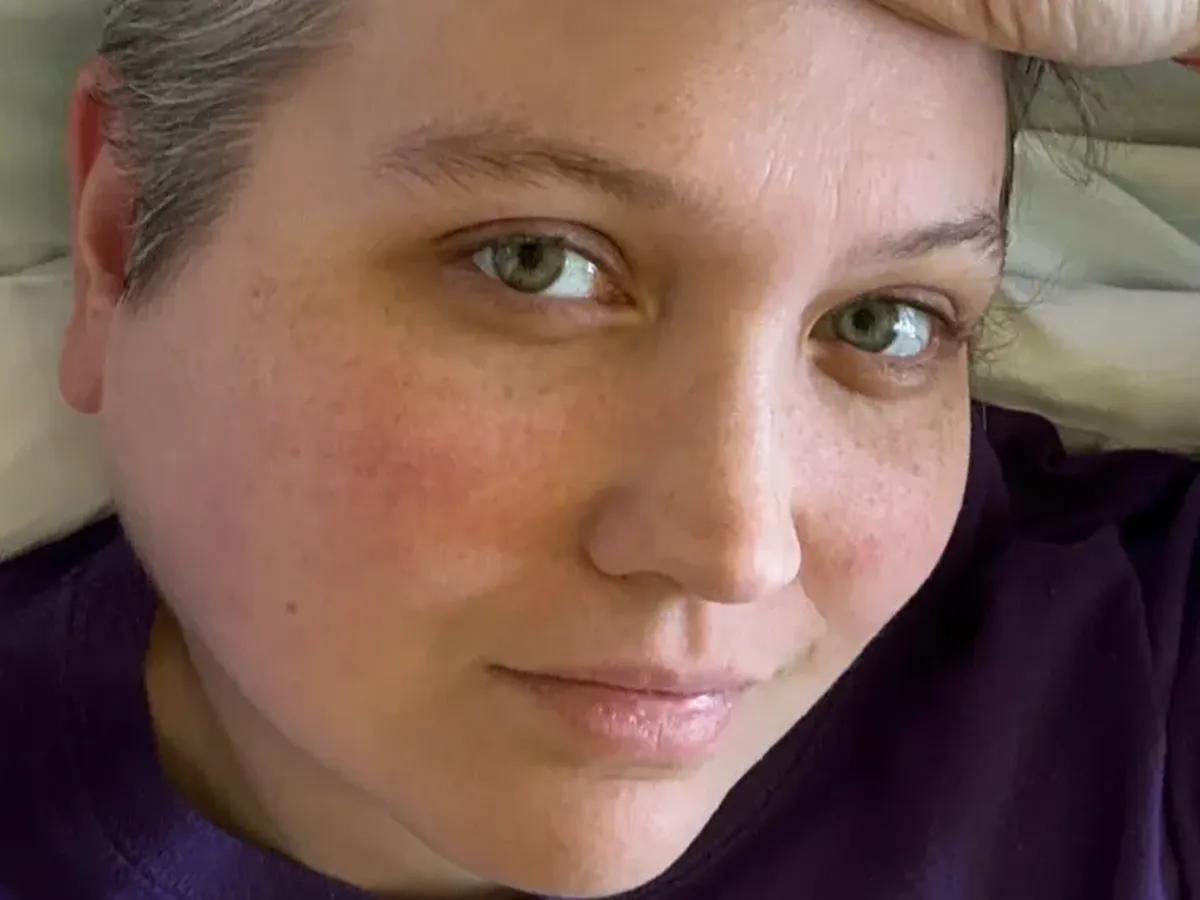
Now, let me introduce you to my girl, my daughter Gracie, who is the focus of this campaign.
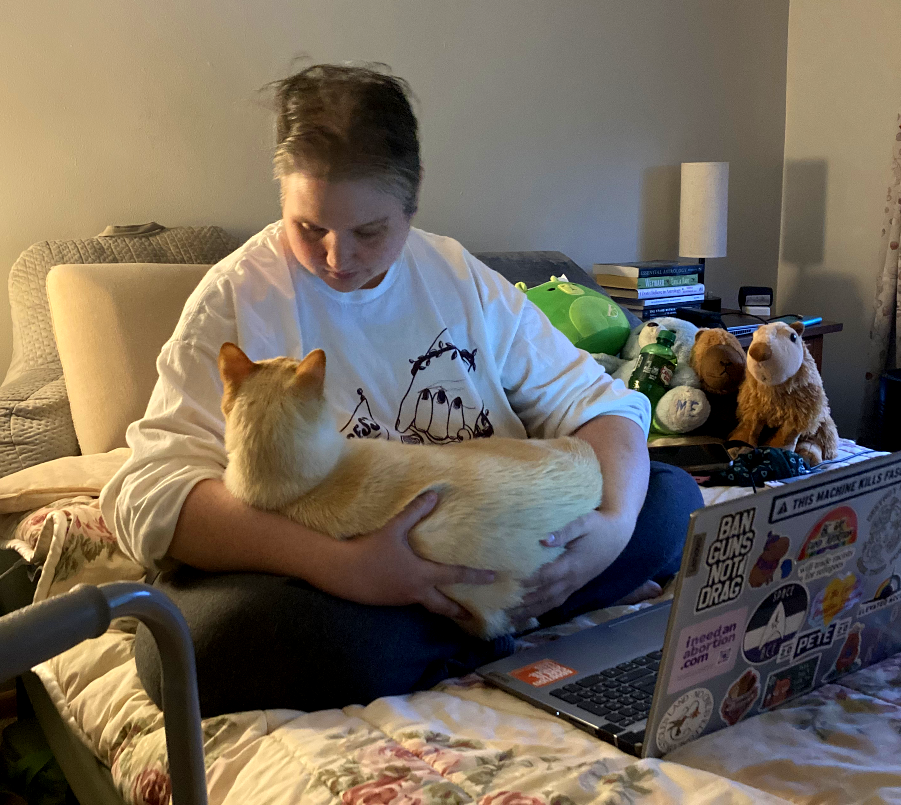
Gracie McGarry is a reproductive healthcare provider, social justice activist, writer, and cat mom living in the Twin Cities area. Many of you have encountered her over the years at Wheel gigs and Ethyl ‘n’ Methyl gigs, at TV commercial shoots, and in recording studios with me all across Central Texas.
Beginning in mid-February 2026, Gracie began experiencing marked weakness and burning pain in both of her legs. An avid swimmer, she lost the ability to swim her usual fifty laps at a stretch; a resident of a third-floor apartment in a building with no elevator, she also lost the ability to climb the stairs to her apartment without extreme exhaustion, pain, and nausea.
On April 20, while trying to attend an appointment with her primary care physician, Gracie’s legs were so weak she could not cross the parking lot to enter the building. At the office’s advice, she called 911, and an ambulance took her to M Health Fairview St. John’s Hospital in Maplewood. Over the next 15 days, Gracie underwent four MRIs, two EKGs, an echocardiogram, a surgical muscle biopsy, and dozens of blood tests, medications, and physical and occupational therapy sessions. Many conditions were ruled out in this time, including MS, ALS, myasthenia gravis, tumors, lupus, Guillain-Barre syndrome, and any active or dormant infection.
Gracie’s blood tests results included elevated levels of markers for muscle damage and inflammation, and an MRI of her legs showed widespread and severe damage. Neurologists and hospitalists suspected her symptoms were the result of one of a category of diseases called inflammatory immune myopathies. This is an umbrella term used to describe a group of autoimmune diseases in which the immune system attacks the skeletal muscles; it causes severe weakening of the muscles, pain, and intense fatigue. While waiting for the surgical biopsy to come back, doctors began presumptive treatment for an IIM, which involved high-dose steroids. Unfortunately, Gracie had an adverse reaction to these steroids - numbness from her collarbone to her ankles. A switch in the specific steroid helped resolve some of the numbness, but most of it remains in her legs and torso.
Once Gracie’s bloodwork stabilized, her doctors and therapists thought it best to transfer her to an acute rehabilitation facility where she could receive intensive daily physical and occupational therapy to actually resolve her symptoms. Her insurance company, Anthem Blue Cross Blue Shield, refused to cover those services. After six consecutive appeals, Anthem maintained their denial of acute rehab, but finally permitted transfer to a transitional care unit (TCU), where she could still receive inpatient care but less intensive physical and occupational therapy. Gracie transferred to the TCU on May 5.
Anthem only covered one week of care in the TCU, a fact we discovered on day six of her stay. After another four appeals to extend her inpatient care were denied by Anthem, and after consultation with physical and occupational therapy, Gracie and I self-funded nearly $5,000 for a supplemental ten days to maximize her chances of recovery. In that time, we also assumed full cost for mobility aids, including a walker, cane, shower chair, wheelchair, and more, to assist her in navigating her apartment with a lower risk of injury once she was able to go home. Gracie was discharged from the TCU on May 21 after 16 days, with multiple compensatory strategies to aid her within her home space, but without any material improvement in her physical condition. She is currently receiving home health care from physical therapists, occupational therapists, and nursing staff, which is costing $75-100 per week out of pocket - even after her insurance covers a portion of it.
After three weeks, the surgical biopsy result confirmed an inflammatory immune myopathy. The tissue showed “profound” inflammation, as well as some areas of necrosis, where the muscle tissue had actually died. Because Gracie is what is called “seronegative,” meaning no antibodies consistent with any particular subtype of the disease were identified, we can’t be sure what kind she has; it is either polymyositis or immune-mediated necrotizing myopathy (IMNM), with polymyositis being the more likely. IIM is not curable, but it is treatable, and remission is possible. Flares of the condition are typically caused by stress. ICE’s brutal occupation of her beloved adopted community, powered by abductions, beatings, unjustified detainments, and even shootings and murders of her neighbors, no doubt culminated in the disease’s activation, along with her increased work stress since January and a new financial burden incurred in replacing her 21-year-old car.
Because the first-line treatment option has thus far been unsuccessful at improving Gracie’s weakness or numbness, we’re pursuing more aggressive treatments with the Inflammatory Myositis Clinic at the Mayo Clinic, 90 miles from her home. We have provided all necessary medical records to them and are waiting to be scheduled for a consultation. We don’t yet know whether or not her insurance will cover care there; if they don’t, the usual second- or third-line treatment options can reach or even exceed $10,000 per treatment.
While actual figures are still coming in as Anthem reviews each of the claims for Gracie’s care, the total expenditure is already well into five figures, and the current estimate of pending insurance claims is over $200,000. Your generous donations will help offset these costs so that we can recoup funds and dedicate time and energy to advancing her recovery without concern for financial collapse.
For further reading on IIMs and what Gracie’s up against, please visit the Myositis Association at myositis.org. Further info can also be found at the American College of Rheumatology, the Mayo Clinic, the Cleveland Clinic, and the Johns Hopkins Myositis Center.
Updates on this situation and how it is unfolding will be regular and transparent. Deep thanks to all for your participation in helping to restore wellness to my precious girl Gracie.
Organizer