- E
- O
Fearsome Freddie's Brain Injury Recovery
0% complete
£45,390 raised of £250K
965 donations
It’s incredibly difficult to put into words the trauma of the last 4 months. As a parent, you always worry about something happening to your child, but never in our wildest nightmares would Freddie have an accident, which happened in the blink of an eye, leading to such an utterly devastating outcome.
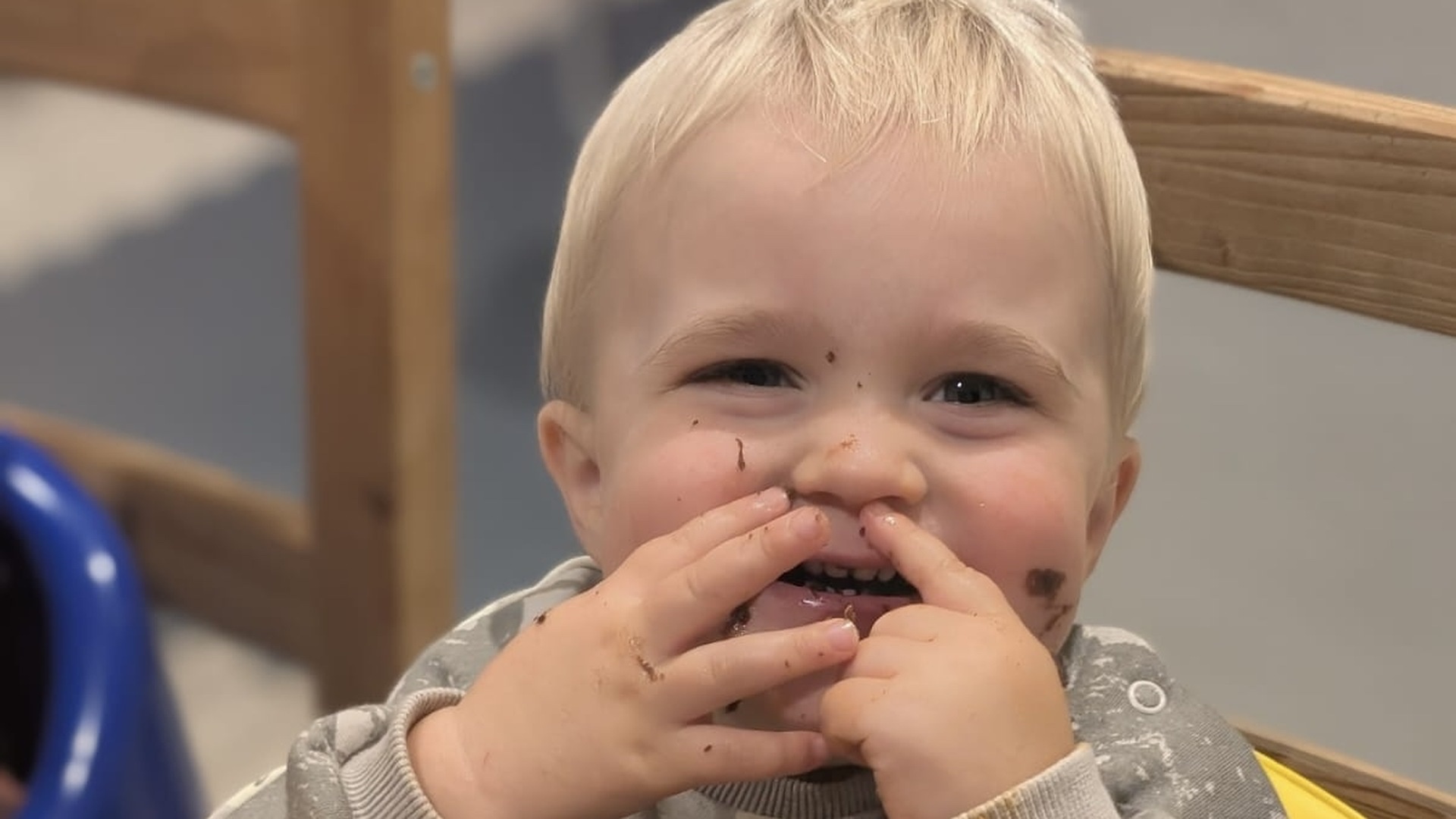
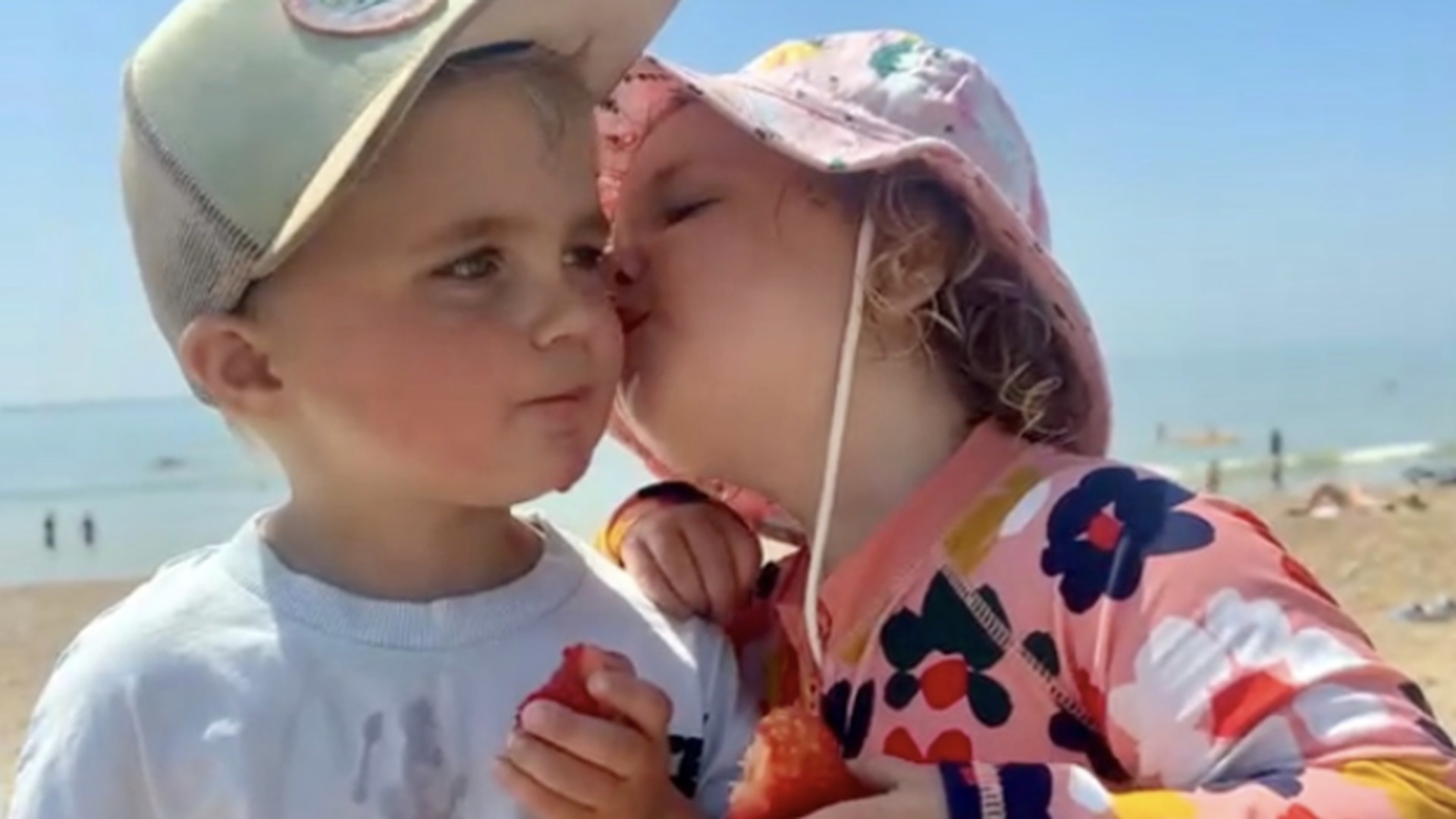
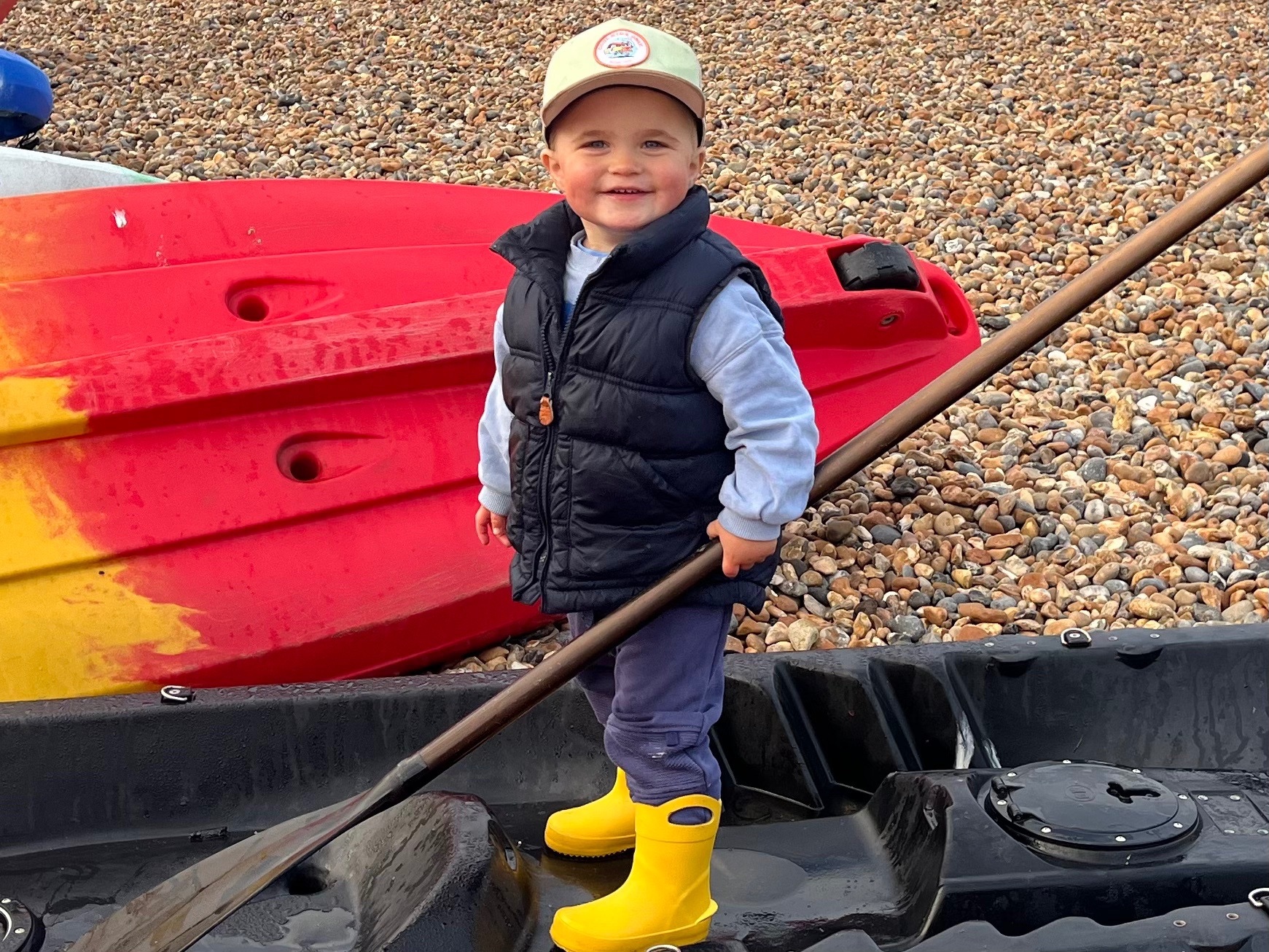
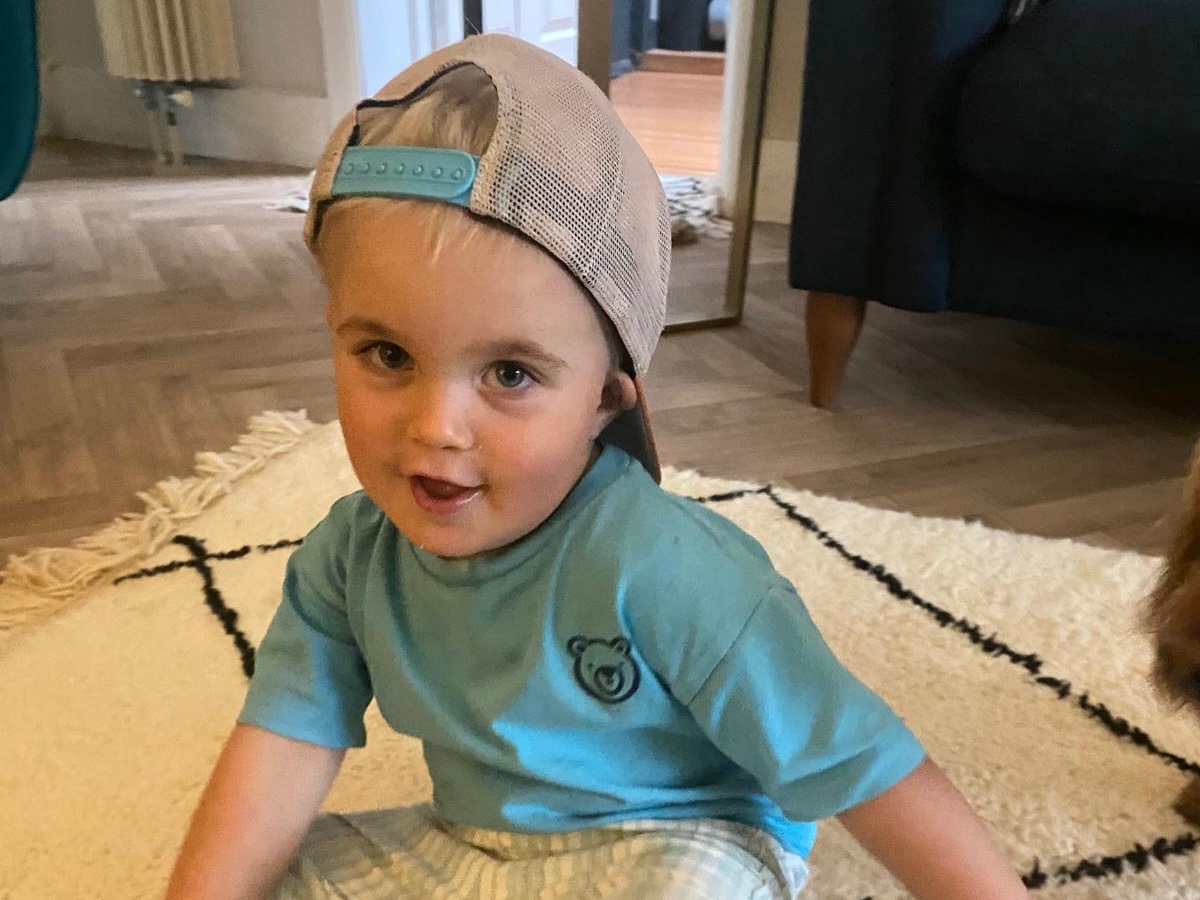
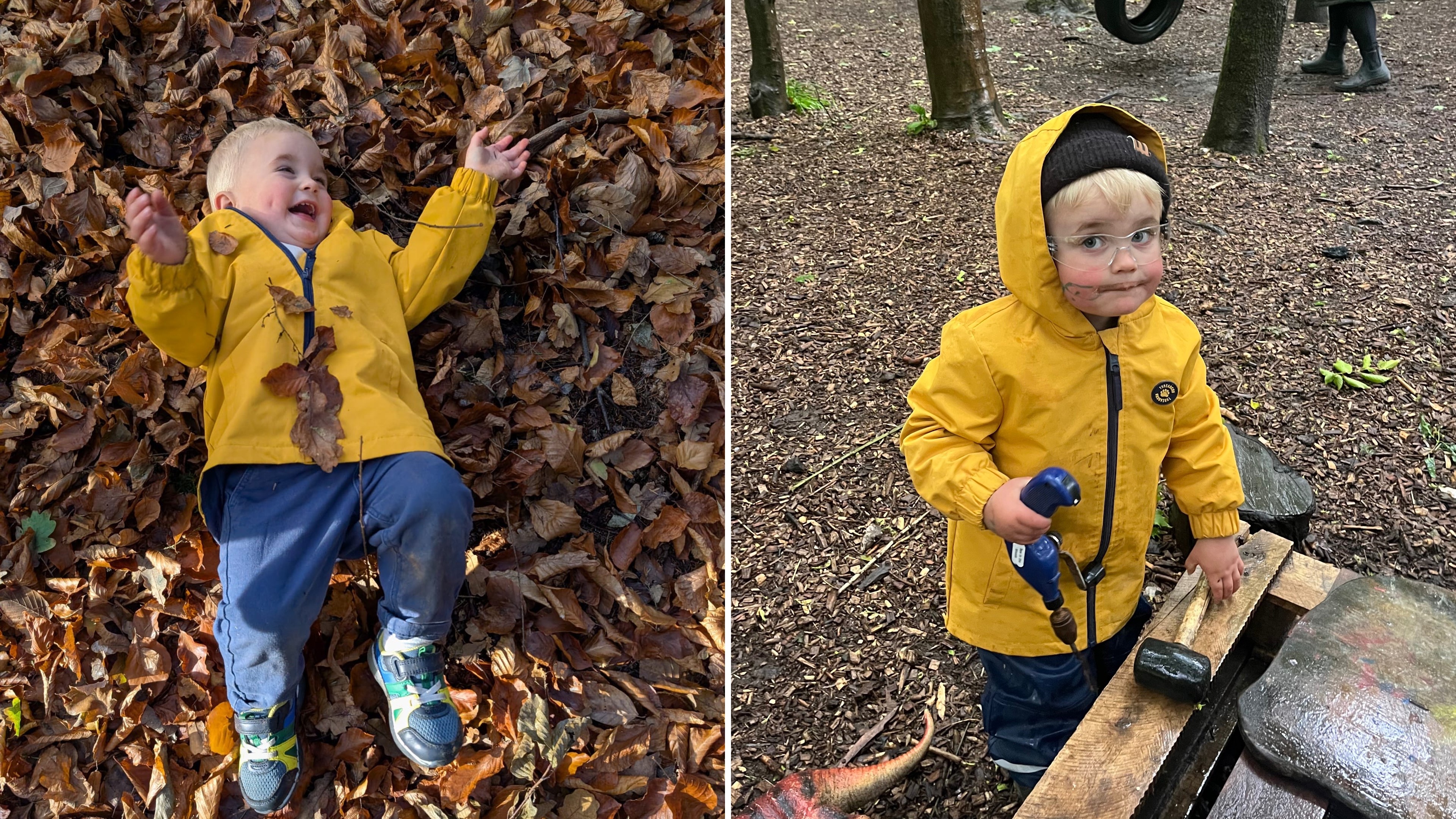
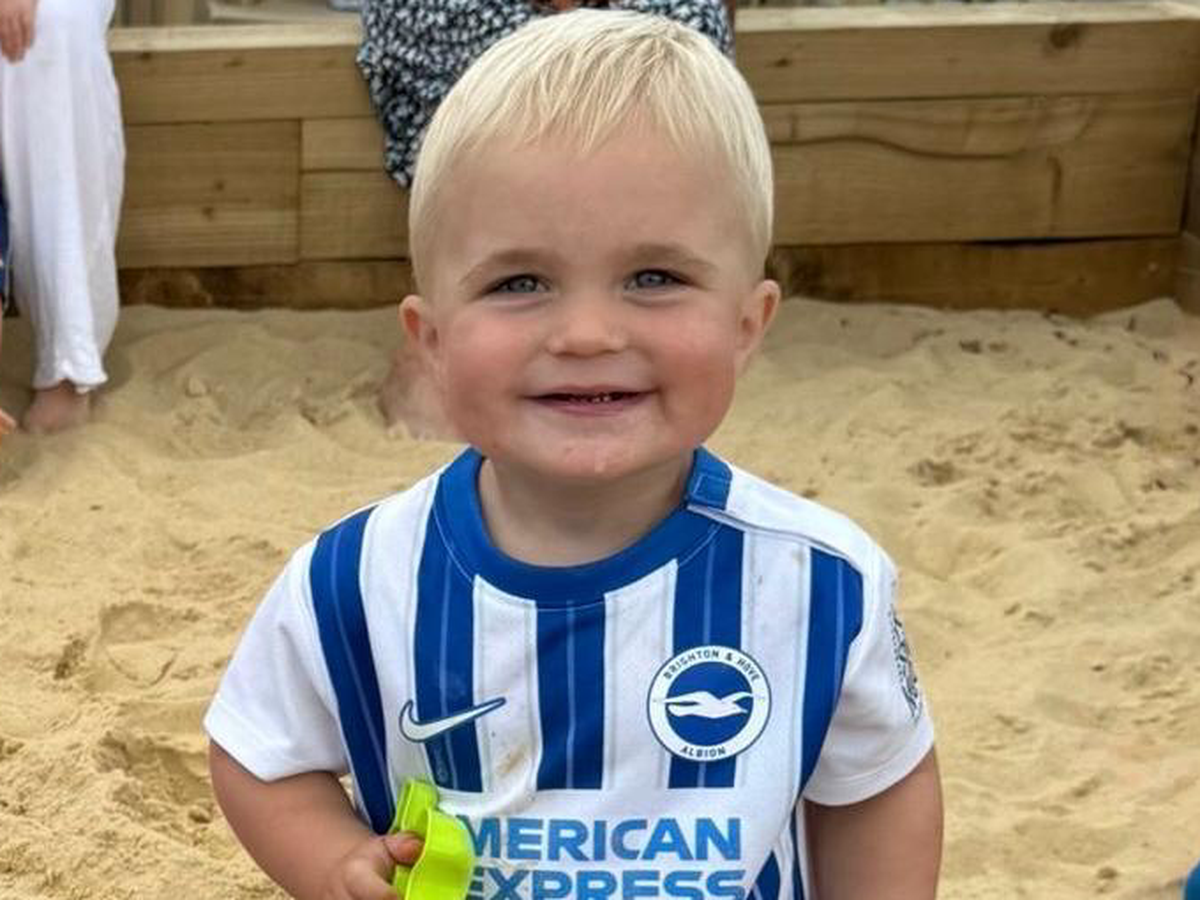
For those of you who know Freddie, you'll agree he epitomises the phrase ‘high energy’. He never sits still; he’s always on the move and is into absolutely everything. He especially loves dinosaurs, digger trucks, the park (particularly the sandpit), playing with Bear on the beach and the South Downs, cheering on the Albion, music, dancing - the list goes on. He recently became a huge pirate fan, declaring his pirate name as ‘Fearsome Freddie’. Whatever Freddie’s up to, he’ll generally be wearing some form of headgear! He has a seriously impressive hat collection for a 2.5-year-old!
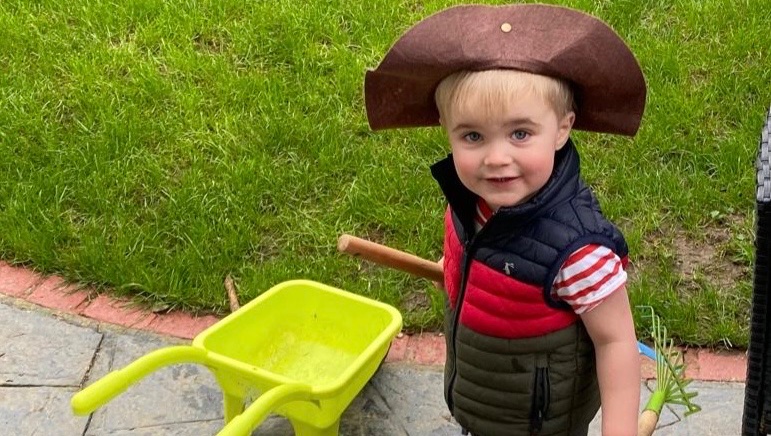
I know everyone thinks their child is special, but we really do think Freddie is pretty great! He’s an absolute joy to be around; he genuinely lights up the room.
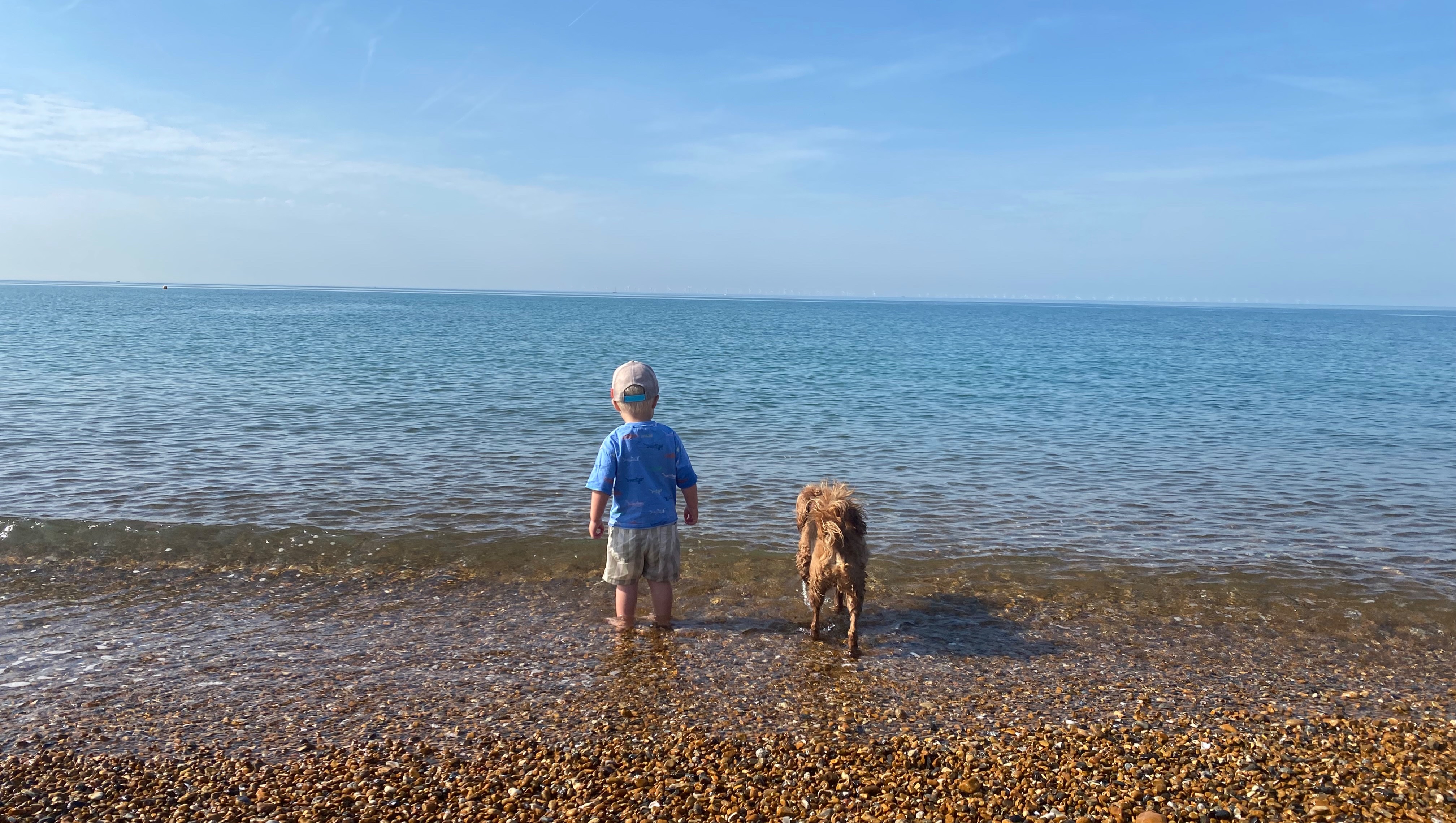
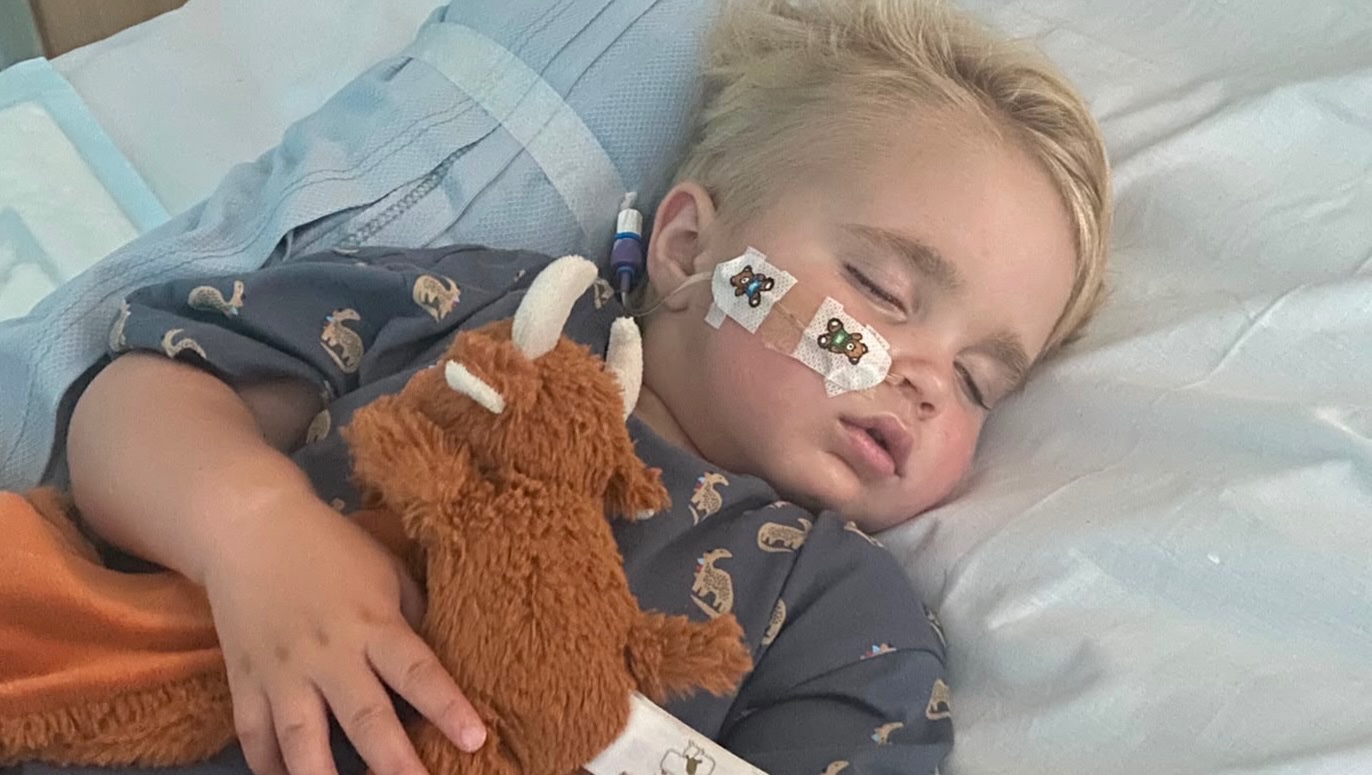
Right now, Freddie has lost all of these things, and everything it means to be a little boy; he’s in a minimally conscious state, with extremely limited cognition. He cannot move, he cannot speak, he cannot eat (so he is fed through a tube directly into his stomach), and it’s assumed his vision recognises only shadows. His hearing is the only thing ‘intact’. Coupled with this, his brain injury has caused dystonia, a painful condition where his muscles contract involuntarily, pulling his body into rigid, twisted postures that he has no control over. Around 8 weeks ago, he developed focal and tonic seizures, having a multiple number each day. It is unclear at the moment whether this will develop into epilepsy.
The most terrifying part of this whole journey for us is that there is no promise Freddie will improve in any meaningful way. But this is an outcome we just cannot and will not accept. Freddie has fought so hard for life since the moment of his accident, and we are in the fight with him, doing everything in our power to get our perfect, little boy back. He has defied all the odds at every turn, and we firmly believe he has the capacity to continue to do so. For this to happen, we have to leave no stone unturned.
After Freddie’s accident, a number of people asked us about setting up a GoFundMe. At first we didn’t think we would need one, but as we came to understand more about Freddie’s injury, and how limited the rehabilitation available through the NHS is for a child in his situation, we realised there was no option.
The cornerstone of Freddie's recuperation is currently tried and tested standard therapy — neuro physiotherapy, occupational therapy and speech and language therapy. These all play a vital role, both in helping his brain recover and relearn, and in caring for his body and day to day needs right now. Physio helps ease his dystonia and keep his body comfortable, OT supports his posture and equipment, and SLT keeps his swallowing safe while helping him find ways to communicate.
A big part of how these therapies work is through repetition, the idea being to encourage neuroplasticity. Neuroplasticity is the brain's ability to change and rewire itself. When some pathways are damaged, the brain can build new connections so other areas learn to take over the lost jobs. Think of a road that's been blocked: traffic finds a new route, and the more often it uses that route, the more established it becomes. That's why repetition matters so much in therapy. Each time Freddie practices something, he strengthens a new pathway. Young children's brains are especially good at this because they're still growing and forming connections at a huge rate, so age is on Freddie's side.
When he is well enough, Freddie is benefiting from these at the Evelina, where he is currently. He will continue to benefit from them when we leave and move to the Children's Trust, a charity-run brain rehab facility located in Surrey, for a 12-week intensive program.
However, once we are home, the amount of therapy offered is hugely reduced. It could end up being less than one session a month. This isn’t a criticism of the NHS; on the contrary, we are forever indebted to our health service and the people who work in it, but Freddie’s is a very specific situation that tests the limits of what it’s able to provide.
He needs to be having therapy every day, probably for the rest of his life, but certainly intensive daily therapy for at least the next 3 crucial years post-injury.
He also needs far more than PT, OT, and SLT. This is why our fundraising target is so high. We not only need to privately fund 'standard' therapy, but also everything outside of this. These therapies, which are listed at the bottom of the post, each play a part in giving Freddie the best chance. But as you'll see, they come at great expense, and some involve overseas travel.
I am sure that anyone reading this will understand the devastation of looking at your child in a hospital bed, completely incapacitated, fearing every day that he might not progress from here, and will understand the rationale for trying and doing everything.
We will be forever grateful for any sum of money that people can spare to help us get Freddie back. All we want is to hear his voice again, to see him smile, and for him to be able to move. He deserves the opportunity to get the best recovery possible, more than I can ever convey.
We already have many friends and family doing marathons and similar events, raising thousands of pounds for the incredible organisations that have supported us to date, but this one is for Freddie.
On top of this fundraising, we will also be organising and participating in sports events, music events, and anything else that people can suggest that can help get us to our target.
Thank you so much, Vics, Tori, Bear and of course, Fearsome Freddie xx
A short backstory for anyone reading this who wants to know more about what happened to Freddie - and also progress to date.
Thursday 4th June, Freddie (aged 2.5) was playing at home and had an accident, which cut off his air supply and sent him into shock, causing a cardiac arrest. His Mum, Vics, saved his life by performing CPR until the paramedics and air ambulance arrived. It took the paramedics 20 minutes to get him breathing. We’ve since learnt that only 7.8% of people survive an out-of-hospital cardiac arrest, and having oxygen deprivation prior to cardiac arrest reduces this further.
He was put into an induced coma in our dining room and taken to the Royal Alexandra (Brighton children’s hospital). The team spent an entire day stabilising him, where we were told it was minute by minute. A specialist retrieval team then arrived from the Evelina Children's Hospital in London and transferred Freddie into PICU (paediatric intensive care unit). Doctors explained on arrival that brain swelling was inevitable because of the length of his cardiac arrest, but the next 72 hours were critical; if his brain continued to swell to an unmanageable level, he wouldn’t survive. We hadn’t realised that when you have a cardiac arrest, oxygen doesn’t flow to the brain and causes a brain injury.
Freddie passed the 72-hour mark, then came the MRI brain scan on day 4. The results were utterly devastating. It showed damage to every part of his brain, with only the brain stem surviving intact.
The team at Evelina have never given us any false hope and did explain that with a scan like this, there was a chance that Freddie could remain in a vegetative state. But they did also say that the scan is simply a picture of the injury, at that point in time, and that what matters from now on is what Freddie actually does. We hung onto the words of one neurologist, ‘children surprise us all the time’.
On day 6, the first extubation attempt of Freddie’s breathing tube was made. This wasn’t successful, and it was extremely traumatic watching him struggle for breath before he was eventually reintubated. Then came multiple discussions with teams at the hospital about our thoughts on whether to put the tube back in on the second attempt if Freddie was not able to breathe for himself. This was not something we were willing to consider.
We had a very rocky 11 days after that as Freddie got visibly weaker. He was given a blood transfusion, and on the morning of day 17, he rallied, and another extubation attempt was made. Our little hero showed again what a fighter he is, and within seconds he was breathing for himself, defying all expectations. Him being able to do this is made all the more incredible by the fact that we found out weeks later that he had been referred for end-of-life care during this time.
We were absolutely thrilled when, 2 days after his extubation, we were moved to high dependency on the Neuro Ward. He’d made it out of PICU!
Freddie’s condition progressed from being in a ‘vegetative state’ to ‘minimally conscious’. This is assessed through positive signs shown such as moving his eyes to sound, then later to his face in a mirror, and also attempting to move his head. He also proved through various tests that he has the ability to swallow, which is an absolutely huge milestone and one of the early indicators that point towards a more positive prognosis for long-term recovery.
Freddie’s journey on the ward has been anything but smooth. He was initially progressing well but picked up a virus, which really set him back. Adding to this, his seizures started. He then reacted very badly to his stomach peg operation. Despite all of this, he is continuing to show us that he has improving cognition, albeit fleeting at times. His visual tracking is getting much better, moving his eyes towards Vics and me if we ask him to look at us. He also recently started trying to make dinosaur sounds when prompted during music therapy. And we actually got a giggle playing with him in a physio session last week. It was just one time, and we’ve been trying very hard to get him to do it again, but it was amazing confirmation to prove he’s in there.
Moments like these are what drive us every day, as we feel absolutely confident that with the specialist treatment described above, Freddie will continue to defy the odds and make a meaningful recovery. The road to this point has been indescribably difficult, and we know that the one ahead is still going to be incredibly challenging, with many, many ups and downs, but we will be with him for every step of it, doing absolutely everything we can.
Treatments & Therapies
1: Dezawa Muse Cell therapy https://musecellinnovations.com
Explanation of what muse cells are and how they work:
- Finding the injury: When the brain is injured, the damaged tissue releases a chemical signal called S1P (sphingosine 1 phosphate). Research suggests that once Muse cells are in the bloodstream, they detect this signal and travel to the site of the injury.
- Surviving where other cells can't: A brain injury creates a hostile environment, with severe inflammation and very low oxygen levels. Standard stem cells tend to die quickly in these conditions, but Muse cells appear to be far more resilient, so they can survive long enough to start repairing.
- Clearing the damage: When they arrive, Muse cells are thought to clear away dead and damaged cells. This process is thought to trigger them to change into the specific types of cells the brain has lost.
- Rebuilding connections: Research suggests they can then develop into new neurons and oligodendrocytes, the cells that protect nerve fibres. The hope is that this helps replace damaged tissue and rebuild broken connections in the brain.
Muse cells can't do this on their own, though. They provide the building blocks, but it's intensive, repetitive therapy that shows the brain how to use them. That's why the therapy alongside them isn't optional; it's fundamental to giving the muse cells the best chance of success and ultimately improvement for Freddie.
Each round is c£15,000 plus travel abroad. It is currently offered in US, Dubai, and also European pop-up clinics intermittently (it is unavailable in the UK). Treatment is recommended every 3 months in the first year, TBD for the following years but continued indefinitely.
This is an especially promising development for brain injuries, and families in our position are extremely fortunate that it has emerged in time for our children to benefit. Thank you Mari Dezawa the scientist who discovered them!
2: Photobiomodulation Therapy (red/near-infrared light therapy).
Uses low-level red and near-infrared light to stimulate activity in cells’ mitochondria. The idea is that the light energy boosts ATP production, which can help reduce inflammation, improve circulation, and support tissue repair.
Treatment cycles are in the region of £1,500. Number required is unknown right now.
3: HBOT (hyperbaric oxygen-therapy).
Involves breathing pure oxygen in a pressurised chamber, which increases the amount of oxygen dissolved in blood plasma well beyond what normal breathing achieves. The theory is that this extra oxygen supports ‘idling’ brain tissue, promotes new blood vessel growth, reduces swelling and inflammation, and may stimulate neuroplasticity.
Clinical treatment + Machine for home £15,000 - £20,000.
4: Specialist intensive neuro-regenerative therapy approaches – London-based: Napa Centre, CPotential, Neurokinex (plus more to be discovered).
Napa Centre delivers intensive block-based therapy programs, often several hours a day, over one or two weeks, combining physiotherapy, OT, SLT and other techniques tailored specifically to the child. It was founded by a mother whose own son suffered a near-drowning as a toddler, and has grown into one of the leading intensive therapy providers for children with complex neurological needs.
CPotential is built around Conductive Education, an approach developed in Hungary that treats movement difficulties as something that can be relearned rather than only treated medically. Sessions combine movement, rhythm, and group learning, with children working alongside their peers on functional, everyday tasks such as sitting, communicating, and self-feeding, all aimed at using neuroplasticity to build new pathways for skills that have been lost.
Neurokinex specialises in Activity Based Rehabilitation, an intensive, task-specific approach originally developed for spinal cord injury and now also used for brain injury. Unlike more traditional rehab that focuses only on what still works, this approach keeps engaging the affected areas directly, often through weight-bearing exercise, on the basis that repeated, meaningful activity is what drives the nervous system to rewire itself.
Anywhere in the region of £15,000 per year.
5: Private physio / OT / SLT – Each session is in the region of £100-£120 per hour, total hours and costs unknown right now.
6: Music Therapy – this has been shown to engage many different parts of the brain, which means it helps build neural pathways when original ones are damaged. Freddie loves music and is already showing how much it helps him by the level of engagement he has in his weekly sessions at the Evelina.
Cost £60-£75 per hour.
7: Dietician – vital for Freddie’s recovery, the gut-brain axis is well documented. His nutritional needs will be different now, particularly being fed via his stomach. Also importantly, the dietician will be part of the team that can assist Freddie in learning to eat in the future. Good nutrition also underpins the brain's capacity to grow and strengthen new connections, so this sits right alongside the therapies above rather than apart from them
Cost unknown currently.
8: ‘Alternative’ therapies – acupuncture, osteopathy, craniosacral therapy, massage therapy & chiropractic care (more to be discovered)
Costs unknown at present.
9: Equipment – this list will be endless, but as a starting point, we are desperate to get Freddie back to the South Downs where he loves hiking, so specialist wheelchairs for this terrain are thousands.
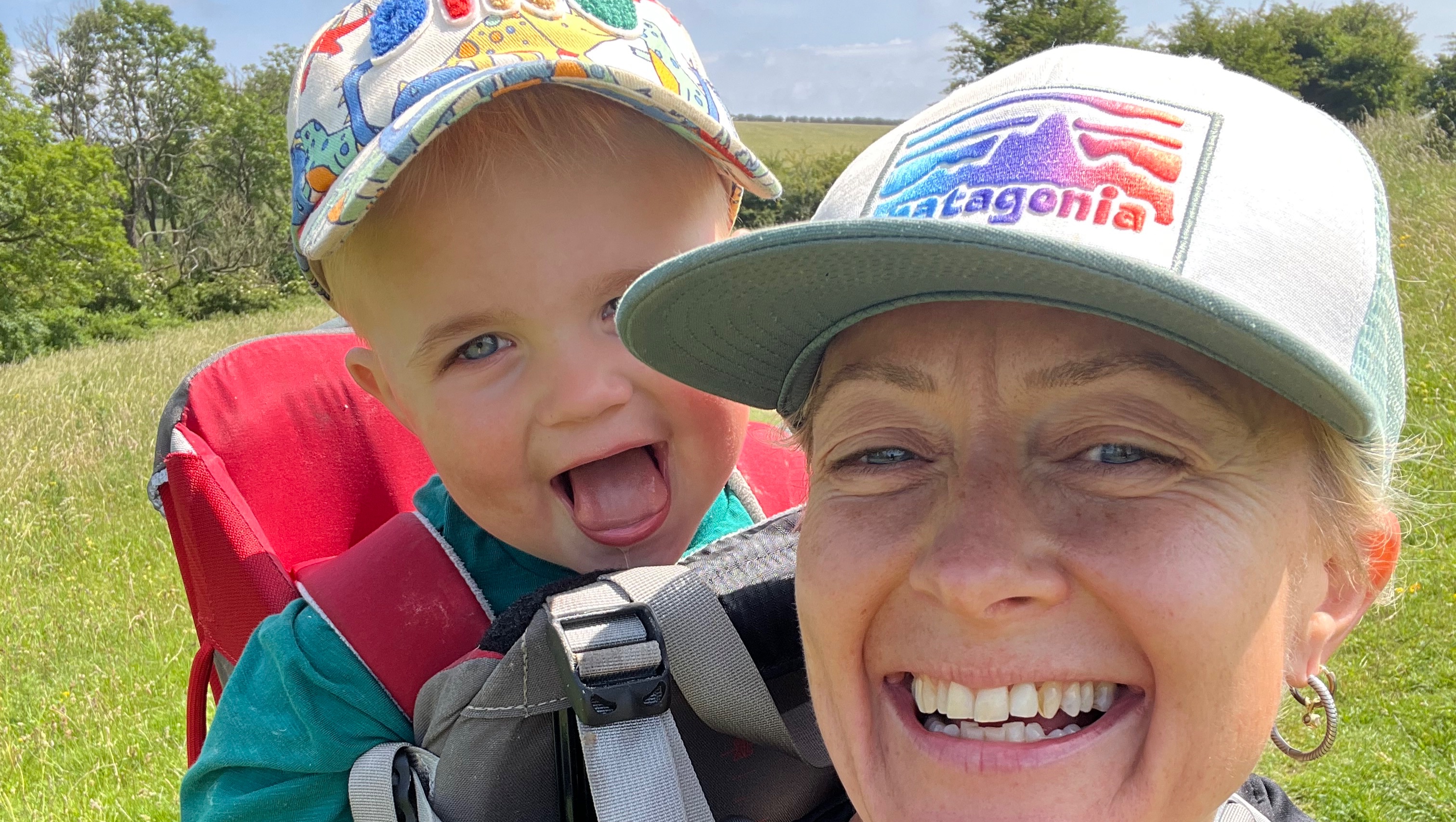
Organizer