When I first entered the place, none of the reasons that would eventually lead to catastrophe had yet appeared.
I had just returned from a period of living and studying in France, carrying back with me a wealth of ideas, art, and stories. I wanted somewhere to place this long inheritance of magazines, films, books, and paintings—a place where I could both enjoy them and share them with others.
My mother said, "I have an inherited house in the suburbs of Beirut, but I swear I won't let you live there. You're forbidden from going there." Yet only days later, I crossed into that forbidden territory, unconcerned by the cultural dread it seemed to provoke, and entered the house that would come to be known as Fantasies of suburbs.
I walked quickly through what would become the largest space I would ever inhabit in my life, already imagining the perfect corners for arranging my CDs—from the history of classical music to the latest electronic releases, including my complete collection of Fabric records.
And so the utopian dream began.
I placed a bookshelf, a desk, a screen, and a sound system in every room. Film lovers came through its doors. I still remember the astonishment of my French friend Pierre, who asked: "You screen Jodorowsky films in the suburbs?"
On New Year's Eve that year, suburbs witnessed a celebration where Tash was on the DJ set, Ayman Nahleh handled visual effects, Maya Sharabji orchestrated movement and dance, and Karam Abu Ghosn documented everything through his camera. That was only in the main room. In the neighboring room, members of my family spent the evening listening to Shadi Jamil, while a third room remained open for young people from the neighborhood dancing the Baalbeki Dabke.
Naturally, the party drew the attention of local security officers. They entered and slowly examined the bookshelves stretching across the walls.
I remember thinking:
"No matter how difficult things become, I will never remove these long library shelves from Fantasies of suburbs."
Because the house stood near Fantasy World, the amusement park on Airport Road, I drew inspiration from it for my second collection of stories, titled Fantasies of Play: Between Magic and Storytelling.
During that same period, the house witnessed the launch of the SyriaTips project, and over many nights it became the subject of photographic series by gifted photographers Omar Imam and Alaa Hassan.
At different moments, actress Mira Sidaoui began discovering historical theater recordings among the DVDs, while researcher Hani Tolfah found his passion for reading through the complete works of playwright Eugène Ionesco—eventually becoming director of Marfa Publishing House.
But against this ideal paradise of books, music, and art, the forces of disaster were quietly moving in.
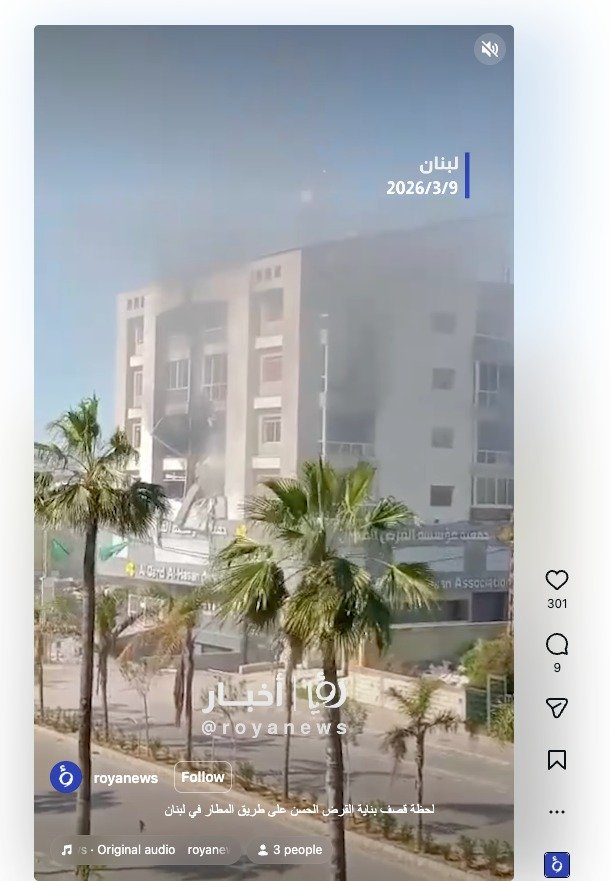
An eye clinic opened in Block C of the same building. Soon afterward came a branch of Al-Qard Al-Hassan bank.
My colleagues at Daraj became worried and repeatedly tried to persuade me to sell the apartment. My answer never changed:
"It's too difficult to move an entire library like this."
My uncle once said:
"Whichever neighborhood you move to—Ain El Remmaneh or anywhere else—you'll lose more than half the space."
At its most vibrant and avant-garde, the place welcomed writer Ammar Al-Mamoun, who spent entire nights watching a series of films about Orpheus until sunrise. Artist Zeina Al-Abdullah came alongside him. Feminist writer Farah Selka became a frequent visitor; she fell in love with the films of Korean director Kim Ki-duk and eventually decided to travel to Korea to meet him.
The library itself continued growing richer: luxurious volumes by Tharwat Okasha on the history of art; original CDs by experimental bands; walls filled with collage works drawn from 100 Illustrators by Taschen. My own creative inspiration reached its peak through an ambitious five-part project of speculative stories about the history of music.
The house also became a refuge for journalists and French filmmakers arriving with curiosity to explore Beirut. With the film Panic Attack by director Khaled Al-Wara', waves of Syrian opposition films followed, especially works centered on imprisonment and political repression.
Fantasies of suburbs gradually became a center for research, artistic
discussion, and revolutionary thought surrounding Syria. Articles and essays published across newspapers and online platforms emerged from its rooms—writing about theater, cinema, music, and art as they accompanied political upheaval and revolution.
It was also where visual communications director Sandy Kastoun became a regular partner in caring for the house and managing its life. It was there that our love story unfolded and our relationship began.
One evening, I heard the television host Marcel Ghanem say:
"A statue of Qassem Soleimani in Beirut, our capital."
The next morning, all I had to do was lift the curtain in my bedroom to discover that the statue overlooked my apartment—almost as if it were sharing the space with me.
Still, I justified staying:
Only a few steps separated that statue from Jean-Paul Sartre's books, Erika Lust's XConfessions, and a rare oversized edition of On the Origin of Species—a book that had fallen from the shelves twice: once during the Beirut Port explosion, and again during the earthquake of 2021.
The communication technologies available in Fantasies of suburbs made possible years of online workshops in creative writing, journalism, human rights writing, and theater—especially for places inaccessible in person. For nearly five years, every summer, these workshops continued.
It was as if Fantasies of suburbs kept inventing effective spaces, imaginary worlds, and creative horizons solely to keep me from leaving, despite the dangers, despite my family's insistence, despite my friends' warnings.
Then came the pager explosions that injured thousands of Hezbollah members, and suddenly the roads leading toward Fantasies of the suburbs no longer showed signs of life. During that war, the neighborhood took on a dystopian emptiness.
That became my first displacement from home.
Later came another experience of terror, when Fantasies of the Suburbs appeared on maps of buildings threatened by the war airstrikes. Until midnight, we had no idea whether the building still existed.
Eventually we found our home in a video shot by young men passing on motorcycles near destroyed buildings.
The apartment survived by only two meters.
Two meters separated the targeted block from the second block—where Sandy and I slept.
History repeated itself once again.
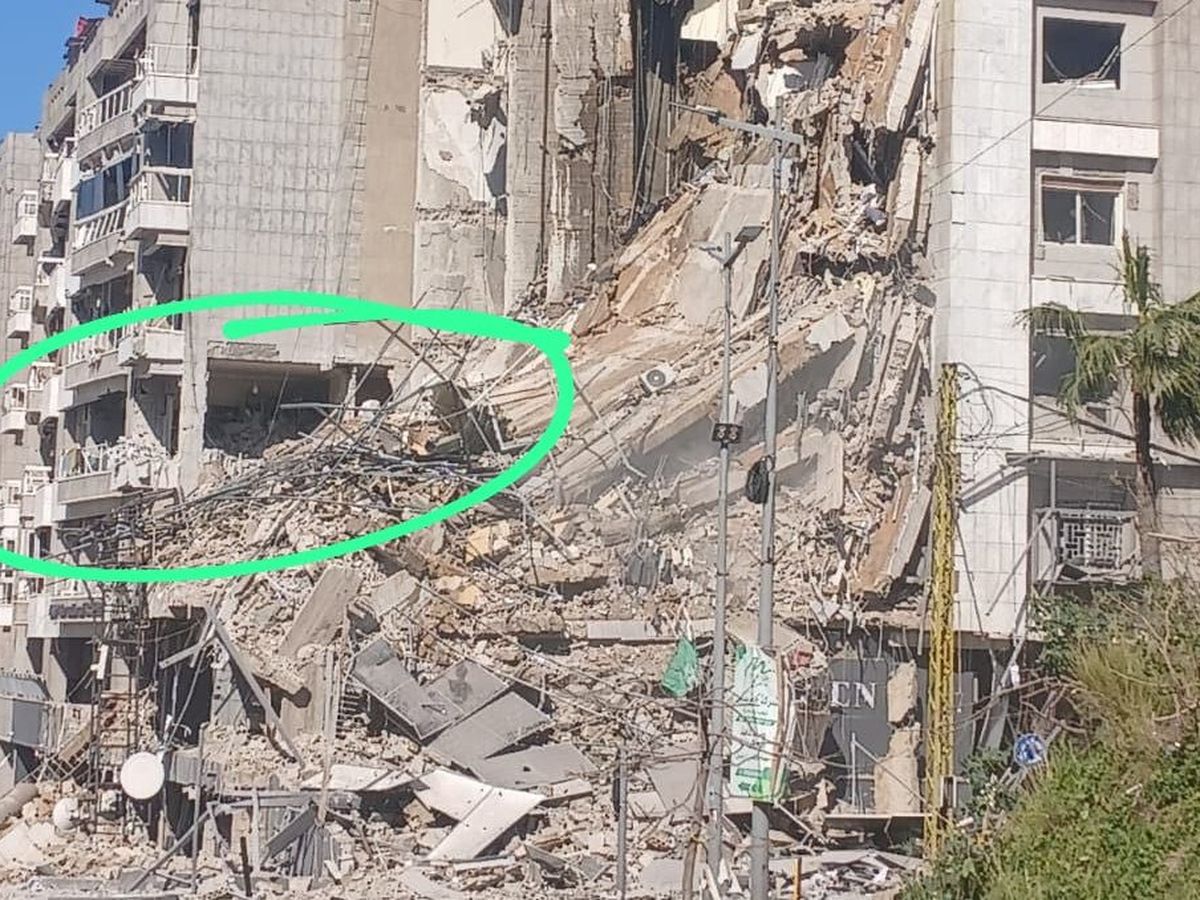
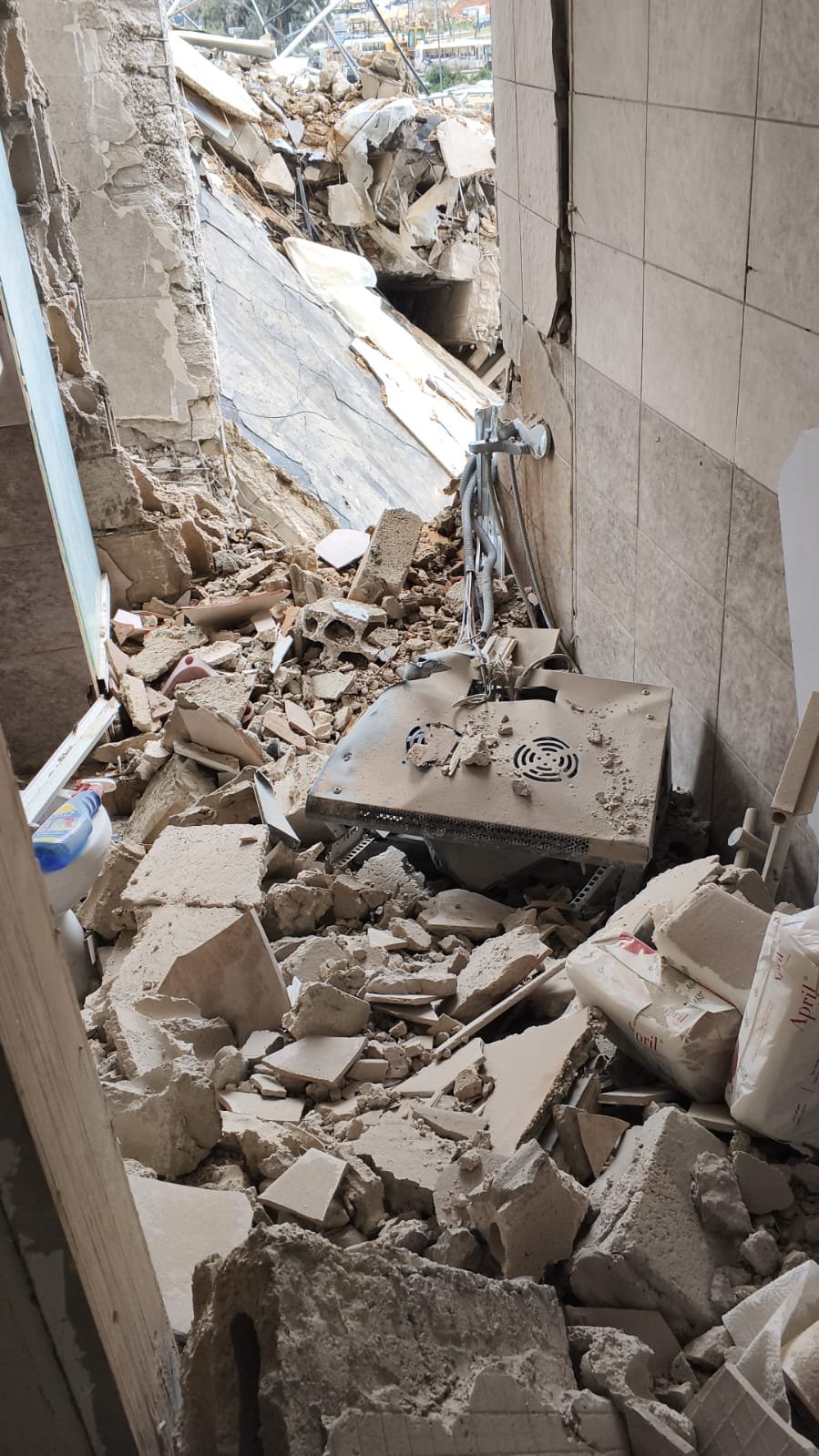
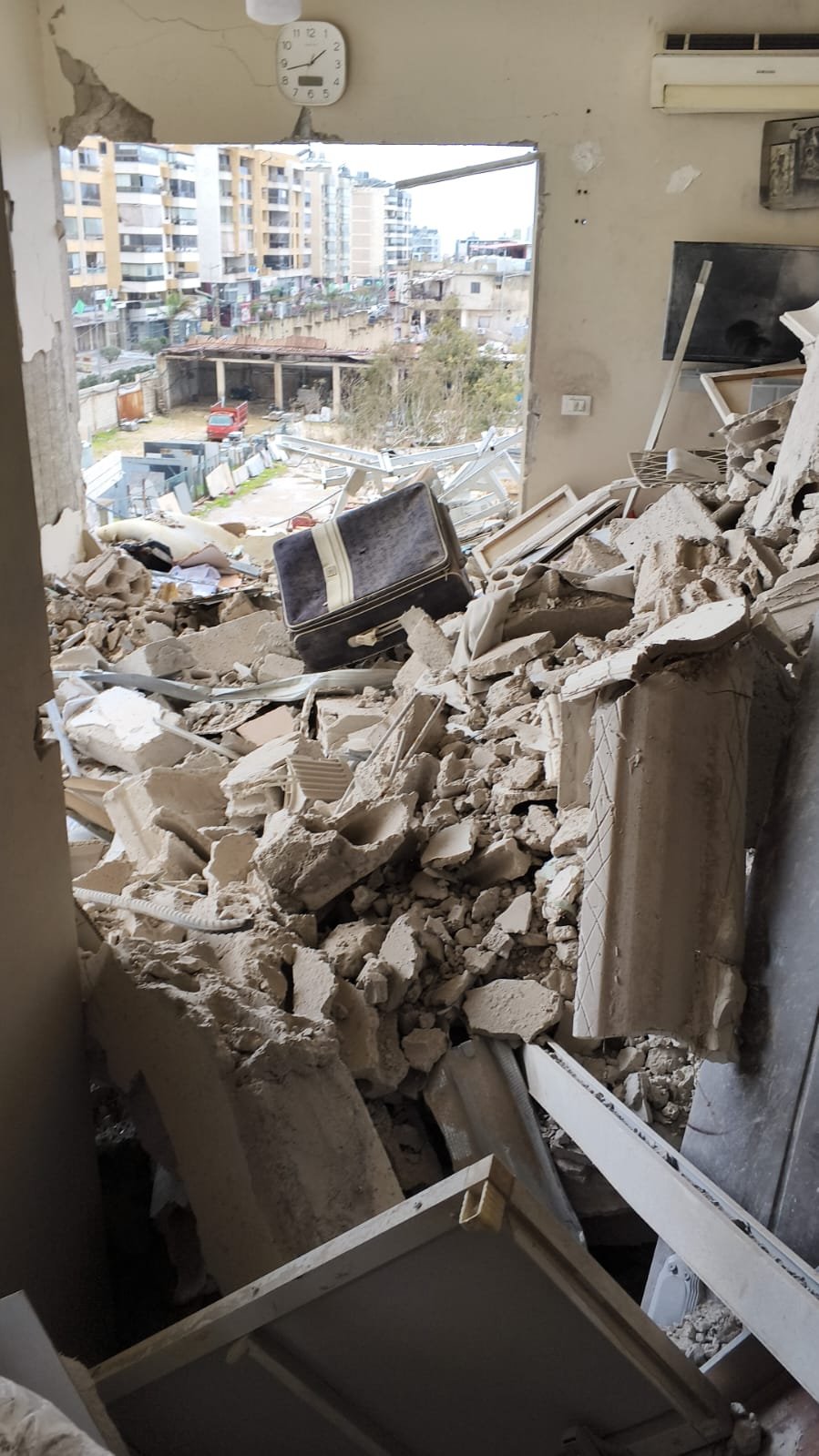
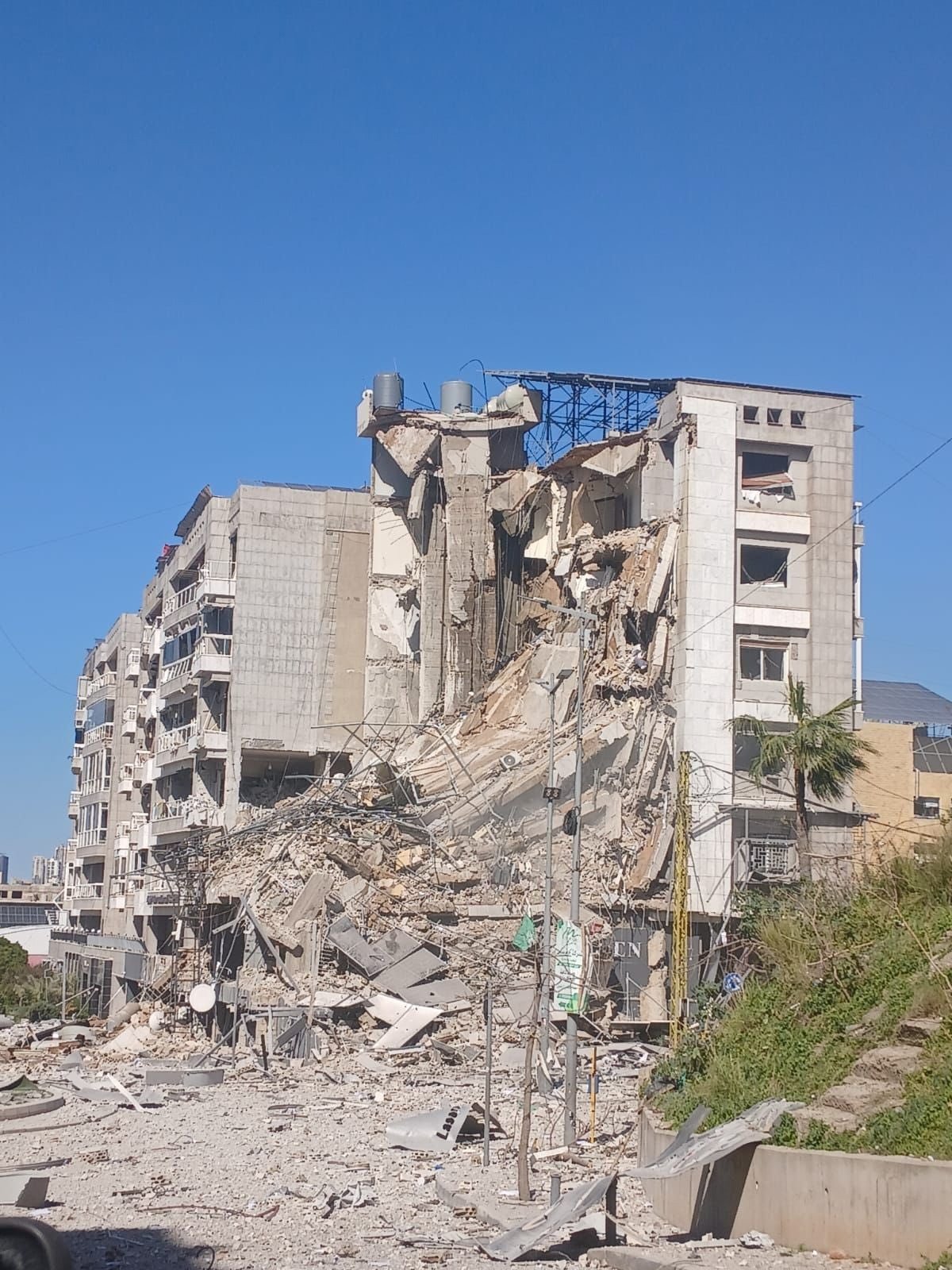
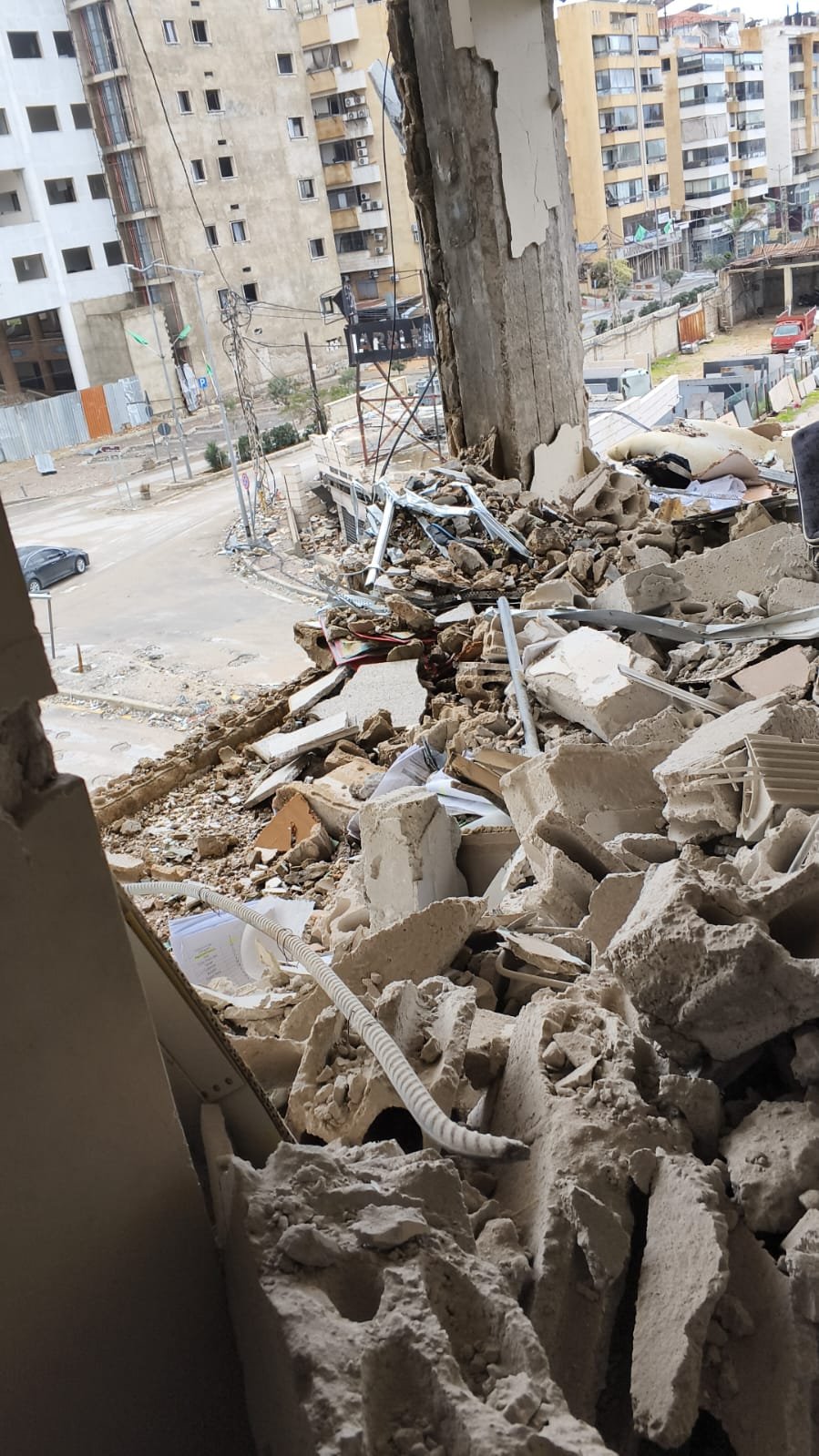
Another political event arrived, and with it our gamble on Fantasies of the Suburbs was tested again. On the morning of Monday, March 9th, 2026, the house suffered approximately 75% destruction.
We are writing these words while spending our days trying to rescue valuable artworks and cultural materials: paintings by artists including Frida Kahlo and Fateh Moudarres; drawings gifted by Mohammed Omran; music albums produced by Ettijahat Foundation; and French editions of History of Theater by the veteran Lebanese playwright Roger Assaf.
Yet this text itself is no less important than those artworks.
It tells the story of a place from which a unique and extraordinary form of inspiration emerged—a kind of inspiration that could only have flourished in Beirut's southern suburbs.
We called it Fantasies of the Suburbs .
We ask for every form of support possible to help restore this place, whose physical foundations, libraries, and cultural treasures have suffered devastating loss, despite remaining freely open and available to all visitors.
The magnitude of this loss extends far beyond material value alone.
We seek to rebuild this artistic, literary, cinematic, and musical archive and to continue the projects that were meant to grow there: a poetry collection bringing together writers from Lebanon and Syria on the theme of place; a mural dedicated to the spirit of the late activist Lokman Slim; recurring screenings of films by Omar Amiralay and Jesús Franco; and the completion of The Sexual Guide for Lovers from Our Region, in Our Arabic Language.
Please consider donating.
The estimated material losses alone, according to current assessments and documented inventories, exceed $70,000 USD.
Organizer