- P
- F

Waiting for Loss - while still fighting for Life
0% complete
kr 4,539 raised of kr 500K NOK
5 donations
We believe we are all one.
Beyond borders, languages, and systems, we are connected by our shared humanity.
This story is shared internationally in the hope of reaching people who feel compassion for others simply because they are human. Those who recognize love, care, and solidarity as something that transcends countries and circumstances.
We do not share this with expectations, but with openness — trusting that those who resonate with our journey will understand why support, in any form, truly matters.
Thank you for reading, for caring, and for being part of a greater human connection.

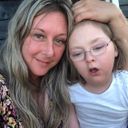
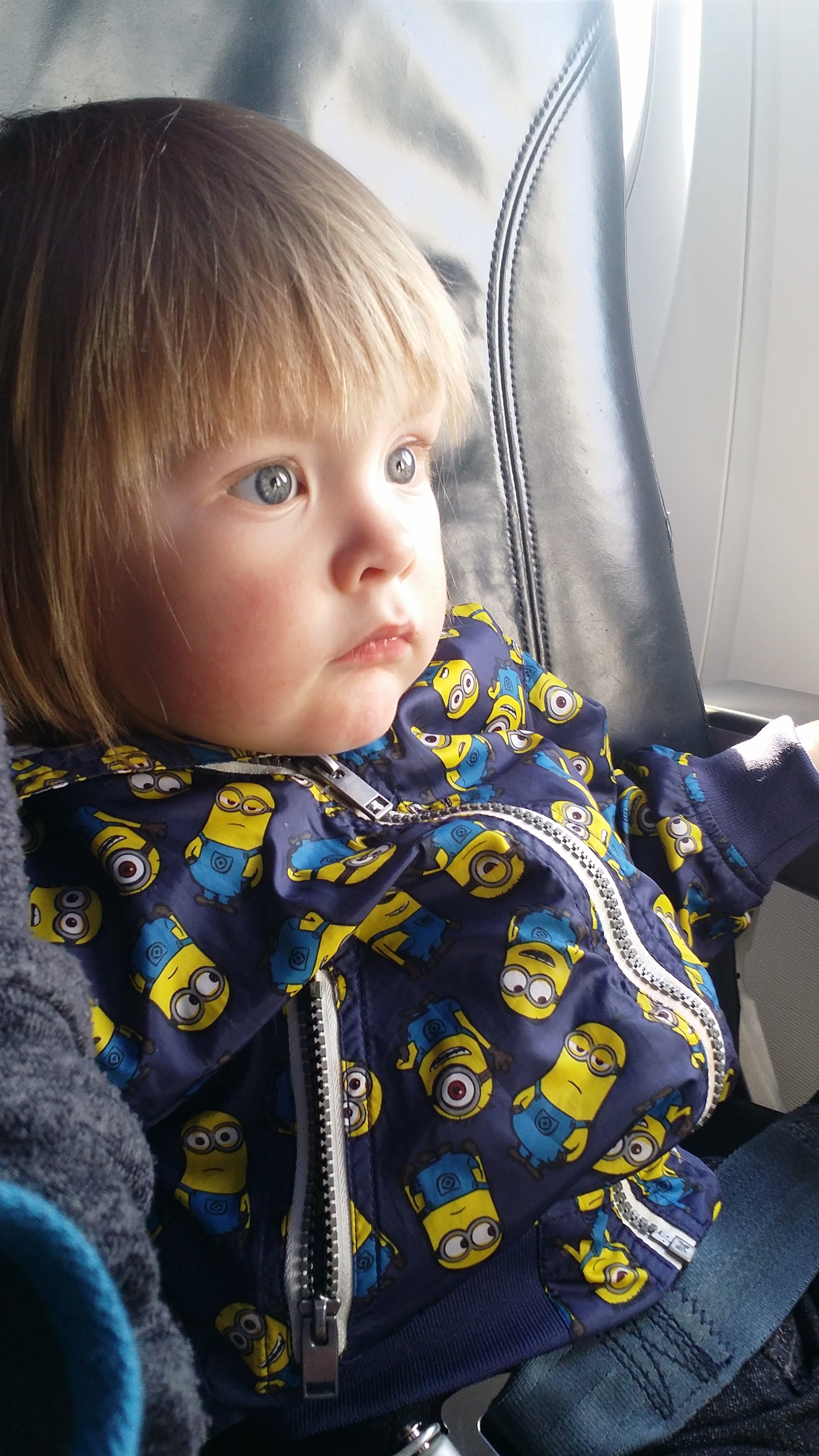
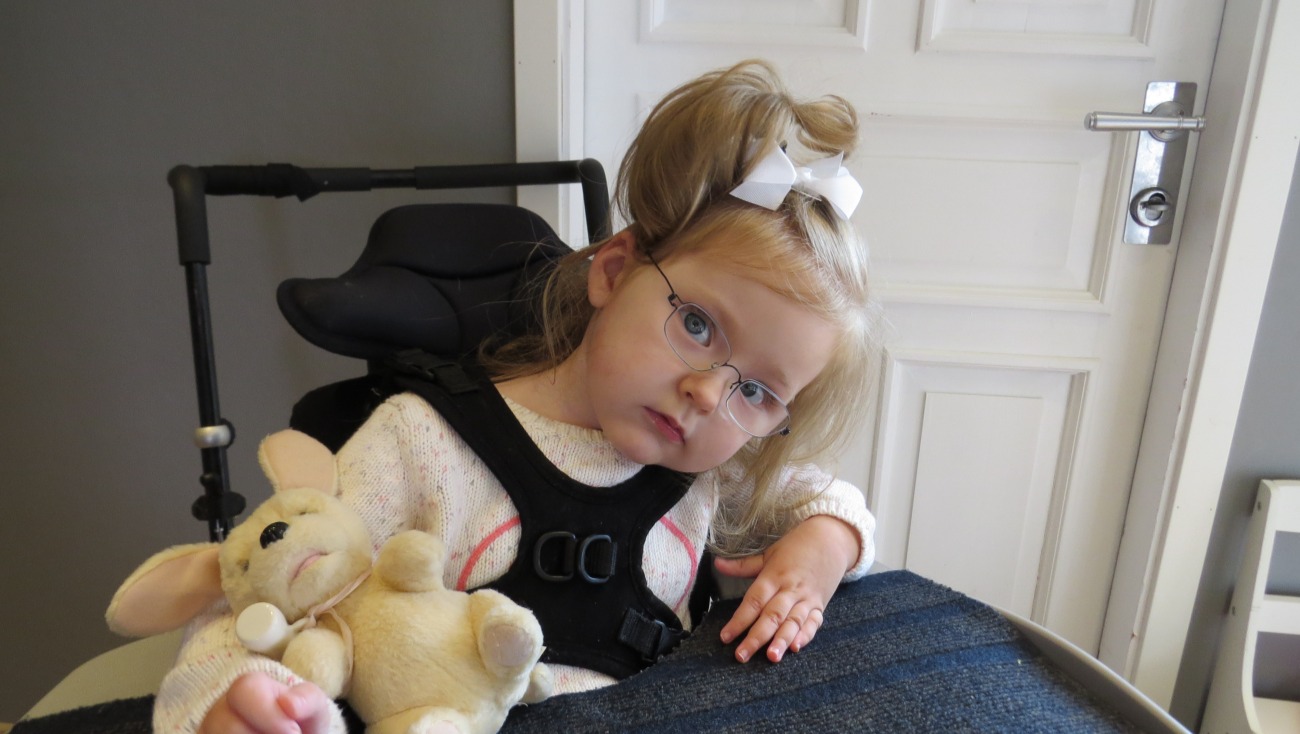
My name is Bergljot Vea Larsen from Norway , I’m 46 years old and mother to 4 beautiful children. My youngest child is a rare beautiful little angel. Our daughter Zarah Angelica is a miracle. She has already fought her way back to life several times.. She has been through more in her first year of life than we have perhaps experienced in a lifetime. That is why she is our miracle, but how long can her body persist?
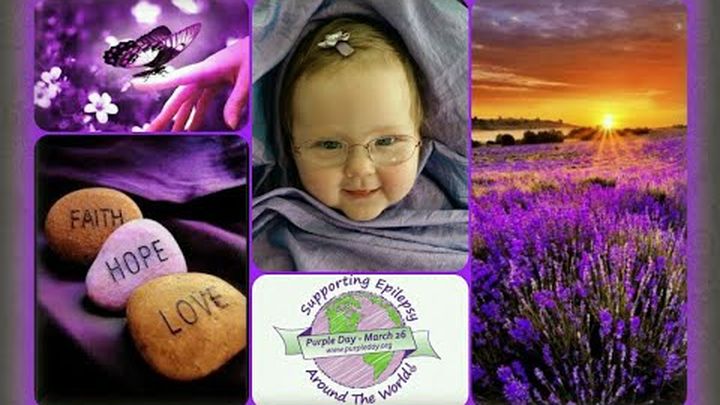
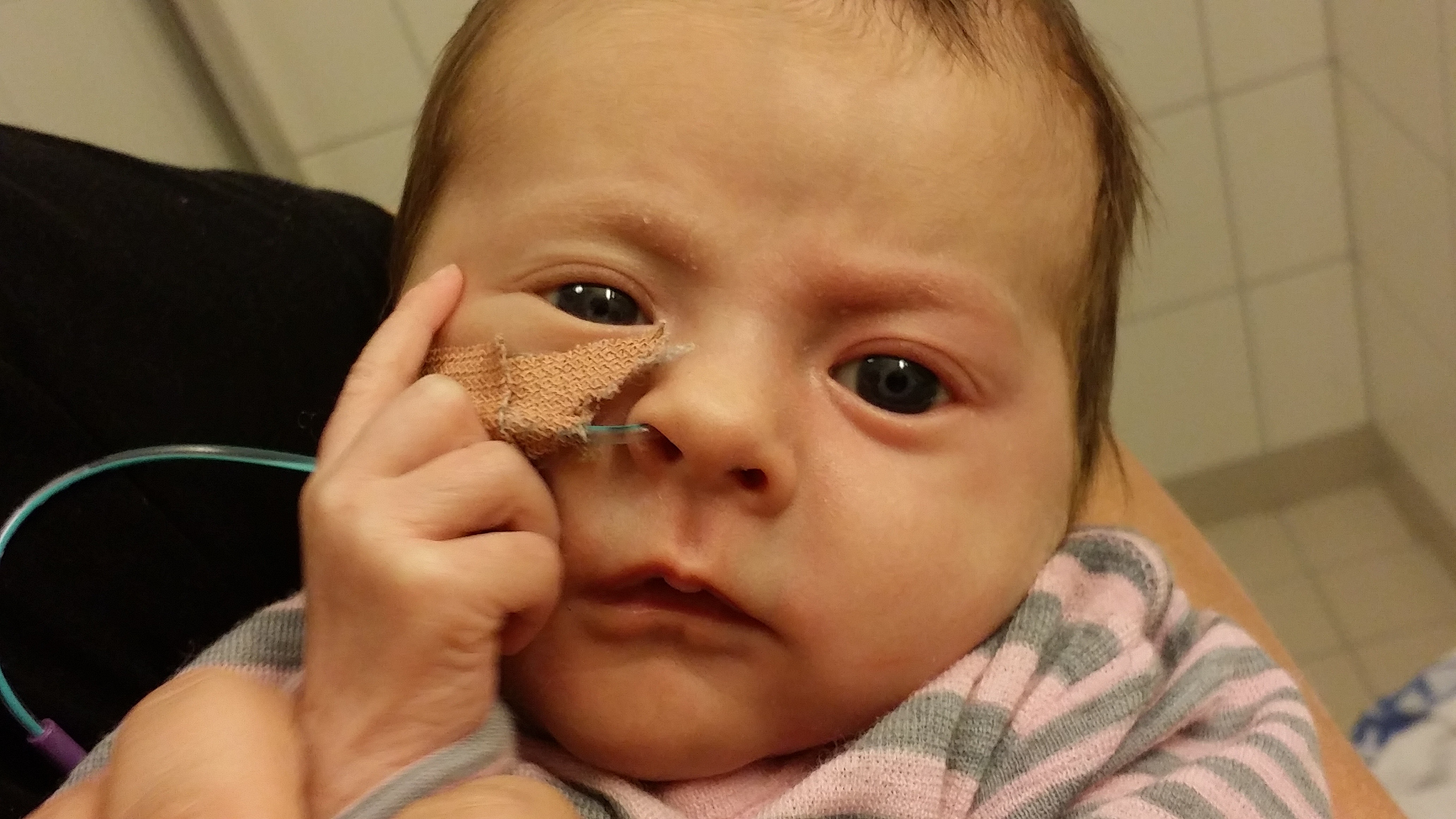
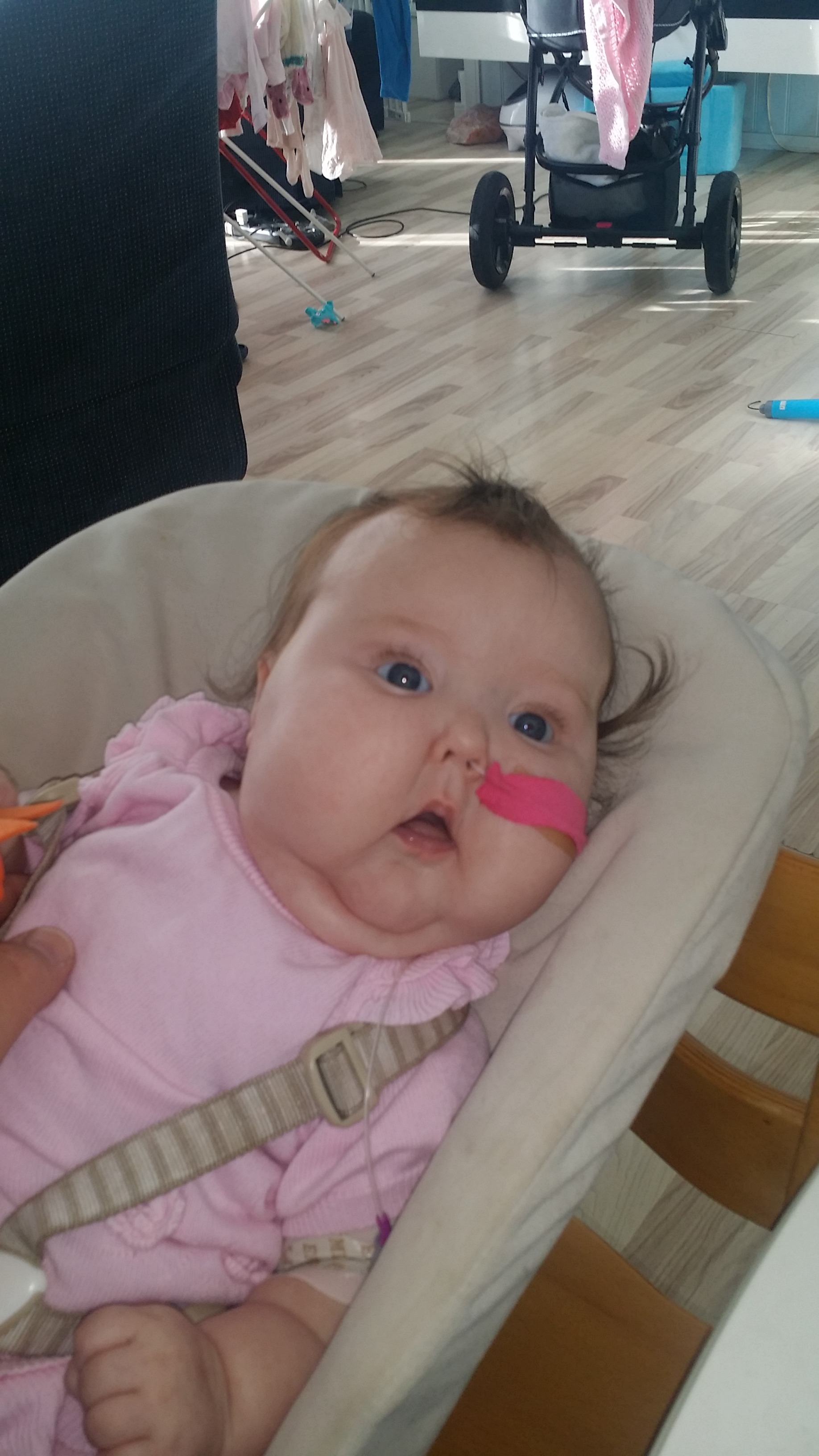
We think about it daily, and especially these days. She lives with severe and complex medical conditions such as Biliary atresia (Kasai surgery 3 weeks old), aicardi syndrome, dysphagia, hypotonia, migration disorder, corpus callosum agenesis, treatment-resistant epilepsy/West syndrome, lacunae and risk of blindness, scoliosis, hip dislocation, she also had PEG surgery so she can be fed ditrectly into the stomach. She went through VNS surgery to help fight her daily epileptic seizures.
When we were expecting our daughter, Zarah Angelica, we were already parents to three children. Throughout the pregnancy, we attended numerous ultrasound examinations due to gestational diabetes and risk of preeclampsia. We were repeatedly told that everything looked normal and that we were expecting a healthy baby. Because of this reassurance, we brought our children with us to one of the later ultrasounds, but this time finally a 3D ultrasound, wanting them to share in the joy and anticipation of welcoming a new sibling and see her beautiful face.
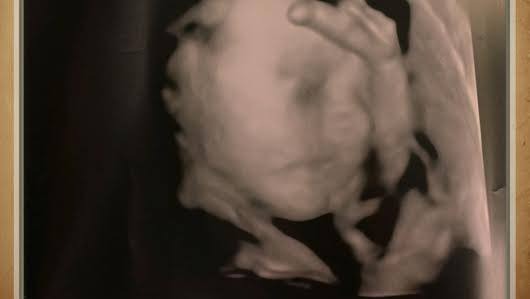
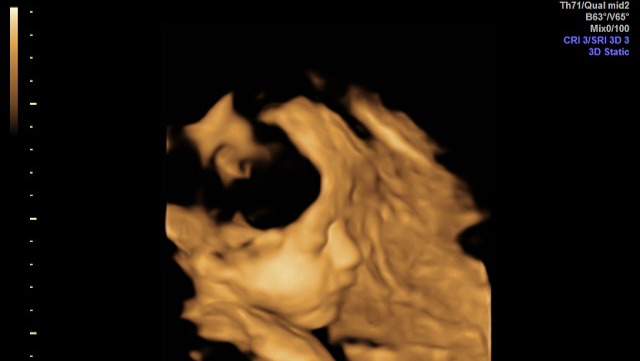
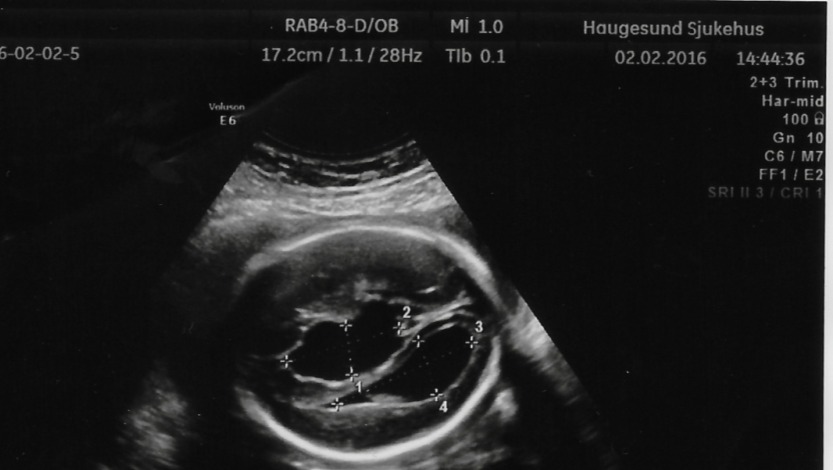
Instead, in that very moment, our world turned upside down.
During that ultrasound, we were told that Zarah Angelica was missing her corpus callosum, a vital structure in the brain with 200 million connections between the hemispheres of the brain. With all of our children present, the message we had trusted was suddenly replaced by devastating news. What was meant to be a moment of shared happiness became the beginning of a life-altering reality for our entire family. I still can't understand why the hospital hadn't discovered this after 10 ultrasounds. I knew my body couldn't really handle another pregnancy, I was told at my last birth that my body needed a break because of my health. We agreed that if the baby wasn't healthy, we couldn't gamble with two lives. So it was important to know the baby was healthy.
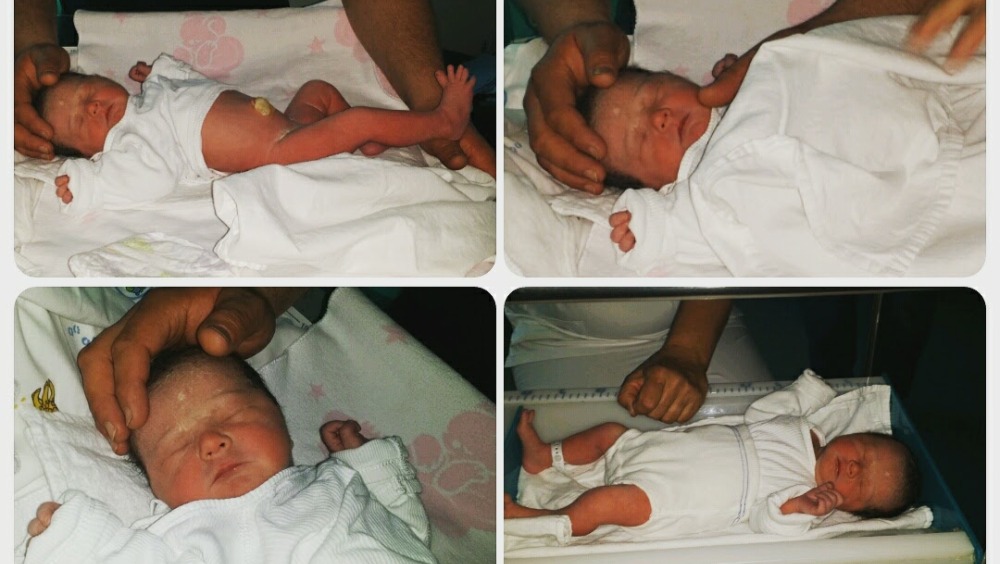
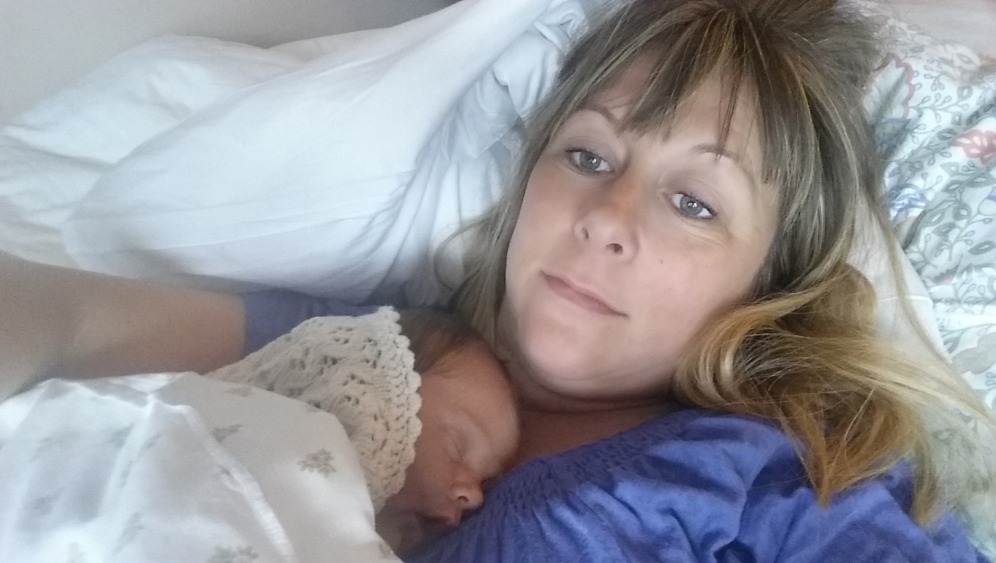
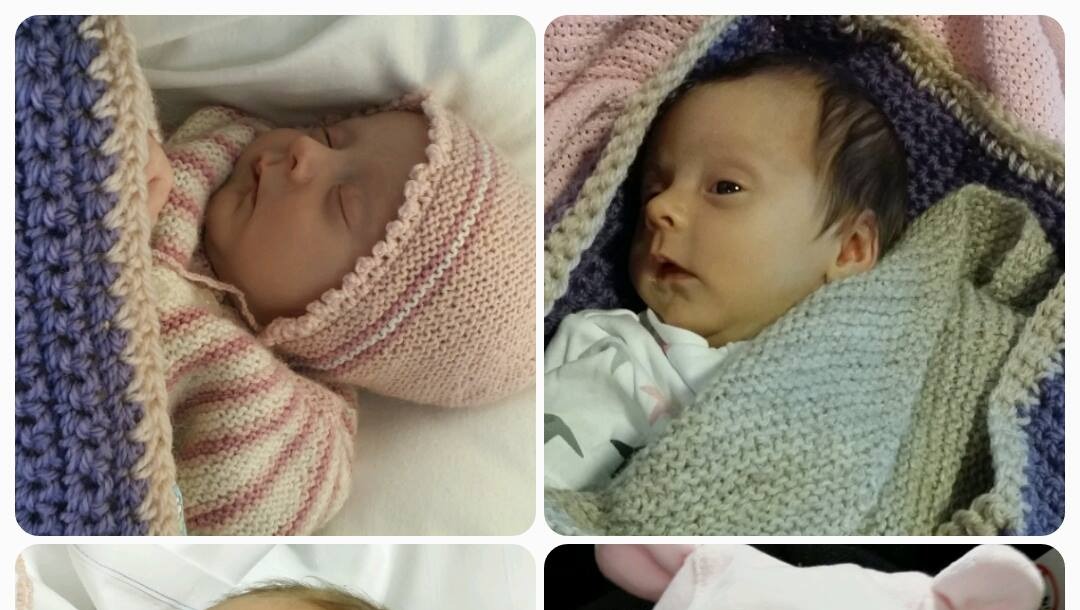
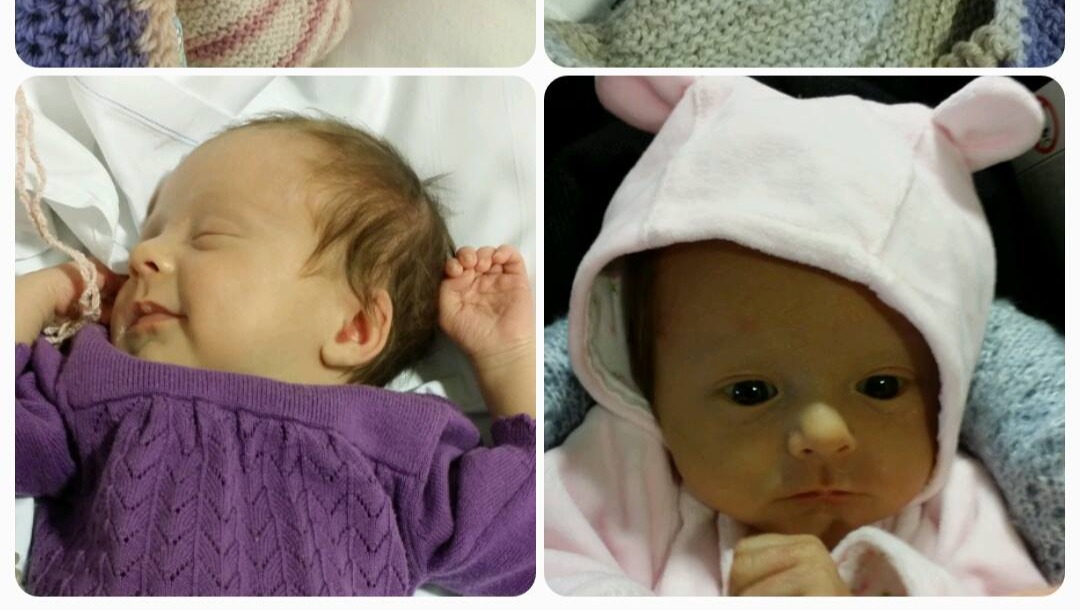
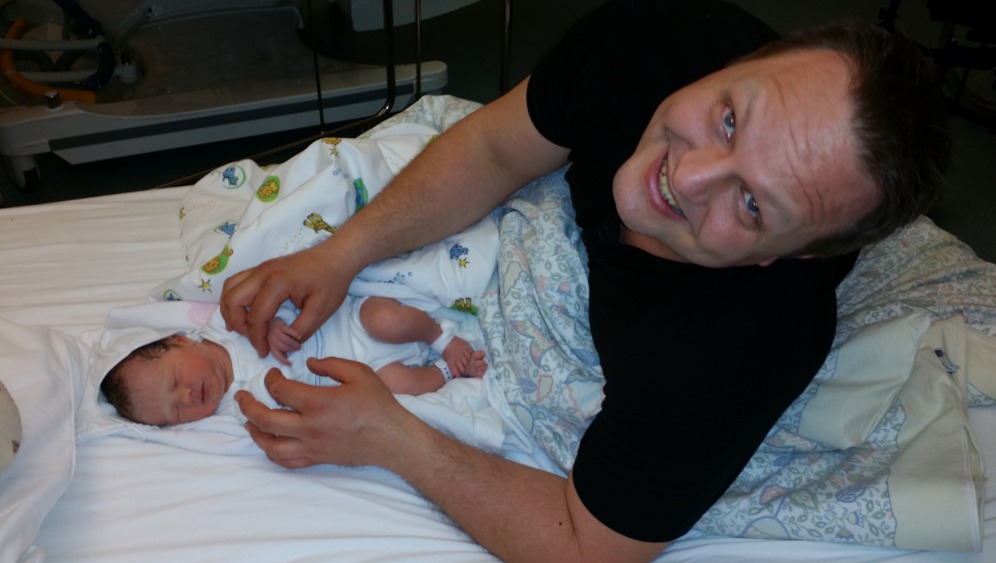
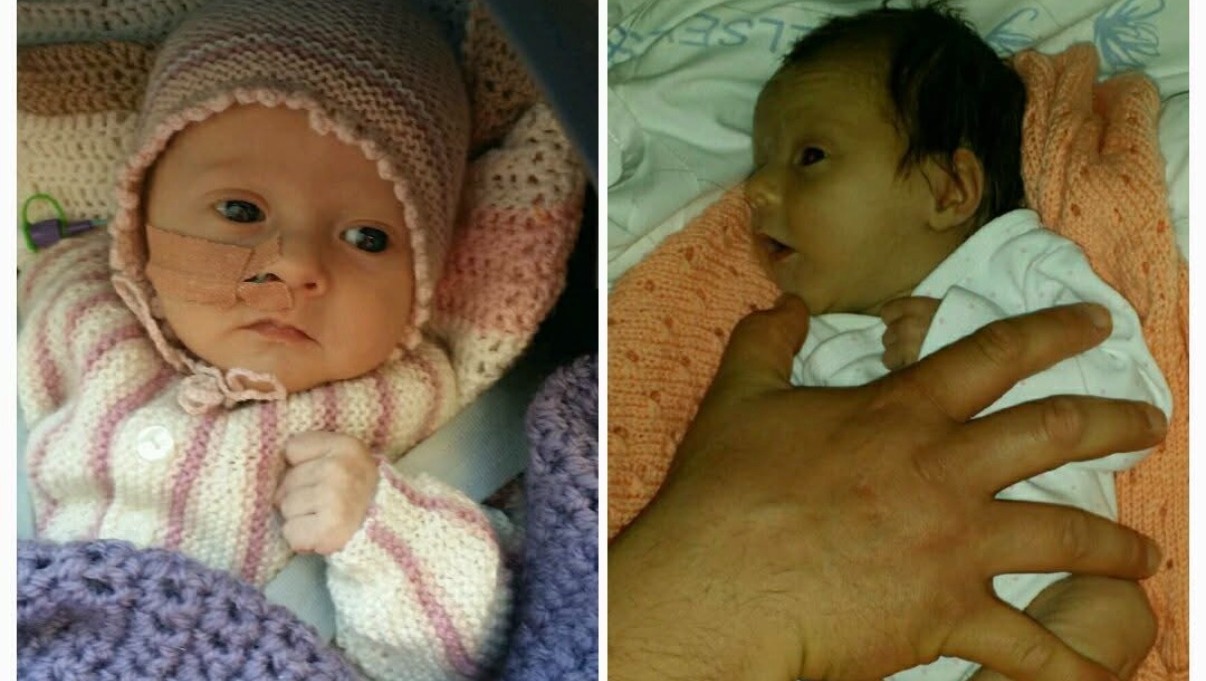
Zarah Angelica was born on April 14, 2016. What we believed would be the start of a normal family life quickly turned into a medical emergency. Within a short time after birth, she required specialized monitoring and hospital care. From her earliest days, our lives became centered around hospitals, medical equipment, medications, and constant vigilance.
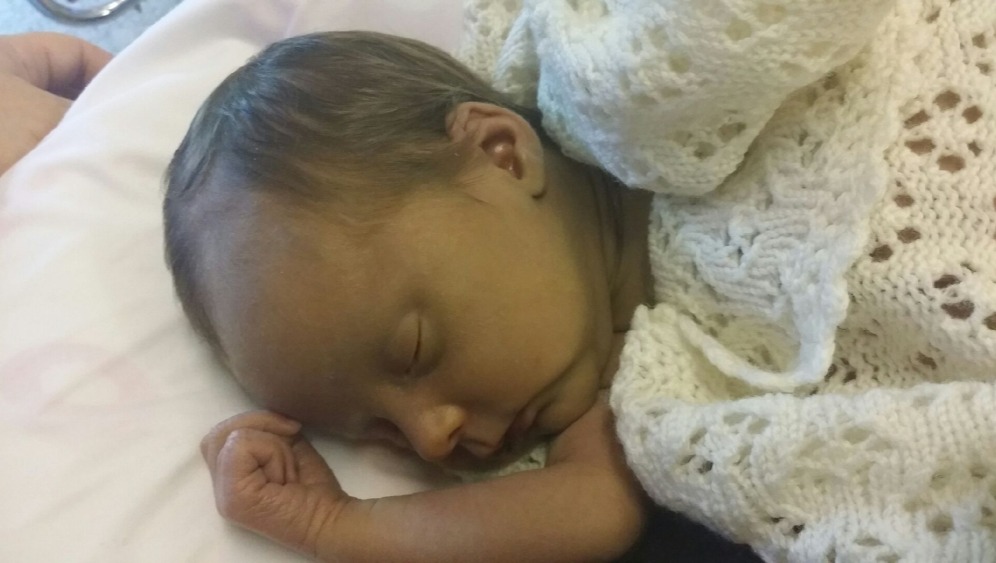
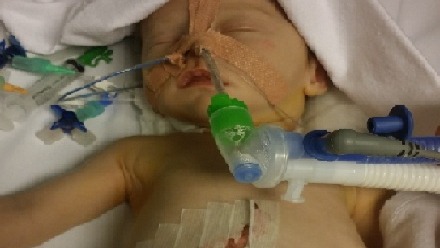
At that time, we lived in my grandfather’s house, located next door to my parents. Having my mother and stepfather close gave us a rare sense of safety during an extremely vulnerable period. Over time, the municipality recognized our need for support, and both my mother and stepfather were granted a few hours of respite each week. Their help became a vital lifeline for our family.
As parents, we were trying to understand and cope with what was happening, while our other children were drawn into a world of uncertainty and exhaustion.
Zarah Angelica’s brother, only two years older than her, spent much of his early childhood growing up in hospital corridors and patient rooms. He accompanied us through countless admissions and long hospital stays over many years.
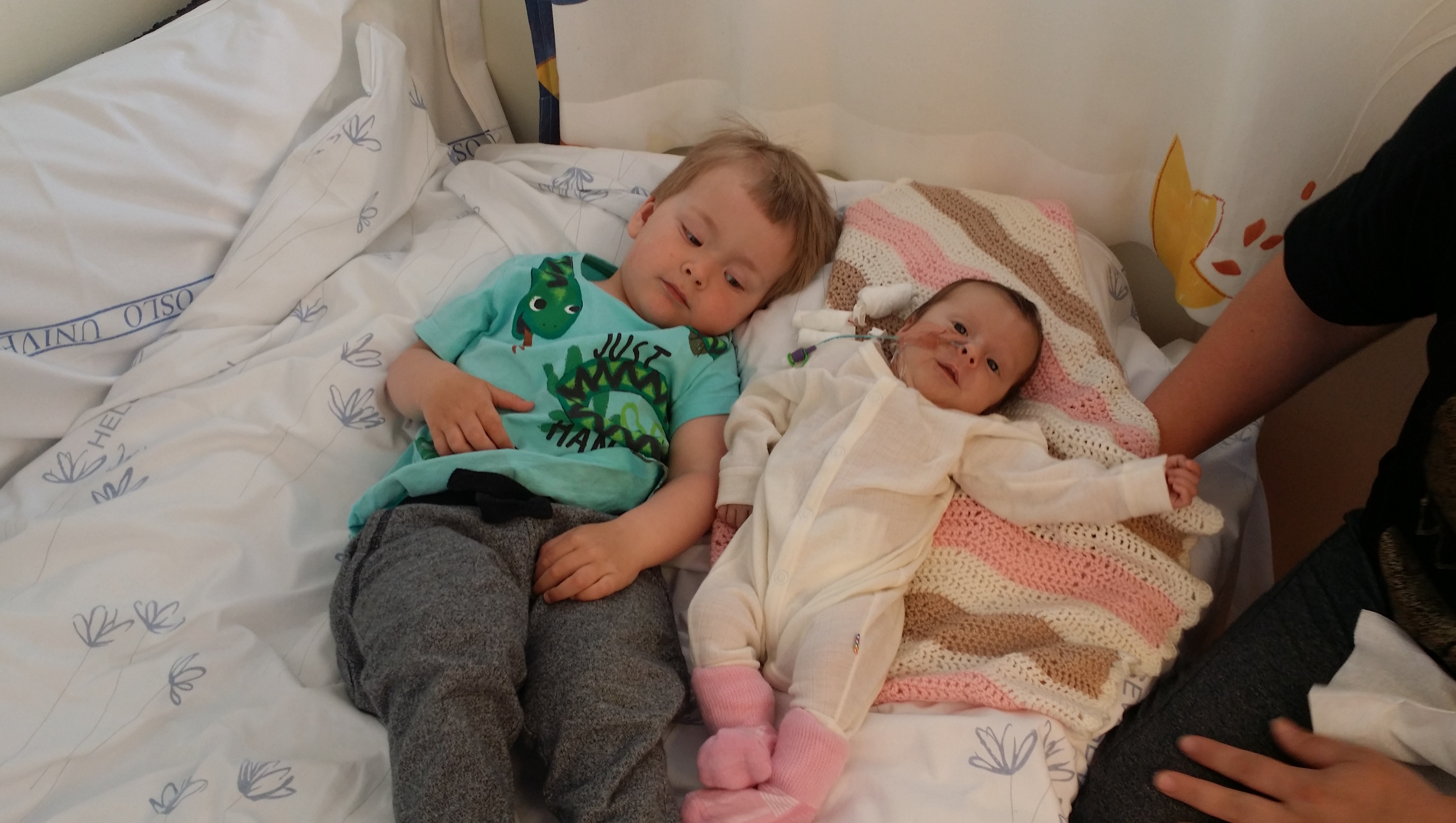
Our children learned far too early what it means to live with fear, medical emergencies, and parents who were always alert, always worried, and often completely worn out.
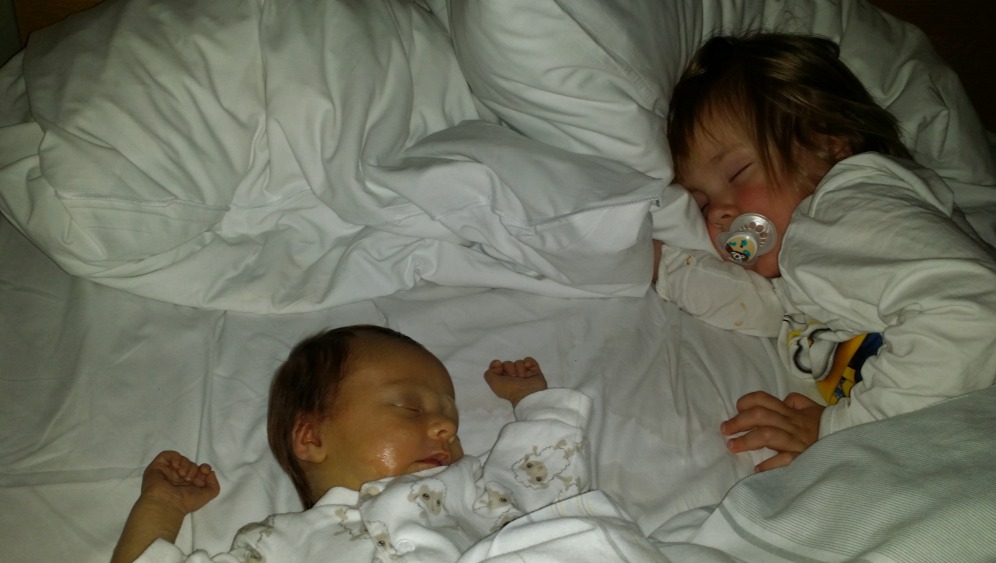
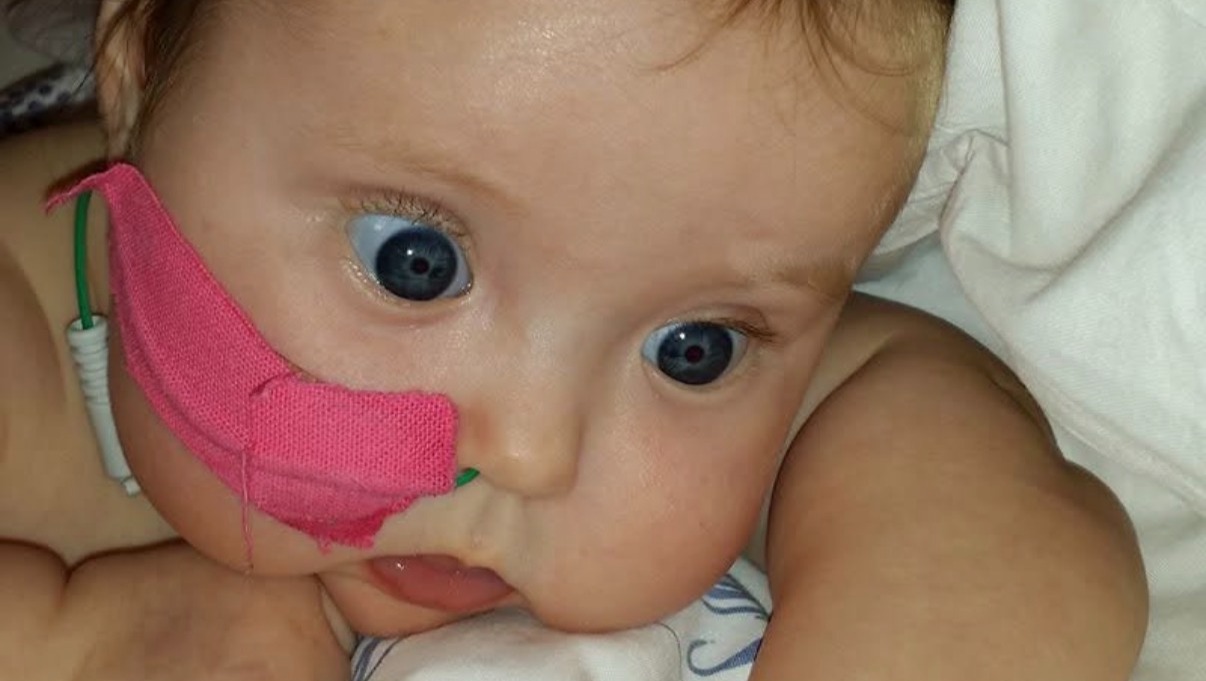
As Zarah Angelica ’s needs grew, our home became too small. We applied for support to expand the house, but this was considered too costly. Instead, we were encouraged to move, with the promise of more space and a healthier environment for the children. Leaving that home was deeply painful. It was where we had planned to put down roots, surrounded by family, familiarity, and safety.
Not long after the move, my stepfather passed away. He had been a crucial support for us, helping with transport, practical tasks, and daily care. His death caused our world to collapse once again.
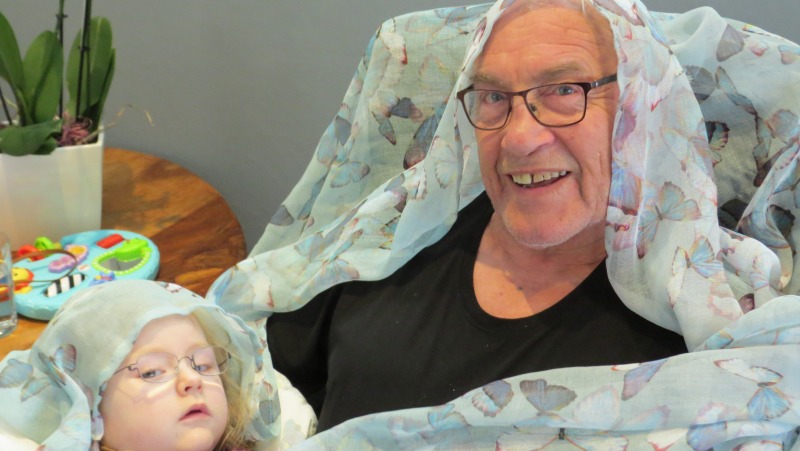
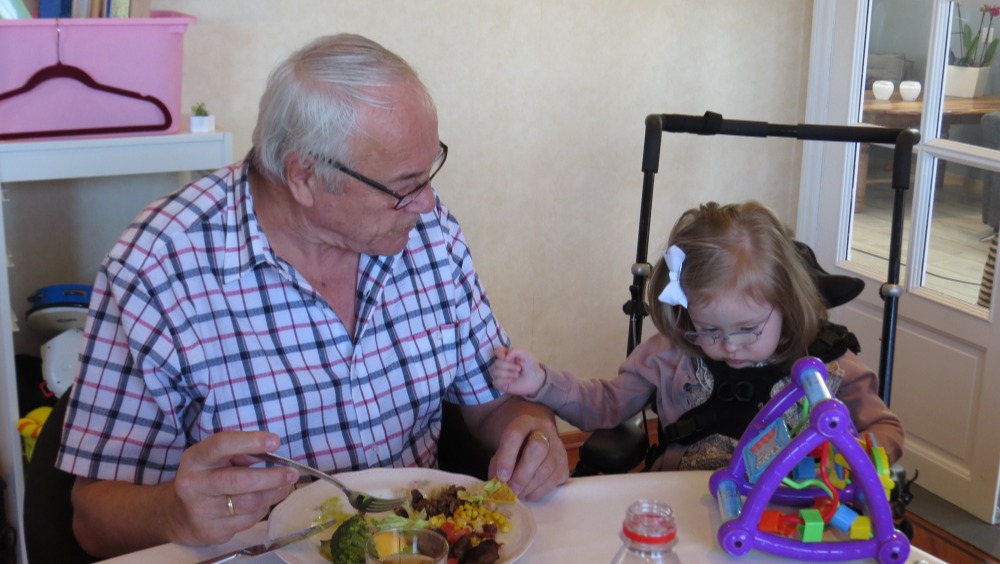
After my stepfather passed away, my mother was no longer able to remain in the family home. Within four months, the grief became too heavy, and she needed to move.
During this same period, we were caring for our children without respite support, while also helping my mother sell her house and relocate to an apartment. At the same time, we were forced to renovate and prepare our own old home for sale, in order to afford staying in the new home we had moved into with limited municipal support.
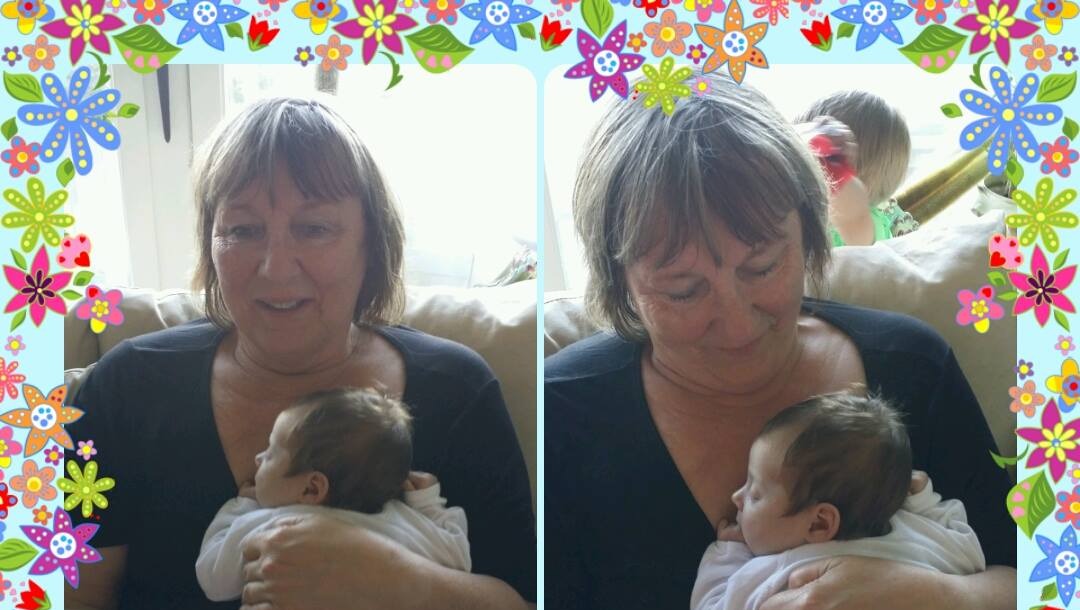
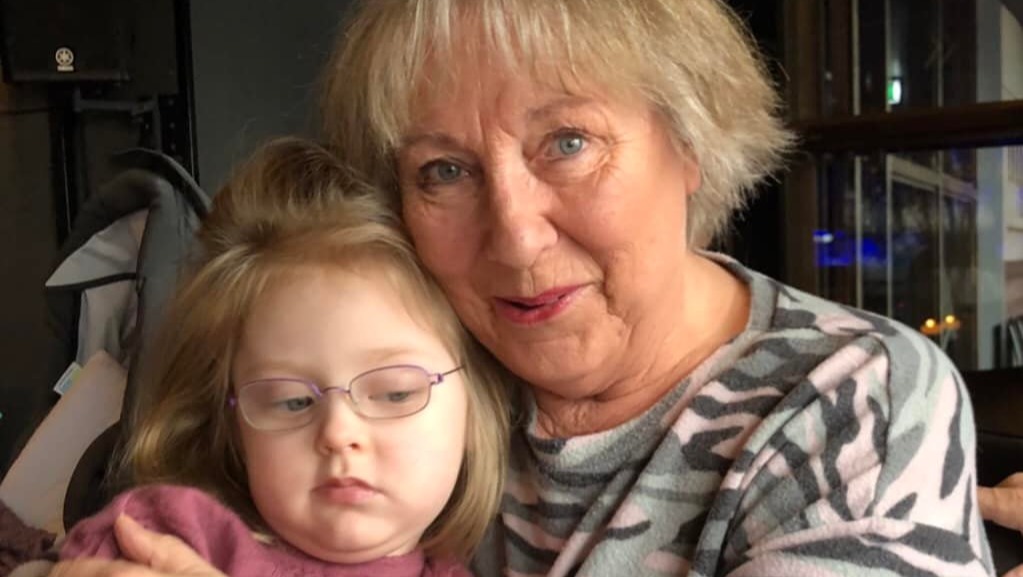
It was an overwhelming convergence of responsibilities and emotional strain. Not long after, my mother’s health declined significantly. She is now living in a nursing facility, no longer able to walk independently, and experiencing cognitive impairment that affects her ability to fully orient herself.
Losing both of the strongest support figures in our lives has felt like a living bereavement, leaving us with very limited support. Our oldest children were given the role of family caregiver to help us, which is an unusual job for teenagers. It was a fantastic help, while also earning money through the municipality.
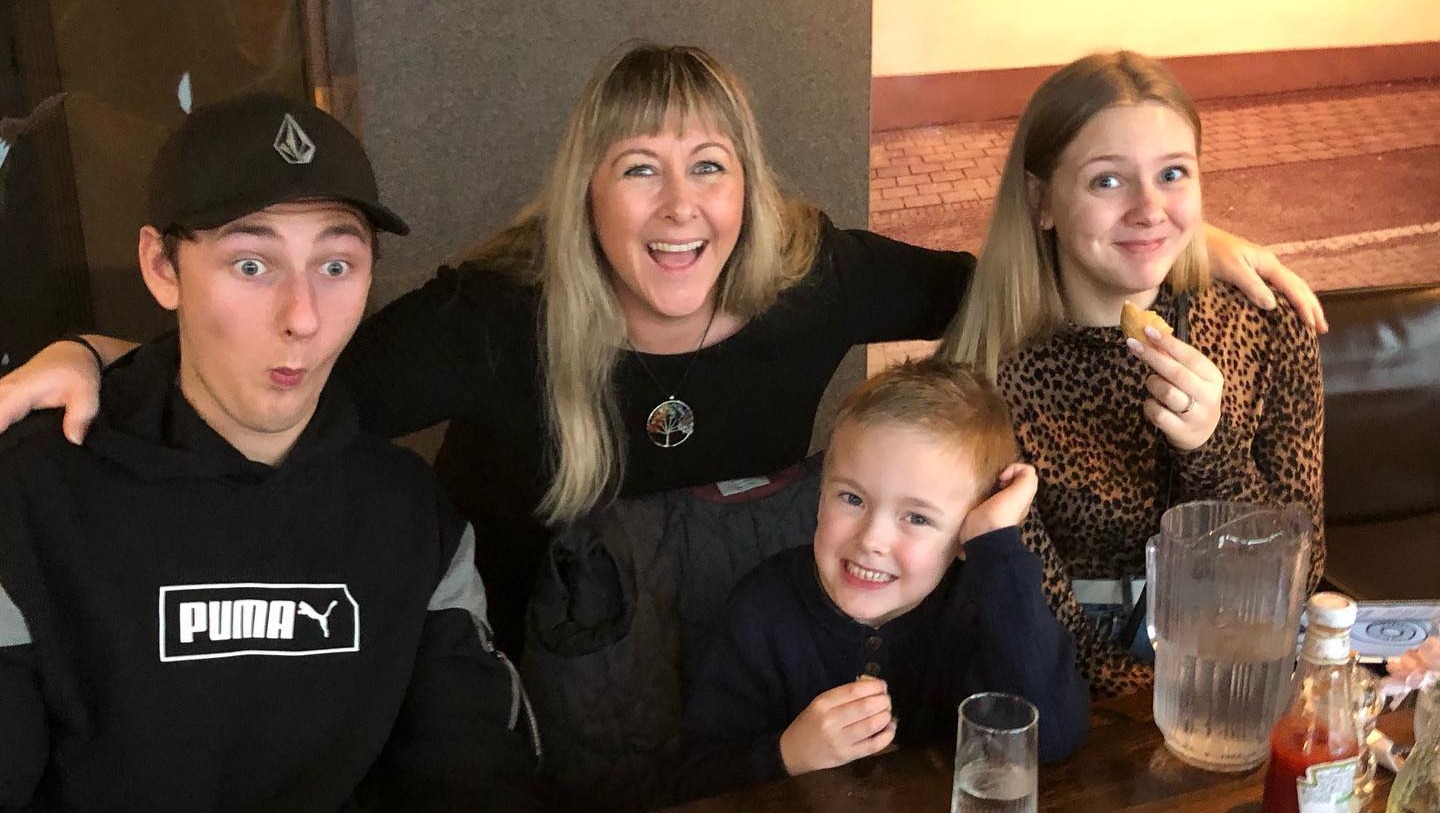
For a period of time from she was seven years old, we were able to use a respite care facility for a few days each month. Something we certainly hadn't imagined we would be able to use, because the feeling of not having her at home was so difficult. But we had no choice, the oldest ones moved away from home and we were quite exhausted. Not least, we needed time with Zarah Angelica's brother, who is only two years older than her. Those brief moments of relief were indescribable. Being able to leave the house without constant vigilance, to rest without monitoring alarms or screens, and to fall asleep on the sofa without jumping up in panic felt almost unreal. At the same time, there was always an underlying worry about how Zarah Angelica was doing.
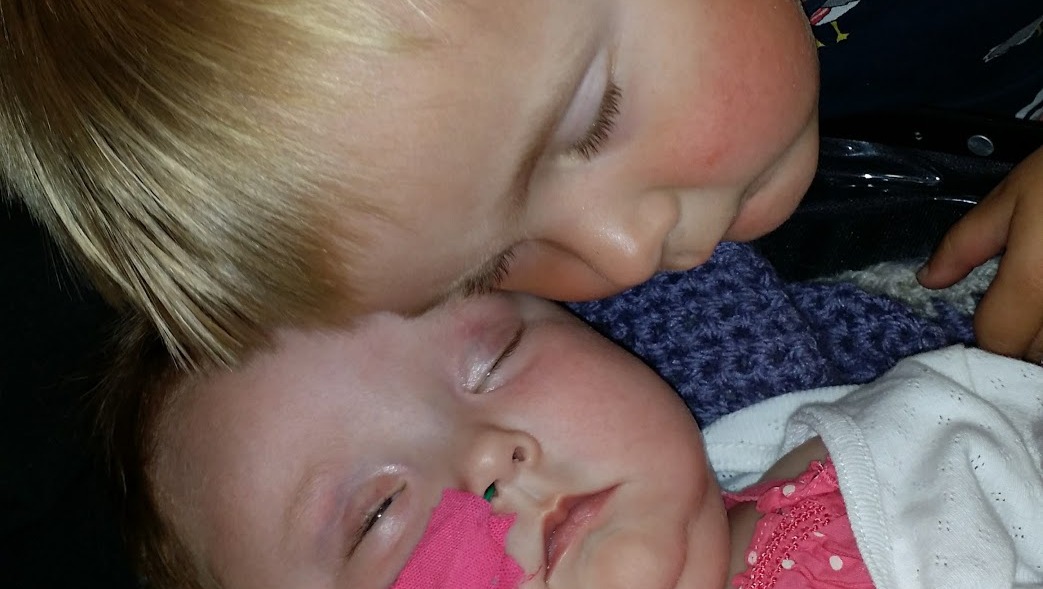
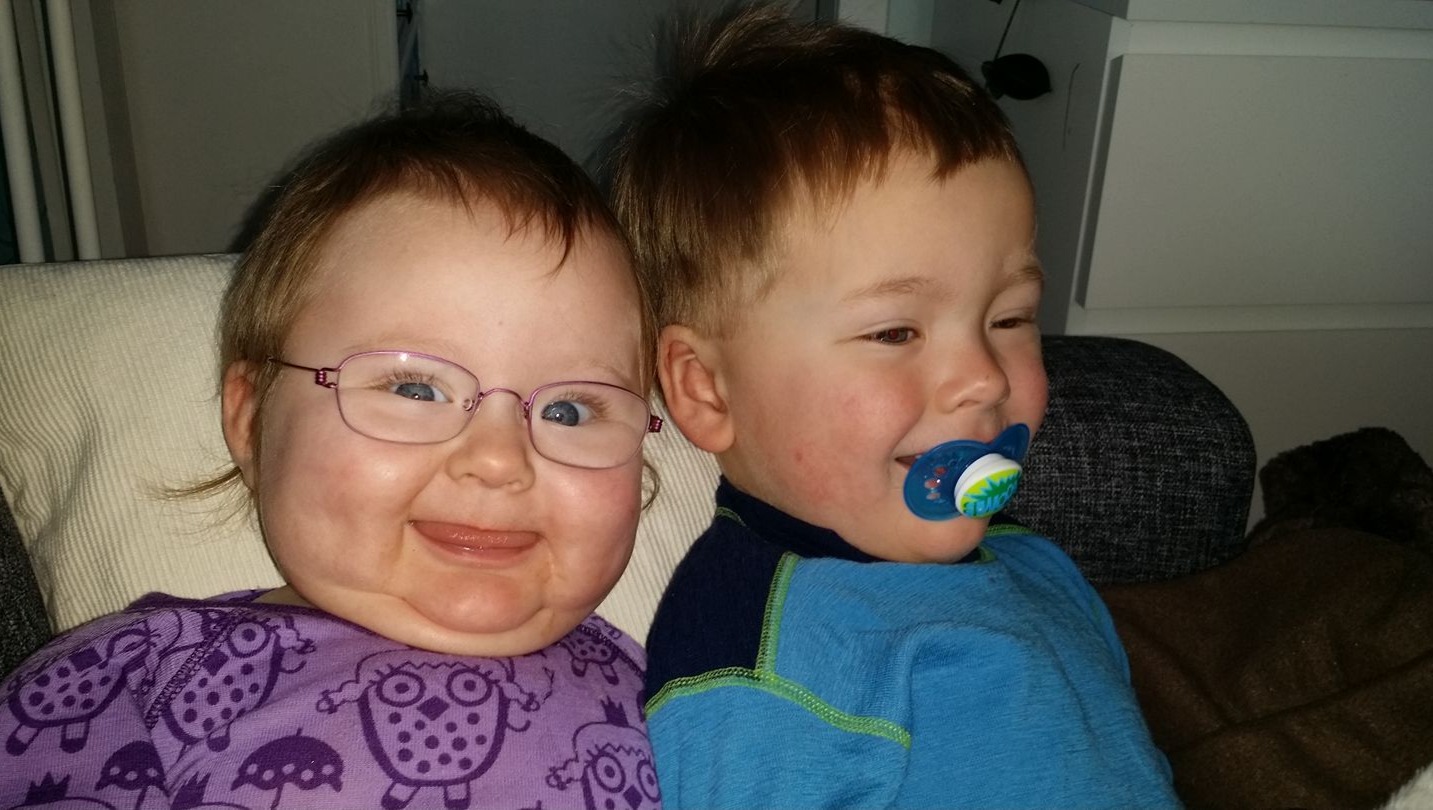
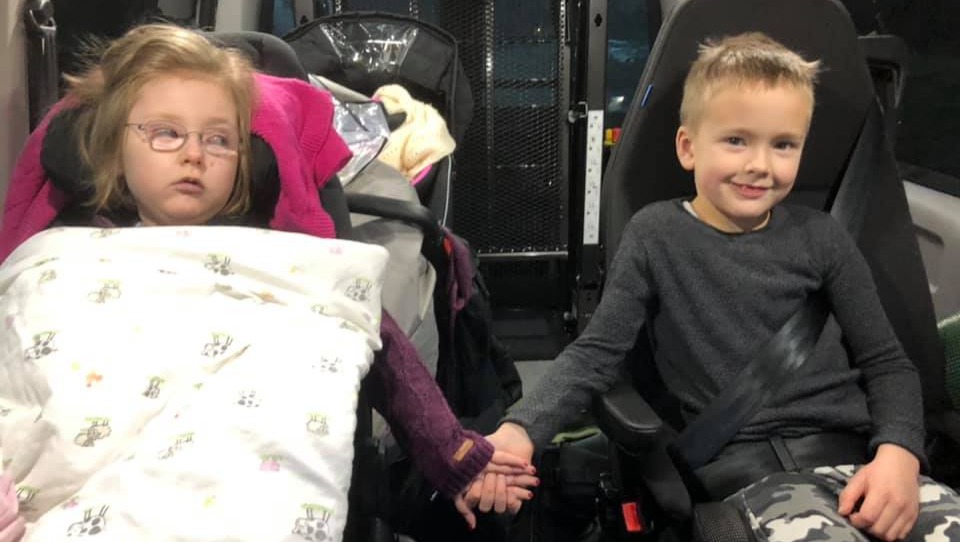
That option is no longer possible. Due to worsening scoliosis, a dislocated hip, increasing medical fragility, and the risk of infection ahead of potential surgery, we have made the decision to keep her at home at all times. This choice is made entirely for her safety, health, and need for closeness and love.
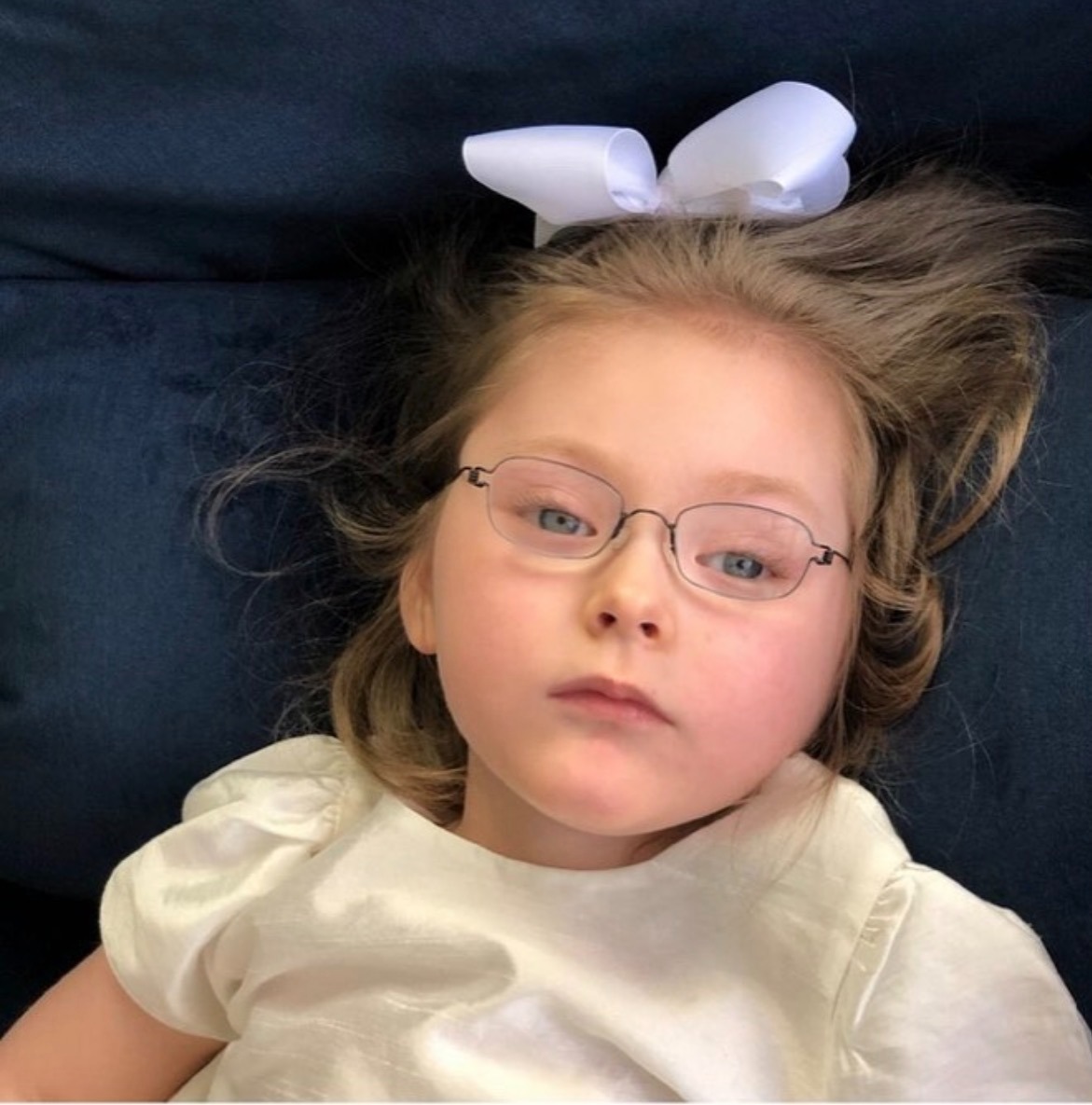
As time passed, Zarah Angelica was diagnosed with multiple severe and complex conditions, including profound neurological impairment and difficult-to-control epilepsy. She is non-verbal and cannot communicate pain, discomfort, or needs through speech. She cannot sit independently, cannot eat on her own, and is completely dependent on assistance for all daily activities.
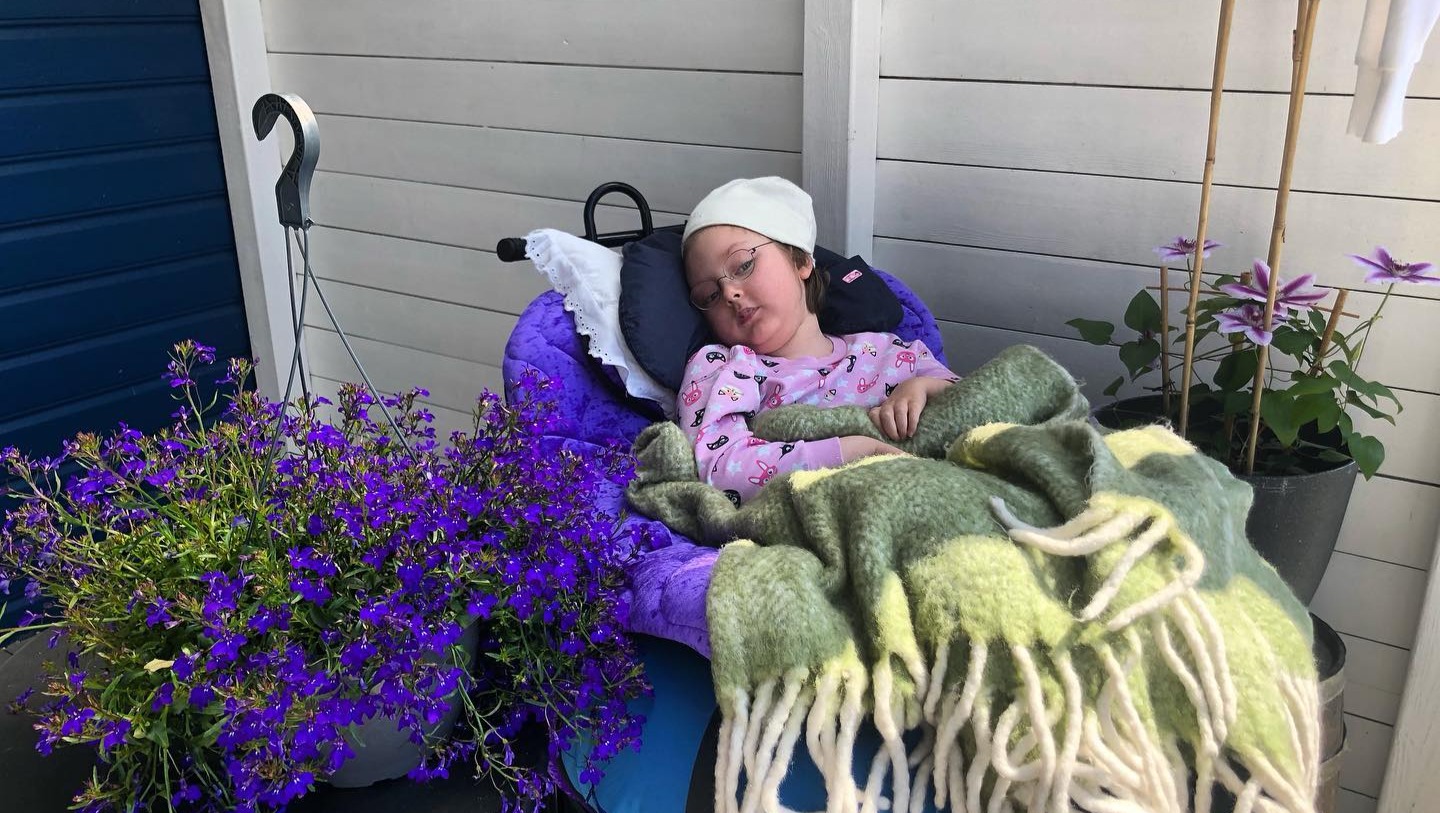
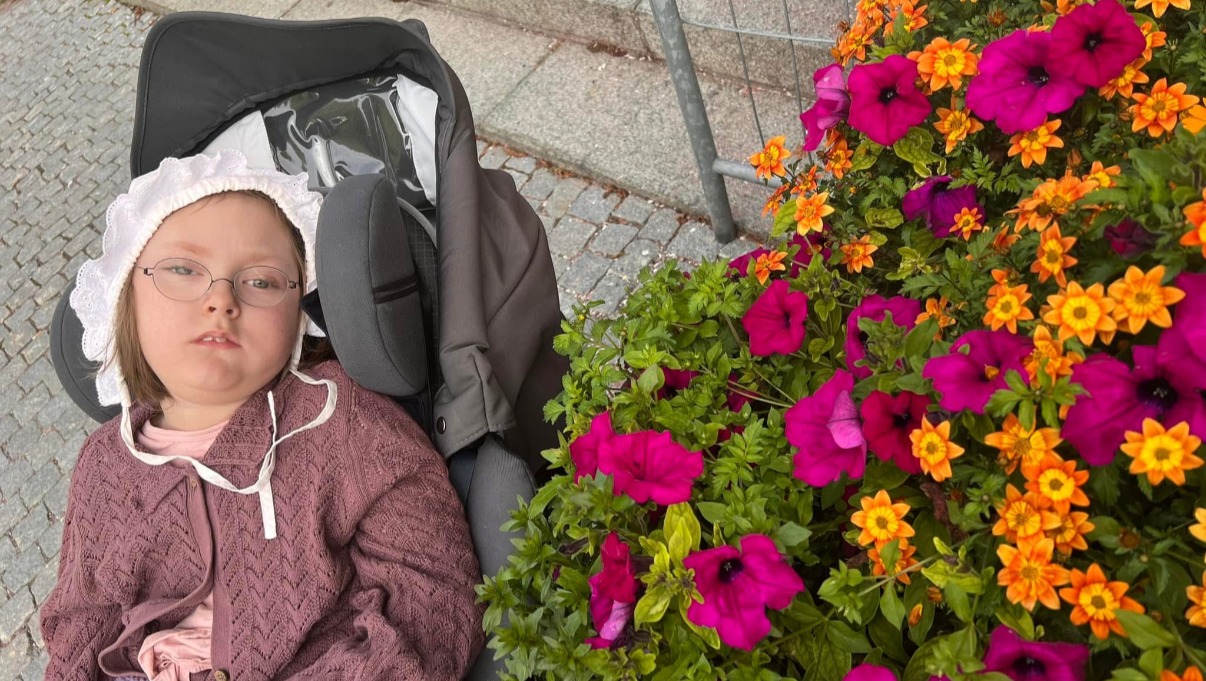
She is fully dependent on us parents for dressing and personal care. She is not able to cooperate during dressing or undressing, and all handling must be performed by us. Zarah cannot protect herself or react in ways most people take for granted. She cannot turn away if she is uncomfortable, nor can she signal danger.
We have experienced terrifying situations where she has vomited while lying on her back and nearly suffocated — situations that could have been fatal if we had not been present and fully alert. Because of this, she can never be left alone. Not even for a moment.
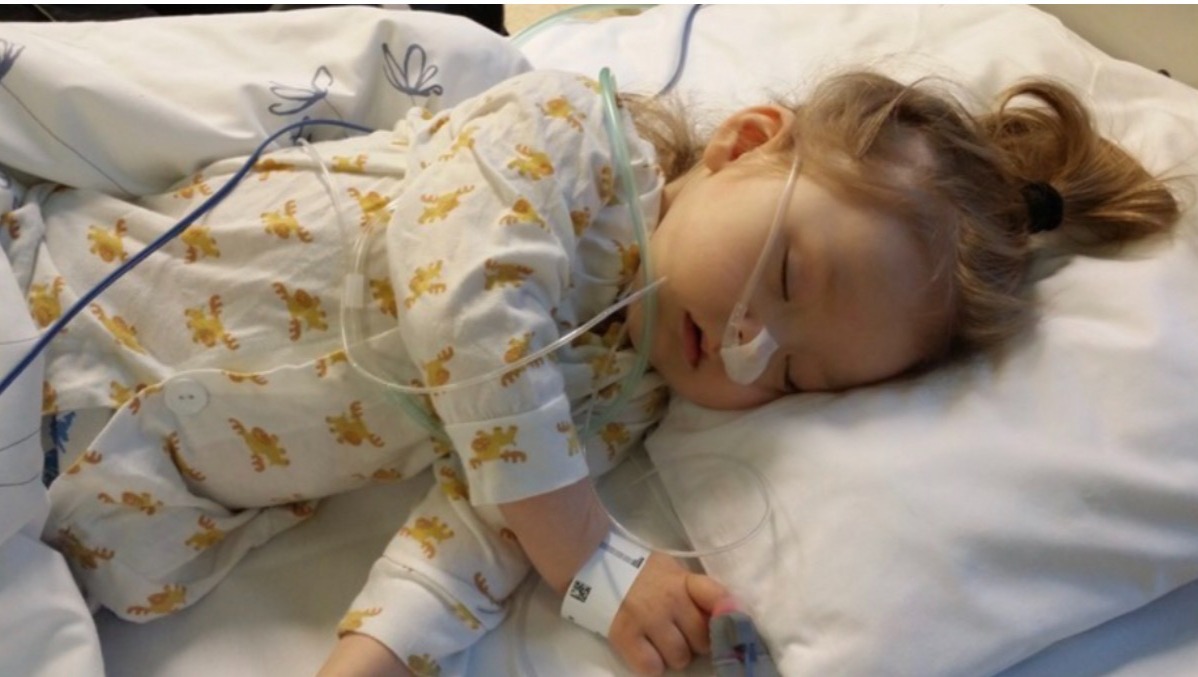
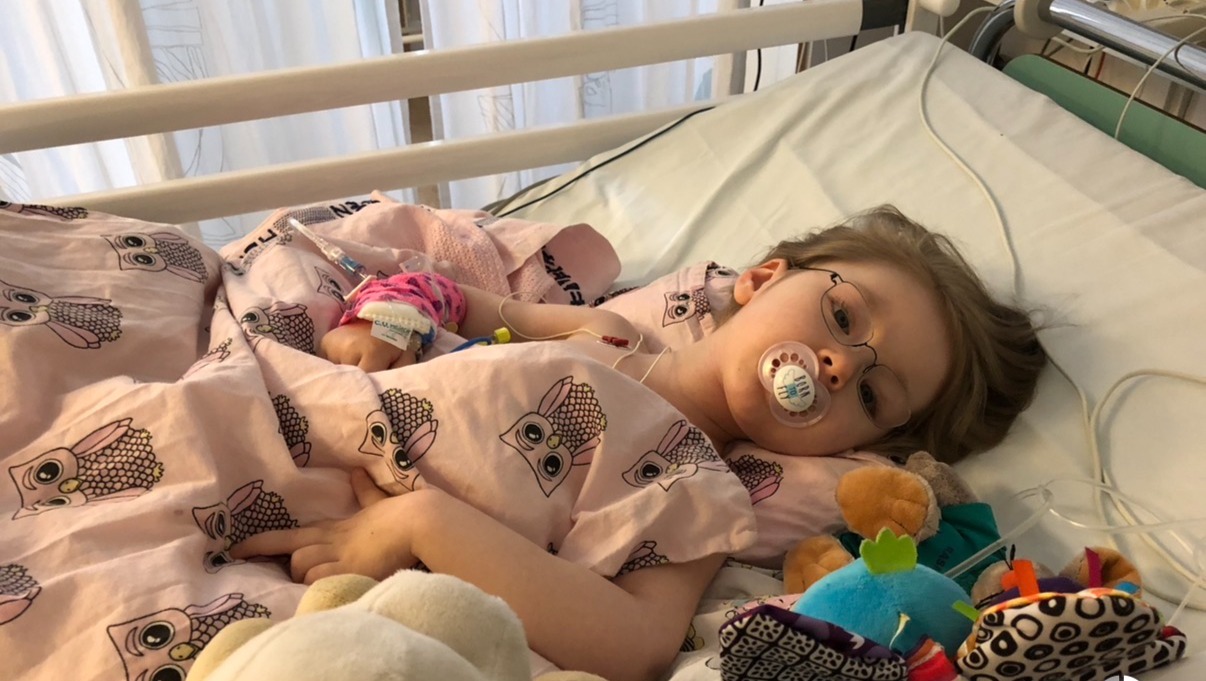
From early childhood, Zarah Angelica has experienced repeated life-threatening medical crises. There have been at least two occasions where we were told that she was close to dying. Each time, we were forced to prepare ourselves for the possibility of losing our child while still caring for her hour by hour. Along the way, additional diagnoses were added, each one further complicating her condition and reducing her physical resilience.
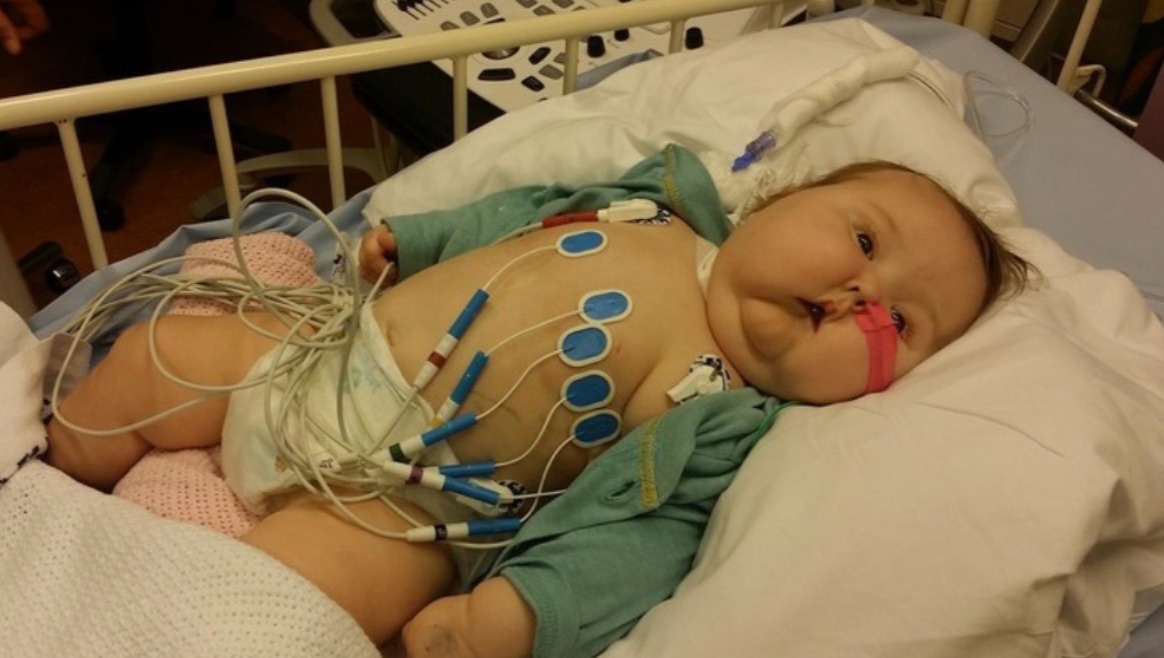
Why silence — and loss — can be life-threatening for our daughter
Zarah Angelica lives with multiple severe and potentially life-threatening diagnoses, including Aicardi syndrome, Dandy Walker variant with cysts in the cerebellum, biliary atresia with chronic liver disease, agenesis of the corpus callosum, severe epilepsy with silent seizures, adrenal failure in infancy, and serious complications caused by incorrect medical treatment early in life.
Because of this complex combination, her body is extremely fragile. Small changes can quickly escalate into medical emergencies — often without clear warning signs.
As her parents, we must constantly monitor critical warning signals, including:
• Vomiting or retching, which can signal increased intracranial pressure, infection, or sudden acute liver failure.
• Sunken or visibly changed eyes, which may indicate increased pressure in the brain caused by cerebellar cysts related to her Dandy Walker variant.
• Silent epileptic seizures, which do not involve visible convulsions and are extremely difficult to detect for anyone who does not know her intimately.
• Changes in breathing, breathing pattern, or breathing rate, which may indicate neurological deterioration, pain, infection, lung restriction, or pressure.
• Subtle changes in gaze, muscle tone, restlessness, pallor, or sounds, often the earliest — and sometimes the only — warning signs before a serious crisis occurs.
• Signs of liver deterioration, such as swelling, fluid retention, changes in color, or sudden decline in general condition.
These warning signs are not theoretical to us. We have learned — repeatedly — that what looks harmless to others can rapidly become life-threatening.
The loss of abilities — and the fear of losing what remains
When Zarah Angelica was around one and a half to two years old, she began to lose abilities she had previously had. Gradually, skills disappeared. She had once been able to bring small pieces of bread to her mouth, hold her bottle by herself, and even sit upright for a period of time. Then, little by little, these abilities faded away.
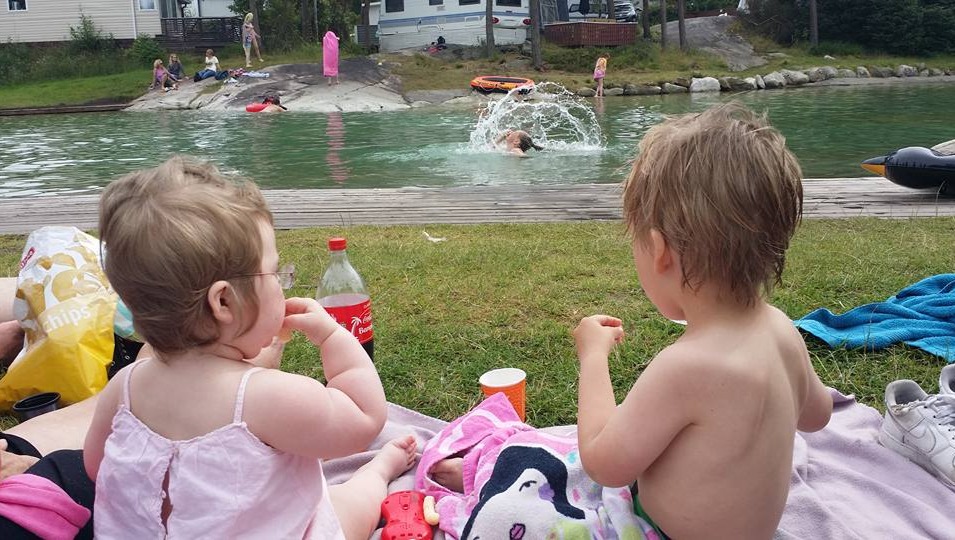
Around the same time, her expressions changed. She no longer smiled the way she once did. Today, smiles are rare — perhaps only a few times a month — and we cannot remember the last time she laughed.
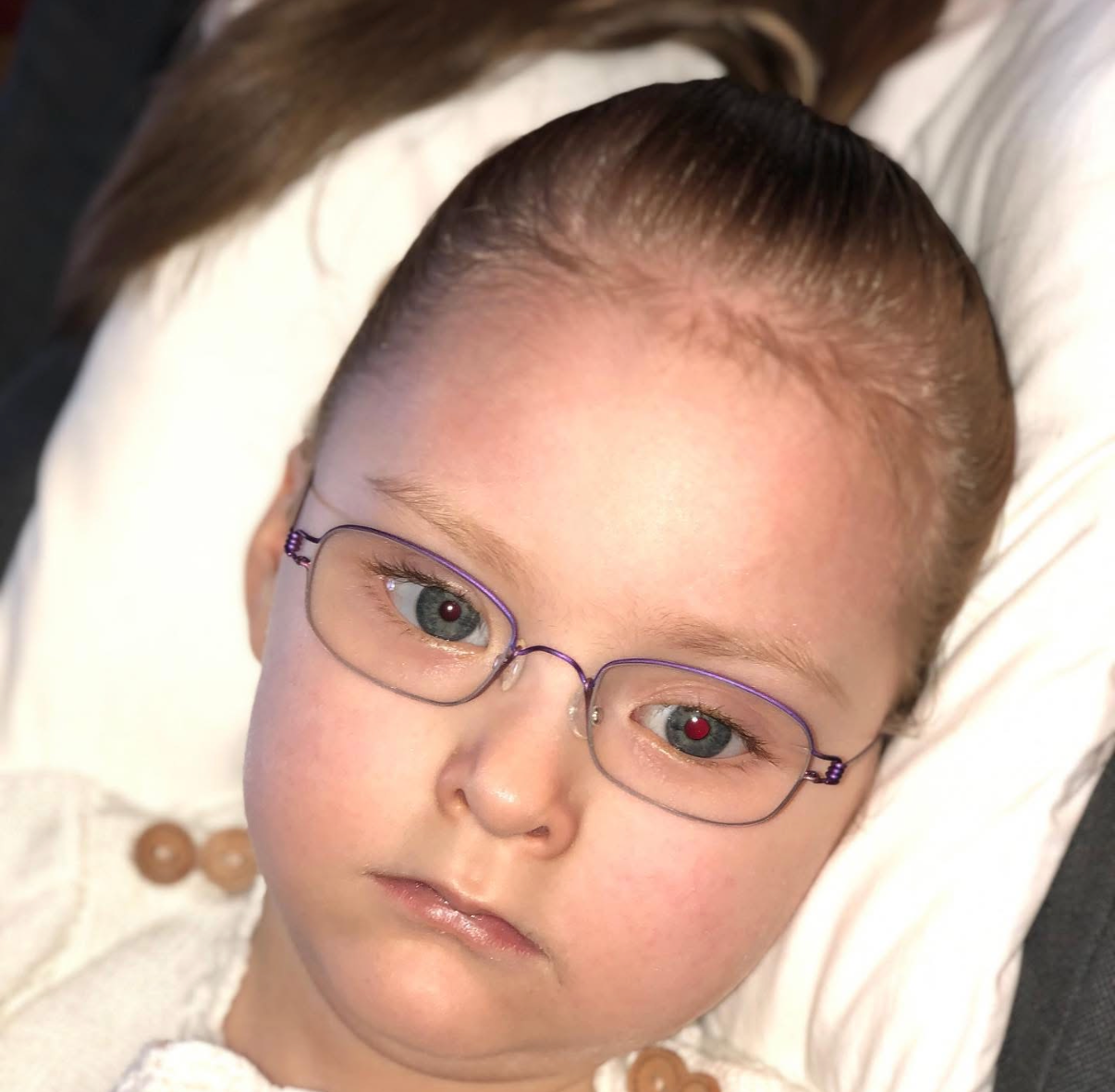
One of our greatest fears concerns her vision. Zarah Angelica has chorioretinal lacunae, placing her at constant risk of retinal detachment and blindness. Her vision is one of the last remaining ways she meaningfully experiences the world.
She finds comfort and joy in visual stimulation — looking at books, colorful mandalas, gentle light shows, fiber-optic lights, and calm visual patterns. Along with love, closeness, music, and singing, her vision is a vital source of stimulation and connection.
If she were to suddenly lose her sight due to retinal detachment, she would not be able to tell us. She cannot explain pain, darkness, or sudden loss of vision. A sudden awakening, distress, or change in behavior could be caused by a seizure — or by the terrifying experience of waking up to darkness. Only those who know her deeply can distinguish the difference.
For us, the thought of her becoming blind is devastating. It would mean losing one of the last bridges she has to the world.
Why subtle signs can mean severe illness
Zarah Angelica’s condition makes serious illness difficult to detect. She is generally very passive, even when critically ill. During one life-threatening period caused by incorrect medical treatment in infancy, her CRP reached 350, indicating extreme inflammation. Even then, it was difficult to see how ill she truly was.
What we noticed was subtle: she became unusually pale, and something about her presence felt wrong. We trusted that feeling and brought her to the hospital. There, doctors discovered early heart failure, thickening of the heart muscle, severe electrolyte disturbances, adrenal failure, infection, and multiple organ involvement — all consequences of inappropriate treatment.
That experience taught us a painful lesson: we cannot rely on appearances. We must trust the smallest changes.
Years of constant vigilance
From the day Zarah Angelica was born, she slept between us in our bed. We needed to be close enough to feel her breathing, notice seizures, and react immediately.
When she was about six months old, we realized that both parents could not remain completely exhausted and still function for our other children — especially her brother, who was only two years older. From that point on, we divided ourselves in order to survive.
Carl Fredrik, her father, began sleeping on a mattress in the living room so that at least one parent could remain rested enough to care for the other children during the day, while the other stayed on constant night watch with Zarah Angelica.
Over time, this arrangement became permanent. As a result of her medical needs, Carl Fredrik and I have not shared a bed for nine years and six months. This was not a relationship choice — it was a medical necessity.
Today, Zarah Angelica has a very small bedroom, approximately ten square meters. In this room, we have a double bed with an adjustable headboard so her upper body can be elevated due to breathing difficulties. One of us always sleeps with her there.
We cannot rely on monitors or seizure mats. Because of her silent seizures, these devices failed. A monitor may register a small movement — perhaps a single arm twitch — and classify it as normal. In reality, she may already be in a prolonged, life-threatening seizure.
This is why institutional respite care is so dangerous for her. A caregiver watching a monitor may see her stretch and assume everything is fine. For a child like Zarah Angelica, silence can be deadly.
Just recently, she lay completely still, with her mouth open and her eyes rolled back. To an outsider, it might look like deep sleep. To us, it was terrifying. With her diagnoses, this appearance can mean a silent seizure, altered consciousness, or acute neurological deterioration.
For me as her mother, this means that when she lies too still, my body immediately believes she may be dead. Several times every night, I have to touch her stomach or chest to feel movement and confirm that she is breathing.
This is not anxiety without reason.
It is the result of years of medical trauma, near-loss, regression, and lived experience.
This is why we live in constant vigilance.
This is why we cannot rest.
And this is why Zarah Angelica cannot be safely cared for by people who do not know her deeply and intimately.
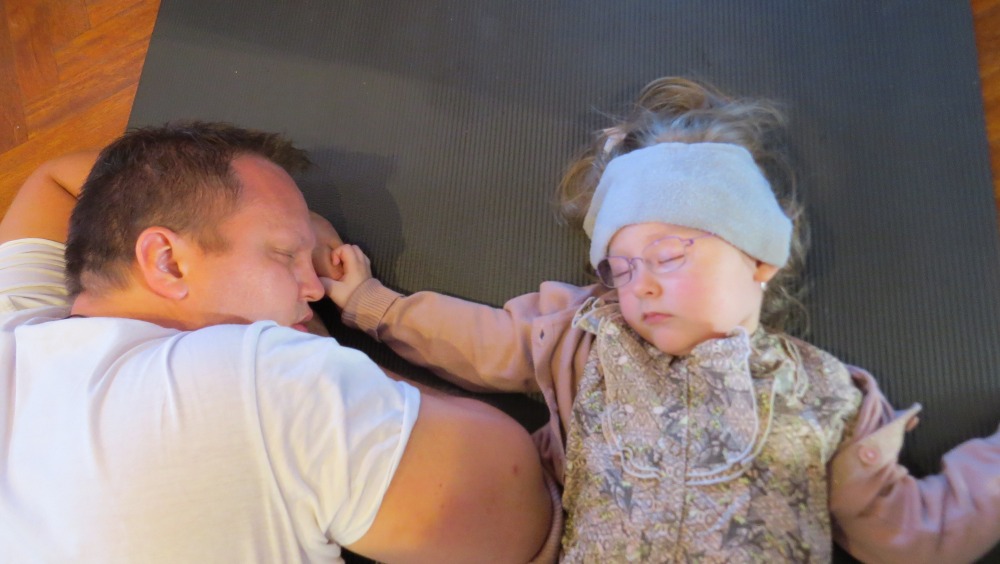
Medical records clearly show how fragile her health is.
Even common infections can become life-threatening.
What may be a mild, short-lived illness for others can quickly overwhelm her body.
On one occasion, her older brother stayed home from work for just one day with a routine virus. Despite precautions, Sarah Angelica became infected — and that single day of exposure resulted in a four-day hospital admission and a serious decline in her condition.
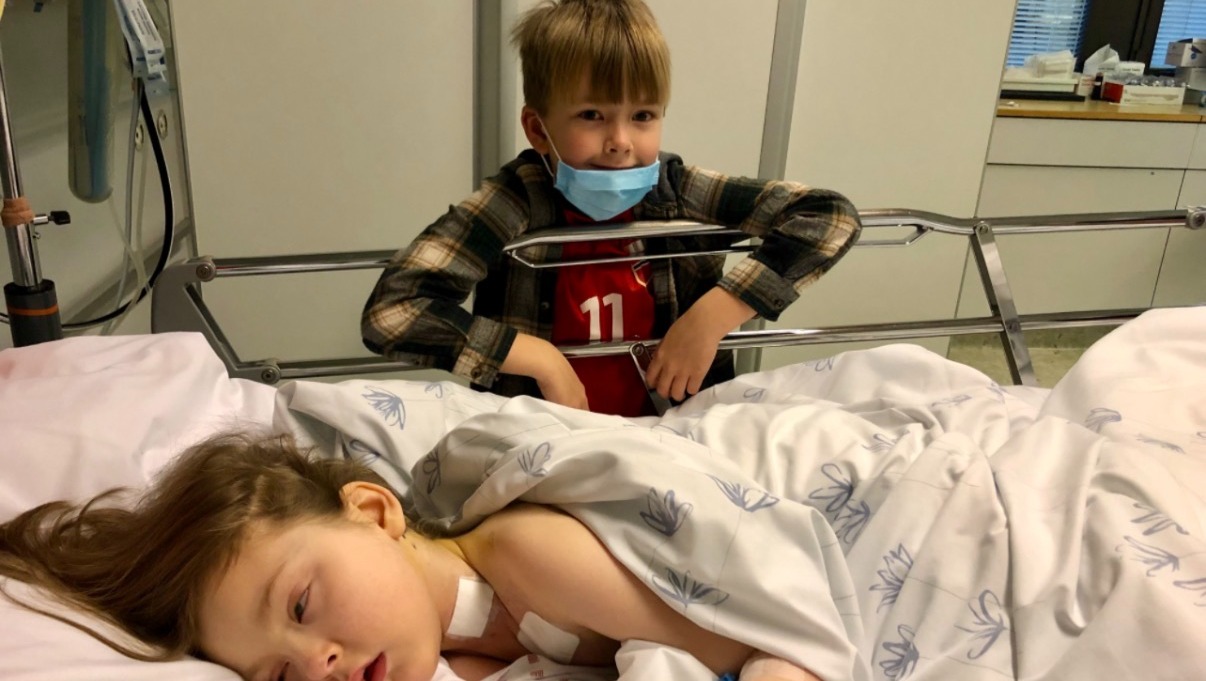
Moments like this illustrate how fragile her health truly is, and how carefully daily life must be lived to keep her safe.
What may be mild for others can rapidly escalate into a critical situation for her, requiring emergency care and continuous monitoring.
Despite extensive medical documentation, early assessments underestimated the true level of care required. This contributed to years of insufficient support and left us carrying responsibilities far beyond what any family should be expected to manage alone.
Living with this reality means living in constant anticipatory grief — waiting for loss while still fighting for life. Caring for Zarah is a full-time responsibility, day and night. There is no pause, no true rest, and no safe distance.
Over the years, Zarah has lost abilities she once had. Although she still has her vision, she can no longer play, explore, or interact with the world in ways children normally do. Her world has become increasingly limited.
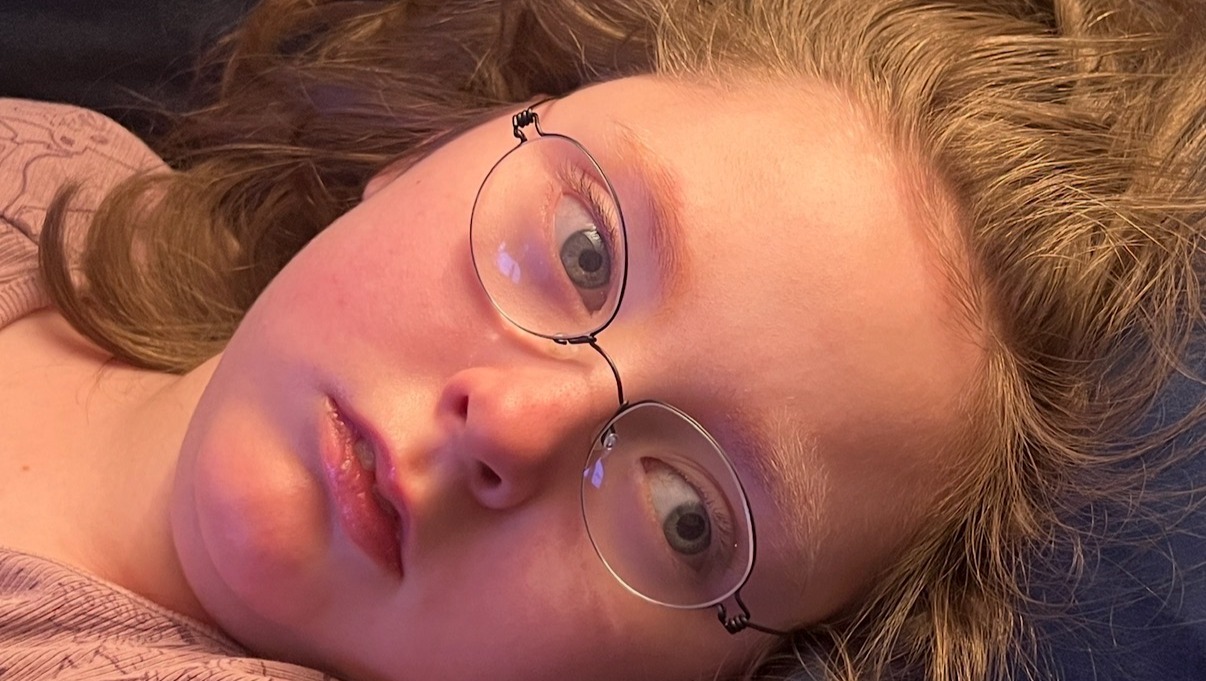
Today, Zarah must remain at home at all times. External respite care is no longer safe or appropriate. Palliative care services are now involved, and we are facing some of the most difficult conversations parents can ever have. Our deepest wish is that if she becomes critically ill, she can remain at home, surrounded by familiarity, safety, and love.
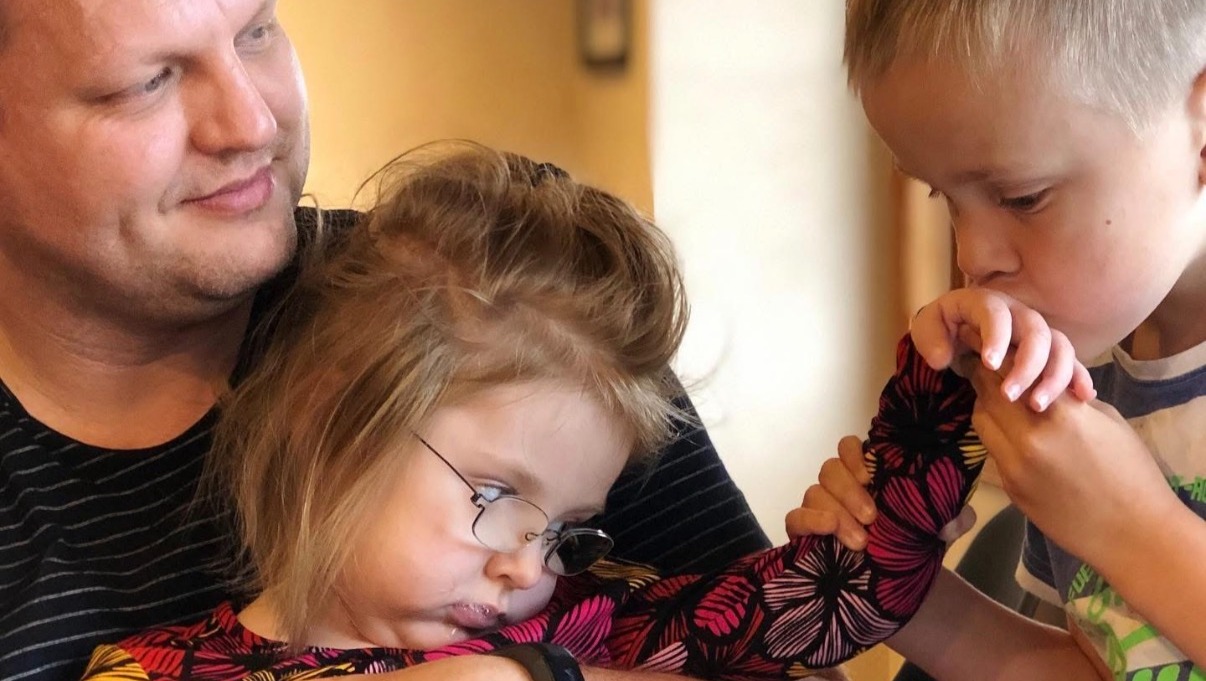
Because Zarah remains at home full-time, the public system is spared significant costs. She does not live in an institution or specialized housing. Instead, the full responsibility for her care rests on us as parents, twenty-four hours a day.
Over the years, we have done everything possible to manage financially on our own. We have sold personal belongings, accepted donated items to resell, and organized small-scale fundraising through homemade products such as food, knitted items, and other community efforts in order to cover medical expenses, equipment, travel, sensory aids, specialized clothing, and practical help in the home.
This has required enormous effort and is no longer sustainable. After nearly ten years of night-time vigilance, disrupted sleep, and constant emergency readiness, my health as a mother has deteriorated significantly. Even on nights when I am not on duty, my body remains on alert. Trauma has settled in the nervous system. There is no longer any reserve left — physically, emotionally, or financially.
A quieter truth we live by
Life has taught us to live in the present — not as a philosophy, but as a necessity.
Since Angelica entered our lives, unpredictability has been woven into everything. From the very beginning, we were told she might not survive her early years. That knowledge changed us forever. It stripped away the illusion of safety and replaced it with a constant awareness: nothing is guaranteed, not even tomorrow.
At 3 weeks old, when Zarah was recovering from liver surgery, we were told to hope her damaged liver could last the first year, as this would increase her chances for survival. Only to be replaced by the knowledge of her emerging rare epilepsy, which had a mortality rate of 66% within 3 years of age. And again with the addition of the Aicardi Syndrome diagnosis, we were told she probably would not survive her first decade.
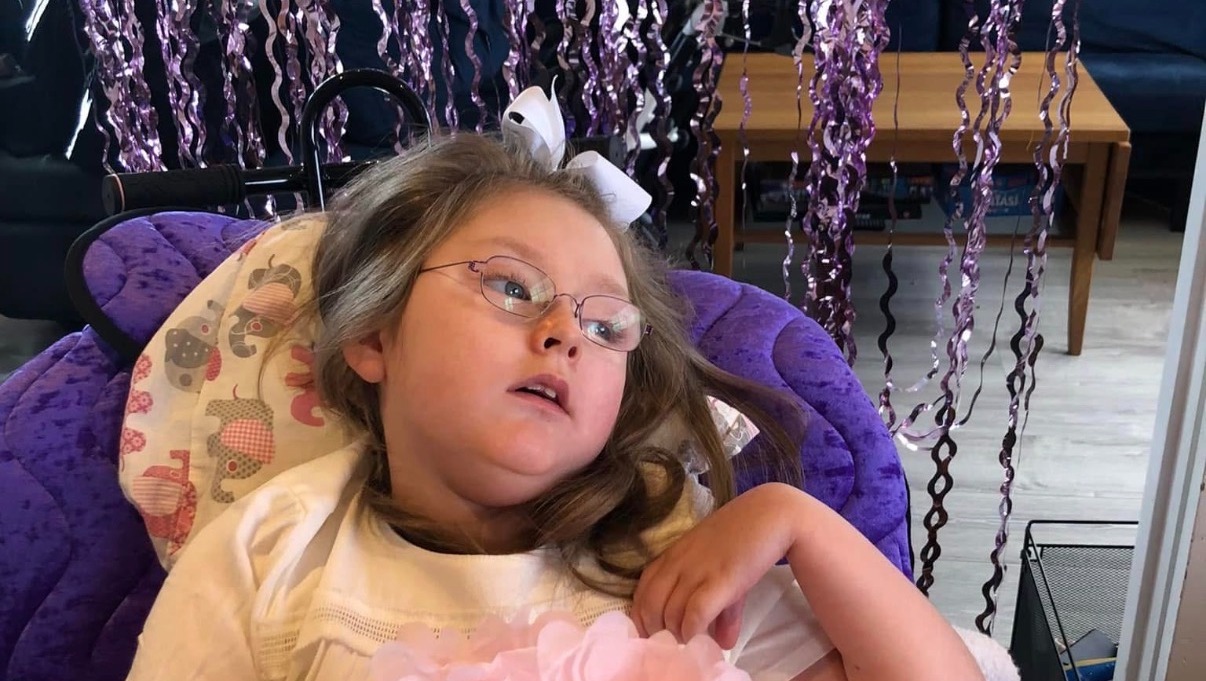
And yet, here she is. Nearly ten years old.
In many ways, every year has felt like borrowed time — a quiet miracle unfolding alongside relentless illness, fragility, and fear. We have learned not to take sorrow or joy in advance, because life has shown us how quickly everything can turn. What matters is not what might happen, but what is here, now.
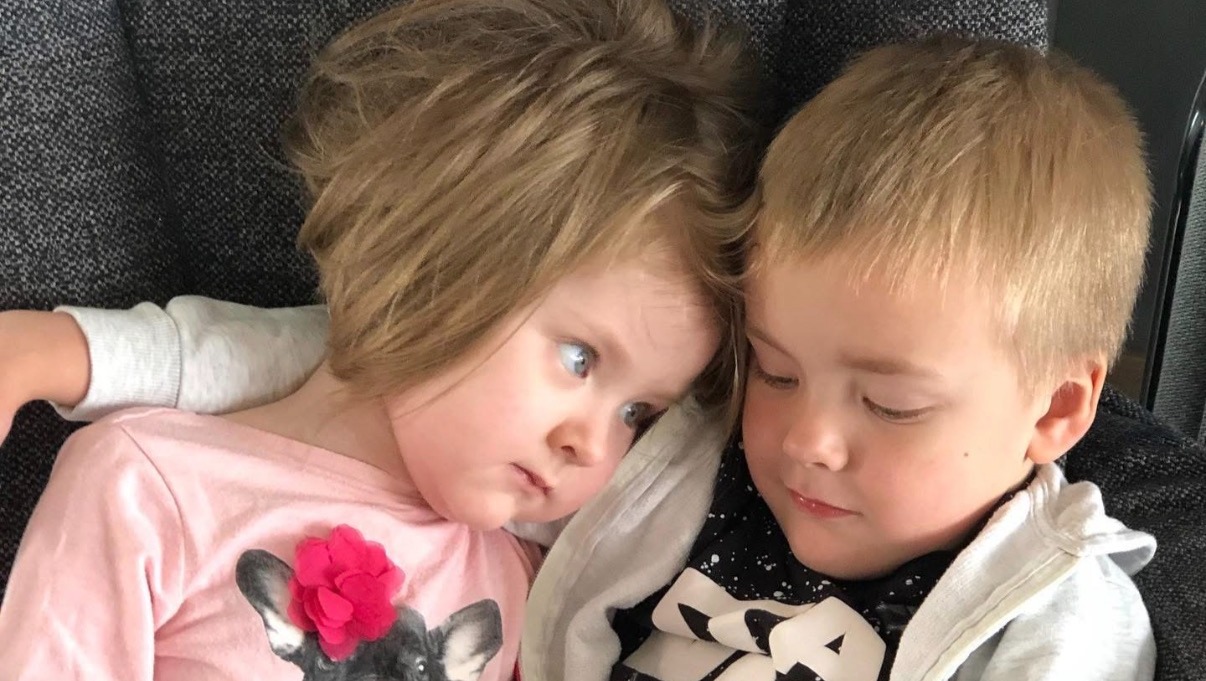
So we live differently.
We try to meet each day as it comes, without expectations. We savor the good days without clinging to them, and we endure the difficult ones without letting them consume us. We do not catastrophize, because we have learned that fear drains what little energy life leaves us with. This way of living has made us flexible, but it has also given us a deeper calm — a quiet acceptance that allows us to keep going.
Along the way, much of what once seemed important has fallen away.
Material things have lost their meaning. The newest car, the right furniture, the perfect clothes — none of it offers comfort when life becomes fragile. When everything is reduced to its essence, only people remain. The ones who sit with you in the dark. The ones who share both joy and grief without turning it into drama or distance.
Sometimes it is painful to witness how easily conflict and noise arise around trivial matters. It can feel as though those who have never faced real loss struggle to see what truly matters. For us, it has become vital to choose our company carefully — to stay close to people who understand, who do not pull us further down. And when we spend time with friends, we often speak about ordinary things. Not because the pain is gone, but because we need moments of rest from it. Normality, even briefly, becomes a form of survival.
Family carries a deeper weight now, too.
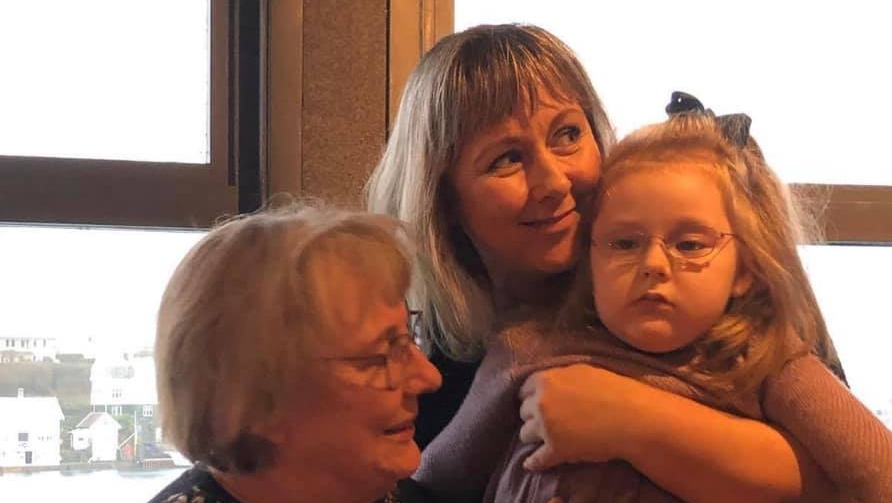
In many ways, we have already lost our mother as we once knew her. Illness took her presence long before it took her body. She lives in a nursing home now, unable to always be with us — in conversation, in awareness, in shared moments. The grief of that loss is quiet, constant, and heavy.
Still, her light has never disappeared.
She has saved us more times than we can count — through strength, love, and an unwavering presence that shaped who we are. Through her, we learned resilience long before we had words for it.
There is also a fear we carry that few speak openly about.
We know that one day, our lives will be turned upside down again. We do not know when Zarah Angelica will leave us — only that we were once told it could happen early, and that knowledge never truly leaves your body. What hurts deeply is knowing how little protection exists when that day comes. Even the systems meant to safeguard children fall silent when illness does not fit neatly into their terms. No real security. No support that acknowledges the reality of losing a child — not even coverage for a funeral.
When that day comes, much more will disappear than a life.
The practical foundations we rely on will fall away. The car. The financial support. The fragile balance that allows us to function. Her father, after living in a state of constant alarm for a decade or more, will be expected to return to work within months — as if grief follows a schedule, as if trauma can be neatly packed away.
Even her brother reflects on this.
He speaks with a clarity that both breaks and humbles us. He knows it will be unbearably sad when she is gone, he says — but also that life might become easier, less exhausting, less heavy. That honesty is not cruelty. It is the voice of a child who has grown up inside responsibility, vigilance, and love beyond his years.
All of this has taught us something simple and devastatingly true:
Life is not about what we own. It is about who we love, and how present we dare to be — even when the cost is high. Meaning is not found in certainty, but in presence. Not in having more, but in loving deeply, fully, and now.
We know the amount we are asking for is high. For us, it is not an expectation, but a hope — a dream amount that reflects the reality we live in every day.
Part of this hope is the possibility to slightly expand our home, so Sara Angelica can receive the help she needs at home without losing what little privacy remains. A home should be a place of safety and peace, not only a workplace for care. This matters deeply — for her, and for her brother.
It is also about ordinary things. Being able to ask for extra help when life becomes too heavy — care, relief, or simple household help now and then. In a life filled with constant responsibility and unpredictability, even small practical burdens can become overwhelming. Having support with these things would ease a weight that is always present.
And yes — part of this hope is also the possibility of rest. A short holiday. A place where we can bring both children, knowing we can step away for a moment without everything else falling apart financially. A chance to breathe, to be together, to find a little peace as a family. That would mean more than we can put into words.
We expect nothing. Every contribution, no matter how small — even ten kroner — is received with deep gratitude. And just as meaningful as financial support is help in sharing our fundraiser. By sharing our story, you help spread awareness of the situation we are living in, allowing it to reach others who may be able to help.
We are deeply thankful for all support — whether it comes as a donation, a share, a kind thought, or a prayer for our daughter and for our family. Thank you for standing with us in this moment
This fundraiser is not about luxury or comfort. It is about stability, dignity, and survival.
Any support helps us carry a responsibility that has become too heavy to bear alone. More than anything, it reminds us that we are not invisible — and that our daughter’s life, and our family’s struggle, matter.
With heartfelt gratitude,
Zarah Angelica’s parents.
Organizer