- M
Essenza di Calabria- Progetto per lo sviluppo del territorio
0% complete
€1,530 raised of €1.4K
51 donations
Capitoli:
1- Il mio sogno nel rispetto della mia terra
2- Il mio Progetto nel rispetto dell’ambiente
3- Biografia: chi sono, da dove vengo
Capitolo 1- Il mio sogno nel rispetto della mia terra:
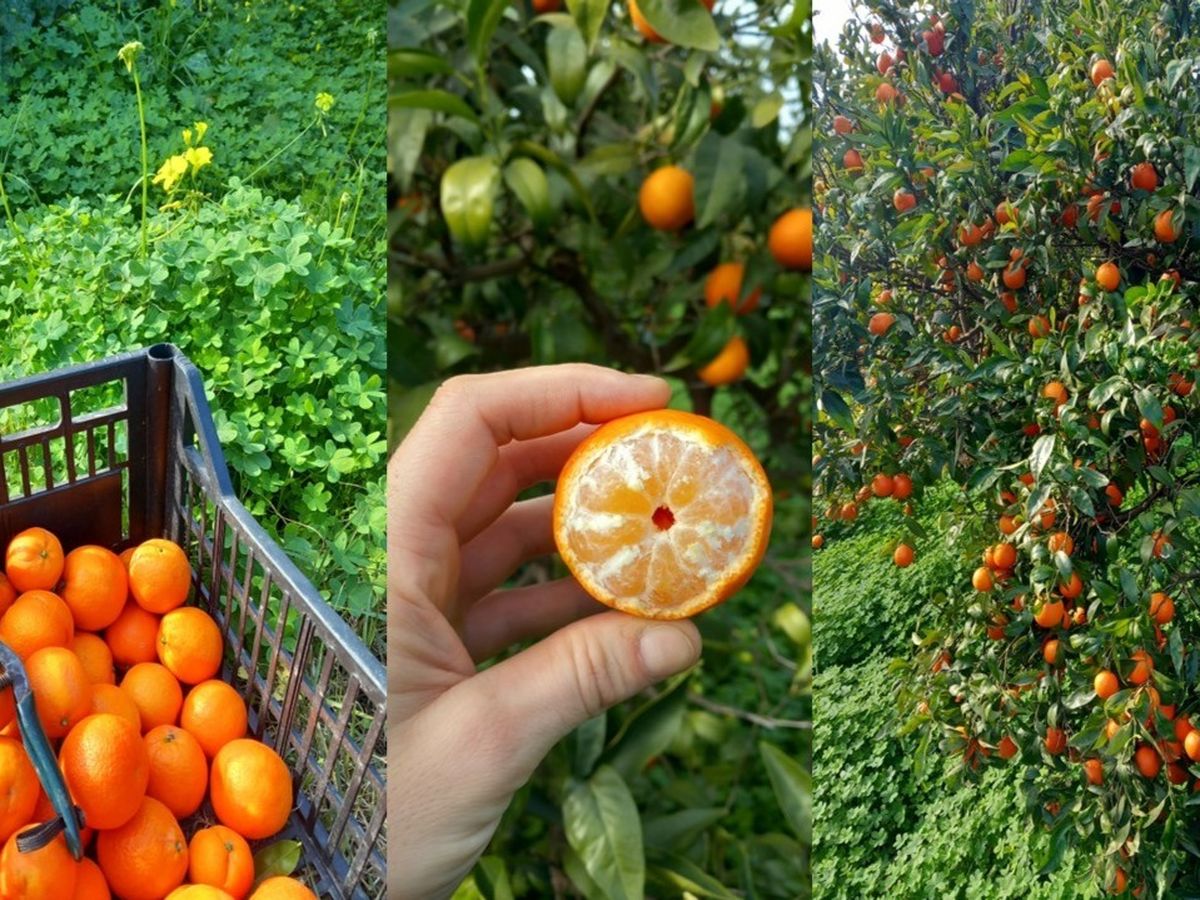
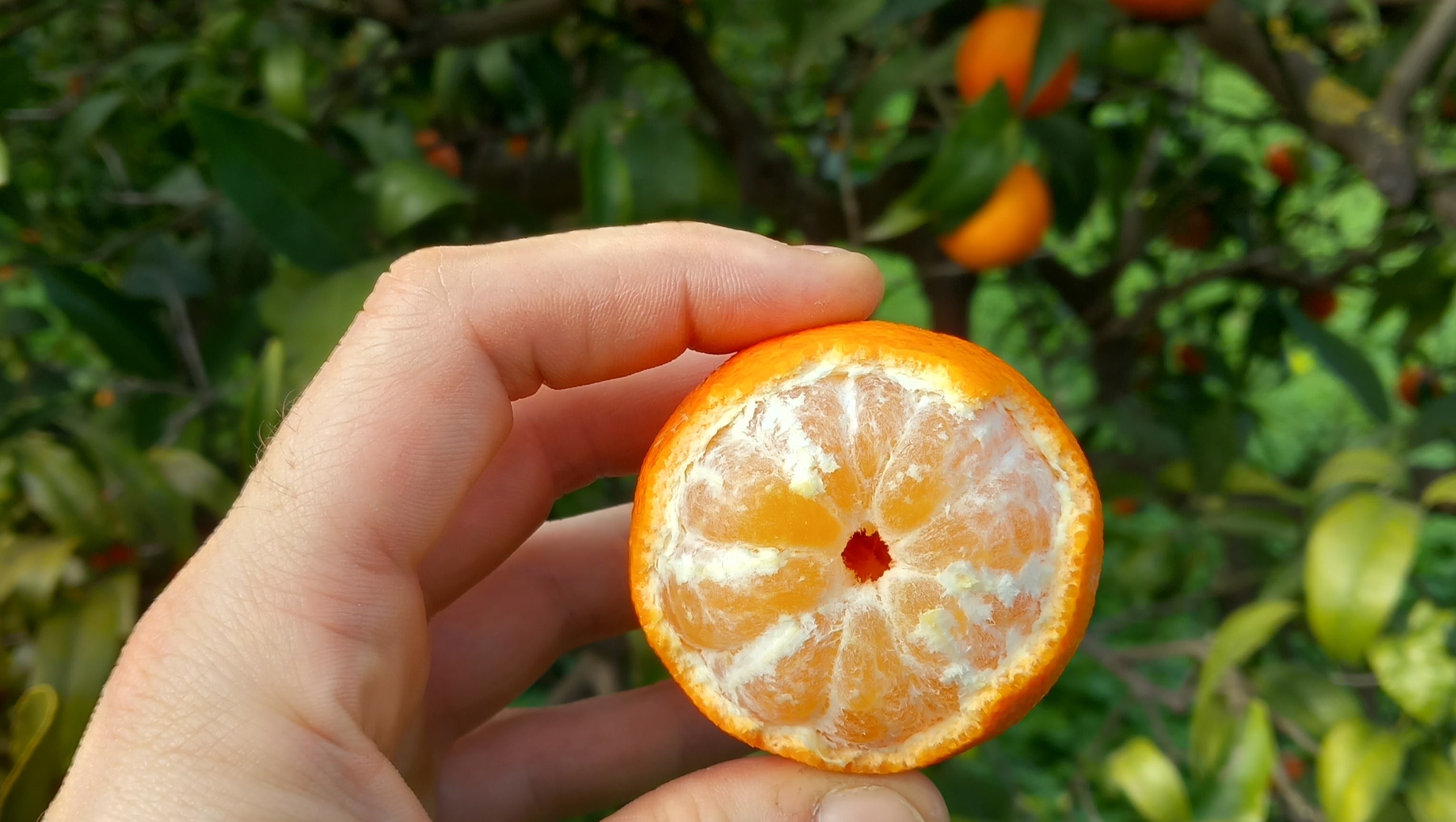
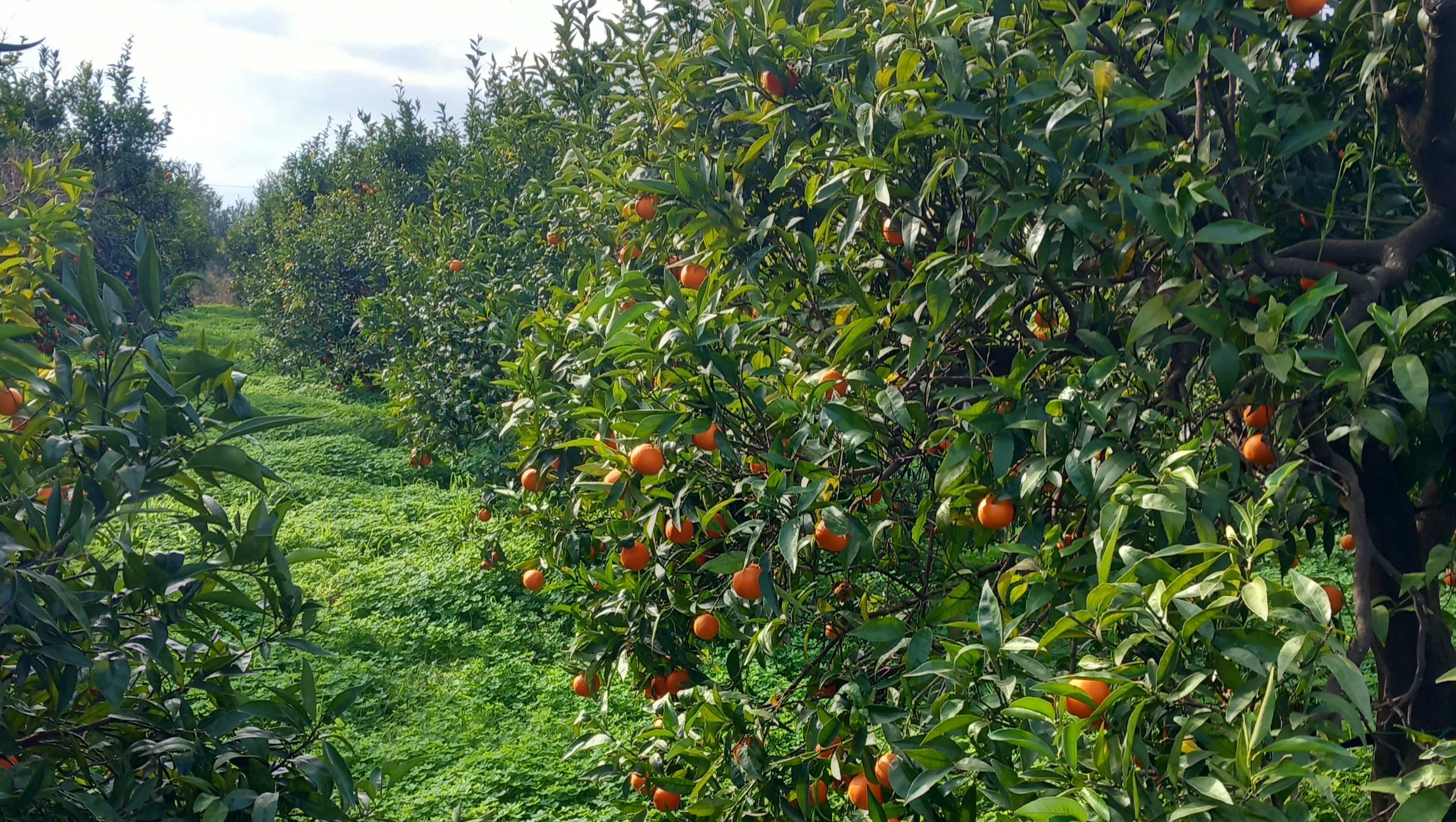
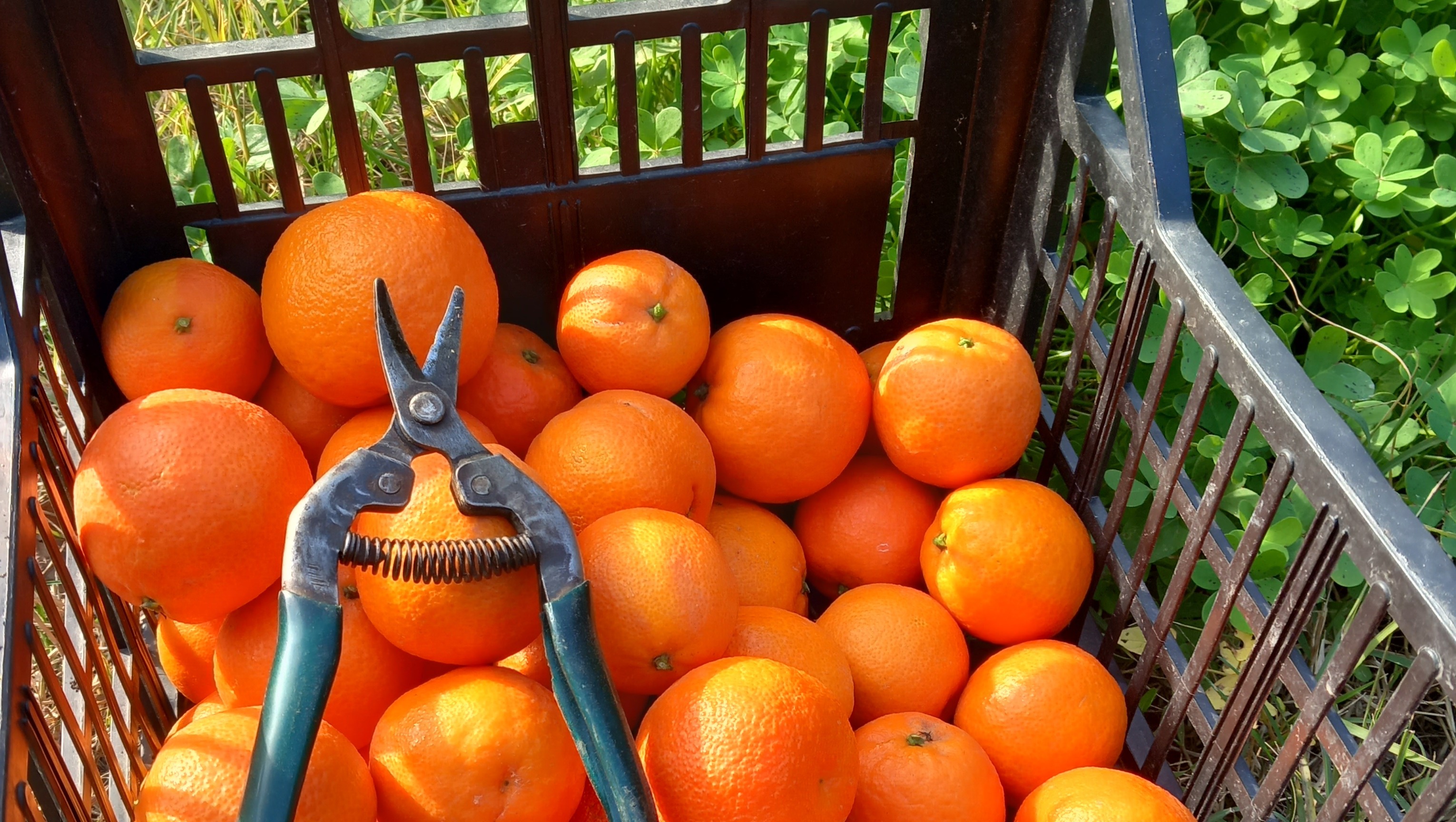
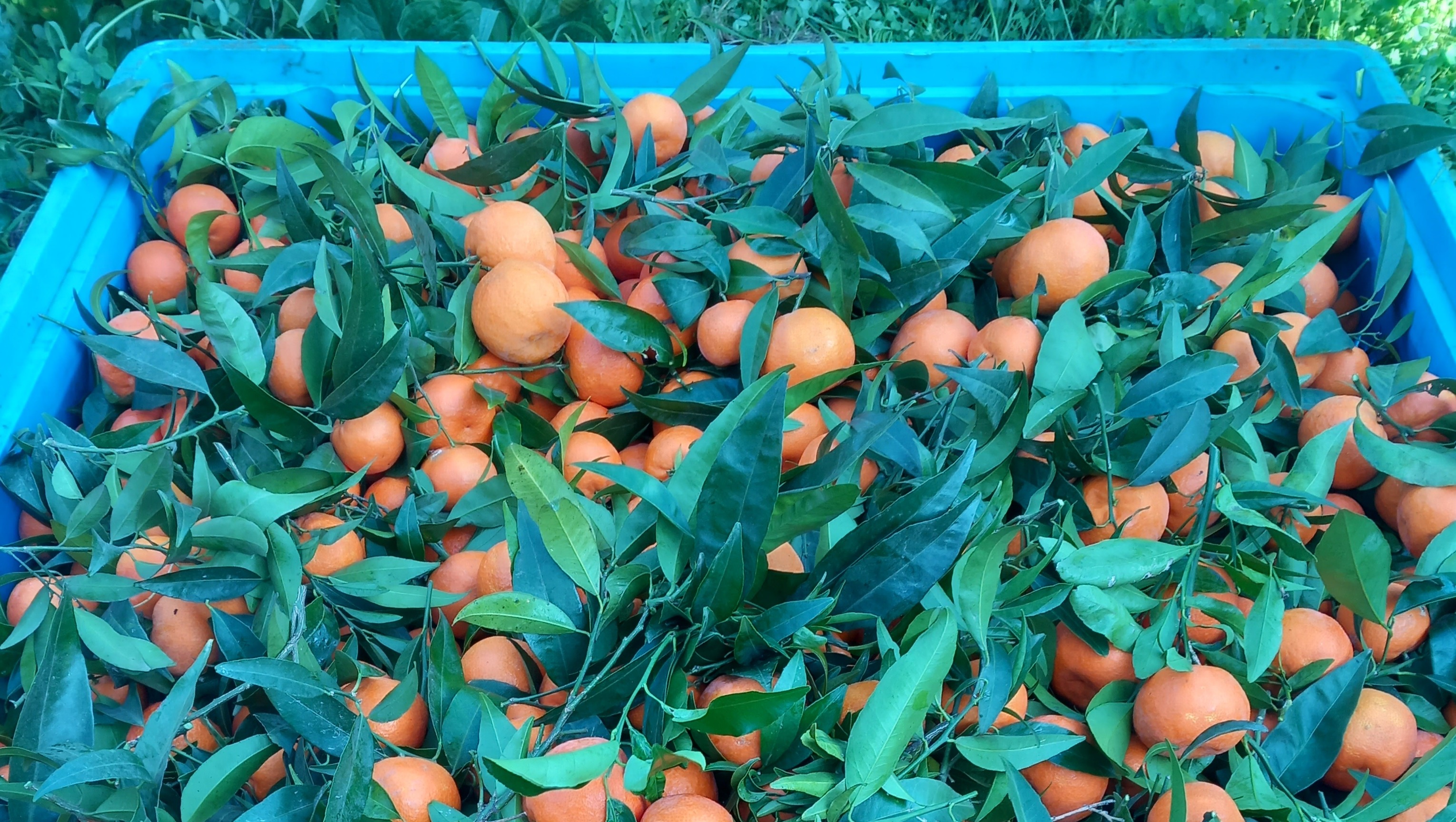
Il mio sogno è cambiare le cose. La Calabria è una terra bella e verde, una terra generosa con una natura rigogliosa che dona i suoi frutti ed un cielo azzurro che la rende fertile. Purtroppo, però la vita non è facile in posti come il sud Italia, il lavoro viene pagato poco le tutele statali non sono garantite e anzi bisogna difendersi e spesso proteggersi da soli dalla malavita. Sicuramente tutti sapete cosa sia la mafia e il suo ruolo nel nostro paese, trovare il proprio posto tra lavori sottopagati e piccoli e grandi criminali non è per niente facile. Non è un caso che dal sud emigrino ancora la maggior parte dei giovani, quasi nessuno riesce a rimanere e questo è un peccato perché questa terra merita un futuro, merita una vita nuova. I prodotti della Calabria sono buoni e genuini e sono un vero patrimonio dell’umanità. Io volevo fare qualcosa in questa direzione, non potevo rimanere a guardare questa situazione, allontanarmi dalla mia terra, dalle mie origini senza cercare di portare quello che avevo imparato e usarlo per riqualificare il mio territorio. In Calabria la mia famiglia possiede un campo di clementine. Dovete sapere che mio nonno era un veterano di guerra, un uomo di poche parole che fu prigioniero nei campi di concentramento durante la Seconda guerra mondiale, tornò a casa a piedi dalla Germania dopo la liberazione insieme ad altri sopravvissuti e, durante la rivolta dei forconi nel mio paese, circa 70 anni fa, quando i grandi appezzamenti terrieri furono ripartiti tra la popolazione, ricevette un pezzo di terra da coltivare per poter mangiare.
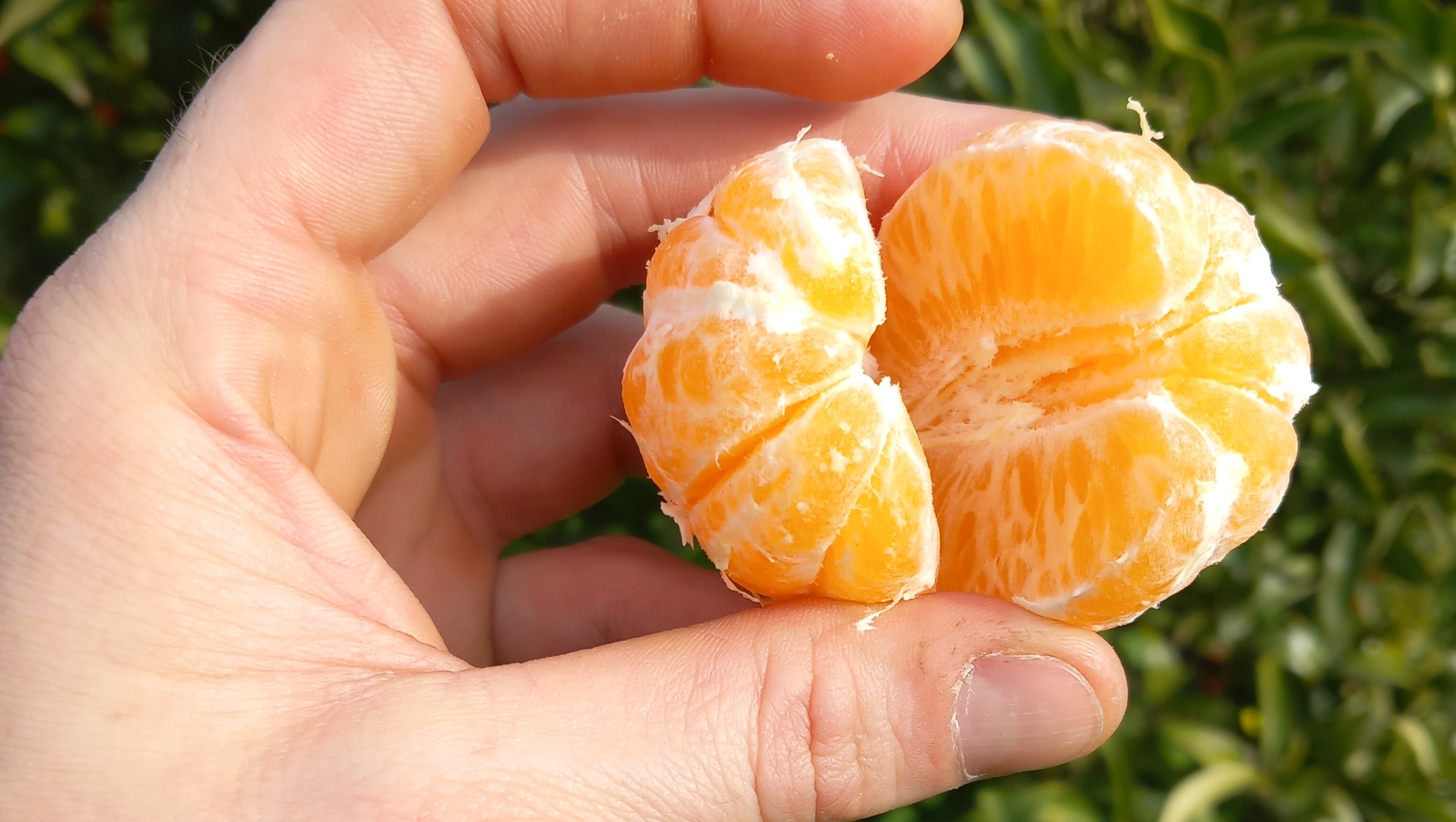
Erano gli anni del boom economico italiano e mio nonno ebbe una buona idea; piantare alberi di clementine. Le Clementine sono un tipo di mandarino più dolce e senza semi, quindi molto più ghiotto del semplice mandarino. Questo tipo di mercato andò bene per molti anni fino a quando la grande distribuzione lo decapitò. Infatti, ora come ora, un kg di clementine ci viene pagato 15 cent, se il prodotto non ha imperfezioni, altrimenti il prezzo scende. Naturalmente non vi devo dire quanto pagate voi le clementine al supermercato, perché lo sapete benissimo. Non ne vale il lavoro, i costi di produzione superano di gran lunga i guadagni. La speculazione e la produzione di massa hanno ucciso i piccoli produttori, hanno ucciso la produzione casalinga, la quantità è diventata più importante della qualità, sono spariti i canoni e i principi etici sono stati soppiantati dalle grandi aziende che ingordamente volevano guadagnare sempre di più distruggendo tutti quei piccoli lavoratori che passo dopo passo, lentamente e con la loro fatica e i loro sacrifici, si erano costruiti o si stavano costruendo una piccola azienda agricola, producendo prodotti di qualità e genuini sul territorio già così massacrato da mafia e povertà. Le grandi produzioni non hanno morale né etica, viaggiano su altre lunghezze e nel tragitto rimangono a terra tutti i piccoli produttori come noi.
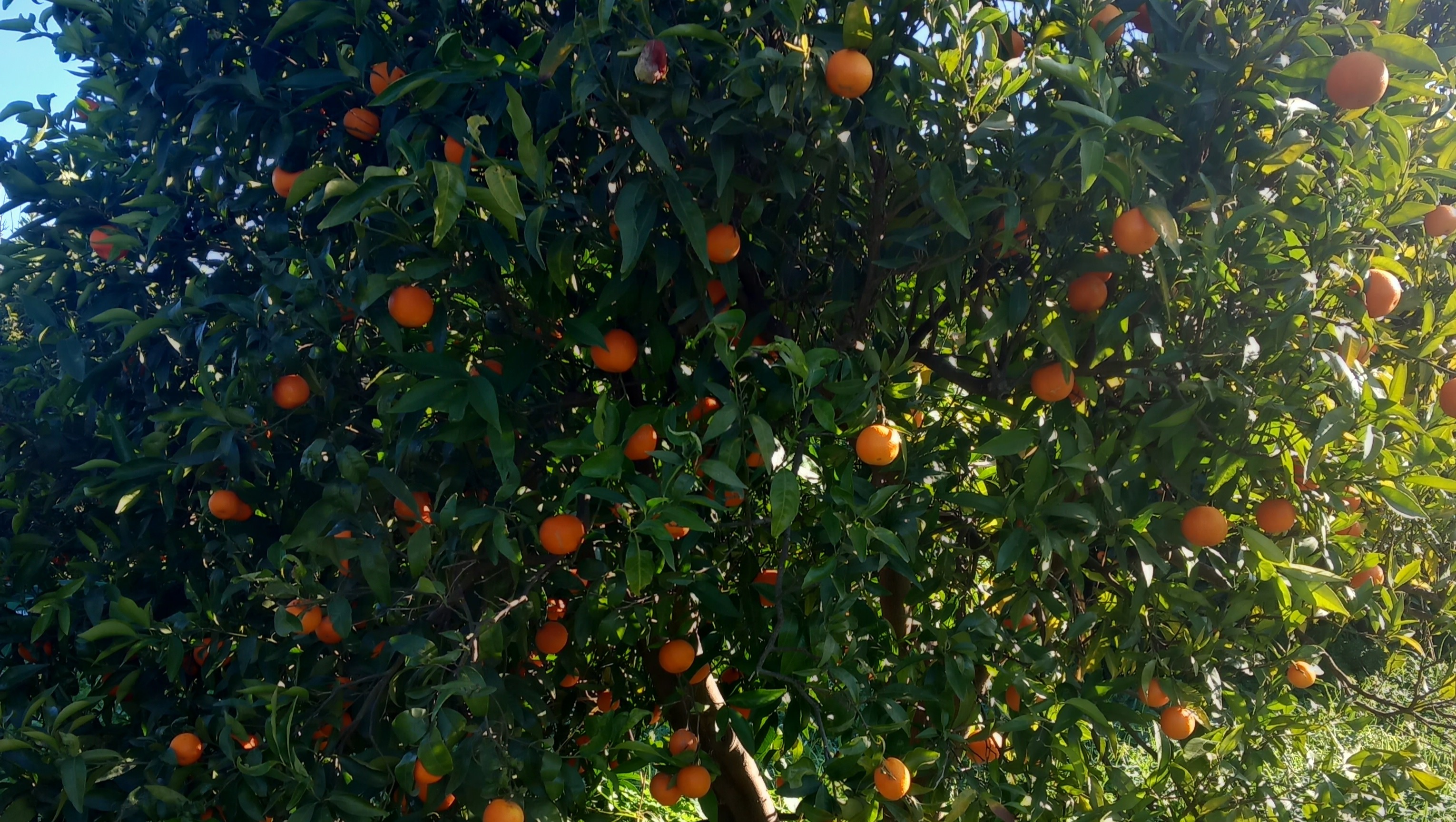
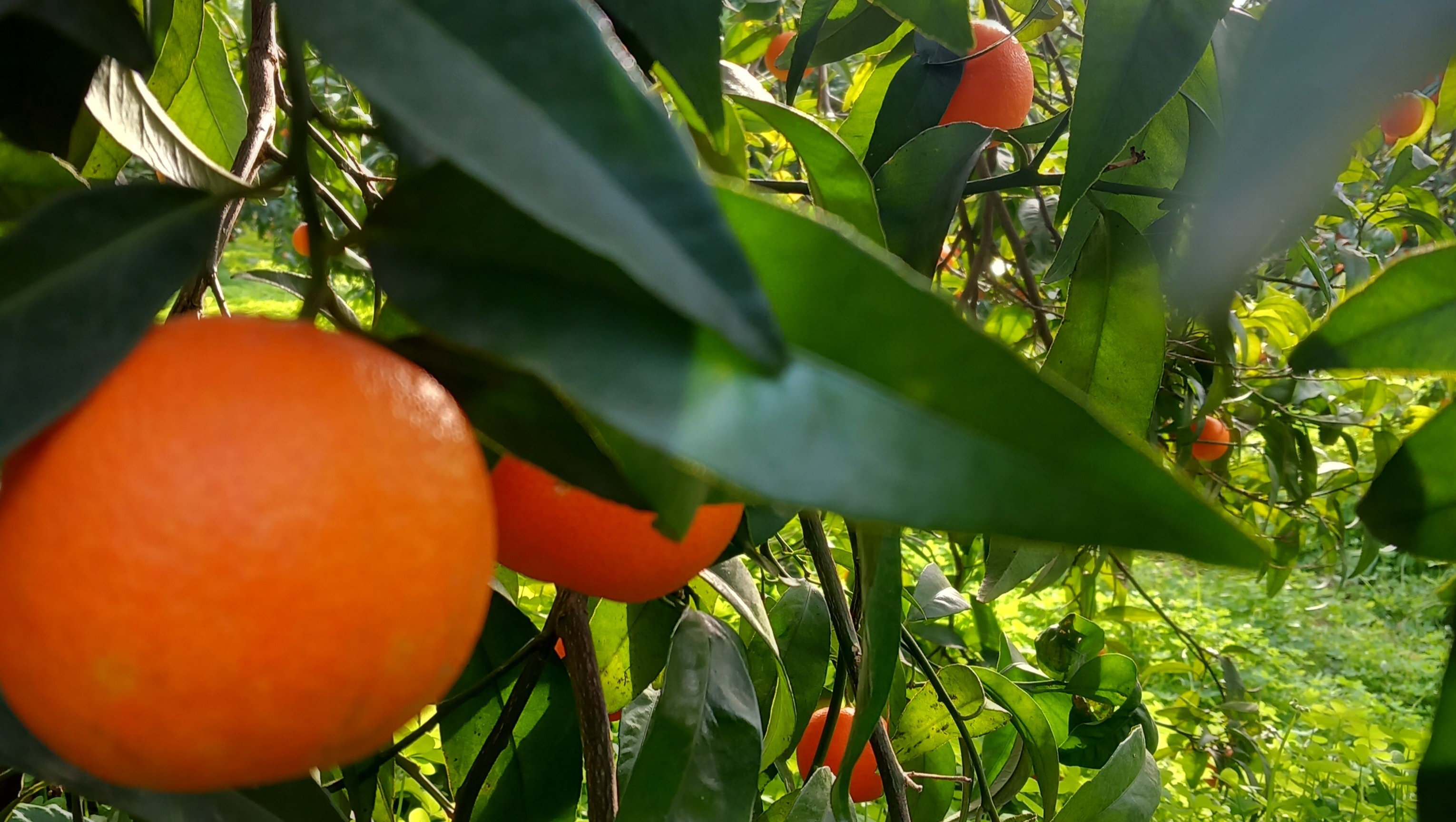
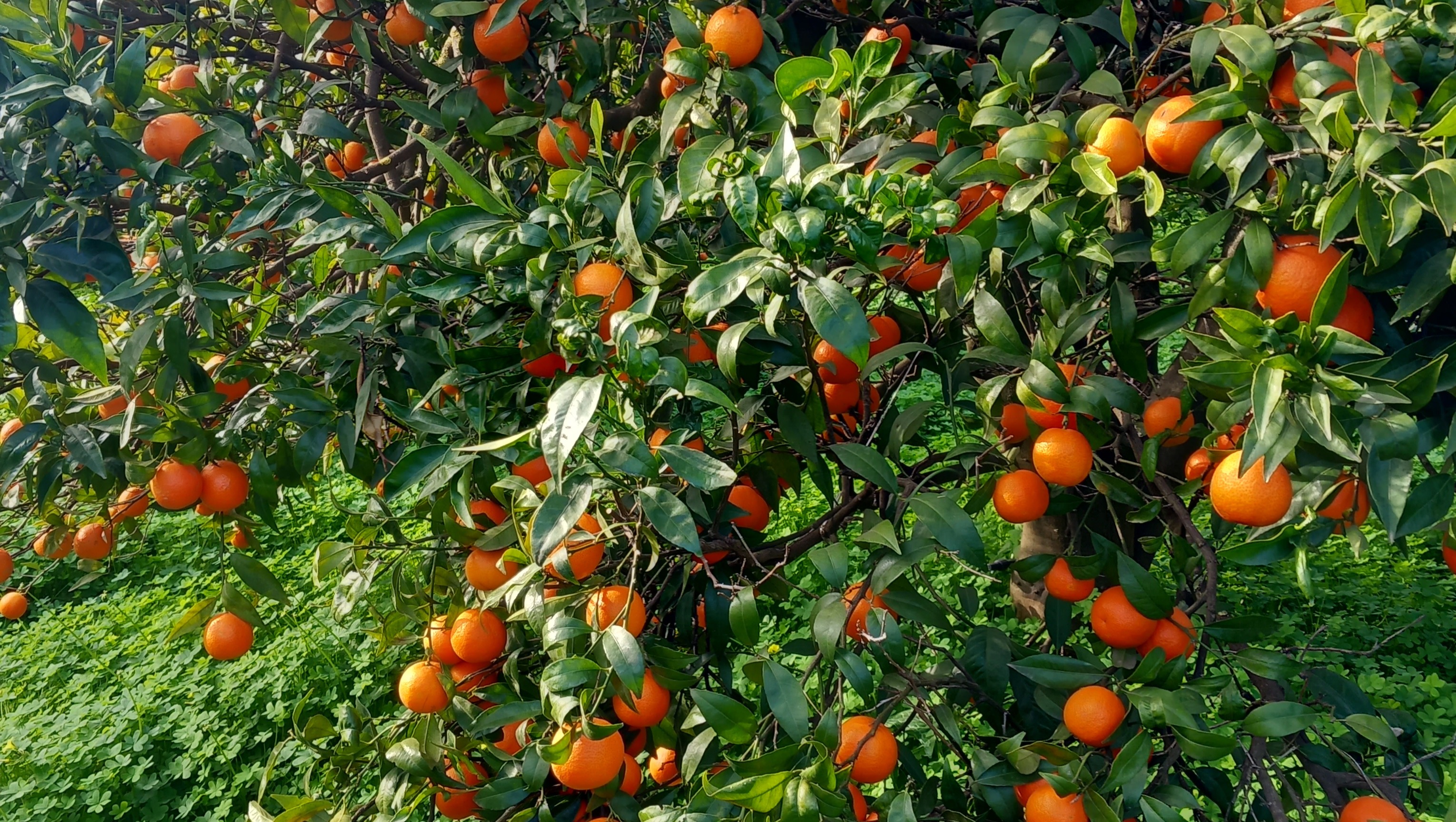
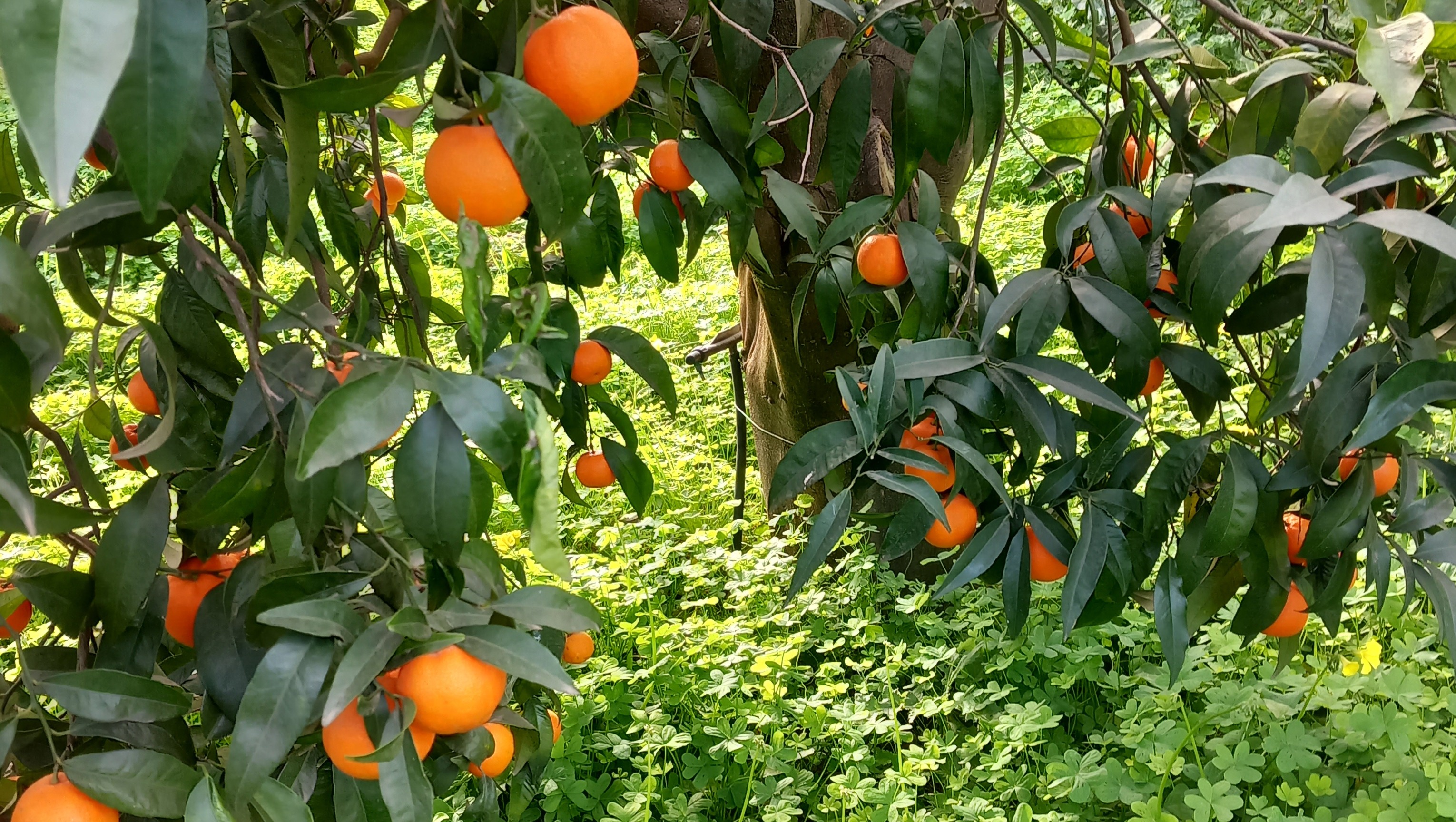
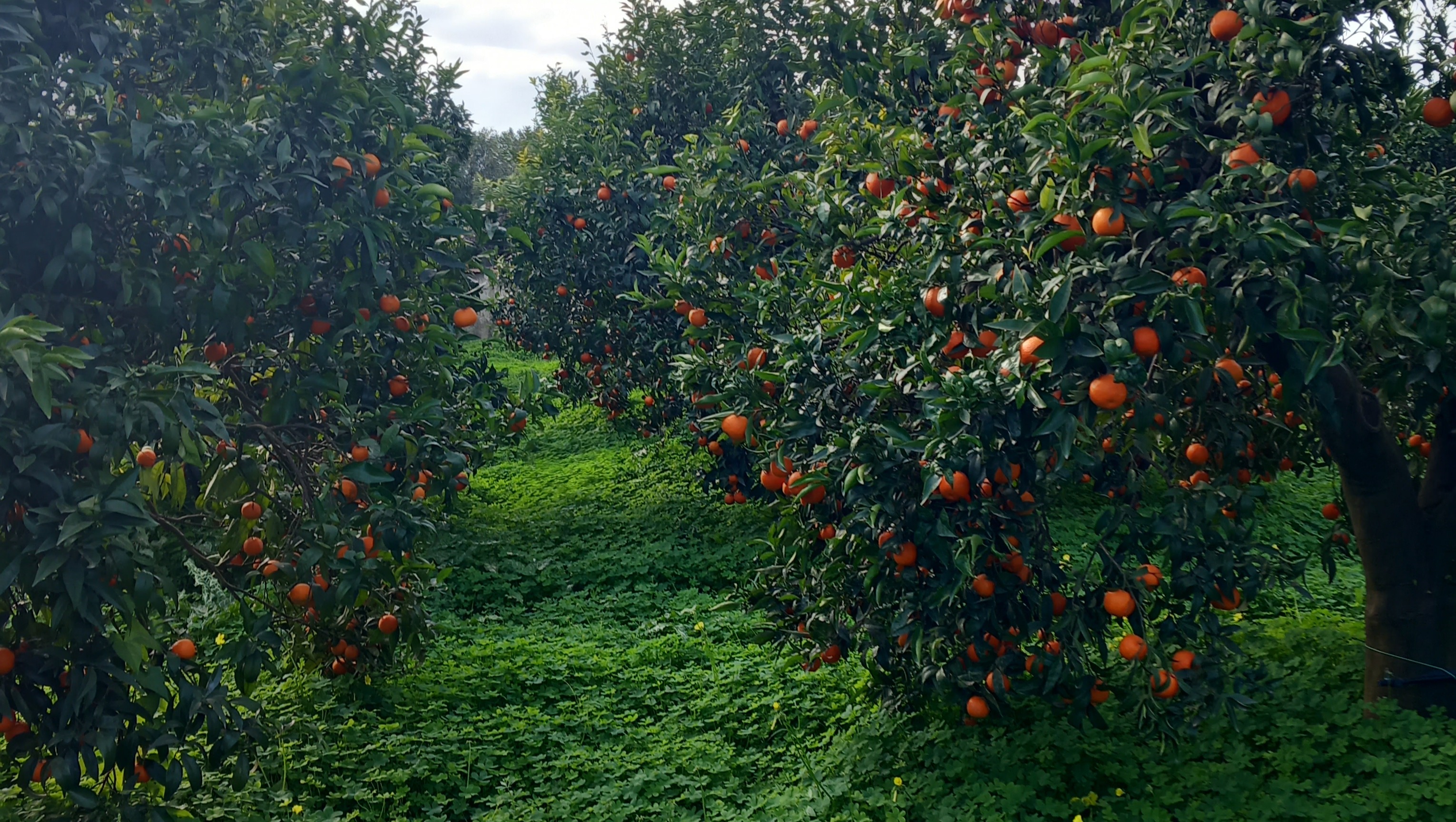
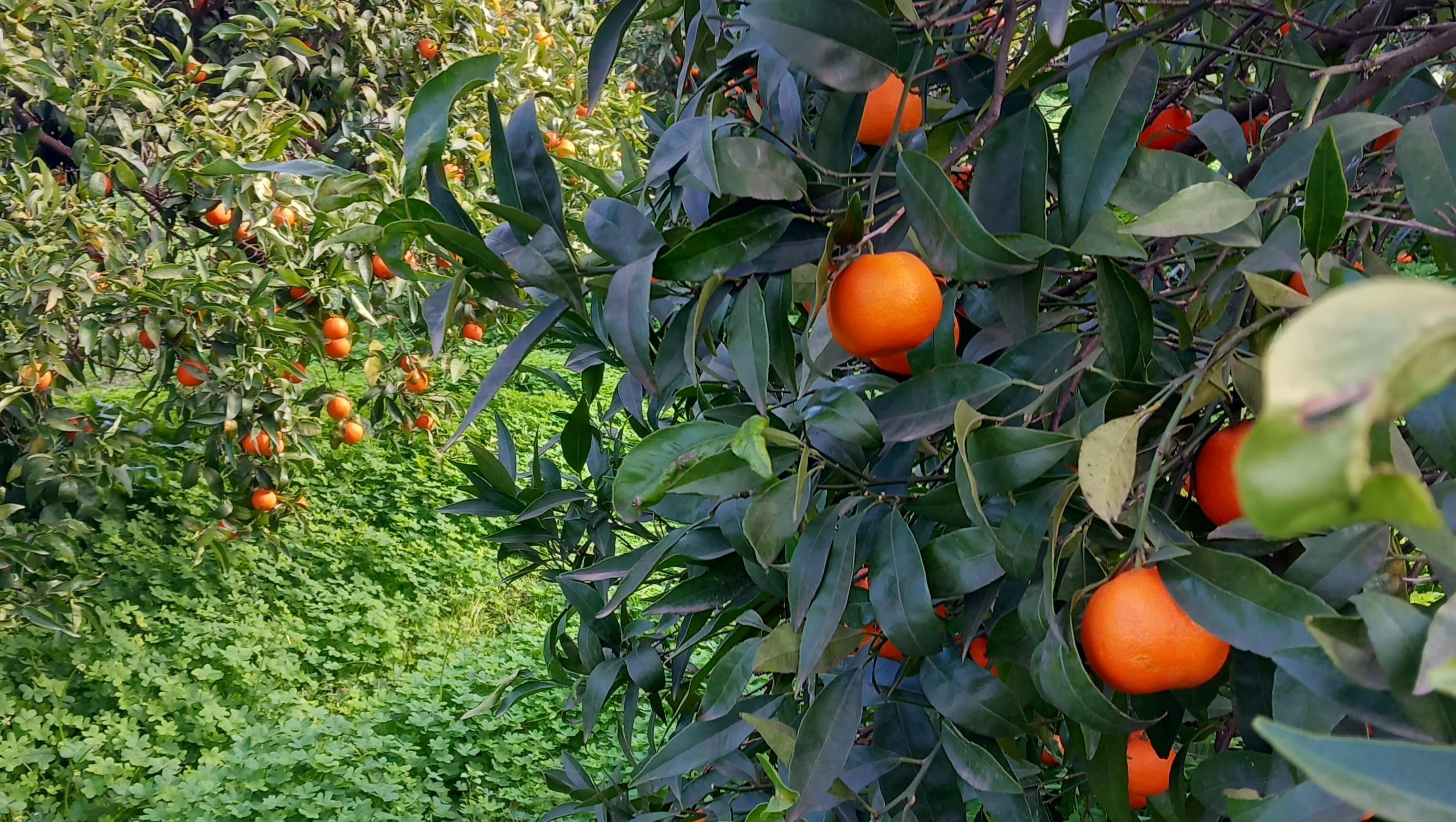
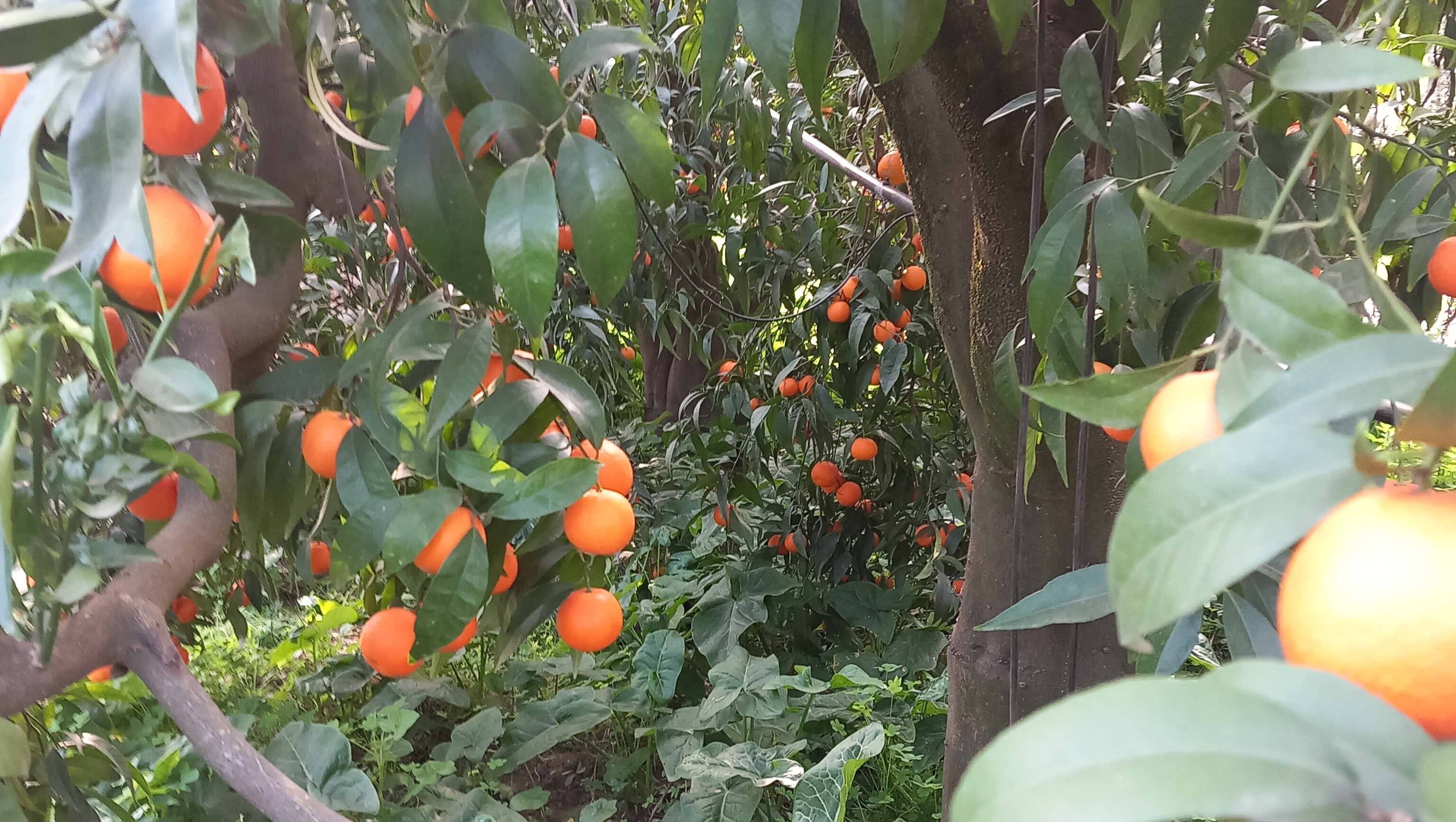
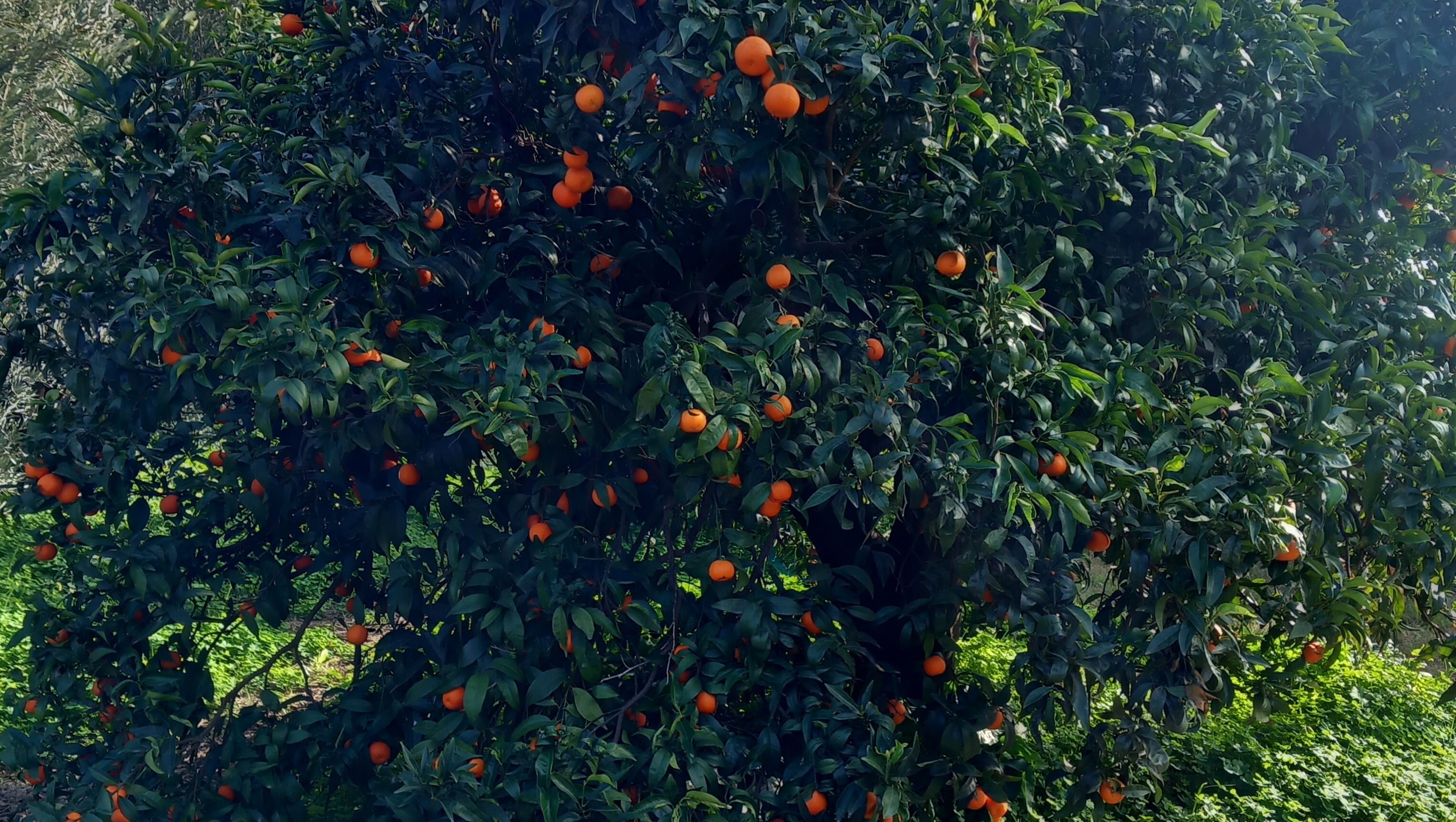
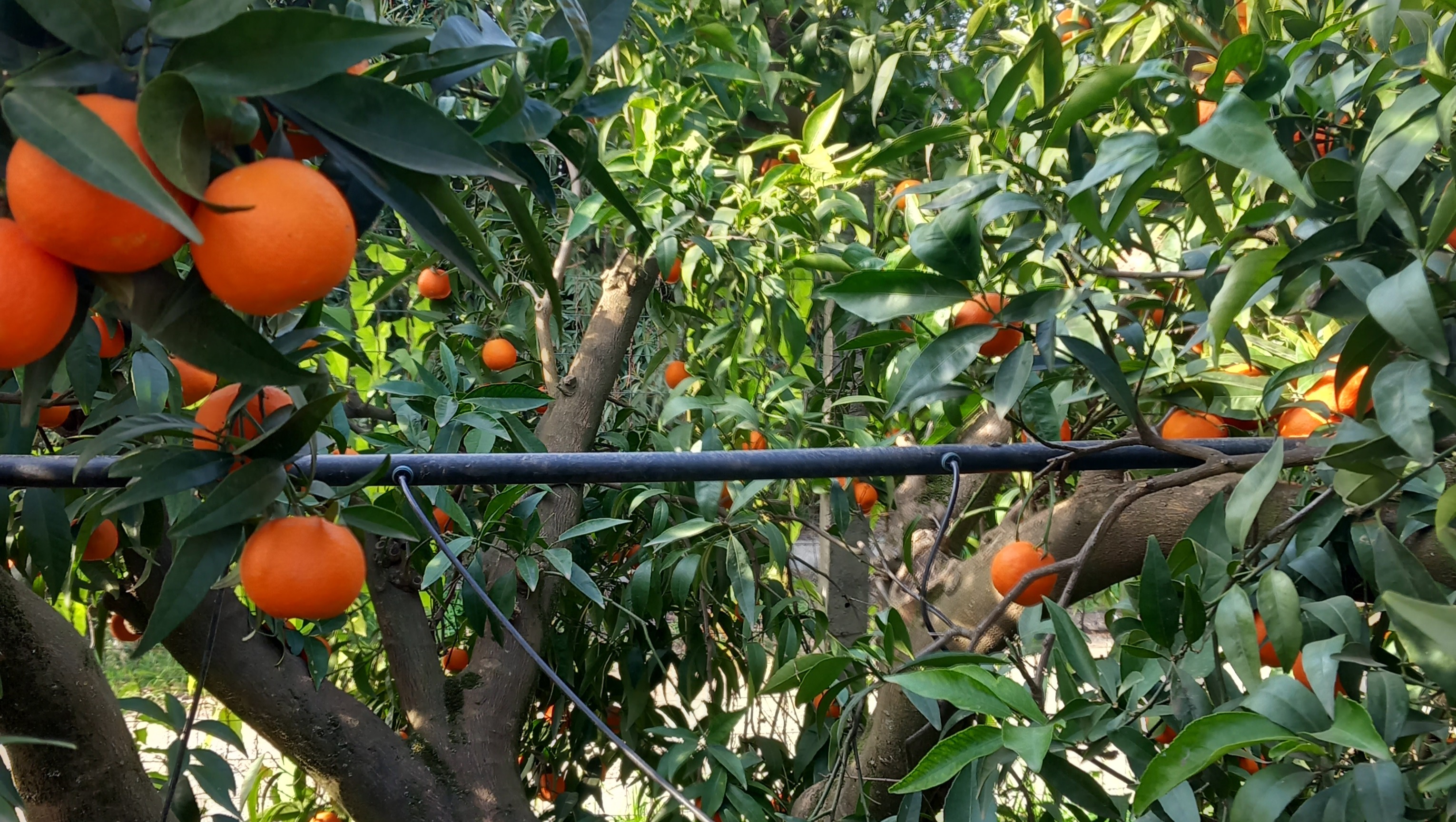
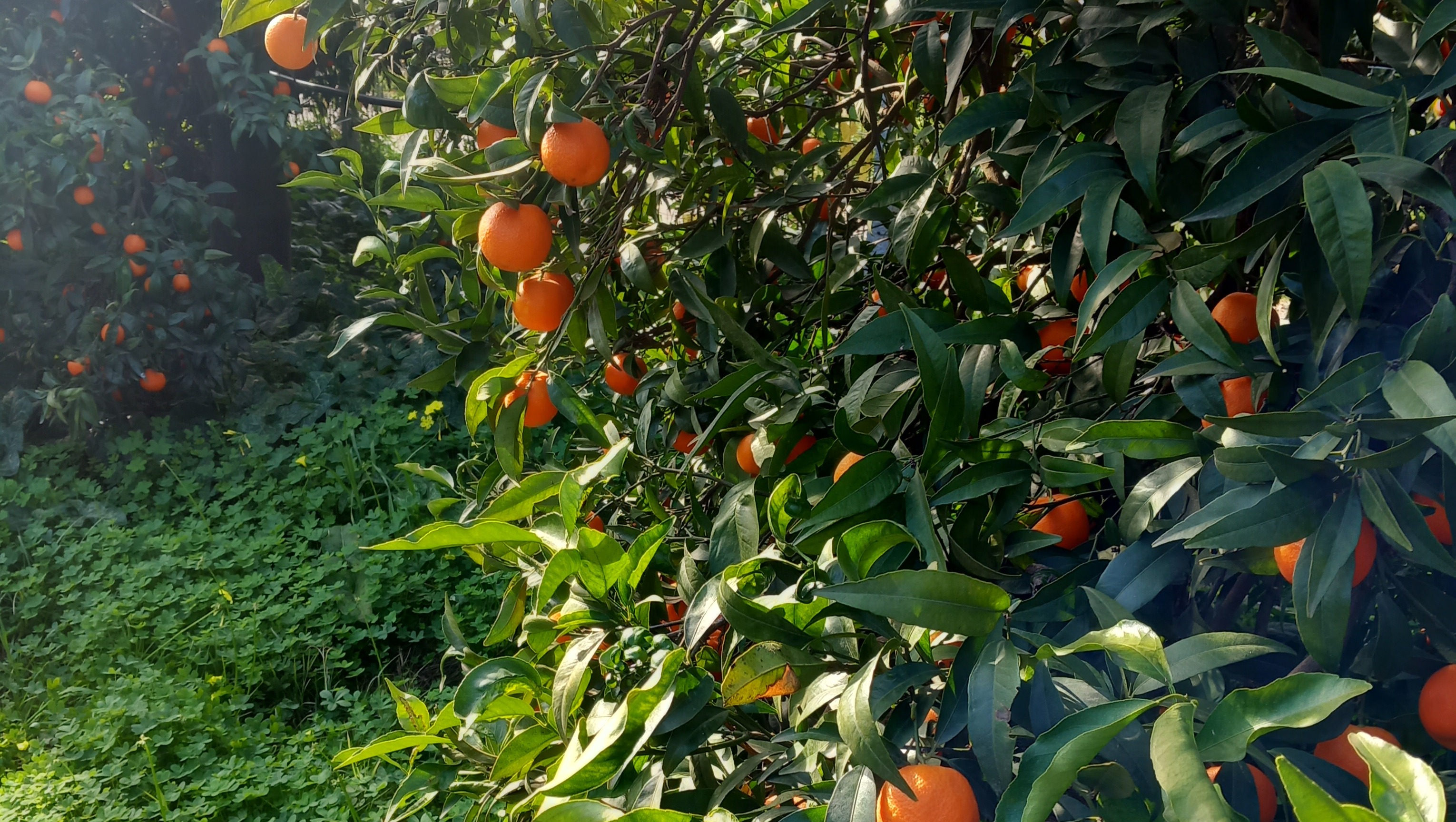
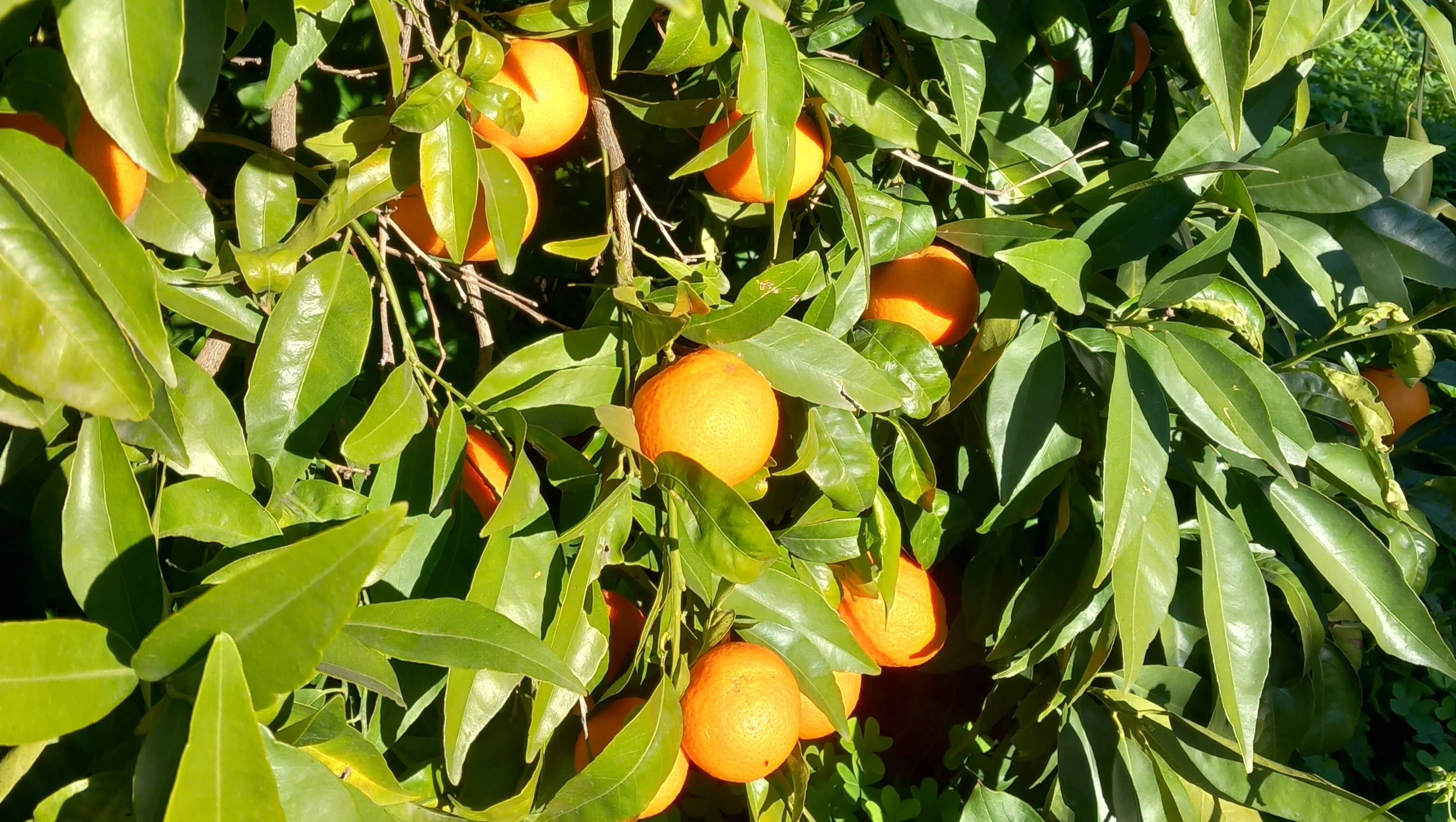
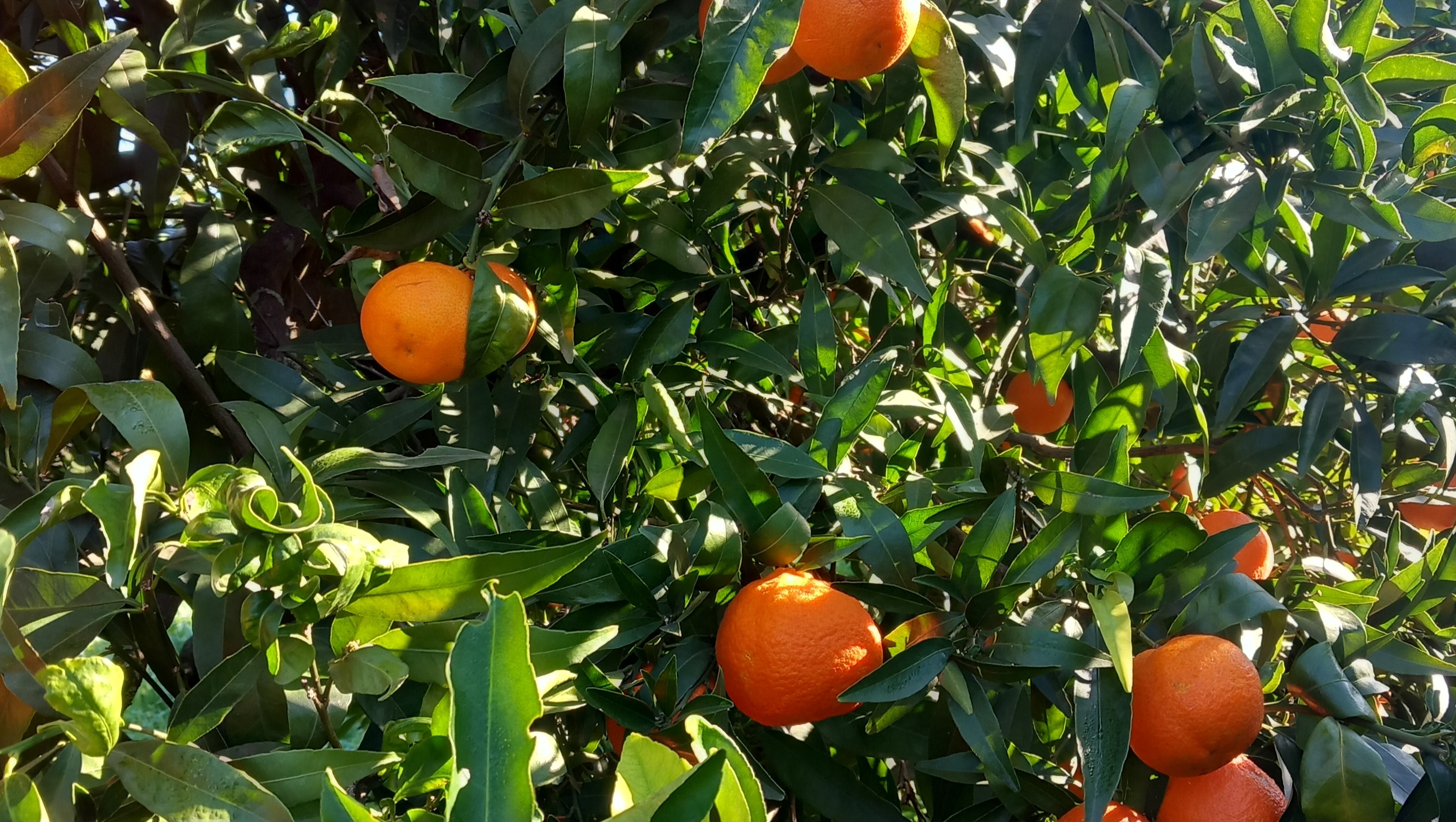
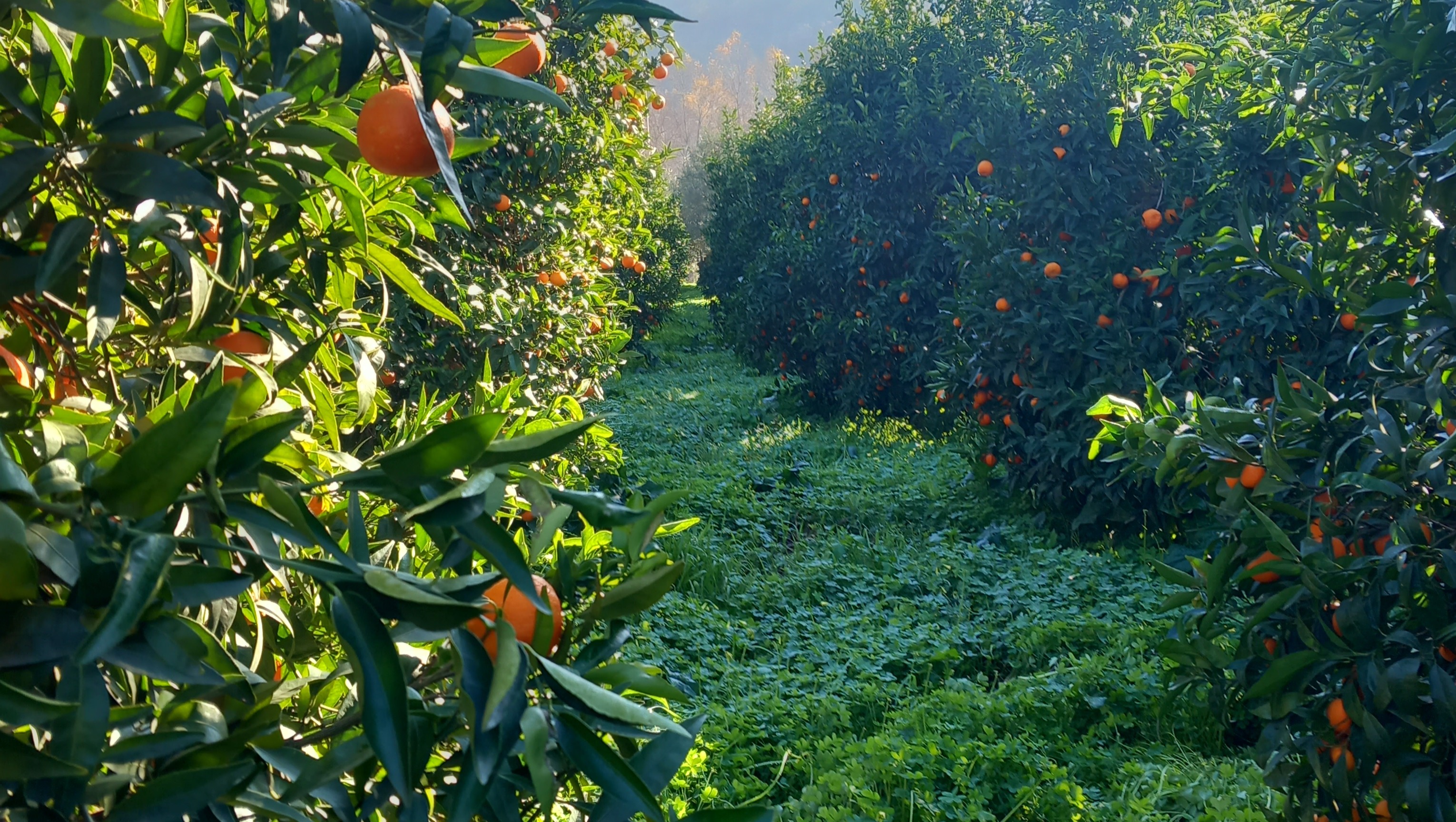
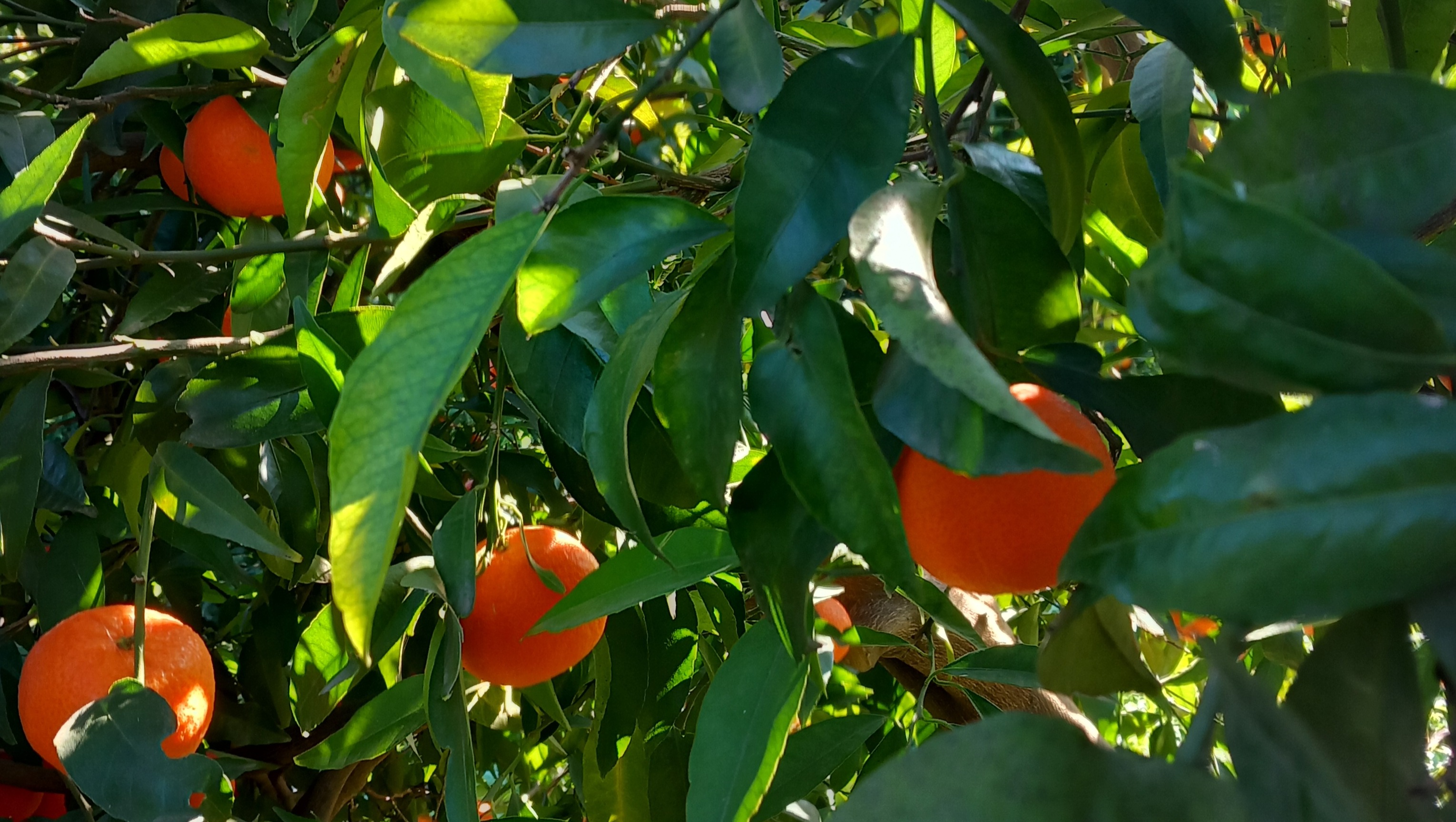
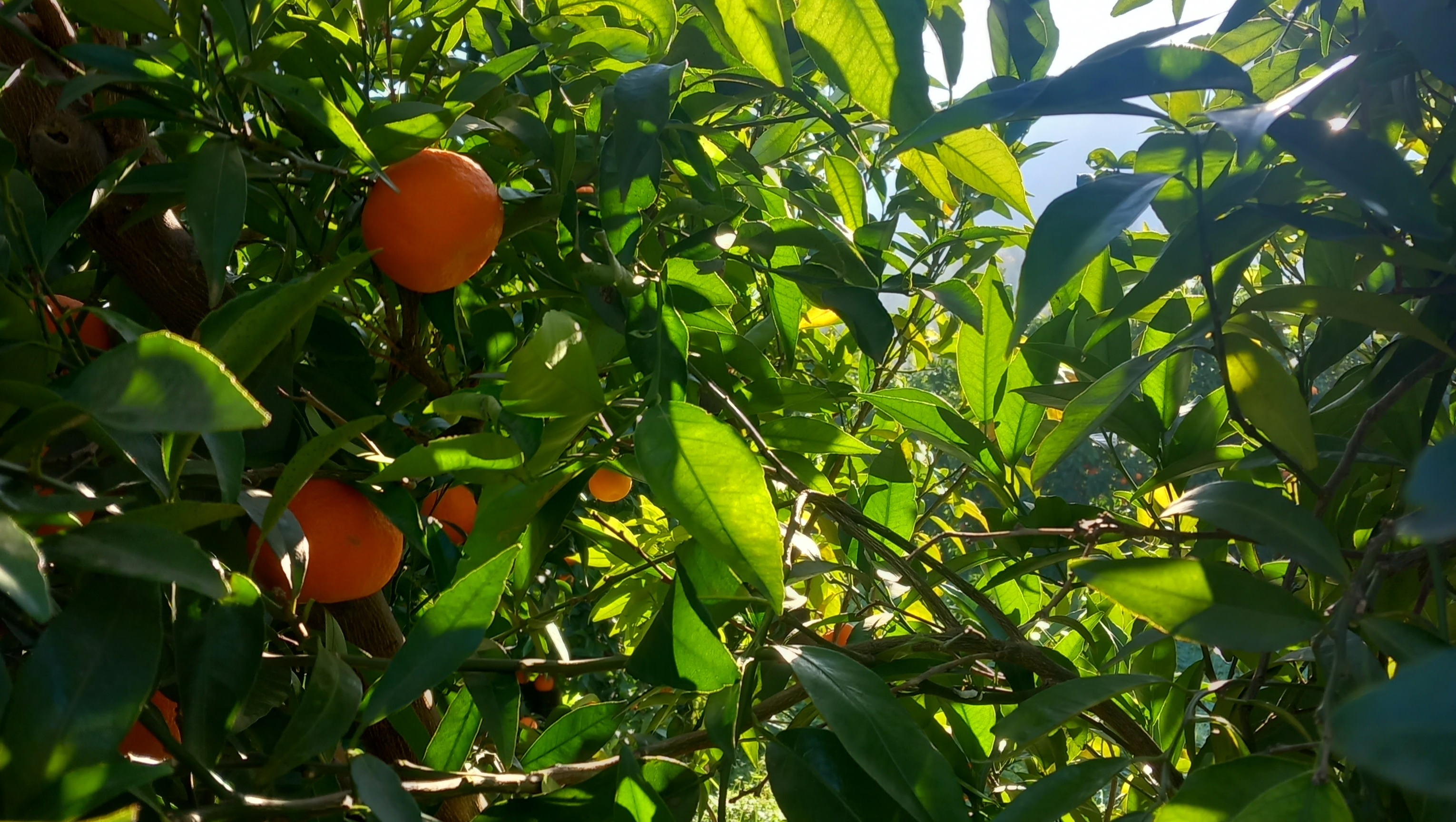
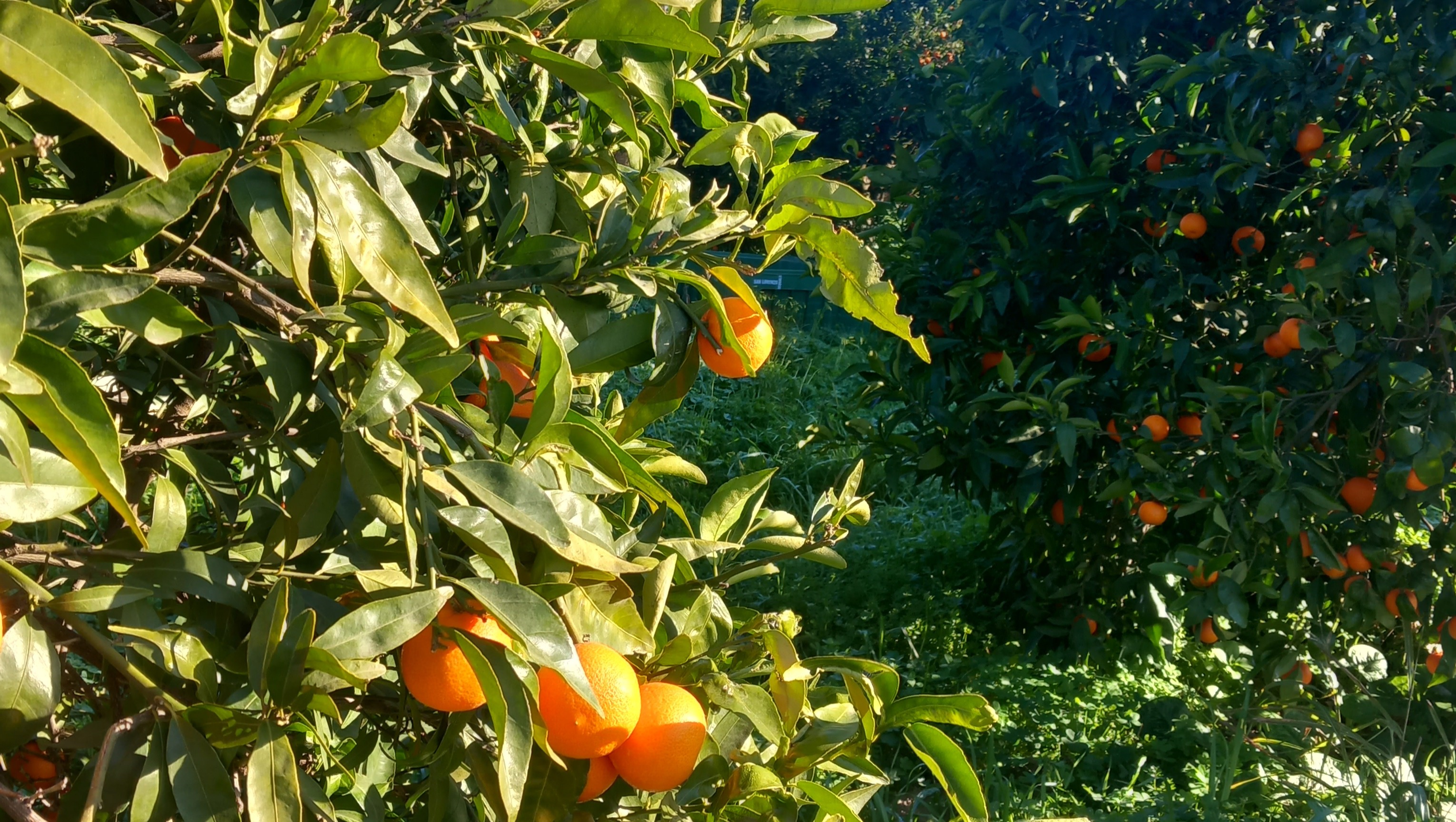
Mio zio, che ha sostituito mio nonno nella direzione dell’azienda agricola, è stufo di discutere con i grandi distributori e non ha nemmeno voglia di fare qualcosa di diverso. E lo posso capire, ma il mio sogno era cambiare le cose, trovare un modo, un paradigma che mi permetta di rivalutare la terra, di rendere onore agli alberi piantati da mio nonno, alla fatica e ai sacrifici che la mia famiglia ha compiuto, un modo che possa valorizzare e portare prestigio a quella produzione che merita un futuro. Vorrei che poteste vedere la mia terra dal vivo… alberi con lucide foglie verdi che ondeggiano al vento bagnate dal sole di una gioia rigogliosa. Questa natura non può andare sprecata. Questa vita va condivisa.
2- Il mio Progetto nel rispetto dell’ambiente:
Ho pensato di prendere in mano l’azienda agricola e rinnovarla. Ho deciso di estrarre dalle bucce delle clementine l’olio essenziale da vendere poi alle aziende farmaceutiche o/e alle aziende di cosmesi. Inoltre, siccome l’olio essenziale si trova nelle bucce delle clementine questo ci permette di non utilizzare pesticidi per non contaminare l’olio essenziale. Quindi avremo un risparmio sull’utilizzo di fitofarmaci e inoltre, il clementino in sé, che non viene trattato con pesticidi è un ottimo prodotto da vendere alle aziende alimentari per la produzione di succhi di frutta, ed è la direzione che voglio prendere quella di rispettare la natura senza usare pesticidi chimici. Nella produzione dell’olio essenziale, la polpa interna è un materiale riutilizzabile in altra forma. Quindi, come potete costatare anche voi, si va a creare una sinergia in tutte le fasi di produzione. Ricapitoliamo:
Gli alberi di clementine sono già li in attesa. Ogni anno producono una grande quantità di frutta e, con i giusti tempi e modi di fare la potatura, la quantità può aumentare.
Le aziende di cosmesi e quelle farmaceutiche vogliono un prodotto puro, per non contaminare l’olio essenziale che è contenuto nella buccia. In questa maniera c’è un ottimo risparmio oltre ad un prodotto integro della sua essenza e rispettoso dell’ambiente, la mancanza di fitofarmaci rende la polpa del clementino ancora più naturale in modo che possa essere venduta alle aziende alimentari che producono succhi di frutta. Non c’è spreco di risorse, ogni fase viene ottimizzata per avere il minor spreco possibile di energia. Si ha una Sinergia dei processi.
Di seguito spiegherò nel dettaglio cosa voglio comprare e a cosa mi serve. Per poter estrarre l’olio essenziale dalle bucce delle clementine serve un grande alambicco. Ma questo lo possiedo già perché mio fratello è un fabbro e lo stiamo costruendo seguendo istruzioni molto dettagliate.
Per estrarre l’olio essenziale dalle bucce delle clementine, per prima cosa, si devono rompere le “celle” in cui l’olio essenziale è contenuto. Questo si può fare semplicemente utilizzando un grande torchio meccanico.
Dopo che le celle sono state aperte, si utilizza l’alambicco per estrarre l’olio essenziale tramite corrente di vapore. In questo caso l’acqua funge da solvente. L’acqua viene fatta bollire, il vapore che si produce passa attraverso le bucce delle clementine e porta con sé le goccioline di olio essenziale. Ad un certo punto, la soluzione di vapore acqueo e olio essenziale arriva al condensatore dove la soluzione si raffredda. La soluzione viene raccolta in un imbuto separatore e separata grazie al fatto che i due liquidi hanno peso specifico diverso e l’olio risulta più leggero dell’acqua… già solo descrivere questo processo per iscritto è emozionante, seguire passo passo queste trasformazioni è meraviglioso e sembra di entrare in un modo magico di alchimia pura.
Quello che vi chiedo
Quello che mi ha portato a chiedere il vostro aiuto è che durante questo processo viene prodotta una piccola quantità di olio essenziale e una grande quantità di idrolato. L’idrolato è un’acqua aromatizzata che contiene ancora delle gocce di olio essenziale. Per ottimizzare questa procedura mi serve un rotavapor. Il rotavapor è uno strumento di laboratorio che fa in modo di far evaporare l’acqua in presenza di “vuoto” (per vuoto si intende una pressione minore a quella atmosferica). La presenza del “vuoto” abbassa la temperatura di ebollizione dell’acqua. Quindi, l’acqua evapora più velocemente, la bassa temperatura non intacca l’olio essenziale e c’è una resa maggiore.
Il rotavapor che vorrei acquistare con il vostro aiuto è il seguente:
- Vevor Evaporatore Rotante 5L
costa 1200.99 euro
Servirebbe anche la pompa per creare il “vuoto”
- Vevor Kit pompa a vuoto Monostadio
costo 129.31 euro
Per finire mi servirebbe un:
- Giunto Esterno Superiore (Bump Trap)
costo 35.99
Quello che vi chiedo è 1 euro a testa e la condivisione di questa raccolta fondi. L’unione fa la forza. Basti pensare che; se il mio messaggio arrivasse a 1400 persone, che vorrebbero offrirmi un caffè, arriverei al mio traguardo in meno di un mese. Grazie in anticipo per la vostra gentilezza.
Non abbiamo ricordi delle vite passate, nei migliori dei casi non ricorderemmo nulla e quindi perché non rischiare? Perché questa grande paura di portare avanti i nostri sogni? E come mai ci arrendiamo? I nostri sogni dovrebbero essere il nostro motore di volontà che ci porta a non arrenderci mai. E allora perché la gente smette di sognare? Cosa ci si guadagna? Io ho fatto due conti e ho capito che non ci si guadagna nulla. Troppe volte pensiamo che il traguardo è quello che ci sprona ad andare avanti ma la verità sta nel mezzo. La verità sta nel fatto che il traguardo è così dolce grazie e soprattutto al percorso che abbiamo fatto per raggiungere quel traguardo. Senza quel dato percorso non saremmo così orgogliosi del nostro traguardo. Voi cosa ne pensate?
PS. E se vi servissero vere clementine dalla Piana di Sibari, non siate timidi, ve le spedisco direttamente a casa e vi faccio un ottimo prezzo!
Grazie a tutti i coloro che mi leggeranno e un super grazie a tutti i coloro che mi regaleranno anche un solo euro. Grazie di cuore.
I sogni sono fatti per essere esauditi. Non mollate mai.
PS2
Se volete informazioni su come riconoscere le vere clementine scrivetemi pure tramite Gofundme che vi spiegherò, senza nessun problema, piccoli trucchetti per riconoscerle al super mercato.
3- Biografia: chi sono, da dove vengo
Sono Aloise Giuliano, nato e cresciuto in un paesino in provincia di Cosenza, in Calabria nel Sud Italia. Dopo essermi diplomato al Liceo Scientifico inizio la mia carriera universitaria all’Università della Calabria, iscrivendomi al corso di Tossicologia dell’ambiente inserito nel contesto farmaceutico.
Qui inizio a studiare i farmaci e il modo in cui vengono assorbiti dal corpo umano, studio concetti di Fitofarmacia su cui mi appassiono particolarmente. Gli argomenti sulle estrazioni sono quelli che mi interessano di più, mi interessano così tanto che inizio a far esperimenti casalinghi di estrazione e purificazione. Purtroppo, gli esperimenti li facevo solo a casa perché il corso universitario aveva rivoluzionato in un anno il piano di studio e nessun CFU veniva dato all’esperienze di laboratorio; un corso di Tossicologia dell’ambiente era diventato un corso teorico.
Quando chiesi spiegazioni alla coordinatrice del corso mi rispose: “Potresti cambiare corso.” Ma io non volevo cambiare corso di laurea perché ci credevo veramente in quello che volevo fare.
Dopo che presi la laurea, il fatto che non avessi mai fatto pratica in laboratorio contribuì moltissimo alla mia disoccupazione; nessuno voleva un neolaureato che non avesse nessuna esperienza in laboratorio. Avevo una laurea ma ero punto e a capo. I miei genitori, semplici manovali agricoli, pensavano che il problema fossi io e non il sistema. Quindi mi rimbocco le mani e inizio a cercare un lavoro fuori dall’ambito biologico/chimico. Per potermi mantenere inizio a lavorare come cameriere in una pizzeria.
Mi pagava 20 euro dalle 17 all’1 di notte, (2.5 euro l’ora). I miei colleghi, di sabato, erano tremendamente cattivi con me perché, giustamente, non sapevo fare il cameriere. Non è facile fare il cameriere quando non si ha esperienza. Lavorando a 20 euro a sera con i colleghi che mi trattavano male, la voglia di studiare ritornò preponderante.
Piano piano, come cameriere, diventai sempre più bravo e professionale. Iniziai a lavorare nei banchetti a 60 euro per 12 ore di lavoro. I matrimoni Calabresi vengono fatti d’estate col caldo e il numero degli invitati non scende mai sotto i 250. I banchetti per matrimoni, anche se pagano con più soldi, sono molto duri e dopo 12 ore di lavoro continuo, poi, non si ha voglia di far nulla. Bisogna trasportare pile di piatti, sedie, tavoli, la postazione per il cubano, per i confetti, la pasticceria visiva, la postazione per la produzione di mozzarelle etc. etc. Siete mai stati ad un matrimonio calabrese?
Io non sono un tipo che molla. Volevo formarmi tramite esperienza in laboratorio e così iniziai una ricerca sui corsi idonei che avrei potuto facilmente frequentare e che mi avrebbero potuto dare l’esperienza che cercavo. Inoltre, ero diventato un ottimo cameriere e avrei facilmente trovato lavoro per potermi mantenere agli studi.
Decisi di iscrivermi all’Università degli Studi di Parma. Feci tutto in tre giorni; il venerdì mi chiamarono per un colloquio di lavoro che avrei fatto lunedì, feci il colloquio di lavoro dove fui assunto. A parma, come cameriere, prendevo 6 euro all’ora. Non tanto, ma il lavoro era meno stancante.
Il corso in Biotecnologie genomiche, molecolari ed industriali faceva al caso mio perché dedicava un sacco di CFU al laboratorio. La mattina andavo ai corsi universitari e la sera andavo a lavorare come cameriere, non avevo vita sociale.
Non nego che alcuni giorni erano veramente pesanti, mi trovavo a 1200 km da casa mia, solo, con un cielo perennemente nuvoloso dove il sole si faceva vedere raramente. Però alla fine ce l’ho fatta; mi sono laureato e ho fatto le mie esperienze in laboratorio. E ora voglio tornare in Calabria a dare ciò che le istituzioni non mi hanno dato: un futuro per i giovani. I giovani sono costretti ad emigrare oppure ad accontentarsi di quello che può dare la Calabria: precarietà o mafia.
Giuliano
Chapters:
1- My dream respecting my land
2- My project respecting the environment
3- Biography: who I am, where I come from
1- Chapter: My dream in respect of my land.
My dream is to change things. Calabria is a beautiful and green land, a generous land with a lush nature that gives its fruits and a blue sky that makes it fertile. Unfortunately, however, life is not easy in places like southern Italy, work is poorly paid state protections are not guaranteed and indeed you have to defend yourself and often protect yourself from the mafia. Surely you all know what the mafia is and its role in our country, finding your place among underpaid jobs and small and big criminals is not at all easy. It is no accident that from the south most young people still emigrate, almost no one manages to stay and this is a pity because this land deserves a future, deserves a new life. The products of Calabria are good and genuine and are a true heritage of humanity. I wanted to do something in this direction, I couldn't stay and watch this situation, move away from my land, from my origins without trying to take what I had learned and use it to redevelop my land. In Calabria, my family owns a field of clementines. You have to know that my grandfather was a war veteran, a man of few words who was a prisoner in concentration camps during World War II, walked home from Germany after liberation along with other survivors, and during the pitchfork revolt in my country, about 70 years ago, when the large land parcels were distributed among the population, he received a piece of land to cultivate so he could eat.
Those were the years of the Italian economic boom, and my grandfather had a good idea; planting clementine trees. Clementines are a type of tangerine that is sweeter and seedless, so they are much greedier than the simple tangerine. This type of market went for many years until large retailers decapitated it. In fact, nowadays, a kilogram of clementines is paid us 15 cents if the product has no imperfections, otherwise the price goes down. Of course, I don't have to tell you how much you pay for clementines in the supermarket, because you know very well. It is not worth the labor, the production costs far outweigh the profits. Speculation and mass production has killed small producers, it has killed home production, quantity has become more important than quality, gone are the canons and ethical principles have been supplanted by big corporations that greedily wanted to earn more and more while destroying all those small workers who step by step, slowly and with their toil and sacrifices, had built or were building a small farm producing quality and genuine products on the land already so massacred by mafia and poverty. Big productions have no morals or ethics, they travel other lengths and, on the way, all the small producers like us, are left stranded.
My uncle, who replaced my grandfather in the farm management, is fed up with arguing with big distributors and doesn't even want to do anything different. And I can understand that, but my dream was to change things, to find a way, a paradigm that allows me to revalue the land, to honor the trees planted by my grandfather, the hard work and sacrifices that my family has made, a way that can enhance and bring prestige to that production that deserves a future. I wish you could see my land… trees with shiny green leaves swaying in the wind bathed in sunshine of lush joy. This nature cannot go to waste. This life must be shared.
2- My Project in Respect of the Environment.
So I thought I would take over the farm and renovate it. I decided to extract the essential oil from the clementine peels to then sell to pharmaceutical companies or cosmetic companies. Also, because the essential oil is found in the peels of the clementines this allows us not to use pesticides not to contaminate the essential oil. The clementine, which is not treated with pesticides is a great product to sell to food companies for juice production, and that is the direction I want to take that is to respect nature without using chemical pesticides. In essential oil production, the inner pulp is a reusable material in another form. So, there goes a synergy in all stages of production.
The clementine trees are already there waiting. They produce a large amount of fruit each year.
Cosmetic and pharmaceutical companies want a pure product, not to contaminate the essential oil that is contained in the peel. In this way there is a very good savings as well as a product that is intact of its essence and environmentally friendly, the lack of pesticides makes the pulp of the clementine even more natural so that it can be sold to food companies that produce juices. There is no waste of resources; each step is optimized to have the least waste of energy.
Below I will explain in detail what I want to buy and what I need it for. In order to extract essential oil from clementine peels, you need a large still. But I already own this one because my brother is a blacksmith and we are building it following very detailed instructions.
To extract the essential oil from clementine peels, first, you have to break the “cells” in which the essential oil is contained. This can be done simply by using a large mechanical press.
After the cells have been opened, the still is used to extract the essential oil by steam current. In this case, water acts as the solvent. The water is boiled, the steam produced passes through the clementine peels and carries the essential oil droplets with it. At some point, the solution of water vapor and essential oil reaches the condenser where the solution cools. The solution is collected in a separating funnel and separated due to the fact that the two liquids have different specific gravity and the oil is lighter than the water... just describing this process in writing is exciting enough, following these transformations step by step is wonderful and feels like entering a magical way of pure alchemy.
What I am asking you
What led me to ask for your help is that during this process a small amount of essential oil and a large amount of hydrolate is produced. The hydrolate is a flavored water that still contains drops of essential oil. To optimize this procedure, I need a rotavapor. A rotavapor is a laboratory instrument that causes water to evaporate in the presence of a “vacuum” (vacuum means a pressure less than atmospheric pressure). The presence of “vacuum” lowers the boiling temperature of water. Thus, the water evaporates faster, the low temperature does not affect the essential oil, and there is a higher yield.
The rotavapor I would like to purchase with your help is as follows:
- Vevor Rotary Evaporator 5L
costs 1200.99 euros
You would also need the pump to create the “vacuum”
- Vevor Single Stage Vacuum Pump Kit
cost 129.31 euro
Finally, I would need a:
- Upper Outer Joint (Bump Trap)
cost 35.99
What I ask is 1 euro each and the sharing of this fundraising. Unity is strength. If my message reached 1400 people, who would like to buy me a coffee, I would reach my goal in less than a month. Thank you in advance for your kindness.
We have no memories of past lives, at best we would not remember anything, and so why not take a chance? Why this great fear of pursuing our dreams? And why do we give up? Our dreams should be our willpower engine that leads us to never give up. So why do people stop dreaming? Too many times we think that the goal is what spurs us on, but the truth lies in the middle. The truth lies in the fact that the finish line is so sweet because of and mostly because of the path we took to reach that finish line. Without that given path we would not be so proud of our finish line. What do you guys think?
PS. And if you need real clementines from the Sibari land, don't be shy, I'll ship them straight to your door and give you a great price!
Thank you to everyone who will read me and a super thank you to everyone who will give me even a single euro. Thank you from the bottom of my heart.
Dreams are made to be fulfilled. Never give up.
3- Biography: who I am, where I come from
I am Aloise Giuliano, born and raised in a small town in the province of Cosenza, Calabria in southern Italy. After graduating from Scientific High School I begin my university career at the University of Calabria, enrolling in the course of Environmental Toxicology inserted in the pharmaceutical context.
Here I begin to study drugs and the way they are absorbed by the human body, I study concepts of Phytopharmacy that I am particularly passionate about. Topics on extractions are the ones that interest me the most, I get so interested that I start doing home experiments on extraction and purification. Unfortunately, I only did the experiments at home because the university course had revolutionized the curriculum in one year and no credits were given to laboratory experience; a course in Environmental Toxicology had become a theoretical course.
When I asked the course coordinator for an explanation, she replied, “You could change courses.” But I did not want to change my major because I really believed in what I wanted to do.
After I graduated, the fact that I had never had any laboratory practice contributed greatly to my unemployment; no one wanted a recent graduate who had no laboratory experience. I had a degree but I was back to square one. My parents, simple farm laborers, thought I was the problem and not the system. So I started looking for a job outside the biological/chemical field. In order to support myself, I started working as a waiter in a pizzeria.
It paid me 20 euros from 5 p.m. to 1 a.m., (2.5 euros per hour). My colleagues, on Saturdays, were tremendously mean to me because, rightly, I didn't know how to be a waiter. It is not easy to be a waiter when you have no experience. Working at 20 euros a night with colleagues who treated me badly, the desire to study returned preponderantly.
Slowly, as a waiter, I became better and better and more professional. I started working in banquets at 60 euros for 12 hours of work. Calabrian weddings are done in the summer in the heat and the number of guests never falls below 250. Wedding banquets, although they pay more money, are very hard and after 12 hours of continuous work, then, you don't feel like doing anything. You have to carry stacks of plates, chairs, tables, the confetti station, the visual pastry station, the mozzarella station etc. etc. Have you ever been to a Calabrian wedding?
I am not a quitter. I wanted to train myself through workshop experience, so I began researching suitable courses that I could easily take that would give me the experience I was looking for. In addition, I had become a very good waiter and would easily find work to support myself in my studies.
I decided to enroll in the University of Parma. I did everything in three days; on Friday they called me for a job interview on Monday, I did the job interview where I was hired. In Parma, as a waiter, I was getting 6 euros an hour. Not that much, but the work was less tiring.
The course in Genomic, Molecular and Industrial Biotechnology was right for me because it devoted a lot of credits to the lab. In the mornings I would go to university courses and in the evenings I would go to work as a waiter; I had no social life.
I don't deny that some days were really hard, I was 1200 kilometers from my home, alone, with a perpetually cloudy sky where the sun rarely showed up. But I finally made it; I graduated and got my experiences in the lab. And now I wanted to return to Calabria to give what the institutions did not give me: a future for young people. Young people are forced to emigrate or settle for what Calabria can give: precariousness or mafia.
Giuliano
Kapitel:
1- Mein Traum, mein Land zu respektieren
2- Mein Projekt, das die Umwelt respektiert
3- Biografie: Wer ich bin, woher ich komme
1- Mein Traum ist es, mein Land zu respektieren:
Mein Traum ist es, die Dinge zu verändern. Kalabrien ist ein schönes und grünes Land, ein großzügiges Land mit üppiger Natur, die Früchte trägt, und einem blauen Himmel, der es fruchtbar macht. Doch leider ist das Leben an Orten wie Süditalien nicht einfach, die Arbeit wird schlecht bezahlt, der staatliche Schutz ist nicht gewährleistet und man muss sich selbst verteidigen und oft auch vor der Unterwelt schützen. Sicherlich wissen Sie alle, was die Unterwelt ist und welche Rolle sie in unserem Land spielt. Es ist nicht einfach, seinen Platz inmitten von unterbezahlten Jobs und kleinen und großen Kriminellen zu finden. Es ist kein Zufall, dass die meisten jungen Leute immer noch aus dem Süden auswandern, fast niemand schafft es, zu bleiben, und das ist eine Schande, denn dieses Land verdient eine Zukunft, verdient ein neues Leben. Die Produkte Kalabriens sind gut und unverfälscht und stellen ein wahres Erbe der Menschheit dar. Ich wollte etwas in dieser Richtung tun, ich konnte nicht tatenlos zusehen, wie ich mich von meinem Land, von meiner Herkunft entfernte, ohne zu versuchen, das, was ich gelernt hatte, zu nutzen, um mein Land wieder aufzubauen. In Kalabrien besitzt meine Familie ein Feld mit Clementinen. Sie müssen wissen, dass mein Großvater ein Kriegsveteran war, ein Mann der wenigen Worte, der während des Zweiten Weltkriegs Gefangener in den Konzentrationslagern war, nach der Befreiung mit anderen Überlebenden zu Fuß aus Deutschland nach Hause kam und während der Heugabelrevolte in meinem Land vor etwa 70 Jahren, als die großen Grundstücke unter der Bevölkerung verteilt wurden, ein Stück Land erhielt, um es zu bewirtschaften, damit er essen konnte.
Es waren die Jahre des italienischen Wirtschaftsbooms, und mein Großvater hatte eine gute Idee: Er pflanzte Clementinenbäume. Clementinen sind eine Art von Mandarine, die süßer und kernlos ist und daher viel köstlicher als die einfache Mandarine. Diese Art von Markt gab es viele Jahre lang, bis die großen Einzelhändler sie köpften. Heutzutage zahlt man für ein Kilo Clementinen 15 Cent, wenn das Produkt keine Mängel aufweist, ansonsten sinkt der Preis. Natürlich brauche ich Ihnen nicht zu sagen, wie viel Sie für Clementinen im Supermarkt bezahlen, denn Sie wissen das sehr gut. Die Arbeit lohnt sich nicht, die Produktionskosten übersteigen den Gewinn bei weitem. Die Spekulation und die Massenproduktion haben die Kleinerzeuger vernichtet, sie haben die Heimproduktion vernichtet, die Quantität ist wichtiger geworden als die Qualität, die Standards sind verschwunden, und die ethischen Grundsätze wurden von den großen Unternehmen verdrängt, die aus Gier immer mehr verdienen wollten und all die kleinen Arbeiter vernichtet haben, die Schritt für Schritt, langsam und mit harter Arbeit und Opfern einen kleinen Betrieb aufgebaut hatten oder dabei waren, einen Betrieb aufzubauen, der qualitativ hochwertige und unverfälschte Produkte auf einem Land produzierte, das bereits von der Mafia und der Armut niedergemetzelt wurde. Die Großproduzenten haben weder Moral noch Ethik, sie gehen andere Wege und lassen dabei all die kleinen Erzeuger wie uns auf der Strecke.
Mein Onkel, der den Hof von meinem Großvater übernommen hat, hat die Nase voll vom Streit mit den Großverteilern und will auch gar nicht anders. Ich kann das verstehen, aber mein Traum war es, die Dinge zu ändern, einen Weg zu finden, ein Paradigma, das es mir ermöglicht, das Land aufzuwerten, die von meinem Großvater gepflanzten Bäume, die harte Arbeit und die Opfer, die meine Familie gebracht hat, zu würdigen, einen Weg, der diese Produktion, die eine Zukunft verdient, aufwertet und ihr Prestige verleiht. Ich wünschte, Sie könnten mein Land sehen... Bäume mit leuchtend grünen Blättern, die sich im Wind wiegen, gebadet in der Sonne und voller Freude. Diese Natur darf nicht vergeudet werden. Dieses Leben muss geteilt werden.
2- Mein Projekt in Bezug auf die Umwelt.
Ich dachte, ich würde den Betrieb übernehmen und ihn erneuern. Ich beschloss, das ätherische Öl aus den Schalen der Clementinen zu extrahieren, um es an Pharmaunternehmen und/oder Kosmetikfirmen zu verkaufen. Da das ätherische Öl in den Schalen der Clementinen enthalten ist, können wir außerdem auf den Einsatz von Pestiziden verzichten, um das ätherische Öl nicht zu verunreinigen. Auf diese Weise können wir den Einsatz von Pestiziden einsparen, und außerdem ist die Clementine selbst, die nicht mit Pestiziden behandelt wird, ein hervorragendes Produkt, das wir an Lebensmittelunternehmen für die Saftproduktion verkaufen können. Bei der Herstellung ätherischer Öle ist das innere Fruchtfleisch ein Material, das in anderer Form wiederverwendet werden kann. Sie sehen also, dass auf allen Stufen der Produktion eine Synergie geschaffen wird. Um es noch einmal zusammenzufassen:
Die Clementinenbäume stehen schon da und warten. Sie produzieren jedes Jahr eine große Menge an Früchten, und mit dem richtigen Timing und Schnitt kann die Menge noch gesteigert werden.
Kosmetik- und Pharmaunternehmen wollen ein reines Produkt, um das in der Schale enthaltene ätherische Öl nicht zu verunreinigen. Auf diese Weise lässt sich eine Menge Geld sparen und ein Produkt erzeugen, das in seiner Essenz intakt und umweltfreundlich ist. Das Fehlen von Pestiziden macht das Fruchtfleisch der Clementine noch natürlicher, so dass es an Lebensmittelunternehmen verkauft werden kann, die Fruchtsäfte herstellen. Es gibt keine Verschwendung von Ressourcen, jeder Schritt ist so optimiert, dass möglichst wenig Energie verschwendet wird.
Im Folgenden werde ich im Detail erklären, was ich kaufen möchte und wofür ich es brauche. Um das ätherische Öl aus Clementinenschalen zu extrahieren, braucht man einen großen Destillierapparat. Den habe ich aber schon, denn mein Bruder ist Schmied und wir bauen ihn nach einer sehr genauen Anleitung.
Um das ätherische Öl aus Clementinenschalen zu gewinnen, muss man zunächst die „Zellen“ aufbrechen, in denen das ätherische Öl enthalten ist. Das kann man ganz einfach mit einer großen mechanischen Presse machen.
Nach dem Öffnen der Zellen wird das ätherische Öl mit Hilfe eines Dampfstroms aus der Schale extrahiert. In diesem Fall dient Wasser als Lösungsmittel. Das Wasser wird gekocht, der entstehende Dampf durchdringt die Clementinenschalen und nimmt die ätherischen Öltröpfchen mit. Irgendwann erreicht die Lösung aus Wasserdampf und ätherischem Öl den Kondensator, wo die Lösung abkühlt. Die Lösung wird in einem Scheidetrichter aufgefangen und getrennt, da die beiden Flüssigkeiten ein unterschiedliches spezifisches Gewicht haben und das Öl leichter ist als das Wasser... Diesen Prozess schriftlich zu beschreiben ist schon aufregend, diese Umwandlungen Schritt für Schritt zu verfolgen ist wunderbar und es fühlt sich an, als würde man in einen magischen Modus der reinen Alchemie eintreten.
Was ich fragen möchte
Was mich dazu veranlasst hat, Sie um Hilfe zu bitten, ist, dass bei diesem Prozess eine kleine Menge ätherisches Öl und eine große Menge Hydrolat entsteht. Das Hydrolat ist ein aromatisiertes Wasser, das noch Tropfen des ätherischen Öls enthält. Um diesen Prozess zu optimieren, benötige ich einen Rotavapor. Der Rotavapor ist ein Laborgerät, das Wasser in Gegenwart eines Vakuums“ verdampft (Vakuum bedeutet einen Druck, der niedriger als der atmosphärische Druck ist). Das Vorhandensein des „Vakuums“ senkt die Siedetemperatur des Wassers. Dadurch verdampft das Wasser schneller, die niedrige Temperatur beeinträchtigt das ätherische Öl nicht und die Ausbeute ist höher.
Der Rotavapor, den ich mit Ihrer Hilfe kaufen möchte, ist der folgende:
- Vevor Rotationsverdampfer 5L
kostet 1200,99 Euro
Ich bräuchte auch die Pumpe, um das „Vakuum“ zu erzeugen
- Vevor Einstufiger Vakuumpumpensatz
kostet 129,31 Euro
Schließlich bräuchte ich eine:
- Oberer Bump Trap
Kosten 35,99
Ich bitte um 1 Euro pro Person und das Teilen dieser Spendenaktion. Einigkeit macht stark. Stellen Sie sich vor, wenn meine Botschaft 1400 Menschen erreicht, die mir einen Kaffee spendieren möchten, würde ich mein Ziel in weniger als einem Monat erreichen. Ich danke Ihnen im Voraus für Ihre Freundlichkeit.
Wir haben keine Erinnerungen an vergangene Leben, bestenfalls erinnern wir uns an nichts, warum also nicht das Risiko eingehen? Warum diese große Angst, unsere Träume zu verfolgen? Und warum geben wir auf? Unsere Träume sollten unser Motor der Willenskraft sein, der uns antreibt, niemals aufzugeben. Warum also hören die Menschen auf zu träumen? Was ist für sie drin? Ich habe nachgerechnet und festgestellt, dass nichts gewonnen ist. Viel zu oft denken wir, dass das Ziel uns anspornt, aber die Wahrheit liegt irgendwo dazwischen. Die Wahrheit liegt in der Tatsache, dass die Ziellinie so schön ist, weil und vor allem wegen des Weges, den wir genommen haben, um diese Ziellinie zu erreichen. Ohne diesen Weg wären wir nicht so stolz auf unsere Leistung. Wie sehen Sie das?
PS. Und wenn ihr echte Clementinen aus der Piana di Sibari braucht, scheut euch nicht, ich schicke sie euch direkt nach Hause und mache euch einen tollen Preis!
Danke an alle, die mich lesen und ein super Dankeschön an alle, die mir auch nur einen Euro schenken. Ich danke euch aus tiefstem Herzen.
Träume sind dazu da, erfüllt zu werden. Gebt niemals auf.
3- Biografie: Wer ich bin, woher ich komme
Ich bin Aloise Giuliano, geboren und aufgewachsen in einer kleinen Stadt in der Provinz Cosenza, Kalabrien in Süditalien. Nach dem Abschluss des wissenschaftlichen Gymnasiums begann ich meine Universitätslaufbahn an der Universität von Kalabrien, wo ich mich für den Studiengang Umwelttoxikologie im pharmazeutischen Kontext einschrieb.
Hier beginne ich, mich mit Arzneimitteln und deren Aufnahme durch den menschlichen Körper zu befassen und studiere Konzepte der Phytopharmazie, die mir besonders am Herzen liegen. Themen zu Extraktionen interessieren mich am meisten, und zwar so sehr, dass ich anfange, zu Hause Experimente zur Extraktion und Reinigung durchzuführen. Leider habe ich die Experimente nur zu Hause gemacht, weil der Universitätslehrgang den Lehrplan in einem Jahr revolutioniert hatte und keine CFUs für Laborerfahrung vorgesehen waren; ein Kurs in Umwelttoxikologie war zu einem theoretischen Kurs geworden.
Als ich die Kurskoordinatorin um eine Erklärung bat, antwortete sie: „Sie könnten den Kurs wechseln.“ Aber ich wollte den Kurs nicht wechseln, weil ich wirklich an das glaubte, was ich tun wollte.
Nach meinem Abschluss trug die Tatsache, dass ich keine Laborerfahrung hatte, erheblich zu meiner Arbeitslosigkeit bei; niemand wollte einen neuen Absolventen ohne Laborerfahrung. Ich hatte zwar einen Abschluss, aber ich war wieder am Anfang. Meine Eltern, einfache Landarbeiter, dachten, ich sei das Problem und nicht das System. Also krempelte ich die Ärmel hoch und suchte einen Job außerhalb des biologisch-chemischen Bereichs. Um meinen Lebensunterhalt zu bestreiten, begann ich als Kellner in einer Pizzeria zu arbeiten.
Von 17 Uhr bis 1 Uhr nachts verdiene ich 20 Euro (2,5 Euro pro Stunde). Meine Kollegen waren samstags furchtbar gemein zu mir, weil ich - zu Recht - nicht wusste, wie man kellnert. Es ist nicht leicht, ein Kellner zu sein, wenn man keine Erfahrung hat. Als ich für 20 Euro pro Abend mit Kollegen arbeitete, die mich schlecht behandelten, kam der Wunsch, zu studieren, zurück.
Nach und nach wurde ich als Kellner immer besser und professioneller. Ich fing an, bei Banketten für 60 Euro für 12 Stunden Arbeit zu arbeiten. Hochzeiten in Kalabrien finden im Sommer bei großer Hitze statt, und die Zahl der Gäste sinkt nie unter 250. Hochzeitsbankette, auch wenn sie mehr Geld einbringen, sind sehr anstrengend, und nach 12 Stunden ununterbrochener Arbeit hat man keine Lust mehr, etwas zu tun. Man muss stapelweise Teller, Stühle, Tische, die Station für den Kubaner, die gebrannten Mandeln, das optische Konfekt, die Mozzarella-Station usw. usw. schleppen. Waren Sie schon einmal auf einer kalabrischen Hochzeit?
Ich bin kein Drückeberger. Ich wollte mich durch Workshop-Erfahrungen weiterbilden und begann daher, nach geeigneten Kursen zu suchen, die ich leicht besuchen konnte und die mir die gewünschten Erfahrungen vermittelten. Außerdem war ich ein sehr guter Kellner geworden und würde leicht Arbeit finden, um mein Studium zu finanzieren.
Ich beschloss, mich an der Universität von Parma einzuschreiben. Ich schaffte alles in drei Tagen; am Freitag rief man mich zu einem Vorstellungsgespräch an, das ich am Montag absolviert hätte, und ich wurde eingestellt. In Parma bekam ich als Kellner 6 Euro pro Stunde. Nicht viel, aber die Arbeit war weniger anstrengend.
Der Studiengang Genomische, Molekulare und Industrielle Biotechnologie war genau das Richtige für mich, weil er eine Menge CFUs im Labor vorsah. Morgens besuchte ich die Vorlesungen und abends arbeitete ich als Kellner, ich hatte kein Sozialleben.
Ich kann nicht leugnen, dass manche Tage wirklich hart waren, ich war 1200 km von meinem Zuhause entfernt, allein, mit einem ständig bewölkten Himmel, an dem sich die Sonne nur selten zeigte. Aber am Ende habe ich es geschafft; ich habe meinen Abschluss gemacht und Erfahrungen im Labor gesammelt. Und jetzt möchte ich nach Kalabrien zurückkehren, um das zu geben, was die Institutionen mir nicht gegeben haben: eine Zukunft für junge Menschen. Die jungen Leute sind gezwungen, auszuwandern oder sich mit dem zu begnügen, was Kalabrien zu bieten hat: Prekariat oder Mafia.
Giuliano
Organizer