- N
- A
- L
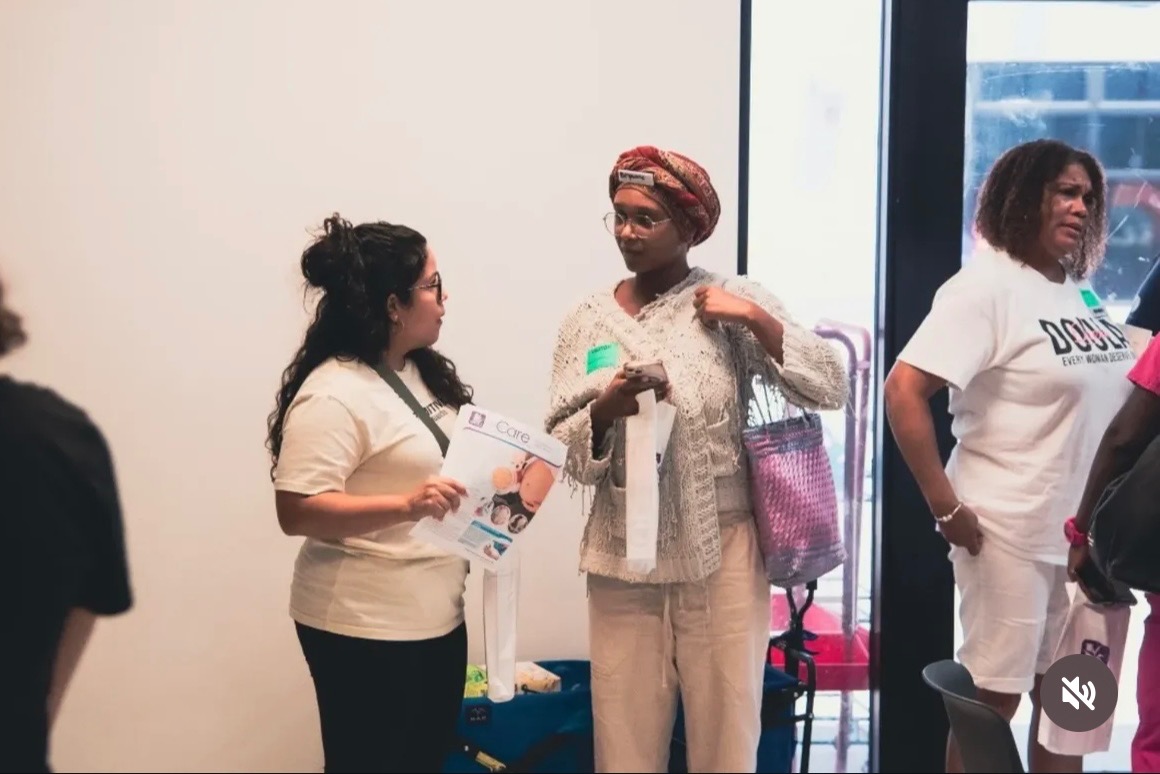
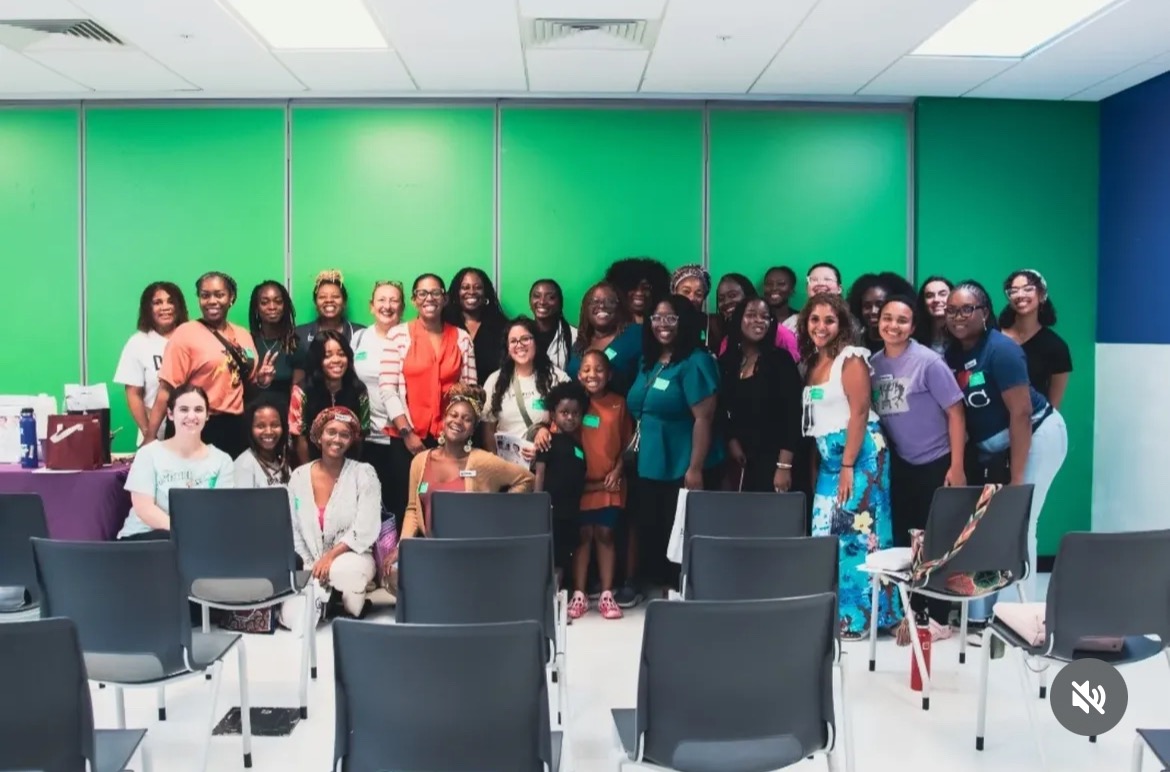
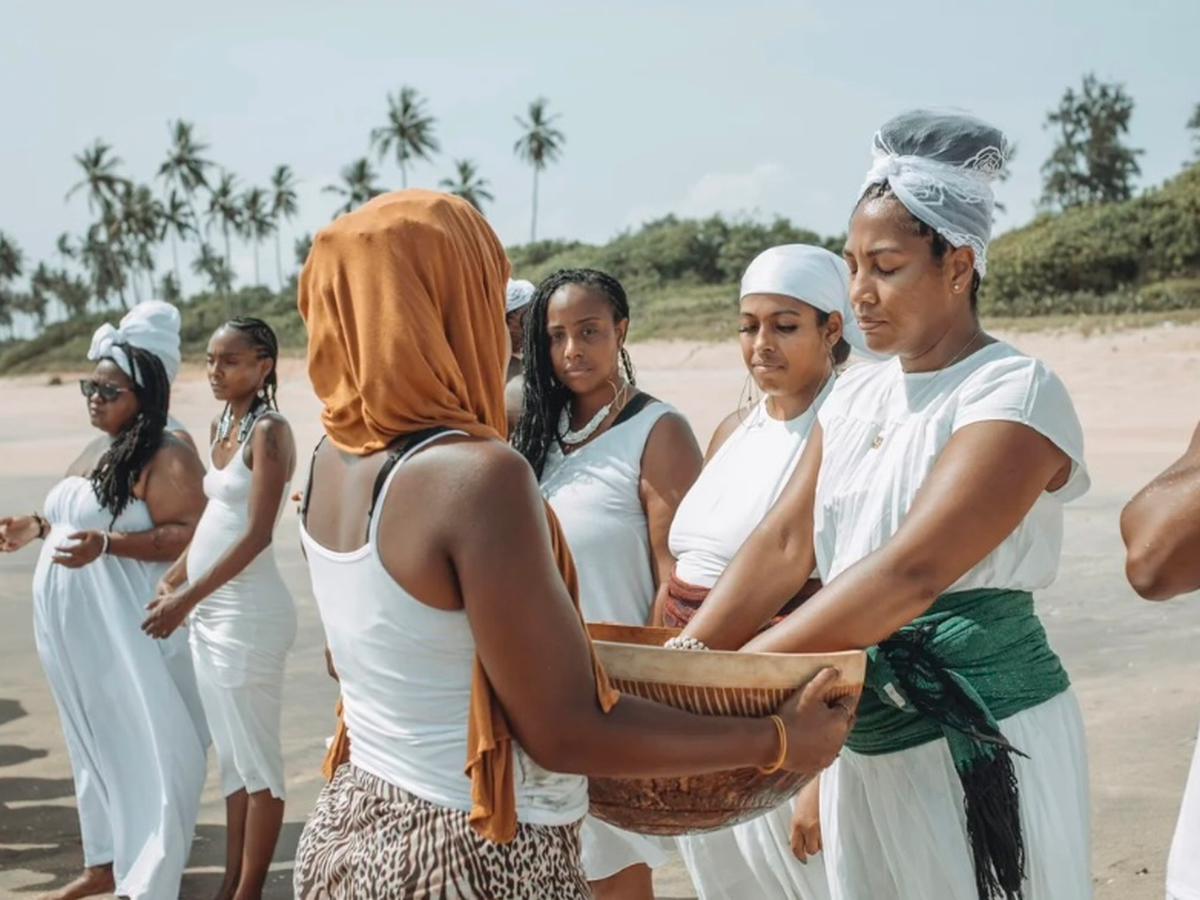
Honor and respect, my name is Bryanne Eyma and I’m a Student Traditional Midwife. My initiation to becoming a Traditional Midwife and an advocate for humanity started long before I knew what those words meant. It showed up in early childhood when I defended kids on the playground who were intentionally being left out. It showed in middle school when I Skyped (ifykyk) a classmate every day after school for a year while he was coping with the sickness and death of his father. It showed in high school when my mother transitioned at the end of my junior year, and all I could think about was that there were children in the world going through worse than I was. I could go on and on about the many experiences I’ve had that affirm my calling and purpose as a guardian for humanity. With time, growth, and wisdom, I was given the revelation that there is no better way to advocate for, serve, and protect humanity than at its beginnings—birth. From there, my pathway to midwifery was paved.
⸻
What is a Traditional Midwife?
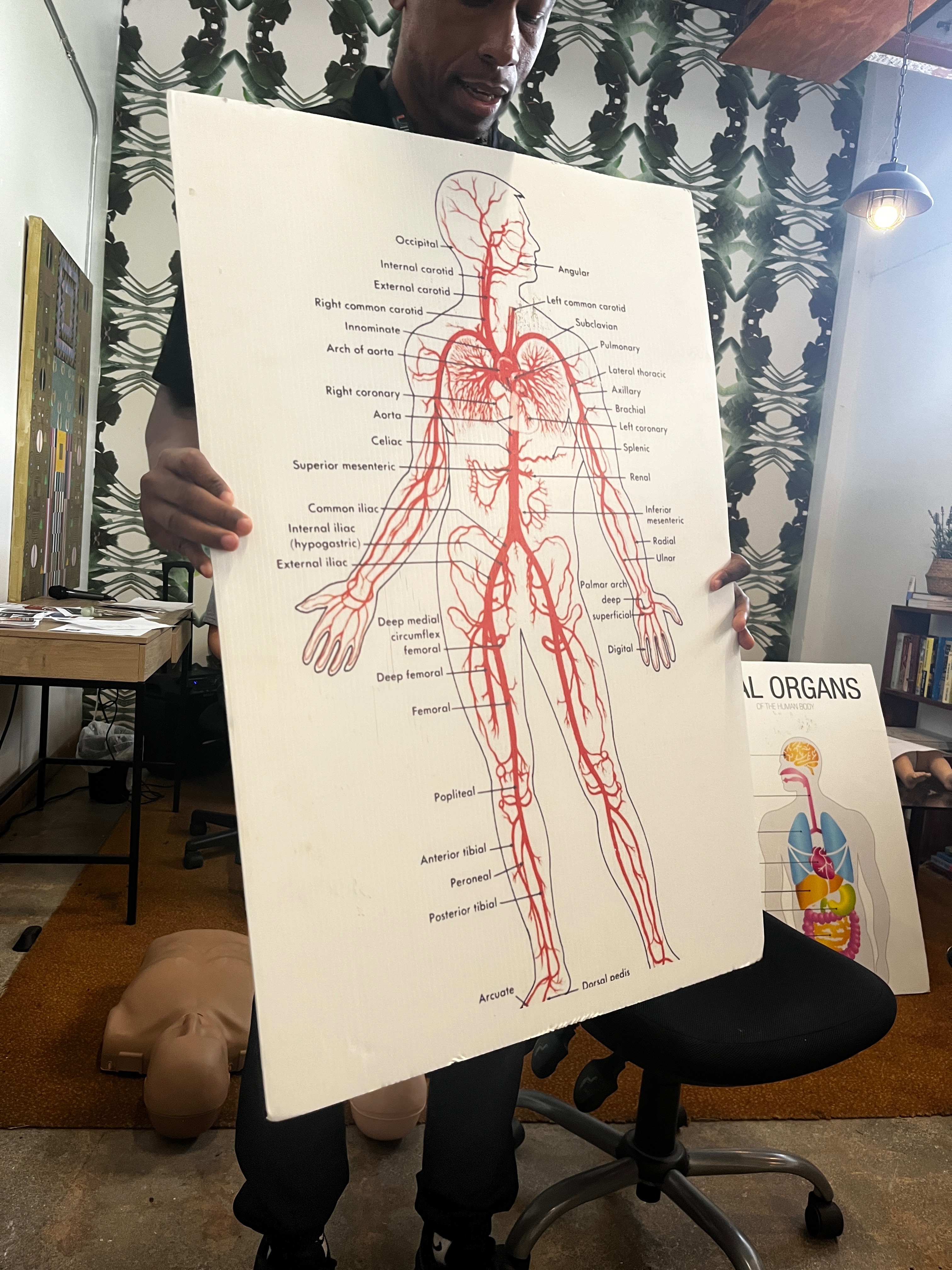
There are many pathways to midwifery. A more modern route is becoming an OB-GYN first, then specializing in midwifery. You can also attend nursing school, then specialize in midwifery, becoming a CNM (Certified Nurse Midwife). There are direct-entry midwifery schools where you can obtain the title of CPM (Certified Professional Midwife). And last, but certainly not least, you can be a Traditional Midwife, where you gain your credibility and knowledge through apprenticeship learning and accreditation from your community and elder midwives through the embodied knowledge of your service.
It’s important and eye-opening to remember that birth is as old as time. Birth-keeping is the oldest profession, long before any governing body required licensure to practice. Humans are the only species with regulations and politics surrounding how they are to give birth and who may support them in achieving their desired birth and delivery.
Traditional midwifery is very much a calling. And although you may not carry an official certificate, degree, or license, there is still an extensive amount of study and practical application that goes into becoming a properly trained and competent midwife.
⸻
You Might Be Wondering: How Can Traditional Midwives Legally Catch Babies and Support Mothers?
That’s a great question, and there are two answers I can provide.
1. Traditional midwifery is more of an embodied approach to holistic living and care than it is about licensure. To be a Traditional Midwife means being rooted in holistic medicines, remedies, and whole-being care to support someone’s full experience. You’re not just seeing a pregnant or laboring mother—you’re seeing her as a maiden transitioning to motherhood, her childhood self, her mother, and even her grandmother. There are many midwives who have received modern certifications and still embody traditional midwifery practices, just as there are also midwives who can provide care that is disconnected, unholistic, or industrialized. Being a traditional midwife is a self-embodiment cultivated by the intentionality and care you give your own life.
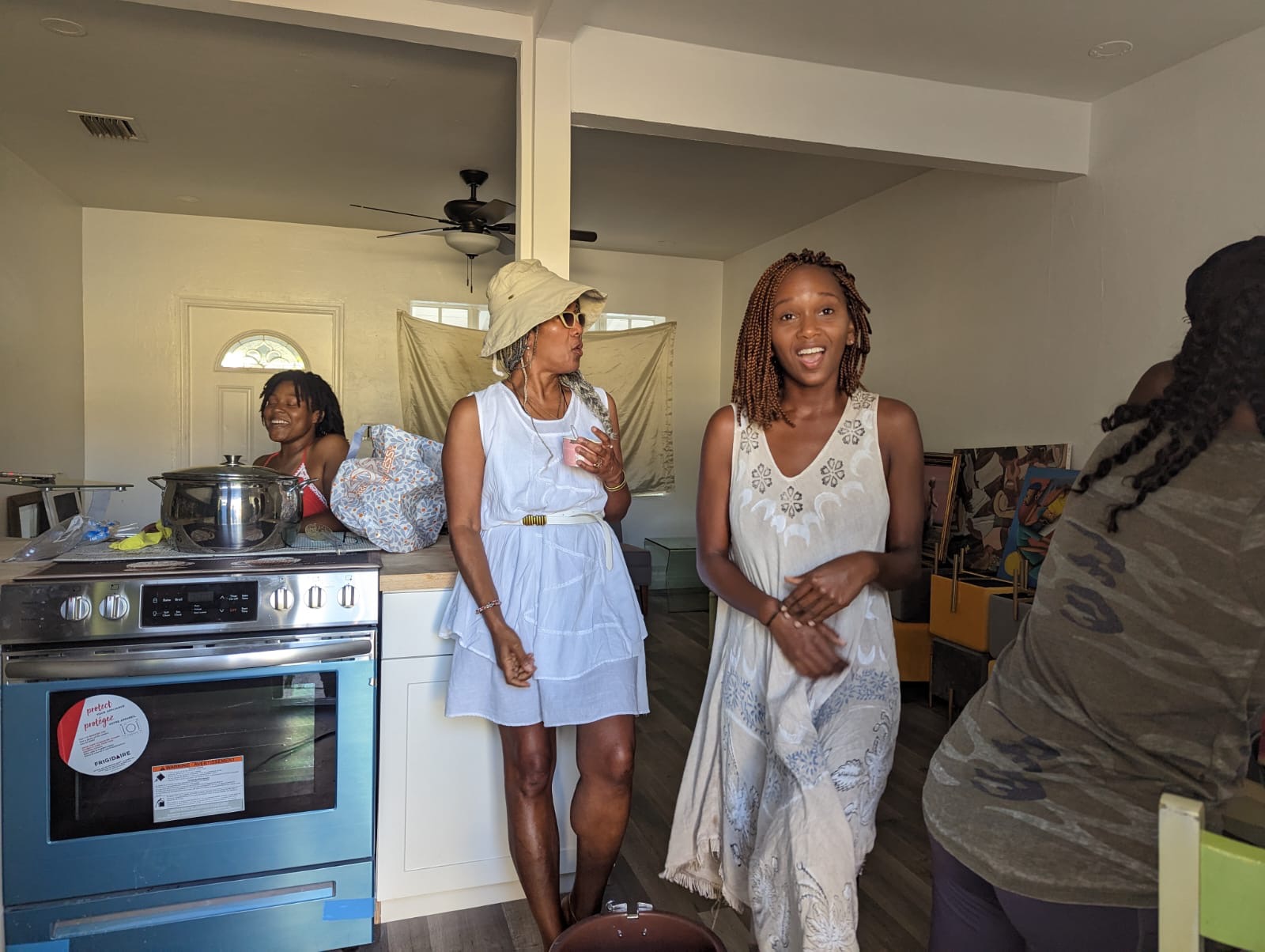
2. Community is at the heart of every traditional midwife’s practice. Nine times out of ten, a Traditional Midwife never comes to a birth alone. She will always have other midwives and assistants with her—and often, at least one of them holds a certified license.
⸻
Why Are Midwives Important?
Black and brown mothers and babies are being unalived at alarmingly higher rates than any other ethnic group. These same people are also the most in need of reproductive and medical care, yet they experience the most inequity in access and quality of services—an imbalance that is intentional and rooted in historical discrimination.
The problem is not simply a shortage of hospitals (though many maternity wards are being shut down for political reasons). The deeper issue lies in the quality of the care we are not receiving, shaped by systemic biases and policies against black and brown people. Times have not changed much from 400–500 years ago—they’ve simply evolved and now hide under new disguises. Traditional Midwives don’t just serve mothers and babies—they serve families and communities as a whole.
⸻
Sumi’s Touch: Pathway to Midwifery
As I mentioned, I feel deeply called to the path of Traditional Midwifery. While I could choose to attend a traditional midwifery school that offers accreditation and licensure, I have been blessed with the opportunity to learn and train under the extremely respected and knowledgeable Traditional Midwife, Sumayyah Franklin , owner of Sumi’s Touch .
Through my connection with Sumi, I’ve also been able to build relationships with other incredible contemporary and elder midwives across North America, Central America, Africa, and the Caribbean.
⸻
Help Invest In My Education
This December, for the third time in total and the second time in Ghana, Sumi will be leading a new cohort of student midwives in a Traditional Birth Worker Immersion : Part Two (Ghana).
Although I’ve already begun investing in what I need financially to participate, I still need a lot of help. In addition to serving as a childcare professional, participating in local and online birth trainings, and receiving support from my partner, I am also currently caring for a close relative who has recently suffered a stroke. Any contribution you can offer means so much. Beyond monetary donations, simply sharing this GoFundMe link is also a free and powerful way to support me.
⸻
What Donations Will Cover
• Remaining payment for training
• Airfare
• Transportation
• Visa
• Travel insurance
• Daily living expenses (food, transportation, bills)
• Emergency funds while traveling
To learn more about the Ghana Immersion and the work being done with my teacher Sumi, please visit the link below:
⸻
Thank you for the ways you’ve supported my journey to becoming a community-centered Traditional Midwife. I trust with all my heart that the right community will come together, see the value in this work, and help me reach my goal.
Loving regards,
Bryanne Eyma
Organizer