Building a Life Around Memory: Museums & Stories We Share
0% complete
$1,430 raised of
18 donations
For as long as I can remember, I have been drawn to places where stories are preserved. Museum halls. Family photographs. Textiles passed from one generation to another. Films. Poetry. Objects worn by time. The stories people tell when they are afraid that something might disappear.
Growing up with Afghan and Iraqi roots, I learned early that culture is not something that exists only in books or museums. It lives in our homes, our languages, our food, our landscapes, our textiles, our music, and in the stories carried from one generation to the next.
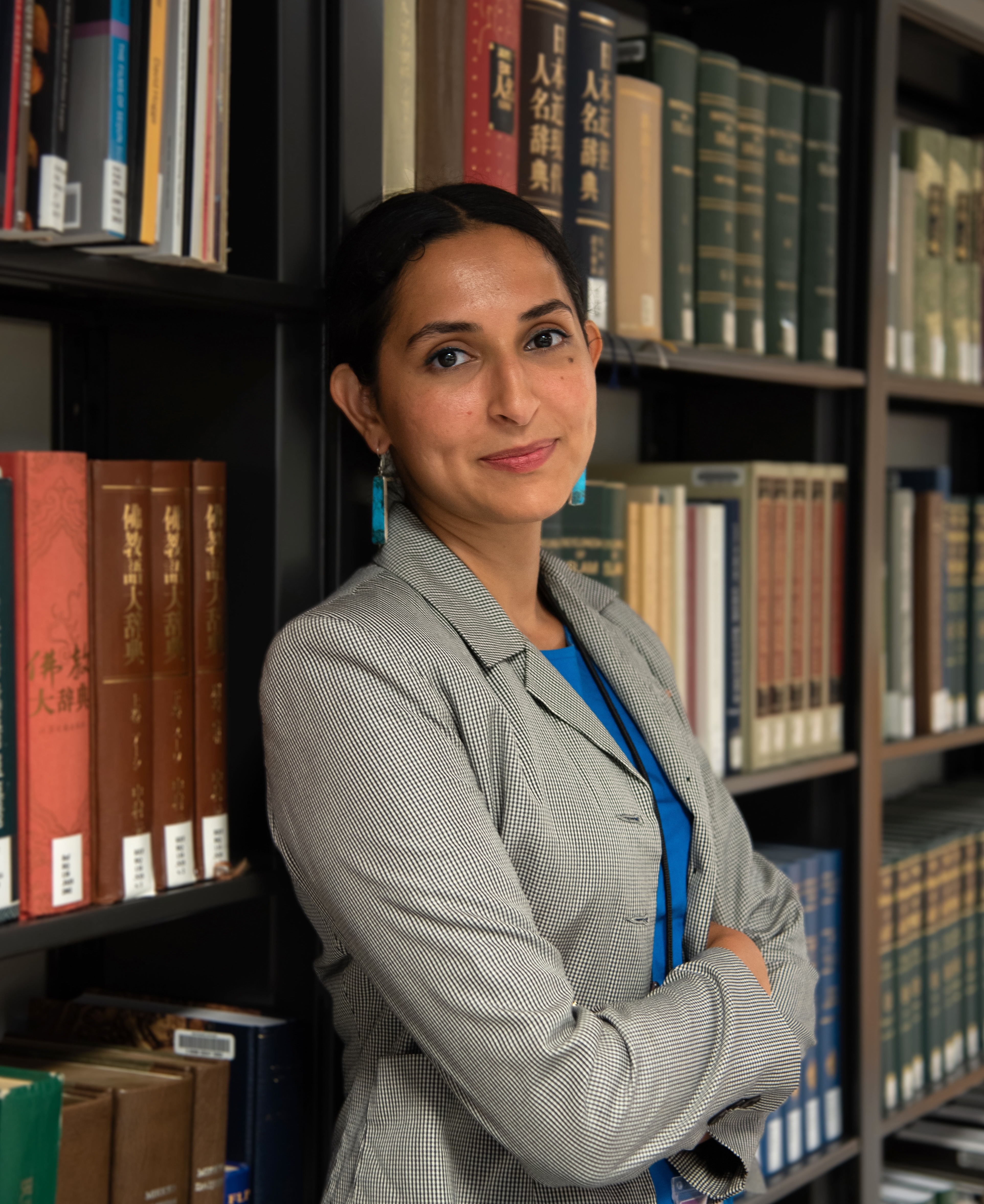
I am a writer, photographer, filmmaker, and aspiring curator. Building a life around museums, filmmaking, cultural memory, and research; with a particular interest in the histories and voices of the Middle East.
I wanted to understand how people remember:
Who gets remembered? Who gets represented? Who gets to preserve their own history?
And what happens when a landscape, a language, an object, or a tradition begins to disappear?
That realization eventually brought me into visual arts, cinema, museums, and curatorial work.
My experiences at the Smithsonian, in museum spaces, through filmmaking, travel, and cultural institutions began to show me that my seemingly disconnected interests were actually connected.
I was interested in how museums can become places where memory remains alive. Florence Was the Beginning, Not the Destination
I am now pursuing my Master’s in Curatorial Practice at IED in Florence, Italy.
When I first began fundraising for this degree, I described Florence as the opportunity that would allow me to discover my direction.
But something happened along the way.
Florence has given me the opportunity to study curatorial practice in one of the world’s great cultural environments, but my education has extended far beyond the classroom.
My travels, museum experiences, encounters with artists and curators, time spent in different countries, and especially my return to Iraq have continued to shape the questions I want to spend my life pursuing.
One of those questions has become particularly important to me:
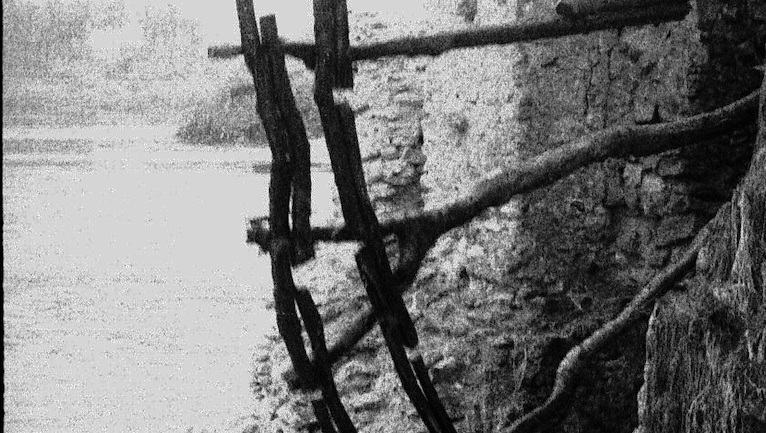
What happens to cultural memory when the landscape that carries it begins to disappear?
The Na’oor
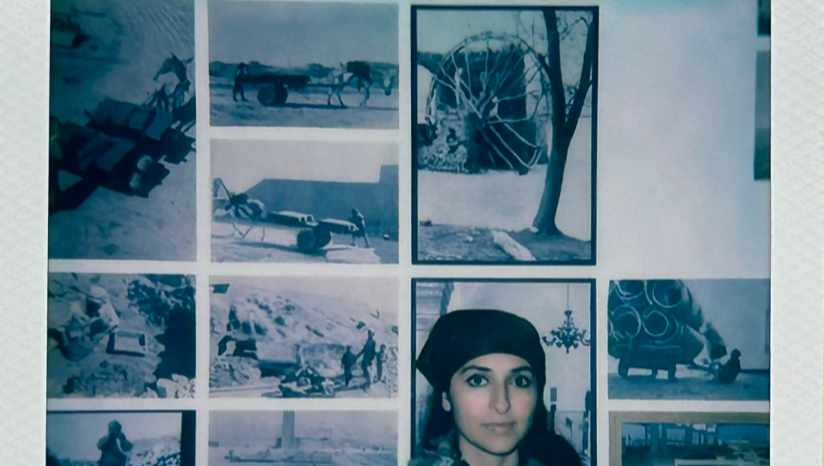
One answer to that question began with the Na’oor — the traditional water wheel of Haditha along the Euphrates River.
What began as an object of cultural interest became something much larger. The Na’oor connects water, agriculture, engineering, community, memory, music, landscape, and generations of people who lived alongside the Euphrates.
But it also represents something fragile.
As water disappears, landscapes change, communities change, and traditions can become little more than photographs in an archive.
I have come to understand the Na’oor not simply as a heritage object, but as a lifelong research and creative project.
And ultimately, I want to bring this work into museums and classrooms.
The Path Ahead
My path is becoming clearer, even as it continues to evolve.
Florence is one chapter. — Venice, museum work, research, and future opportunities in the Gulf will become others.
I hope to eventually work in Saudi Arabia, at a time when museums and cultural institutions across the Gulf are being shaped for the future. I want to contribute to that transformation while bringing with me an understanding of Iraq, Afghanistan, the wider Middle East, and the communities whose histories I have spent my life navigating.
And further down the road, I hope to teach.
I have a dream of becoming a professor — not simply to stand in front of a classroom and deliver information, but to help create spaces where students learn how to ask better questions, conduct their own research, and understand that their own histories can become sources of knowledge.
That future may eventually lead to doctoral research.
But I am not waiting for a PhD to begin becoming the person I want to be.
I am already doing the work.
Learning How to Learn
There is a word I have become increasingly drawn to: heutagogy — the practice of self-determined learning.
It describes something I have experienced throughout my life.
Some of the most important lessons I have learned did not happen in a classroom.
They happened through travel.
Through conversations.
Through museums.
Through failure.
Through making films.
Through returning to places I thought I understood and realizing I didn’t.
Through sitting with people and listening to their stories.
Through learning how to teach myself what I needed to know next.
I first learned a version of this philosophy through six years of mixed martial arts.
The Japanese philosophy of Kaizen — continuous improvement — became something I carried with me: the belief that growth is not about becoming perfect. It is about becoming a little better, a little stronger, a little more aware, every day.
Mind. Body. Spirit.
That philosophy has followed me from the training room into my creative and academic life. I don’t know exactly where every step will lead.But I know I will keep taking the next one.
A New Chapter: The Afghan American Conference
This year, something meaningful happened that I could not have imagined when I first created this fundraiser. I am invited to participate as a SEEDS Speaker at the Afghan American Conference, hosted at UCLA.
For me, this is more than another line on a résumé. It is a moment of recognition, a chance to speak truth to the stories I have been following for over a year.
I have spent years trying to understand how we preserve culture, how we tell our own stories, and how we create space for voices that have historically been spoken about more often than they have been listened to. Now I have been given an opportunity to speak from within that conversation.
And it has reminded me why I began this journey in the first place.
I believe that uplifting diverse voices begins with the people willing to walk the difficult path of creating their own stories.
And sometimes you have to build the path before you can invite anyone else to walk it.
Why I Am Still Asking for Support
When I first created this fundraiser, I was asking people to help me reach Florence.
Now I am asking for something slightly different. I am asking for help continuing the journey.
Education, research, travel, housing, equipment, archival work, filmmaking, and the ability to spend time in the places where this work is happening all require resources.
Financial limitations may change my route. They may slow me down. They may force me to take a different road.
But they will not determine whether I continue.
Every contribution helps create room for the work to continue; whether that means supporting my education in Florence, allowing me to pursue research and creative projects, helping me reach future opportunities, or simply giving me the freedom to spend more time learning and making.
And if you cannot contribute financially, there are other ways to walk alongside me.
Share this page. Read my writing. Follow the work. Watch the films when they emerge.
Talk to me. Introduce me to someone. Tell someone about what I am trying to build.
Sometimes an opportunity begins with a donation. Sometimes it begins with a conversation.
Follow the Journey ~ I want the people who support me to be able to see where their belief goes.
A commitment to cultural memory.
And, hopefully, one day, a classroom where I can pass forward what I have learned. ~ The story is still being written.
And I would be honored to have you be part of it.
Thank you for believing that a person can build their own path, and that preserving our stories is worth the journey.
Cost Breakdown - Remaining for Florence Tuition: 11,000 Euros; Approximate Rent - 10,000 USD
Organizer