- A
- E
- A
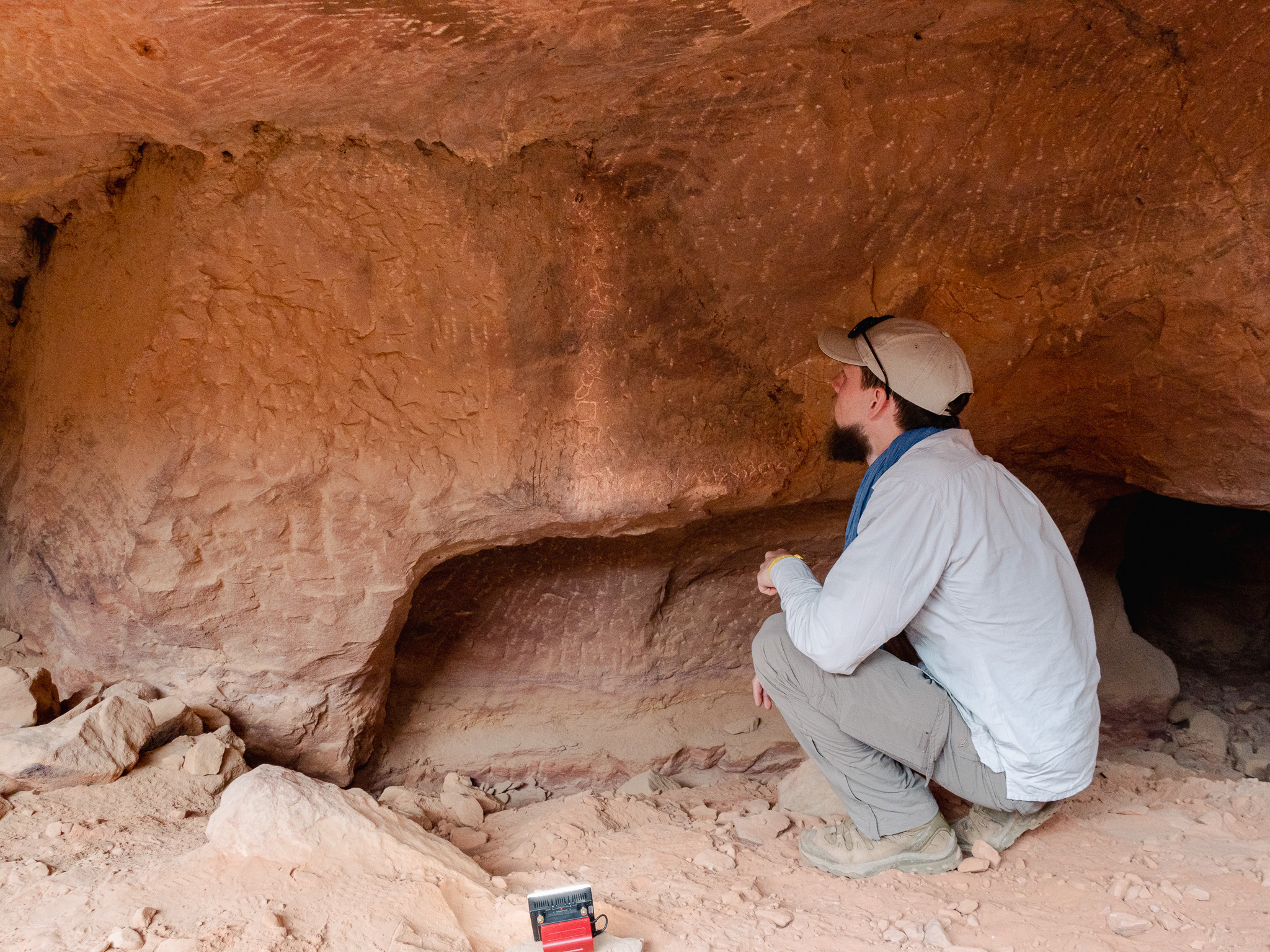
Il devient urgent de numériser les plus anciennes inscriptions alphabétiques pour les sauver de l'érosion !
It has become urgent to digitize the oldest alphabetic inscriptions in order to save them from erosion!
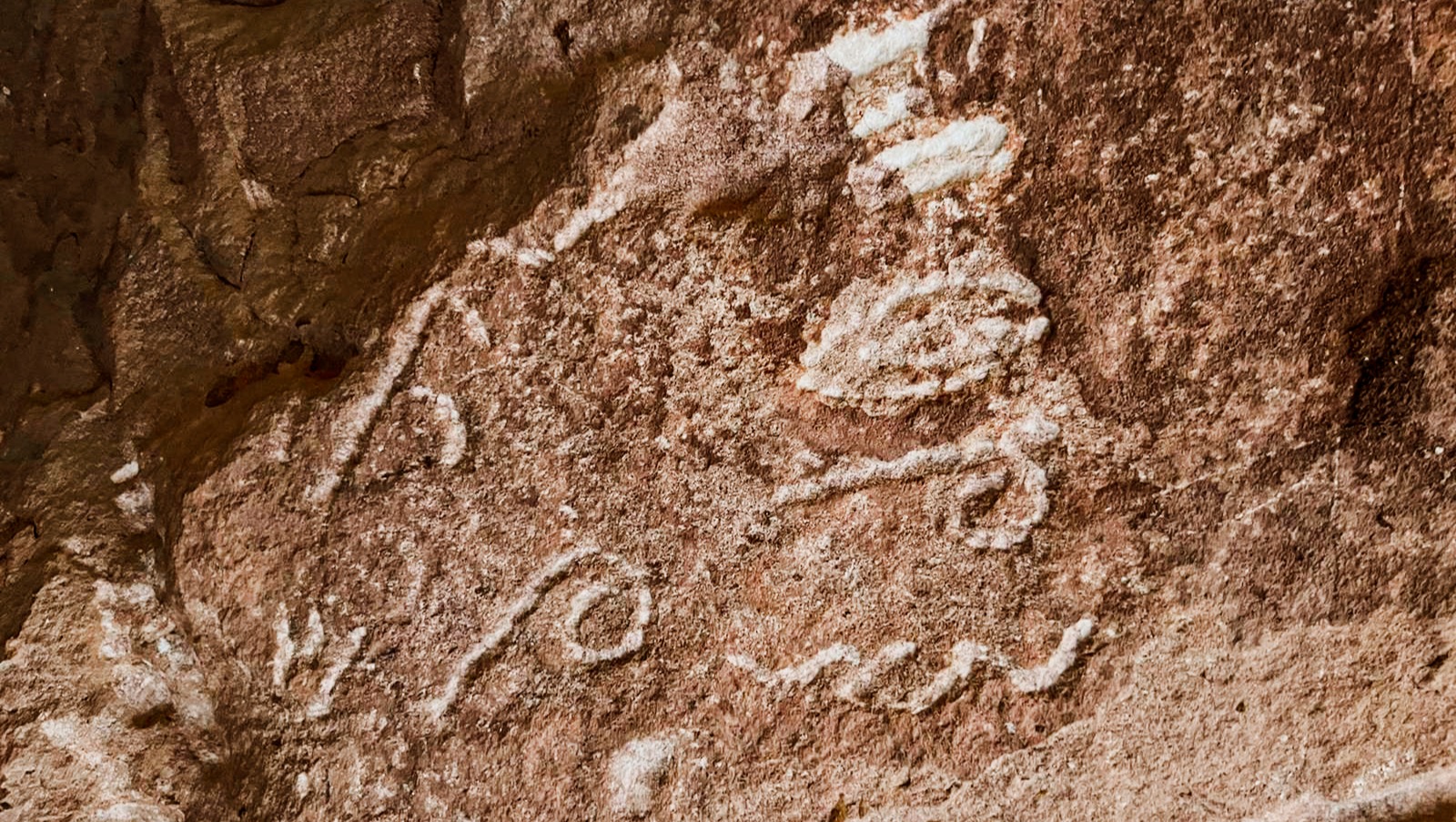
Inscription Sinaï 358, 1900-1500 avant J.C./BC, Serabit el-Khadim, péninsule du Sinaï, Égypte
L'histoire de l'alphabet et de son invention est un sujet d'étude passionnant, qui nous ramène 4000 ans en arrière et nous concerne tous. C'est alors que les lettres que nous utilisons tous les jours ont été conçues, simplifiant l'écriture scribale et la rendant accessible à tout un chacun. L'alphabet n'a été inventé qu'une seule fois à un endroit, entre le Levant et l'Égypte. C'est à partir de ce moment-là que les Israélites ont pu écrire leur histoire, la Torah, et c'est avec ce script alphabétique appelé proto-sinaïtique, et c’est alors qu'a commencé l'alphabétisation et la démocratisation de l'écriture. Tous les alphabets modernes découlent de ce premier adjab (composé seulement des consonnes) inspiré des hiéroglyphes égyptiens.
The history of the alphabet and its invention is a fascinating study subject which brings us 4000 years back and which concerns us all. This is when the letters we use daily were conceived, simplifying scribal writing and making writing accessible to each and everyone. The alphabet was only invented once, in one place located between the Levant and Egypt. From there on, the Israelites were able to write their story, the Torah, and it was with the script named proto-sinaitic and from there alphabetisation and democratization of writing began. All modern alphabets are derived from this first adjab (comprised only of consonants) inspired by Egyptian hieroglyphs.
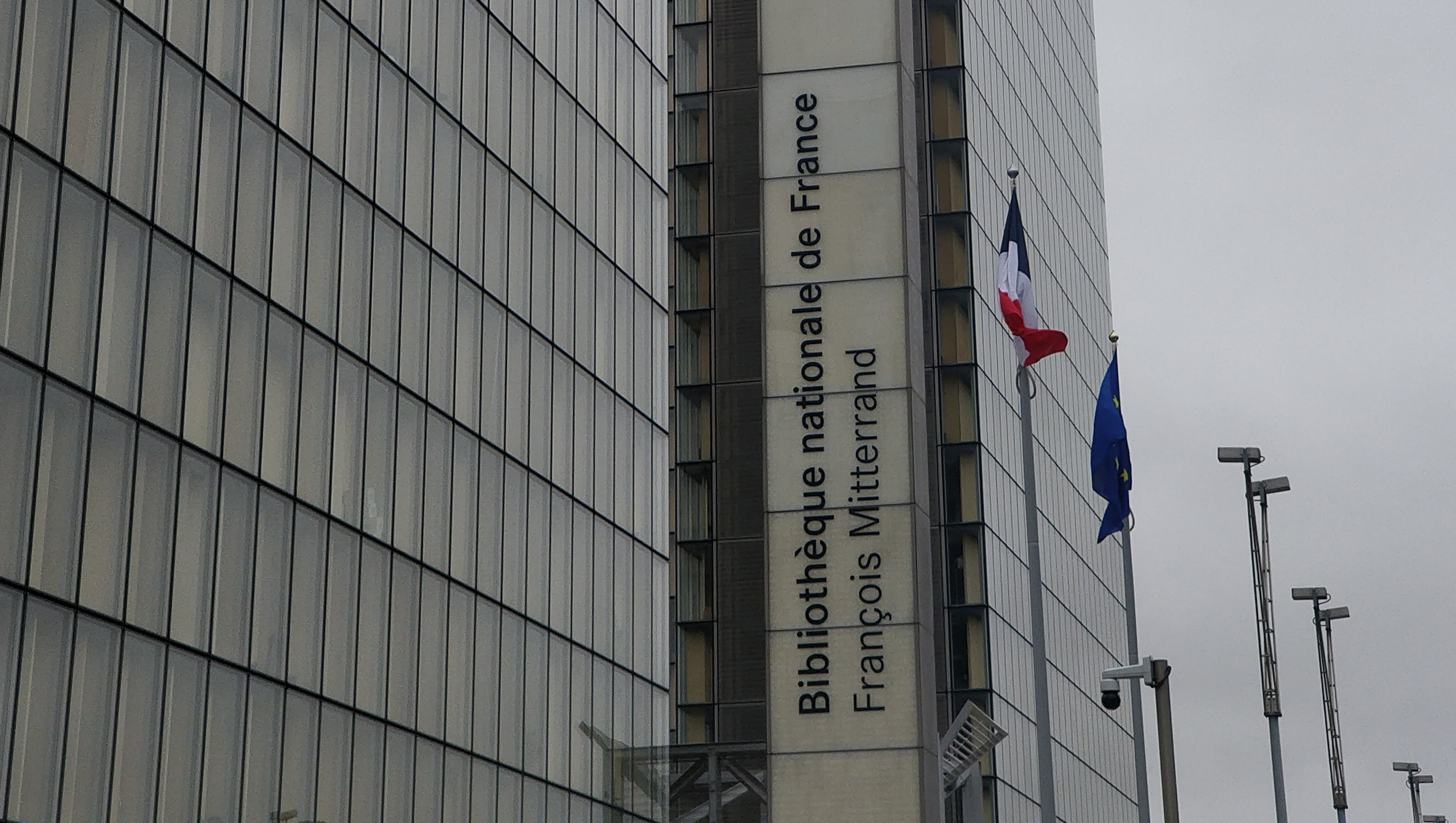
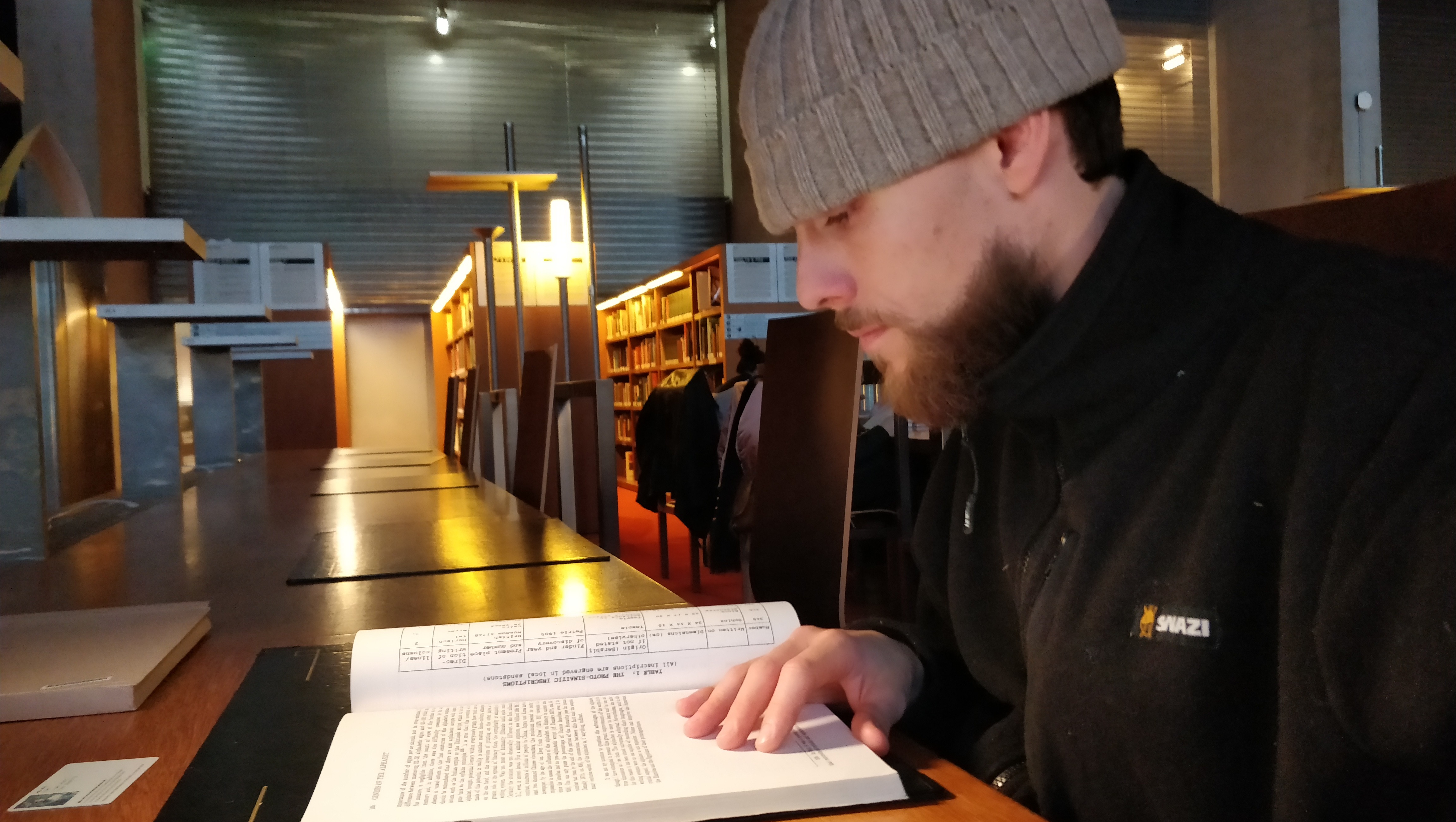
Consultation de la thèse de Benjamin Sass parue en 1988, à la BnF à Paris
Consulting Benjamin Sass’s thesis which came out in 1988, in the French National Library of Paris
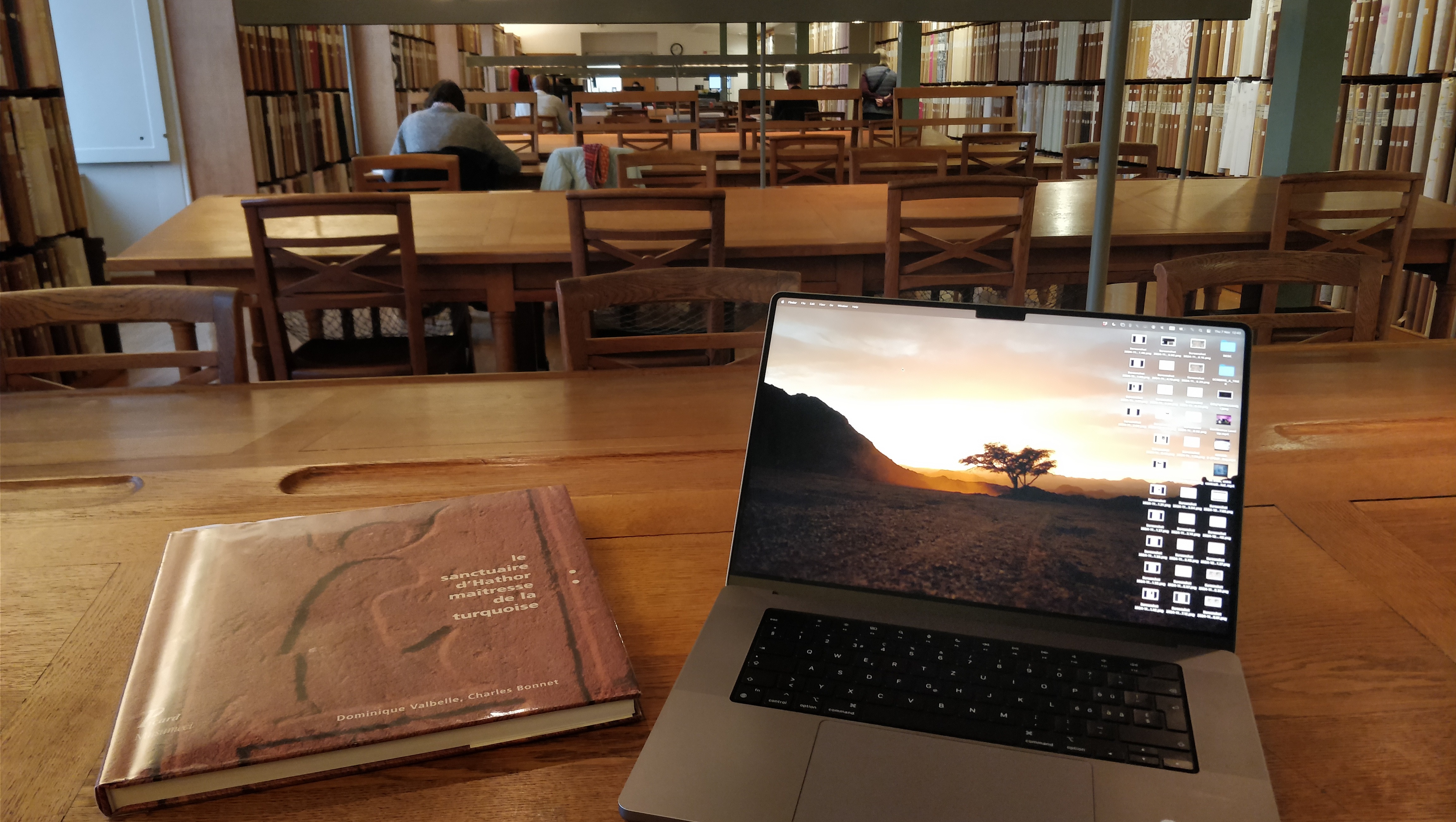
Consultation du livre sur le Sanctuaire d'Hathor de Serabit el-Khadim à la bibliothèque du Musée des Arts Décoratifs, en face de l'École du Louvre
Consulting the book on the Hathor Sanctuary of Serabit el-Khadim in the library of the Museum of Decorative Arts, facing the École du Louvre
Cela fait plusieurs années que je me suis lancé dans l'étude de ce sujet passionnant, en vue de faire connaître celui-ci au grand public, francophone et international, à travers la réalisation d'un ou plusieurs documentaires, de publication(s) scientifique(s) d'épigraphie, de livres, de conférences, etc.
It has been several years since I began studying this fascinating subject, with a view to making it known to the general public, both French-speaking and international, through the production of one or more documentaries, scientific epigraphic publication(s), books, conferences, etc.
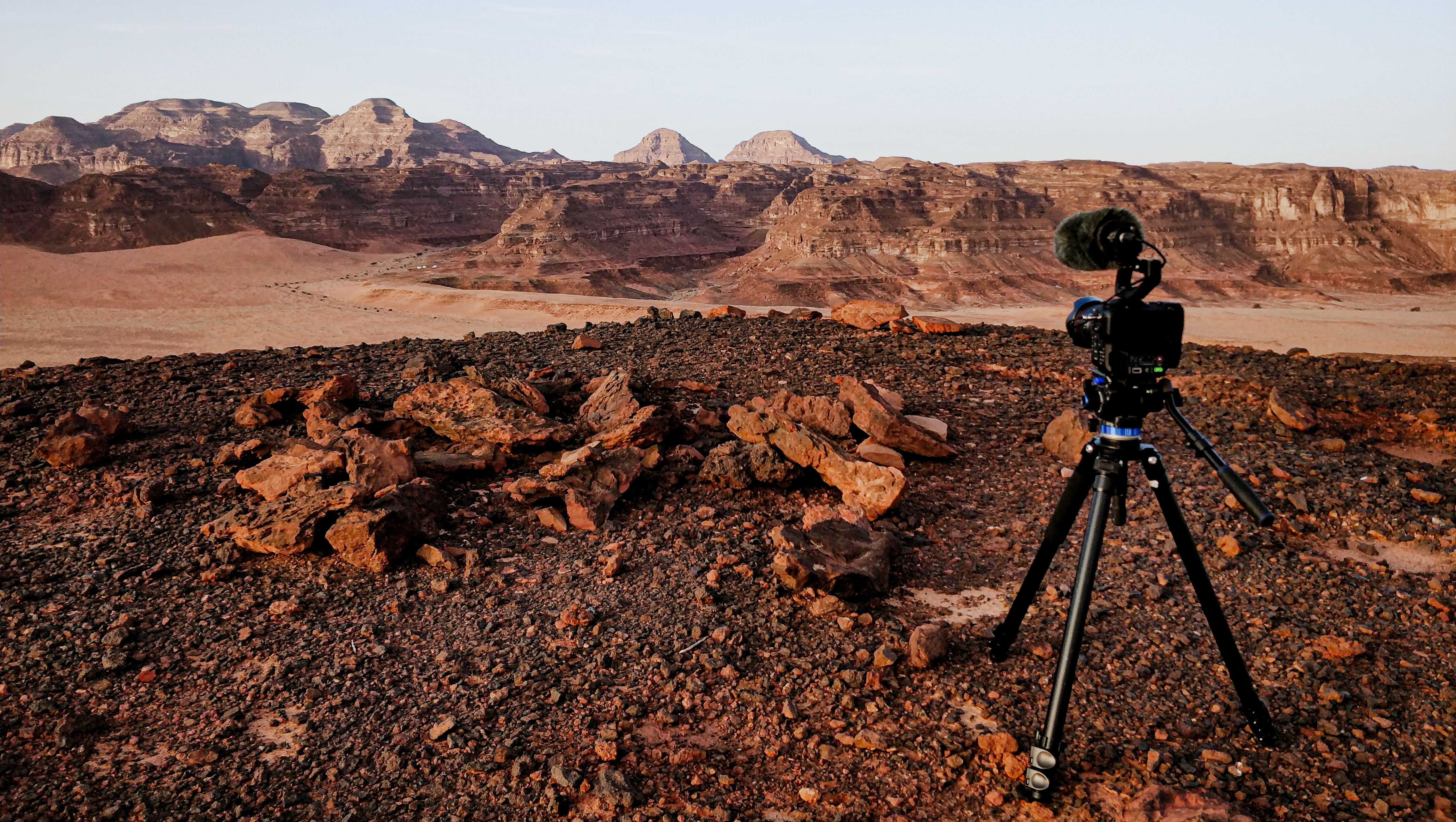
Le plateau de Serabit el-Khadim au petit matin (péninsule du Sinaï en Égypte, 2022)
The Serabit el-Khadim plateau in the early morning (Sinai Peninsula in Egypt, 2022)
Il faut à tout prix préserver toutes ces inscriptions proto-sinaïtiques pour les générations, grâce aux outils d'épigraphie moderne (dont la photographie et la numérisation), en vue de les rendre accessible à tout le monde, partout autour du globe, instantanément et gratuitement, pour faciliter et encourager la recherche, la collaboration entre chercheurs et l'accès au grand public, mais surtout pour les soustraire à la destruction accéléré et inéluctable causée par les éléments naturels de cet environnement hostile et par l'activité (voir la folie...) humaine (certaines inscriptions égyptiennes ou israélites ont déjà été détruites par des intégristes).
It is vital to preserve all these proto-sinaitic inscriptions for generations, using modern epigraphic tools (including photography and digitization), with a view to making them accessible to everyone, everywhere around the globe, instantly and free of charge, to facilitate and encourage research, collaboration between researchers and access to the general public, but above all to protect them from the accelerating and inevitable destruction caused by the natural elements of this hostile environment and by human activity (or even madness...) (some Egyptian and Israelite inscriptions having already been destroyed by fundamentalists).
En ces temps d'incertitude, de conflit, de perte d'identité et de montée en intensité des luttes et guerres entre les hommes, cette histoire de l'invention de l'alphabet nous ramène à un temps de partage extraordinaire entre trois cultures antiques, et peut nous rappeler que c'est en nous unissant que nous avons accédé aux plus belles inventions humaines, celles qui rapprochent, celles qui font reculer l'ignorance et la peur, celles qui, de notre passé lointain, nous éclairent la route de l'avenir.
In these times of uncertainty, conflict, loss of identity and increasing intensity of struggles and wars between men, this story of the invention of the alphabet takes us back to a time of extraordinary collaboration between three ancient cultures, and can remind us that it is by coming together that we have accessed the most beautiful human inventions, those which bring us together, those which push back ignorance and fear, those which, from our distant past, light the way to the future.
Ce travail est déjà collaboratif et inclut des personnes de toutes nations, langues, arrière-plans, chacun apportant sa pierre à l'édifice :
This work is already collaborative and includes people of all nations, languages, backgrounds, each bringing their stone to the building:
- Spécialistes : Aren Wilson-Wright (épigraphiste américain de l'Université de Chicago), Brian Colless (épigraphiste océanien de l'Université de Massey en Nouvelle-Zélande)
- Specialists: Aren Wilson-Wright (American epigraphist from the University of Chicago), Brian Colless (Oceanian epigraphist from Massey University in New Zealand)
- Producteurs audiovisuels : famille Paulhiac (France/Nouvelle-Zélande), François Lehmann (Suisse), Andrew Jones (Californie/Turquie)
- Film producers: Paulhiac family (France/New Zealand), François Lehmann (Switzerland), Andrew Jones (California/Turkey)
- Association/organisation : Alphabets (Rina Viers, Nice)
Alors, je vous propose aujourd'hui, non seulement de soutenir mon travail, mais de soutenir des personnes qui, avant moi, ont ouvert et pavé la voie à celui-ci, à l'image de l'extraordinaire Rina Viers, fondatrice de l'association Alphabets, qui oeuvre depuis de nombreuses années pour faire connaître cette histoire de l'alphabet aux petits et aux grands, partout en France.
So, today I suggest that you not only support my work, but also support people who, before me, opened and paved the way for it, like the extraordinary Rina Viers, founder of the Alphabets association, who has worked for many years to make this history of the alphabet known to young and old, everywhere in France.
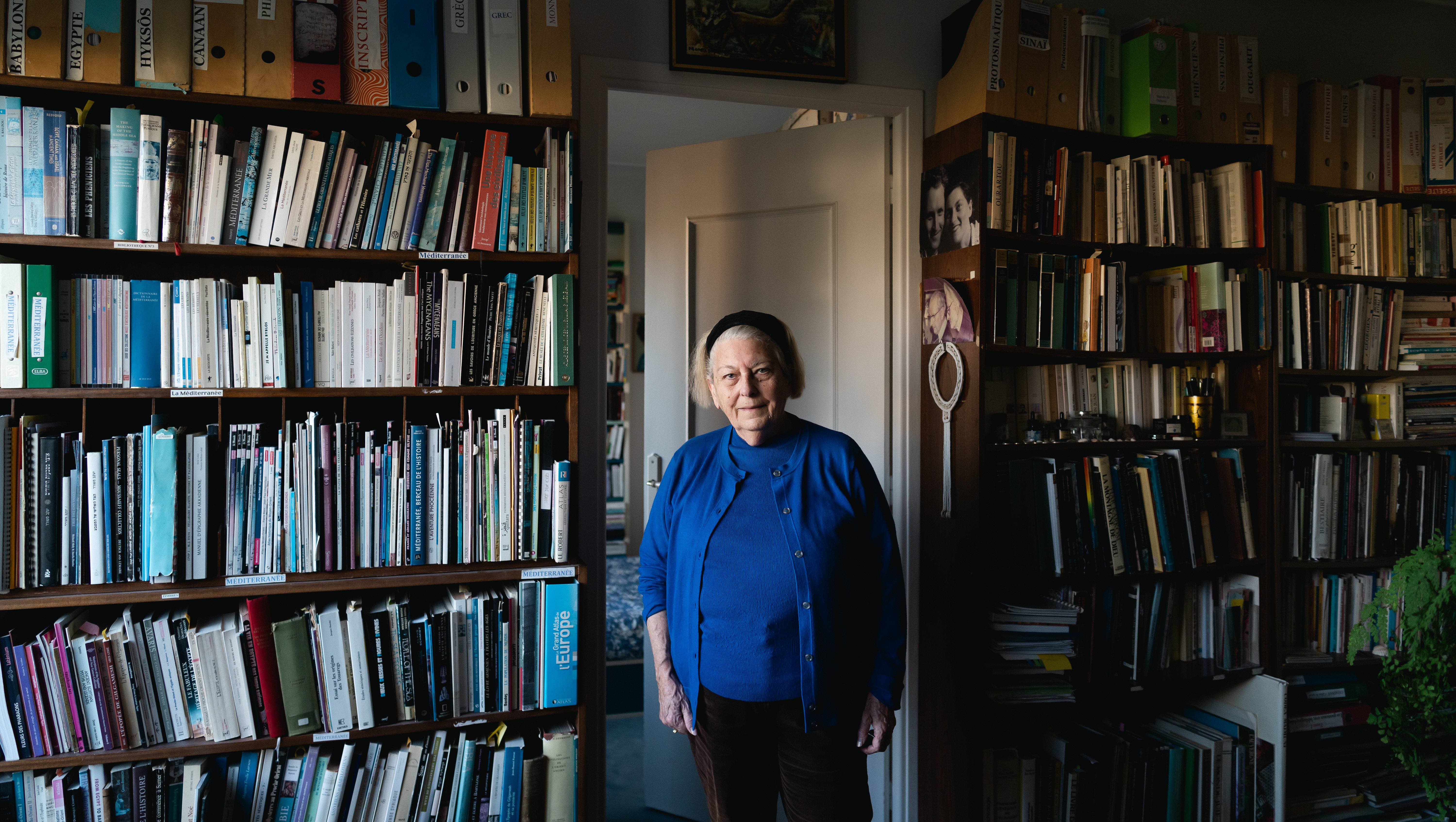
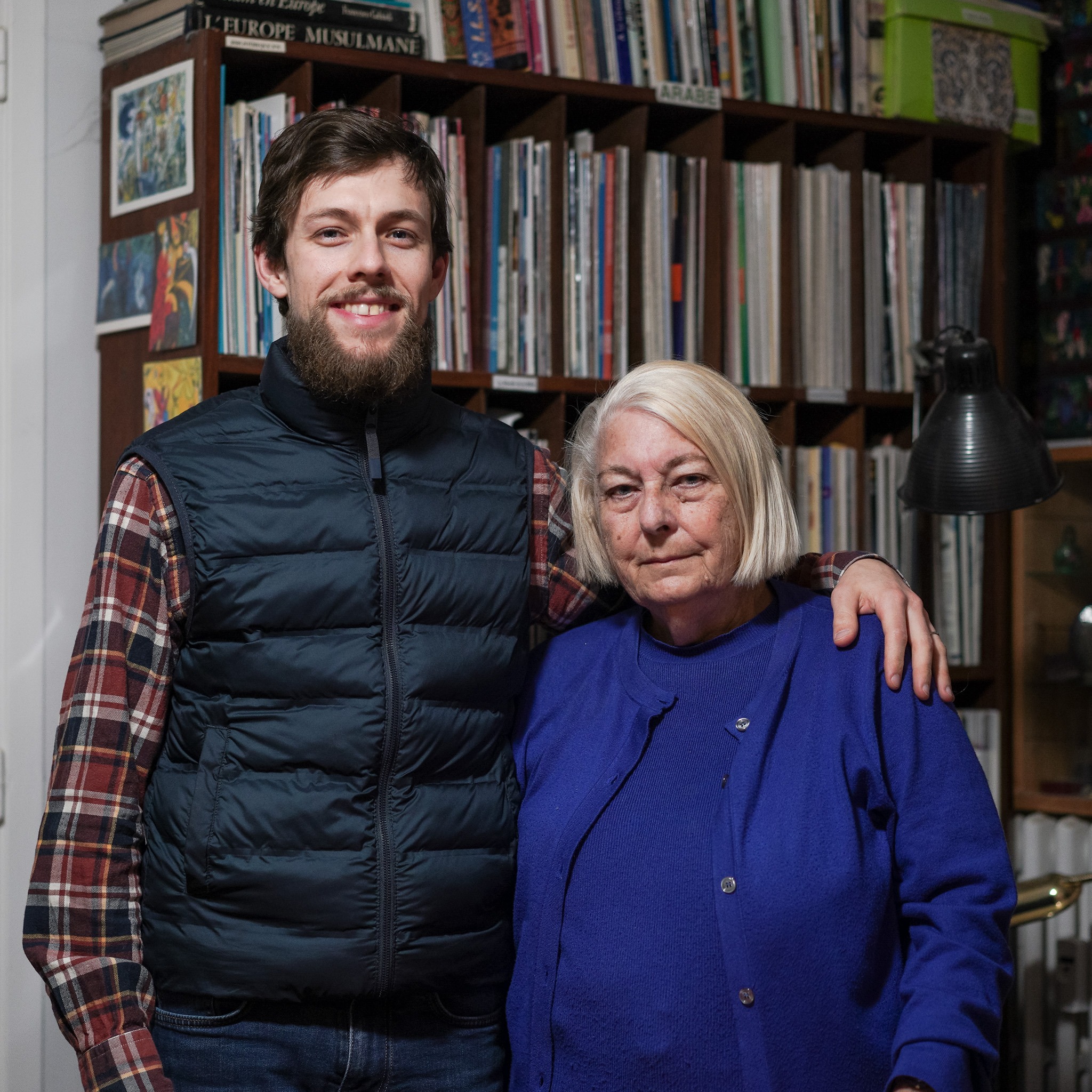
Rina et son incroyable bibliothèque
Rina and her amazing library
Un grand merci pour votre soutien, car c'est ensemble qu'on construit les belles et durables histoires.
A big thank you for your support, because it’s altogether that we can build beautiful and lasting histories.
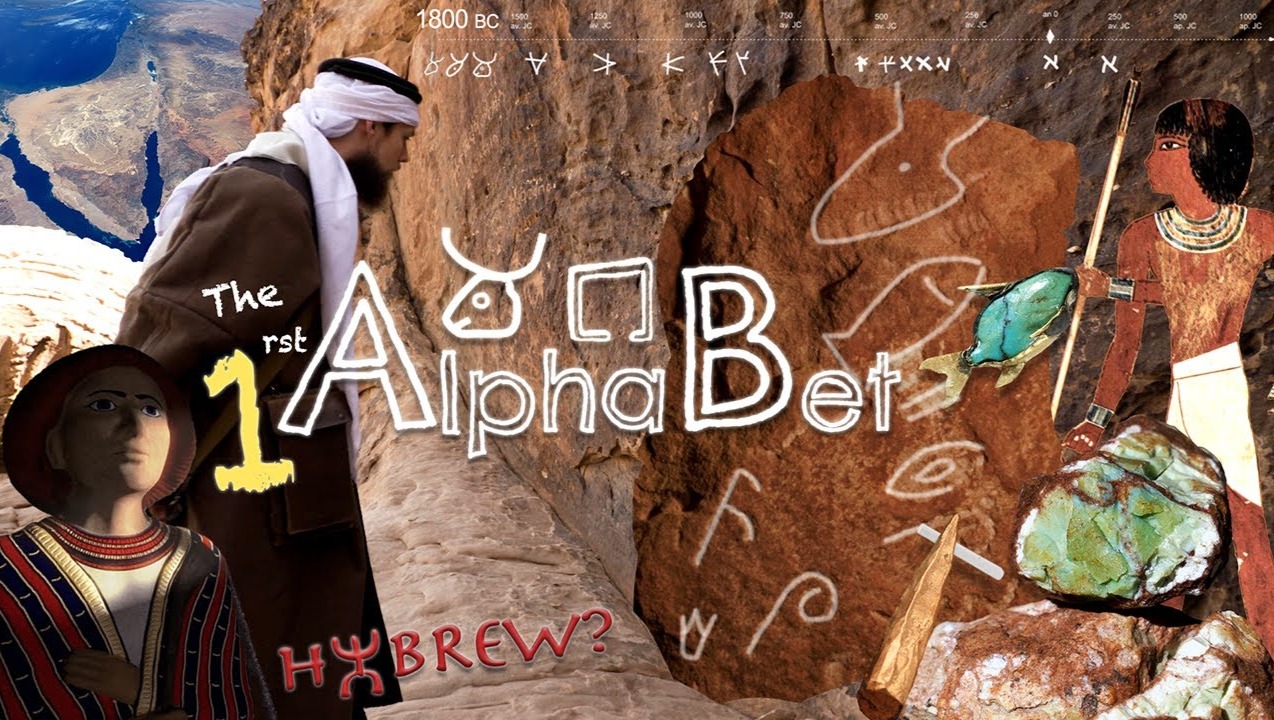
Documentary Alphabet Part 1
Voici le premier volet de mon documentaire (dans sa version anglaise), pour que vous puissiez vous faire une idée de ce que j'ai en tête et de ce dont je suis capable en termes cinématographiques.
Here is the first part of my documentary (in its English version), so that you can get an idea of what I have in mind and what cinematography I am capable of.
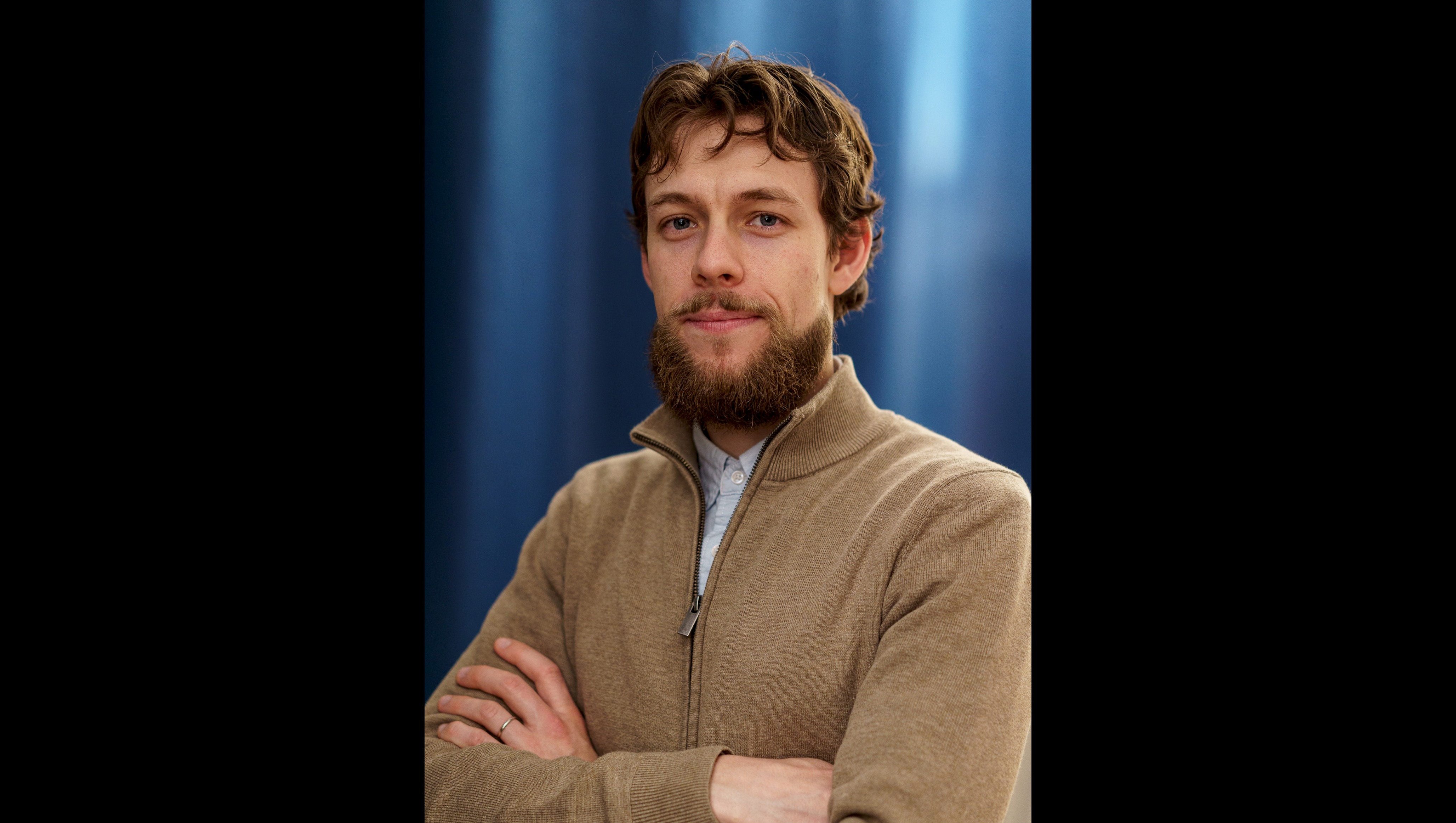
Je m'appelle Cédric Paulhiac, je suis chrétien, réalisateur et chef opérateur image spécialisé en documentaire, mais aussi chercheur et épigraphiste indépendant, passionné d'histoire et de lumière. Cela fait des années que j'étudie le contexte historique de la Bible et du christianisme.
My name is Cédric Paulhiac, I am a Christian, a film director and director of photography specialized in documentary filmmaking, but also a researcher and independent epigraphist, passionate about both history and lighting. I have been studying the historical context of the Bible and Christianity for years.
Technique de capture Highlight RTI
Highlight RTI capture technique
Cette technique d'épigraphie moderne utilise une série de photographies avec, à chaque pose, un emplacement de la lumière artificielle différent, dont les positions sont enregistrées par une boule noire brillante : Ceci permet de reproduire différentes positions de la lumière sur ordinateur, après traitement informatique, pour mettre en valeur les détails très précis du relief observé.
This modern epigraphy technique uses a series of photographs with, at each pose, a different position of the artificial light, positions which are recorded by a shiny black ball: This makes it possible to reproduce the different positions of lighting on a computer, after processings, to highlight very fine details of the observed reliefs.
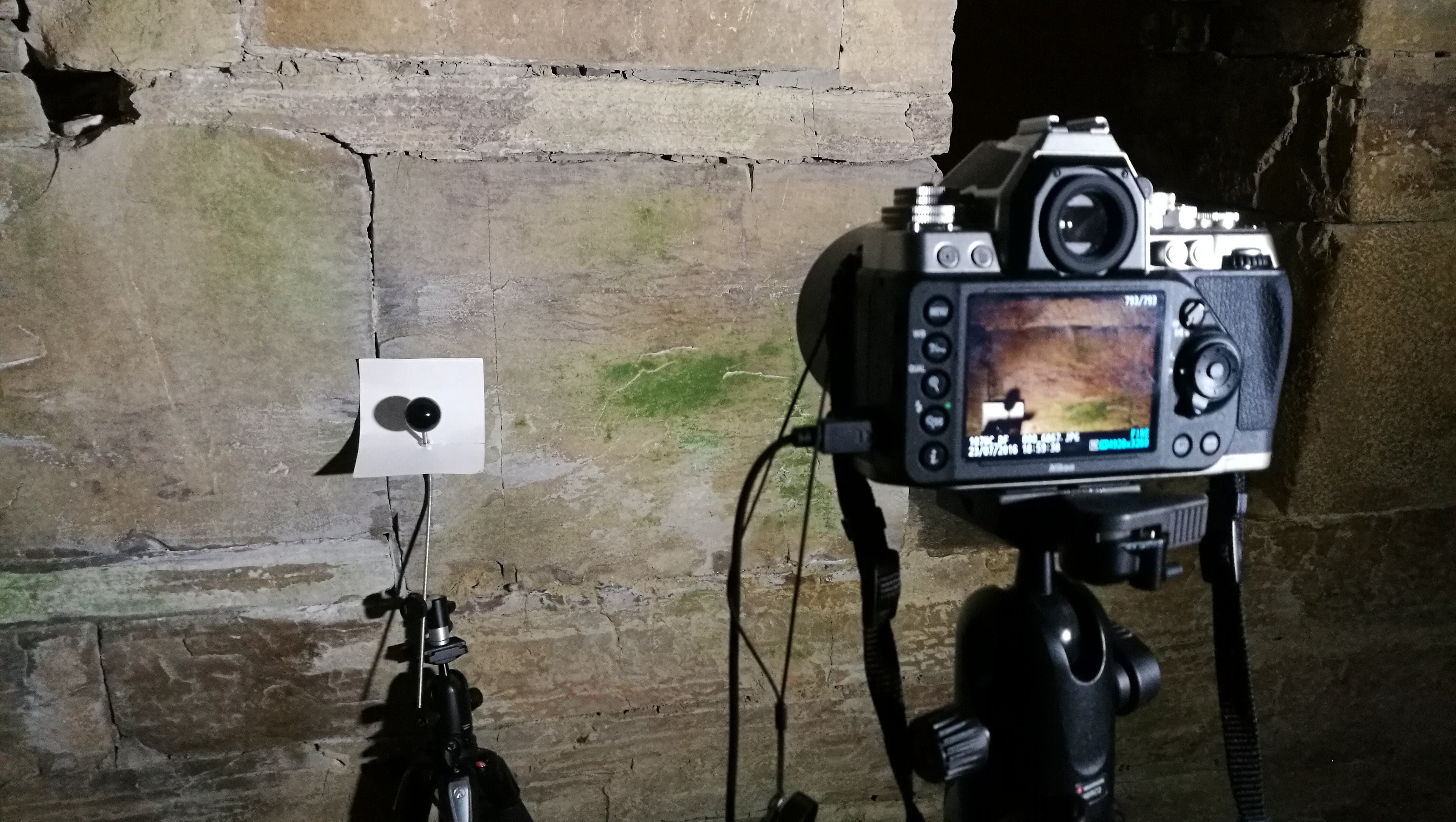
Configuration utilisée par Nicole Smith à Maeshowe en Écosse en 2016 (CC0)
Configuration used by Nicole Smith in Maeshowe in Scotland in 2016 (CC0)
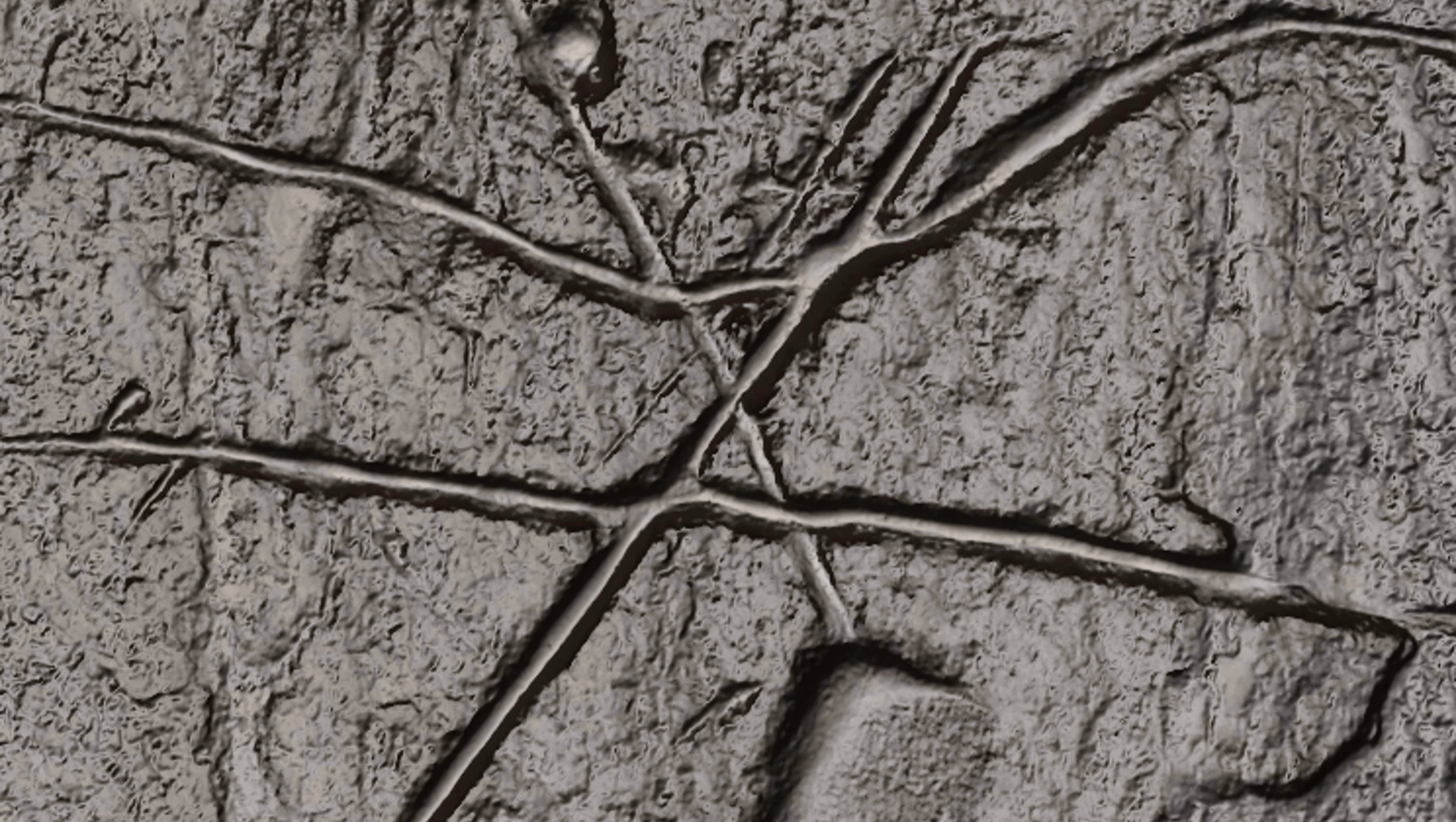
Résultat obtenu : la mise en évidence des fins reliefs d'une marque mise en valeur par la fonction de Renforcement Speculaire dans le logiciel RTIViewer (CC0)
The achieved result: the fine reliefs of an inscribed mark are brought out and enhanced by the Specular Enhancement function of the RTIViewer software (CC0)
Organizer