- T
- F
- L
Ecuador Covid 19 Response Fund
0% complete
€3,264 raised of €5K
90 donations
Proposal to respond to the COVID-19 pandemic in the indigenous communities of the province of Napo, Ecuadorian Amazon.
The Covid 19 pandemic has effected people all over the world. One of the most important defense mechanisms against this virus, which many of us may take for granted, is information. We have been armed with the necessary information that enables us to protect ourselves by taking measures such as isolation and social distancing. However this information has not been adequately communicated to some of the most vulnerable citizens. Citizen who lack resources such as sanitation products and medical facilities.
Situation
The COVID-19 pandemic poses an very serious threat to indigenous communities in the Amazon. The amazon is home to numerous indigenous communities living in remote locations. Many of these communities speak indigenous languages.
These remote areas have not received adequate information regarding the nature of the virus and the ways in which the virus can be transmitted.
Members of these communities travel to larger towns to purchase food and other resources. This puts the residents at risk of contracting the virus. With little information and lack of medical equipment the virus can spread very rapidly throughout these communities and have devastating consequences. These communities also lack the presence of authorities to regulate bio-security measures. In addition, farmers in these communities are facing economic difficulties as the opportunity to distribute their produce at local markets has ceased.
There are four principle objectives to this campaign;
1. Training
This campaign will provide bio safety training to local residents. The training focuses on measures individuals can take to protect themselves, their families and their communities. This includes social distancing, staying in their communities and in their homes.
2. Information and Care
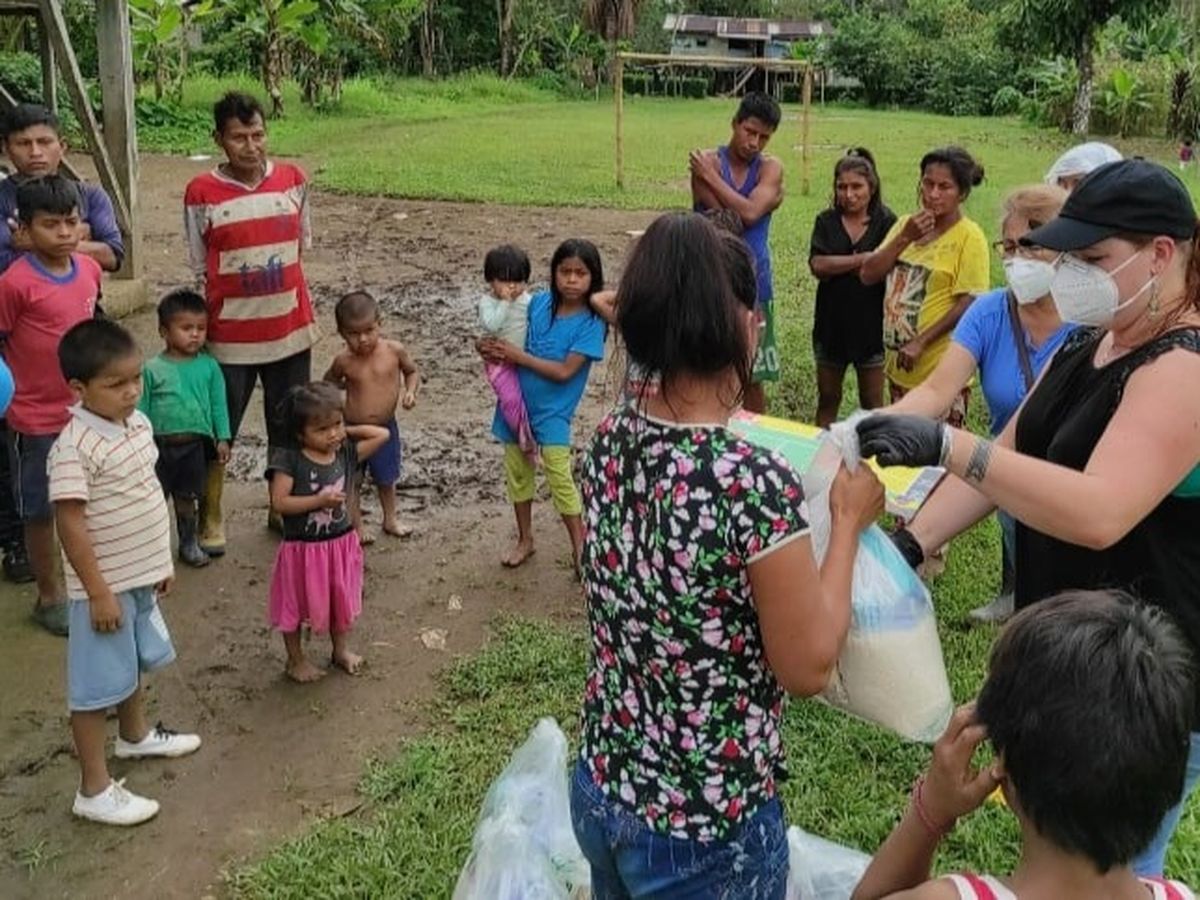
This campaign supports the production of care packages. Packages will include printed information materials on COVID-19, prepared by the Amazon Indigenous Organization, in Spanish and Huaorani, and Kichwa. The care packages will also include biosafety kits with masks, antibacterial soap, and bottles of disinfectant alcohol. These packages will be distributed to the indigenous communities of the Ecuadorian Amazon. This will provide residents with the opportunity to defend themselves against this deadly virus.
3. Local Medical Centre Support
This campaign will provide local medical centers with essential supplies such as personal protective equipment and sanitation products.
4. The Local Economy
These indigenous communities are dependent on agriculture to survive. Farmers are struggling to distribute their produce and therefore do not have the ability to purchase basic supplies. This campaign will ensure the delivery of kits for basic supplies; oil, salt, sugar, soap and toothpaste. This will also allow people to isolate and reduce the need to travel to nearby to towns. Farming and cultural practices such as fishing are to be maintained from which families can draw sustenance. However families in extreme poverty, the elderly and the disabled will be given a basic food kit (pasta, canned goods, rice, bread, etc.).
This is an urgent call to action as the risk of the virus spreading is present with every passing day.
The campaign photo was captured at the Kachiwañuska community on June 8, 2020. The photo depicts Kichwa children playing. The photo demonstrates the lack of Biosafety measure in place and illustrates the necessity to deliver information to these areas.
Co-organizers3
Uinseann Ó Maolchomadh
Organizer
Shona Luciani
Co-organizer
Ashley Michaud-Bissonnette
Co-organizer