- S
- B



As a family, we are asking for any donations to help cover medical and potential recovery costs, allowing Scott and Michele to focus on healing without a financial burden.
Venmo - Michelemartin24
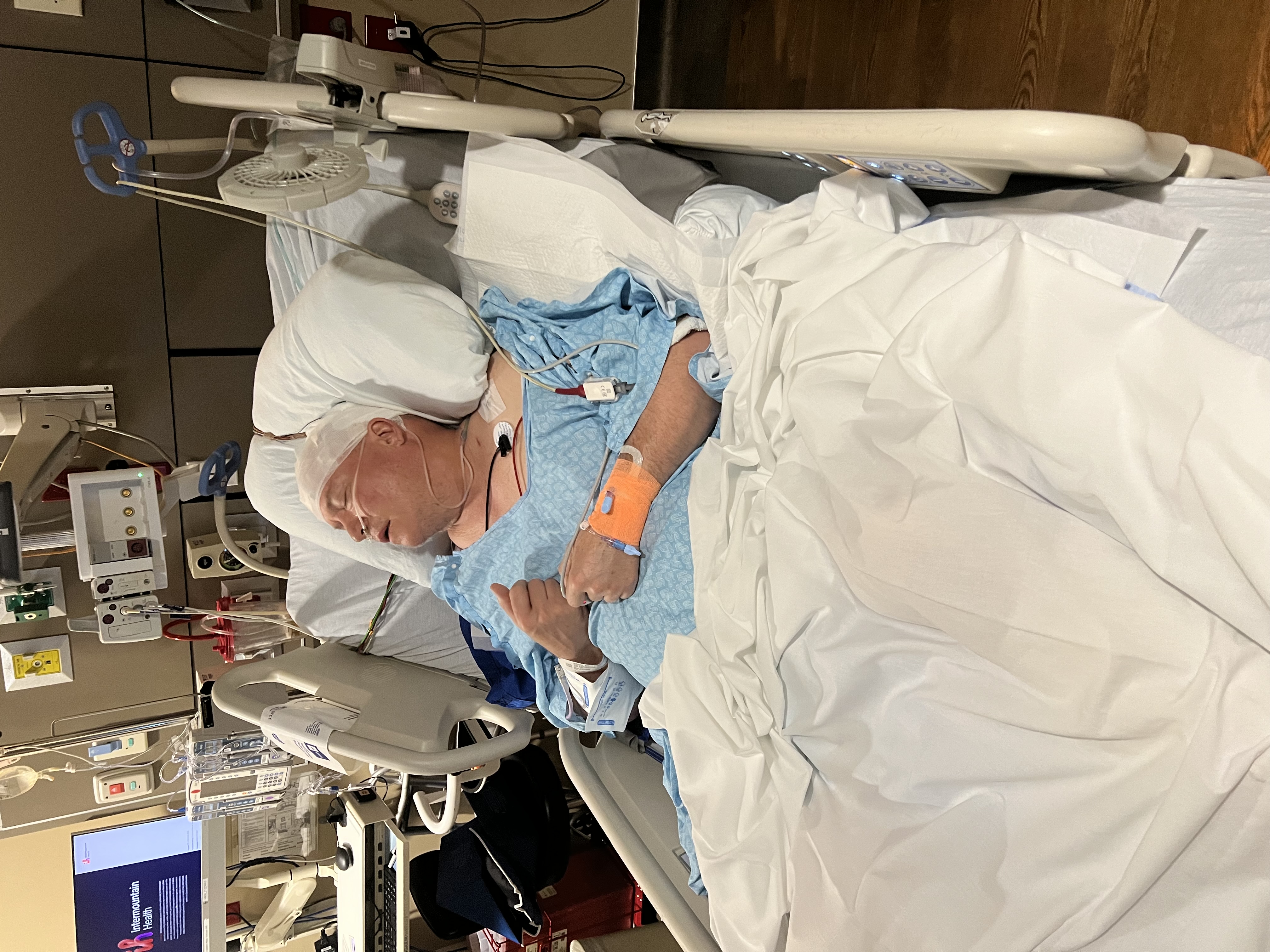
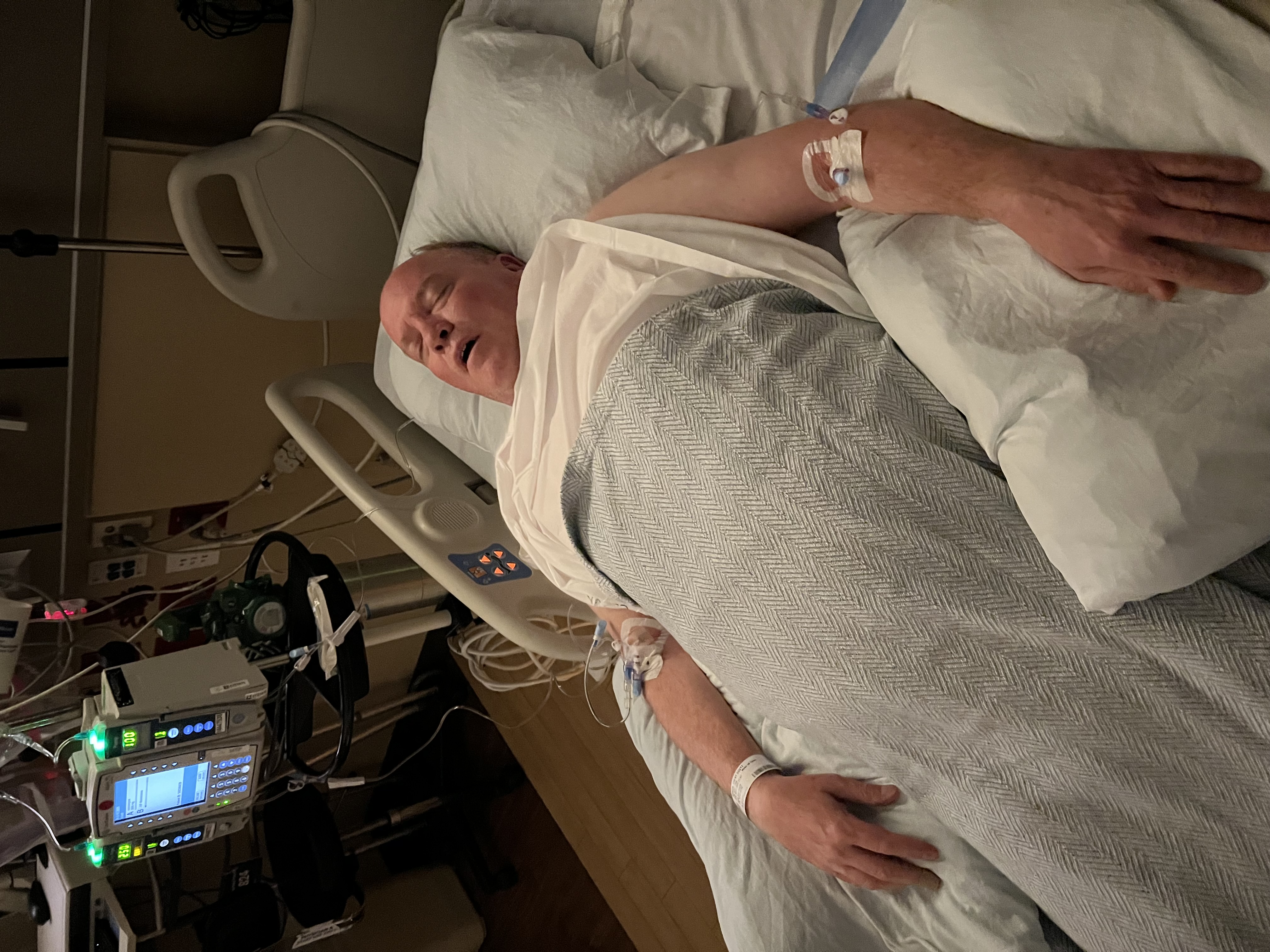
On February 20th, Scott was found confused, mentally impaired, and slurring his words. An ambulance was called, and he was taken to Utah Valley Hospital.
Upon arrival at the ER, he underwent scans for a possible stroke, including a CT scan, MRI, lumbar puncture, and blood tests to determine what was happening. The scans came back clean, showing no evidence of a stroke, brain bleeding, swelling, or any structural concerns. As a family, we informed the doctors that he is diabetic, and his blood tests indicated toxicity. They diagnosed him with diabetic ketoacidosis (DKA) as a contributing factor. He was treated and moved to a hospital room to recover.
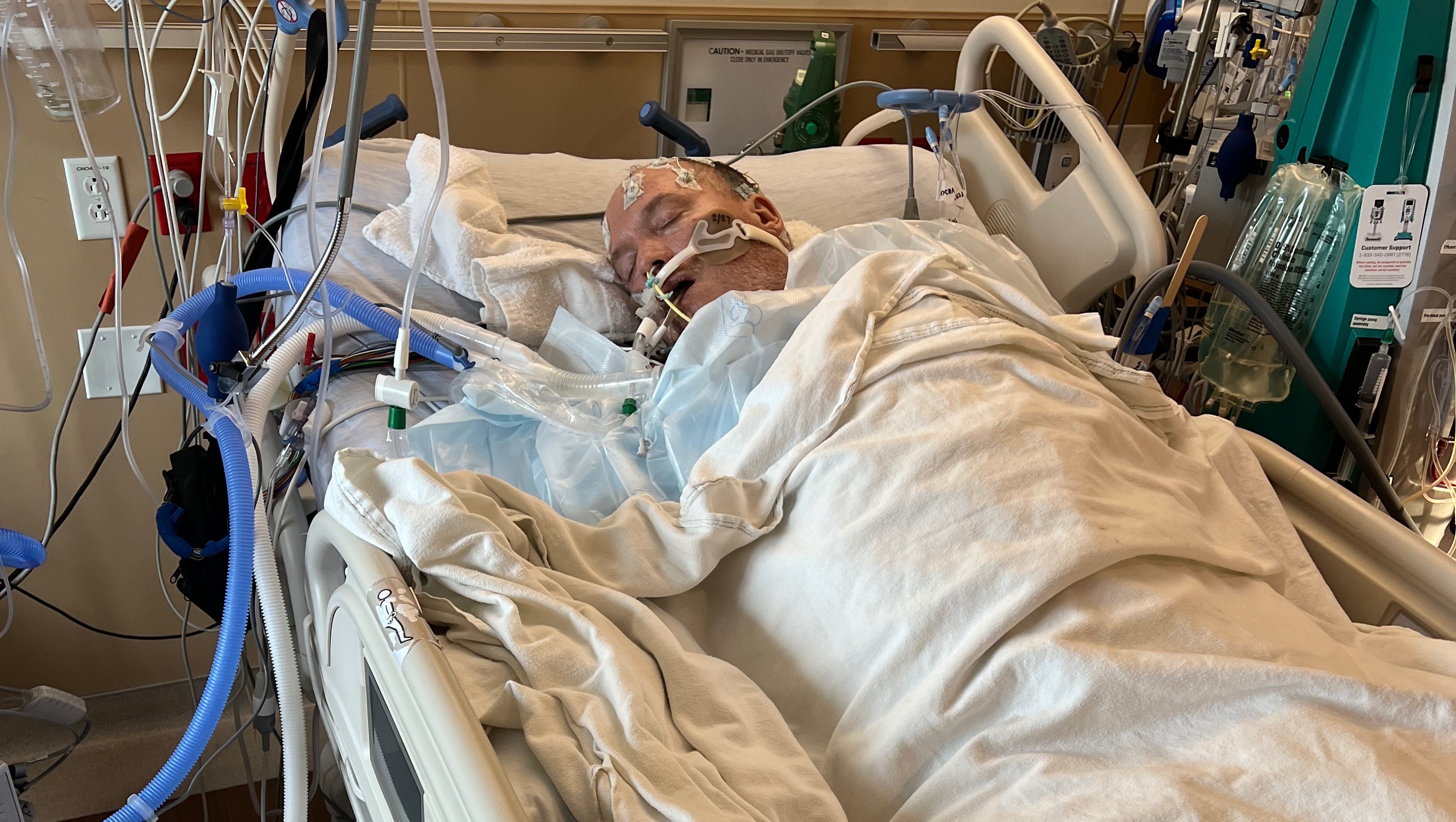
However, the doctors remained concerned about his severe cognitive impairment, as DKA alone was unlikely to cause such profound brain dysfunction. To further evaluate his condition, they connected him to an EEG machine to monitor his brain activity. Hours later, Scott suffered a seizure that caused him to flatline. He was resuscitated and rushed to the ICU, where they continued testing and monitoring. As he experienced more seizures, doctors began sedating him in an attempt to relax his brain and stop the seizures.
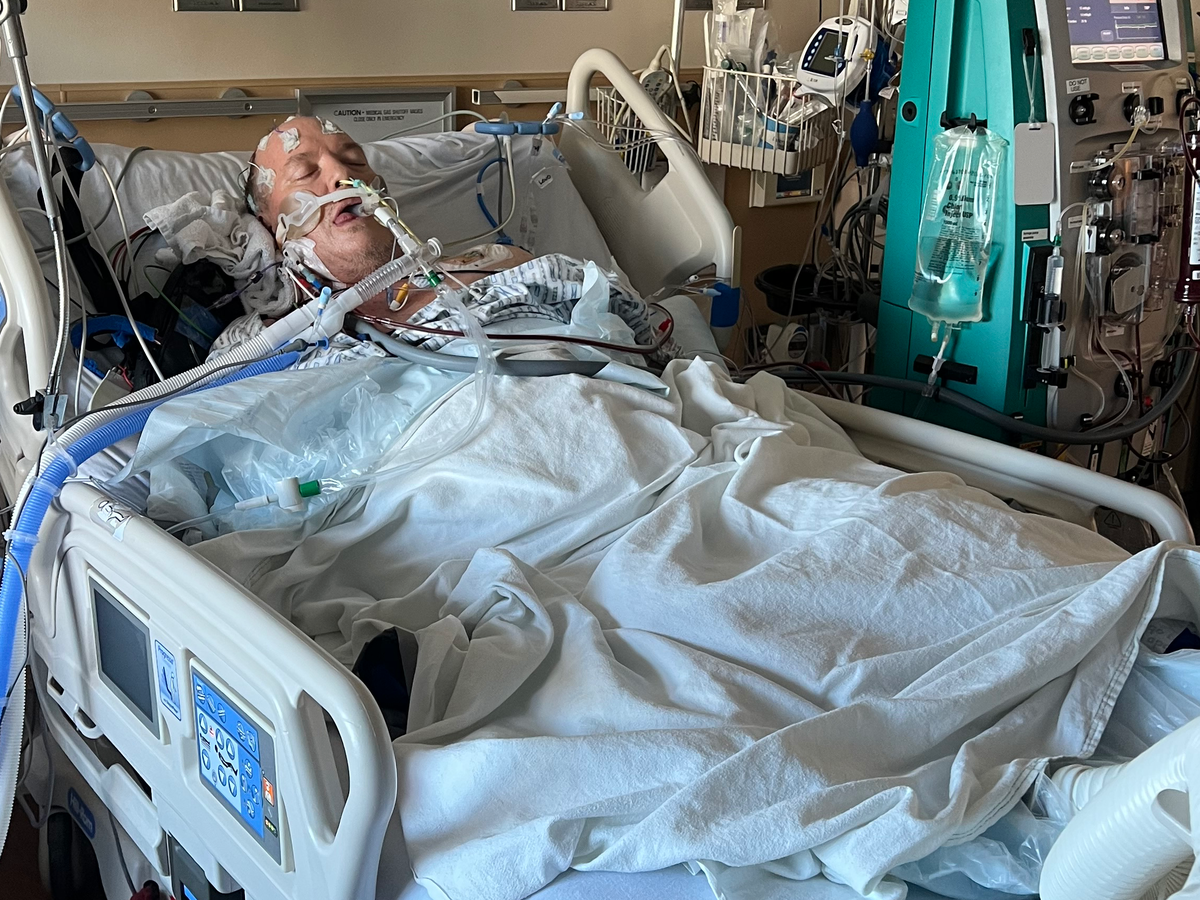
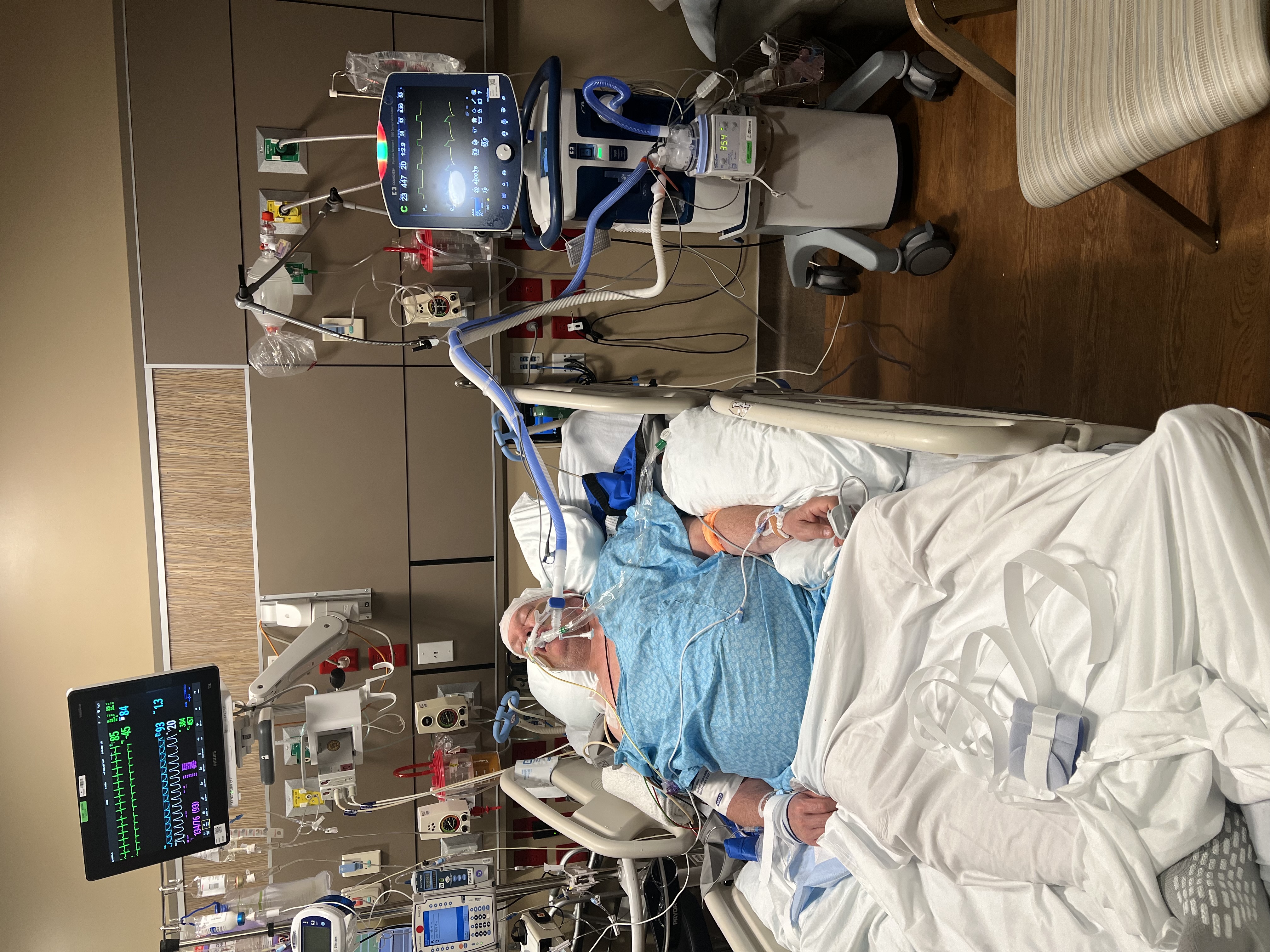
After 30 hours without a seizure, the medical team attempted to reduce his sedation to allow him to regain consciousness. However, as he began to wake up, the seizures returned. To protect his airway, he was placed on a ventilator.
Doctors suspected a viral infection causing meningoencephalitis. The major concerning viruses (HSV, Varicella, etc.) came back negative, but they continued testing for bacterial, fungal, and autoimmune causes.
At this point, seizures became the biggest concern. They became more frequent, and he required transfer to Intermountain Medical Center, where he could receive specialized neurocritical care with 24/7 neurologist supervision.
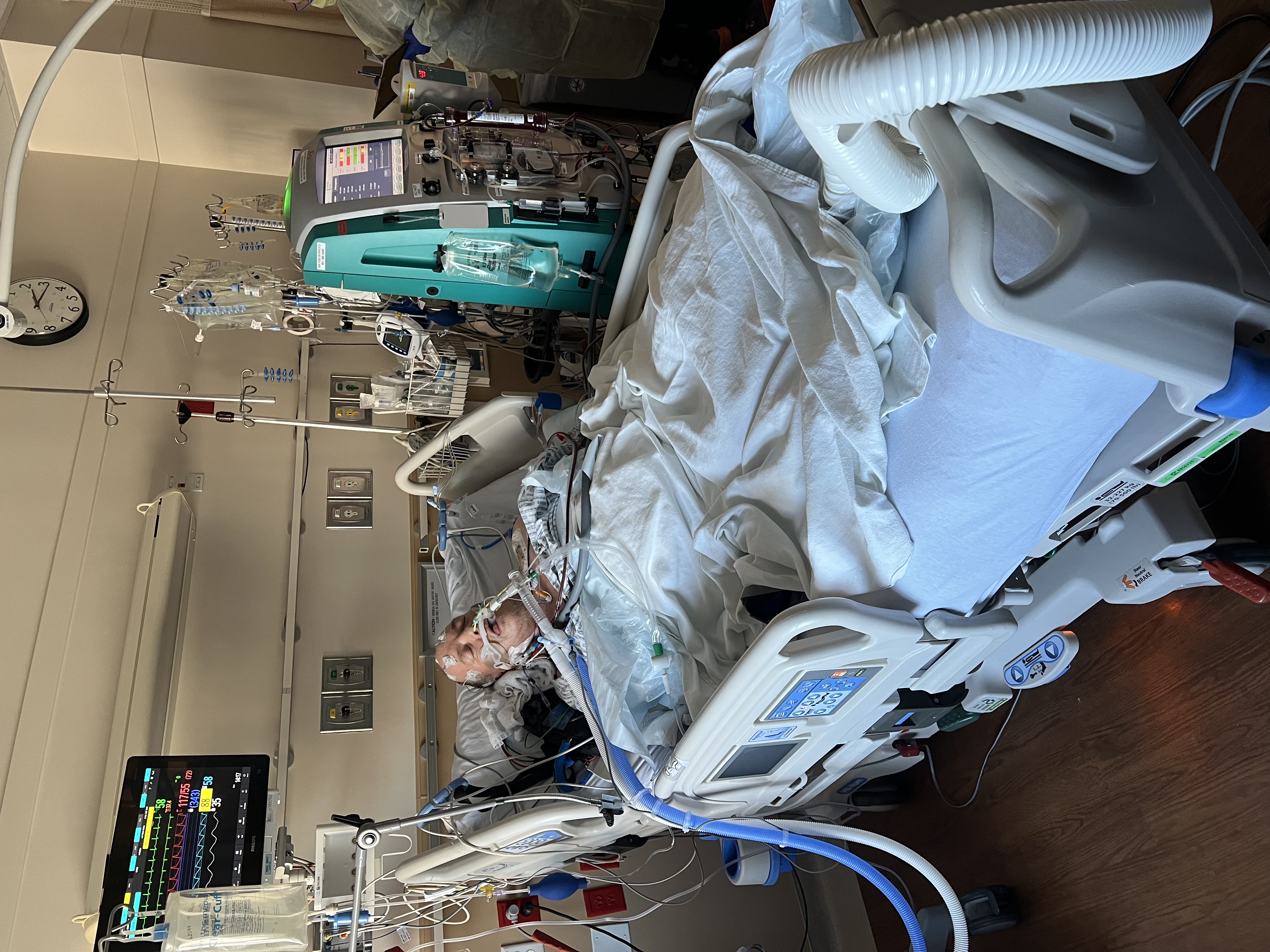
Upon arrival at the new hospital, treatment became much more aggressive. Doctors ordered extensive and costly blood and DNA tests and began empiric treatments. Scott entered a state of “super-refractory status epilepticus,” meaning his seizures would not stop despite treatment. He began experiencing 50-60 seizures per day, spending 3-4 hours seizing daily. The medical team is still working to find the right sedation medications and dosages to stop the seizures. Due to the toll of all the medications, he had to be placed on dialysis to protect his kidneys.
We need more time for test results to come back so we can identify the underlying cause of his seizures and begin targeted treatment.
As a family, we are asking for any donations to help cover medical and recovery costs, allowing Scott and Michele to focus on healing without the financial burden.
Venmo - Michelemartin24