- D
- J
- C
Donate to Help Provide Mark with a Seizure Response Dog
0% complete
$11,244 raised of $27K
156 donations
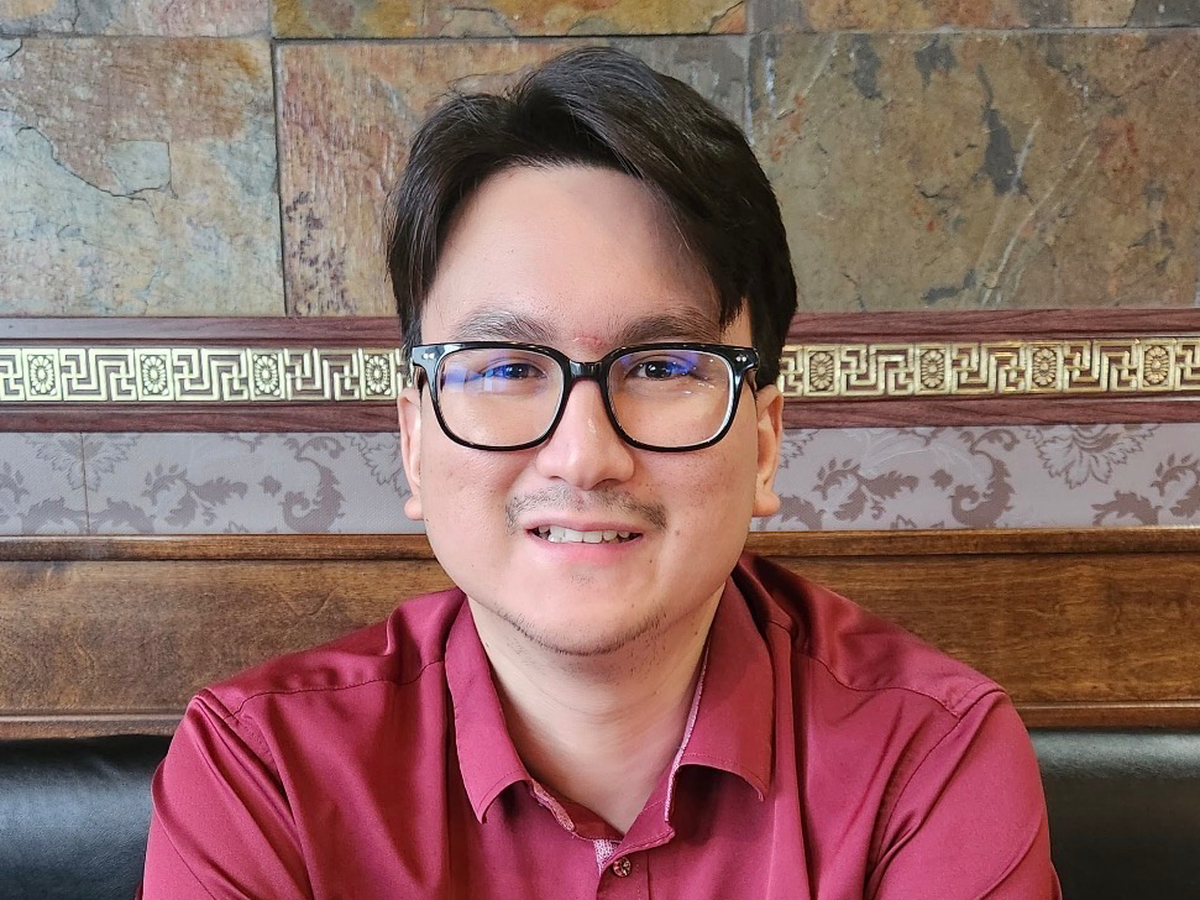
Hello all, my name is Mark and I have epilepsy. I have been diagnosed with this since 2012. Specifically, I have Late-onset Lennox-Gastaut syndrome (LGS), which is a rare form of epilepsy. I have multiple seizures a day and unfortunately my medical team (primary care physician, several neurologists in Florida and Canada, and an epileptologist at Mayo Clinic) have determined my seizures are drug resistant and due to not have a focal point from which they start, I am not a good candidate for brain surgery. I’ve worked with several neurologists and epilpetologists since 2012 and will continue to receive treatment from my medical team, but they have determined that no combination of medication or treatment currently available will get me to being completely seizure free. I am looking into getting a service animal to serve as my seizure response dog. They are expensive and due to this, I am reaching out to ask my community to assist with the funding.
Here are a few details:
- We have located a 6 month old dog named Rumble, who is in North Carolina and has been suggested as being a good fit for a service dog due to her intelligence, confidence, and task-oriented focus.
- Purchasing a fully trained seizure response dog varies in cost, but on average ranges from $20,000 - $30,000
- Bringing your own dog to seizure response training is generally around the same cost of $20,000 as well. This does not include the cost of the dog.
My amazing wife has provided more details about my epilepsy, which includes different types of seizure:
Tonic Clonic (also known as grand mal)
Seizures in which Mark loses control of his muscles and are characterized by him falling and convulsing are the most severe type he has. In these seizures, his arms and legs will seize, tense up, or jerk. His head usually turns and stiffens at an angle. His jaw clenches, and he will grunt and spit. The saliva may contain blood as he might bite his cheek or tongue. Sometimes you may hear a yell at the start of the seizure. The seizure itself may last a minute or two, but the "post ictal" phase or aftermath of the seizure varies in length. Immediately after these seizures, Mark may be unconscious and could fall asleep. When he comes to consciousness, he is oftentimes extremely confused and may have difficulty speaking, walking, remembering, returning to previous tasks, etc. Recovery time afterward can take several hours or longer.
Impaired Awareness (also known as complex partial seizures)
These seizures may be characterized by Mark falling, but sometimes he will only stumble or may just keep standing entirely. Generally, his mouth may open or go slack. You will see repetitive motions in his arms and legs. He may move his arms up and down or rotate his arms or hands. He may rhythmically shake his legs and feet. He may sigh and cross his arms and adjust his facial features (raise his eyebrows). These seizures last anywhere from a few seconds to a minute or so, but generally no more than a minute. He will be confused afterwards and may not recall what he was doing or saying in the moments preceding the seizure. These seizures are frequent and occur daily, and are often a fall and injury risk. There are occasions where he may have "clusters" of these seizures where he will experience many back-to-back over the course of an hour or two. Recovering time after can vary but generally takes no more than 10-15 minutes.
TLDR: I have diagnosed epilepsy since 2012, characterized by multiple seizures day, that my medical team has determined is drug resistant and extremely difficult to treat. They recommend a service dog for seizure response and I am seeking support for funding due to service dog training’s length and cost.
Any little bit will help, thank you for your assistance!
Organizer