Donate to help Caleb get better vision
0% complete
$23,346 raised of $17K CAD
105 donations


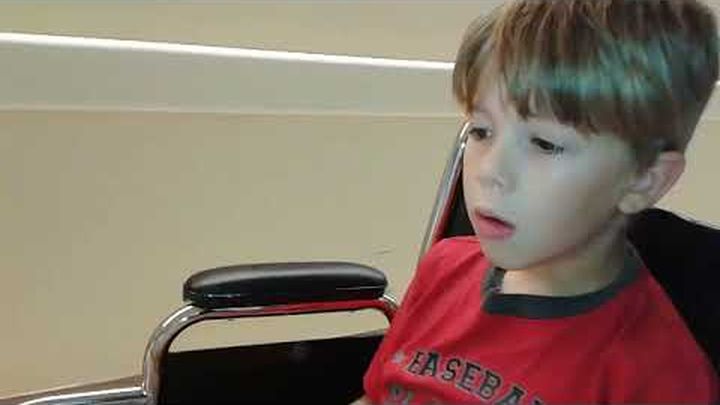
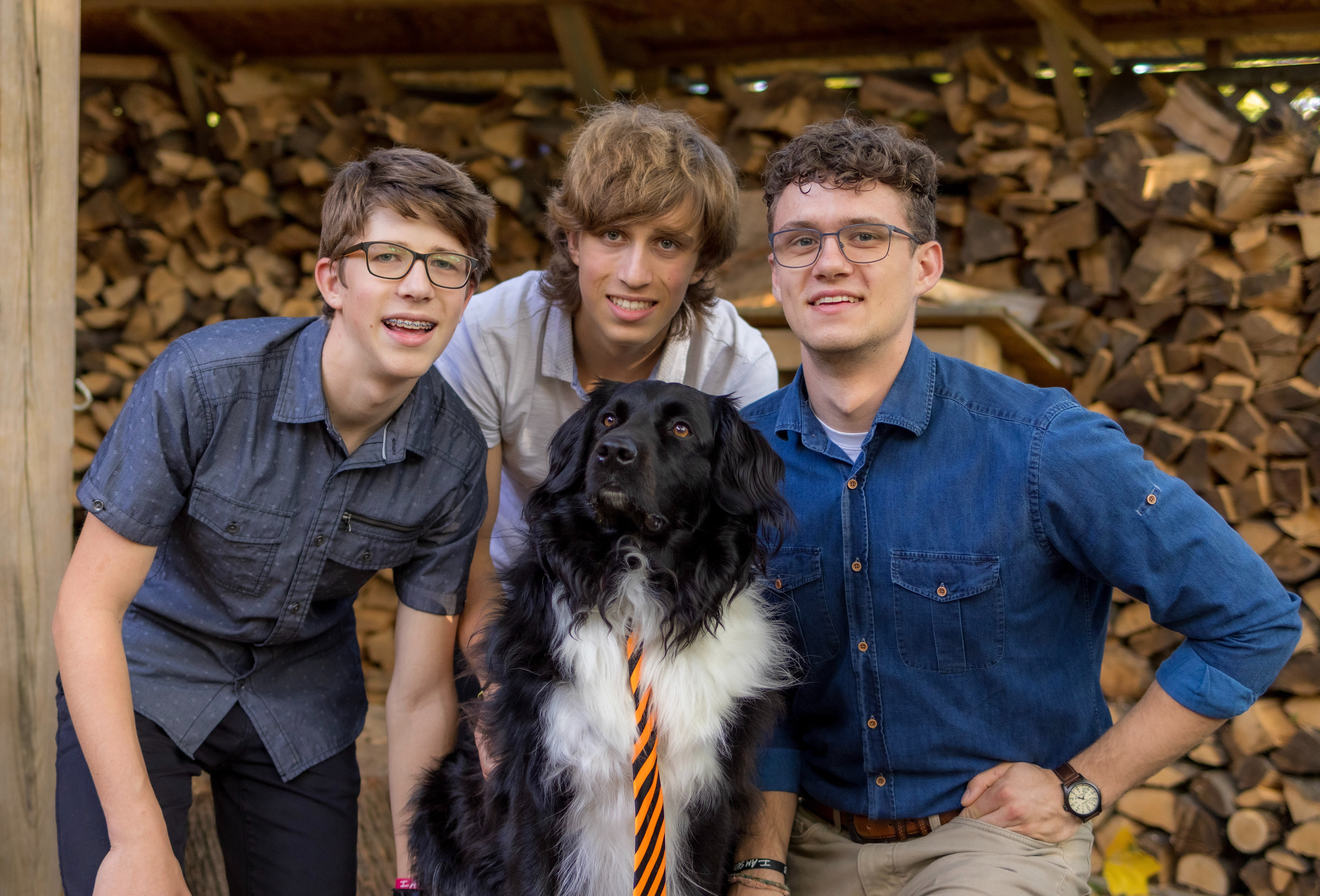
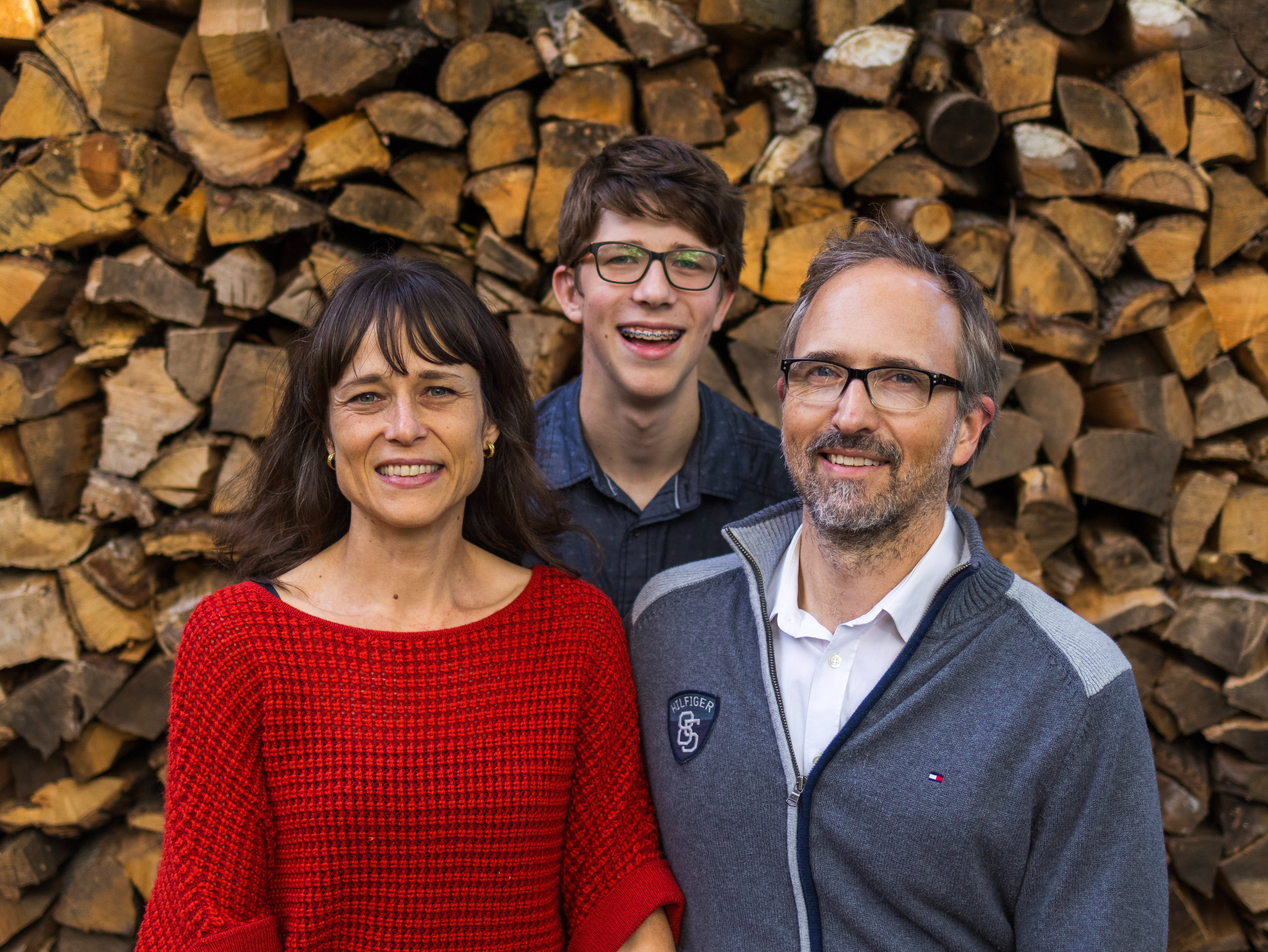
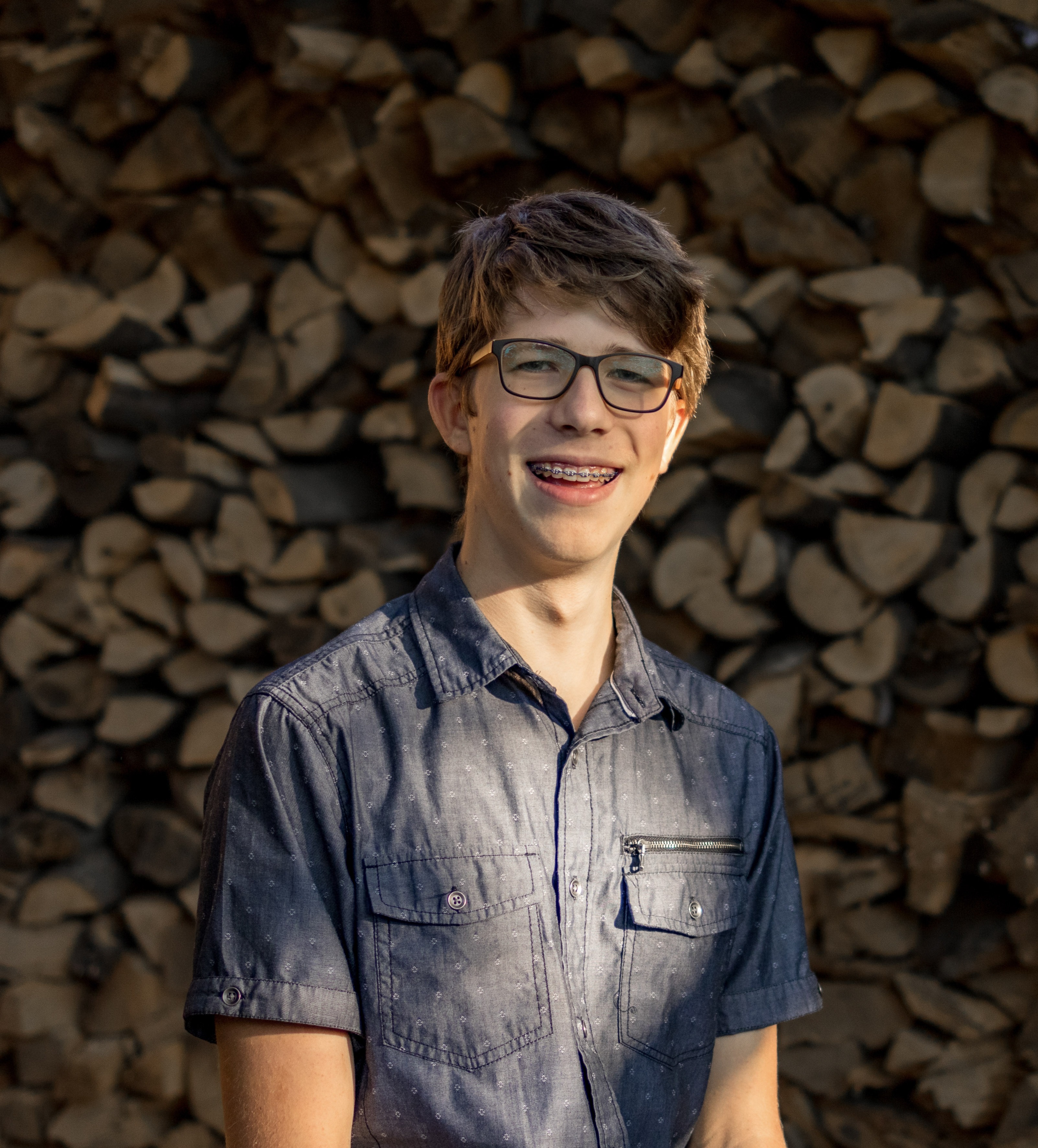
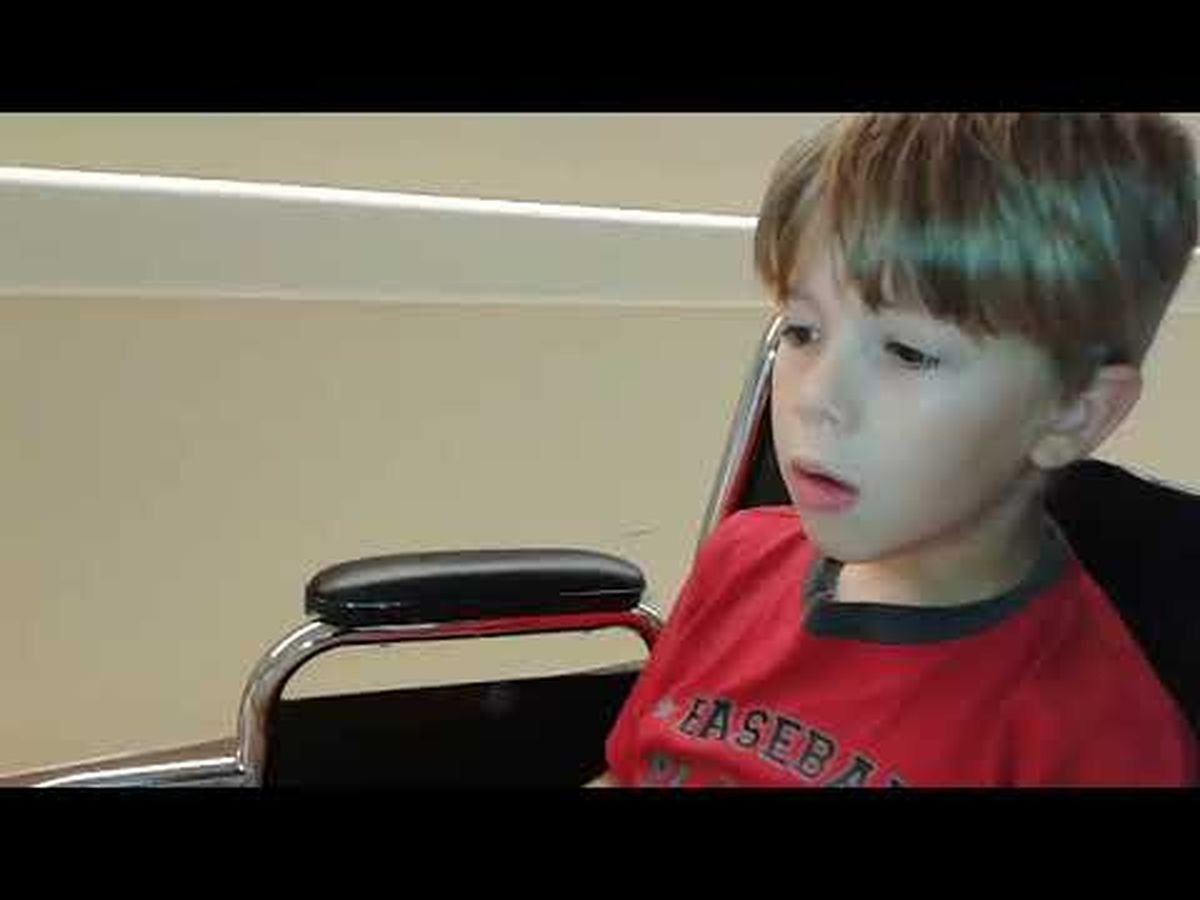
Hi, I'm Debbie and I'm fundraising for my son Caleb. Caleb is now 16 and has low vision. But it still feels like yesterday that I was watching him and his older brothers run around a shed in their grandparents' backyard, watching them laugh and squeal, delighted to see Caleb doing what normal 4-year-olds do. It all ended abruptly when Caleb tripped over an uneven part of the path and skinned his knee. When it happened again a second time not 5 minutes later, I knew he had finally figured it out: his eyes didn't work like everybody else's. And now he knew it. "Mommy, I'm a faller!" he sobbed as he came running to me with bloody knees.
My heart shattered into a million pieces as I tried to console my little boy while falling apart on the inside myself. As long as Caleb thought he was “normal” it wasn't quite so hard to come to terms with the reality of his poor eye sight. But now he knew that he was a “faller”. He would become more cautious, perhaps even fearful. He would become self-conscious about his inability to make proper eye contact. Perhaps kids would tease him because his eyes jiggled and he had to tilt his head in a weird way to see anything.
This wouldn't be the last time my heart would break over my little boy. There were times I spotted him on the school playground, standing and silently weeping as he looked for his mom but couldn't see her standing just a few yards away, thinking that he'd been abandoned. In those years he was plagued by nightmares that he had been abandoned by his family, forced to negotiate an out-of-focus world alone.
There were the visits to Sick Kids hospital in Toronto, the sedated ERGs and MRIs. World-renowned specialists trying to solve the riddle and provide a prognosis. For 6 years we waited, wondering whether Caleb would lose his vision altogether. Finally we received a diagnosis: X-linked Congenital Stationary Night Blindness. A mouthful, but an answer. This rare condition was, thankfully, a stable one. But there was no treatment. No surgery to fix this. The glasses would help a little, but he would always see the world through a glass dimly.
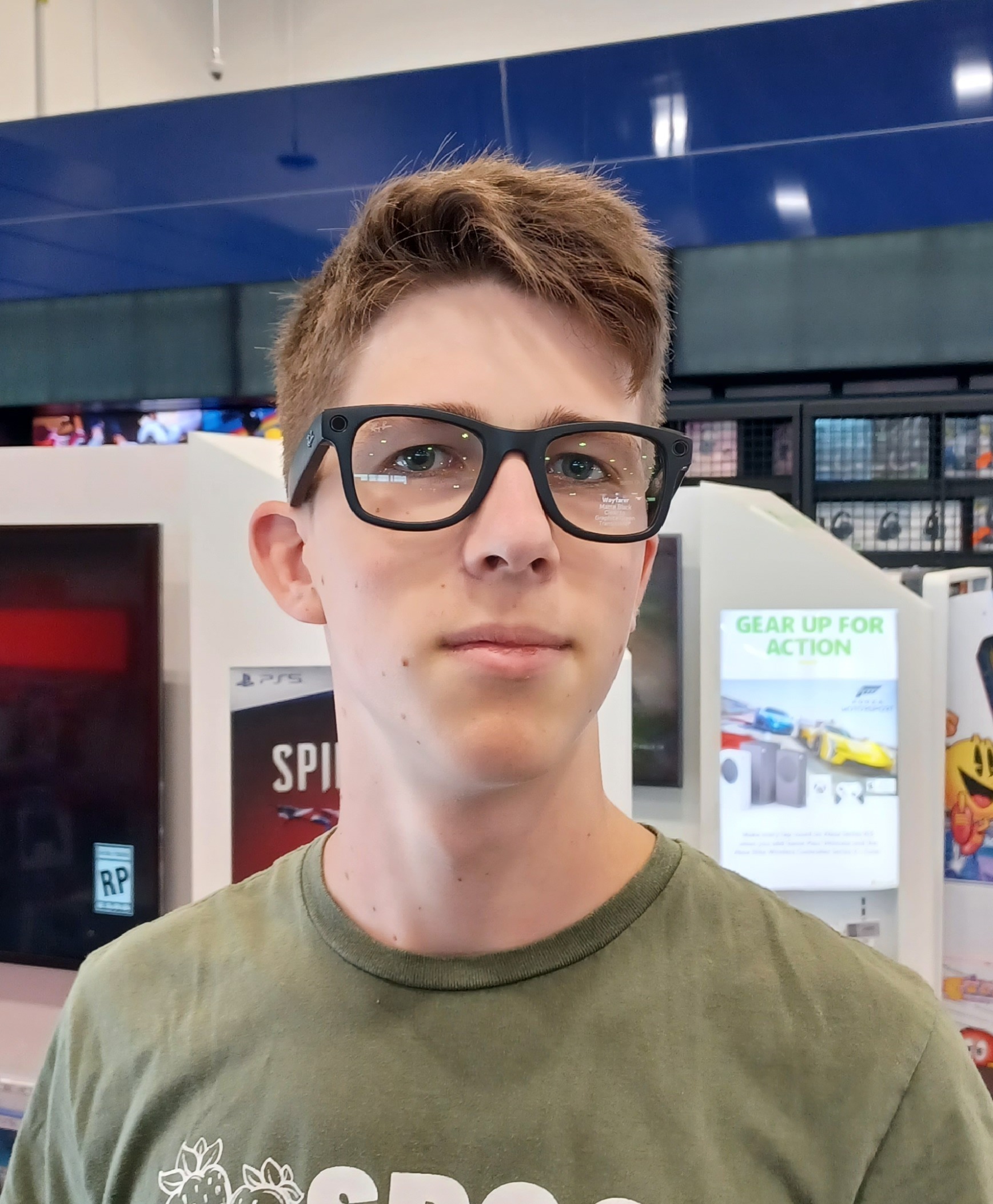
As Caleb grew, he surprised all of us with his indefatigable joy and contentment. He was cautious, yes, but he did not become fearful nor fall into self-pity. By the time he was a teenager he mused, “You know Mom, I kind of feel like I could be an example to other kids. There are a few things wrong with me, but I'm happy anyway. I know this isn't my best life yet. One day I'll have new eyes, but for now I'm content. I think a lot of kids who have something wrong have a hard time being happy.”
Once again I came undone on the inside. This time I knew Caleb would be OK. He knows he's different, but he's OK with that. He hasn't let his inabilities stop him from trying things. He has figured out that he's terrible at Ultimate Frisbee, but plays anyway when he's with friends. (He throws well, but with 20/200+ vision he can only catch accidentally!) Despite having to work much harder than others to achieve balance, Caleb learned how to skate and bike. His life has been full despite his significant visual limitations.
At a pretty early age he figured out that he has a pretty good ear and began making music. It didn't take long for Caleb to pick up one instrument after another. He learned how to efficiently memorize music since he was not able to switch focus between his sheet music and his instrument. Having absorbed his world primarily through his ears, Caleb noticed sounds that we ignored. He began creating and mixing music digitally. His friends now call on Caleb to help them make their musical creations better. He's looking at pursuing dreams of audio engineering after high school.
Recently we came across an optometrist in Illinois who specializes in vision therapy for people like Caleb. For the first time we have dared to hope that there may be something that can be done to improve Caleb's vision. This therapy targets one of the biggest issues Caleb has with his vision: nystagmus, or “jiggly eyes”. Over a period of 16 months, this clinic will work with Caleb's brain and eyes to do what we were always told was impossible: rewire the brain, relax the muscles around his eyes, help him to focus and gain depth perception, and hopefully allow him to have better vision for the things he loves to do (and even those he doesn't love as much, like school!).
We would love for Caleb to be able read with less difficulty. To ride a bike more safely. We'd love for him to be able to create his digital music or complete his homework on a computer without having to constantly lean in and strain his eyes to see. We want him to have the best chance at living a full life independently.
The cost of the therapy is $12,000 USD. Currently that amounts to just under $17,000 CDN. This does not include the cost of supplements or other local vision care that we will be paying for out of pocket. Despite the high price tag, we feel that we cannot say no. We are hopeful that there will be others who love Caleb – or who are impacted by his story – to join us as we work to make this happen for him. Thank you for taking the time read our story and considering how you can be part of it!