- G
- S
- J
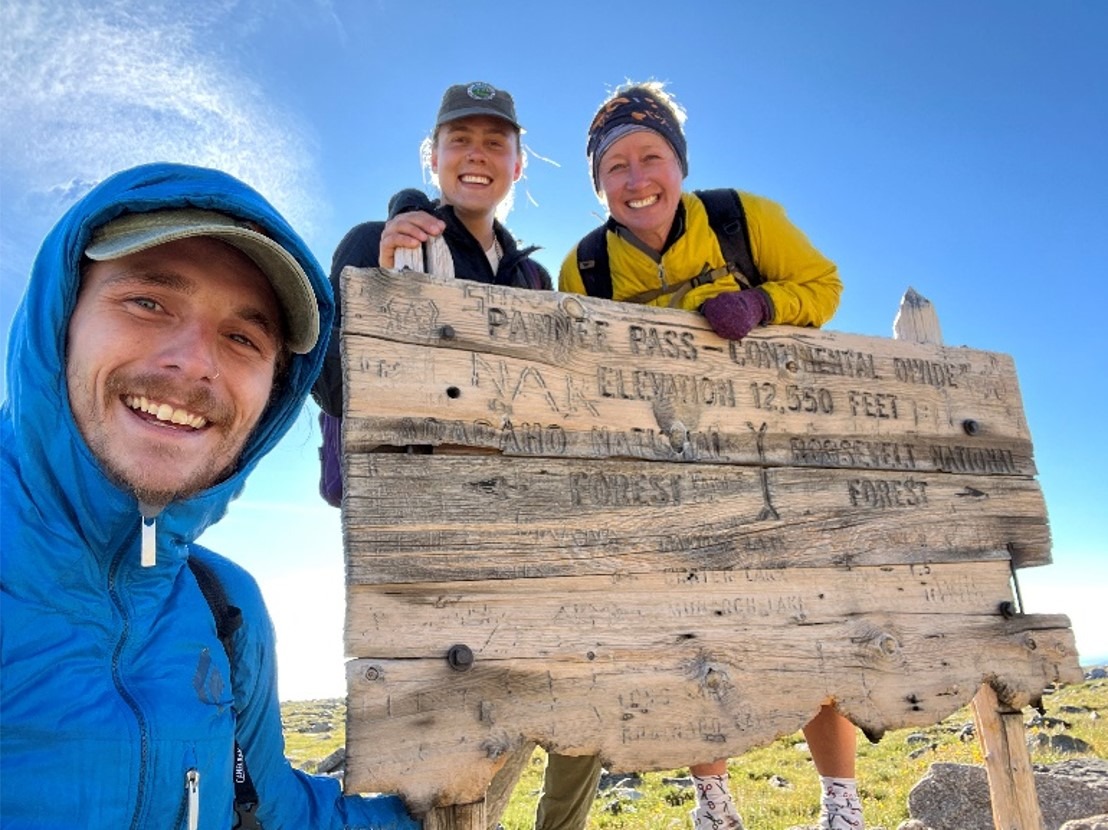
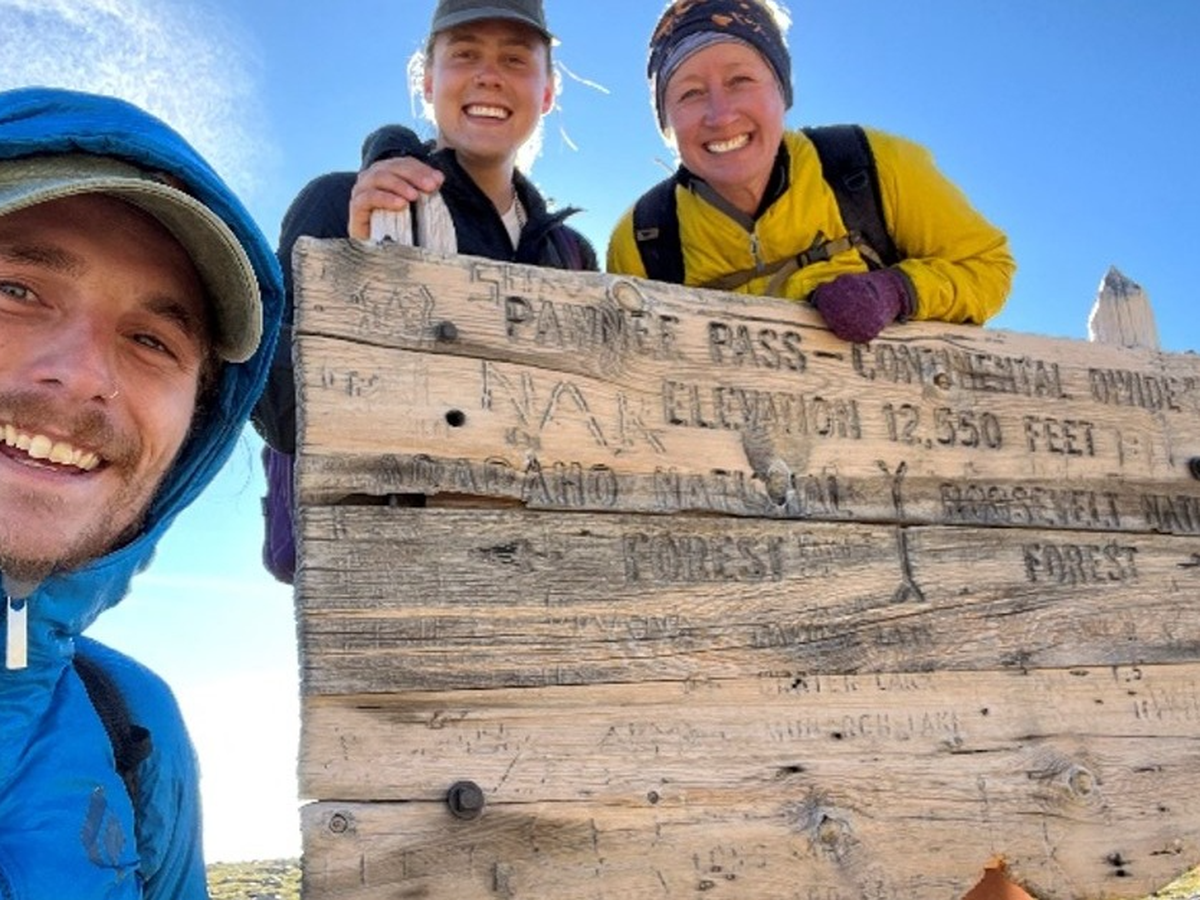
We are a team of three scientists at the University of Colorado Boulder undertaking a monumental task: writing the first-ever taxonomic treatment of the lichens of Colorado.
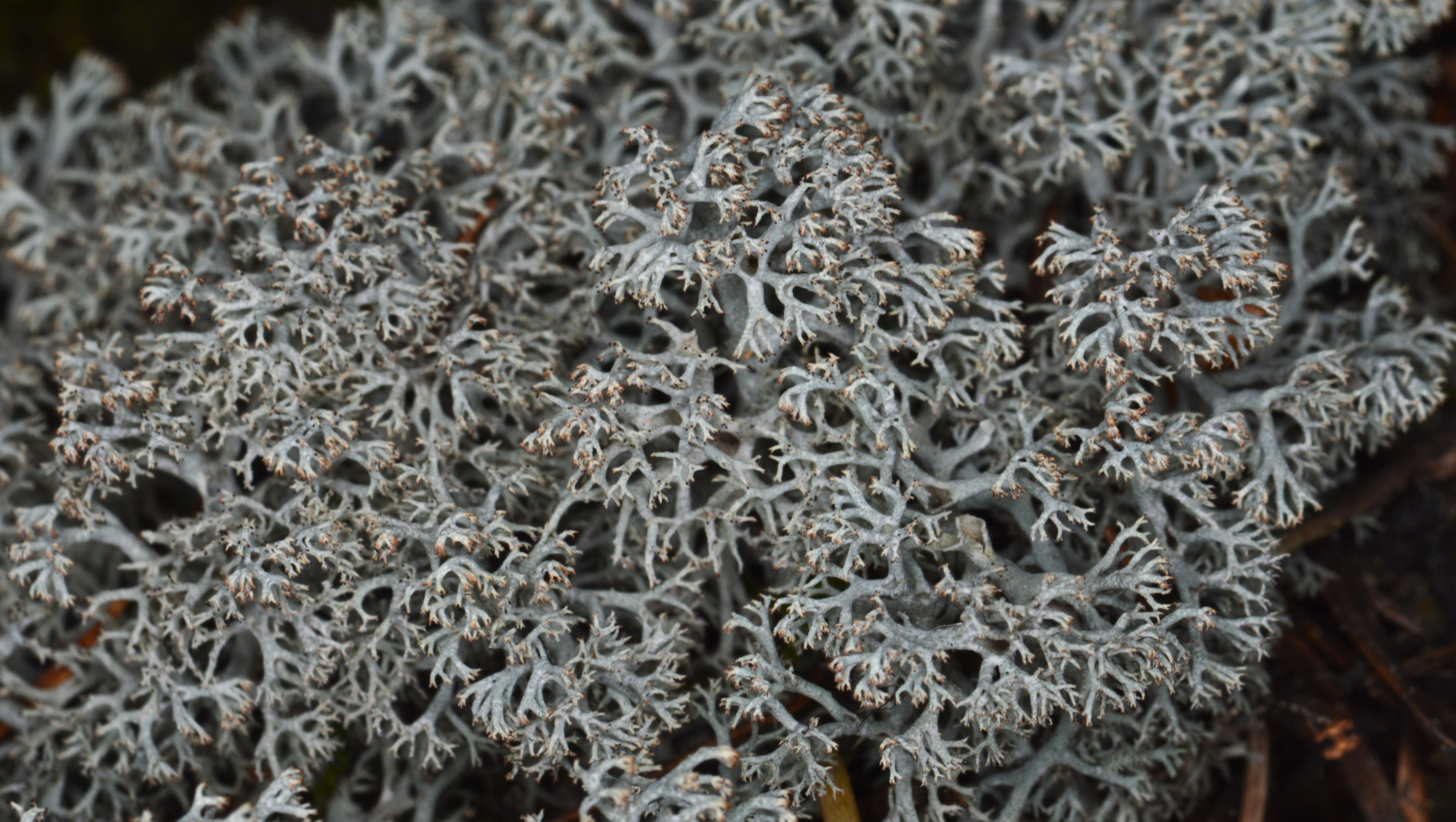
Cladonia arbuscula, an exceptionally beautiful, rare, and threatened lichen in Colorado.
Lichens are small, slow-growing symbiotic organisms made up of fungi and algae - and they're incredibly diverse, undeniably beautiful, ecologically vital, and unfortunately remain misunderstood, undercollected, and undocumented in Colorado. Everytime that we head into the field to collect lichens, we find new species to the state, new to North America, or new to science! We estimate that >1,800 lichen species likely occur in Colorado; however, before we started our work three years ago, there were <700 species documented to occur in the state. We aim to more than double this number and to clarify long-problematic taxonomic issues of this wonderful lichen biota, ultimately enabling, for the first time ever, the ecological monitoring and conservation of these sensitive organisms by land managers, conservationists, academics, and the public alike.
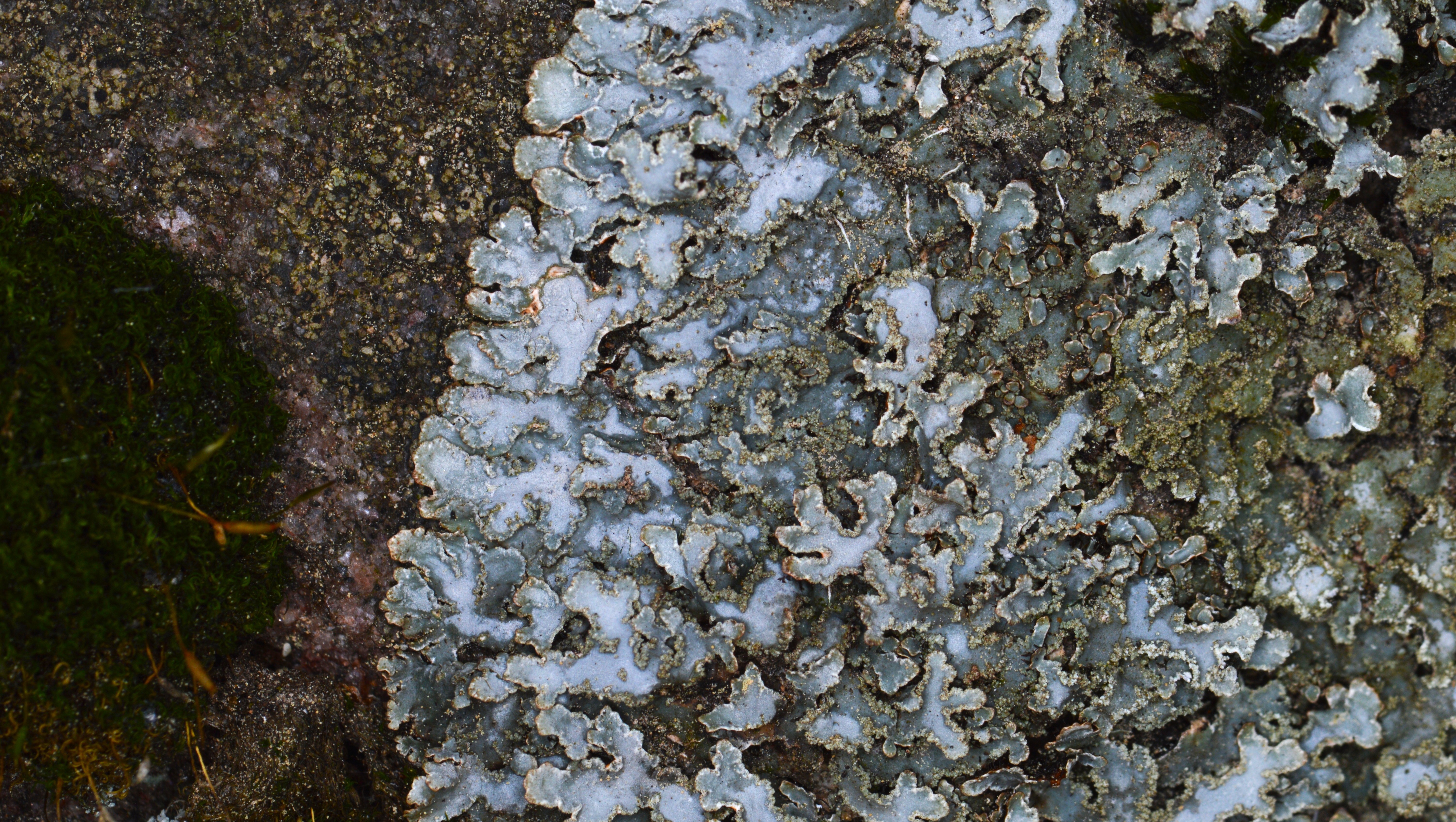
Parmelia fraudans, an indicator species of long-stable microclimates only found in mature middle-elevation forests.
Why Colorado Lichens Matter
Lichens are:
- Early indicators of climate change and air quality
- Crucial to the health of alpine, forest, desert, and grassland ecosystems and the irreplaceable ecosystem services they provide
- A globally threatened and understudied group of organisms
- Uniquely adapted to the rocky, semi-arid, continental habitats of Colorado
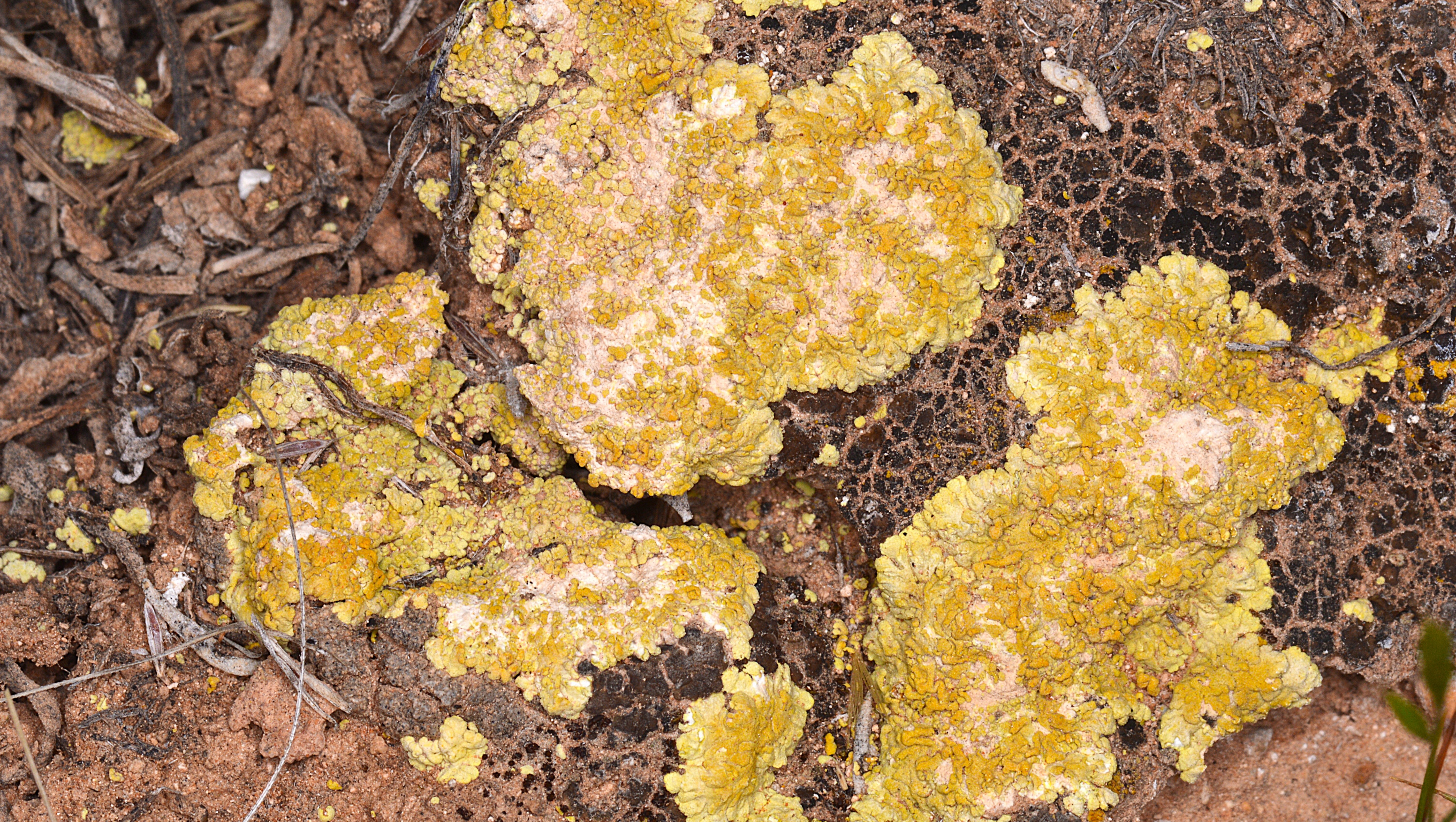
Gyalolechia subbracteata, an important soil-stabilizing and nitrogen-providing lichen native to the deserts and high plains of the American Southwest.
Without a modern taxonomic treatment, many Colorado lichen species risk going extinct before they're even known to science.
Our project Will Provide
✅ A comprehensive, publically-accessable, illustrated and full-of-pictures field guide to the Colorado lichens; similar to that written for the Great Smoky Mountains National Park
✅ Modern DNA-based identification resources via extensive universal barcoding
✅ Identification keys for scientists, land managers, educators, and nature enthusiasts
✅ A permanent scientific record of Colorado’s lichen diversity via myriad scientific publications
✅ Formal International Union for Conservation of Nature (IUCN) conservation assessments of all rare lichen species in Colorado
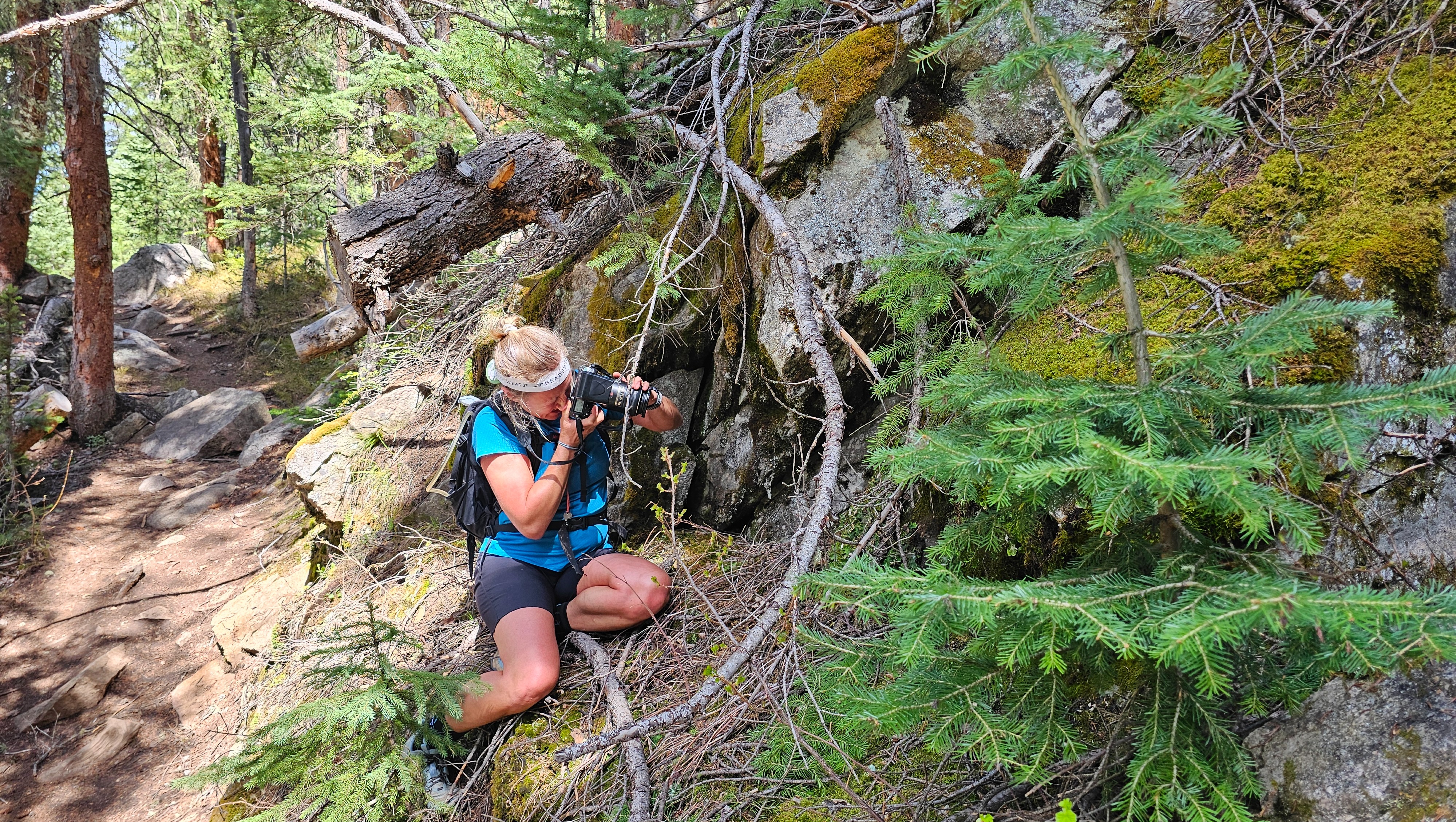
Erin Manzitto-Tripp taking high-resolution macro photos of a lichen growing on a mossy rock. Lichens are small, easy to overlook, grow on every substrate, and often hard to collect — a process often involving a three-pound club hammer and a chisel.
Where Your Support Goes
Taxonomic work is intensive. We need support for:
- Summer fieldwork across Colorado’s remote habitats
- Lab & herbarium costs (DNA sequencing, microscopy, chemical testing)
- Publishing our work openly so it’s accessible to all
- Outreach materials and funding to support undergraduate research experiences and inform public lands educators
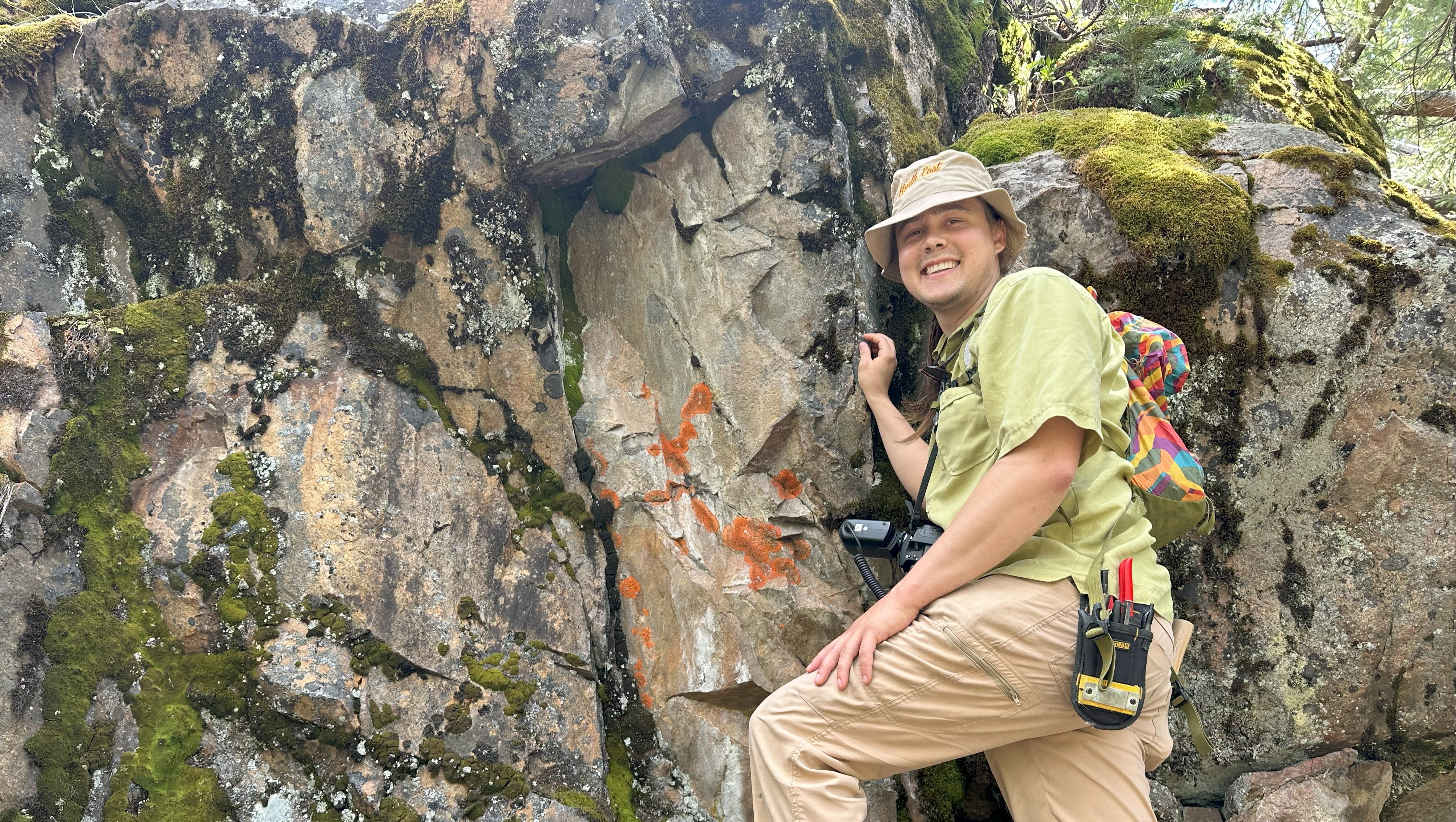
Jacob Watts surveying a lichenaceous rock in Holy Cross Wilderness for rare or interesting species to collect and deposit into the COLO herbarium at CU Boulder, the largest collection of Colorado lichens in the world. Later that day, we found a new species to science. Holy Cross is but one of 44 designated wilderness areas in Colorado. We intend to visit and collect lichens in all 44 wilderness areas in the state and hope to uncover tens of new species restricted to these intact, protected, yet understudied ecosystems.
Every Dollar Counts
This isn’t just a research project — it’s a mission to preserve and share the hidden biodiversity of the American West. Your donation helps us document and protect species that otherwise might vanish unnoticed.
Whether you can donate $5 or $500, you’re helping science, conservation, and education thrive.
Thank you for being a part of this journey — for science, for the future, and for the lichens.
With deep gratitude,
Jacob Watts, PhD Candidate;
Seth Raynor, PhD Student;
Erin Manzitto-Tripp, Principal Investigator & Herbarium Curator