- J
- T
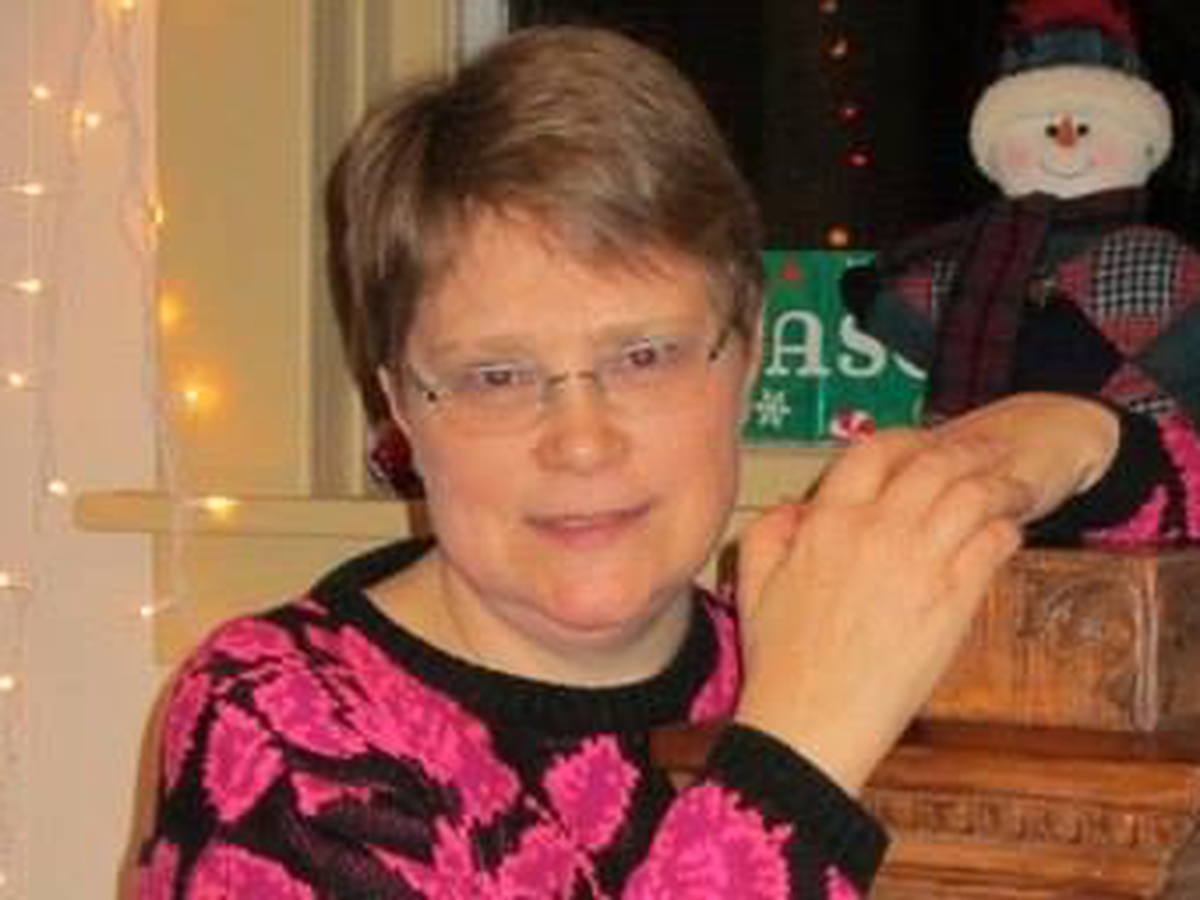
Donate to Help Debbie Miller Process Autistic Trauma
0% complete
$435 raised of $1K
13 donations
I’m a 63-year-old autistic elder. From age 11 through my age 53 level 2 autism diagnosis in 2014, thoughts of not wanting to live or taking my life were constant. This dissipated once I realized who I was & why I differed so deeply from the world around me.
In late 2023, after a year of severe mycotoxin illness prompted by long COVID, I received a promotion in my field of academic research methodology. This elicited supervisor jealousy. Unbelievable psychological manipulation broke my brain on 7/8/24. Subsequent hyper-surveillance during full-time leave, as well as while incrementally attempting to return, broke my body on 9/25/24. This was in the context of three hours’ testing the day before to confirm 53 years of struggling with auditory processing. My workplace terminated in November 2024 with the last day of paid administrative leave in February 2025.
During the last 3 months of 2024, I slept ~16 hours a day. A series of infections ensued, while my primary doctor blamed me for workplace demise hence declined seeing me. The cascading effect of workplace triggered provider abandonment, which left people in my personal life struggling to believe my reality. Late-diagnosed autistic women commonly find people in personal lives unable to move on from former misdiagnoses or accept the legitimacy of dysregulation. The challenge of auditory dominant world declining attention to written word by which I accommodate myself is also difficult for support systems to grasp.
In addition to complex trauma that all autistic people encounter in the normative world, mine formed at the nexus of growing up as a missionary’s kid in eSwatini, without anyone knowing I was deeply autistic. Hyper religiosity left me dysfunctional by age 21.
Six years ago, EMDR therapy connected me with my Swati inner child, but with the therapist’s lack of understanding autism prevented further progress. In 2022, I discontinued 40 years of US therapy & counseling for a UK neurodivergent coach. Her support has grown my understanding by leaps & bounds. However, she does not work with incapacitating trauma. Hailey Chappelle’s coaching demeanor is most suitable for autistic professional processing of late stage trauma.
Due to auditory processing concerns, writing is my most accessible mode of communication. However, therapists interact based on spoken communication. They mistake coping mechanisms as problems to be fixed. No mature autistic therapists are practicing in my state.
If a trauma therapist accepted insurance, 2025 copays would be $40/session increasing in 2026, without addressing the heart of the matter. Spreading 12 sessions with Hailey over several months will provide weekday email exchanges, in addition to her Safe & Sound library.
Signing up for the full package initially would cost $1,800. Signing up for 8 vs 12 sessions would only save $200, so I intend the larger package. My monthly income includes limited age 63 social security, plus a few hundred dollars from adjunct dissertation mentoring. Rent takes half of that, due to needing mycotoxin safety.
My reasons for needing to process the past couple of years’ trauma are multi-fold. First, I must minimize the dysfunction that results from expectations to accomplish requirements that “normal” has come to entail. That includes minimizing unsustainable strain on personal relationships, as well as the sheer exhaustion and physiological burden of societally imposed trauma. Secondly, I want to expand my work on doctoral dissertation committees in addition to maintaining current adjuncting for that purpose. I appreciate any amount you may be able to contribute toward that.
Thank you in advance for considering how you might support me in a society that labels my condition as burdensome. A suitable sounding board for processing a backlog of trauma will minimize that, in a world that offers no support for autistic adults, particularly not for elder physiology exacerbated by lifelong undiagnosed hypermobile connective tissue.