Daisy’s Radiation Therapy Fund
0% complete
$2,382 raised of
33 donations

In December of 2025, my dog, Daisy, had her first ever seizure in the middle of the night. Naturally, this was a very shocking event and caused us a lot of worry. She got an appointment with neurology in the first week of January and had an MRI later that same week.
Unfortunately, there were two main things that were found. One, that she has had microbleeds in various areas of her brain. Two, she has a mass growing on the left side of her brain stem. Either could have technically led to the seizure, though microbleeds in senior dogs aren’t uncommon findings. The neurologist suspects the mass on her brain stem is a meningioma, a relatively slow growing mass compared to some other brain tumors. The problem with these tumors is that, as they grow, they compress the brain in the skull. With her mass being located on the brain stem, even small amounts of compression can cause major symptoms to arise. Symptoms such as more seizures, vestibular disease (loss of balance), loss of coordination, change in mentation (like becoming more agitated or confused), and potentially difficulty breathing and swallowing. The brainstem is a very important structure for a lot of basic bodily functions, essentially. Fortunately, she has otherwise been fine since December.
I’m a veterinary student at Ohio State and so I’m fortunate enough to have access to veterinary specialists at an academic institution. Furthermore, we are fortunate that this type of tumor is highly responsive to radiation therapy with some patients living more than 2 years after treatment. That may not sound like a lot to some people, but I used to work as a technician in veterinary oncology before going to vet school. Many of our patients had prognoses in the range of a few months to maybe a year (if we were lucky). In some really bad cases, a few hours to days was all an owner would get with their pet after diagnosis.
However, the costs associated with treatment of this type of mass are still substantial for a graduate student with loans. My husband is supporting both of us right now and I don’t graduate for another 1.5 years. Additionally, prognosis for this type of tumor is not nearly as good with palliative treatment alone (mainly steroids and comfort care). Her neurologist said that, without more advanced treatment like radiation, we could only expect a few months.
I know there are a lot of opinions on advanced treatments for pets. Is it right to put them through it? What is their quality of life? As someone who worked with patients like these for several years, I can tell you that oncology in pets is very different than in human medicine. Our radiation patients rarely seemed to even notice they were being treated for cancer. Most showed improvement in quality of life, not just quantity. Especially with meningiomas, the general prognosis with treatment is good (which can’t often be said about cancer in pets).
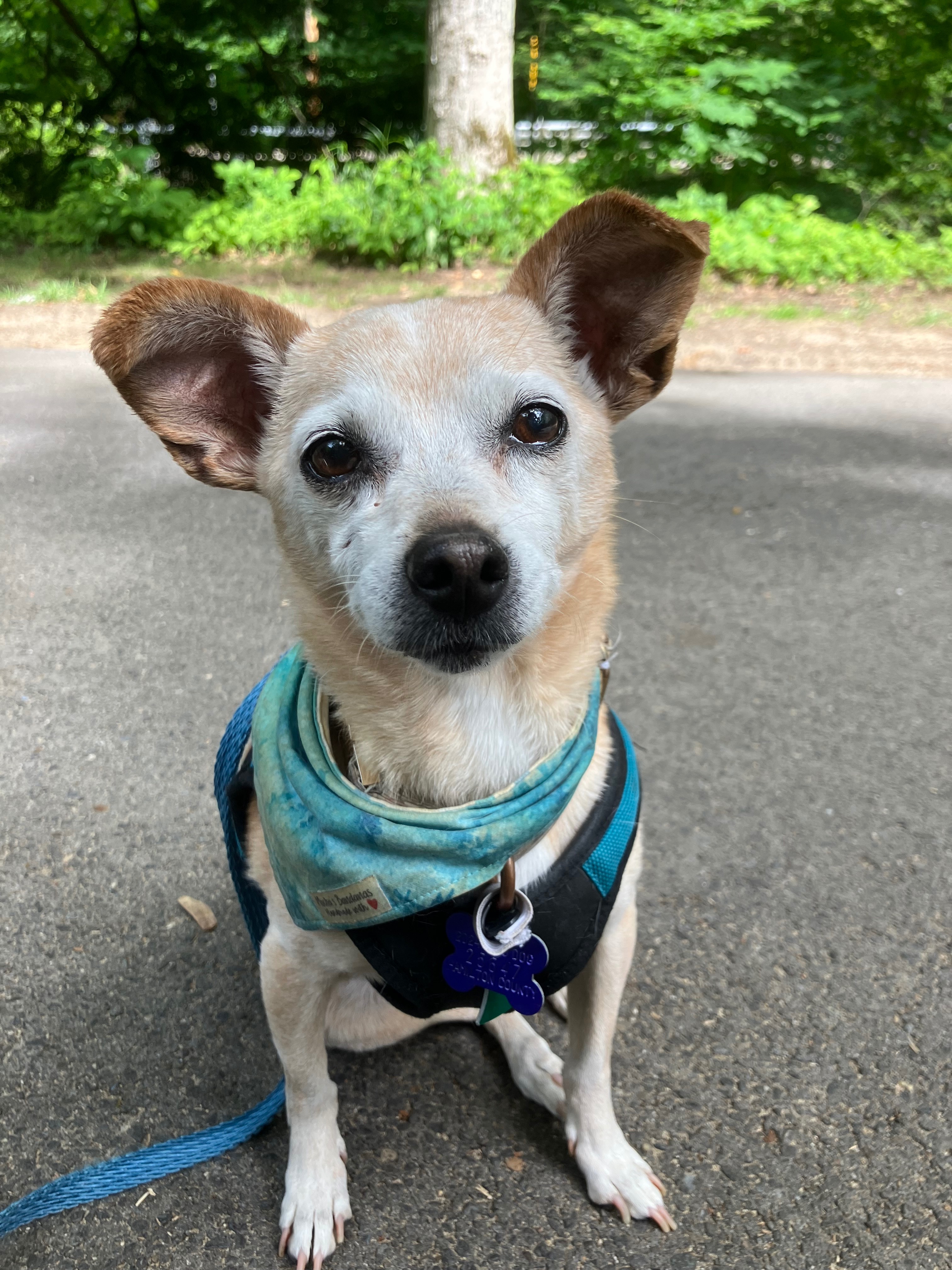
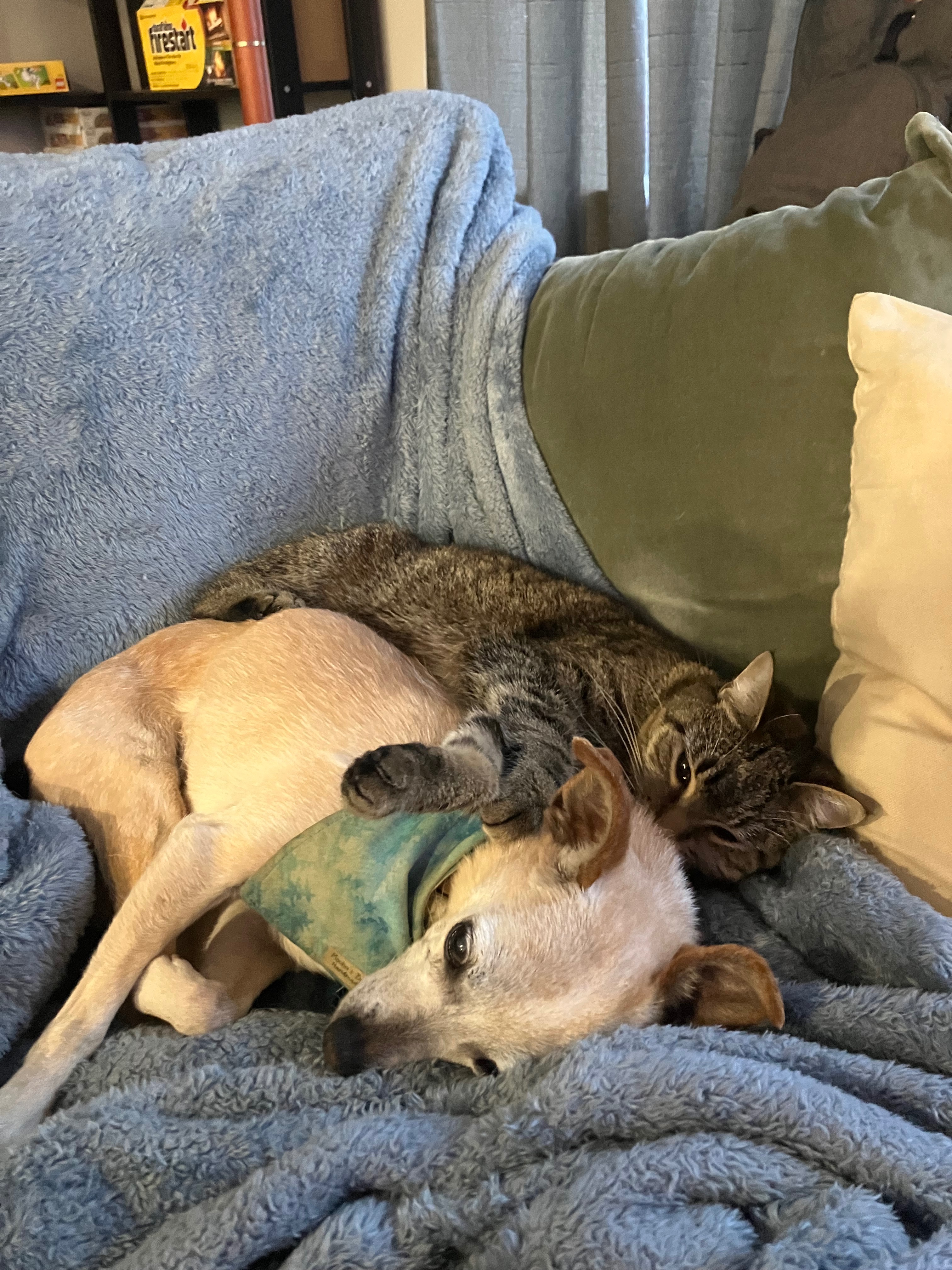
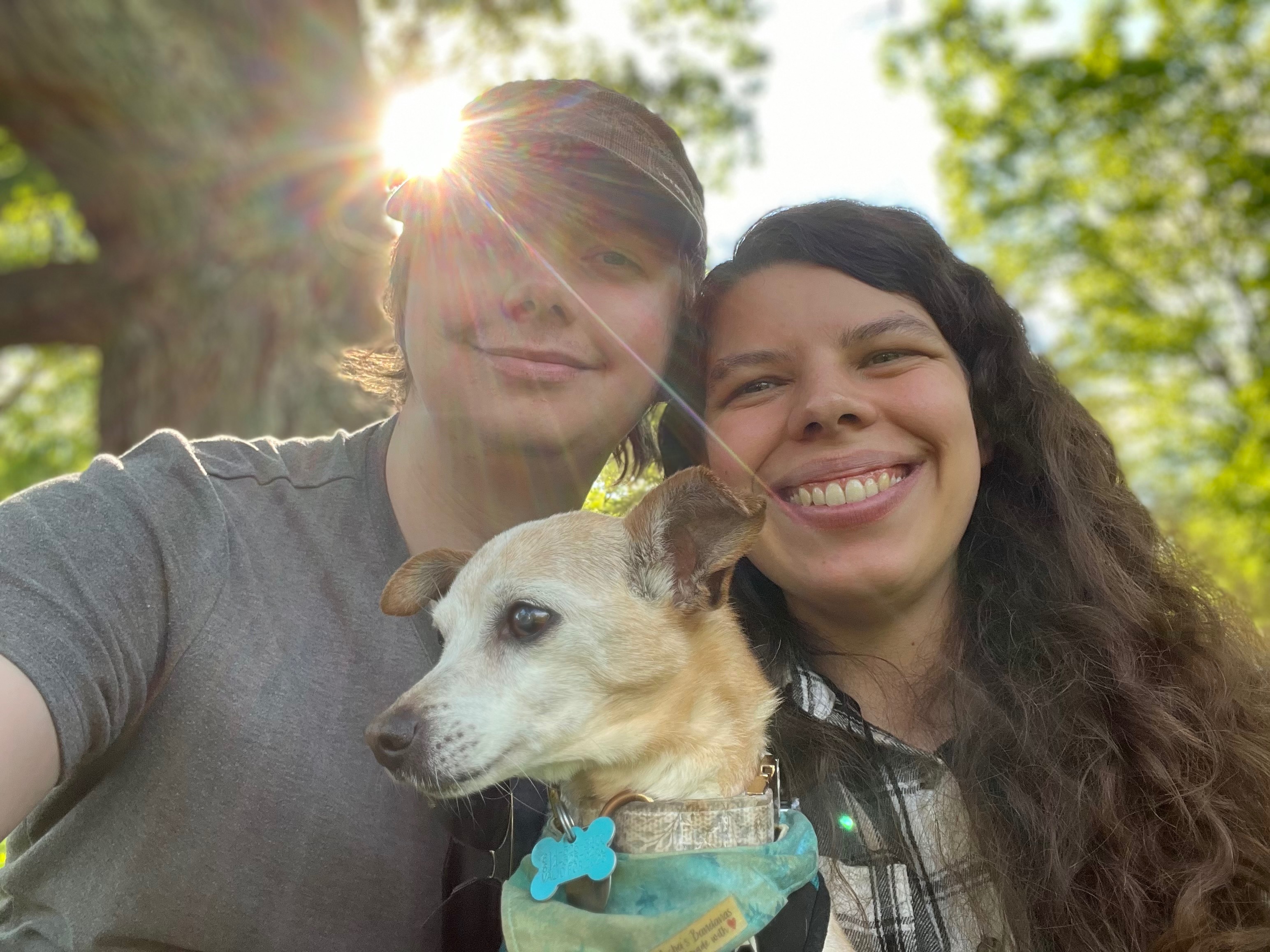
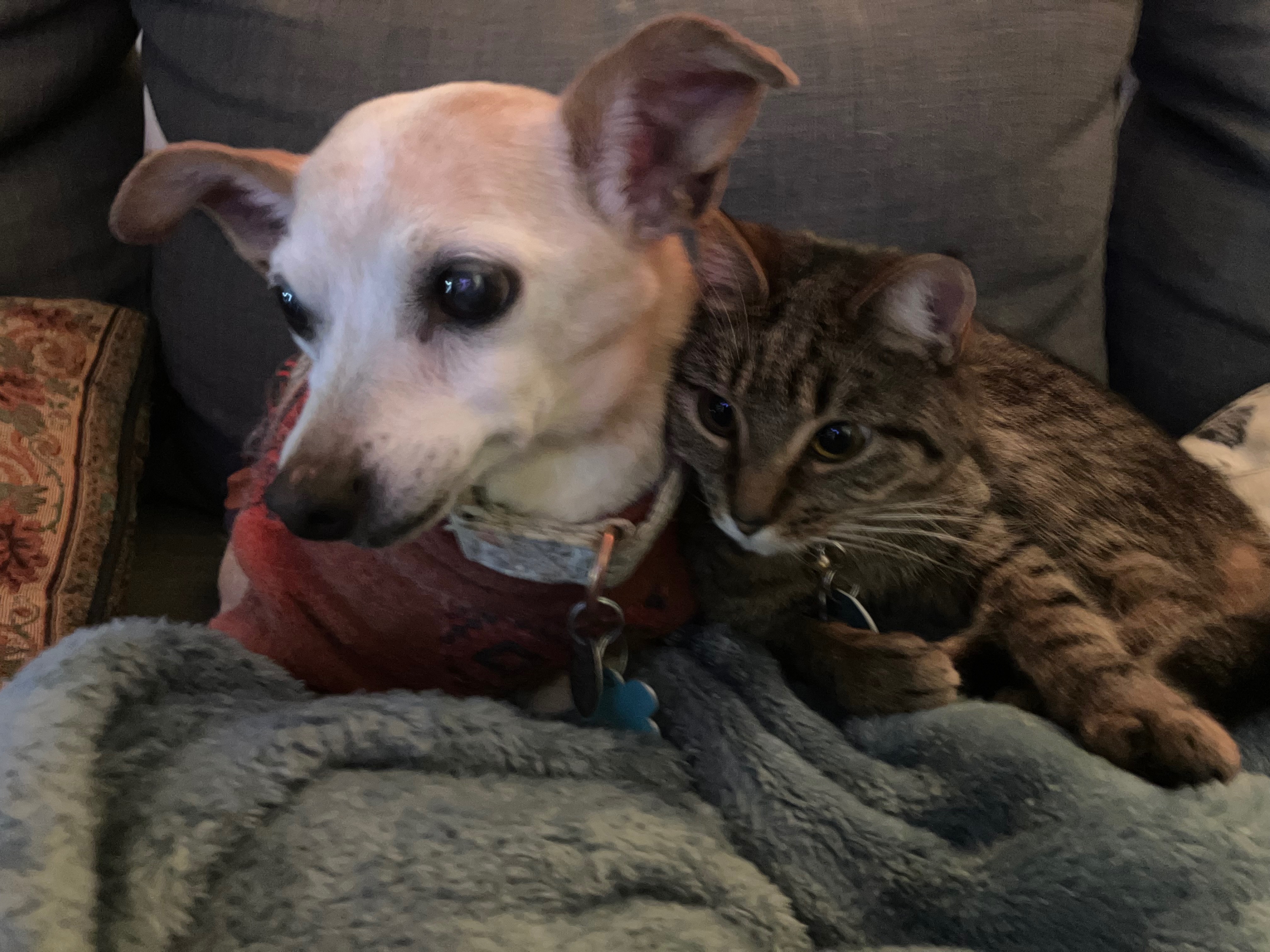
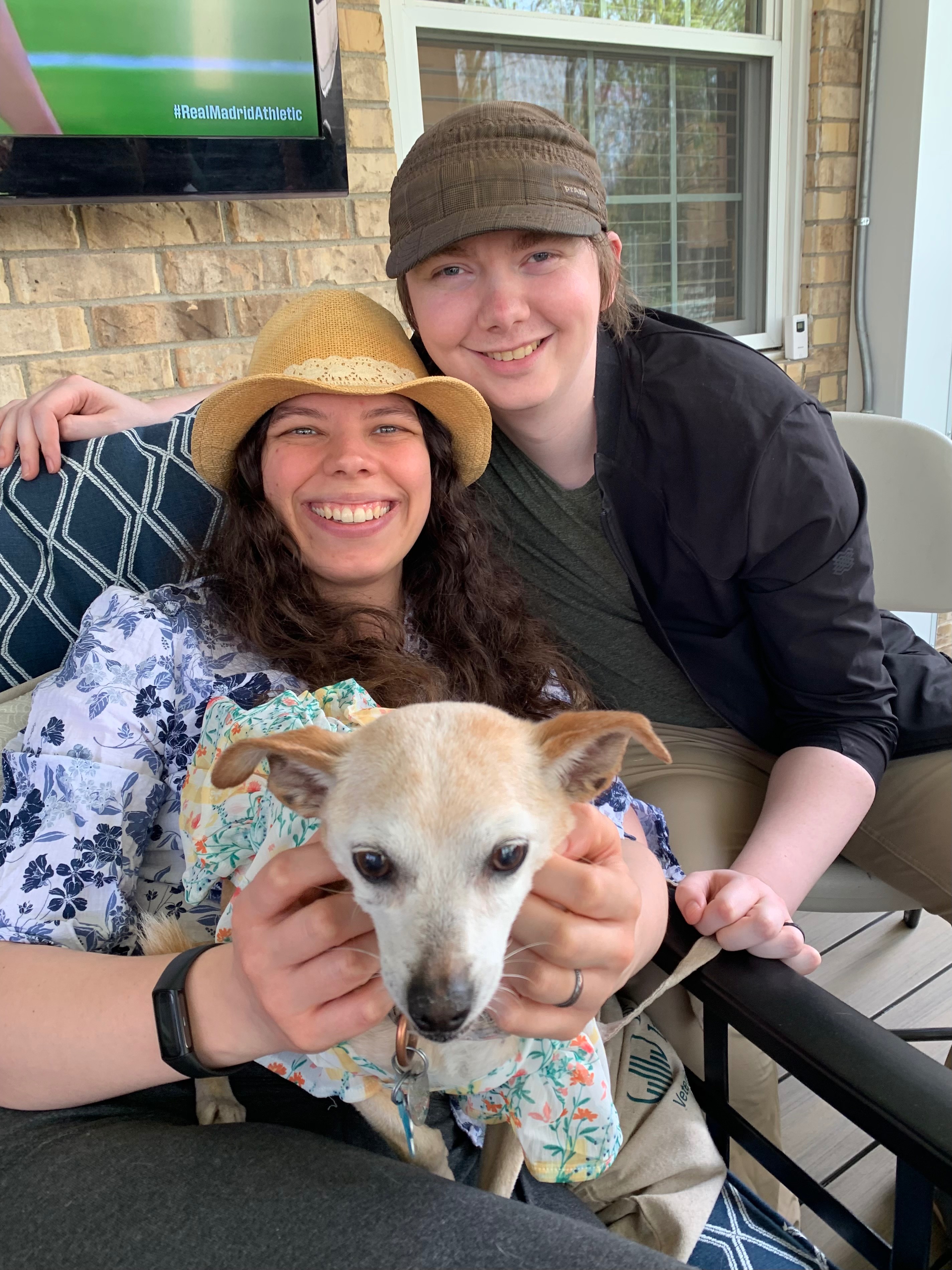
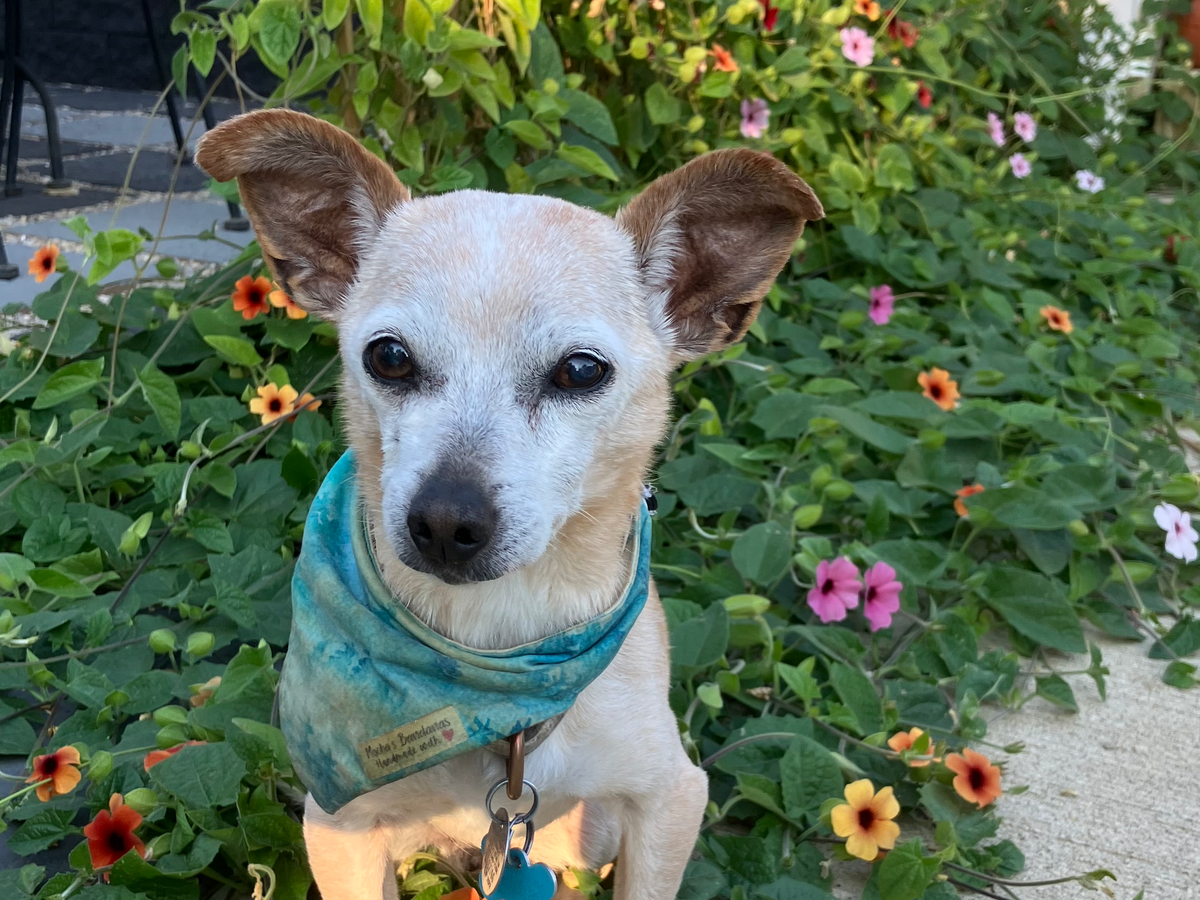
My first priority has always been and will always be for the quality of life of Daisy. I can only describe her as my soul dog (or heart dog as some call it), a dog you truly connect with and bond to at a deeper level than any other dog. She was the first dog who was wholly mine. I trained her, walked her, showed her in 4H for seven years, and when we both got older, we became walking companions in Winton Woods and Sharon Woods parks. She comes to all of the extended family birthday parties and reunions. My niece, who absolutely adores Daisy, greets her before she even acknowledges that I’m the one who brought her to the party. She’s been on vacation to Hocking Hills and numerous campgrounds. Her little prance around Home Depot and Bass Pro Shop always brought a smile to everyone’s face. She’s attended 5K walks for various charities and, in her older age, sometimes rides in a stroller, still enjoying her time outside. She’s changed the minds of a lot of people who don’t trust Chihuahuas, or dogs in general, with her gentle nature and calming disposition. She is my best friend and beloved by all who meet her.
I always say I need her to live forever, but I know I can’t have that. I don’t think anyone can say they ever felt like they had enough time with those they love before they lost them. It’s the double edged sword of letting someone into your heart. There’s always the first hello and the last goodbye. What I would really appreciate is her being able to be there when I graduate veterinary school in May 2027. Myself and my husband are trying to scrape together whatever funds we can to pay for her treatment, but any help reaching that goal would be greatly appreciated. If you made it this far in this long essay, thank you for taking the time to hear our story.