- B
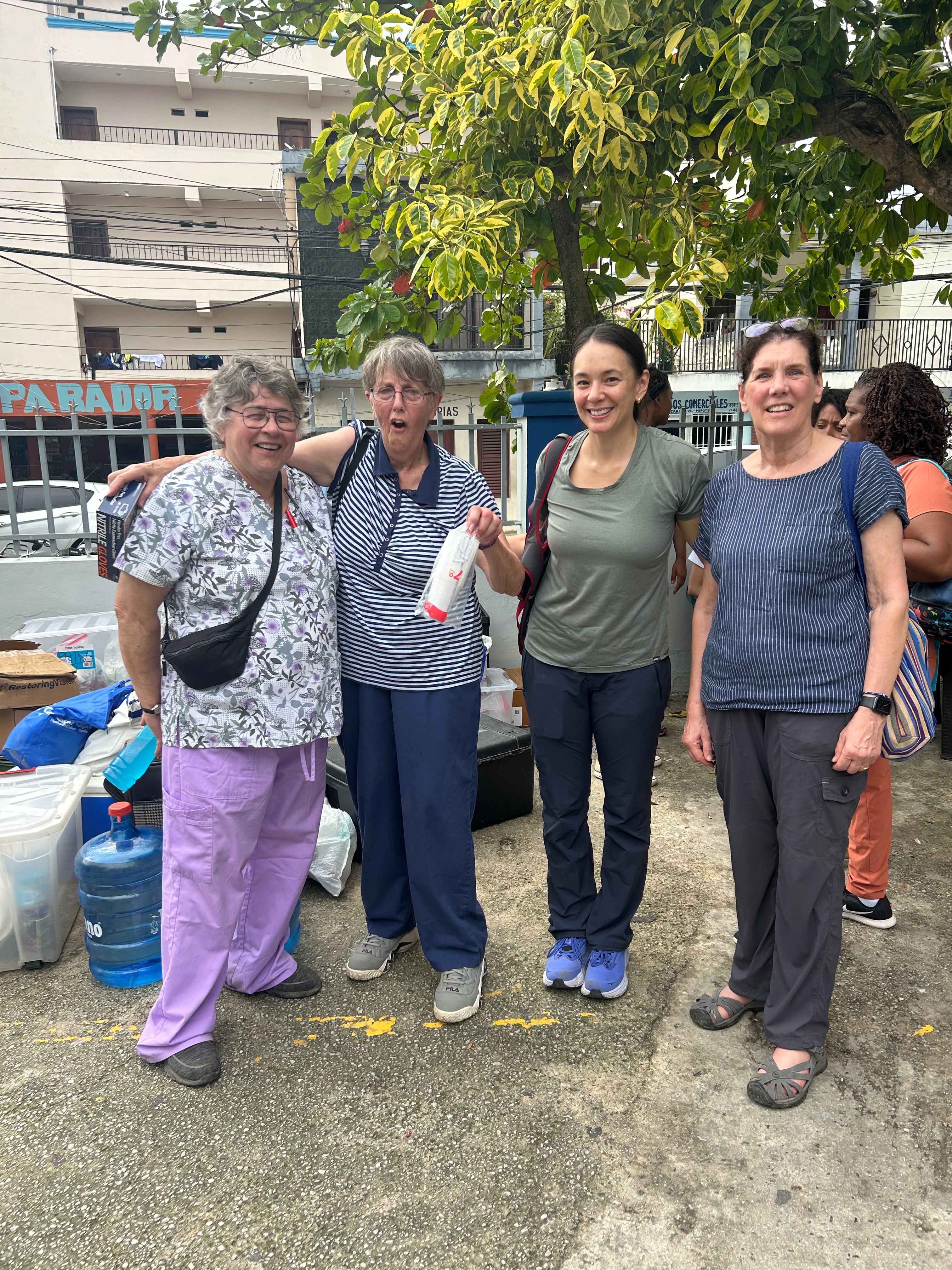
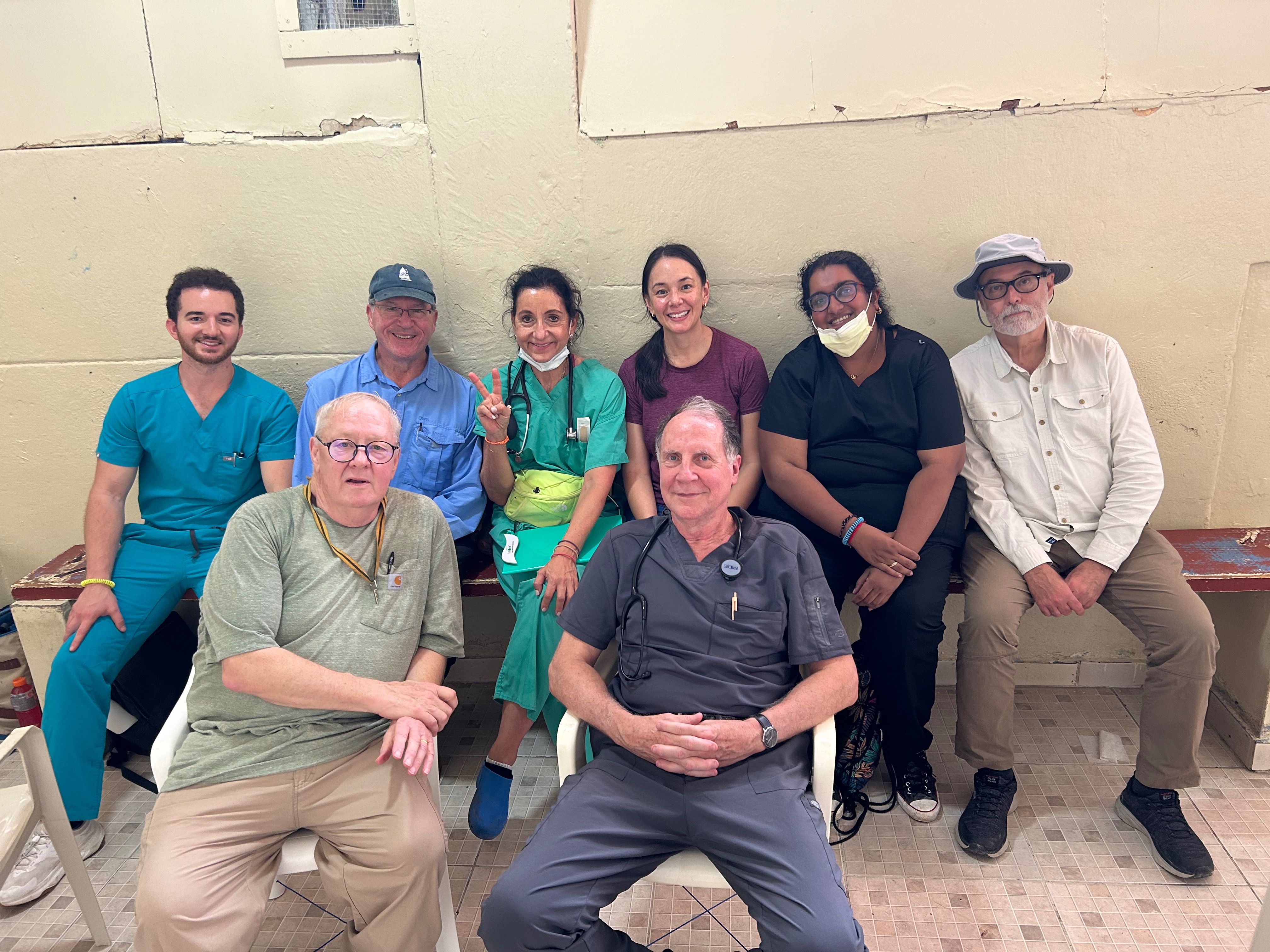
Buenos Dias, Bonjou tout moun,
I am Bob Chagrasulis, M.D., lead physician for the Cross Cultural Medicine on Hispaniola (CCMH) team, which has provided mobile medical clinics in the eastern Dominican Republic for 30 years. We are "cross cultural" because our patients include Dominicans, Haitians, and Haitian-Dominican citizens alike in the bateys (sugar cane villages), barrios, and Dominican prisons and jails.
Our team is comprised mainly of members from our medical school, the University of South Alabama College of Medicine (USACOM, Whiddon College of Medicine) in Mobile, Alabama, though team members now live throughout the United States. Any currently licensed physician is welcome to join our team. We also include nurses, pharmacists, and nurse practitioners as needed.
Our batey patient population lives in poverty conditions, isolated from access to routine and urgent medical care. Clinics are generally "well person" routine medical check-up visits for sugar cane cutters and their families, but 10-20%of patients seen may have a new acute illness, exacerbation of an existing condition, or a physical injury. We see a large pediatric population in the bateys and barrios, and new pregnancies. Federal prisons (mens and womens) and local city jails ("preventivas") present special medical challenges, where inmates have very limited ongoing medical care for acute or chronic physical and/or mental illnesses. Our mobile clinics provide that care.
When in-country, we hire local staff (drivers, nurses, interpreters) as needed; we stay in a church-owned dormitory in a safe, secure, and clean compound cared for with local staff - cooks, security, etc.
For the past 30 years, North American teams allied with churches, medical schools, and Rotary International have built a hospital in La Romana, Hospital General el Buen Samaritano. Though CCMH does not often work directly in the hospital, the "Good Sam" is the home of our outreach clinics and our referral hospital should clinic patients be found to require specialty care.
CCMH maintains our non-sectarian alliance with the USACOM (Whiddon College of Medicine) and the USA Emergency Department and includes ED faculty, medical residents, and potentially MS4 medical students on our team.
Typical excursions are one week in duration, occasionally for two weeks. Depending on the variety of the daily schedule - bateys or barrios or prisons/jails - we may see 1000-1200 patients that week. We carry all of our required medicines (prescription and over-the-counter) and supplies with us from the US; costs for meds/supplies are $8-10000 US and represent the largest portion of the trip expense. We also pay our local staff in-country. Team members pay our own airfare from our homes in the US into the capital Santo Domingo, our own expenses in-country (room/board, daily travel, interpreters).
As a volunteer North American medical team, we remain focused on our humanitarian service to all citizens. Our local staff and partners may be Dominican, Haitian, or Haitian-Dominican, but they all share the same humanitarian focus as CCMH. We are medical doctors and medical professionals treating patients and their families with the benefit of our abilities, with compassion, and with respect.
Updates (1)
December 1st, 2024
by Bob Chagrasulis, Organizer
UPDATE. Cross Cultural Medicine on Hispaniola medical team, La Romana, Dominican Republic November 2024.
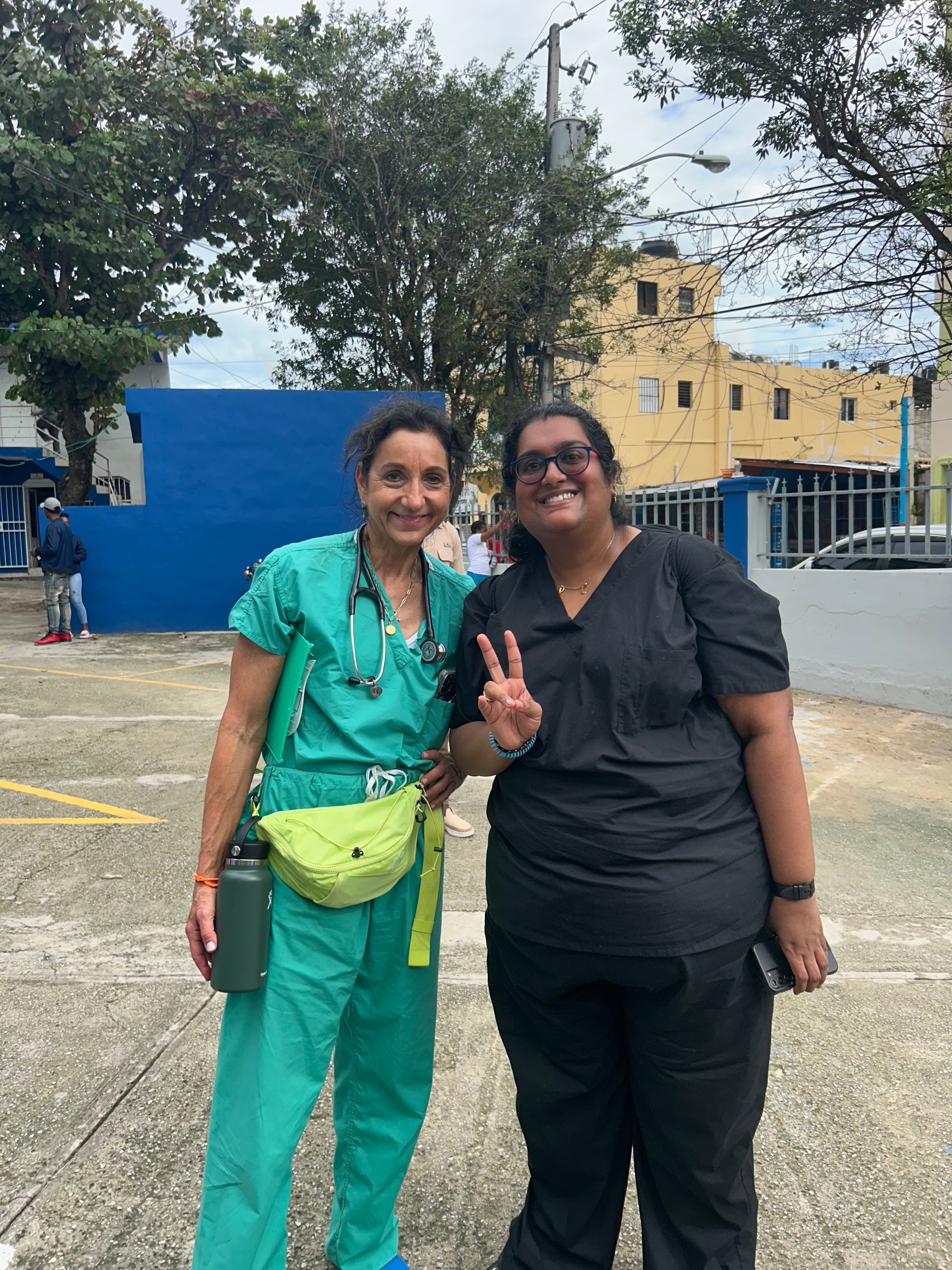
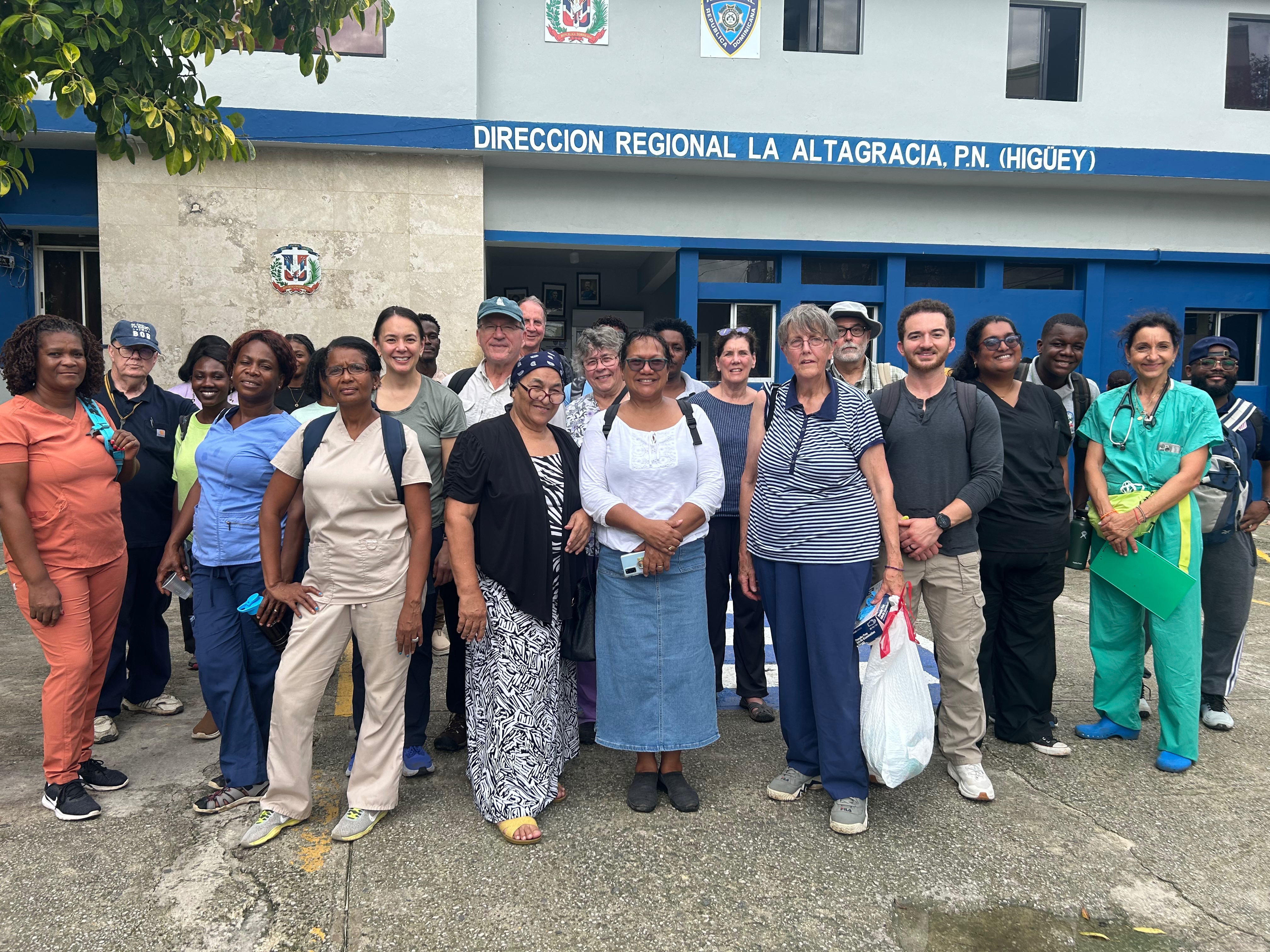
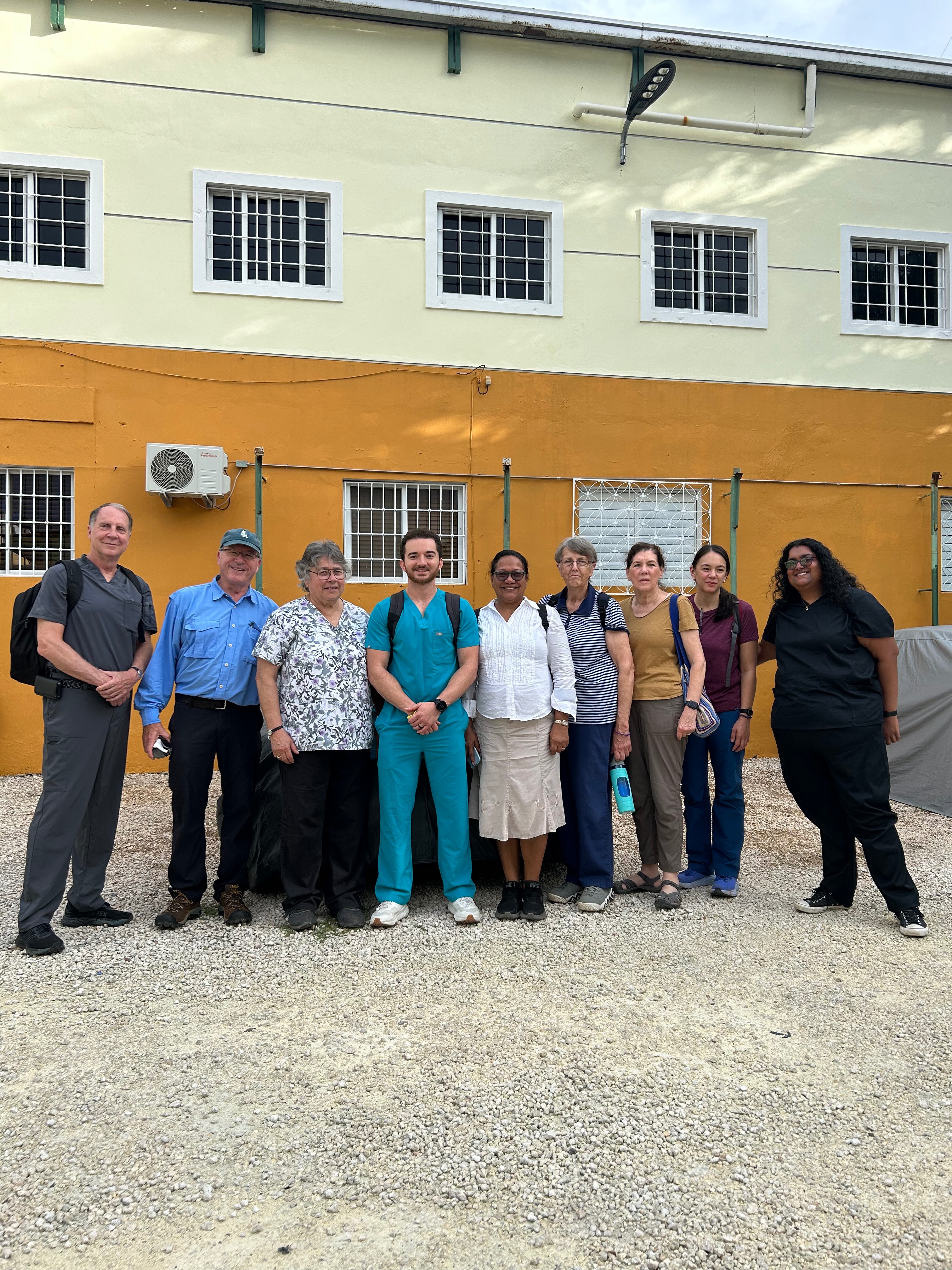
A very strong CCMH medical team of eleven persons, including eight physicians travelled to LR, DR 11/2-9/24 for one week of mobile medical clinics. The team saw more than eight hundred patients (811) on one batey (Solano), one barrio (Las Colinas, San Pedro), two preventivas (city jails, in Higuey and Romana), one women's prison (Higuey), and one men's prison (Seibo).
The team carried all the medications required for the week in airline checked bags. The GoFundMe drive had raised sufficient funds for prescription and over-the-counter medicines and supplies. Individual team members purchased and donated medicines, and paid their own airfare and in-country expenses.
Monday the clinic was in a batey (sugar cane village) Solano, a 45 minute drive through cane fields from La Romana.. Men were working in the fields though cane cutting season does not begin until December; many men were able to come to clinic after work, in addition to women and children. Usual medical complaints were fielded by the doctors as well as complaints of hunger; food distribution was included in the clinic; a dentist was present and busy, and eyeglass (readers) distribution made. 104 patients were seen this day.
Tuesday clinics were held at two separate institutions within the same complex: the preventiva (city jail) 174 men, and the women's prison, 64 women, in the city of Higuey. The team saw all of the men and all of the women who wished to be seen. Complaints were varied but always include skin problems from poor water and hygiene conditions.
The Wednesday clinic was in the Las Colinas barrio in the city of San Pedro. This particular region of the DR has many Haitian migrants working construction in the city and in the cane fields surrounding. Many of these migrants do not have proper Dominican documents and are constantly pursued by Migracion for deportation back to Haiti, though they have work in the DR. Where we held our clinic is a safe house for these migrants and their families, an "underground railroad". We had prepared to see 200 patients, but saw only 84, the remainder of them remaining at home for fear of being on the streets in the daytime.
Thursday was the biggest and busiest day of the clinic week in the city of el Seibo at the federal prison of the same name, which houses 875 men. The prison is administered by the bureau of prisons and run by the military, though the guards do not go into the prisoner living space which is operated internally by the prisoners themselves. A team of "trustees" operate to maintain internal order, and were our facilitators for the clinic; all of our team worked within the locked facility. We have never had security problems with our clinics here and did not have difficulty this day. in which we saw 311 men.
Friday was as expected the least difficult day of the week, at the Preventiva Romana which is within the city of La Romana, adjacent to the police department and courthouse. This clinic is not simple logistically however because of the extremely limited space for the doctors and pharmacy to work. A preventiva, or city jail, is where men are brought by the police from the street directly following arrest and before presentation to the court, which may take weeks to months. The prisoner conditions are extremely crowded with 50 or more men in each of two large cell rooms; hygiene facilities are minimal and skin conditions were common. In addition to medications, men received medicated soap and washcloth. Our team saw 70 men by 1 PM.
With the clinic ending early, many of the team worked to consolidate medications for storage. The entire medical team met in the late afternoon for a debriefing of the week's work and planning session for 2025 and beyond. The most significant plan for CCMH going forward is an even closer association with the University of South Alabama Whiddon College of Medicine and Emergency Department, with the anticipated inclusion of medical students on the team, possibly in 2025.
The CCMH team was capably joined in our efforts by two very skilled and personable young physicians in training, one a resident in Internal Medicine/Pediatrics and the other a resident in Emergency Medicine. The enthusiasm of these young physicians reminds us of why we became doctors in the first place, and we are very grateful to them for joining our team and bringing their talents and energy.
This solid and focused medical team began immediately on arrival in country to unpack / pack and plan for our daily clinics; by the end of the week, the team functioned efficiently and as energetically as on day one. The friendship and collaboration among and between team members speak to the willingness of everyone to function as a team ensemble in accomplishing our medical work.
Focus was the key; camaraderie, the glue.
The GoFundMe initiative raised a significant portion of our team expense, with team members covering their own expenses (airfare, room and board). The team will require the same volume of medications and supplies for the next trip in 2025. Additionally as mentioned, we hope to include medical students as team members in 2025 and would like to offer them scholarship assistance if the budget permits. For these reasons the GoFundMe portal will remain active for continued donations. CCMH greatly appreciates the financial help from our donors via that to date.
We cannot do all the good the world needs, but the world needs all the good work we can do.
respectfully submitted.
Bob Chagrasulis MD
University of South Alabama Whiddon College of Medicine, Class of 1981