- k
- B
The Pet Care Program - Guanacaste, Costa Rica - 2016
In sharing my story, my plight, my request for financial assistance to carry on our work here in Costa Rica, I would first like to acknowledge that I am just part of a rather small army of people involved in this work trying to do the best we can to help our four-footed friends . . . our voiceless citizens of the world. Without your assistance we can not continue our mission of helping the animals and pet owners in need.
The poor here are dealing not only with being unable to care for their own animals, but an over-population of diseased street animals. With very limited funds, we struggle to continue what we do here, but we need help. I am writing this in the hope that we can receive the much-needed and long overdue funding necessary to continue. In my wildest dream I never imagined that our program here would be such a success with so many locals responding. For many years now it has been overwhelming and far past our capabilities financially. At this point we cover 14 villages: Potrero, Surfside, Brasilito, Huacas, Santa Rosa, El Llanito, La Garita, Tamarindo, Villa Real, Portegolpe, Hatillo, El Llano, Trapiche, and Cartagena. Yet often I get calls from people in villages 60 miles away asking me to help. Sometimes we “mobilize” and go.
Every dollar goes directly to the care of the animals. We have very little overhead costs, no staff to pay, no “salaries.” This is a 'business’ of the heart. The only ones who gain are the animals, the families and the communities.
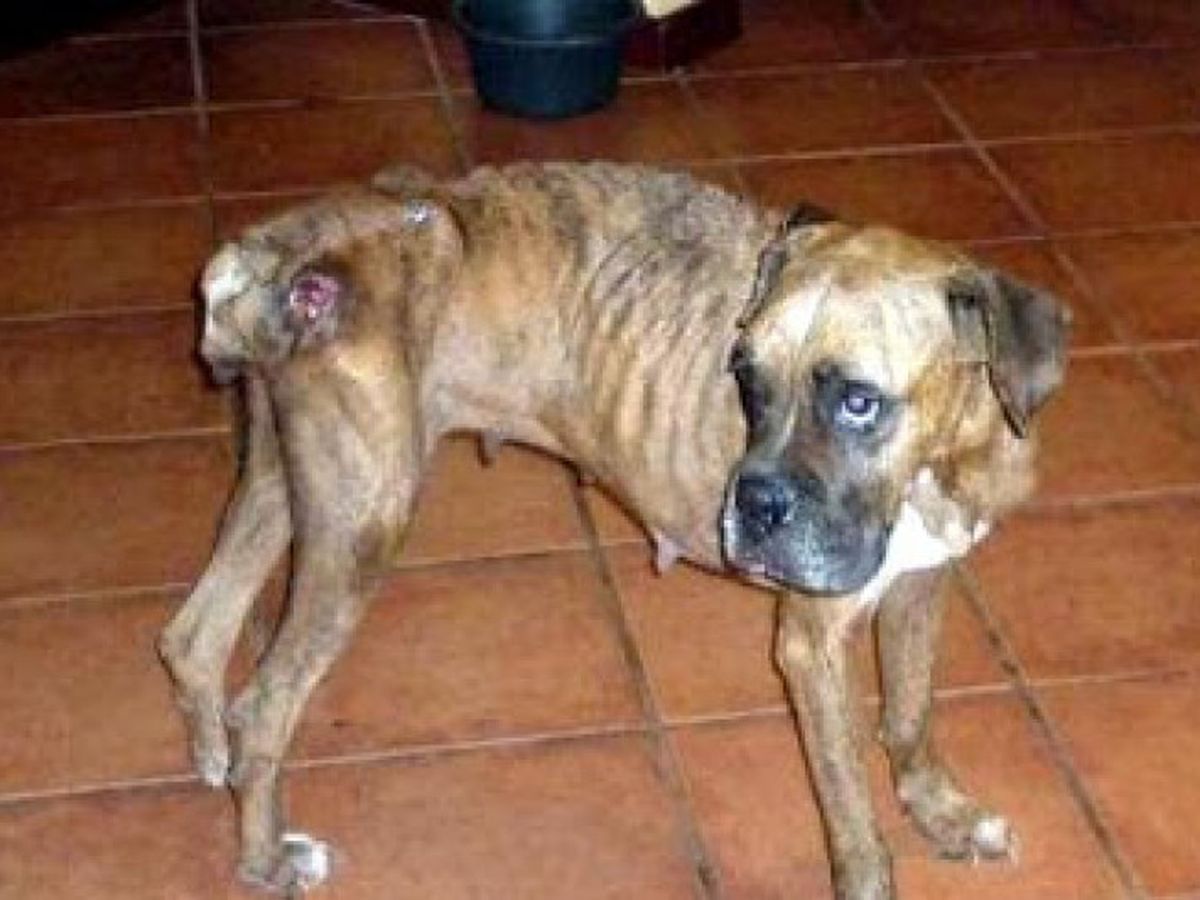
My husband and I came here almost 16 years from a rather nice life in Chicago ago to retire. Both of us being animal lovers, we were soon sickened by the lack of animal care here. There were packs of dogs running (and mating) in the street – sick or wounded creatures left to die, and worst of all – starvation. We started small by organizing a spay and neuter clinic here and there, enlisting some low-cost veterinary help from the capital city. Today, we can handle over 150 animals in a three-day campaign, and each one goes home (or to a “foster home” for adoption) with proper meds, clean and tick-free, and with a new collar! The vets that help us use the small procedure technique – and the incision is a nearly non-invasive and a tiny 1-2” in length which means rapid healing. Every family has my phone number to call IF there are any post-op problems. We also distribute 300 kilos of food every two weeks. Although it’s not enough – it helps. We are like the little boy with his finger in the dyke!
So far we have spayed or neutered almost 13,000 animals! Some were family pets, and some were street dogs and cats. This is a major milestone. Statistics say Costa Rica has an average of seven dogs per family! Over the years that I have been promoting the benefits of a spayed or neutered pet, our area has moved forward in leaps and bounds. It is now rare to see a street dog. It has been like magic seeing the change with the local poor people WANTING their pets to be "fixed." Along with the medical care, comes a lot of education, too. Before we started the program, animals were rarely "pets" but generally used to guard property - often tied to the fronts of homes - or commonly nuisances for their owners when they became sick due to lack of funds to care for them. – hence if a pet became sick they were tied up, out of sight, and left to die. Now they call Pet Care Program.
It has and will continue to be an ongoing battle. The people that I deal with are poor, and in consequence have different priorities – like feeding their families. I understand this. The Costa Ricans are a kind people. Sometimes we see abuse, but more than anything is neglect, mainly due to ignorance. Before Pet Care was established people were unaware that they could help their pets. There were no nearby vets and if any, they were large animal vets. There are other vets here now in the resort areas, but the cost is prohibitive for the poor.
Things have been changing, though. During my first years here it was nearly impossible to place a female pup. Now it is easier, as people realize that with the Pet Care Program their new pet does not have to have offspring. Hence females are now easier to adopt out. It’s the same story with cats, which were once considered vermin here, are now becoming beloved pets. Miraculously, we are now spaying and neutering near as many cats as dogs.
Aside from a few beach resorts, we are a very rural area; the people live simple and often harsh lives. These are the families that our Pet Care Program helps. Seeing the concern over their animals has been a moving experience. Before Pet Care there was no one to help them, so their pets became expendable – this one dies and they just get another. Many dogs died before reaching one year, now I am seeing many 7,8, and 10 year old pets . . .another miracle. With spaying, neutering and vaccinations, these hardy pets are now living a near a ‘normal’ life span. Life in the tropics is tough, on both people and animals. We still have to fight Erlichia (Tick Fever,) bouts of distemper which are incredibly devastating, and even cancer; but we are making progress. Fleas, ticks and lice are a major health hazard as are the many other parasites which abound here. There are also poisonous frogs to ingest! The solution is education and preventative care. Even though our spay/neuters campaigns are very important our other goal has always been general health care and education. This is why we called our program Pet CARE. Our work here has become the Lifeline for people and their animals. They believe we were sent here for them. We know it must be true because there is and has never been any other program to help.
I have so often been asked why I do not try to establish an animal “shelter.” We could have been funded long ago had our Pet Care program been a refuge. This, however, is something I would not and will not ever consider. In most places the solution to overpopulation is euthanasia or a shelter. Shelters encourage people to dump their unwanted pets/puppies/kittens. Shelter s usually only warehouse the dogs and cats. If it is a "no kill" shelter a dog or cat can spend its whole life in a cage. This to me is unacceptable and only provides a horrible life for the caged pet. It has been our experience that people are more willing to make a donation if they can see something – like a refuge. But with the Pet Care Program shelters are not needed. In-home education and teaching people to be responsible for their pets, aggressive spay/neuter and a vaccination program are the most humane answers to our over-population problems. If we started at the first appropriate time in an animal’s life, spaying a female before a pregnancy occurred, and neutering males, shelters would become obsolete.
For years now, I have applied to many large animal charities for help. Because we are NOT a shelter we have fallen through the cracks. Because of this, there were no donations from them, and no funding. Because of this, Pet Care has to rely on individuals for small donations in order to continue. If you can help in any way – large or small, or if you can put us on your list of charities to help on a regular basis, we could keep our head above water. We could get all the medicines necessary, do more clinic outreaches, and keep going without reserve. Please do what you can. If you have any questions, please call or write to me, and I will be happy to answer your concerns.
With gratitude always,
Dawn Scott
Dawn and Sid Scott – [email redacted]
011 from the U.S. and Canada to Costa Rica + (506)2654-4775
or (506) 8814-4775