COPPES: Una Historia Lúcida (A Lucid History)
0% complete
$2,863 raised of
33 donations
***EN ESPAÑOL ABAJO***
Help us bring to life a documentary that traces the history of Salvadoran political prisoners and torture survivors in their decades-long efforts to organize and educate others as part of an unwavering journey toward achieving justice and reparations. Keep reading to learn more about the history of COPPES, the importance of this documentary, and how you can help!
For more info, visit by copying and pasting this link: https://www.unahistorialucida.com
History of COPPES
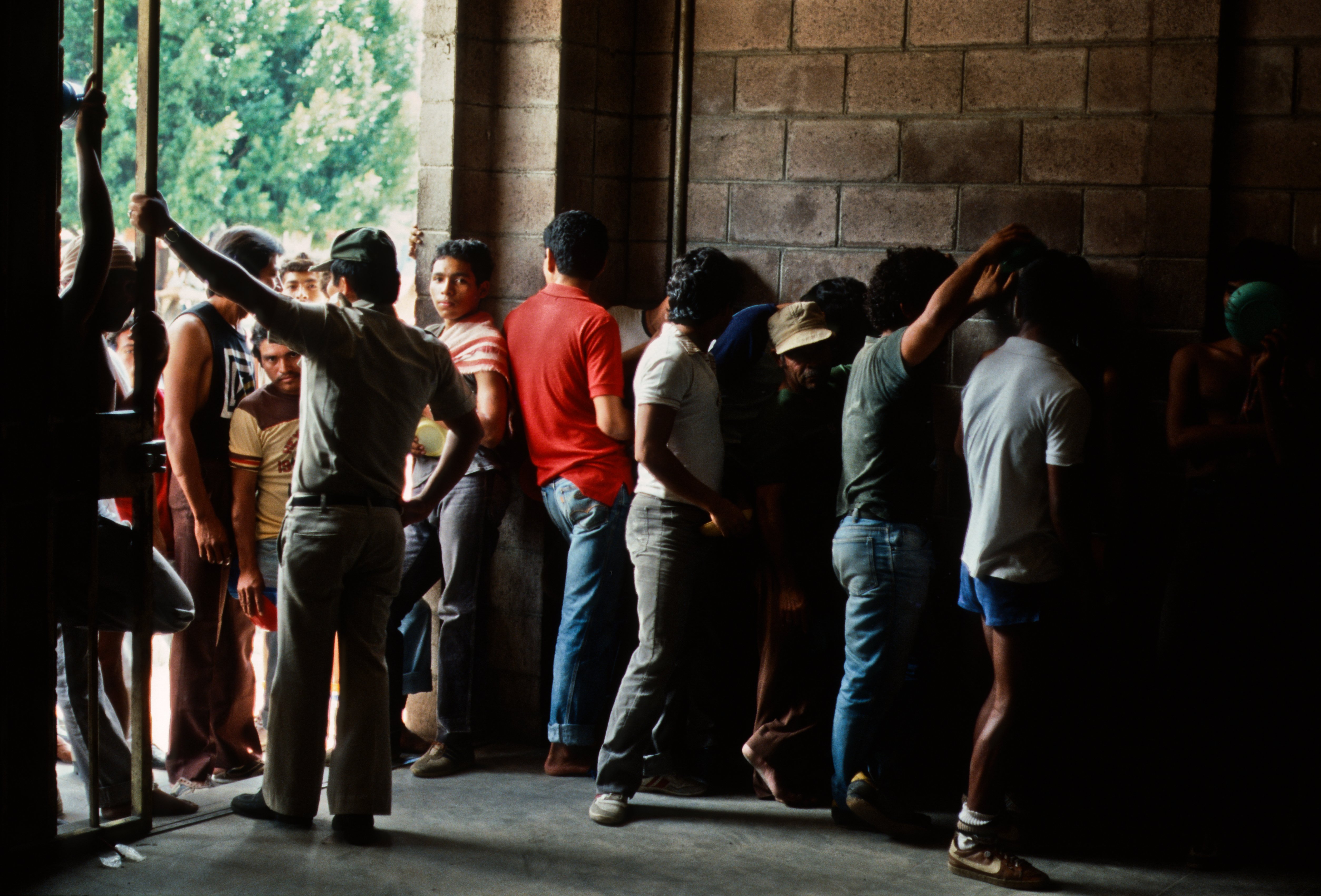
During the armed conflict in El Salvador (1980–1992), the government detained, tortured, and forcibly disappeared many people who were fighting to improve living conditions. Some were forcibly disappeared, while others were transferred to prisons—where they were labeled “subversives.”
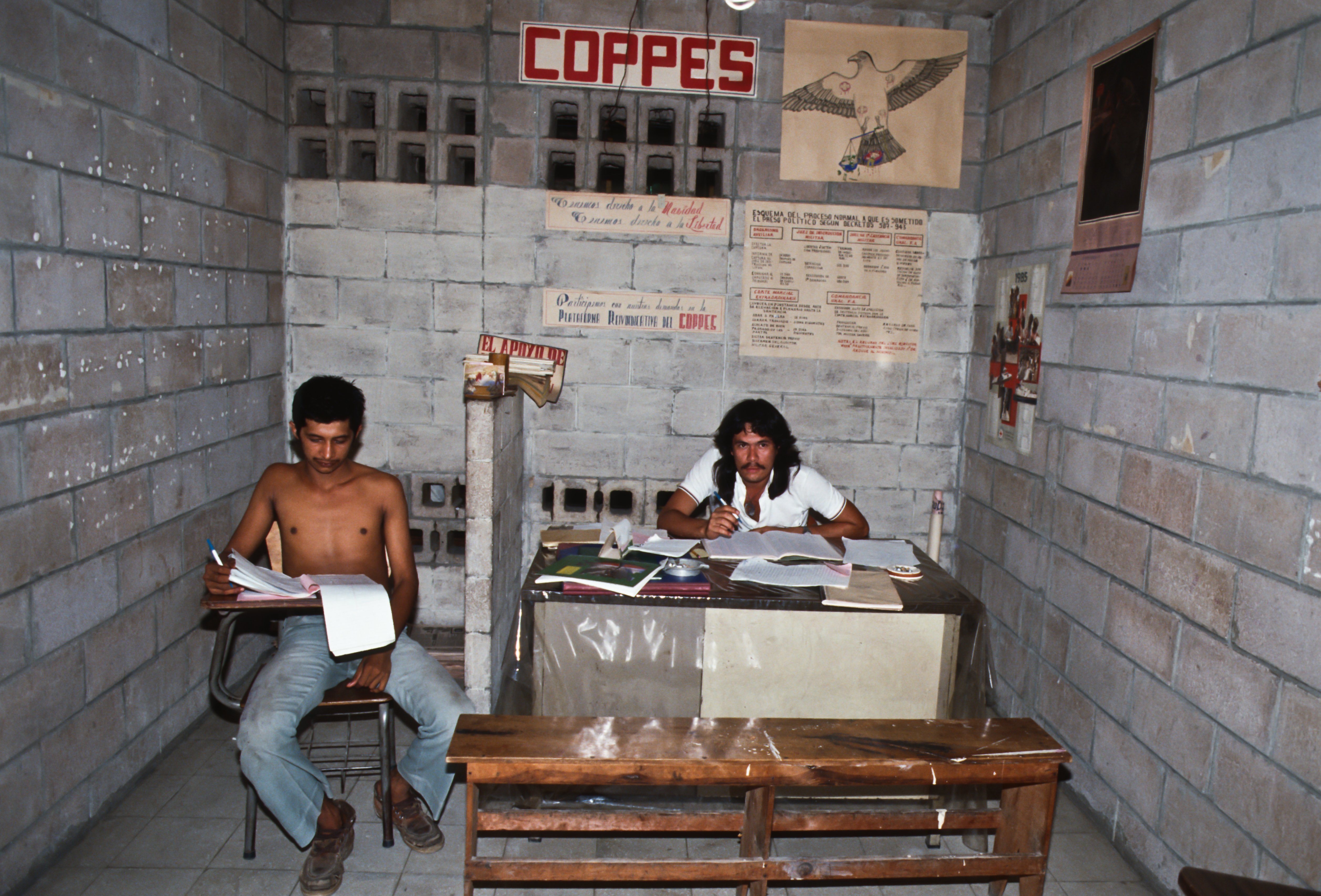
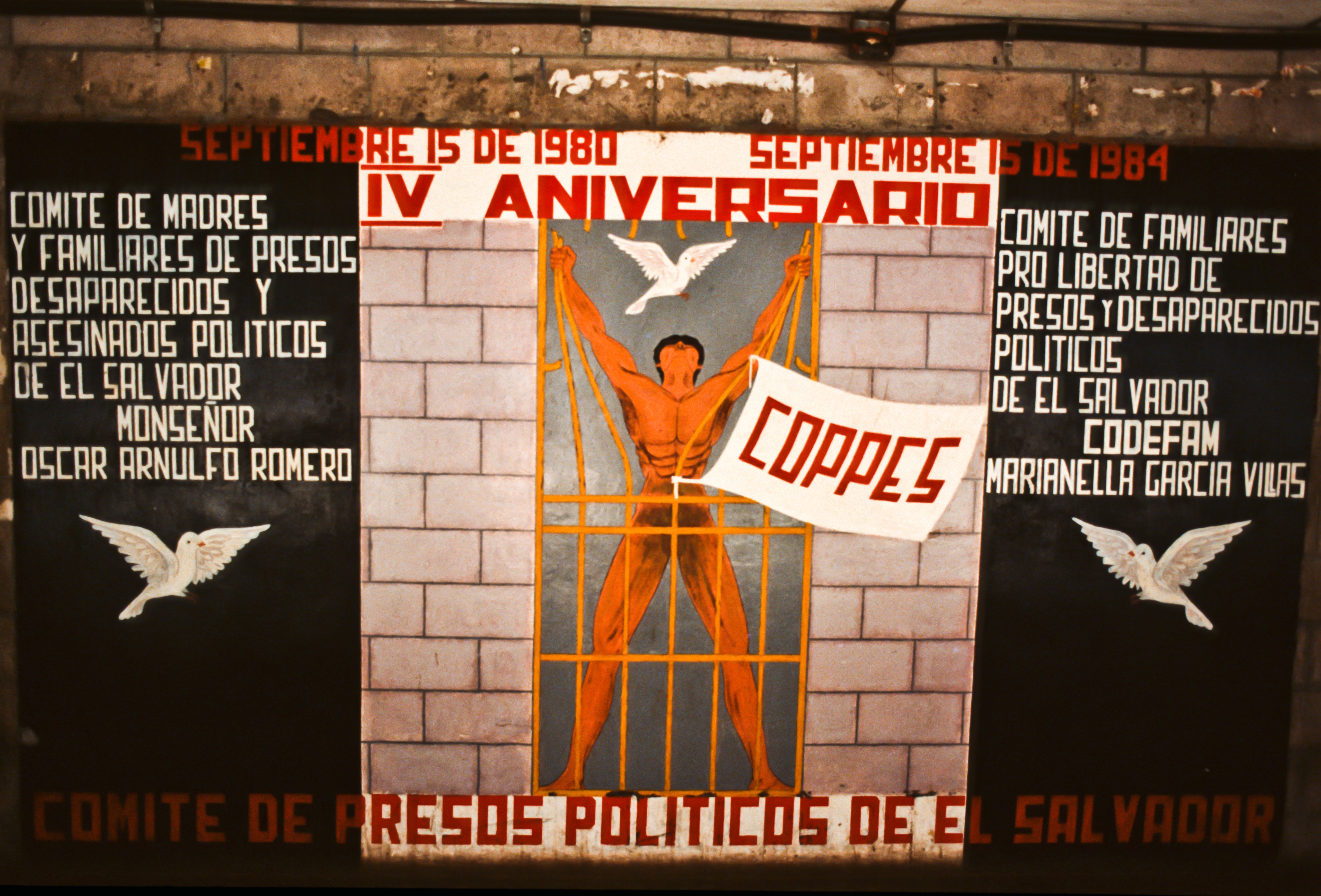
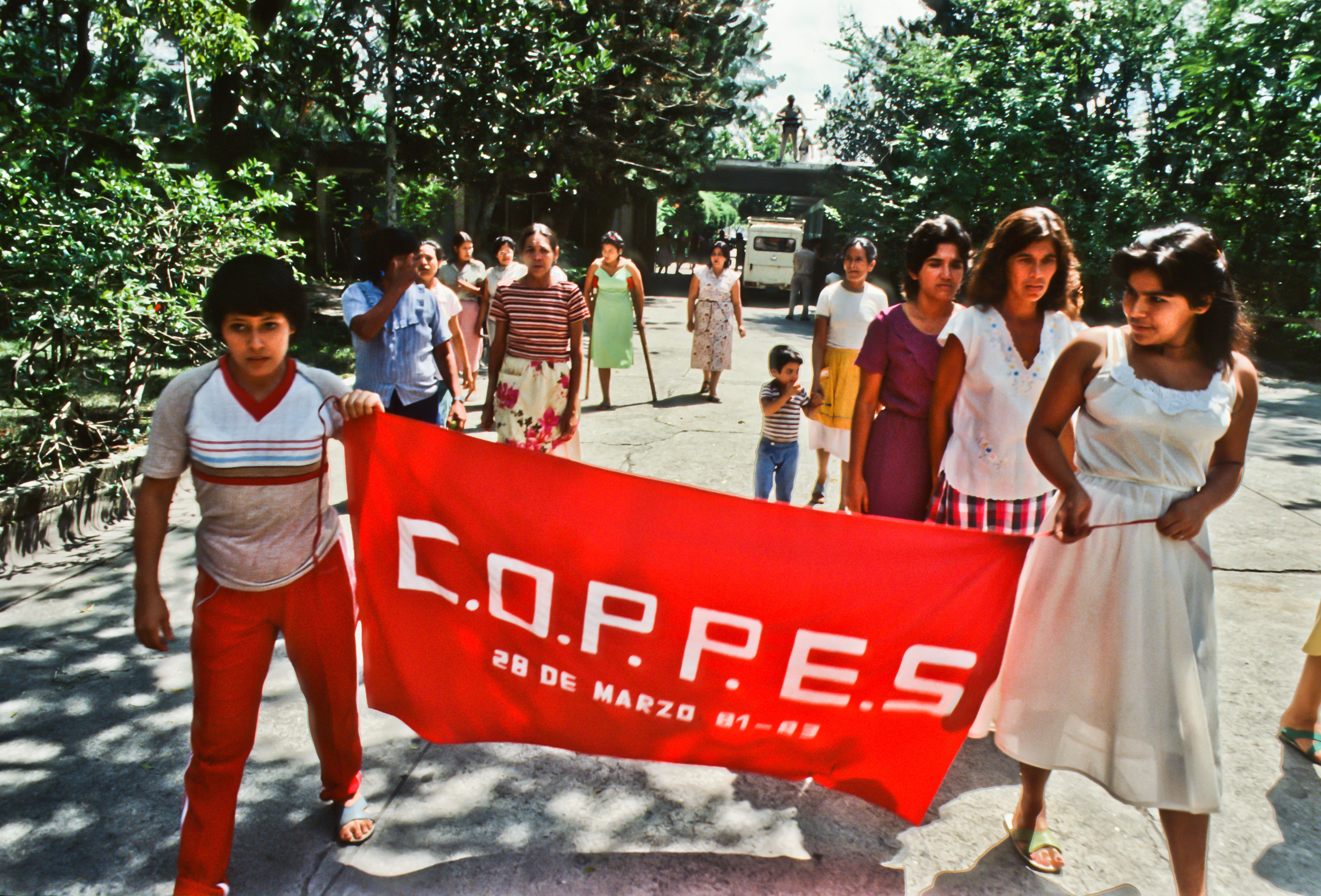
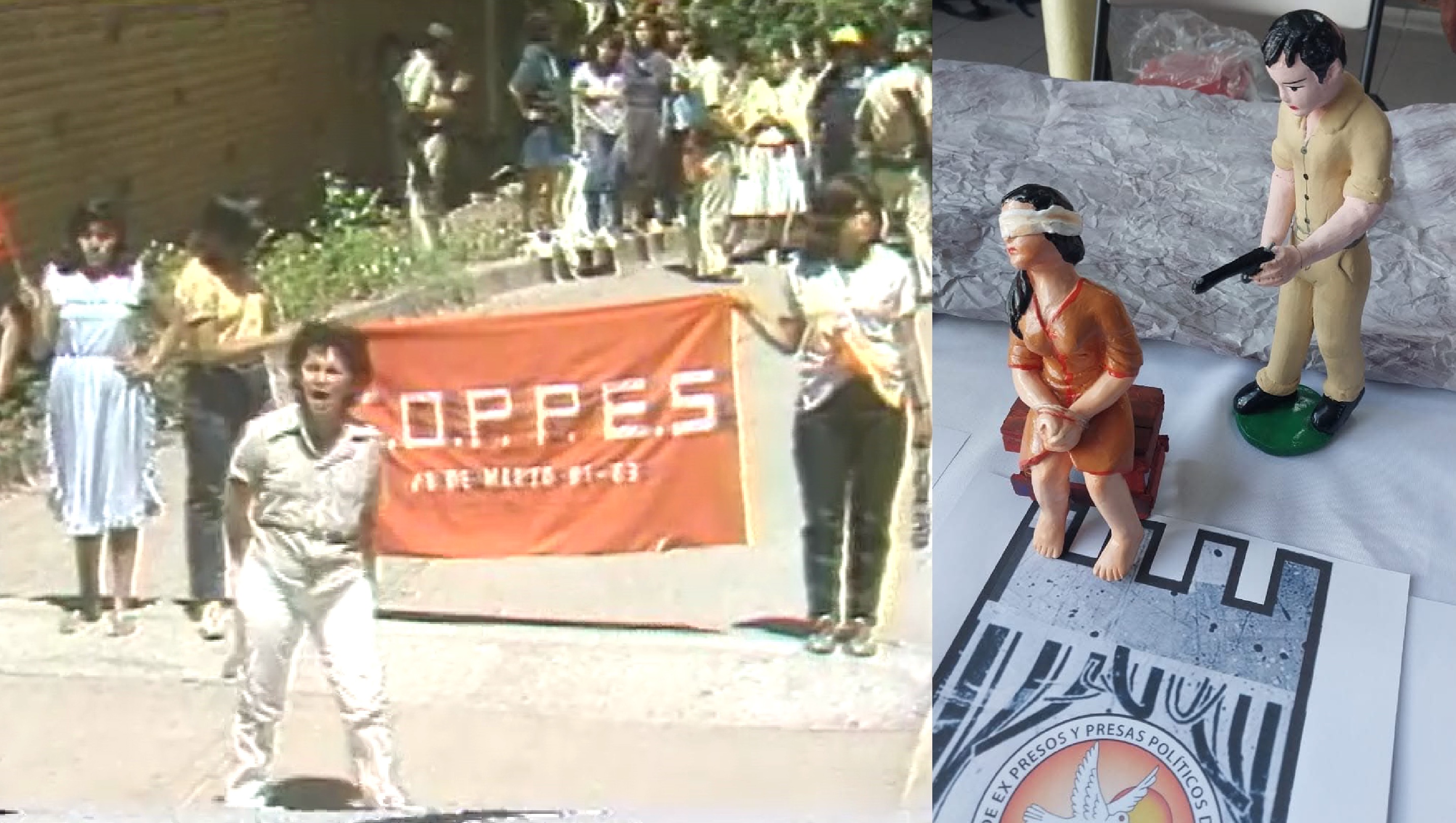
On September 15, 1980, approximately 30 young detainees held at the Santa Tecla Penitentiary occupied two cell-dormitories and began a hunger strike to demand recognition as political prisoners and insist on respect for their rights. This is how the Committee of Political Prisoners of El Salvador (COPPES) came into being, which later also established a presence in the women’s prison.
When the conflict ended, the survivors reintegrated into the new realities of the postwar era; like the rest of the population, they focused on working to ensure their economic survival, all while coping with the psychological, physical, and social scars left by torture.
Between 2008 and 2013, several former political prisoners came together to revive and reorganize COPPES, with the aim of achieving justice, reparations, and demanding guarantees that violations of their rights would never be repeated.
Between 2010 and 2016, several members filed complaints with the Attorney General’s Office (FGR) as victims of torture; this case remains open to this day. Staying organized has empowered them to support one another and wage their struggle in solidarity.
Our documentary project
"Against oblivion and impunity, we march with dignity!" This is COPPES’ current motto, and, true to this principle, we know that one of the best ways to combat oblivion is through an audiovisual documentary that can speak on our behalf for years to come.
An audiovisual production team working with a group of torture victims and survivors has begun the process of making a documentary to tell the story of COPPES, from its origins during the armed conflict to the new phase of struggle in the post-conflict period. Sharing the activities of torture victims and survivors—which reflect truth, justice, and comprehensive reparation—aims to ensure that future generations learn about the experiences of victims of a state that—decades after these events occurred—still refuses to acknowledge its violence or offer reparation for the harm it caused.
The documentary will reflect on the condition of being a victim, resilience, and healing, highlighting the solidarity, brotherhood, and collective social and cultural work that emerged among the survivors; narrating their experiences and struggle with dignity.
For the survivors and their families, justice remains essential for healing and improving their quality of life; for time is running out to seek justice through a slow and indifferent legal system.
Current security policies in El Salvador—including the “state of emergency” in effect since March 2022—have led to mass detentions and widespread violations of these individuals’ rights. The themes explored in the documentary retain undeniable urgency and relevance. For justice and reparations for past abuses have not yet been achieved, and many patterns of violence and torture persist today. The documentary seeks to promote social justice and encourage critical reflection on the past and the present.
How you can help
In the course of this struggle for our rights, we have met people with experience in audiovisual production, extensive knowledge of El Salvador's recent history, and a sense of solidarity and empathy toward our work and our ongoing struggle—among them the Alma de Izote Collective (which is handling the fundraising).
We need to secure funding to produce and distribute the documentary COPPES: A Lucid History, which is being made with the participation of victims and survivors. There is a close working relationship between the production team and COPPES. As this is a collaborative effort, the final edit as well as the distribution strategy will be determined by mutual agreement.
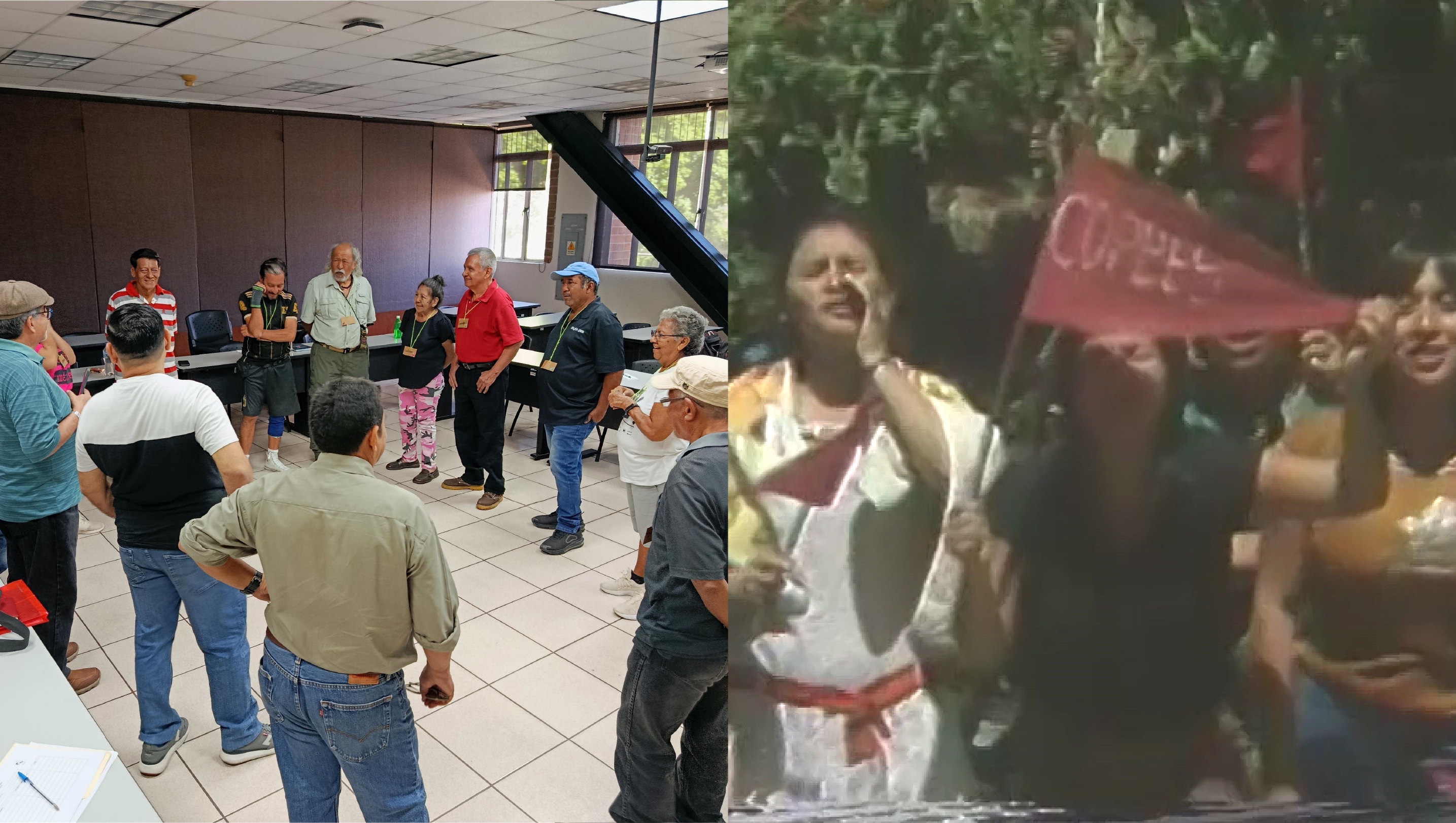
It is also a therapeutic process: remembering, organizing, reflecting, interacting with social actors from that era and the present, working with archival material (newspaper clippings, photographs, audio and audiovisual recordings), participating in group exercises, and proposing ways to visually represent torture, justice, and resistance all contribute, to some extent, to the collective healing of these wounds.
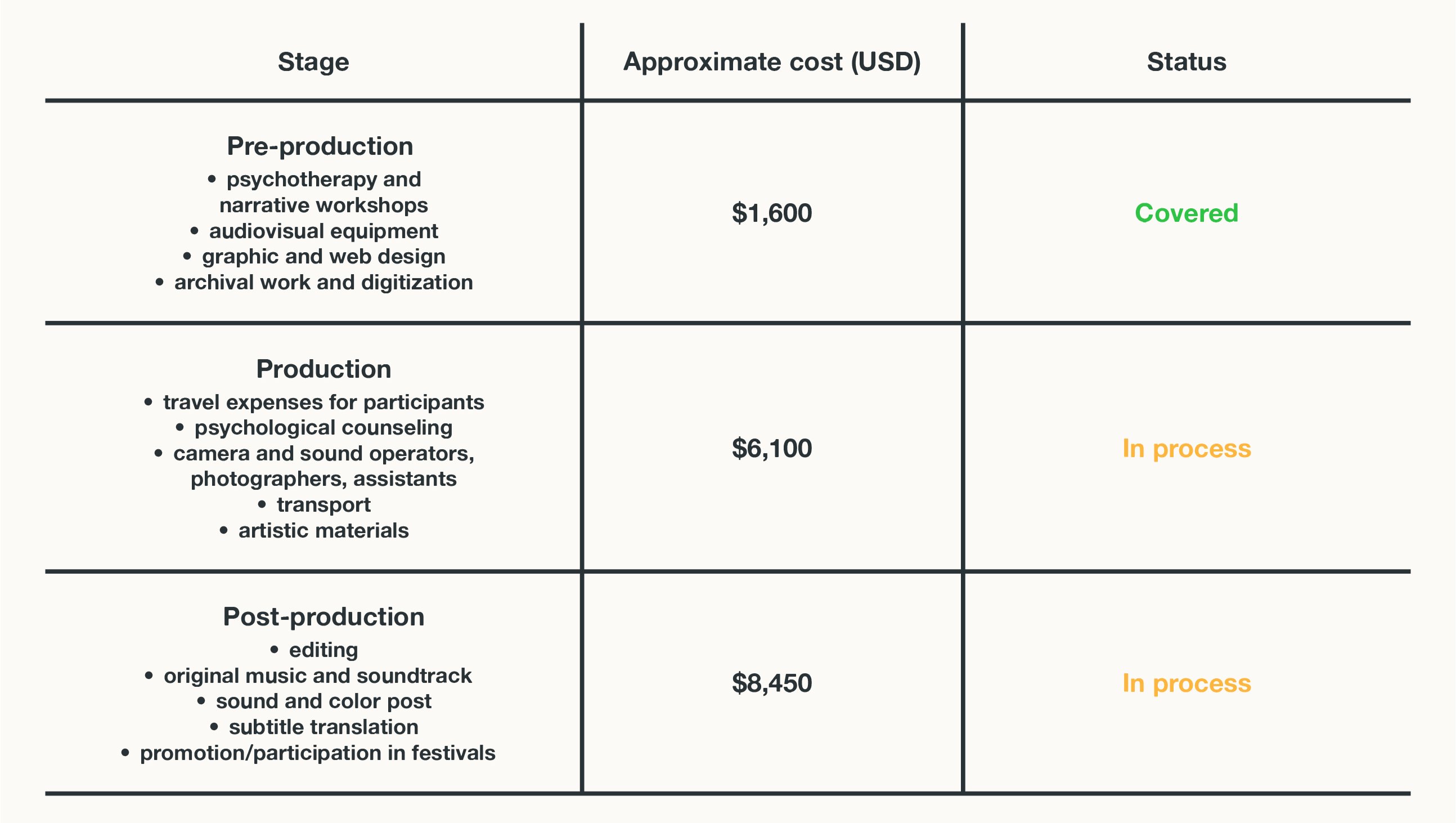
We cannot cover the financial costs of these processes on our own. That is why we are requesting your financial support.
If you are unable to contribute financially, we would greatly appreciate it if you would share this message on your social media. Once the documentary is completed, you can also organize screenings. Knowing that you are following this project is, for us, a powerful sign of solidarity.
The final product is aimed primarily at younger generations, so that they may learn what happened and develop a critical awareness of the atrocities that the state and the government were capable of committing. Understanding historical events and strengthening collective historical memory are fundamental elements in preventing such events from recurring. “Never again” is now.
“They plucked our fruits,
cut our branches,
burned our trunk,
but they could not
kill our roots.”
— Poem in Nahuatl (Anonymous)
(Are you an organization or institution interested in contributing in a more substantive way? Reach out to us to connect!)
**ESPAÑOL**
Historia de COPPES
Durante el conflicto armado en El Salvador (1980-1992), el gobierno detuvo, torturó y desapareció a la fuerza, a miles de personas que luchaban por mejorar sus condiciones de vida. Algunas fueron víctimas de desaparición forzada, mientras que otras fueron trasladadas a prisiones, donde se las tildó de «subversivas».
El 15 de septiembre de 1980, aproximadamente 30 jóvenes detenidos en la Penitenciaría de Santa Tecla, ocuparon dos dormitorios-celdas e iniciaron una huelga de hambre para exigir el reconocimiento como presos políticos e insistir en el respeto de sus derechos. Así fue como surgió el Comité de Presos Políticos de El Salvador (COPPES) que más tarde tuvo presencia también en el penal de mujeres.
Al final del conflicto, los sobrevivientes buscaron asegurar su supervivencia económica mientras lidiaban con las secuelas psicológicas, físicas y sociales que dejó la tortura.
Entre 2008 y 2013, varios/as ex presos/as políticos/as se unieron para reactivar y reorganizar el COPPES, con el objetivo de lograr justicia, reparaciones y exigir garantías de que la violación a sus derechos nunca se repitieran.
Entre 2010 y 2016, algunos integrantes presentaron denuncias ante la Fiscalía General de la República (FGR) como víctimas de tortura; este caso sigue abierto hasta el día de hoy. Para las personas que integran COPPES mantenerse organizadas les ha permitido apoyarse mutuamente y librar su lucha en solidaridad.
Nuestro proyecto: un documental
¡Contra el olvido y la impunidad, caminamos con dignidad! Este es el lema actual de COPPES, y una de las mejores formas de combatir el olvido es a través de un documental audiovisual que hable en nuestro nombre en los años venideros.
Con el apoyo de un equipo de producción audiovisual las y los integrantes de COPPES realizan un documental para contar su historia. La película incluirá lo ocurrido durante el conflicto armado, así como la nueva etapa de la lucha en el período posconflicto y las actividades de las víctimas y sobrevivientes de tortura, elementos para la verdad, justicia y una reparación integral. El documental tiene como objetivo contribuir a que las generaciones futuras conozcan las experiencias de las víctimas del Estado que, décadas después, aún se niega a reconocer su violencia, a ofrecer reparaciones por el daño causado y garantías de no repetición.
El documental reflexionará sobre la condición de víctima, la resiliencia y la sanación, destacando la solidaridad, la hermandad y el trabajo social y cultural colectivo que surgió entre los sobrevivientes; narrando sus experiencias y su lucha con dignidad.
Para los sobrevivientes y sus familias, la justicia sigue siendo esencial para la sanación y la mejora de su calidad de vida. El paso del tiempo es capaz de erosionar la memoria histórica, entonces el tiempo es ya para buscar justicia a través de un sistema legal lento e indiferente.
Las políticas de seguridad actuales en El Salvador —incluido el «estado de emergencia» vigente desde marzo de 2022— han dado lugar a detenciones masivas y violaciones generalizadas de los derechos de estas personas. Los temas explorados en el documental conservan una urgencia y relevancia innegables. La justicia y las reparaciones por los abusos del pasado aún no se han logrado, y muchos patrones de violencia y tortura persisten hoy en día. El documental busca promover la justicia social y fomentar la reflexión crítica sobre el pasado y el presente.
Cómo puede ayudar
Hemos conocido a personas con experiencia en producción audiovisual, un amplio conocimiento de la historia reciente de El Salvador y un sentido de solidaridad y empatía hacia nuestro trabajo y nuestra lucha continua (entre ellxs el Colectivo Alma de Izote, que se hace cargo de la recaudación de fondos)
Necesitamos asegurar fondos para producir y distribuir el documental «COPPES: Una historia lúcida», que se está realizando con la participación de víctimas y sobrevivientes. Existe una estrecha relación de trabajo entre el equipo de producción y COPPES.
También es un proceso terapéutico: recordar, organizar, reflexionar, interactuar con actores sociales de esa época y del presente, trabajar con material de archivo (recortes de periódicos, fotografías, grabaciones de audio y audiovisuales), participar en ejercicios grupales y proponer formas de representar visualmente la tortura, la justicia y la resistencia contribuyen, en cierta medida, a la sanación colectiva de estas heridas. Dado que se trata de un esfuerzo colaborativo, tanto la edición final como la estrategia de distribución se determinarán de mutuo acuerdo.
No podemos cubrir los costos financieros de estos procesos por nuestra cuenta. Por eso solicitamos su apoyo financiero.
Si no puede contribuir económicamente, le agradeceríamos mucho que compartiera este mensaje en sus redes sociales. Una vez que el documental esté terminado, también puede organizar proyecciones. Saber que está siguiendo este proyecto es, para nosotros, una poderosa señal de solidaridad.
El producto final está dirigido principalmente a las generaciones más jóvenes, para que puedan aprender lo que sucedió y desarrollar una conciencia crítica sobre las atrocidades que el Estado y el gobierno fueron capaces de cometer. Comprender los acontecimientos históricos y fortalecer la memoria histórica colectiva son elementos fundamentales para evitar que tales acontecimientos se repitan. «Nunca más» es ahora.
Organizer