



Help Our Son Receive Life Changing Medical Treatment
0% complete
$36,325 raised of $40K
1.5K donations
Help Cooper Fight Type 1 Diabetes + Pediatric Autoimmune Neuropsychiatric Disorder Associated with Streptococcal Infection: a chance at a different future
THE OPPORTUNITY
Our 10-year-old son, Cooper, has been found eligible for Stem Cell Educator Therapy, a promising treatment for Type 1 diabetes that aims to address the autoimmune response rather than simply manage the disease. We’re also hopeful it could improve his PANDAS symptoms.
THE URGENCY
According to Throne Biotechnologies, 80–90% of patients treated within their first year of diagnosis reportedly achieve insulin independence, with the majority treated between 12 and 24 months becoming insulin-independent or nearly so. This treatment could mean getting back so much of the life he had before his Type 1 diabetes diagnosis, without the constant needles, medical alarms, and interruptions that now shape his everyday life. Cooper was diagnosed thirteen months ago and we’re racing against time to give him this opportunity.
THE OBSTACLE
The treatment costs $39,000, not including travel. Cooper has been found eligible, but we need our community’s help to make treatment financially possible, as soon as possible.
“I just wish I could be a regular kid. Why does life have to be so hard for me?”
Those are words our 10-year-old son, Cooper, has said with tear-filled eyes. And they’re words that have stayed with us.
If you’ve ever met Cooper, you know he’s one of a kind. He’s wildly funny, exceptionally bright, vivacious, and full of life. He loves baseball, his siblings, and making everyone around him laugh.

But behind that contagious smile is a little boy whose body rarely gives him a break.
Cooper has lived with PANDAS (Pediatric Autoimmune Neuropsychiatric Disorders Associated with Streptococcal Infections), an immune-related condition that has brought severe motor and vocal tics, debilitating obsessive-compulsive symptoms, motor regression, significant sensory sensitivities, anxiety, and other challenges that can make even ordinary moments feel overwhelming.
Then, in September 2025, Cooper was hospitalized in the ICU with life-threatening diabetic ketoacidosis and diagnosed with Type 1 diabetes.
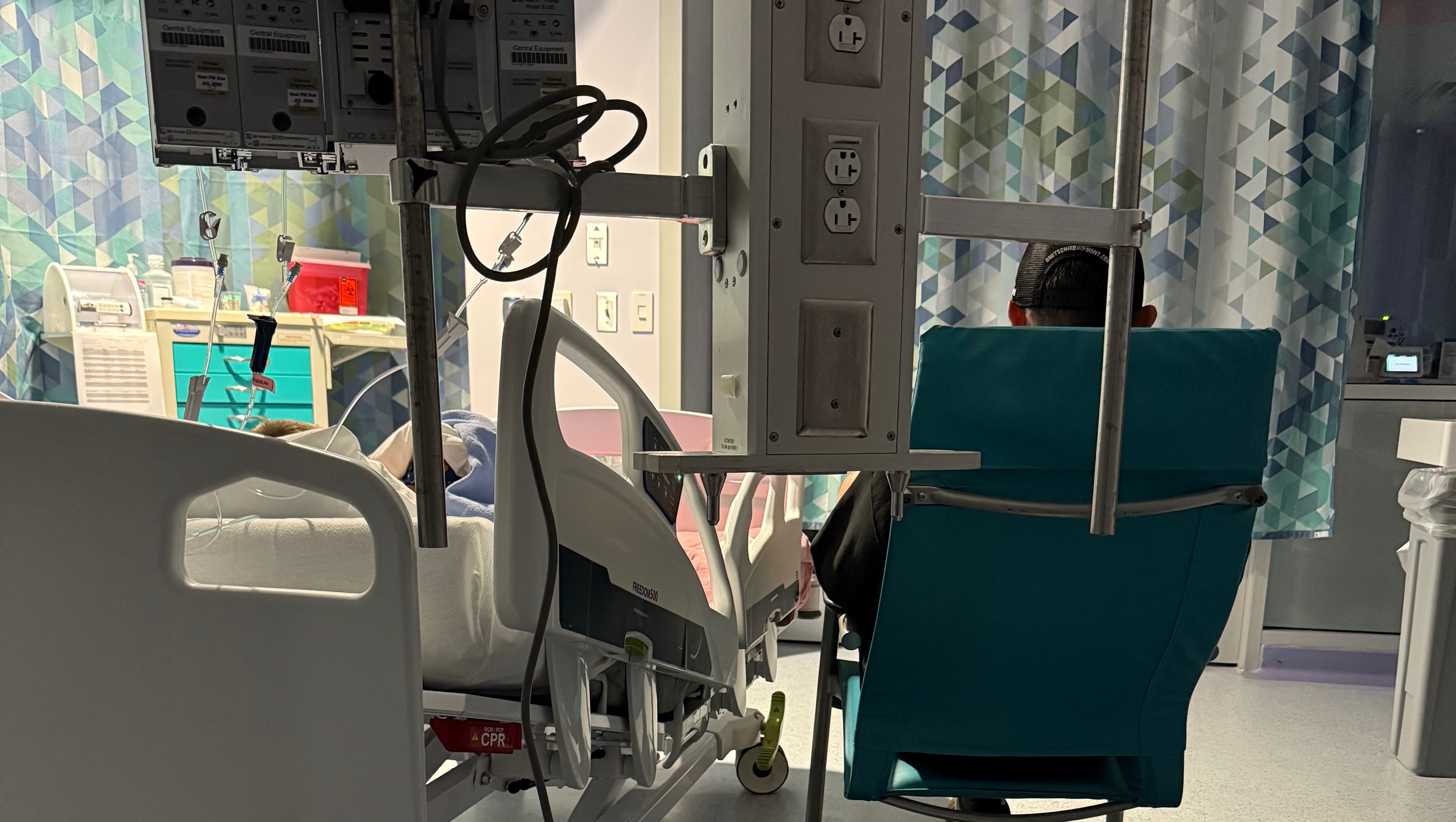
Suddenly, the very things his body struggles to tolerate became the things he needed to stay alive.
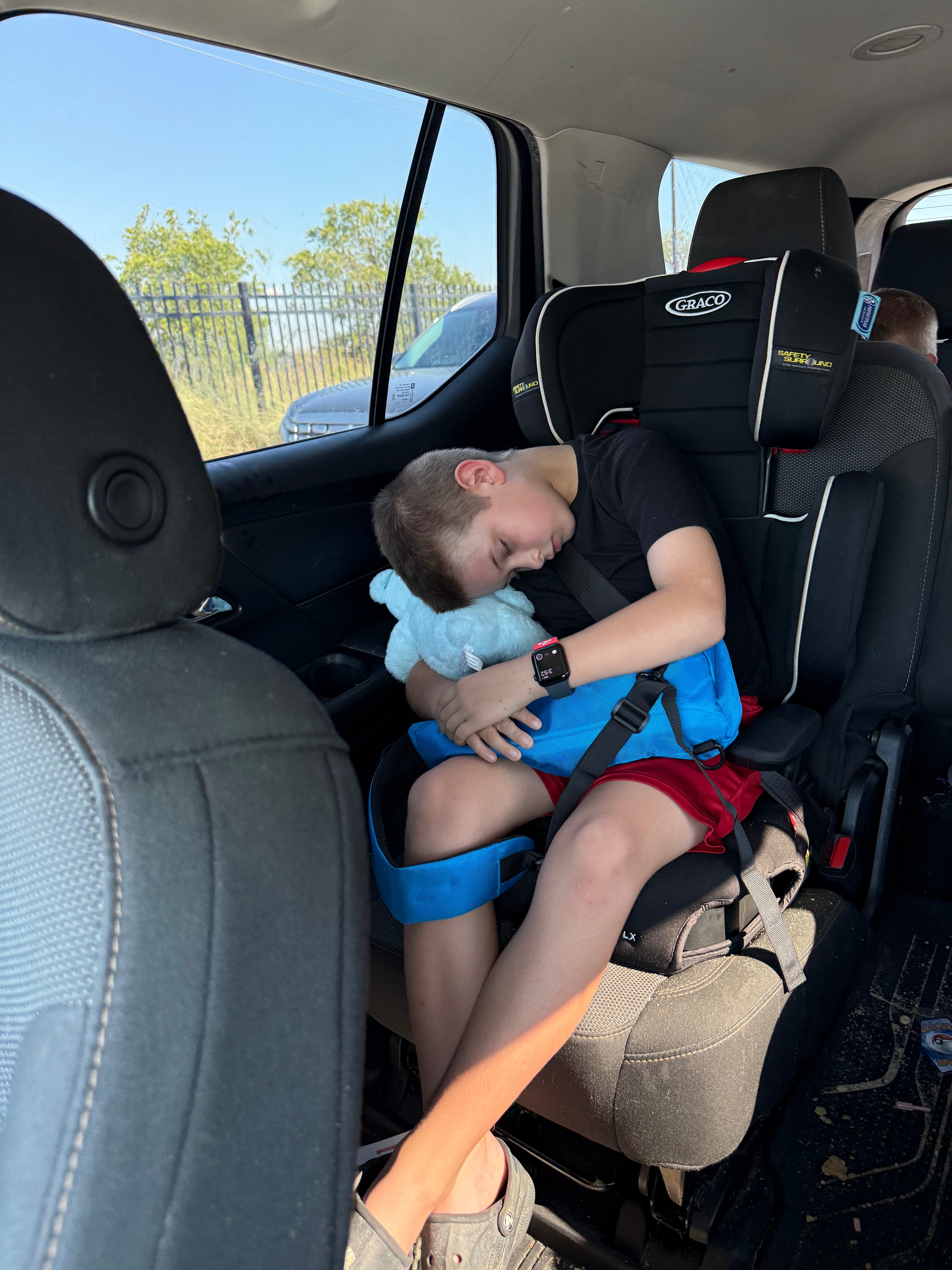
Imagine being 10 years old, already struggling with intense sensory sensitivities, and waking up to medical alarms.
Sitting hungry at the school lunch table, watching your friends eat while you wait 15 minutes for your insulin to begin working.
Being pulled off the baseball field because your blood sugar is dropping.
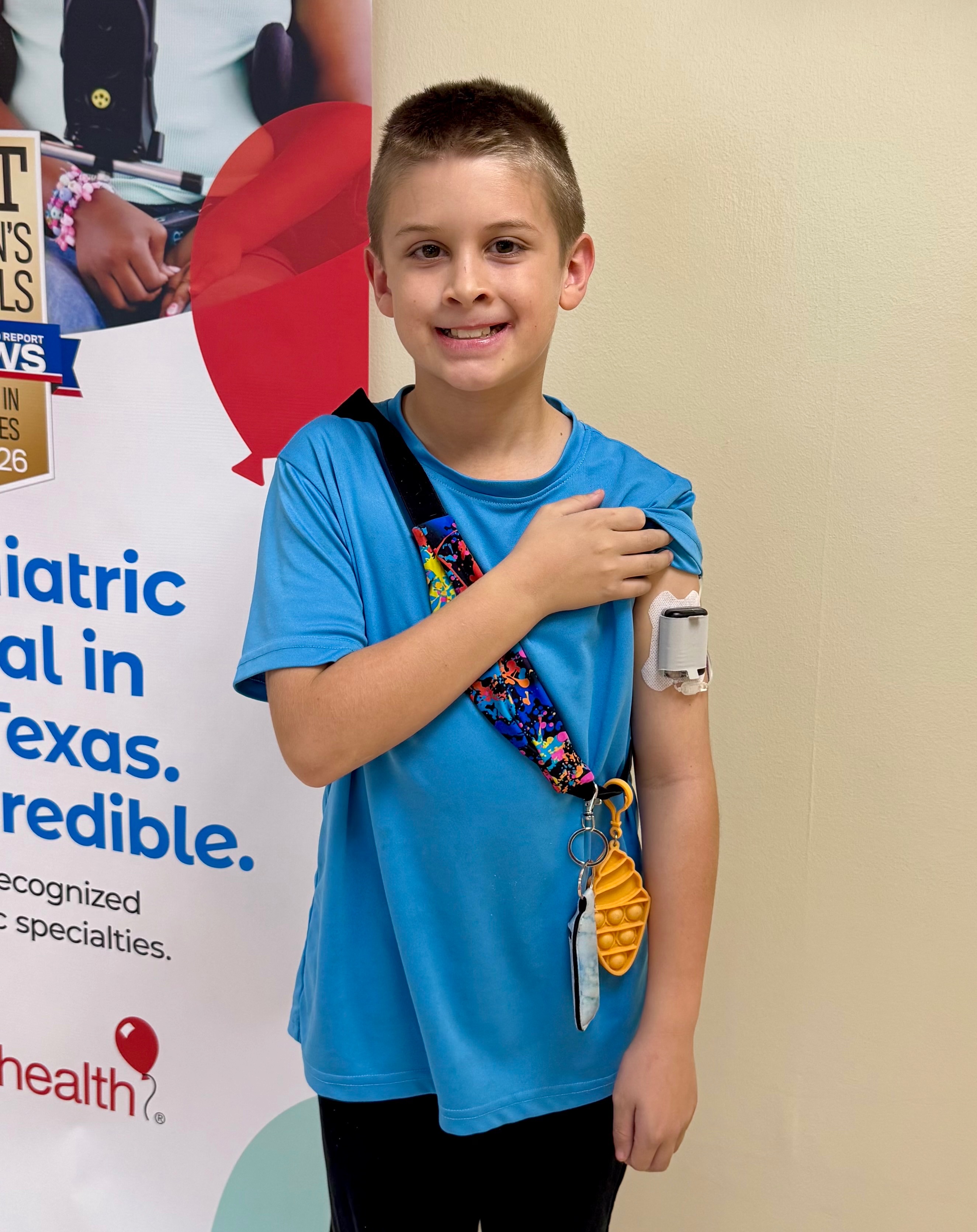
Having your finger pricked for the 15th time that day. Enduring another needle, another infusion-site change, another adhesive pulled from your skin when your senses are already overwhelmed.
And when the day is finally over, sleep doesn’t bring relief.
Imagine spending much of the night being awakened by alarms, finger pricks, and the need to drink juice or eat candy to treat dangerously low blood sugar. Just as you fall back into a deep sleep, another alarm sounds.
Night after night, your sleep is interrupted because your body needs constant attention.
Every meal. Every activity. Every night.
This is what life looks like for Cooper.
And through it all, he remains the same hilarious, joyful little boy who lights up our world.
He isn’t asking for an extraordinary life.
He just wants to feel like a regular kid.
An Opportunity That Could Change His Future
After extensive research, we discovered Stem Cell Educator Therapy, a treatment developed by Dr. Yong Zhao through Throne Biotechnologies that has been studied for nearly 15 years and is now progressing through the FDA approval process.
Unlike traditional diabetes management, this therapy aims to address the underlying autoimmune response rather than simply replace the insulin the body can no longer produce.
Using a specialized device, the treatment exposes a patient’s own immune cells to stem cells outside the body before returning those immune cells to the patient. No donor stem cells are injected or transplanted, and the treatment is designed to work without ongoing immunosuppressant medications.
Throne reports encouraging results from its clinical research. According to Throne, 80–90% of patients treated within their first 12 months of diagnosis have achieved complete insulin independence, meaning they no longer require insulin injections or an insulin pump. For patients treated between 12 and 24 months after diagnosis, Throne reports that the majority have become insulin-independent or nearly so. Cooper was diagnosed only 13 months ago.
For a child who depends on insulin every hour of every day, the possibility of needing less, or potentially none at all, is extraordinary.
And even better, in an early study involving 15 people with Type 1 diabetes, researchers reported no adverse events as well as improvements in insulin production and blood sugar management. Throne describes the procedure as having minimal to negligible side effects, primarily associated with blood collection.
The therapy is generally designed as a one-time treatment, with researchers studying how long its immune-regulating benefits can last.
But there’s another reason this opportunity means so much to us.
Cooper doesn’t just live with Type 1 diabetes. He also lives with PANDAS, a condition involving immune dysfunction. Having multiple immune-related conditions makes us especially concerned about his long-term health and the possibility of additional autoimmune complications.
We’re particularly hopeful about the therapy’s potential to regulate the immune system more broadly. We’ve learned of reported improvements in people with PANS/PANDAS who have received Stem Cell Educator Therapy.
For a little boy living with both conditions, the possibility of improving his overall well-being is difficult to put into words. Imagine what it could mean for Cooper to wake up without the exhaustion of another interrupted night, to go through a day without constant medical interruptions, or to feel more comfortable in his own body. To experience the freedom of childhood without so many of the challenges that have followed him for years.
After meeting directly with the treatment team, we learned that Cooper qualifies to pursue this therapy through a Right to Try access pathway.
And for Cooper, timing matters. According to Throne Biotechnologies, patients treated within the first two years of their Type 1 diabetes diagnosis have experienced some of the most promising outcomes, including significantly reduced insulin needs and, in some cases, complete insulin independence. Cooper was diagnosed just over a year ago, and we are still within that critical window. Every month matters to us because we want to give him the best possible opportunity to benefit from this treatment while his body is still producing some of its own insulin.
The therapy is still undergoing clinical evaluation, and individual results cannot be guaranteed. But years of research and the improvements reported in treated patients have given us a reason to hope for something we once could barely imagine.
Fewer needles. Less insulin. More stable blood sugars. More uninterrupted baseball games. More peaceful nights.
More freedom to just be a kid. And maybe, just maybe, the chance for his body to begin healing in ways we once thought impossible.
Help Us Give Cooper This Chance
The treatment costs $39,000, not including travel and lodging in Paramus, New Jersey.
As Cooper’s mother and father, we will do everything within our power to give him every opportunity for a healthier, more comfortable future.
We will fight until the ends of the earth for our son and his healing. But right now, we need your help.
We love Cooper exactly as he is. We wouldn’t change a single thing about the incredible person he is.
We just wish he didn’t have to fight so hard to experience an ordinary childhood.
We’re asking our family, friends, and community to come alongside us and help give Cooper this opportunity.
Whether you donate, share his story, or keep him in your prayers, your support means more than we could ever express.
Our greatest hope is that one day, Cooper won’t have to ask why life has to be so hard for him.
Thank you for loving our boy, believing in his future, and helping us fight for a brighter tomorrow.
With love,
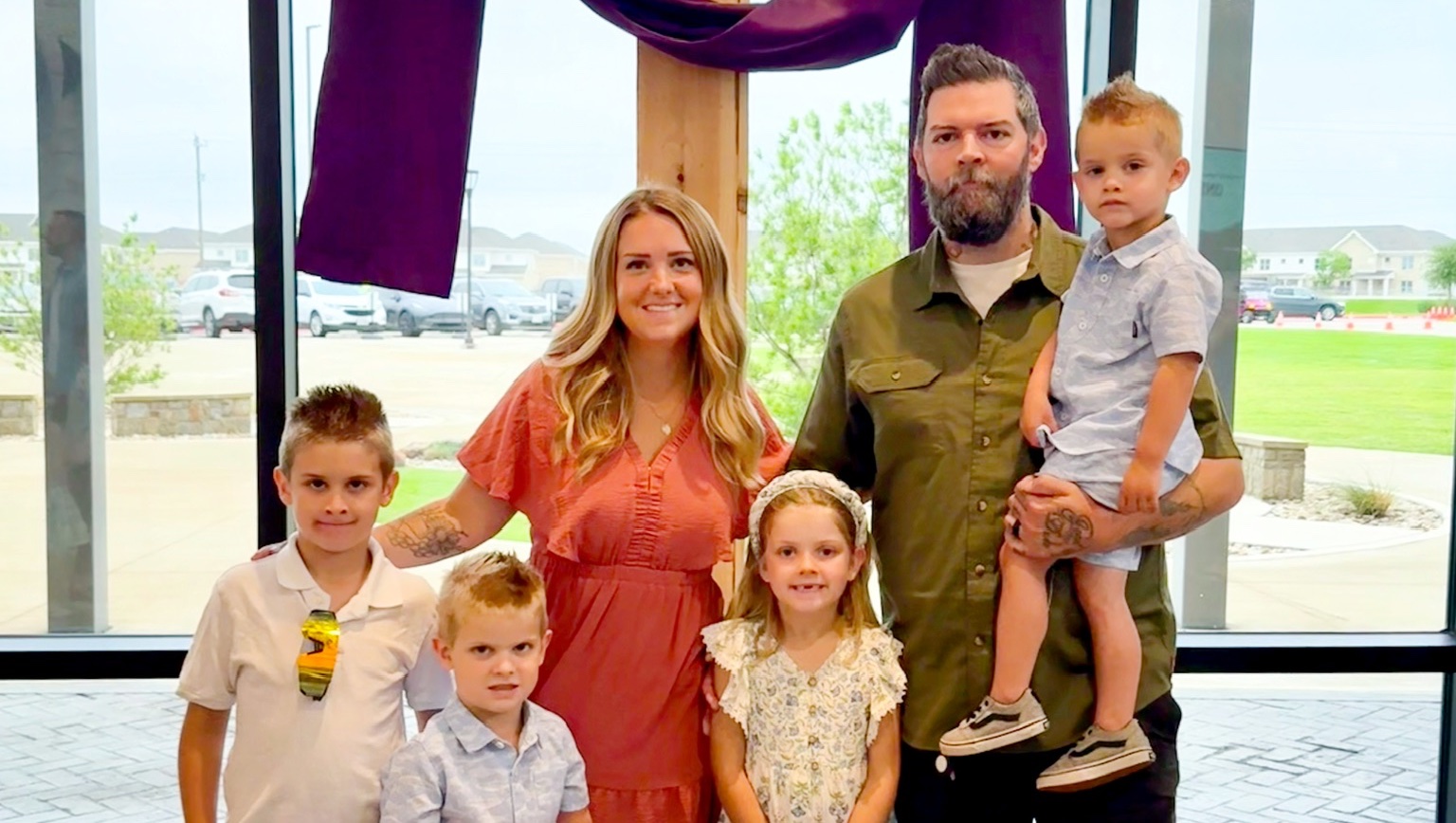
The Fitzgerald Family ❤️
Learn More About Cooper’s Treatment
We know that Stem Cell Educator Therapy may be unfamiliar to many people, and we want everyone supporting Cooper to have the opportunity to learn more about the physician, the research, and the treatment we are pursuing.
Who Is Dr. Yong Zhao?
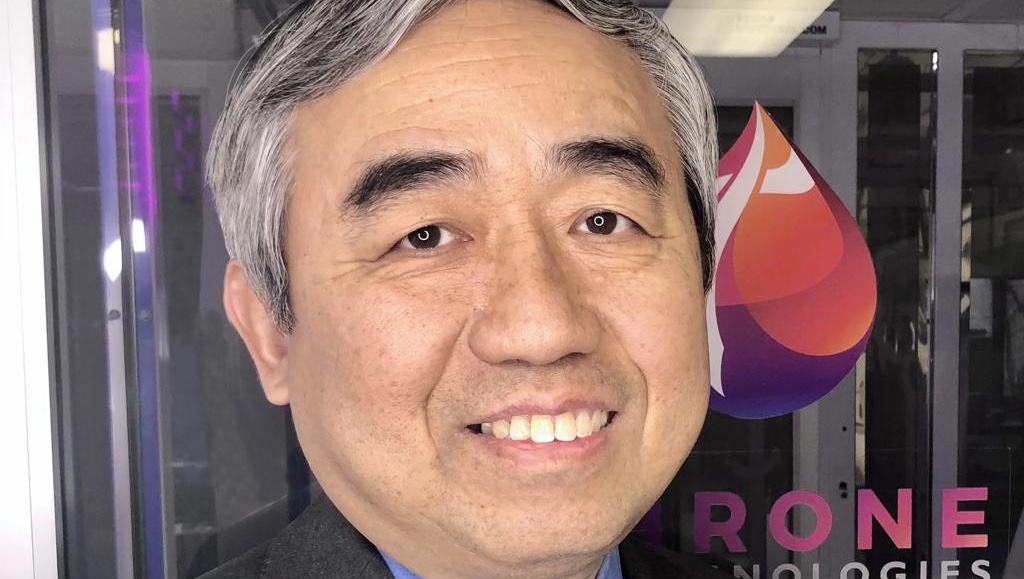
Dr. Yong Zhao, MD, PhD, is an immunology and stem cell biology researcher and the inventor of Stem Cell Educator Therapy.
He completed postdoctoral training at the University of Chicago and has held academic and research positions at the University of Illinois at Chicago and Hackensack Meridian Health.
Dr. Zhao has authored or contributed to more than 60 scientific publications and holds multiple patents associated with his research.
His work has focused on understanding autoimmune disease and developing treatments that aim to restore healthier immune function.
What Is Throne Biotechnologies?

Throne Biotechnologies is a biotechnology company based in Paramus, New Jersey, dedicated to developing Stem Cell Educator Therapy.
According to Throne, the therapy has been studied for approximately 15 years across international clinical research involving more than 500 patients with different conditions.
In April 2024, the company reported receiving FDA Regenerative Medicine Advanced Therapy (RMAT) designation for its Type 1 diabetes program, an important milestone in its ongoing clinical development.
Frequently Asked Questions
What exactly is Stem Cell Educator Therapy?
It is a treatment designed to help retrain the body’s immune cells. A patient’s white blood cells are collected and exposed to specialized umbilical cord blood-derived stem cells outside the body, then returned to the patient.
The goal is to address the autoimmune dysfunction contributing to diseases like Type 1 diabetes.
Are stem cells injected into Cooper?
No. The stem cells remain inside the treatment device. Cooper would receive his own treated immune cells back into his body.
Does the treatment require immunosuppressants?
According to Throne, the therapy is designed to work without ongoing immunosuppressant medication.
Is this a one-time treatment?
Throne reports that most patients receive one treatment, although some may require an additional treatment depending on their response.
What have the studies shown?
Published clinical research has reported improvements in C-peptide levels, blood sugar control, and insulin requirements in people with Type 1 diabetes.
Throne also reports cases of patients achieving complete insulin independence after treatment.
Individual outcomes vary, and researchers continue to study the treatment’s effectiveness and durability.
What about safety and side effects?
An early clinical study of 15 people with Type 1 diabetes reported no adverse events. Throne describes its procedure as generally having minimal to negligible side effects, including possible discomfort or tingling during blood collection.
As with any medical treatment, individual risks require evaluation by the treatment team.
Could this also help Cooper’s PANDAS?
We have learned directly from Dr. Yong Zhao of reported improvements in people with PANS/PANDAS who have received Stem Cell Educator Therapy. We are very hopeful this will improve Cooper’s symptoms.
Because both of Cooper’s conditions involve immune dysfunction, we are hopeful that improving immune regulation could benefit his overall well-being. However, benefits for PANS/PANDAS have not yet been established in published clinical trials.
Why is it important for Cooper to receive treatment as soon as possible?
According to Throne Biotechnologies, the length of time someone has lived with Type 1 diabetes may significantly influence their response to Stem Cell Educator Therapy.
Throne reports that 80–90% of patients treated within their first year of diagnosis have achieved insulin independence. For patients treated between one and two years after diagnosis, Throne reports that the majority have become insulin-independent or nearly so.
Throne explains that patients with more recent diagnoses may still have functioning insulin-producing cells that could potentially recover following treatment.
Cooper was diagnosed in September 2025 and still has measurable natural insulin production. We are hopeful that pursuing treatment while he is within this two-year window could give him a better opportunity for meaningful improvement.
This is why we’re working so hard to make treatment possible now, rather than waiting another year or two.
Is this treatment FDA-approved?
Stem Cell Educator Therapy is still undergoing clinical development and has not received FDA marketing approval.
Cooper’s treatment team has informed us that he qualifies to pursue access through the Right to Try pathway, which can allow eligible patients to access certain investigational treatments outside clinical trials.
Where would Cooper receive treatment?
The proposed treatment would take place in Paramus, New Jersey.
Why are we raising $39,000?
The treatment team has quoted us $39,000 for Cooper’s therapy. This amount does not include airfare, lodging, meals, and other travel-related expenses.
Our fundraising goal is intended to help cover those costs and make this opportunity possible for him.
Research and Additional Information
For anyone interested in learning more, these are some of the resources we have been reviewing:
Throne Biotechnologies
Throne’s Frequently Asked Questions
Meet Dr. Yong Zhao and the Research Team
How Stem Cell Educator Therapy Works
Throne’s Research and Scientific Publications
Throne Biotechnologies — Type 1 Diabetes Treatment Results and Patient Questions
2012 Clinical Study: Reversal of Type 1 Diabetes Following Immune Modulation
2022 Review: Stem Cell Educator Therapy in Type 1 Diabetes, From the Bench to Clinical Trials
2024 Research: Changes in Insulin-Producing Blood Cells After Treatment
FDA Information About the Right to Try Act
We are incredibly grateful to everyone taking the time to learn about the research behind Cooper’s opportunity. Your support, encouragement, and prayers mean so much to our family.
Organizer