- J
- G
- n
Introduction
Hello! My name is Susana Tubert and I could not be prouder to share that between September 7 and November 27, 2023, Museo de Artes Plásticas Eduardo Sívori of Buenos Aires will present a major retrospective exhibition of the artworks of my Romanian-Argentinian grandmother CECILIA MARCOVICH (1894-1976).
The art collection has been in storage for the past 47 years and now, after my many attempts, it will finally take its rightful place again in the History of Art of Argentina -- a significant breakthrough!
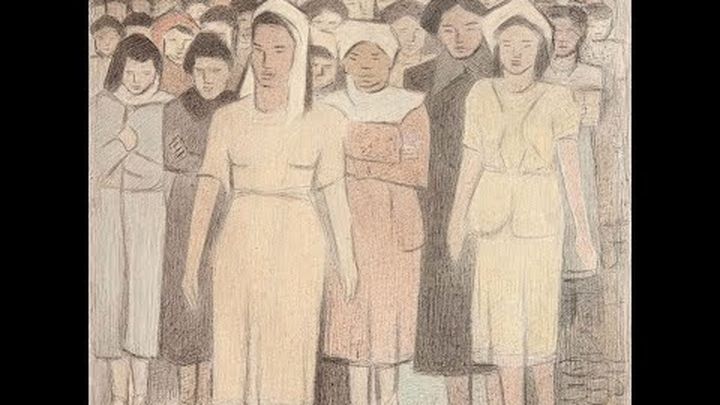
The exhibit will allow new generations of art lovers to experience the vision of an inclusive artist whose focus on Latin American Women and People of Color is evidenced throughout the array of mediums she worked in - sculpture, painting, drawing, charcoal, and pastel. I invite you to view the 5-minute video above of the art installation we staged in the storage space back in 2019.
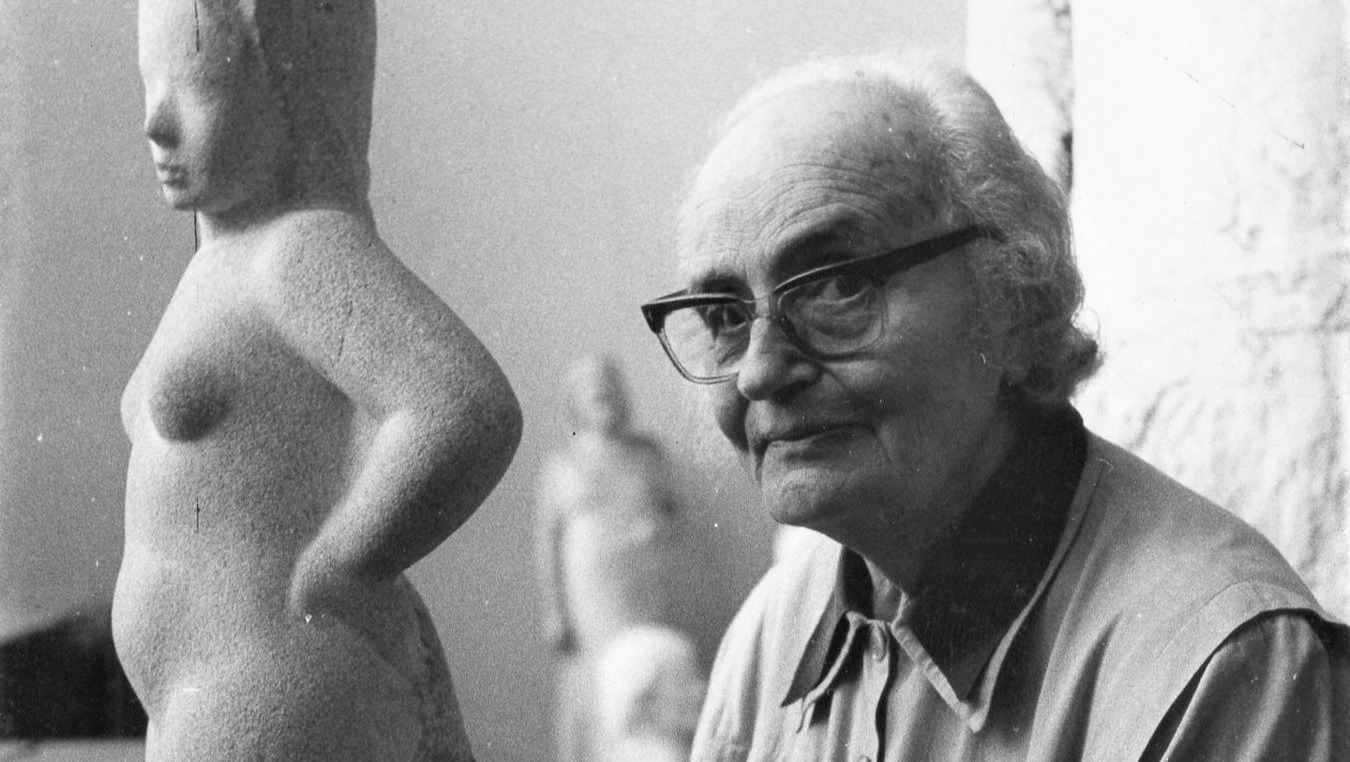
In addition to the exhibit, a book on Cecilia's life and art will be completed this year by curator and art historian Talía Bermejo, while Universidad Nacional Tres de Febrero plans to add a virtual "Marcovich Archive" to its website. Art students and researchers around the world will be able to access the digitized artworks as well as Cecilia's journals, classes, reviews, and media - all of which will live on in perpetuity in cyberspace.
Why THE MARCOVICH PROJECT: An Art Restoration Project
Upon opening the crates and boxes where the artworks have been stored, it became apparent that before any of the art could be exhibited, it would be vital to clean, repair, and restore sculptures that have sustained fractures over the years as well as works-on-paper and paintings where there was evidence of decay.
As the main caretaker and sole champion of a collection that has thousands of art pieces, I have been struggling over the past few months with the magnitude of this challenging endeavor. At the suggestion of friends, I decided to launch THE MARCOVICH PROJECT: An Art Restoration Project.
Please know that funds raised through this campaign will be used in their entirety to underwrite expenses associated with preventing further deterioration of the art and, as we move into the final stretch ahead of the exhibit's opening day, to underwrite unexpected production and marketing costs that I only recently became aware of.
Included in the GoFundMe budget are honorariums for two different specialists in art restoration, as well as for the photographer's and consulting producer's fees; printing costs of tailor-made graphics for the exhibit; packing materials, transportation and insurance costs to/from storage space, conservators' and photographer's studios, and museum; marketing collateral, and more. Additional art pieces that will be solely featured in the book and archives must also be photographed.
How does GoFundMe work and how will funds be allocated?
Unlike other donation platforms that take an all-or-nothing approach (meaning one can only receive the donations if one reaches their target), there is no requirement with GoFundMe to reach one's goal. Funds raised through this campaign, minus transaction fees, will be used to underwrite the various aspects of the Project outlined above.
Is there a long-term plan to introduce the artworks to museums globally?
Yes, my life-long dream is to find permanent homes for Cecilia Marcovich's art at museums and art institutions in Argentina, the USA, and around the world. In an extraordinary turn of events, the International Committee for Museums and Collections of Modern Art -CIMAM- will be holding its annual conference in Buenos Aires, bringing together 220 museum professionals. The amazing timing of this summit will allow me to introduce Cecilia's art on the global stage when the conference attendees visit the exhibition at Museo Sivori!
About Cecilia Marcovich and my special connection to her ...
In 1901 Cecilia was six years old when she emigrated to Argentina with her parents and six siblings to escape persecution in Romania. When she was 14, her mother unexpectedly passed away and Cecilia and her 15-year-old brother became the sole caretakers of their three younger siblings. Cecilia taught piano lessons for a living and in the evening took painting classes in an all-male art school that offered her a scholarship.
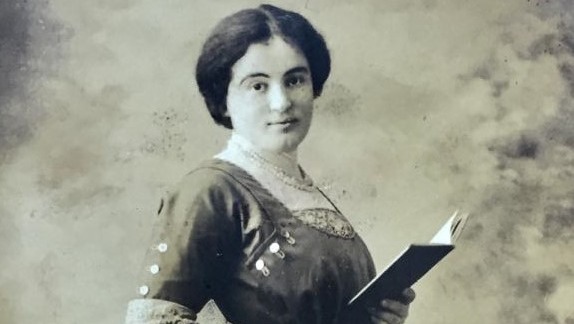
In 1925 Cecilia's radical decisions altered the course of her life. She separated from her husband and boarded a transatlantic ship to France with her two young sons. While her boys lived in a Parisian boarding school, Cecilia resided in a converted horse stable turned atelier in Montparnasse. She studied sculpture with the great French master Antoine Bourdelle (Auguste Rodin's disciple) and painting with André Lhote until 1931 when the family returned to Argentina.
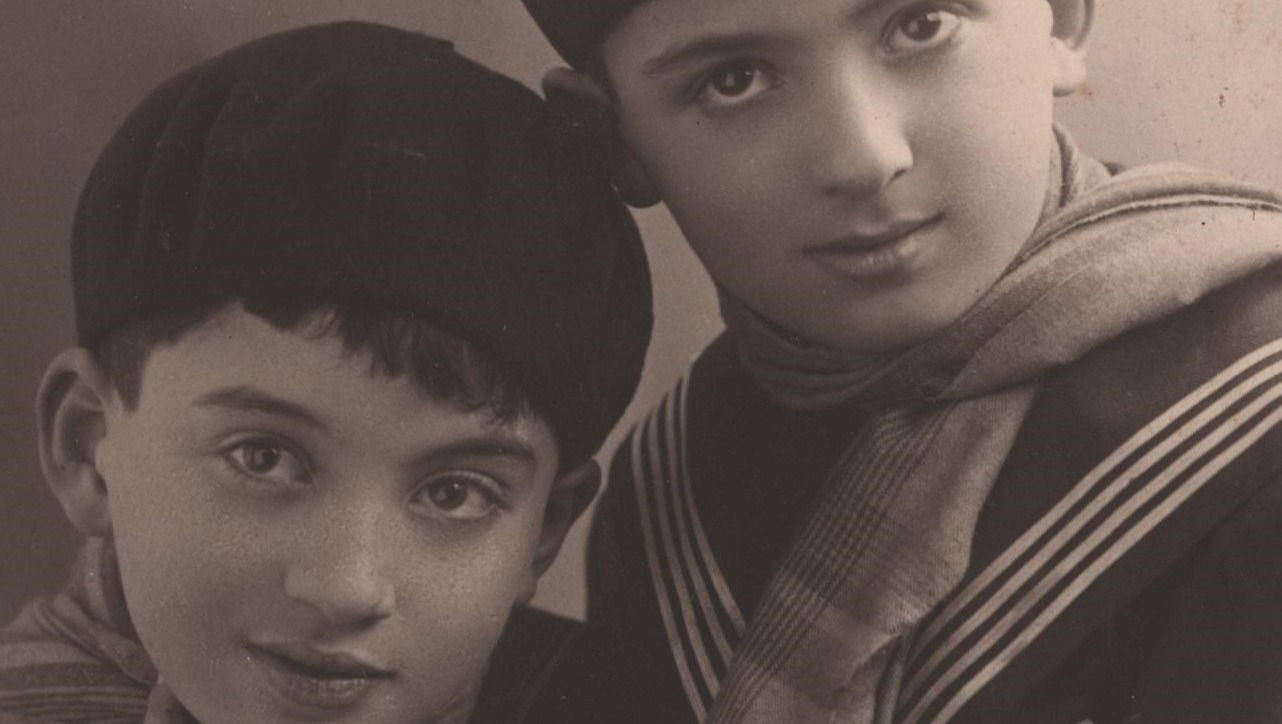
From that point on, Cecilia focused on her art production and the leadership role she played at AIAPE, a socio-political organization led by artists, writers, journalists and intellectuals. Cecilia also joined Junta de la Victoria, an all-women’s association that held fundraising campaigns to send money to the Allies fighting Fascism in Europe. Above all else, my grandmother loved teaching so she founded and led an art school for 30 years that allowed hundreds of students from all walks of life to study free of charge.
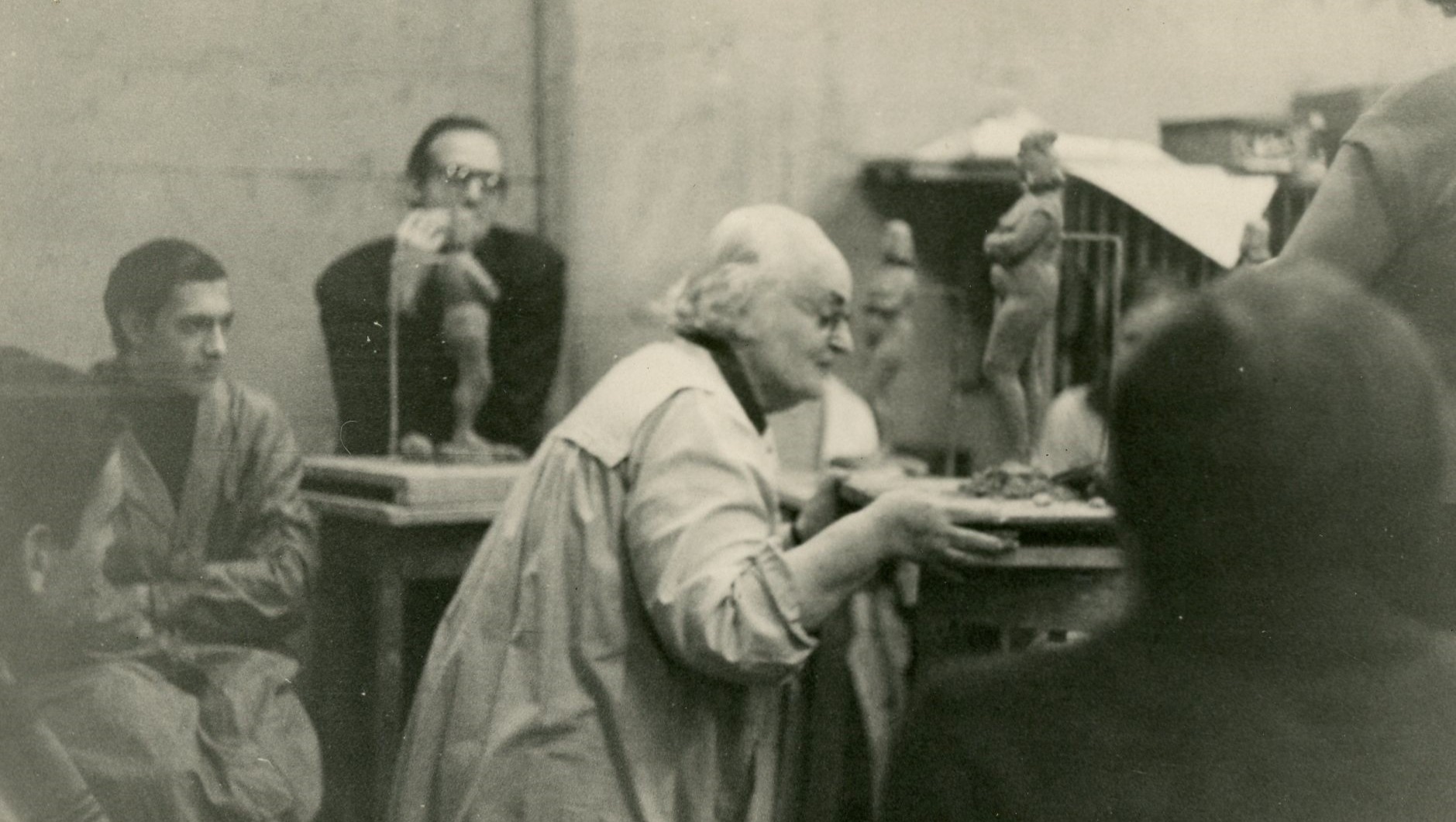
Most importantly, Cecilia played a key role in my own life. She showed me through her actions that with dedication and determination, a woman can lead a fulfilling life as an artist. She also taught me to see and appreciate the beauty of diverse people of color. Her unique perspective can be seen across her entire production:
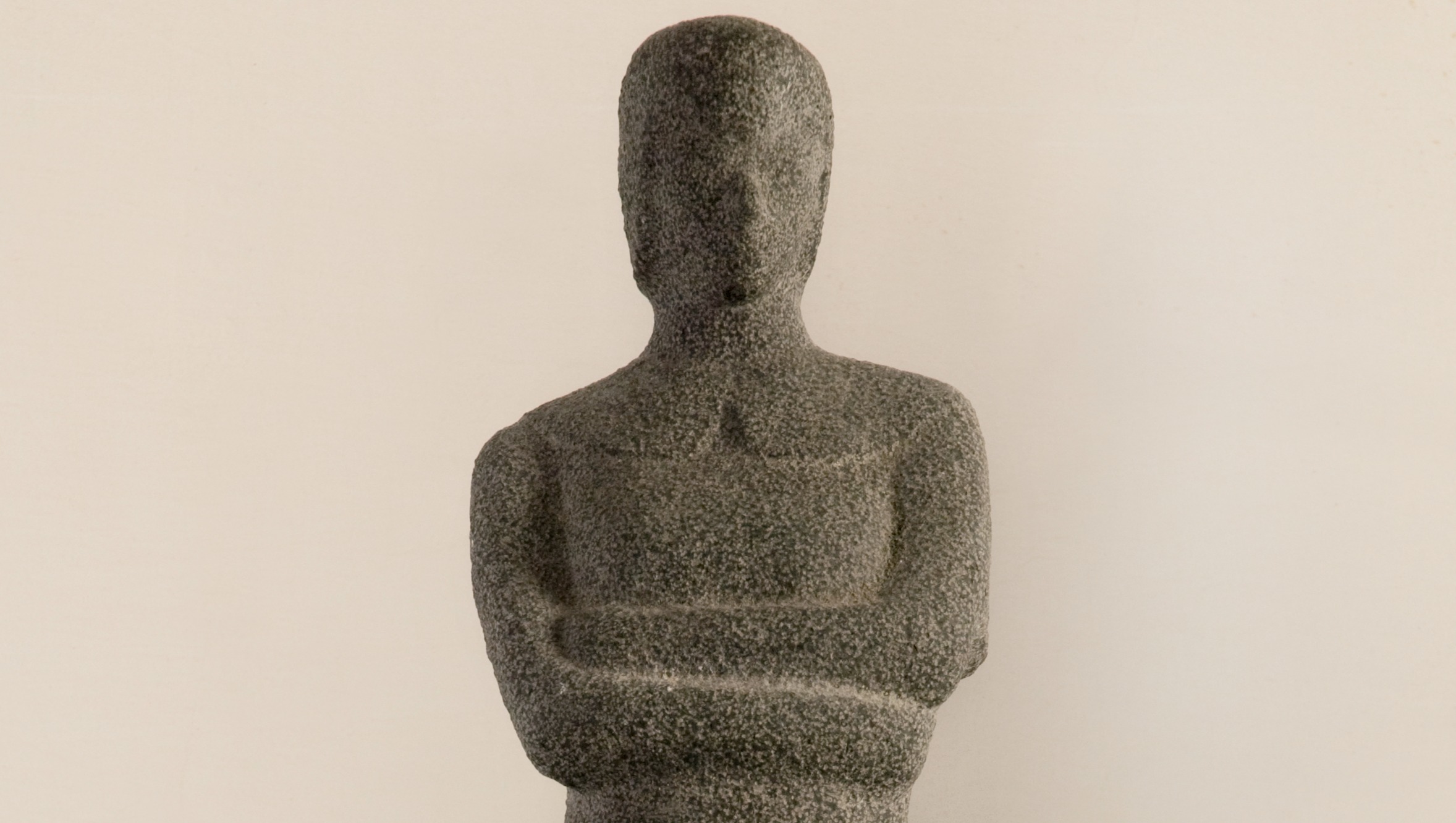
• Las Morenas ("The Brown Women") monumental sculptures in black granite were inspired by Afro-Brazilian women she encountered in Río de Janeiro. They also inspired the street scenes seen in the drawings and paintings.
• A suite of pastels depicts the humanity she saw in people who lived in rural towns in Northern Argentina.
• Carefully constructed pencil drawings show women and men working under the sun during harvest season in Mendoza, and the complex workings of steel mills in the province of Salta.
• Cecilia's sensitive nature is also evident in the early works she produced while studying in Paris.
Why your support - at any level - will hold special meaning ...
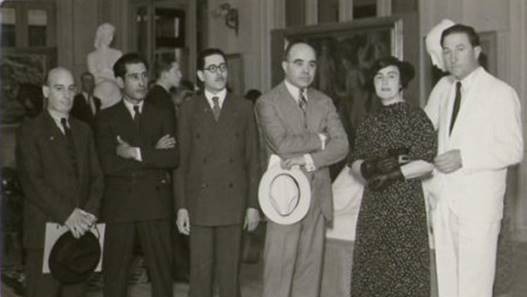
Women artists back in my abuela's days were made to feel invisible. However, in the photo seen below taken in 1935, Cecilia stands shoulder-to-shoulder with renowned fellow artists whose works were also recognized with awards from the National Museum of Art of Argentina. My grandmother stands proud and strong amongst the men; a woman who defied the societal norms of her time, electing instead to create, teach and lead by example.
Thank you for taking the time to read about Cecilia. I will be grateful for any introductions to museum directors, curators, foundations, art historians, potential sponsors, and friends who may be interested in learning more.
I hope that with your support, we will be able to complete THE MARCOVICH PROJECT: An Art Restoration Project and in doing so, augment Cecilia Marcovich's voice to ensure that the artistic merit and universal value of her life's work will reach and touch generations to come.
Rest assured that no donation will be considered too small and all donations will be matched by my immense gratitude.
All my best,
Susana.
FOLLOW:
Organizer