- D
- S
- S
KIDNAPPED & STRANDED: Help Carla Peariso Life-Savi
0% complete
$345 raised of $25K
7 donations
The Daily Fight for Survival
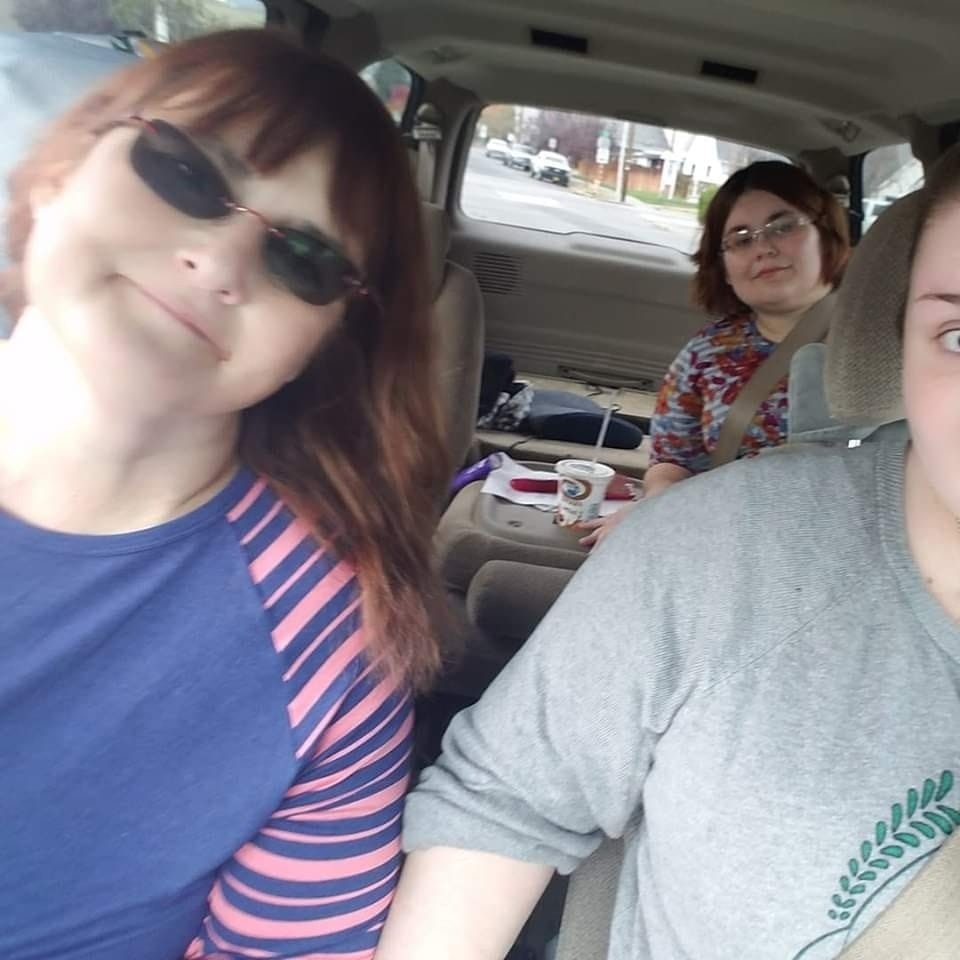
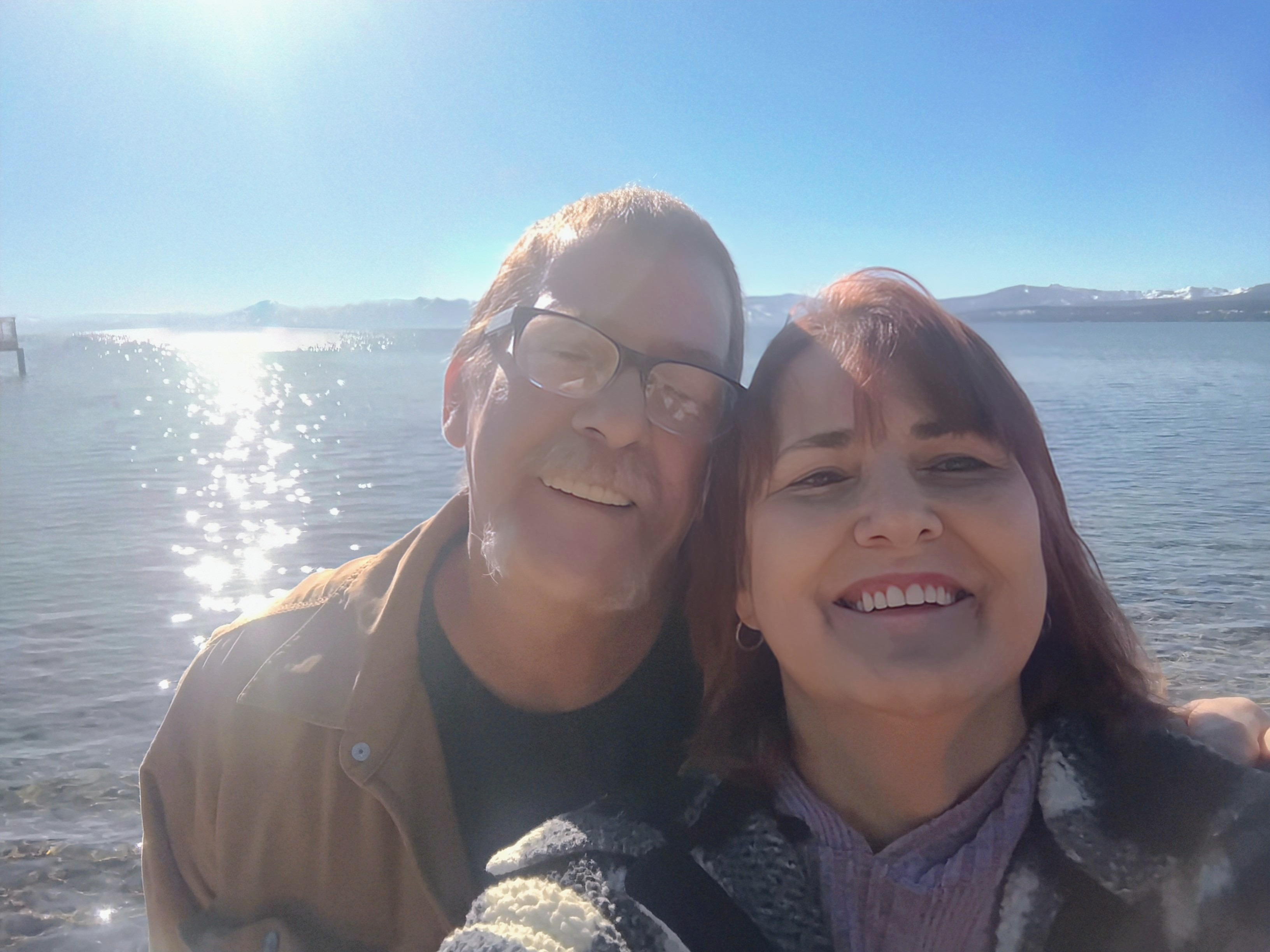
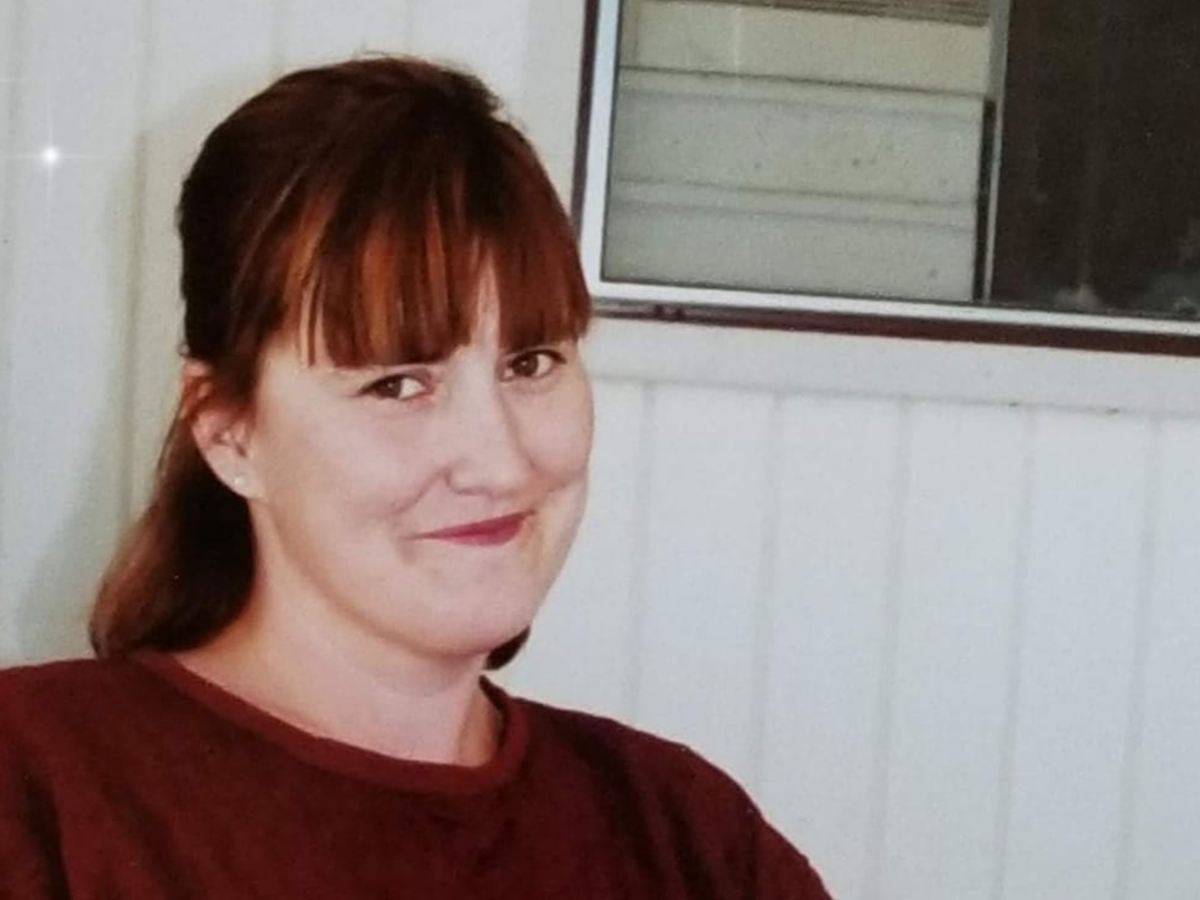
My name is Carla Peariso. For years, I have battled a rare kidney disorder called Loin Pain Hematuria Syndrome (LPHS). It feels like a permanent, agonizing kidney stone. To stay stable, I must receive medical infusions four times every week. My husband is also fighting cancer. We are a family battling two severe illnesses at once, yet our biggest threat isn't the disease—it’s the system meant to protect us.
The Horror of December 18th
On December 18th, the system failed me in the most terrifying way. Following a treatment, I was held captive in a medical transport vehicle for over an hour. Despite my desperate pleas to be taken home, the driver—reportedly on orders from management—refused to let me out. I was a prisoner in a medical van. I have filed a police report and have the audio recordings of them admitting to this illegal restraint. I am now suffering from severe PTSD and can never safely enter their vehicles again. All that so they give me letter saying not to email them. They don't want paper trial.
The System's Sabotage
I have a life-saving transplant evaluation in Utah on December 30th. But my insurance is blocking me:
Daily Harassment: They force me to call every single day for a new code for my 4x-weekly infusions. This violates the 90-day standing order rule (OAR [phone redacted]) and is being used to harass me.
Withheld Funds: They are withholding $730.00 from a trip I took on Nov 7th. Because they won't pay me what they owe, my bank account is at $0.00.
No Advance Payment: They refuse to pay for my Utah travel upfront, even though the law requires it for patients with financial hardship.
The Urgent Need
I have exactly 7 days to get to Utah. If I don't raise $2,000 for gas and sterile lodging, I lose my surgery date and my spot on the transplant list. I am being "starved out" of my healthcare.
Please help me break free. Every dollar helps me get to Utah and covers the daily treatments they are making it impossible to reach.
Understanding My Pain: Living with LPHS
Loin Pain Hematuria Syndrome (LPHS) is a rare, severe, and poorly understood kidney disorder that turns my everyday life into a fight against chronic, debilitating pain. It’s not just a frequent kidney ache; it is a profound disruption of normal function.
Imagine having a constant, acute kidney stone that never passes.
What the Pain Feels Like
The defining feature of LPHS is relentless, agonizing pain in the flank area (the loin), where the kidneys are located. On a daily basis, this means I experience:
Excruciating, Colicky Pain: The pain feels like repeated, sharp, cramping spasms—similar to the worst pain a person can experience—that radiate from my back and wrap around toward my abdomen and groin. This pain is often so severe it is incapacitating.
Physical Symptoms: The pain is often accompanied by nausea, vomiting, and fatigue. The physical toll is compounded by hematuria (blood in the urine), which serves as a constant, visible reminder that my body is in distress.
Refractory to Medication: Unlike pain from a simple injury, LPHS often resists standard narcotic pain medication. This leaves me cycling through periods of extreme suffering while trying to remain functional.
The Daily Impact and Battle
LPHS does far more than cause physical pain; it dictates my life and creates massive instability for my family:
Functional Disability: The unpredictability of the severe pain attacks means simple daily tasks—parenting, driving, working, or even sleeping—can be suddenly interrupted or made impossible. This impacts my ability to maintain employment and a consistent schedule.
Systemic Strain: Because the medical community often struggles to diagnose or treat LPHS, there is a constant battle for validation, contributing to emotional exhaustion and immense stress on my husband, who is also fighting cancer.
The Travel Mandate: To seek relief, I must travel 1,000 miles to the few specialized centers offering treatment, such as the Renal Autotransplantation (RAT) procedure at the University of Utah. This long, painful trip cannot be rushed and must be carefully managed to prevent a medical crisis.
In short, living with LPHS means enduring relentless, severe pain that has not responded to traditional therapies, forcing me to undertake this expensive, specialized journey to reclaim a life free from constant suffering.