- M
- M

Cancer vaccine for early onset metastatic rectal cancer
0% complete
$133,142 raised of $104.1K
767 donations
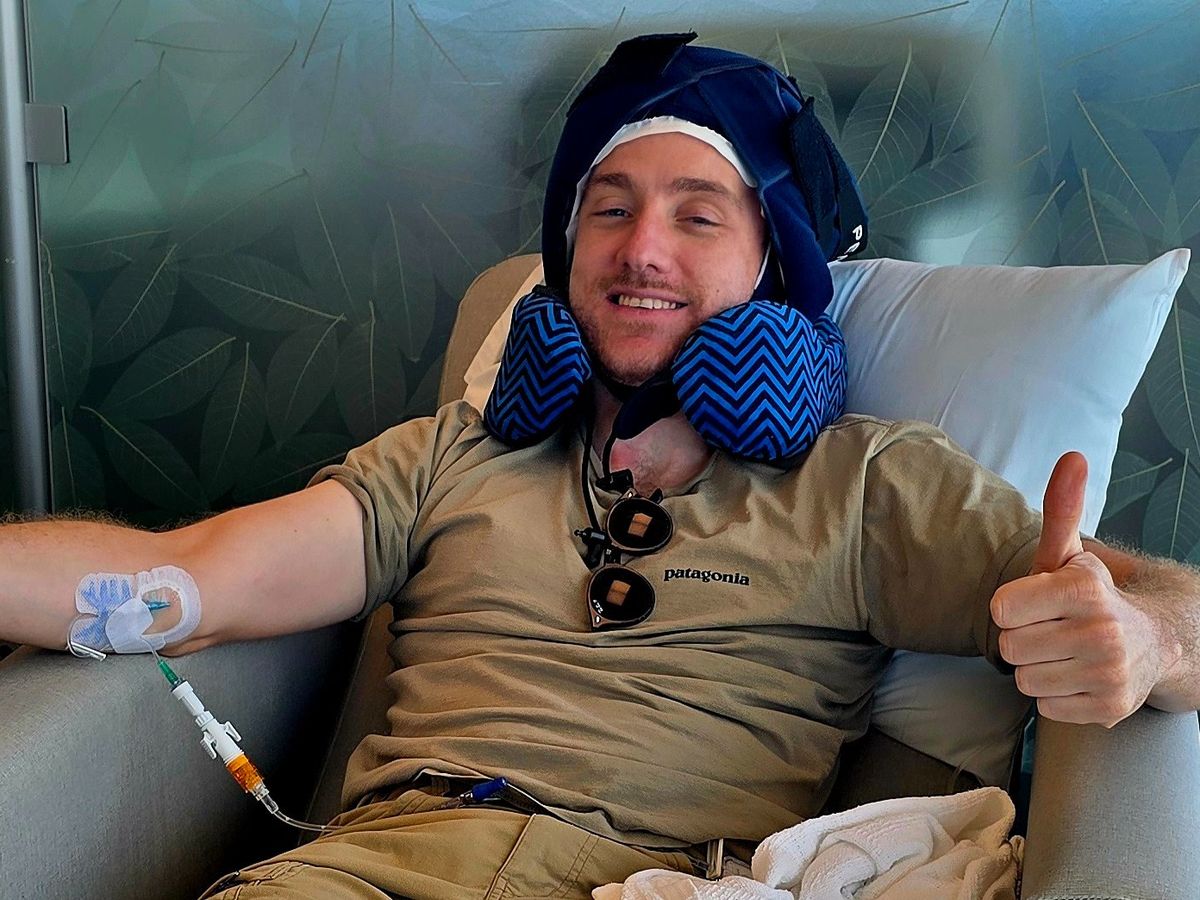
In March 2024, at the age of 35, I was diagnosed with stage IV rectal cancer with a metastasis in my liver. This was a shock: I had no family history, and none of the doctors suspected it. In fact, I'd had a negative occult blood test when I went to ER with severe digestive symptoms a few months before.
I was treated with total neoadjuvant therapy at UCLA. I had 6 weeks of combination radiation and chemotherapy (Xeloda). The chemoradiation was followed by 6 rounds of combination chemotherapy: oxaliplatin infusions followed by two weeks of Xeloda. I tolerated this unusually well. During this period, I managed to hike up to over 11,000ft multiple times in the Sierras, and I wrote the main text of a 72 author meta-analysis paper and submitted it to Nature where it has passed first round reviews (currently working on revisions).
I showed a good clinical response, and at the end of October I had surgery: I was under for 9 hours, and they cut out a large bit of my rectum, 1/3rd of my liver, and gave me a temporary ileostomy. Waking up from this was probably the strangest experience of my life: I felt more machine than man, and I had wild hallucinations form such a large dose of anesthesia.
It took a while to feel OK after that surgery. However, I still had the ostomy. I had that reversed at the end of January in another surgery, which took a greater toll on me than I expected.
There's a cumulative effect of having so many major medical interventions, and it reveals anything weak in body or mind. Surprisingly, my mind held up well during this process. This was thanks to the love and support I received from friends and family.
I only just started to feel OK again and I got bad news: I got a positive circulating tumor DNA test (ctDNA), the signatera test from natera. Unfortunately, the ctDNA carried on rising, and in July 2025 a new lesion appeared in a lymph node near my liver (periportal).
I was treated with irinotecan and panitumumab infusions, which showed a good response, followed by live MRI guided SBRT radiation treatment to the lesion. However, after finishing this treatment, the ctDNA remained positive and began rising again. I restarted irinotecan and panitumumab infusions, which brought ctDNA back to negative on signatera, although it was still positive on the more sensitive Personalis assay.
During this period I had begun to develop stomach pain and digestive symptoms. Things took a turn for the worse when I collapsed vomiting blood in Santa Monica and was rushed to the ER. They found out I had a duodenal ulcer that had bled. I had some blood transfused, and I was sent home to complete an intensive course of antibiotics for H. Pylori infection.
However, after about a week, I started to get very weak to the point that showering was a struggle, with my heart racing. I collapsed again went back to the ER in an ambulance. They found my hemoglobin was 5g/dL, a dangerously low level (normal is over 13.5). Multiple blood transfusions didn't bring it up and I collapsed again in the night after passing a large amount of blood. They took me to intensive care and performed an emergency endoscopy where they clipped and sprayed the ulcer. Thankfully this worked and I was discharged after another 3 nights in hospital.
Unsurprisingly, nearly bleeding to death wasn't good for me, and my ctDNA began to spike rapidly. I had a PET-CT and it revealed 3 new disease sites in abdominal lymph nodes. I restarted irinotecan and panitumumab infusions after barely recovering from the ulcer incident. This showed an excellent response, with the sites resolving on imaging, although ctDNA remained positive.
I've now started bot/bal immunotherapy, a not yet approved immunotherapy treatment that is the first of its kind to show strong results in my kind of cancer, micro-satellite stable colorectal cancer.
Hopefully this treatment will be effective, but it is unlikely to be enough on its own to prevent future disease recurrence.
I am asking for help to get a personalized neoantigen cancer vaccine, which could substantially increase my chances of surviving this deadly disease that is likely incurable under standard care.
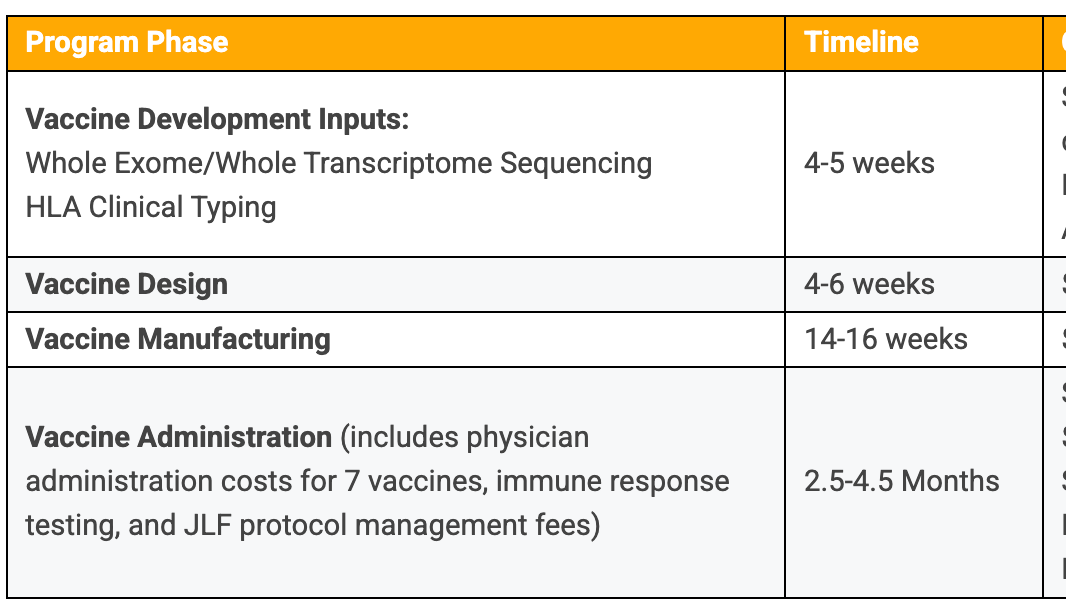
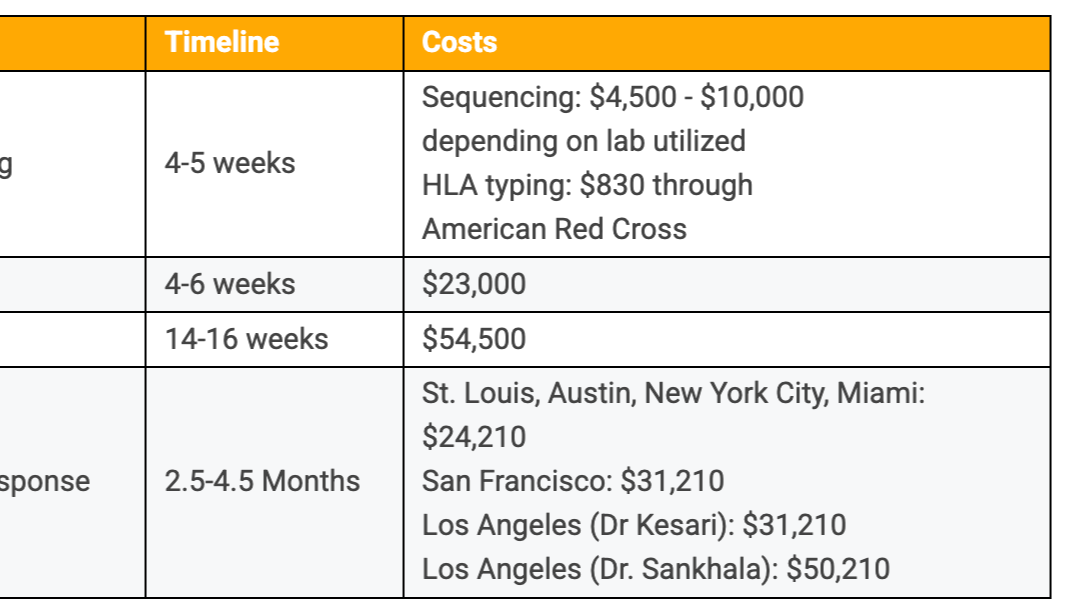
While cancer vaccines have shown promising results, they are not yet approved, meaning one has to pay for the design, manufacture, and administration of the vaccine. The total cost of which is $104,133, beyond my means or those of my family. Any help would be greatly appreciated!
I'm still working while in treatment, and have a research group in statistical genetics at UCLA: https://alextisyoung.github.io/. I'm hoping to be able to continue making contributions to science for as long as I can, hopefully longer with your help.
Alex Young.