- R
- H
- L
For those who don’t know Sean Sheridan, he is a 34-year-old in the midst of a long and brutal battle with cancer. He is my brother-in-law, though our families have become so close over the past 10 years that I’ve come to see him more like the brother I never had. When I met Sean’s brother, Marc, their family welcomed me with open arms, and our families quickly grew very close.
Sadly, in the 10 years I’ve known them, their family has not had any break from cancer, beginning with my would-have-been-father-in-law, Bryan’s diagnosis of lung cancer in 2009, just after Marc and I began dating. In 2012, the midst of Bryan’s battle, Sean was diagnosed with stage 4 colorectal cancer. He was only 27 years old at this time. By the time the cancer was diagnosed, it had spread to his liver. After 2 major surgeries, many rounds of chemotherapy, and radiation, Sean’s scans looked good, his health improved. The entire Sheridan family, however, continued to witness Bryan fight for his life. In November of 2013, Bryan lost his battle. Sean returned to work in June of 2014.
In December of 2014, Sean learned that his cancer had returned and spread to one of his lungs, and it was determined, this time, that surgery was not an option. Around this time, Sean’s story was featured by the CancerCare Manitoba Foundation to help raise money for cancer research and care. (https://www.cancercarefdn.mb.ca/seans-story)
Sean continued chemotherapy again from 2015 to 2019. Despite aggressive treatment, the cancer eventually continued to spread throughout both lungs, into his lymphatic system, and most recently, back to his liver. As if all of this wasn’t enough to deal with, Sean and Marc’s mother, Lynn, was diagnosed with breast cancer and went through surgery and treatment of her own during this time. Lynn’s treatment, thankfully, has been successful.
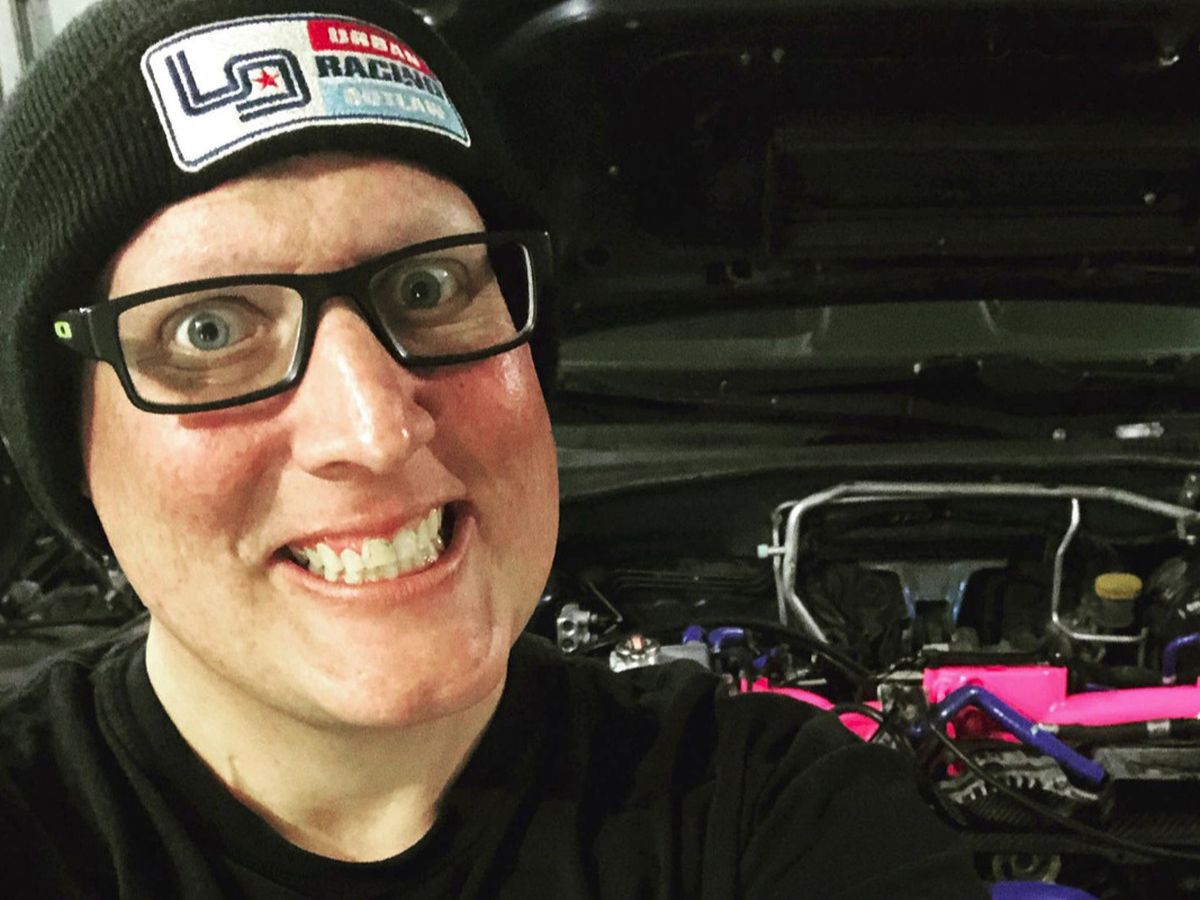
In the entire time since Sean’s diagnosis and throughout all of his surgeries and treatments, I have not once heard him complain about his situation. He has always maintained a positive outlook, despite everything that life has thrown his way. Those who know Sean will tell you he’s a happy-go-lucky guy who makes friends easily, is selfless and loyal to his friends and family, and would gladly give any of them the shirt off of his back. He’s also always made a point of living life to its fullest. He has an unbridled passion for cars, enjoys many car-related hobbies, and loves go-karting and quadding when his health allows. He loves to travel and still has many destinations he hopes to one day visit and experience.
Now, at 34 years old, Sean’s doctors have exhausted all of the standard, government-funded treatment options. What many people don’t realize is that there are many types of chemotherapy, and some may work for a while but then become ineffective, or the body may become intolerant to their side effects (which may then become life-threatening in themselves). The treatment that Sean’s doctors want to start him on now, which they believe is his next best bet, is an immunotherapy cancer medication delivered by infusion, in-clinic. This type of treatment is not approved for funding in Canada, despite having shown evidence of successfully treating Sean’s specific type of cancer. His private insurance provider has also denied coverage. This treatment is available for Sean at a cost of approximately $10,180 out-of-pocket, per treatment. He will require treatment every three weeks. They’ve also recommended genomic testing (which will possibly help build their case for funding of this treatment, as well as give them further insight for other options if this treatment is ineffective), at an additional approximately $6,200 out-of-pocket.
Sean’s doctors are cautiously optimistic and hopeful that if he begins this treatment and it proves to be working after 4 rounds, they may be able to build a case for government or drug company funding of the drug, on a compassionate basis, going forward. However, this isn’t guaranteed. Given Sean’s current state, his doctors recommend he begin this treatment as soon as possible.
I know that Sean is incredibly grateful for all of the treatments he’s already had that have been covered under our healthcare system. However, the costs associated with this next treatment are, as you can imagine, a magnitude beyond what most people can realistically anticipate or prepare for. Cancer is already such an emotional burden on a family, and it should not cause financial stress on top of everything else. I’ve created this campaign, in cooperation with Sean’s family, with the intention of raising a goal of $50,000 to help offset the cost of Sean’s initial 4 treatments, genomic testing, and related expenses, with hope that this new treatment will show to work well enough for funding approval going forward. Additionally, I hope Sean’s situation will help raise awareness that many treatment options are, contrary to popular belief, not government-funded in Canada.
If you are unable to donate, I urge you to please share this campaign and Sean’s story.
Sadly, in the 10 years I’ve known them, their family has not had any break from cancer, beginning with my would-have-been-father-in-law, Bryan’s diagnosis of lung cancer in 2009, just after Marc and I began dating. In 2012, the midst of Bryan’s battle, Sean was diagnosed with stage 4 colorectal cancer. He was only 27 years old at this time. By the time the cancer was diagnosed, it had spread to his liver. After 2 major surgeries, many rounds of chemotherapy, and radiation, Sean’s scans looked good, his health improved. The entire Sheridan family, however, continued to witness Bryan fight for his life. In November of 2013, Bryan lost his battle. Sean returned to work in June of 2014.
In December of 2014, Sean learned that his cancer had returned and spread to one of his lungs, and it was determined, this time, that surgery was not an option. Around this time, Sean’s story was featured by the CancerCare Manitoba Foundation to help raise money for cancer research and care. (https://www.cancercarefdn.mb.ca/seans-story)
Sean continued chemotherapy again from 2015 to 2019. Despite aggressive treatment, the cancer eventually continued to spread throughout both lungs, into his lymphatic system, and most recently, back to his liver. As if all of this wasn’t enough to deal with, Sean and Marc’s mother, Lynn, was diagnosed with breast cancer and went through surgery and treatment of her own during this time. Lynn’s treatment, thankfully, has been successful.
In the entire time since Sean’s diagnosis and throughout all of his surgeries and treatments, I have not once heard him complain about his situation. He has always maintained a positive outlook, despite everything that life has thrown his way. Those who know Sean will tell you he’s a happy-go-lucky guy who makes friends easily, is selfless and loyal to his friends and family, and would gladly give any of them the shirt off of his back. He’s also always made a point of living life to its fullest. He has an unbridled passion for cars, enjoys many car-related hobbies, and loves go-karting and quadding when his health allows. He loves to travel and still has many destinations he hopes to one day visit and experience.
Now, at 34 years old, Sean’s doctors have exhausted all of the standard, government-funded treatment options. What many people don’t realize is that there are many types of chemotherapy, and some may work for a while but then become ineffective, or the body may become intolerant to their side effects (which may then become life-threatening in themselves). The treatment that Sean’s doctors want to start him on now, which they believe is his next best bet, is an immunotherapy cancer medication delivered by infusion, in-clinic. This type of treatment is not approved for funding in Canada, despite having shown evidence of successfully treating Sean’s specific type of cancer. His private insurance provider has also denied coverage. This treatment is available for Sean at a cost of approximately $10,180 out-of-pocket, per treatment. He will require treatment every three weeks. They’ve also recommended genomic testing (which will possibly help build their case for funding of this treatment, as well as give them further insight for other options if this treatment is ineffective), at an additional approximately $6,200 out-of-pocket.
Sean’s doctors are cautiously optimistic and hopeful that if he begins this treatment and it proves to be working after 4 rounds, they may be able to build a case for government or drug company funding of the drug, on a compassionate basis, going forward. However, this isn’t guaranteed. Given Sean’s current state, his doctors recommend he begin this treatment as soon as possible.
I know that Sean is incredibly grateful for all of the treatments he’s already had that have been covered under our healthcare system. However, the costs associated with this next treatment are, as you can imagine, a magnitude beyond what most people can realistically anticipate or prepare for. Cancer is already such an emotional burden on a family, and it should not cause financial stress on top of everything else. I’ve created this campaign, in cooperation with Sean’s family, with the intention of raising a goal of $50,000 to help offset the cost of Sean’s initial 4 treatments, genomic testing, and related expenses, with hope that this new treatment will show to work well enough for funding approval going forward. Additionally, I hope Sean’s situation will help raise awareness that many treatment options are, contrary to popular belief, not government-funded in Canada.
If you are unable to donate, I urge you to please share this campaign and Sean’s story.
Organizer and beneficiary
Sean Sheridan
Beneficiary