- N
Break the chain: A 500-mile walk for captive elephants
0% complete
£4,005 raised of
88 donations
If captive elephants cannot walk free, I will walk for them.
Starting April 8th, I’ll walk the length of England to help break the (literal) chains of exploitation and suffering that captive elephants endure - step by step, link by link.
Follow my journey...
TikTok: www.tiktok.com/@jenc19901
Instagram: www.instagram.com/jetsetjenc/
(Warning: The below video contains distressing scenes, but ends with Mee Chai’s rescue and recovery).
⛓ BREAK THE CHAIN
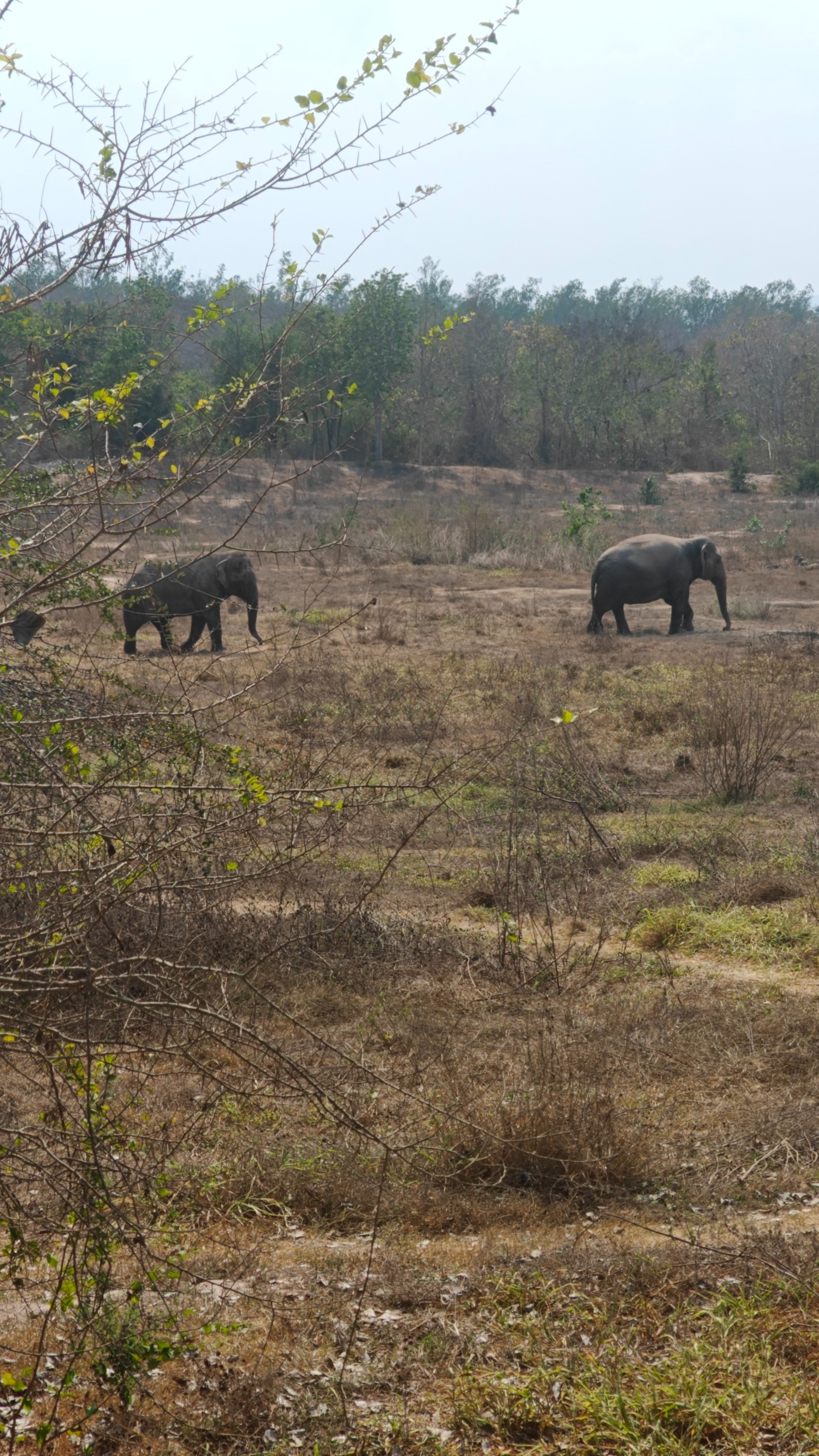
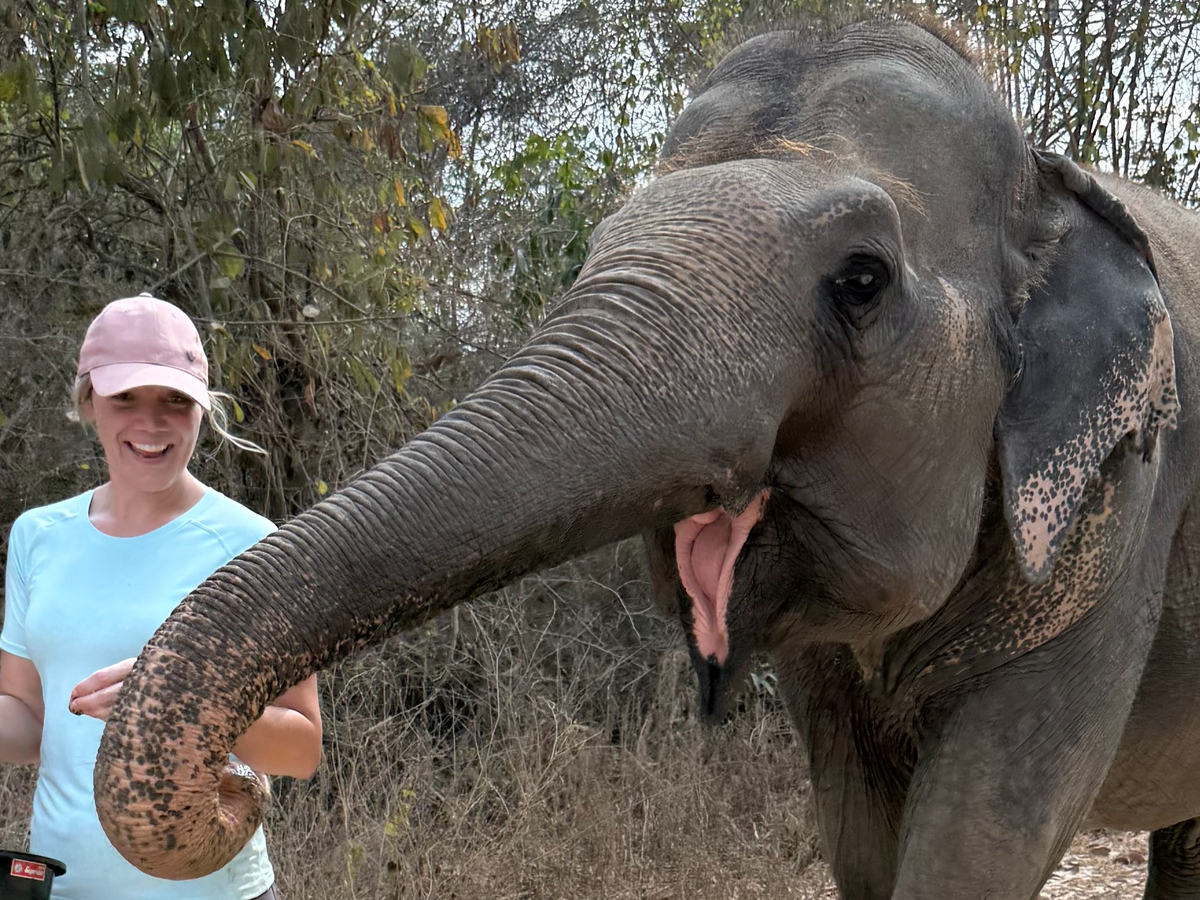
I’m Jen, and I recently returned from volunteering at Wildlife Friends Foundation Thailand (WFFT), one of Thailand’s first chain-free sanctuaries.
There, I met rescued elephants who had spent decades in captivity. Chained. Overworked. Used for rides, logging, and breeding.
Some had been blinded in one eye to make them easier to control.
Some had their babies torn from them again and again as they heartbreakingly struggled against their chains.
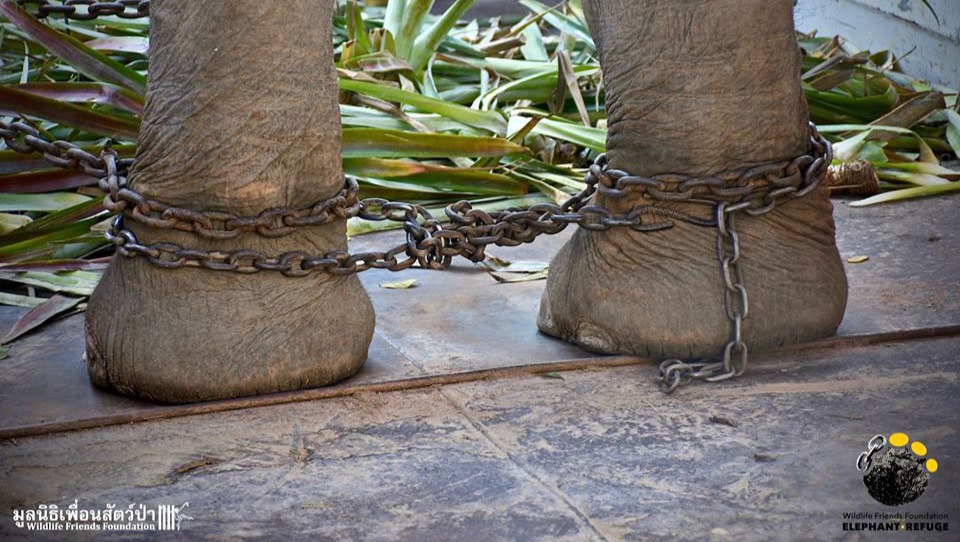
Many carry physical scars.
All carry invisible ones.
After surviving such atrocities, their resilience moved me. Their intelligence, their gentleness, their capacity to trust again after everything humans had done to them. I couldn't witness that and walk away without doing my part to support the cause.
So this April, I’m walking ~530 miles across the length of England to raise funds for the sanctuary giving them a second chance at life. Each day of the walk, I'll share a story of an elephant I met, what they survived, and how they are thriving today.
THE CHALLENGE
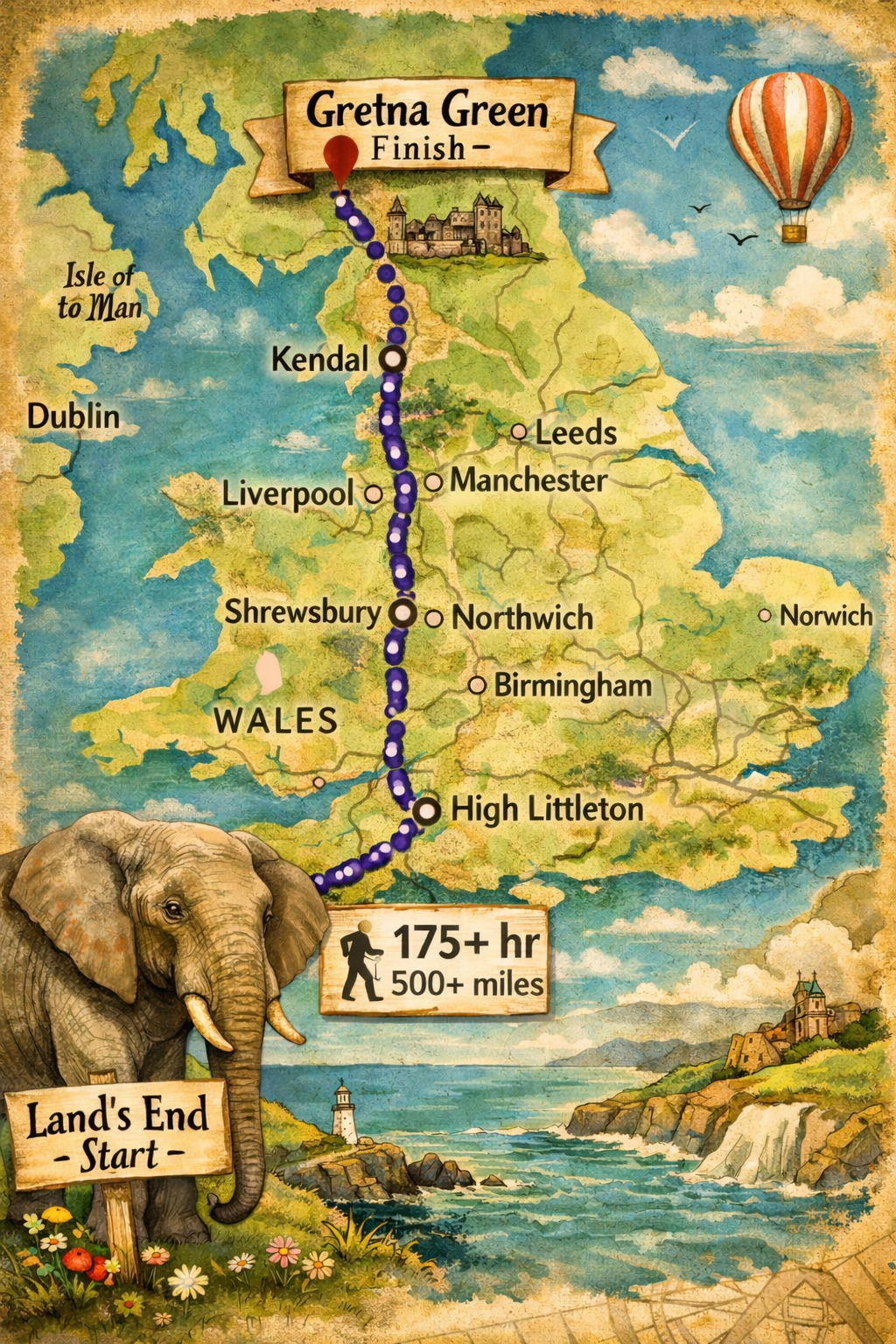
I will walk from Land’s End, the southernmost point in England, to Gretna Green in Scotland.
The Distance: ~530 miles (the entire length of England!)
The Pace: 20-25 miles every day
The Promise: 100% of your donations go directly to elephant rescue, rehabilitation, and sanctuary care. I have funded this walk myself, meaning every penny raised goes straight to the elephants.
WHY THIS CAUSE MATTERS
Elephants are deeply emotional, family-oriented, intelligent animals who form lifelong bonds. But in captivity, they are treated as property.
To make them obedient, many are put through the phajaan - a brutal process designed to break their spirit. It is as horrific as it sounds.
From there, they face a lifetime of suffering: spending 20+ hours a day in chains, suffering profound psychological trauma, and enduring the heartbreak of having their young torn from them.
The physical toll is just as devastating. Giving rides causes spinal deformities, and standing chained on hot, hard surfaces leads to agonizing foot infections that cause toe bones to disintegrate - a condition linked to 50% of captive elephant deaths.
Once captured, most can never return to the wild.
These beautiful animals deserve better.
Sanctuaries like WFFT exist to give them a second chance at life - but as an NGO, they rely entirely on support.
WHERE YOUR DONATION GOES
Your support helps provide:
- Chain-free enclosures
- Veterinary care
- Food and long-term rehabilitation
- Rescue and protection for more elephants
To put it into perspective:
- £5,000 feeds two rescued elephants for a year
- £10,000 feeds four rescued elephants for a year
- £20,000 can help refurbish and re-enrich a bull elephant enclosure
- £50,000 could help rescue an elephant
Every contribution directly improves an elephant’s life.
FOLLOW THE JOURNEY
Throughout April, I’ll be sharing:
- A daily story of a rescued elephant I met at WFFT
- Updates from the walk - bring on the British elements!
- Insights into elephant welfare, volunteering life, and interesting facts
HOW YOU CAN HELP
Donate: No amount is too small. Every dollar, pound, or euro 'breaks a link' in the chain.
Share: Awareness is power.
Choose responsibly: Never support 'entertainment' that involves
elephant rides or performances.
Follow the journey and help amplify these stories.
This walk is temporary.
Their suffering has not been.
Let’s break the chain - together.
LEARN THEIR STORIES
Alicia
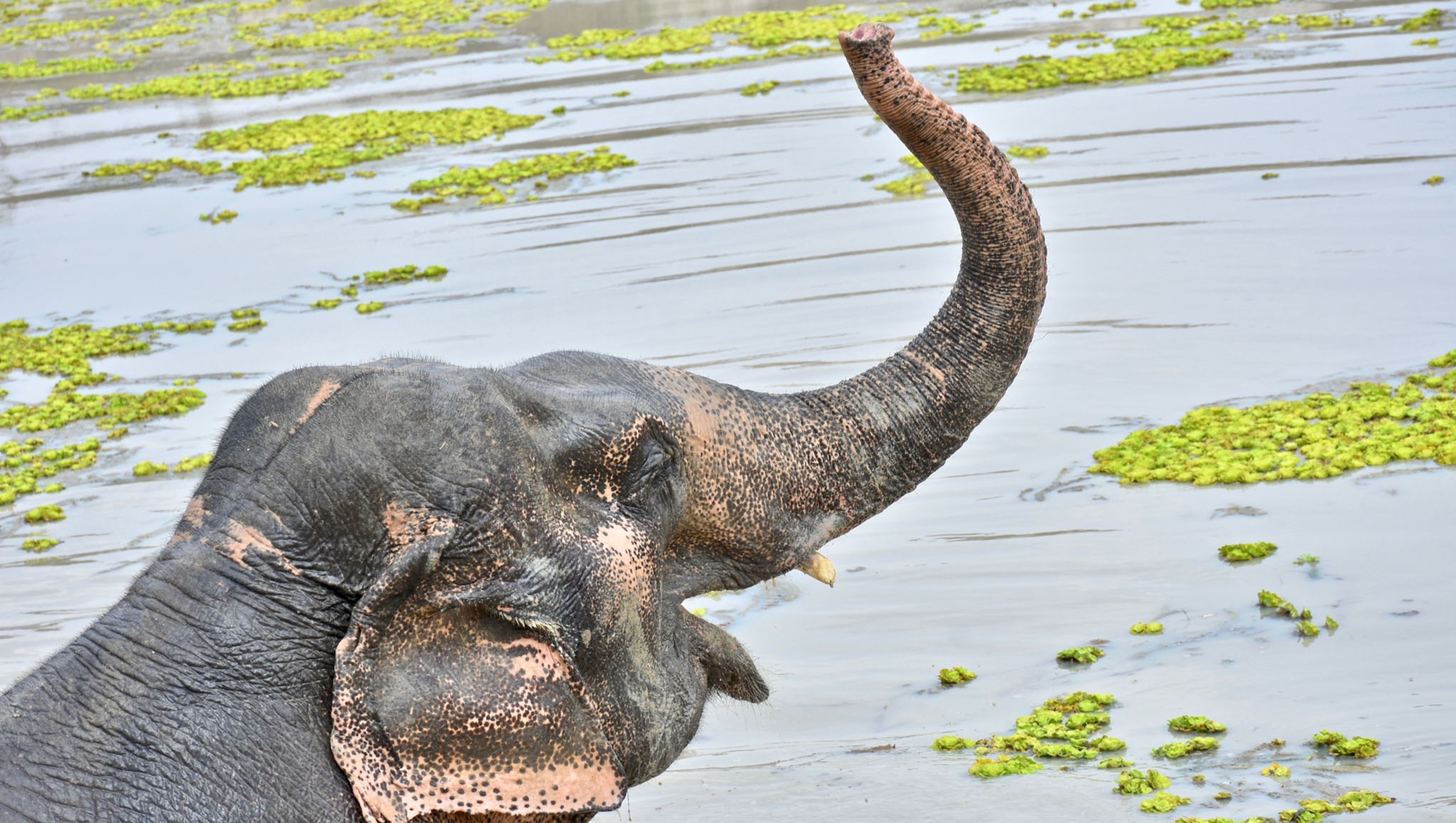
Alicia was forced to work in a trekking camp for about six years, giving rides to tourists. Prior to this, she was used as a logging elephant. Most of her long life she has suffered at the hands of man, working long days, being controlled by fear and intimidation. She now thrives at the WFFT sanctuary, living the life of freedom she deserves. Read her full story
Boon Dee
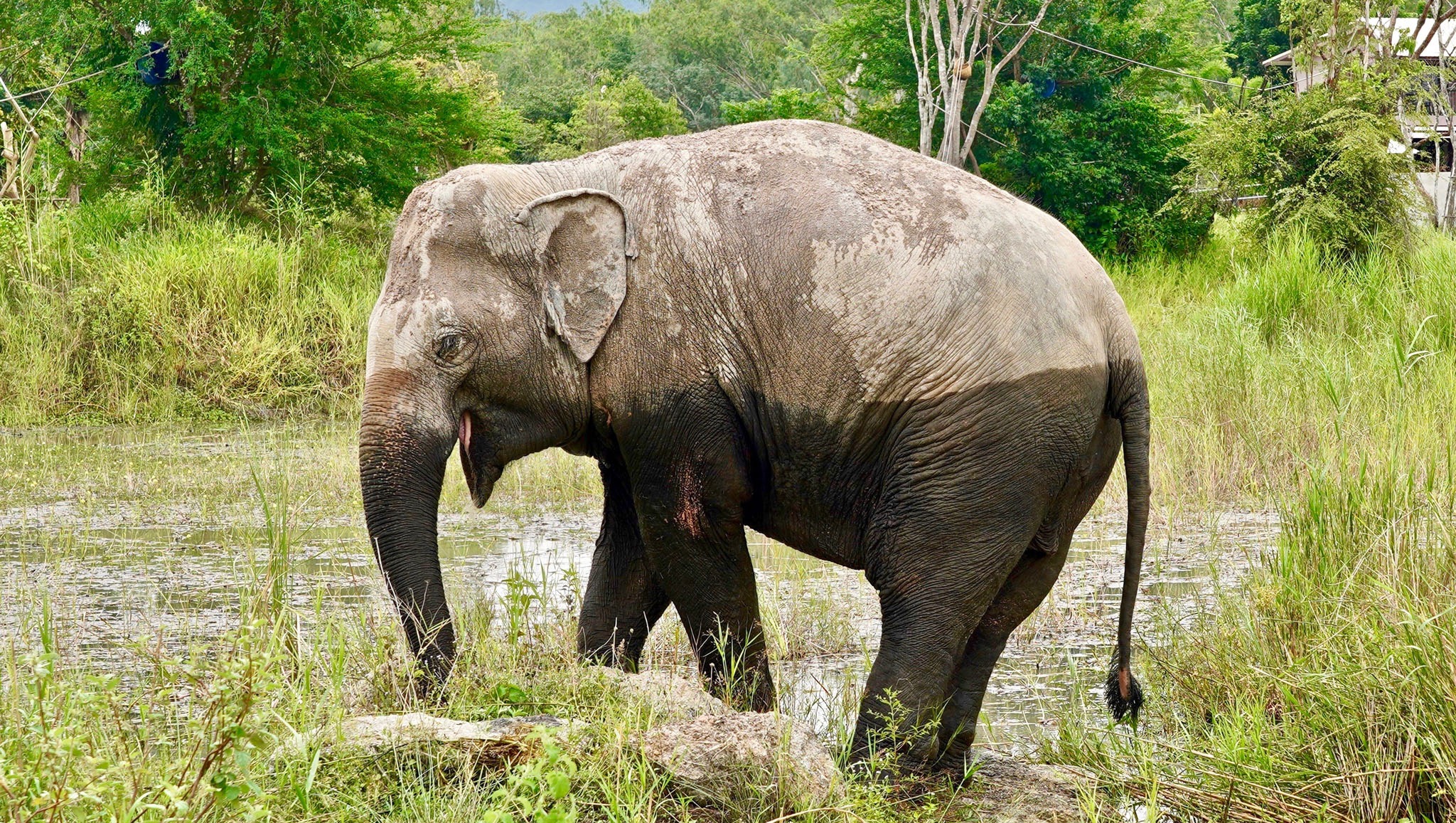
Boon Dee was rescued from a trekking camp thanks to WFFT supporter, Joan Pearson’s generous support. She was in a terrible state when WFFT met her; half blind, emaciated and covered in abscesses. Her owners cried when they first saw the abuse and neglect she had suffered. They returned her to full health and said they would never let her fall into the wrong hands again. Boon Dee’s owners accompanied her on the journey to WFFT. They cried when they saw where she was going to spend the rest of her life, but this time it was tears of joy. Read her full story
Pun
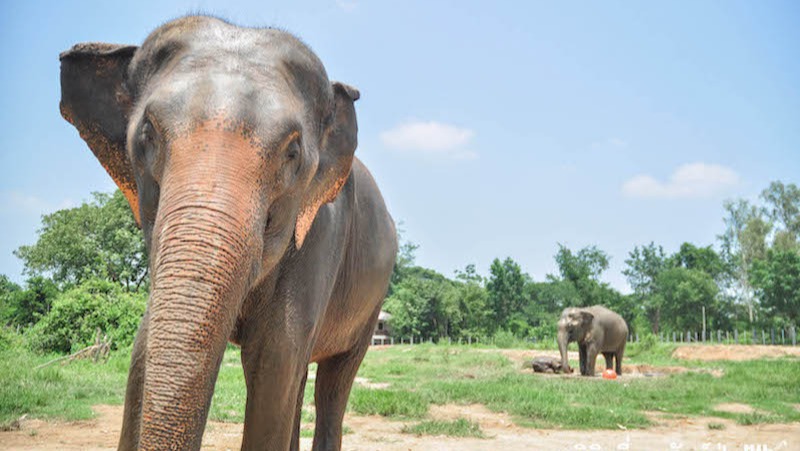
Pun was used as a breeder and had to endure two of her babies being torn from her to be sold as working elephants as she fought against the chains that restrained her. Upon hearing of a third baby ready to be sold, WFFT stepped in to rescue both Pun and her baby, Pin. Pin sadly passed away, but lived her life with her mom in freedom on the sanctuary. Pun has developed a constant head bob as a coping mechanism for her PTSD from the trauma she endured. Read her full story
Wassana
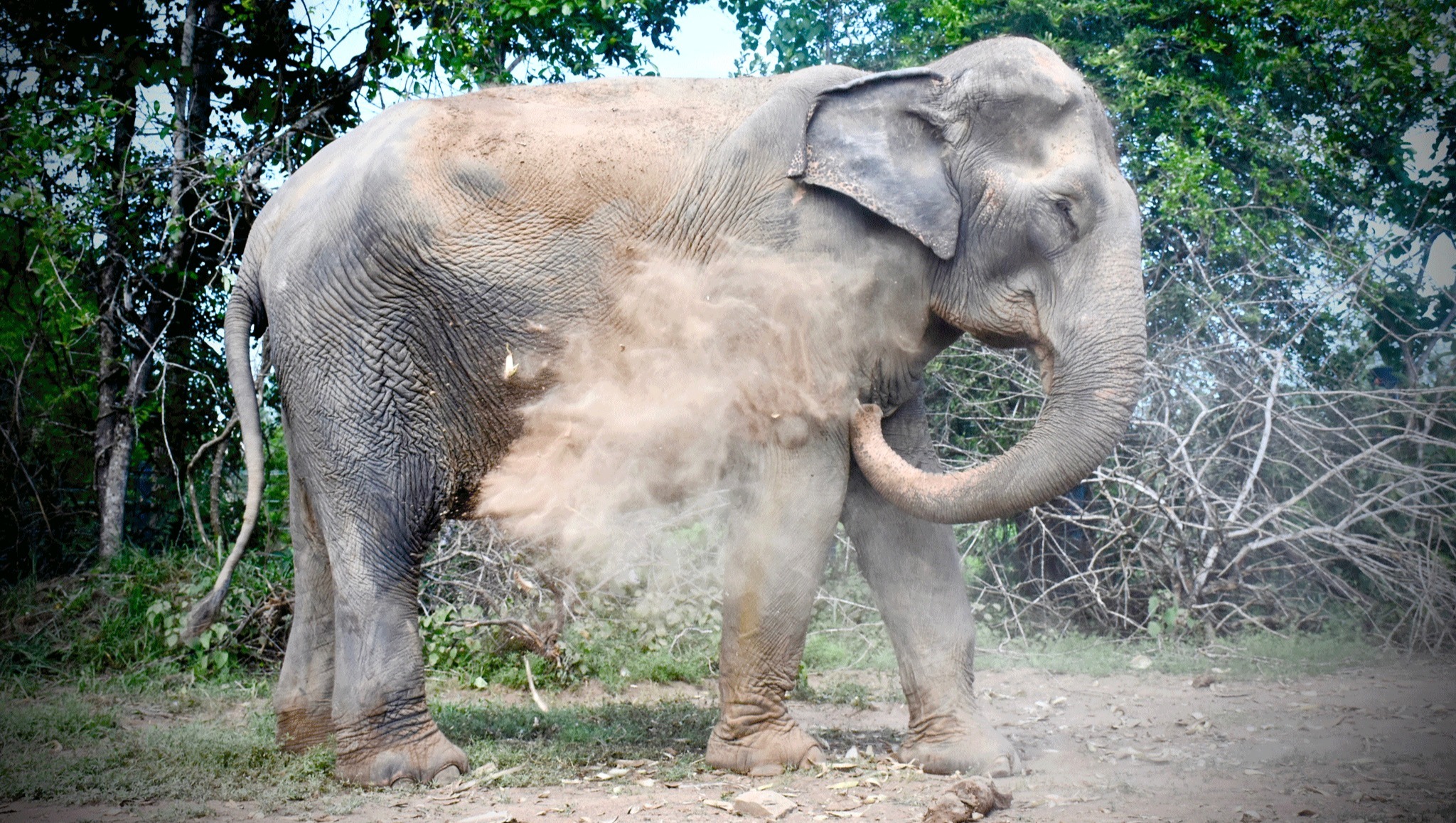
Wassana was exploited for more than 40 years: chained up, ridden all day long by tourists, and gathering countless scars on her body from being beaten with a hook. We cannot imagine the pain she has experienced. But we CAN see that today, she is a totally different elephant. Just look at this girl now. Read her full story
Duenphen
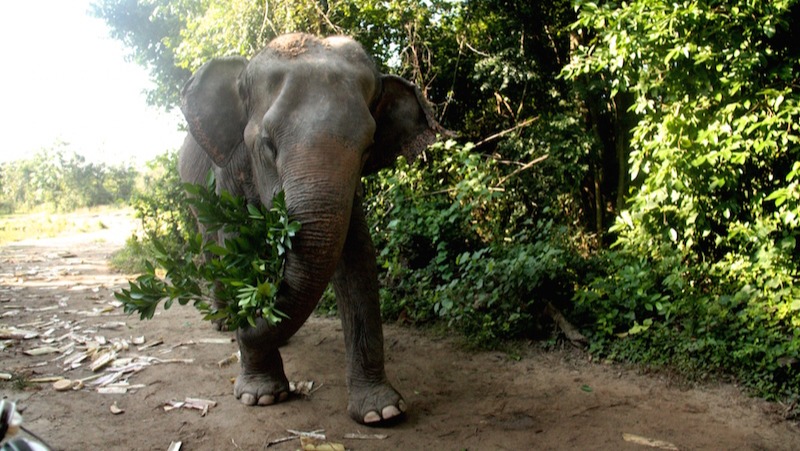
Duenphen previously worked in the logging and trekking industries. She was captured from the wild at around two years old, which is illegal but unfortunately not unusual. She spent 40 years of her life performing tricks for tourists at an elephant camp, even entertaining visitors on the morning of her rescue. Read her full story
Khan Kluey
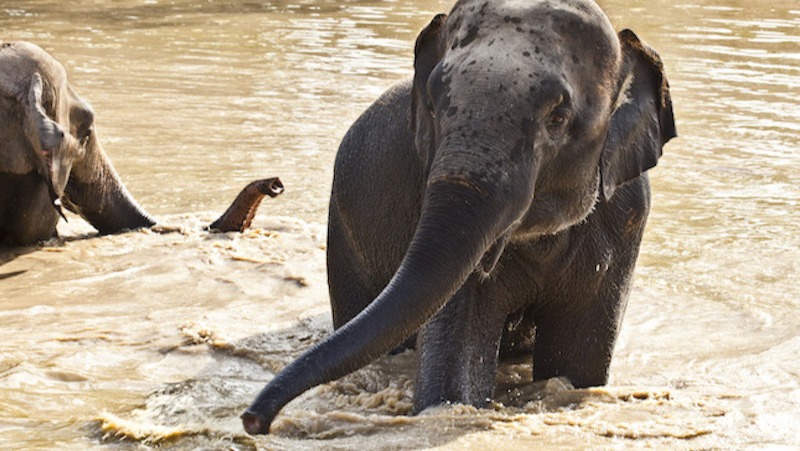
Khan Kluey, AKA 'KK', is WFFT's only male elephant and was just 2 years old when he was rescued. He was born at an elephant camp, torn away from his mother at just one-year-old, and then put through the Phajaan at a ridiculously young age. He was forced to perform tricks for tourists and beg for food to make money on the streets of Cha Am. He came to WFFT’s attention when he appeared in a local newspaper after getting stuck down a hole on the side walk. Read his full story
Somboon
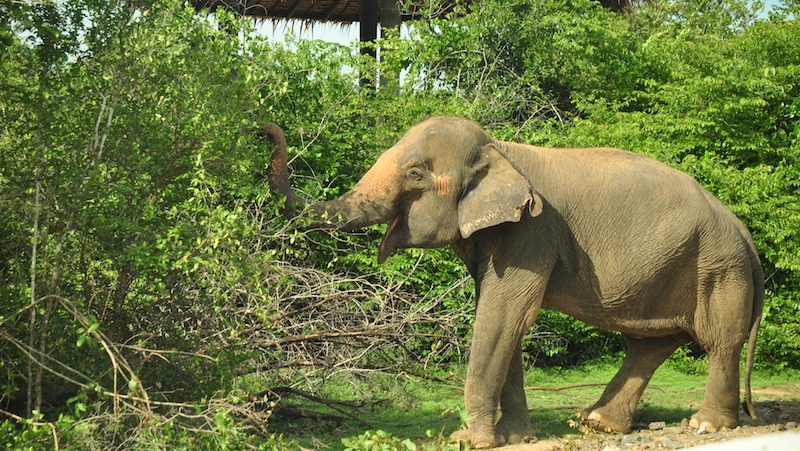
Somboon was used in the logging, trekking and street begging industries before being rescued. She had been roaming the streets for several years before being hit by a speeding car in 2006. The collision did not break her hind leg, but it did enough damage to leave her limping, and so her owners had to retire her. Somboon now lives at WFFT’s Newlands with KK. She took on the role of his adoptive mother shortly after being rescued. Read her full story
April 15th: Rest Day
Mae Moey
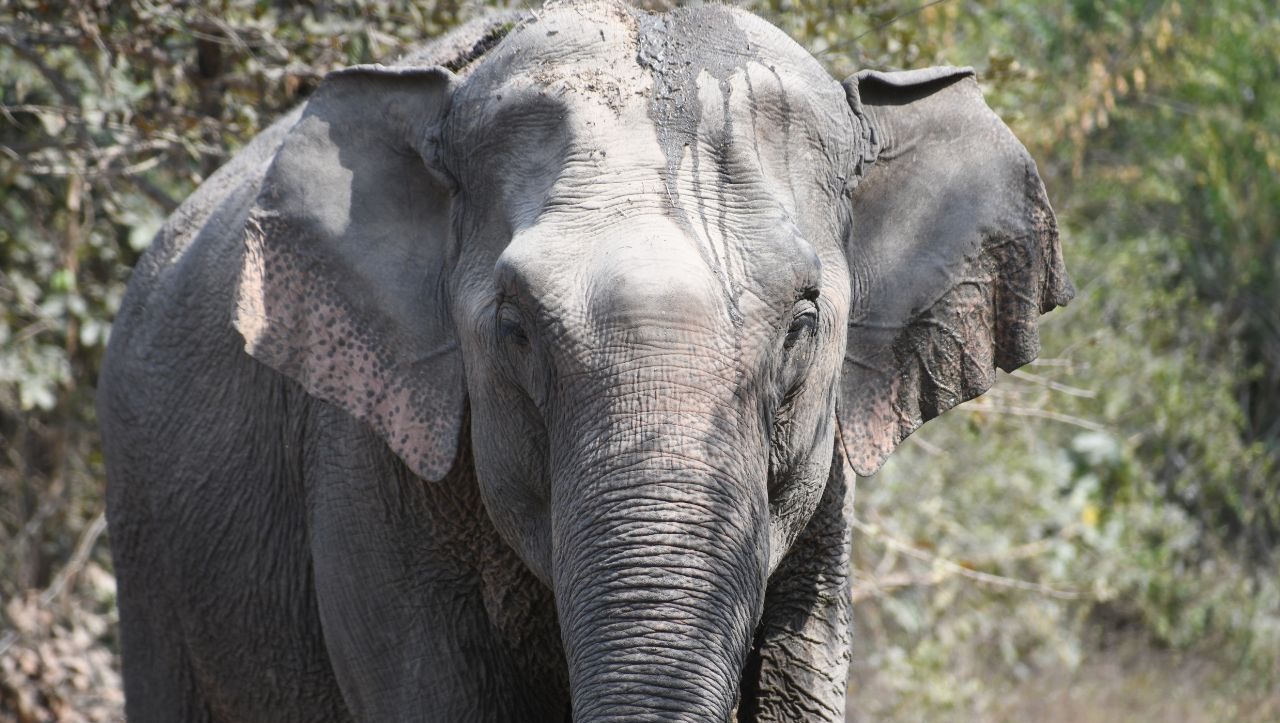
Mae Moey was rescued at very short notice after she was caught being smuggled across the border. The man transporting her is known to have transported timber and elephants in the past, so it is likely Mae Moey spent her life as a logging elephant. For the first time in history, WFFT was asked to help the authorities with the care of a confiscated elephant. Mae Moey will hopefully live out the rest of her days at WFFT. Read her full story
Thung Ngern
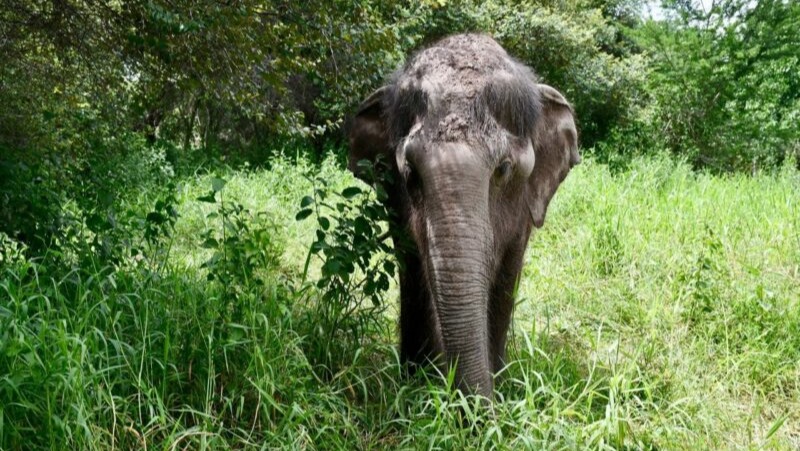
Thung Ngern was rescued from a trekking camp on the island of Phuket, where she was forced to carry tourists on her back all day. Before this, she worked in the logging industry and was made to destroy the habitat her species depends on for survival in the wild. This beautiful elephant spent most of her life being exploited by humans. Thankfully, she now has a life without chains, without work, and where she can recover from her trauma and learn to be an elephant again. Read her full story
Boon Ma
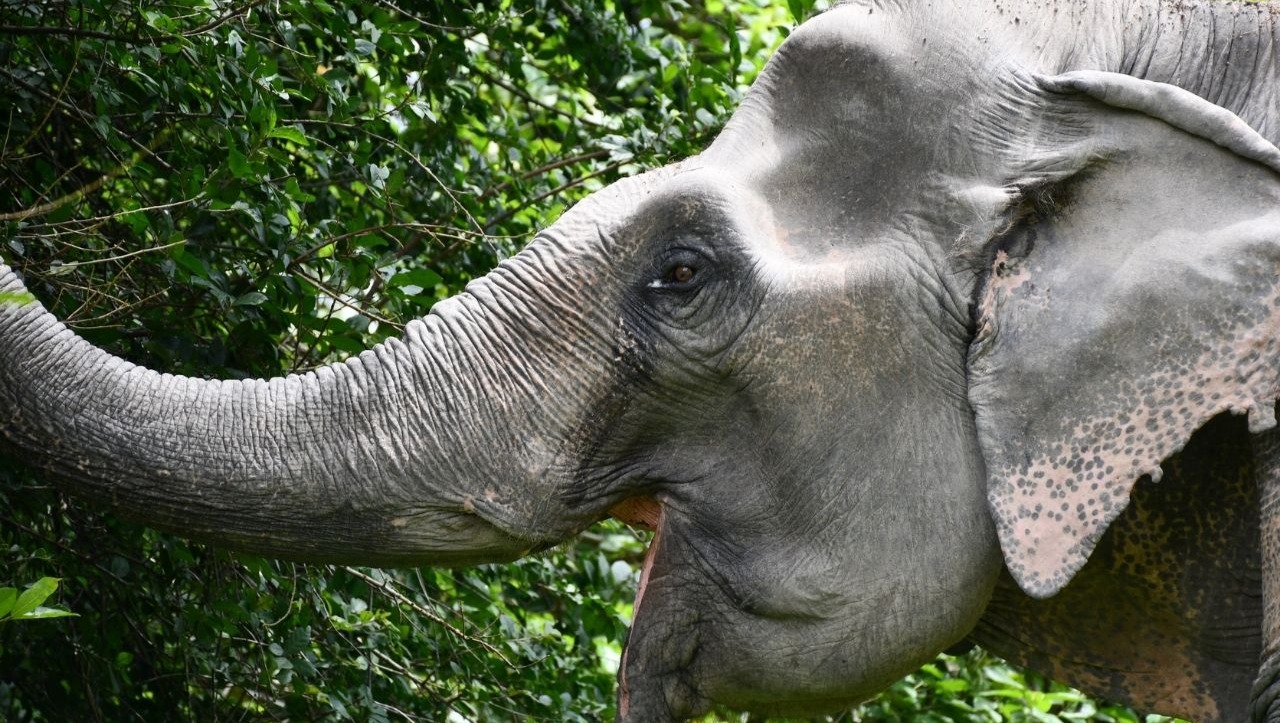
Boon Ma was a working elephant for over five decades, mostly in the tourism industry. Before the COVID-19 pandemic, she worked at an elephant camp in Phang Nga province. However, due to a lack of tourists, she was moved to a logging camp near Trang (Southern Thailand) where she would pull logs from rubber farms. Luckily, Boon Ma will never experience this again. She will live out her days at the WFFT Elephant Refuge. Read her full story
Mae Poh
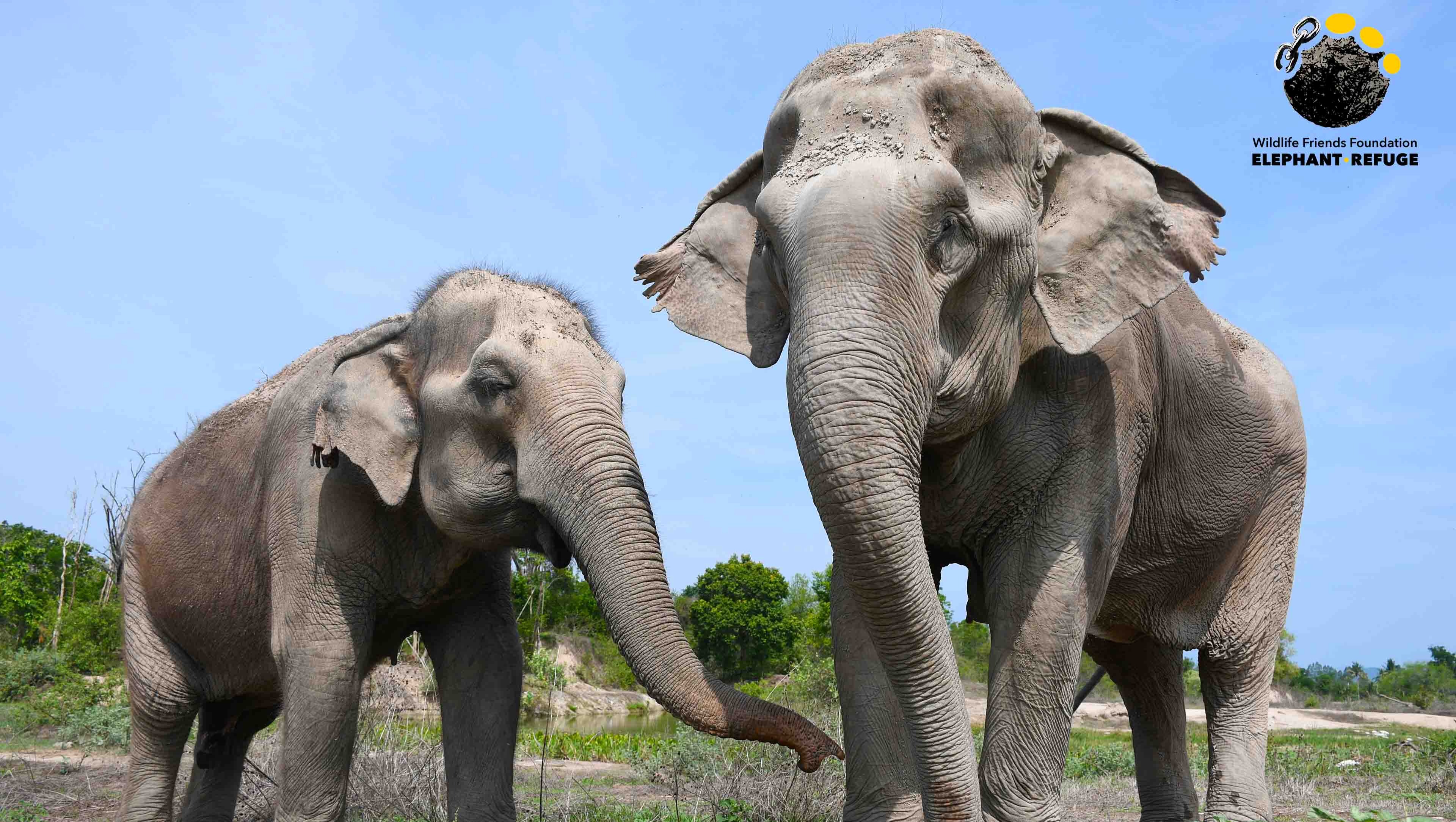
Mae Poh worked in the logging industry for many years. She was then used in the tourism industry as a riding elephant at a camp in Mae Tang, Chiang Mai. After more than ten years of working at the camp and struggling with eye infections, her owner contacted WFFT for help. He decided that Mae Poh should spend the rest of her days in retirement at an ethical elephant sanctuary. Now Mae Poh has round the clock expert medical care and can roam freely. Read her full story
Gan Da
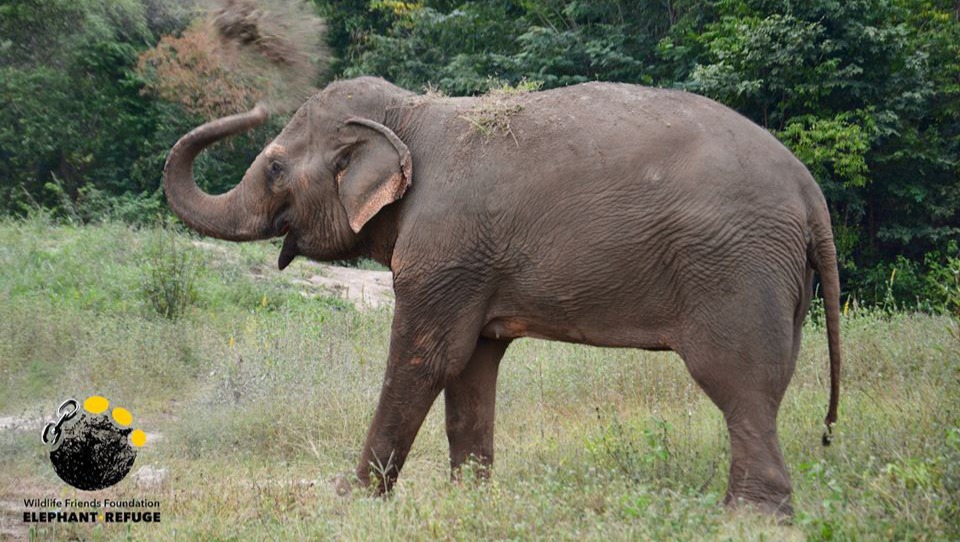
Gan Da spent the majority of her life in the trekking industry. She was rescued from a camp attached to a hotel in Northern Thailand, meaning her journey to the centre was very long (almost 24 hours). Thanks to friends of WFFT, Joan Pearson and co. who sponsored her rescue, Gan Da no longer has to work seven days per week providing rides for tourists. Read her full story
Mee Chai
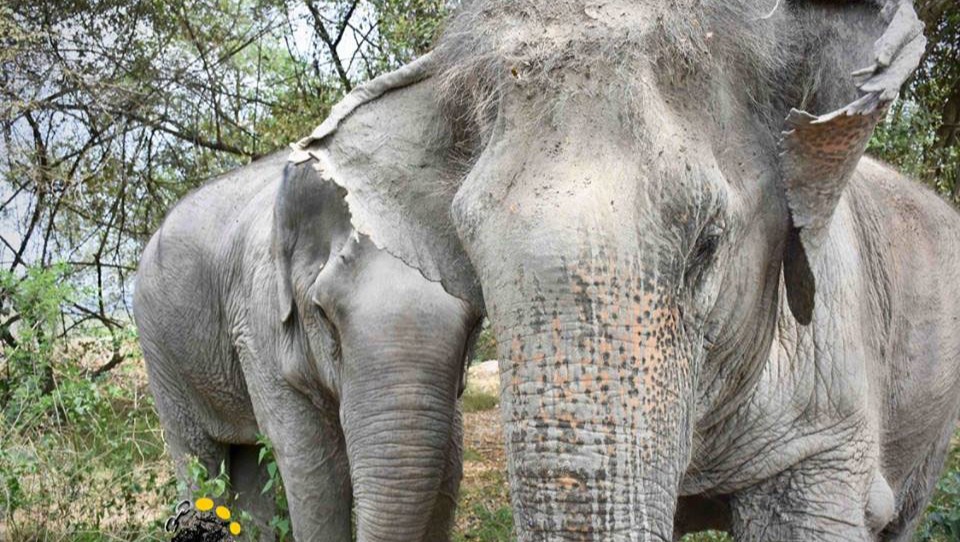
Mee Chai spent most of her life working in the logging industry in Myanmar, during which time a tree fell on her leg and broke it. Unable to pull logs any more, she was sold to a trekking camp in Thailand and her injured leg continued to get worse. After friends of WFFT, Joan Pearson and the WFFT team discovered Mee Chai, they arranged her rescue as soon as possible. Despite her injury, Mee Chai now moves very well and does not show any discomfort, no doubt due to the fact she is no longer forced to carry weight on her back. Read her full story
Poom Puang
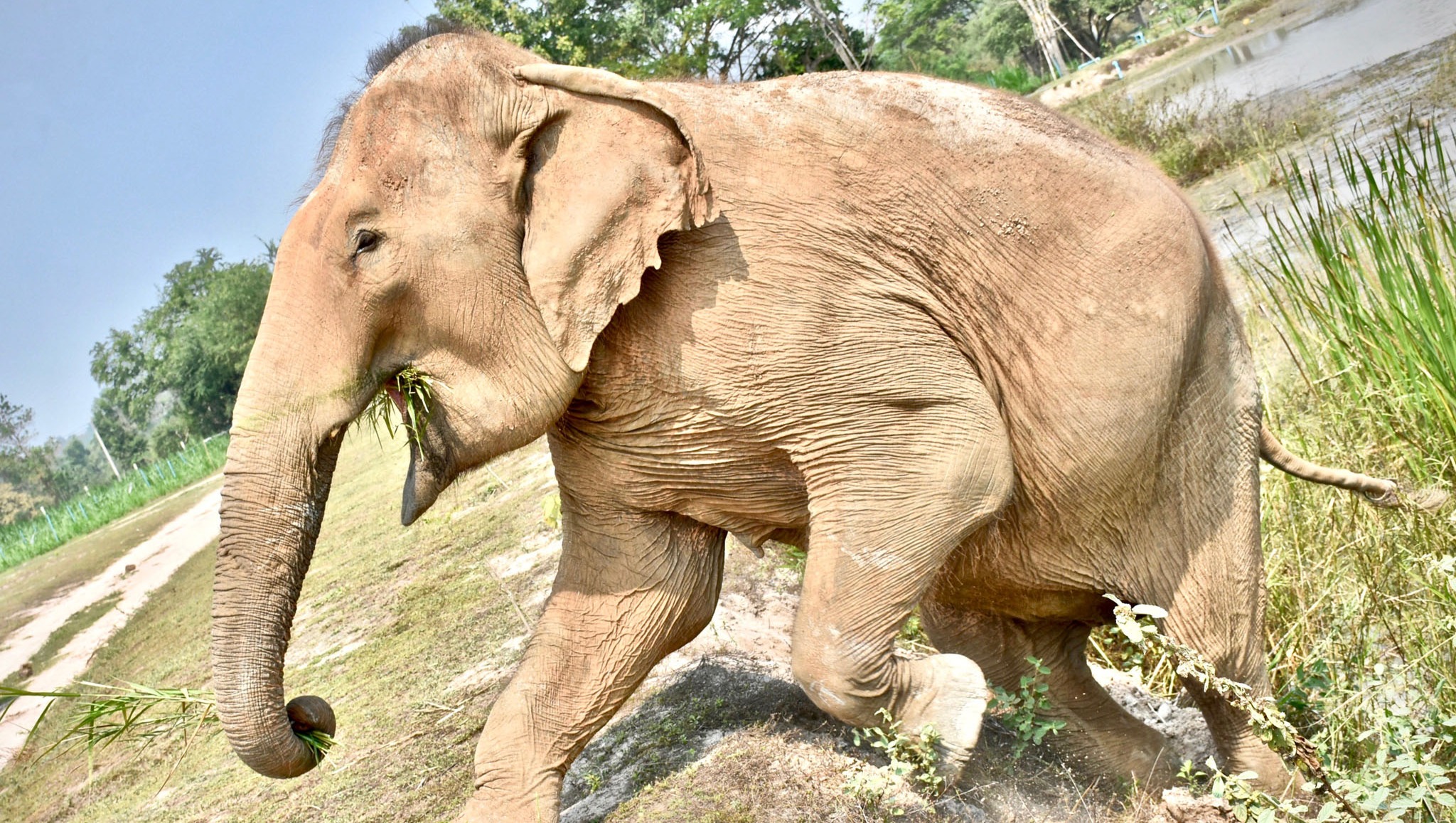
Poom Puang was rescued from the same trekking camp as her friend Thong Ma. where she was forced to give rides to tourists. Prior to her time at the camp, Poom Puang was a logging elephant in Southern Thailand. The scars of her past are visible all over her body, particularly the deep scar on her trunk. Thanks to a successful online fundraiser and generous support from WFFT supporter, Joan Pearson and friends, Poom Puang was rescued only six days after Thong Ma. She quickly settled in and the two of them are still inseparable. Read her full story
April 23rd: Rest Day
Thong Poon
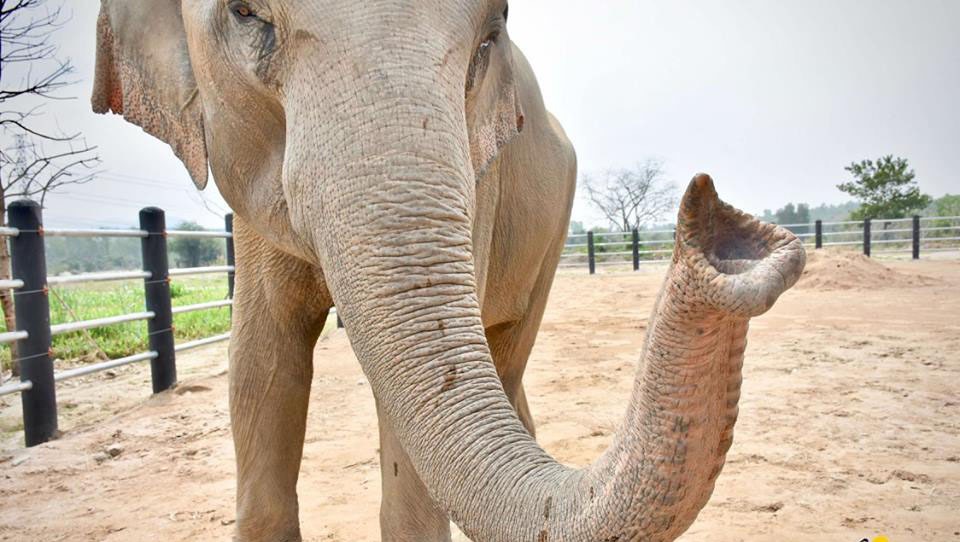
Thong Poon was rescued at very short notice. She was working at a trekking camp in Pattaya when her owners contacted WFFT, desperate to sell her at a low price. We discovered she had become very aggressive and had recently attacked a mahout and several tourists. Because of this, her owners could no longer use her for rides. It is no wonder Thong Poon is an unpredictable elephant. Before being rescued, she was kept with her two front legs hobbled in chains, and she was in direct sunlight with no regular access to drinking water. She also gave birth to two calves, who were cruelly taken away from her. Read her full story
Chok Dee
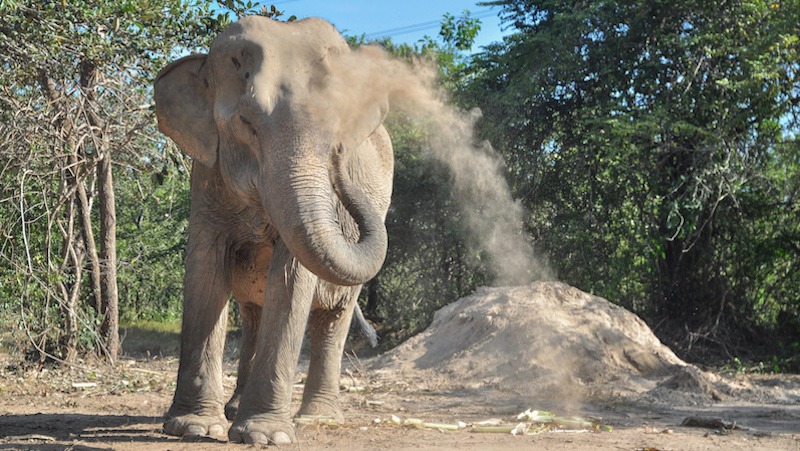
While visiting another elephant at a trekking camp in Pattaya, the WFFT team came across Chok Dee. She had been in the same camp for over 20 years and was chained up when she was not working. When her owner told us he was interested in retiring her, we quickly secured her rescue. Read her full story
See Puak
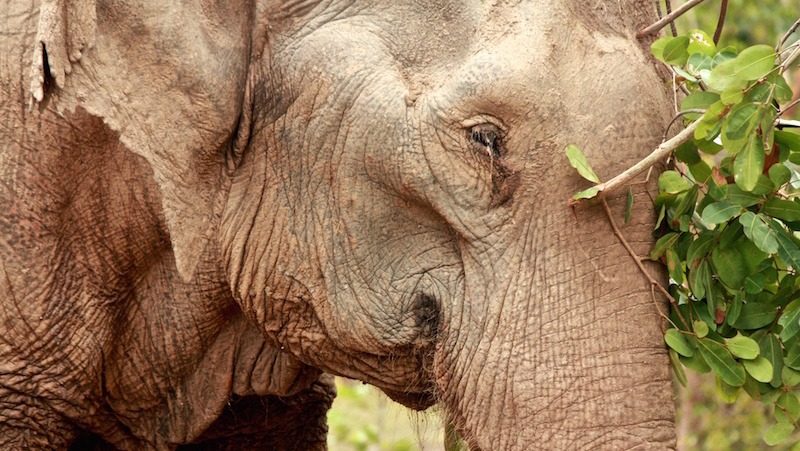
See Puak was captured from the wild at around 10 years old and then used in the logging and trekking industries. Before coming to WFFT, she spent 23 years with the same owner and mainly worked at trekking camps where she would perform tricks for tourists. Her love of food meant she was easy to train, so her owner also put her to work in the film industry. She featured in several movies during her working life. Read her full story
Malai Ngun
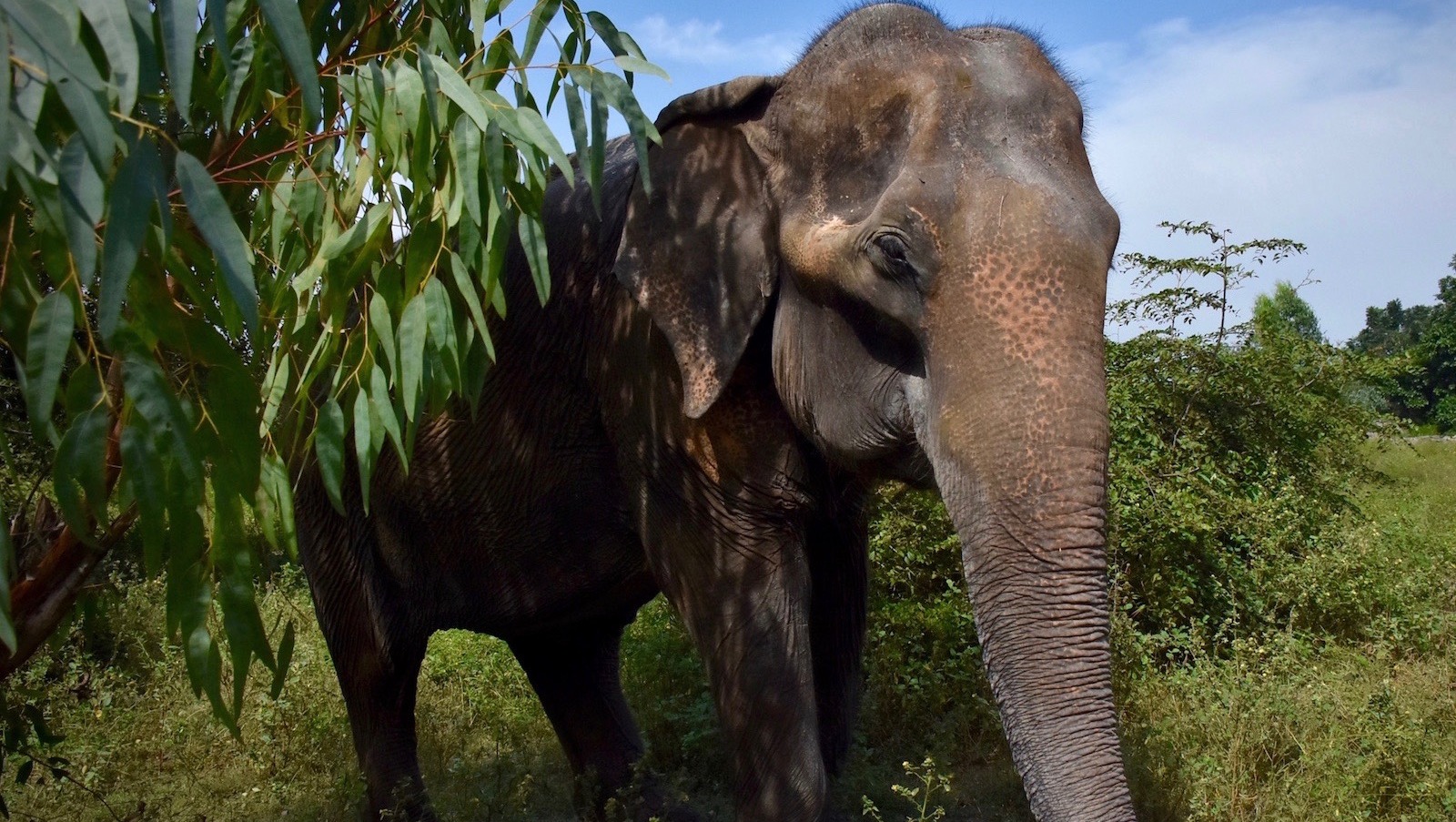
The WFFT team initially found Malai Ngun in late November 2016 whilst on an investigation at the trekking camp she was rescued from. She looked old and weak and was blind in one eye. After some negotiations, her release was made possible due to the generosity of Joan Pearson and her friends in Sydney. Read her full story
Jum Nong
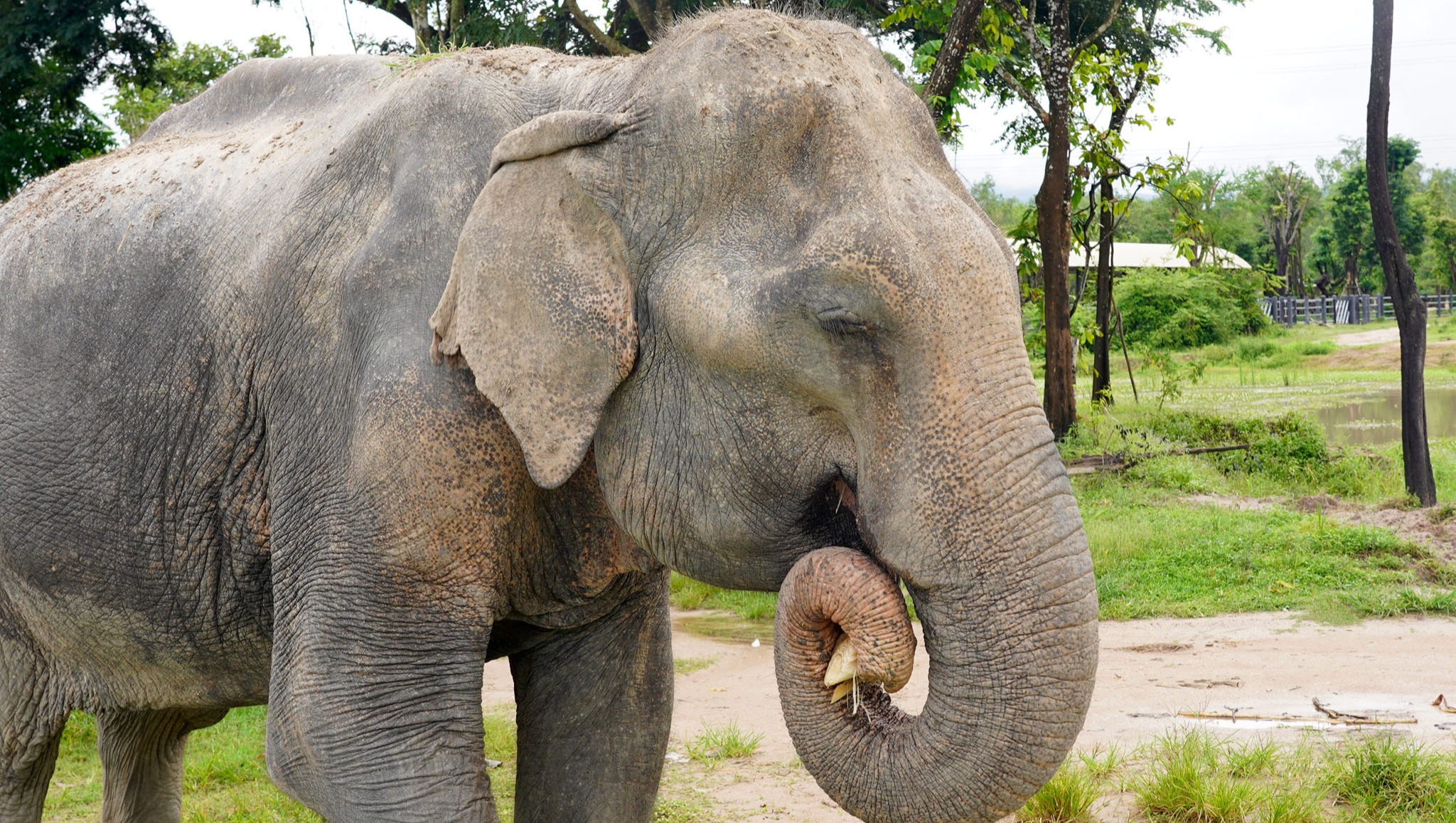
While the WFFT team was in Pattaya rescuing another elephant, Boon Dee, they came across Jum Nong who was in urgent need of help. She had no shade or water, her sleeping area was filthy, and it was evident she could not digest her food properly. As well as being emaciated and covered in abscesses and wounds, the WFFT vet team quickly noticed her skin was crawling with lice. This would have prevented her from being able to rest properly. WFFT set up a fundraiser to secure Jum Nong’s freedom. Thanks to numerous donations from people all over the world, she now has a much brighter future. Read her full story
Thong Ma
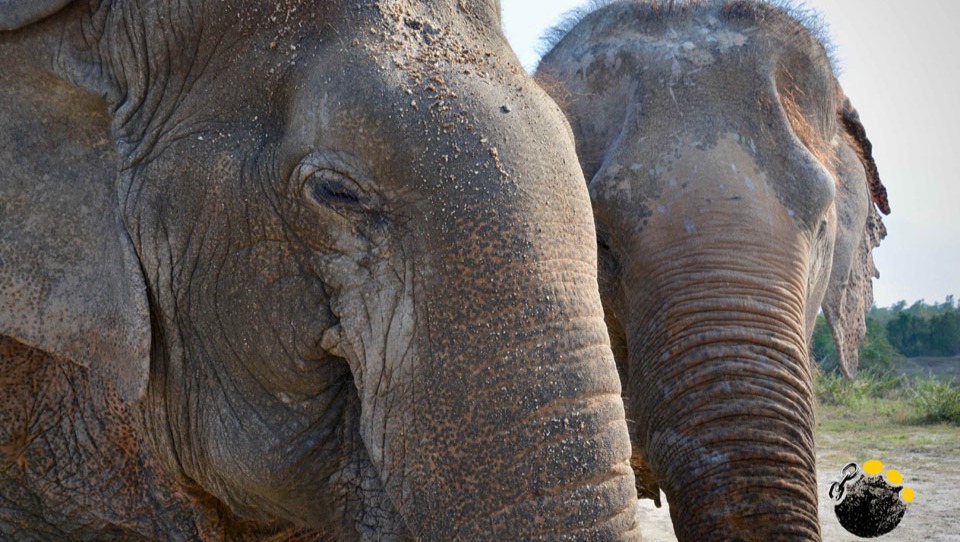
Thong Ma was brought to the attention of WFFT while working in a trekking camp with her friend Poom Puang. For two years, she had been confined to a 30cm chain, so visitors could feed her bananas. They paid 20 Thai baht for the privilege, but it cost Thong Ma her freedom. Prior to this, she was a logging elephant and was then used at various camps to give rides to tourists. Read her full story