(English version below)
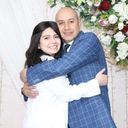
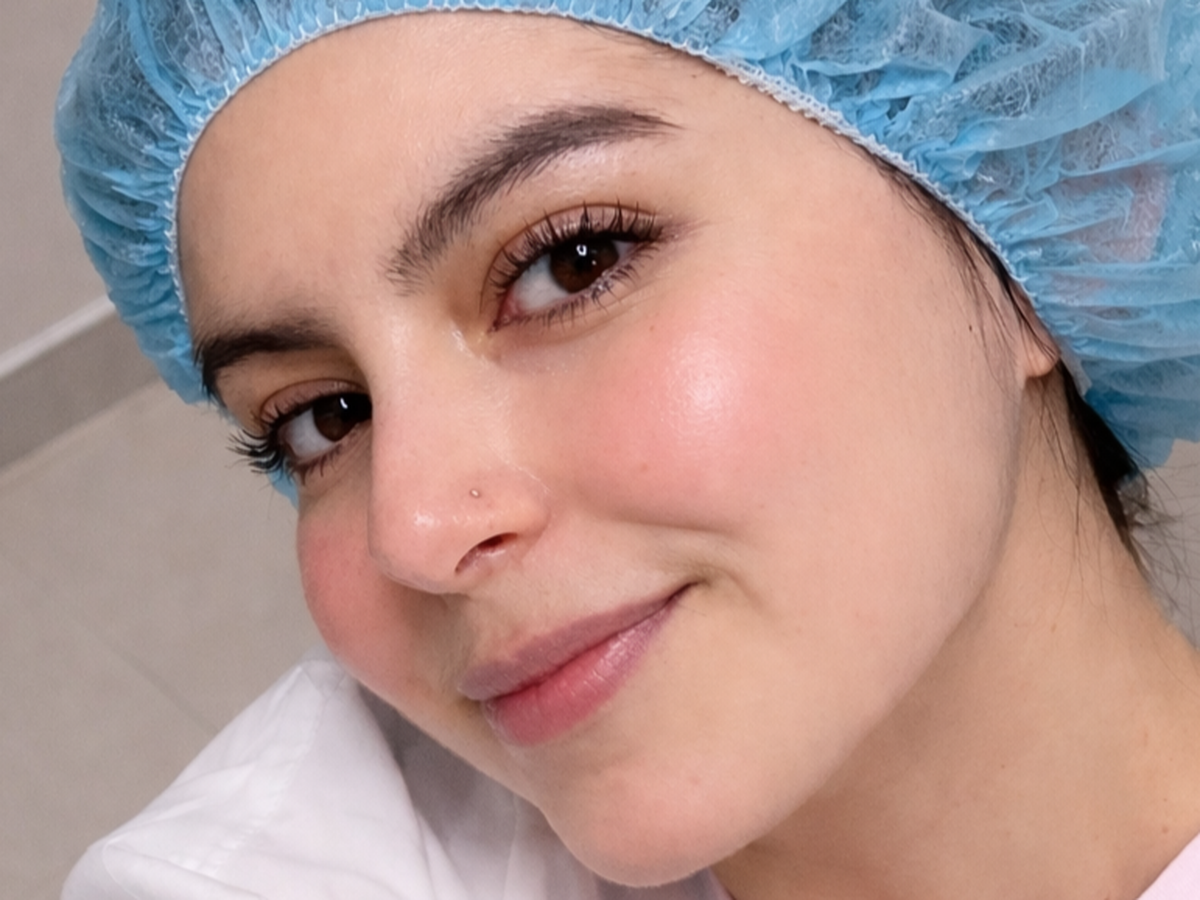
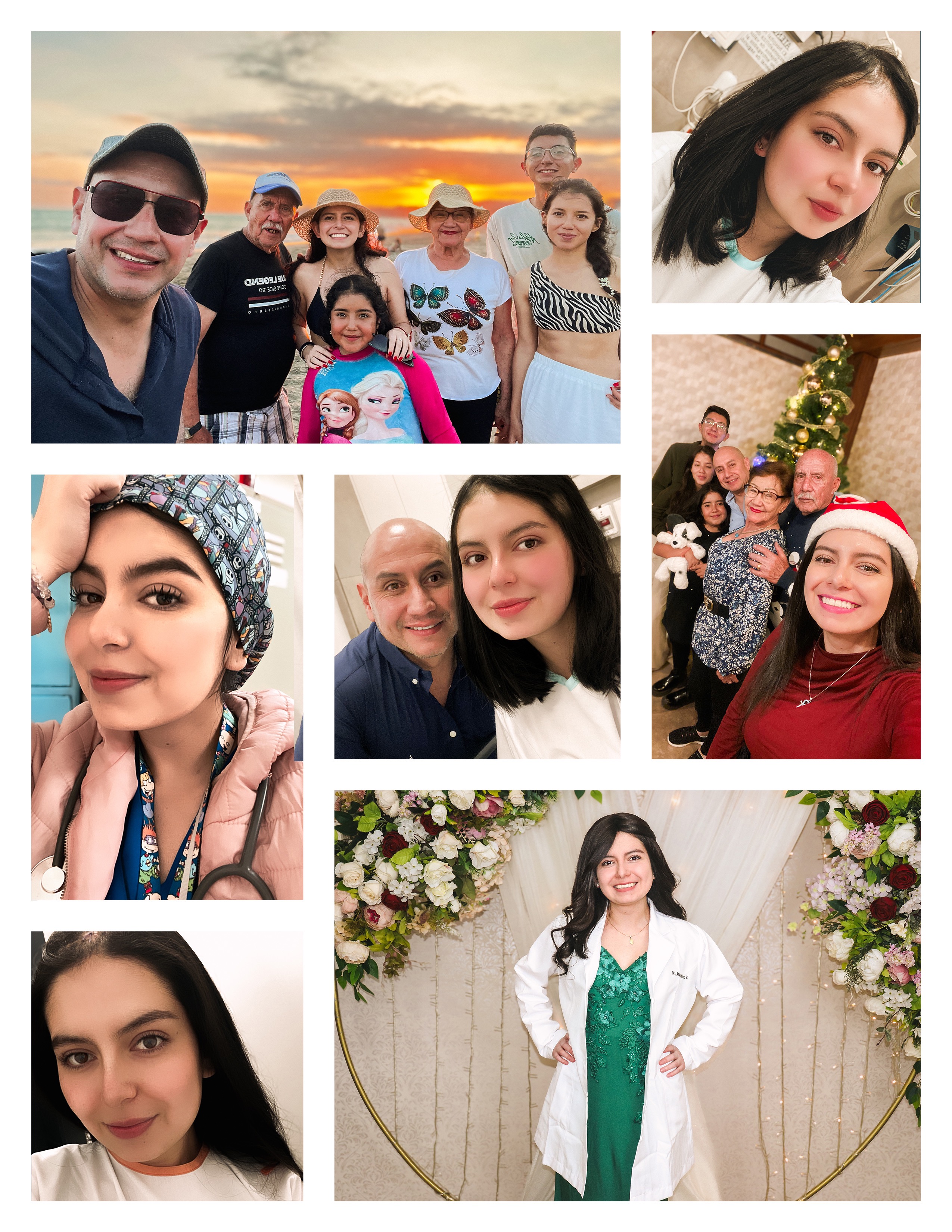
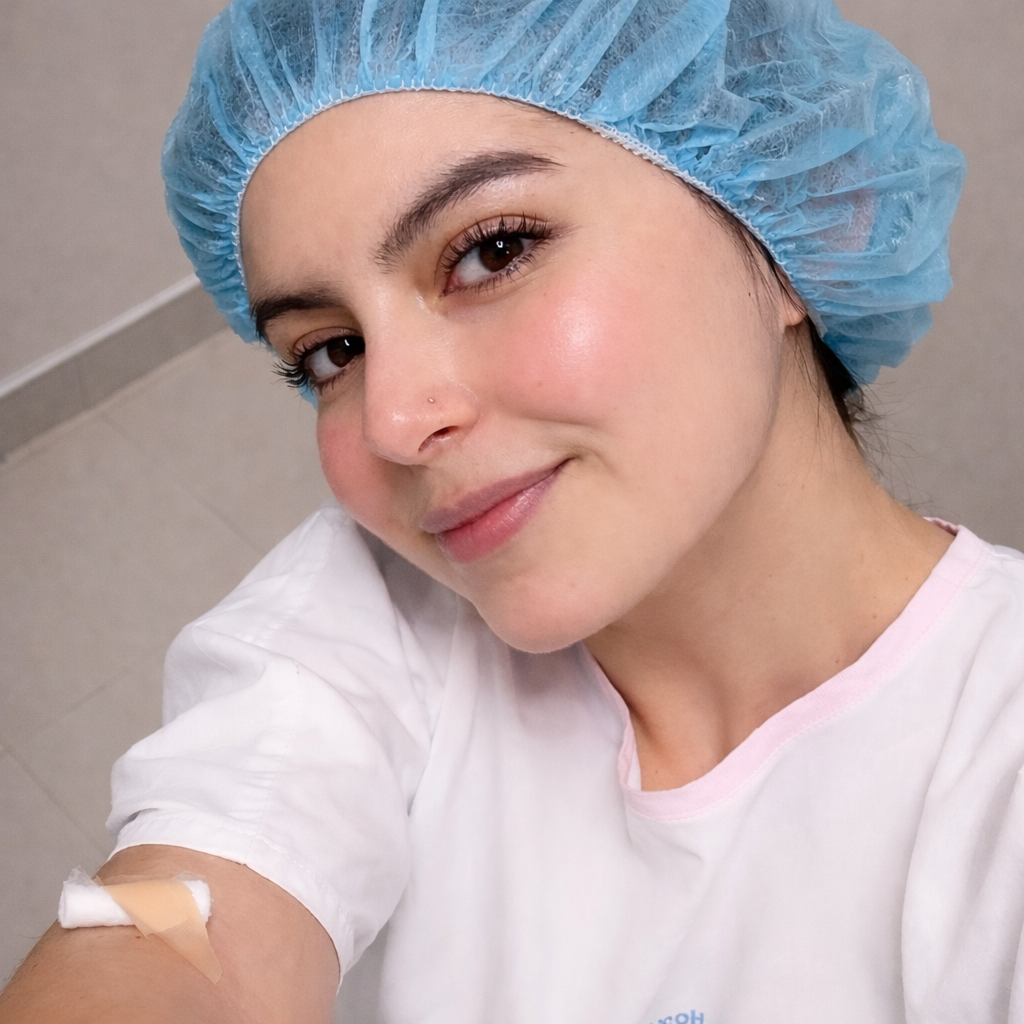
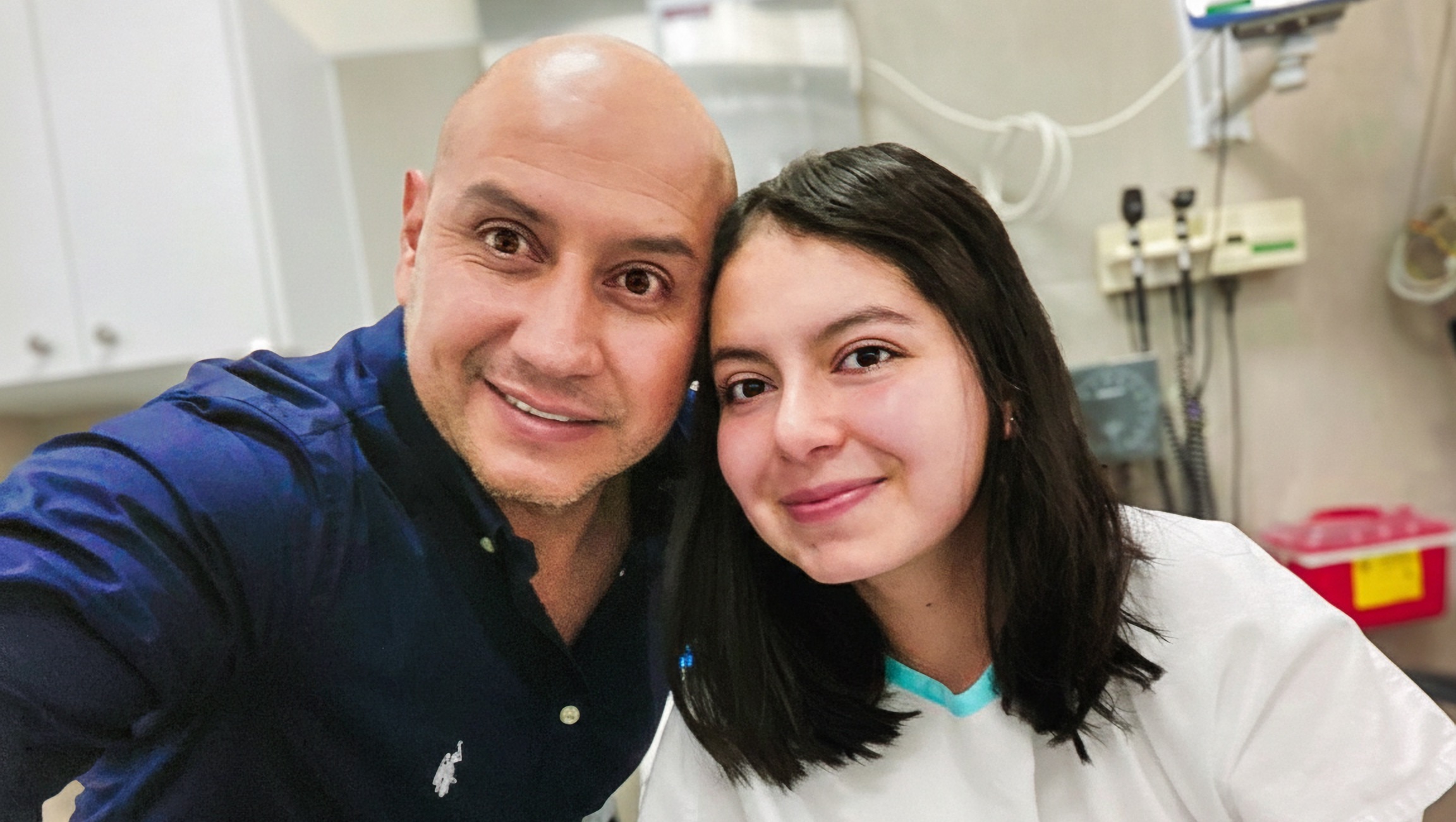
Somos la familia de Andrea Velasco y hoy compartimos su historia porque su lucha por la vida continúa. Andrea enfrenta un cáncer cerebral agresivo y, a través de esta campaña, buscamos acompañarla con el apoyo y la solidaridad de quienes puedan estar presentes en este camino.
La historia de Andrea
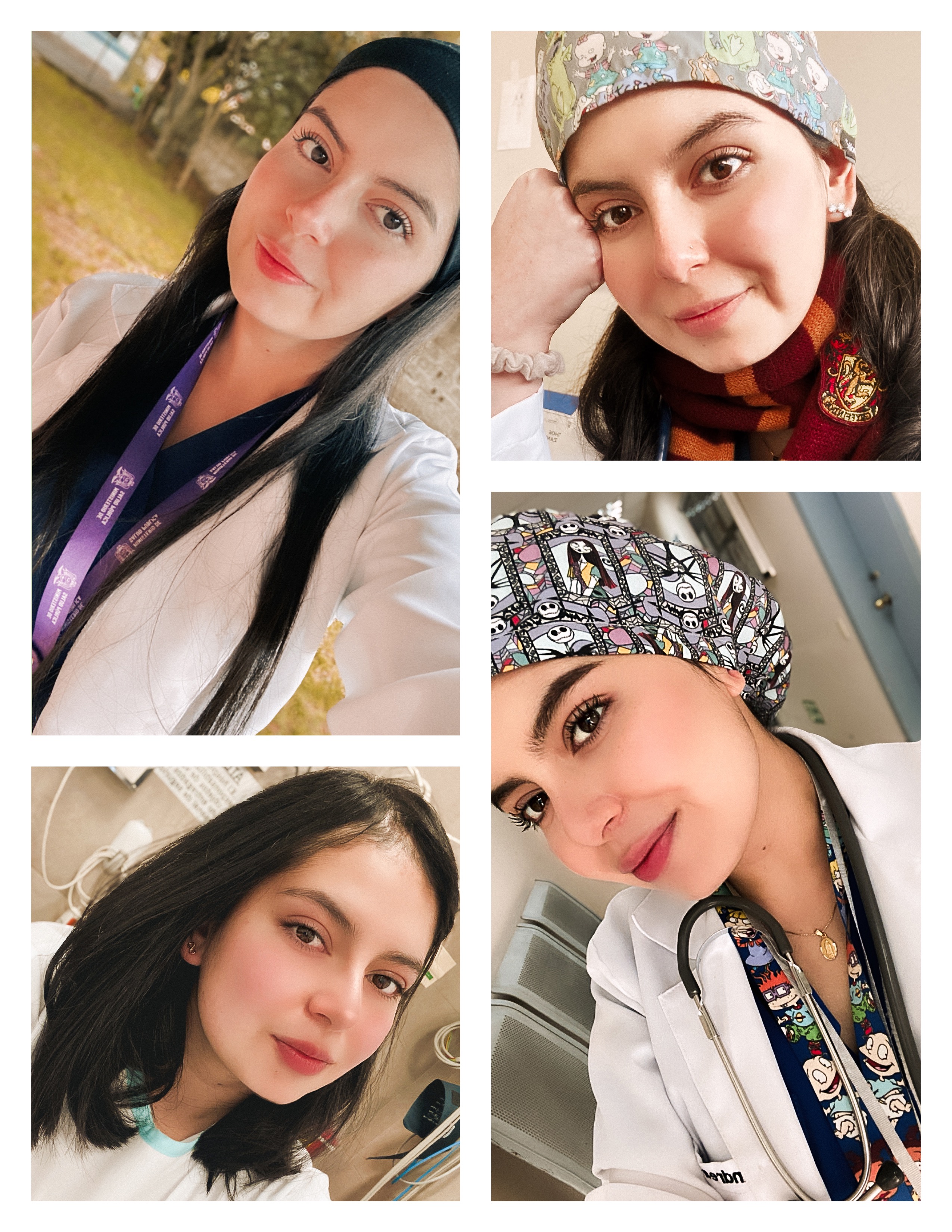
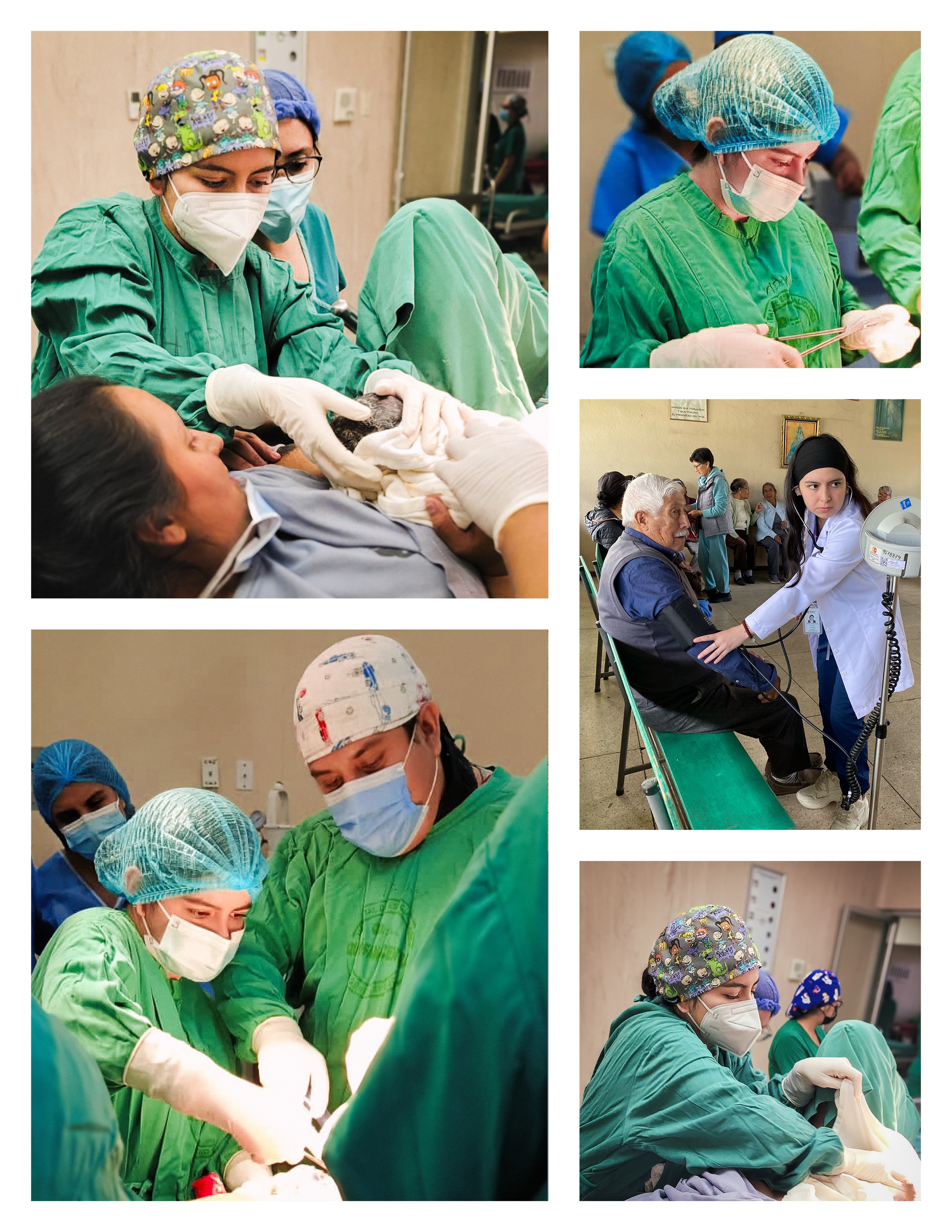
Andrea tiene 26 años. Es médica y se encontraba culminando su formación clínica cuando, en octubre de 2022, su vida cambió de forma abrupta. Una crisis convulsiva en casa derivó en estudios de emergencia, una cirugía urgente y un diagnóstico que nadie espera recibir a tan corta edad: astrocitoma grado IV, una de las formas más agresivas de tumor cerebral y de alto riesgo vital.
Desde entonces, ha enfrentado múltiples cirugías cerebrales, radioterapia, quimioterapia y complicaciones posquirúrgicas severas. Sus días pasaron a estar marcados por hospitalizaciones, medicación constante, incertidumbre y recuperación. Y aun así, siguió adelante: culminó su internado, realizó su año rural y se sostuvo con disciplina, entereza, esperanza y positivismo.
En enero de 2026, Andrea recibió nuevamente una noticia devastadora: el cáncer había regresado. Los estudios mostraron dos nuevas lesiones cerebrales.
No fue solo un resultado médico más. Fue otro momento en el que el tiempo pareció detenerse. Un instante cargado de miedo, preguntas y una incertidumbre profunda. Uno de los golpes más duros fue saber que su posibilidad de tener hijos —un proyecto de vida muy importante para ella— ya no era segura debido al alto riesgo vital.
Pese a todo, Andrea ha decidido seguir luchando. Ella no solo enfrenta el cáncer, lo asume con valentía y esperanza. Lucha no solo por sobrevivir, sino por la posibilidad de seguir alcanzando metas e inspirar a más personas a abrazar al futuro mientras enfrentan una gran batalla.
¿Qué necesita Andrea actualmente?
En esta etapa, nuestra querida Andrea requiere atención médica continua y estricta para el presente año, que incluye:
• Ciclos de quimioterapia
• Medicación diaria (control de crisis y tratamiento de soporte)
• Resonancias magnéticas y exámenes de laboratorio periódicos
• Seguimiento especializado en oncología y neurocirugía
• Posible radiocirugía y evaluación para segundas opiniones médicas internacionales
El costo estimado para cubrir aproximadamente un año de tratamiento y control es de alrededor de USD $25.000 (aproximadamente CAD $34.000).
Andrea ya ha retomado su tratamiento oncológico, un proceso que exige constancia y continuidad. Contar con estos recursos en el momento oportuno es fundamental para que pueda avanzar en cada etapa sin contratiempos.
¿En qué se utilizarán los fondos?
Todos los fondos recaudados se destinarán exclusivamente a gastos médicos, incluyendo tratamientos, medicamentos, exámenes diagnósticos y la atención necesaria para controlar la enfermedad y preservar la calidad de vida de Andrea. Las necesidades médicas pueden cambiar y, si surgen nuevas alternativas terapéuticas —incluida la evaluación en el exterior— la meta podrá ajustarse de acuerdo con ello.
Transparencia y gestión de la campaña
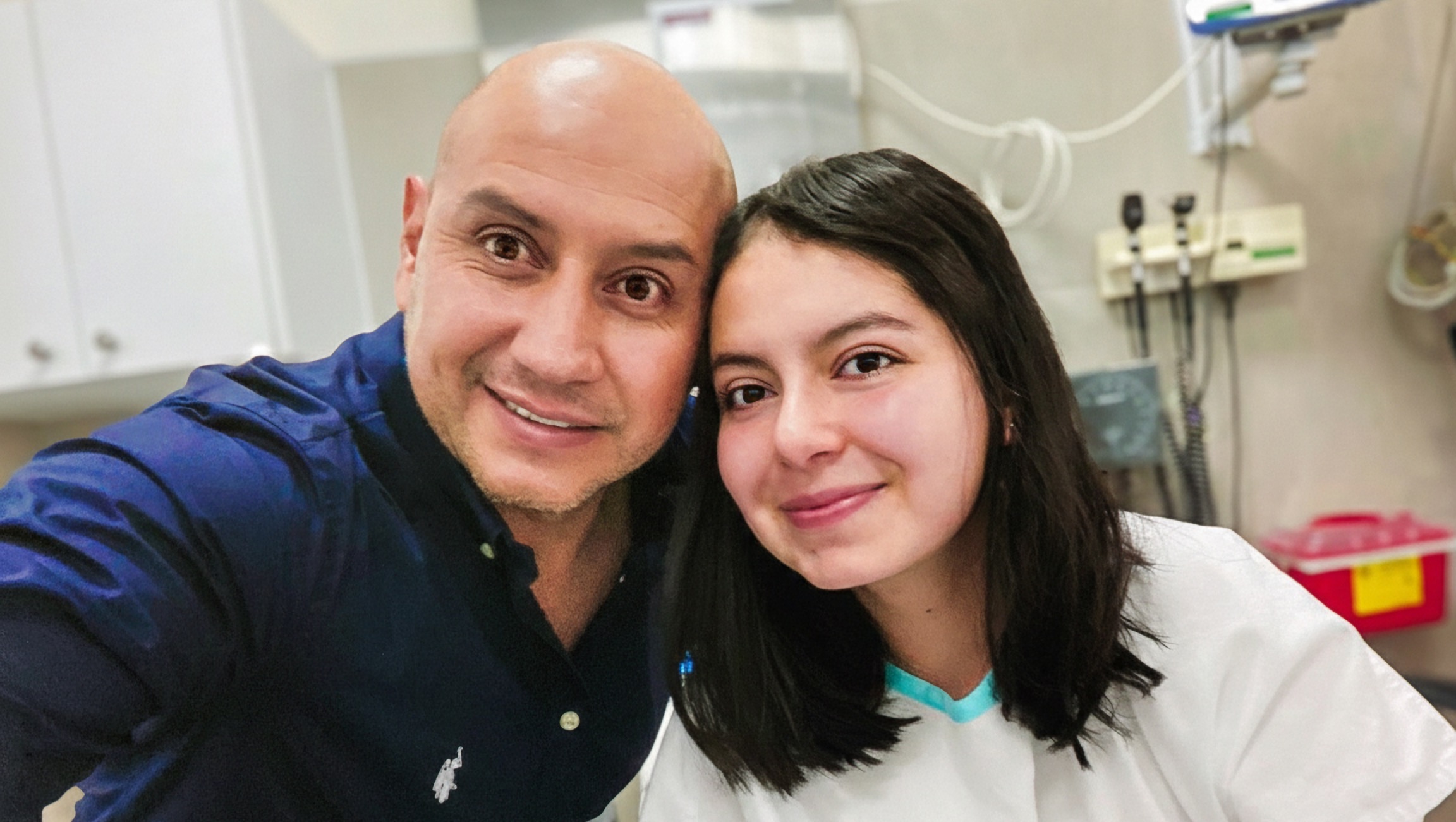
Andrea reside en Ecuador y GoFundMe no realiza transferencias directas al país. Por esta razón, Alejandra Mosquera (prima de Andrea), residente en Canadá, figura como organizadora oficial de la campaña, recibiendo las donaciones y asegurando que los recursos se transfieran de manera segura y transparente para la atención médica correspondiente.
Nos comprometemos a compartir actualizaciones periódicas para que todas las personas que apoyen esta campaña puedan conocer el impacto de su ayuda.
Cómo puedes ayudar
Cualquier aporte, por pequeño que sea, marca una gran diferencia.
Si no puedes donar, compartir esta campaña también es una forma muy valiosa de ayudar.
Comprendiendo que algunas personas puedan tener dificultades con la plataforma, con tarjetas internacionales o prefieran no usar medios digitales; si desean apoyar mediante transferencia bancaria directa en Ecuador, pueden hacerlo a la siguiente cuenta del padre de Andrea:
Banco Pichincha
Cuenta: 3332030000
Titular: Fernando Velasco
CI: 1716009749
Agradecemos profundamente a todas las personas que puedan acompañarla en este proceso con su apoyo, oraciones y solidaridad. Cada aporte, cada mensaje y cada gesto de ayuda tiene un impacto real en la vida de Andrea y en su lucha diaria.
Gracias por caminar con nosotros.
⸻ ️Andrea cuenta su historia
En noviembre de 2022, mientras cumplía con el internado de medicina, mi vida cambió por completo. Un día, habíamos planificado que mi papi me lleve a cumplir con un turno, pero en vez de hallarme lista, me encontró en el suelo: había convulsionado. Sin pensarlo dos veces me llevó de urgencia al Hospital Metropolitano de Quito.
Allí, me realizaron varios exámenes; entre ellos, una tomografía para descartar masas en el cerebro. En ese estudio encontraron una lesión que inicialmente parecía un quiste. Luego, me hicieron una resonancia magnética contrastada para confirmar si se trataba de algo tumoral. Ese mismo día me operaron de urgencia. Recuerdo claramente que, desde ese momento, todo cambió para mí.
Pasé una semana hospitalizada y luego me dieron el alta. Aún no conocía mis resultados definitivos, ya que el tejido había sido enviado a estudio histopatológico. Como médica, entendía perfectamente la gravedad de la situación, pero nadie me decía nada de forma directa. Una semana después regresamos donde el neurocirujano para leer el resultado, y recuerdo con claridad que dijo: “Hay que derivarla donde el doctor Lupera”. En ese instante lo supe. Por el trabajo de mi papi conocía a muchos oncólogos y sabía que ese nombre significaba una sola cosa: cáncer. Lo que aún no sabía era la magnitud de lo que estaba por venir.
Mi papi, siempre pendiente y preocupado, me llevó a pedir opiniones profesionales con varios oncólogos: el doctor Lupera, la doctora Tania Soria y la doctora Andrea Moreno. Finalmente, decidí que mi oncóloga de cabecera sea la doctora Andrea Moreno, quien me explicó con claridad lo que estaba pasando, transmitiéndome confianza y demostrando un conocimiento profundo del tema. Fue ella quien me confirmó el diagnóstico: astrocitoma grado IV, el cáncer cerebral más agresivo que existe.
Como médica, sabía todo lo que implicaba ese diagnóstico. Por eso, quise preservar mis óvulos antes de iniciar radioterapia y quimioterapia. Lamentablemente, la doctora fue muy clara conmigo: no iba a poder ser mamá. Esa noticia fue, sin duda, el golpe más duro de todo este proceso; más doloroso incluso que el mismo cáncer. Recuerdo que esa esa noche lloré como nunca.
Al día siguiente, aun con el corazón roto, decidí seguir adelante. Quise continuar con el internado, sentirme útil, mantenerme activa. Todos me decían que descanse, que pare, pero yo necesitaba seguir. Hablé con el decano de mi facultad, le expliqué mi situación, y él me entendió completamente. Me dijo una frase que nunca olvidaré: “Si hasta a los vagos se les ayuda, ¿cómo no te vamos a ayudar a ti?”.
Por la medicación anticonvulsivante no podía hacer turnos nocturnos, pero sí podía realizar el trabajo asistencial. A veces cumplía jornadas de seis horas, otras de ocho. Yo amaba ir al hospital, y creo que mis papás se dieron cuenta de que ahí encontraba paz y tranquilidad.
Mientras tanto, seguía con mis radioterapias y quimioterapias con temozolamida. Sin embargo, en marzo de 2023, el tumor volvió a aparecer. Había recaído. Llegué al internado devastada, llorando con mis amigos. Me dijeron que había dos opciones: cirugía; o intentar disminuirlo con quimioterapia. Me recomendaron que esta vez me opere la doctora Bottani, por su experiencia y formación en Italia.
Yo no quería perder mi cabello otra vez. En realidad, nunca quise aceptar que tenía cáncer. Se me caía por partes, pero nunca quise raparme; solo lo cortaba muy corto. Volver a entrar a cirugía me costaba mucho, especialmente por eso. Hablé con la doctora Bottani y ella me aseguró que solo cortaría lo estrictamente necesario. Entré a quirófano y me realizó una resección tumoral amplia más una lobectomía, es decir, no solo retiró el tumor, sino también tejido adicional para disminuir el riesgo de que quedaran células cancerígenas.
La cirugía salió bien, pero cambiaron mi esquema de quimioterapia. Empecé con bevacizumab intravenoso cada quince días. Ya no tenía venas, así que me colocaron un puerto venoso conectado a la vena subclavia. Lamentablemente, después de esa cirugía, desarrollé una fístula: comenzó a salir líquido cefalorraquídeo por mi cabeza. Me intervinieron con suturas, pero no fue suficiente.
El dolor era insoportable. Tenía una presión terrible en la cabeza. Además, el bevacizumab impedía una adecuada cicatrización y favorecía la formación de fístulas. Tras ocho ciclos, en octubre de 2023, suspendieron el medicamento. Aun así, la fístula no cerraba. Consulté con un cirujano plástico, pero esa cirugía también falló: se produjo una dehiscencia y todos los puntos se abrieron, dejando una herida enorme en mi cabeza. Me hacía curaciones diarias con suero y gasas.
Luego, me realizaron una cirugía mayor, colocando un colgajo tomado de mi muslo derecho. Fue una de las peores experiencias que he vivido: el dolor en la cabeza y en la pierna era indescriptible. Ni siquiera soportaba que mi gatita se me acerque. A pesar de todo, el líquido seguía saliendo. Finalmente, decidieron colocarme un drenaje lumbar externo continuo para retirar el líquido cefalorraquídeo. Estuve hospitalizada una semana. Cuando por fin cesó, sentí una alegría inmensa.
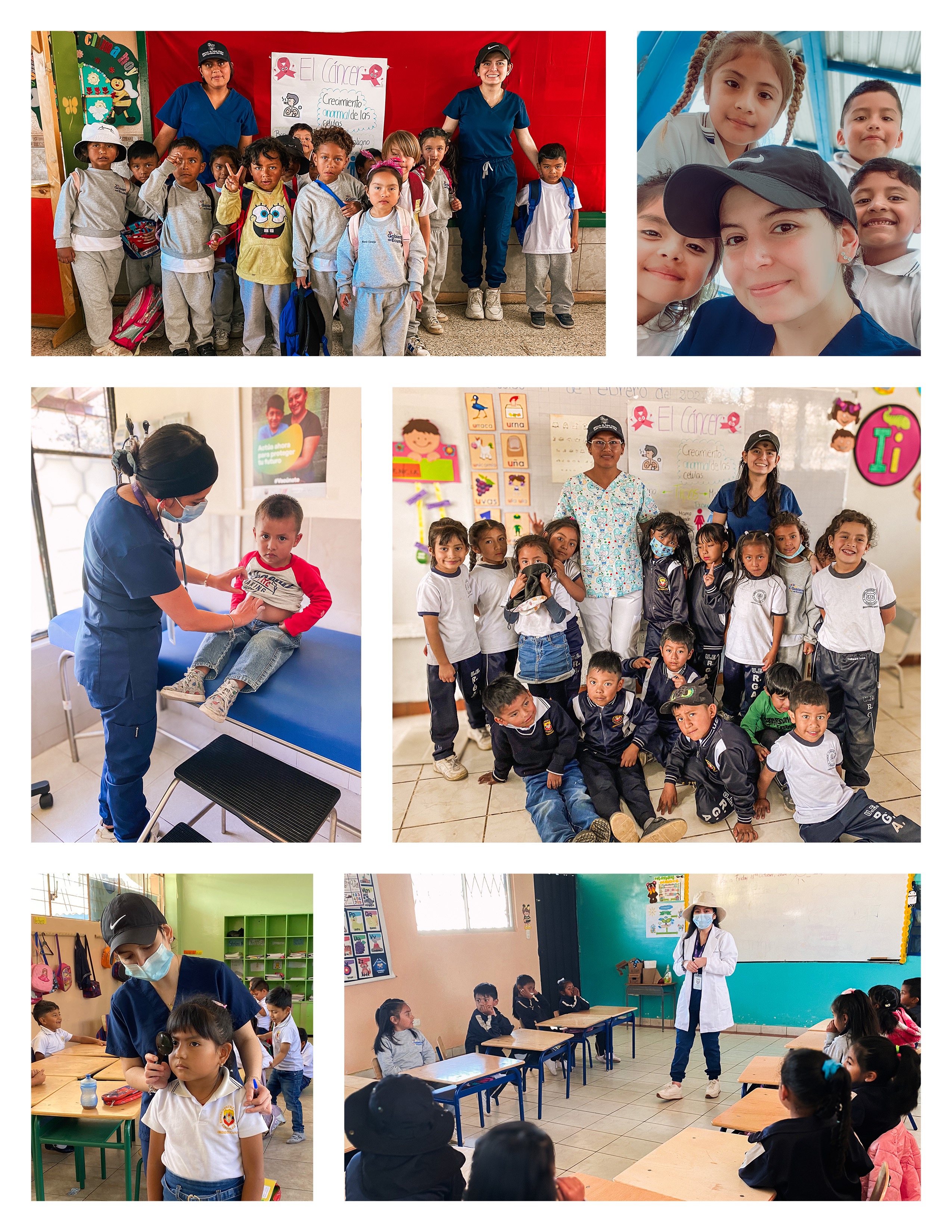
En enero de 2024 inicié mi año rural. Todos me decían que no vaya, que descanse, que ya había pasado demasiado tiempo en hospitales. Pero yo quise seguir. Hice mi rural, estudié mi maestría y me gradué. Hoy, soy médica y magíster. Nunca me he quedado quieta. Siempre he querido salir adelante.
Desde entonces, me mantuve en controles cada tres meses, y gracias a Dios todo iba bien. En julio de 2025, le pregunté nuevamente a mi doctora si podía ser mamá. Me dijo que sí. Lloré de felicidad. Me explicó que debía esperar dos años desde mi última quimioterapia (octubre de 2023). Aunque no era un plan inmediato, esa noticia me llenó de ilusión.
En mi último control, en enero de 2026, todo volvió a derrumbarse. Me realizaron la resonancia de rutina y la hormona antimülleriana. Ese mismo día llegaron los resultados: había recaído otra vez. Dos nuevos tumores cerebrales. Sentí que el mundo se me venía encima. Mis sueños de ser mamá y de ir a Brasil a especializarme se rompieron nuevamente.
Esa misma noche pregunté si podía preservar mis óvulos. La respuesta fue devastadora: aunque los estudios dicen que sí es posible, en mi caso no. El tumor creció en menos de tres meses. Esperar más tiempo sería poner en riesgo mi vida. Me dijeron que tengo una “bomba de tiempo” y que lo que están haciendo es alargar mi vida.
He retomado la quimioterapia con temozolamida y me realizaron una radiocirugía. Hoy, mis sueños son otros: despertarme cada día con vida, tener salud y seguir luchando. Estoy cumpliendo mis tratamientos al pie de la letra y busco opciones en Rusia o en Estados Unidos que puedan ofrecerme nuevas alternativas.
Nada de esto habría sido posible sin mi papá, que ha sido fundamental en cada paso; mis abuelitos; mi novio, que nunca me soltó la mano y ocupa un lugar inmenso en mi corazón; y mi familia y amigos, que jamás me dejaron caer.
Si algo quiero dejarles es esto: en las enfermedades catastróficas y en el cáncer, la actitud lo es todo. Vivan como si fuera el último día, luchen y no se rindan nunca. Yo soy muy creyente y estoy convencida de que la fe es lo último que se pierde.
— Andrea Velasco
⸻⸻⸻⸻⸻⸻⸻⸻⸻
ENGLISH VERSION
"Andrea dreamed of saving lives. Now she’s fighting for her own"
We are Andrea Velasco’s family, and today we share her story because her fight for life continues.
Andrea is facing an aggressive form of brain cancer, and through this campaign, we seek to stand by her with the support and solidarity of those who are able to walk alongside her on this journey.
Andrea’s story
Andrea is 26 years old. She is a physician and was completing her clinical training when, in October 2022, her life changed abruptly. A seizure at home led to emergency tests, urgent surgery, and a diagnosis that no one expects to receive at such a young age: Grade IV astrocytoma, one of the most aggressive forms of brain cancer and a condition with a high risk to life.
Since then, Andrea has undergone multiple brain surgeries, radiotherapy, chemotherapy, and severe post-surgical complications. Her days became marked by hospitalizations, constant medication, uncertainty, and recovery. And even so, she kept moving forward: she completed her internship, fulfilled her rural medical service year, and remained standing with discipline, strength, hope, and positivity.
In January 2026, Andrea received devastating news once again: the cancer had returned. Medical studies revealed two new brain lesions.
This was not just another medical result. It was another moment when time seemed to stand still—an instant filled with fear, unanswered questions, and deep uncertainty. One of the hardest blows was learning that her ability to have children—a very important life goal for her—was no longer certain due to the high risk to her life.
Despite everything, Andrea has chosen to keep fighting. She does not only face cancer—she confronts it with courage and hope. She fights not only to survive, but for the possibility of continuing to achieve her goals and to inspire others to embrace the future while facing their own great battles.
What does Andrea currently need?
At this stage, our beloved Andrea requires continuous and strict medical care throughout the current year, which includes:
• Chemotherapy cycles
• Daily medication (seizure control and supportive treatment)
• Regular MRI scans and laboratory tests
• Specialized follow-up in oncology and neurosurgery
• Possible radiosurgery and evaluation for international second medical opinions
The estimated cost to cover approximately one year of treatment and monitoring is around USD $25,000 (approximately CAD $34,000).
Andrea has already resumed her cancer treatment, a process that demands consistency and continuity. Having these resources available at the right time is essential so she can move through each phase without complications.
How will the funds be used?
All funds raised will be used exclusively for medical expenses, including treatments, medications, diagnostic tests, and the care necessary to control the disease and preserve Andrea’s quality of life. Medical needs may change, and if new therapeutic alternatives arise—including evaluation abroad—the fundraising goal may be adjusted accordingly.
Transparency and campaign management
Andrea lives in Ecuador, and GoFundMe does not currently transfer funds directly to the country. For this reason, Alejandra Mosquera (Andrea’s cousin), who resides in Canada, is listed as the official organizer of the campaign, receiving the donations and ensuring that the funds are transferred safely and transparently for Andrea’s medical care.
We are committed to sharing regular updates so that everyone who supports this campaign can see the impact of their help.
How you can help
Any contribution, no matter how small, makes a meaningful difference.
If you are unable to donate, sharing this campaign is also a very valuable way to help.
We deeply appreciate everyone who is able to accompany Andrea in this journey with their support, prayers, and solidarity.
Every contribution, every message, and every gesture of help has a real impact on Andrea’s life and on her daily fight.
Thank you for walking this path with us.
⸻ ️Andrea shares her story
In November 2022, while I was completing my medical internship, my life changed completely. One day, my dad and I had planned that he would take me to my shift, but instead of finding me ready, he found me on the floor—I had suffered a seizure. Without thinking twice, he rushed me to the Hospital Metropolitano in Quito.
There, I underwent several tests, including a CT scan to rule out masses in my brain. That scan revealed a lesion that initially appeared to be a cyst. Later, I had a contrast-enhanced MRI to determine whether it was something tumoral. That same day, I underwent emergency surgery. I remember clearly that from that moment on, everything changed for me.
I spent a week hospitalized and was then discharged. I still didn’t have my final results, as the tissue had been sent for histopathological analysis. As a physician, I fully understood the seriousness of the situation, but no one spoke to me directly about it. A week later, we returned to see the neurosurgeon to review the results, and I vividly remember the words he said: “She needs to be referred to Dr. Lupera.” In that moment, I knew. Because of my dad’s work, I was familiar with many oncologists, and I knew that name meant only one thing: cancer. What I didn’t yet know was the magnitude of what was coming.
My dad, always attentive and worried, took me to seek professional opinions from several oncologists: Dr. Lupera, Dr. Tania Soria, and Dr. Andrea Moreno. I ultimately chose Dr. Andrea Moreno as my primary oncologist. She explained everything to me clearly, gave me confidence, and demonstrated deep knowledge of the condition. It was she who confirmed my diagnosis: Grade IV astrocytoma, the most aggressive form of brain cancer.
As a physician, I knew exactly what that diagnosis implied. That’s why I wanted to preserve my eggs before starting radiotherapy and chemotherapy. Unfortunately, my doctor was very clear with me: I would not be able to become a mother. That news was, without a doubt, the hardest blow of this entire process—more painful even than the cancer itself. I remember that night crying like never before.
The next day, even with my heart broken, I decided to move forward. I wanted to continue my internship, to feel useful, to stay active. Everyone told me to rest, to stop, but I needed to keep going. I spoke with the dean of my medical school, explained my situation, and he understood completely. He told me something I will never forget: “If even lazy students get help, how could we not help you?”
Because of the anticonvulsant medication, I couldn’t do night shifts, but I could still perform clinical work. Some days I worked six hours, others eight. I loved going to the hospital, and I think my parents realized that it was where I found peace and calm.
Meanwhile, I continued with radiotherapy and chemotherapy using temozolomide. However, in March 2023, the tumor returned. I had relapsed. I arrived at my internship devastated, crying with my friends. I was told there were two options: surgery or trying to reduce it with chemotherapy. They recommended that this time I be operated on by Dr. Bottani, due to her experience and training in Italy.
I didn’t want to lose my hair again. In truth, I never wanted to accept that I had cancer. My hair was falling out in patches, but I never wanted to shave it—I only kept it very short. Going back into surgery was very hard for me, especially because of that. I spoke with Dr. Bottani, and she assured me she would only cut what was strictly necessary. I went into surgery, and she performed an extensive tumor resection plus a lobectomy—that is, she removed not only the tumor, but also additional tissue to reduce the risk of remaining cancer cells.
The surgery went well, but my chemotherapy regimen was changed. I started intravenous bevacizumab every fifteen days. I no longer had usable veins, so a venous port was placed and connected to my subclavian vein. Unfortunately, after that surgery, I developed a fistula: cerebrospinal fluid began leaking from my head. They attempted to repair it with sutures, but it wasn’t enough.
The pain was unbearable. I felt tremendous pressure in my head. In addition, bevacizumab interferes with proper healing and promotes the formation of fistulas. After eight cycles, in October 2023, the medication was discontinued. Even then, the fistula did not close. I consulted a plastic surgeon, but that surgery also failed—the wound dehisced, all the stitches opened, leaving a large wound on my head. I had to perform daily dressings with saline and gauze.
Later, I underwent major surgery in which a flap was taken from my right thigh. It was one of the worst experiences of my life: the pain in my head and leg was indescribable. I couldn’t even tolerate my little cat coming near me. Despite everything, the fluid continued to leak. Finally, doctors decided to place a continuous external lumbar drain to remove the cerebrospinal fluid. I was hospitalized for a week. When it finally stopped, I felt immense joy.
In January 2024, I began my rural service year. Everyone told me not to go, to rest, that I had already spent too much time in hospitals. But I chose to continue. I completed my rural service, studied for my master’s degree, and graduated. Today, I am a physician and hold a master’s degree. I have never stood still. I have always wanted to move forward.
From then on, I remained under follow-up every three months, and thank God everything was going well. In July 2025, I asked my doctor again if I could become a mother. She said yes. I cried with happiness. She explained that I needed to wait two years from my last chemotherapy session (October 2023). Although it wasn’t an immediate plan, that news filled me with hope.
At my most recent follow-up, in January 2026, everything collapsed again. I underwent my routine MRI and anti-Müllerian hormone test. The results arrived that same day: I had relapsed again. Two new brain tumors. I felt like the world was falling apart. My dreams of becoming a mother and of going to Brazil to specialize were shattered once more.
That same night, I asked whether I could preserve my eggs. The answer was devastating: although studies say it can be possible, in my case it was not. The tumor had grown in less than three months. Waiting any longer would put my life at risk. I was told that I have a “ticking time bomb” and that what they are doing now is extending my life.
I have resumed chemotherapy with temozolomide and have undergone radiosurgery. Today, my dreams are different: to wake up each day alive, to have health, and to keep fighting. I am following my treatments strictly and seeking options in Russia or the United States that may offer new alternatives.
None of this would have been possible without my dad, who has been fundamental at every step; my grandparents; my boyfriend, who never let go of my hand and holds an immense place in my heart; and my family and friends, who never let me fall.
If there is one thing I want to leave you with, it is this: in catastrophic illnesses and in cancer, attitude is everything. Live as if it were the last day, fight, and never give up. I am a woman of deep faith, and I am convinced that faith is the last thing ever lost.
— Andrea Velasco
Organizer