- M
- G
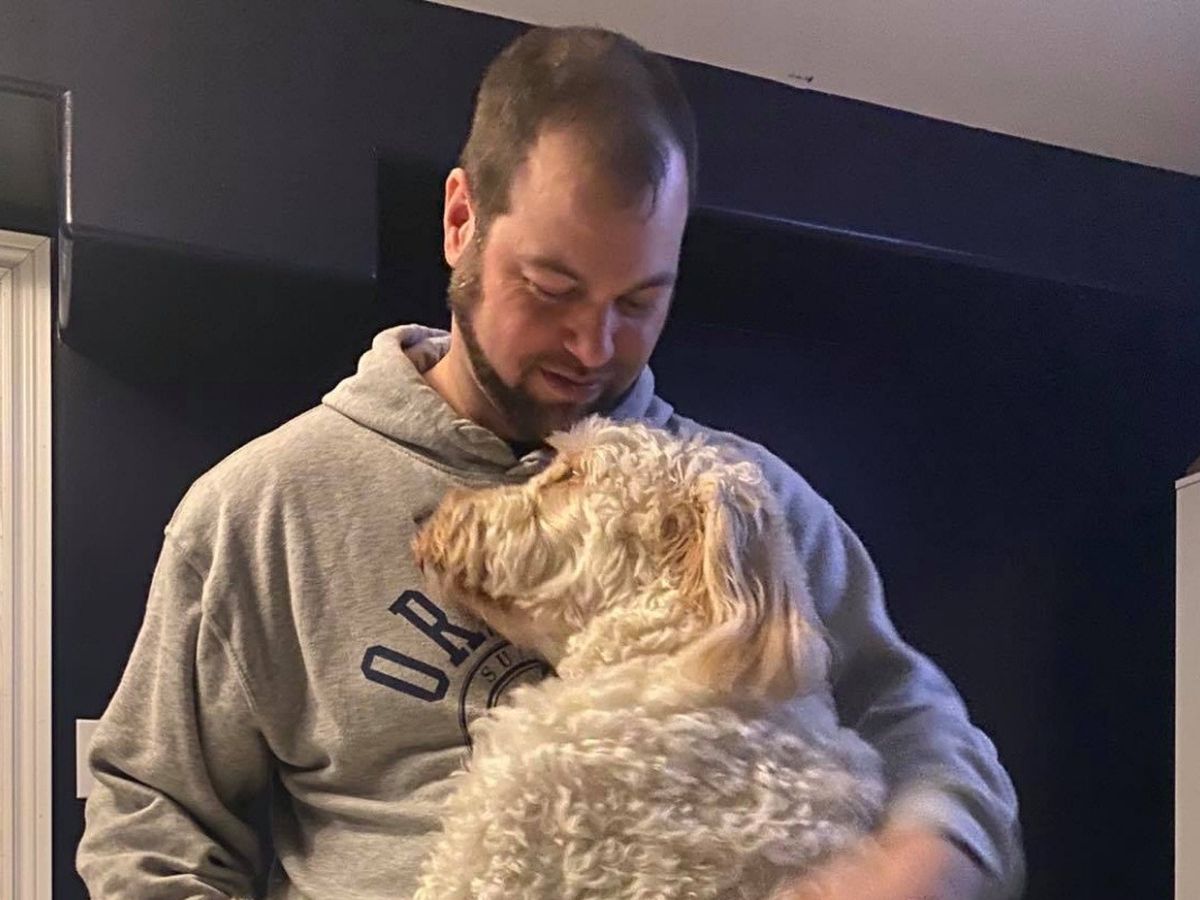
My son-in-law, Brad Miller, 35, suffered cardiac arrest on the night of November 19, 2020, and miraculously survived. My daughter, his wife Brianne, was awakened by their dog barking frantically, to find her husband without breath or a pulse in the bed beside her. After calling 911, Brianne, assisted by her brother-in-law, Iain Anderson, desperately began performing CPR while the 911 dispatcher stayed on the line with her. After 15 minutes, shortly before first responders arrived at the scene, Brad began breathing, his heart began beating, and blood began flowing to his body again. His brain had been without oxygen for 15 minutes.
At the hospital Brad was intubated and medical staff began inducing therapeutic hypothermia, a procedure to minimize damage to the brain. Over the course of the next 2 days, Brad's temperature was brought back up, his sedation was reduced. On November 21 Brad tried to open his eyes. On November 23 Brad regained consciousness, opened his eyes and asked where he was. He became one of the few people who suffer cardiac arrest outside of a hospital and survive.
Brad has been diagnosed with Brugada syndrome, a rare genetic heart defect. He requires an implant - either a defibrillator or a pacemaker.
Brad and Brianne had recently moved home to Nova Scotia from Newfoundland, living in her sister's basement while they got settled into their life here - Brianne in a new job and Brad completing another course on the way to gaining certification as an electrician.
Brianne has been the only person allowed to visit Brad in the hospital due to COVID-19 restrictions and only because she qualifies as a caregiver. When Brad improves to the point where a caregiver is no longer required, Brianne will lose her visiting rights.
We hope and pray for the day that Brad will be able to come home - but it will be to live in a basement, unable to drive for up to a year, without an income and with much of what he owns in storage, waiting to be brought back into the life that he and Brianne had dreamed of in Nova Scotia and sacrificed so much to try to achieve.
Brad has a long road ahead of him. We want to help him find his way.
At the hospital Brad was intubated and medical staff began inducing therapeutic hypothermia, a procedure to minimize damage to the brain. Over the course of the next 2 days, Brad's temperature was brought back up, his sedation was reduced. On November 21 Brad tried to open his eyes. On November 23 Brad regained consciousness, opened his eyes and asked where he was. He became one of the few people who suffer cardiac arrest outside of a hospital and survive.
Brad has been diagnosed with Brugada syndrome, a rare genetic heart defect. He requires an implant - either a defibrillator or a pacemaker.
Brad and Brianne had recently moved home to Nova Scotia from Newfoundland, living in her sister's basement while they got settled into their life here - Brianne in a new job and Brad completing another course on the way to gaining certification as an electrician.
Brianne has been the only person allowed to visit Brad in the hospital due to COVID-19 restrictions and only because she qualifies as a caregiver. When Brad improves to the point where a caregiver is no longer required, Brianne will lose her visiting rights.
We hope and pray for the day that Brad will be able to come home - but it will be to live in a basement, unable to drive for up to a year, without an income and with much of what he owns in storage, waiting to be brought back into the life that he and Brianne had dreamed of in Nova Scotia and sacrificed so much to try to achieve.
Brad has a long road ahead of him. We want to help him find his way.