- R
- T
- r
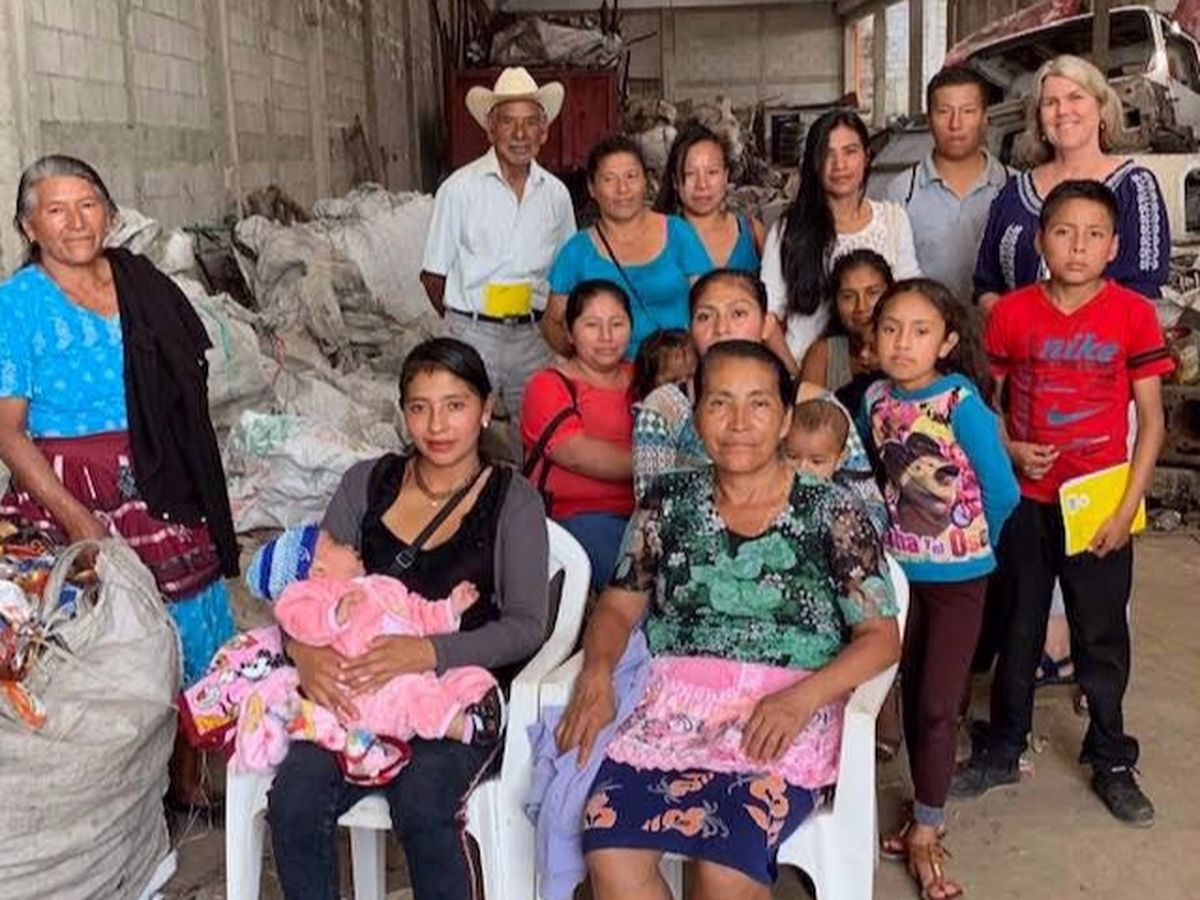
Recycling Project in La Fuente, Jalapa, Guatemala
0% complete
€2,505 raised of €2K
26 donations
ENVIRONMENTAL RESPONSIBILITY
Solid waste, especially plastic waste, is a growing threat to natural ecosystems and poses a hazard to planetary health. Some countries are recognizing this growing problem and are instituting environmental controls to keep waste, like plastic, away from landfills and water sources. Although reducing the consumption and recycling of single-use plastic are fundamental components of successful environmental programs, the overproduction of plastic is overwhelming Earth’s ecosystem. Globally, the equivalent of one garbage truck full of plastic enters the sea every minute, of about 8 million tons of plastic every year.
The management of plastic waste is particularly challenging in low-resource countries. Furthermore, mismanaged plastic waste crosses territorial boundaries, moving from streams into rivers and then into oceans. The poor management of solid waste is one of the most severe environmental problems confronted by countries that have not institutionalized recycling programs. Guatemala exemplifies this growing problem. In this small country of 17 million people, plastic constitutes 17.3% of total waste, and Guatemala is ranked 25th in the world for the proportion of plastic generated relative to other waste (World Bank Group).
In rural Guatemala, 71% of households burn waste as the primary means of disposal. Guatemala generates an estimated 0.519 kilograms of solid household waste, including plastic, per inhabitant per day in urban areas. Approximately one-third of the households in the country use municipal or private collection services, 80% of which are located in metropolitan Guatemala. The remaining two thirds, mostly in rural or poor communities, burn or throw their waste in informal dumps in communal areas, like rivers, or burn waste at home in outdoor fires or in indoor kitchen cookstoves. Plastic waste is ubiquitous, with dire environmental consequences. Management of plastic waste is particularly challenging in communities in low-resource countries.
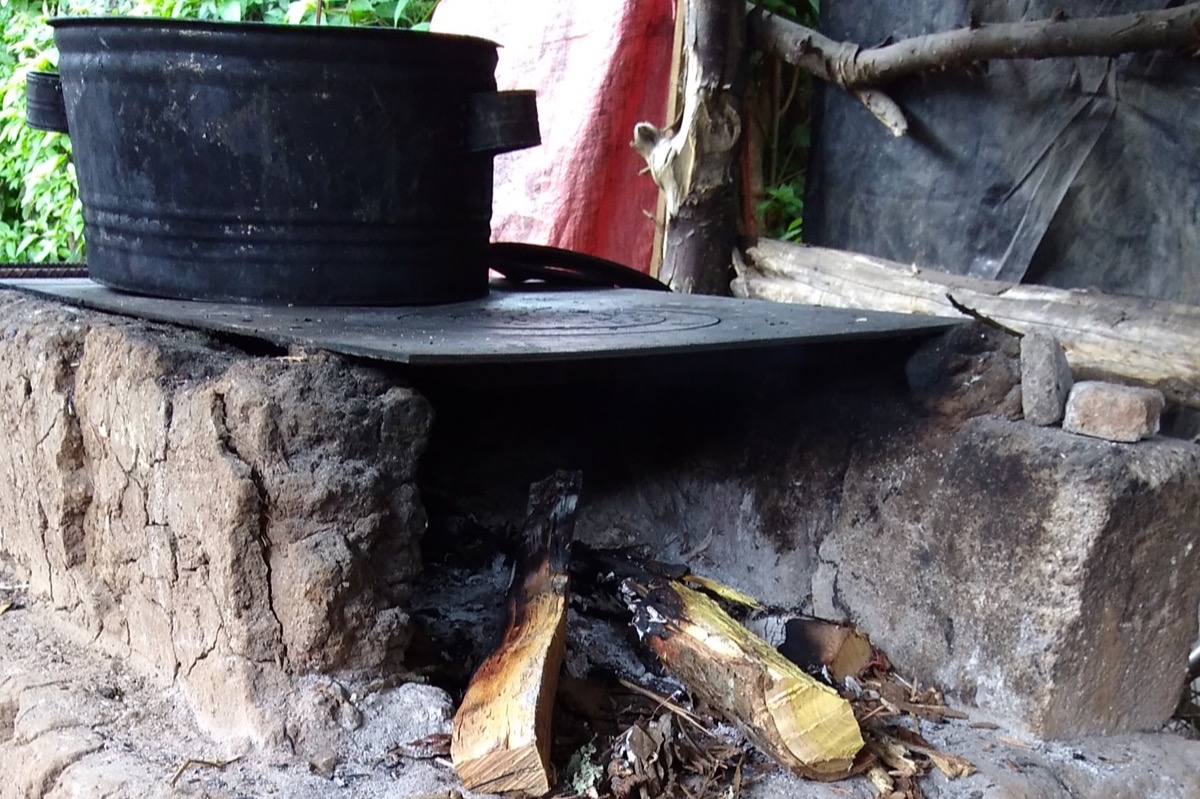
In rural Guatemala, where there are generally no municipal sanitation services, plastic trash is dumped in communal areas, like rivers, or is burned at home in outdoor fires or in indoor kitchen cookstoves. Roughly 95% of rural households use solid fuels, like wood, for cooking, and household air pollution is the fifth leading cause of death in Guatemala. Globally, household air pollution contributed to 1.6 million premature deaths in 2017, due to the exposure to fine particulate matter (PM2.5). Polycyclic aromatic hydrocarbons (PAHs) and volatile organic compounds (VOCs) are carcinogens generated during incomplete combustion
BUSINESS SHOULD NOT ONLY EXIST TO MAKE MONEY BUT TO MAKE THE WORLD A BETTER PLACE TO LIVE IN:
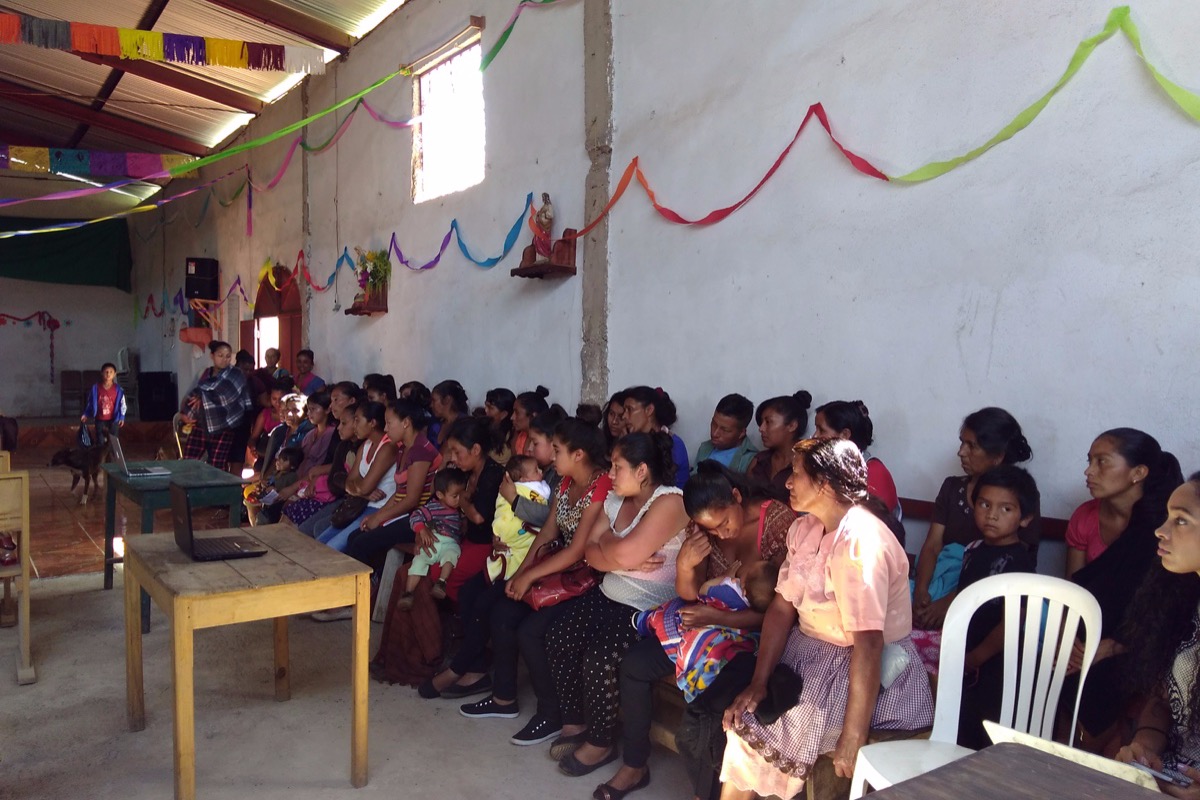
In 2019 we, a group of researchers from the University of Emory, USA and Universidad del Valle de Guatemala worked in La Fuente, an indigenous community in the Department of Jalapa, Guatemala. For a period of eight months, 90 members participated in different activities where day learned about how their environment and health are being affected by burning waste, especially plastic.
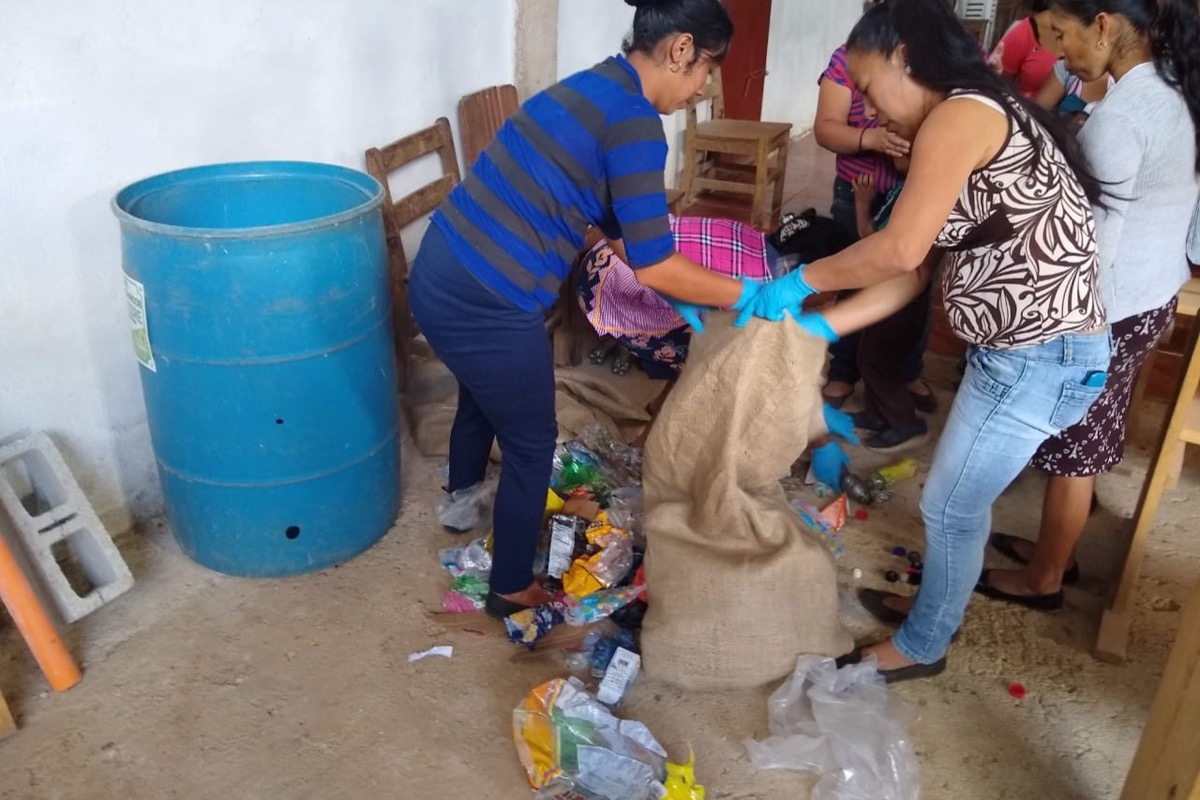
From the larger group, 10 people were trained in solid waste management in a recycling site in Jalapa. They received seed capital and all the materials required to start up a business for buying recycling materials in their own town, La Fuente. Three of them are working as coordinators to organise the activities related to the small business and help with any difficulties or barriers, the rest of the micro-entrepreneurs might have or perceive.
Since December 2019, this group of people have been buying materials such as plastic, glass, different types of metals and paper, that now are not being burned at their homes but being taken to the recycling site. This has improved not only their health but also their environment:
"...it's amazing to see how clean the roads and river in our little town La Fuente are!, children are now always picking bottles to sell these to us...We all are benefiting from this project: the children get some money for those bottles, people can sell their trash to us and our community is clean", said Juliana, one of the coordinators.
We are now trying to raise money so they can afford transport every month that can take the trash out of their town to the recycling site. We care deeply about the positive impact their contribution has had on their town and environment and wish to ensure the delivered benefits are sustainable. We all share their enthusiasm, their hard work and most of all the ideal of a greener and healthier world for everybody.
If you want to get in contact with one of our researchers to learn more about this or the HAPIN project, please send an Email to:
Dr Lisa Thompson http://www.nursing.emory.edu/faculty-and-research/directory/profile.html?id=4120 or
MSc. Anaité Díaz Artiga https://www.uvg.edu.gt/autoridades/maestria-en-epidemiologia/
Solid waste, especially plastic waste, is a growing threat to natural ecosystems and poses a hazard to planetary health. Some countries are recognizing this growing problem and are instituting environmental controls to keep waste, like plastic, away from landfills and water sources. Although reducing the consumption and recycling of single-use plastic are fundamental components of successful environmental programs, the overproduction of plastic is overwhelming Earth’s ecosystem. Globally, the equivalent of one garbage truck full of plastic enters the sea every minute, of about 8 million tons of plastic every year.
The management of plastic waste is particularly challenging in low-resource countries. Furthermore, mismanaged plastic waste crosses territorial boundaries, moving from streams into rivers and then into oceans. The poor management of solid waste is one of the most severe environmental problems confronted by countries that have not institutionalized recycling programs. Guatemala exemplifies this growing problem. In this small country of 17 million people, plastic constitutes 17.3% of total waste, and Guatemala is ranked 25th in the world for the proportion of plastic generated relative to other waste (World Bank Group).
In rural Guatemala, 71% of households burn waste as the primary means of disposal. Guatemala generates an estimated 0.519 kilograms of solid household waste, including plastic, per inhabitant per day in urban areas. Approximately one-third of the households in the country use municipal or private collection services, 80% of which are located in metropolitan Guatemala. The remaining two thirds, mostly in rural or poor communities, burn or throw their waste in informal dumps in communal areas, like rivers, or burn waste at home in outdoor fires or in indoor kitchen cookstoves. Plastic waste is ubiquitous, with dire environmental consequences. Management of plastic waste is particularly challenging in communities in low-resource countries.
In rural Guatemala, where there are generally no municipal sanitation services, plastic trash is dumped in communal areas, like rivers, or is burned at home in outdoor fires or in indoor kitchen cookstoves. Roughly 95% of rural households use solid fuels, like wood, for cooking, and household air pollution is the fifth leading cause of death in Guatemala. Globally, household air pollution contributed to 1.6 million premature deaths in 2017, due to the exposure to fine particulate matter (PM2.5). Polycyclic aromatic hydrocarbons (PAHs) and volatile organic compounds (VOCs) are carcinogens generated during incomplete combustion
BUSINESS SHOULD NOT ONLY EXIST TO MAKE MONEY BUT TO MAKE THE WORLD A BETTER PLACE TO LIVE IN:
In 2019 we, a group of researchers from the University of Emory, USA and Universidad del Valle de Guatemala worked in La Fuente, an indigenous community in the Department of Jalapa, Guatemala. For a period of eight months, 90 members participated in different activities where day learned about how their environment and health are being affected by burning waste, especially plastic.
From the larger group, 10 people were trained in solid waste management in a recycling site in Jalapa. They received seed capital and all the materials required to start up a business for buying recycling materials in their own town, La Fuente. Three of them are working as coordinators to organise the activities related to the small business and help with any difficulties or barriers, the rest of the micro-entrepreneurs might have or perceive.
Since December 2019, this group of people have been buying materials such as plastic, glass, different types of metals and paper, that now are not being burned at their homes but being taken to the recycling site. This has improved not only their health but also their environment:
"...it's amazing to see how clean the roads and river in our little town La Fuente are!, children are now always picking bottles to sell these to us...We all are benefiting from this project: the children get some money for those bottles, people can sell their trash to us and our community is clean", said Juliana, one of the coordinators.
We are now trying to raise money so they can afford transport every month that can take the trash out of their town to the recycling site. We care deeply about the positive impact their contribution has had on their town and environment and wish to ensure the delivered benefits are sustainable. We all share their enthusiasm, their hard work and most of all the ideal of a greener and healthier world for everybody.
If you want to get in contact with one of our researchers to learn more about this or the HAPIN project, please send an Email to:
Dr Lisa Thompson http://www.nursing.emory.edu/faculty-and-research/directory/profile.html?id=4120 or
MSc. Anaité Díaz Artiga https://www.uvg.edu.gt/autoridades/maestria-en-epidemiologia/