- F
- M
PhD Funding: Black History through music, style, and culture
0% complete
£2,500 raised of £2.5K
53 donations
I am raising £2,500 to help fund my Doctoral research into Black identity in 1970s Britain.
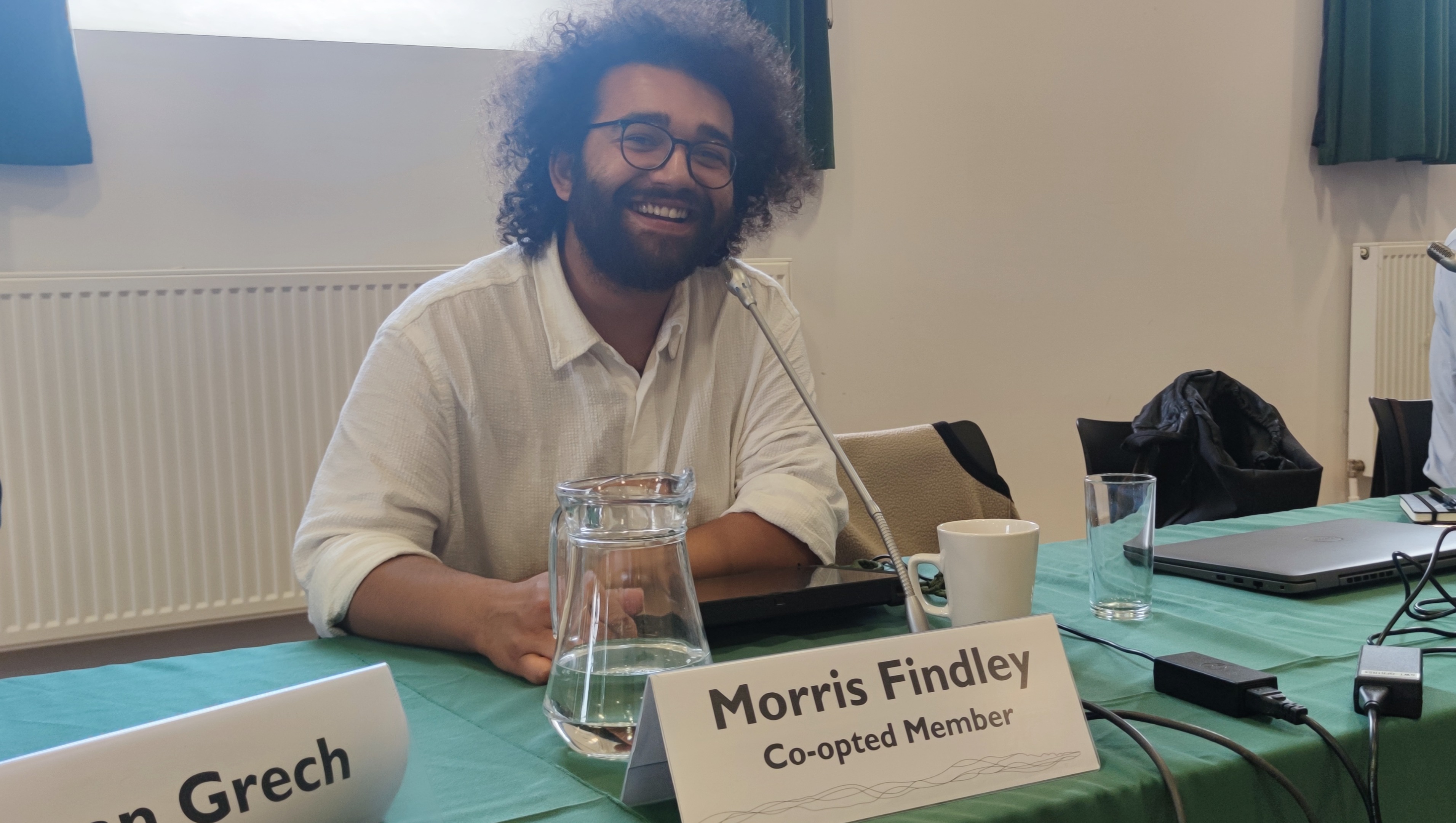
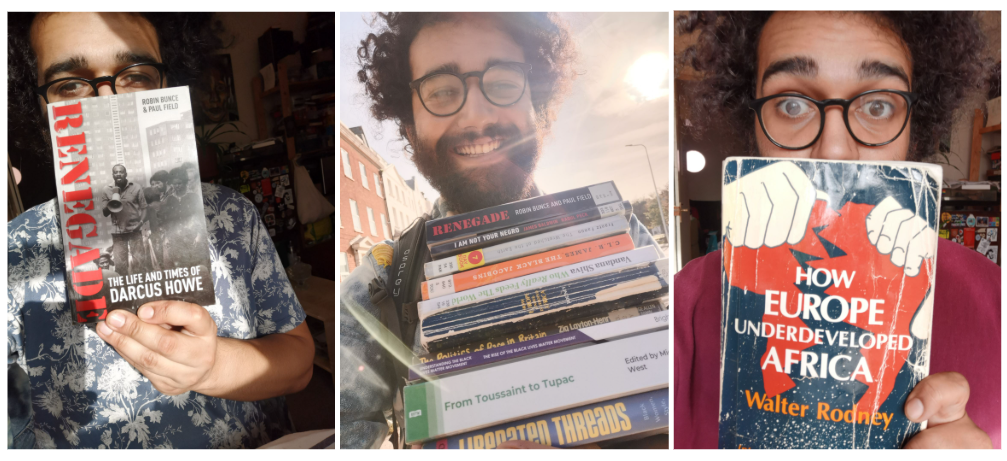
I am Morris Findley, a Black History researcher at SOAS University in London. I am a community organiser and activist, and I believe that research is one of the best tools to challenge racism and build a fairer society. I began researching Black History after realising the lack of representation of Black people in the field. There is a lack of Black History research, a lack of Black History researchers, and (most crucially) a lack of Black History teachers. In order to fill this gap, it is important that we train more academics in Black British history. With your funding, I will not only spend the next 3 years doing first of its kind research into Black British History, but I will also become a Doctor of History, which will allow me to spread this research through teaching and writing. No research should be confined to a book on the shelf, and I will make sure that I make my findings useful and accessible to the general public. I already teach Black history classes in schools, online, and at community events. My final research will be published as a text, but I will also present it in accessible formats, and teach it in person through workshops and talks for all ages.
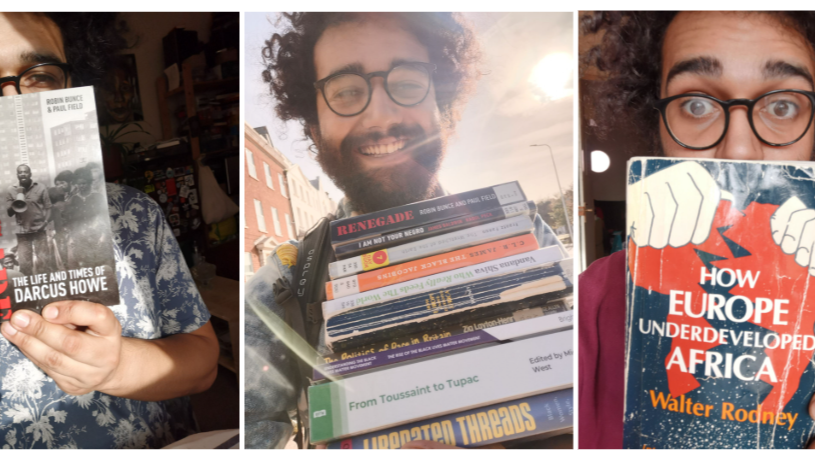
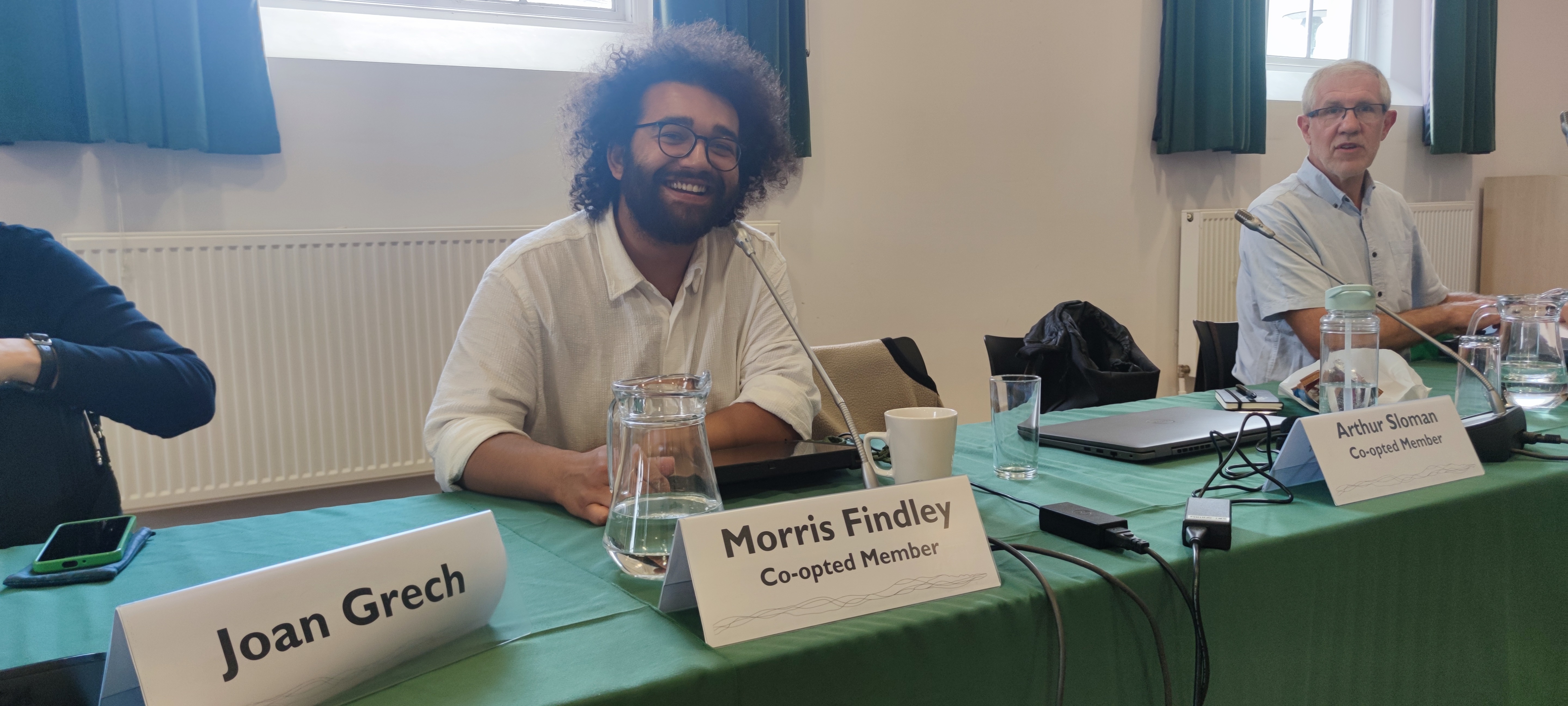
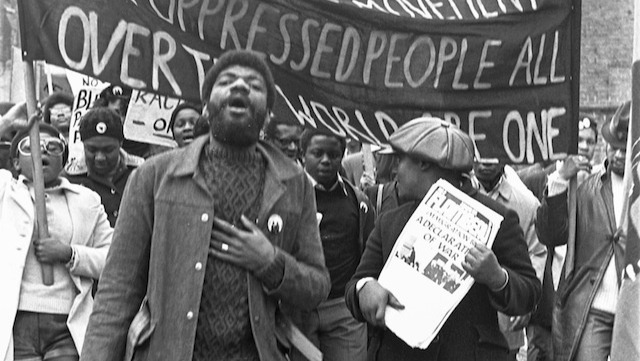
I am working-class, mixed-race, autistic, and Queer - and I would not be able to get this level of education without support from the community. But this isn't just about getting a PhD; it’s about correcting the historical record. My research moves beyond the standard narratives of slavery and trauma to explore how Black identity in the 70s was built through music, style, global solidarity, and joy. This is what I was taught growing up Black and British, and so this is what I want to engage the wider community with. Currently, I work as an inclusion and Anti-Racism advisor for several community organisations (like in the picture at the top), and I believe that understanding our past is the best way for us to prepare for a brighter future.
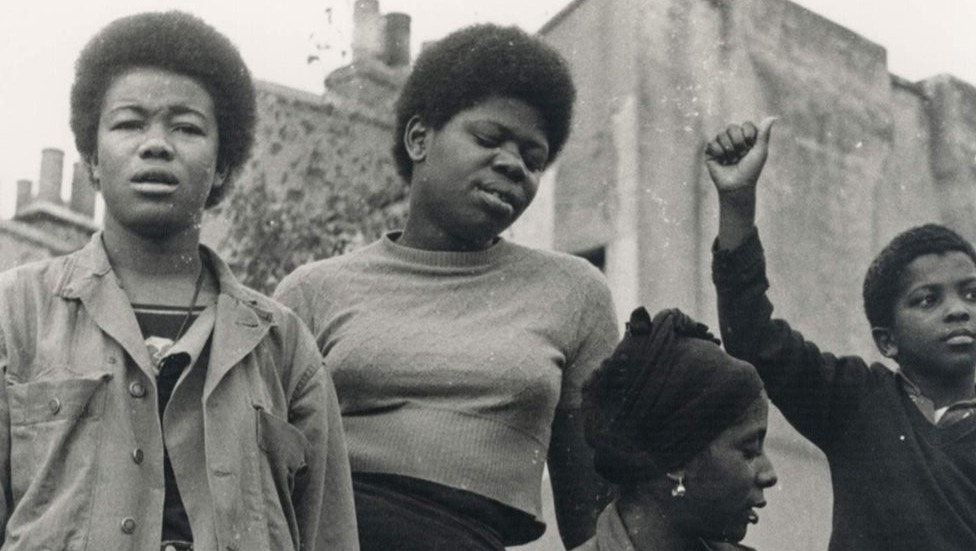
There is a lack of research and teaching into Black History in Britain. We do British History (which tends to be about white people) and we do Black History (which tends to be about Slavery and America.) It is important that we start writing history about Black people in Britain specifically - to forward our lives, understand our culture, and share our story.
History also tends to lack an intersectional perspective, focusing on one voice or group. My work specifically focuses on voices often left out of the archives: Black women, Queer people, and Mixed people. One of my key sources will be the life of Queer activist Olive Morris (pictured above), and her Afro-Asian feminist group OWAAD (The Organisation for Women of African and Asian Descent); which are often ignored when people talk about the era of Black Power activism.
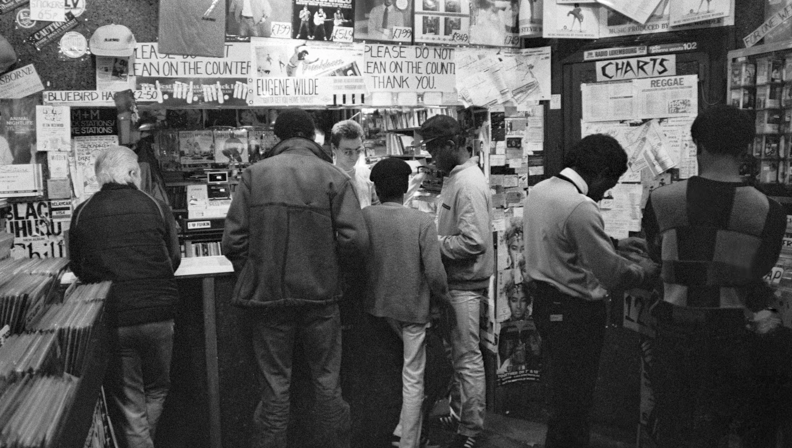
Most history research is based on books and written in books - staying on a library shelf. But Black history is alive and relevant. It moves globally and connects people in identity and living culture. This research will be alive and community based. I will spend 3 years analysing Black music, style, language, and activism, and conducting interviews with the people who created, imported, and used these cultures. Then I will share my findings online and at community events, as knowledge that belongs to the Black community. The research will look into Black cultures, how they spread across the globe in the 1970s, how they were received in Britain, and what influence they had on the people here.
- What did it mean to be Black in Britain during the Windrush generation?
- How did Jamaican Reggae and American Soul arrive in London's record shops?
- Why did Black Power activists start wearing West African shirts and Jewellery?
- How did Black activists form solidarity with those fighting Apartheid in South Africa?
- And how did all of this global movement of culture change what it meant to be Black in Britain?
Answering these questions allows for a greater appreciation of Black culture and its place in our society. Such research allows a better understanding of our Black heritage, and can challenge racism in the present.
I have secured funding for 80% of the PhD, and this is the final amount needed in order to conduct the research. All of the money raised in this campaign will go to paying SOAS University for this year of my PhD research placement. Black History research is very rarely funded. It is absent from most history books and from almost all history classes. But Black history is part of British history, and part of human history. By donating to this campaign, you can be part of making a more inclusive, decolonial, and anti-racist understanding of our shared past - which will go on to inform how we challenge racism in the future.
Organizer and beneficiary

PhD Funding
Beneficiary